Public Steam disclosure research25,383 disclosures tracked
Where do games disclose AI use?
Search developers’ Steam disclosures, compare classified AI use across
games, and follow recorded changes.
This index adds cross-game classifications and statistics to
statements published on individual store pages.
Groups reflect automatic analysis of public disclosures; mature records are excluded. These counts do not measure AI use across all of Steam.
Missing or unclear statements cannot establish whether a game uses AI.
Generative AI tools were used during development to assist with some pre-generated visual assets, including selected pixel-art environments, characters, illustrations, icons, and promotional artwork. These assets are included with the game and are not generated live during gameplay. The game does not use a live AI service or send player data to an AI service. Shipped assets were reviewed, edited, and integrated by the development team.
Generative AI was used as an occasional development aid for some dialogue wording, localization, and marketing / store texts.
The game's story, characters, and game design were created by the developer.
AI-assisted dialogue is reviewed and edited by the developer, and AI-assisted translations are reviewed and edited by native speakers.
The game does not use AI-generated images, voices, music, or other AI-generated audiovisual assets.
Portions of the game's code were written with AI assistance and reviewed, tested and integrated by the developer. Localization into non-English languages was machine-assisted and human-reviewed. Some 2D concept/marketing artwork was AI-assisted and manually refined. All gameplay, game design and audio are human-made. The game does not generate any content with AI at runtime.
The game's surface textures — the colour and relief maps applied to parts,
buildings, terrain and visual effects — and its sound effects were created
with generative AI tools during development. They are generated ahead of
time, reviewed and integrated by hand, and ship with the game as ordinary
image and audio files.
Nothing is generated while you play, and the game never connects to an AI
service.
The simulation itself — orbital mechanics, aerodynamics, the production chains — is written by hand.
The application includes a live generative AI assistance feature ("AI Assistant"). This feature generates real-time, text-based recommendations and diagnostics to help the user optimize their PC's performance, manage system resources, and improve game performance. Output is generated dynamically while the application is running, based on the user's own system data (CPU, GPU, RAM, disk usage) and locally gathered telemetry.
The AI does not generate images, audio, video, or other media assets. All generated output is text-only and is derived exclusively from the user's own input and locally measured system information. No user data is transmitted to any third-party generative AI service.
Guardrails: The AI operates fully offline and uses a constrained, rule-based response engine. It only processes input entered by the user within the application, cannot generate illegal or infringing content, and does not monitor or act on content outside the application. No external API, model, or content-generation service is used at runtime.
Generative AI tools were only used to assist with writing some C# code scripts during development and to translate/draft the text descriptions for the Steam Store page. There are no AI-generated visual (art/UI) or audio assets included in the game.
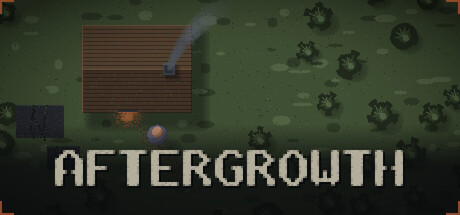
Aftergrowth's code was written with the help of an AI coding assistant, and some of the game's text — including parts of this store page — was first drafted with it and then edited by hand.
Nothing you see or hear is AI-generated. Every sprite, tile and icon is drawn by deterministic Python scripts rather than by an image model. The music is synthesised and the sound effects are CC0 recordings by Kenney, both credited in the game's CREDITS file. No generative AI runs while you play: nothing is generated live, and the game makes no request to any AI service.
Generative AI tools were used during development to assist with programming, debugging, optimization, gameplay design, and the review or translation of some written content. The game does not use live-generated AI and does not connect to an AI service during gameplay.
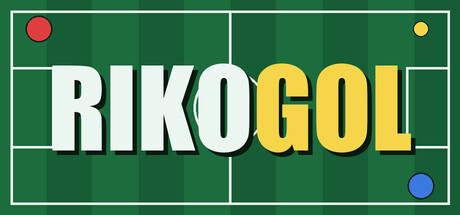
The written text for Rikogol — this store page, its marketing copy and the game's in-game text — was drafted with AI assistance. No generative AI model produced any of the game's visuals or audio: everything you see in a match is drawn at runtime by our own code from plain geometric shapes, every sound effect is synthesised procedurally in code, and the store artwork comes from a deterministic drawing script. The game generates no content while you play and connects to no AI service.
Contenu visuel pré-généré uniquement. Des outils d'IA générative ont servi à
produire une partie des illustrations livrées avec le jeu (portraits de
personnages, décors, illustrations de cartes, icônes de succès) ainsi que des
ressources graphiques de la page du magasin. Toutes les images ont été
sélectionnées, retouchées et validées manuellement par le développeur avant
intégration. Aucune génération en temps réel pendant le jeu.
Generative AI is used to assist with research or as rough internal placeholders. No AI-generated art, animation, music, text, or in-game live generation is used. All game content is created, shaped, reviewed, and approved by our team.
Some 2D‑art assets in this game are created with the assistance of generative‑AI tools. These assets have been filtered, edited, composited and manually reviewed by the developer before being used in‑game. The game does not perform real‑time content generation based on player input during runtime, nor does it send any player input to generative‑AI services.
Some visual assets in the game, including certain card illustrations and UI elements, were created with the assistance of generative AI tools. These assets were generated during development and are included as pre-generated content in the game.
This game may include content created with the assistance of generative artificial intelligence, including artwork, music, sound, narrative, or other assets. The use of generative AI may change over the course of development and future updates, including the introduction of further AI-generated content.
Some game art was created with generative AI assistance (Grok / xAI). Design and direction by Rubbleline Games. No AI content is generated during gameplay, and the game does not call external AI services while playing.
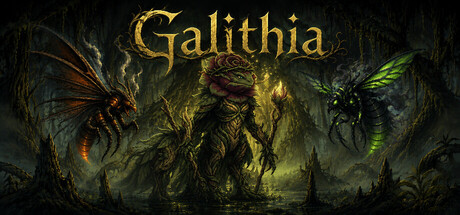
Galithia uses generative AI during development for some concepting, visual iteration, and content support. Any AI-assisted assets or materials are reviewed, modified, and integrated by the developer, with final approval and creative direction remaining fully human-led. Gameplay systems, combat balance, encounter design, and final implementation are developer-controlled.
This game was developed with the help of generative AI tools in the following areas:
Some art assets, including characters, backgrounds, UI, and effects
Store page capsule images and key art
English localization of in-game text
Portions of the source code
All generated output was reviewed, edited, and integrated by the developer, and the final content is the developer's responsibility. No content is generated by AI while the game is running.
AI-assisted tools were used during the development of this game to help with portions of the programming process, the creation of some visual assets, and certain audio assets. All AI-assisted content was reviewed, refined, and integrated by the development team before release. The game does not use generative AI to create content during gameplay and does not rely on external AI services while running.
Load Factor's player-facing content its data, simulation, art, and text is authored by us, not generated by AI. During development we used AI-assisted coding tools to help write and review source code, in the same way modern IDEs offer AI assistance. No artwork, audio, writing, or localization shipped in the game is AI-generated, and the game does not generate any content using AI while you play.
Generative AI was used as a creative tool to assist with parts of the artwork, code, and written content. All design choices, creative direction, edits, and final decisions were made by the human developer, with all AI-assisted work reviewed and refined before release.
As an indie studio, we use generative AI to continue developing the games we love. It allows us to accomplish tasks that would otherwise be beyond our small team's capacity.
Generative AI was used during the development of the game's user interface and to assist with creating parts of the game's audio. Every AI-generated asset was carefully reviewed and refined before being included in the final game.
Generative AI tools were used during development to create initial concepts for background music tracks and 2D loading screen artwork. These concepts were heavily reworked, re-edited, and finalized by human artists before being integrated as static files into the game build.
Players who prefer a completely traditional experience can completely disable all AI-assisted art and music via a toggle in the game's settings menu.
This game does not use any real-time or live generative AI. No content is generated dynamically during gameplay.
The game's core visual presentation is built around human-created playable character sprite sheets and map artwork, while the level layouts and game design are created by the developer. Generative AI was used for selected pre-generated audio, localization, and supporting visual content such as the logo and key art. No generative AI content is generated during gameplay.
AI was used to create textures, some of the code, create a player model and rig it for animation. The sounds of footsteps, goals and ball bounces, albeit mastered, started as AI generated before being edited and mastered. Localization languages were also created by AI. (Therefore any corrections will be welcome)
Animations, music, game design, and all other elements of creativity are the work of a human exclusively.
Badgerworks Studios will never rely on AI for creativity, music, ideas for games, and once an artist has been hired, AI models either. Due to lack of in-house ability to rig models or create them from scratch, the current player model was generated and rigged (skeleton matched to model) by AI. Animations were hand made, but on the AI created and rigged model.
No AI, LLM, of frontier models are being called during game play nor will any introduced features be allowed to do so.
During development, we used procedural and AI-assisted tools to analyze, merge, refine, and polish systems that were originally developed through years of our own experimentation, iteration, and hands-on exploration. These tools accelerated implementation and helped unify complex ideas beyond what would have been practical through manual development alone, while the underlying concepts, creative direction, design decisions, and final implementation remain the work of our development team.
Some of Powdertron's development and marketing materials were produced with AI assistance. The store page text was drafted with an AI writing tool and edited by hand, and the capsule images and trailer were rendered by procedural code written with AI assistance, using the game's own artwork and captured gameplay footage.
The game itself contains no generative AI. Nothing is generated at runtime, no AI service is contacted while you play, and all in-game content — the materials, reaction rules, simulations and interface — is authored and deterministic.
Soulforge uses generative AI for part of its asset production. All AI-assisted content is pre-generated, fixed in the shipped build, and reviewed by the developer before release — the game generates no content at runtime.
• 2D art: UI frames and chrome, spell and passive ability icons, class portraits, key art and store capsule art were produced using AI image generation from written style briefs, then selected, corrected, cropped, rescaled, composited and colour-graded by the developer before being imported into the game.
• 3D models and textures: a portion of environment and prop assets were produced with AI generation tools, then edited, retopologised and hand-adjusted before being used in the game.
• Localization: the game's 20 interface languages were produced with AI translation, each language then passed through a separate independent AI review pass and a mechanical validator. Native-speaker review is ongoing and corrections ship as they arrive.
Audio is procedurally synthesised with hand-written DSP code, not generated by an AI model.
We have reviewed the shipped assets and believe they contain no illegal or infringing content.
Generative AI was used during development to assist in creating and refining some visual assets and development materials. All AI-assisted content included in the game and its marketing is reviewed, selected, and edited by the developer before publication. No AI-generated content is created during gameplay.
Generative AI is used solely for localization from Japanese into other languages, both within the game itself and for external content such as this store page. All artwork and story content in the game are created by hand, and no generative AI is used in their creation.
Terran Dawn is a solo-developed game, and generative AI tools were used
during its production. Everything AI-assisted is created ahead of time and
shipped as fixed files inside the build: the game generates nothing while
you play, contacts no AI service at runtime, and sends no player data
anywhere.
Where these tools were used:
- 3D assets: ship, station and building meshes were produced with AI
text-to-3D generation, then rescaled, re-oriented, re-textured and
hand-corrected to fit the engine.
- 2D art and textures: interface illustrations, encyclopedia art and some
surface textures were generated from hand-written prompts and edited
afterwards.
- Sound effects: a portion of the weapon, interface and explosion sounds
were generated with AI audio tools, then trimmed and mixed by hand.
- Music: the soundtrack was created with AI music generation.
- Voice-over: mission briefings and in-mission radio lines are AI
text-to-speech, performed from scripts written by the developer.
- Video transmissions: the in-game character broadcasts use a licensed
synthetic presenter and synthetic voice to deliver dialogue written by
the developer.
- Translation: the game's text was translated into its supported languages
with the help of an AI language model.
- Some of the game's source code was written with AI coding assistants.
The game's design, story, missions, rules and balance are written by the
developer. No generative AI runs while the game is playing.
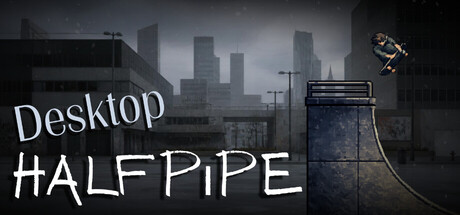
Some pre-rendered assets in this game and its store presence were created with the assistance of generative AI tools: portions of the 2D artwork (such as backdrop and ramp textures, marketing and capsule images) and some sound effects. All AI-assisted assets were reviewed, selected, and edited by the developer before inclusion. The game's design, code, gameplay systems, writing, and balance are entirely human-made. No content is generated by AI at runtime.
Some store, library, and marketing images were created with a generative image tool, then cropped and composited to Steam sizes. The playable game does not generate AI content at runtime. In-game planets, textures, and simulation are not live AI.
Generative AI tools were used during development to assist with selected 2D visual assets, UI artwork, and initial drafts of interface and localization text. All AI-assisted content included in the game was reviewed, edited, and approved by the developer before release. The game does not generate content during gameplay and does not connect to external AI services.
Generative AI tools assisted with some pre-generated player-facing text, localization, visual designs, and store and marketing content. All resulting material was reviewed and edited before inclusion. Random Mix does not use generative AI at runtime or connect to an AI service. Its music is generated locally through conventional procedural algorithms based on music-theory rules; no machine-learning model is involved.
AI tools were used to support portions of the development process. All product decisions, rigorous testing, review, and final releases remain under full human direction and oversight.
a note on AI: this game is one bloke working very closely with AI tools. the store art and achievement icons are AI-generated images. the code, the procedural music, and the scripts that build the 3D models were written in hands-on AI-assisted sessions. everything is hand-curated - every asset, mechanic and line got reviewed, redone or binned by the developer, usually several times. the robot is never left to its own devices. nothing is generated by AI while you play.
This game uses generative AI to create part of its visual content. Specifically, AI tools were used as part of the graphics workflow to generate concept and source material for sprites and artwork, which were then manually reworked, adjusted, and integrated into the final game using Affinity Designer.
Some 2D artwork in the game and store assets (island background images, UI icons, and the logo/key art) was pre-generated with AI image tools, then manually reviewed, curated and edited by the developer. No AI content is generated live at runtime. The game contains no AI-generated code, text or audio dialogue.
This game uses generative AI tools in parts of its production.
- Some 3D models: generated with AI tools as a base. Shape edits, UV unwrapping, texturing, rigging, animation and facial setup are done by the developer.
- Some image assets such as textures: generated with AI tools, then applied and adjusted by the developer.
- English text: machine-translated from the Japanese original and reviewed by the developer.
Game design, systems, and gameplay tuning are all done by the developer.
Generative AI tools were used to assist in creating certain pre-rendered 2D assets, including achievement icons. These assets are static, were manually reviewed and edited before inclusion, and do not involve any live generation during gameplay. The game does not send player information to generative AI services.
CardCrafter uses generative AI to create some of the content shipped with the game:
• Art: card illustrations, character and enemy portraits, icons, currencies and background scenes are created primarily with generative image models, then curated, post-processed and integrated by human.
• Audio: some sound effects and background music are created with generative AI tools.
• Text & localization: In-game text such as card descriptions is drafted with AI assistance and edited by hand; the Simplified Chinese and English localizations are machine-translated first, then human-proofread.
All of this content is pre-generated during development and baked into the game. The game does not generate any AI content at runtime, and never sends player input to an AI. Everything produced with AI is reviewed and selected by human before inclusion.
Generative AI was used to assist in creating some UI elements and sound effects. All AI-generated assets were reviewed and edited by the developer before being included in the game.
Generative AI was used for some of the game's 2D artwork and for localizing in-game and store text into 8 languages, all reviewed by the developer.No content is generated by AI while you play.
Hi! I’m a solo indie developer working on this game during my free time outside of daily life.
To bring this project to life with limited time and resources, I used AI tools to assist parts of the development process, such as brainstorming, early prototypes, draft writing, and iteration support.
However, the core game design, gameplay systems, story structure, balancing, and final implementation were all personally planned, edited, and integrated by me.
AI is a tool that helps me turn ideas into something playable—it does not replace the creative decisions behind this game.
I know people may have different opinions about AI, so I want to be transparent about it.
Thank you for playing and supporting my work.
I hope you enjoy exploring this broken, virus-corrupted world.
Generative AI tools were used during development to assist with some pre-generated visual assets, including selected pixel-art environments, characters, illustrations, icons, and promotional artwork. These assets are included with the game and are not generated live during gameplay. The game does not use a live AI service or send player data to an AI service. Shipped assets were reviewed, edited, and integrated by the development team.
Generative AI was used as an occasional development aid for some dialogue wording, localization, and marketing / store texts.
The game's story, characters, and game design were created by the developer.
AI-assisted dialogue is reviewed and edited by the developer, and AI-assisted translations are reviewed and edited by native speakers.
The game does not use AI-generated images, voices, music, or other AI-generated audiovisual assets.
Portions of the game's code were written with AI assistance and reviewed, tested and integrated by the developer. Localization into non-English languages was machine-assisted and human-reviewed. Some 2D concept/marketing artwork was AI-assisted and manually refined. All gameplay, game design and audio are human-made. The game does not generate any content with AI at runtime.
The game's surface textures — the colour and relief maps applied to parts,
buildings, terrain and visual effects — and its sound effects were created
with generative AI tools during development. They are generated ahead of
time, reviewed and integrated by hand, and ship with the game as ordinary
image and audio files.
Nothing is generated while you play, and the game never connects to an AI
service.
The simulation itself — orbital mechanics, aerodynamics, the production chains — is written by hand.
The application includes a live generative AI assistance feature ("AI Assistant"). This feature generates real-time, text-based recommendations and diagnostics to help the user optimize their PC's performance, manage system resources, and improve game performance. Output is generated dynamically while the application is running, based on the user's own system data (CPU, GPU, RAM, disk usage) and locally gathered telemetry.
The AI does not generate images, audio, video, or other media assets. All generated output is text-only and is derived exclusively from the user's own input and locally measured system information. No user data is transmitted to any third-party generative AI service.
Guardrails: The AI operates fully offline and uses a constrained, rule-based response engine. It only processes input entered by the user within the application, cannot generate illegal or infringing content, and does not monitor or act on content outside the application. No external API, model, or content-generation service is used at runtime.
Generative AI tools were only used to assist with writing some C# code scripts during development and to translate/draft the text descriptions for the Steam Store page. There are no AI-generated visual (art/UI) or audio assets included in the game.
Aftergrowth's code was written with the help of an AI coding assistant, and some of the game's text — including parts of this store page — was first drafted with it and then edited by hand.
Nothing you see or hear is AI-generated. Every sprite, tile and icon is drawn by deterministic Python scripts rather than by an image model. The music is synthesised and the sound effects are CC0 recordings by Kenney, both credited in the game's CREDITS file. No generative AI runs while you play: nothing is generated live, and the game makes no request to any AI service.
Generative AI tools were used during development to assist with programming, debugging, optimization, gameplay design, and the review or translation of some written content. The game does not use live-generated AI and does not connect to an AI service during gameplay.
The written text for Rikogol — this store page, its marketing copy and the game's in-game text — was drafted with AI assistance. No generative AI model produced any of the game's visuals or audio: everything you see in a match is drawn at runtime by our own code from plain geometric shapes, every sound effect is synthesised procedurally in code, and the store artwork comes from a deterministic drawing script. The game generates no content while you play and connects to no AI service.
Contenu visuel pré-généré uniquement. Des outils d'IA générative ont servi à
produire une partie des illustrations livrées avec le jeu (portraits de
personnages, décors, illustrations de cartes, icônes de succès) ainsi que des
ressources graphiques de la page du magasin. Toutes les images ont été
sélectionnées, retouchées et validées manuellement par le développeur avant
intégration. Aucune génération en temps réel pendant le jeu.
Generative AI is used to assist with research or as rough internal placeholders. No AI-generated art, animation, music, text, or in-game live generation is used. All game content is created, shaped, reviewed, and approved by our team.
Some 2D‑art assets in this game are created with the assistance of generative‑AI tools. These assets have been filtered, edited, composited and manually reviewed by the developer before being used in‑game. The game does not perform real‑time content generation based on player input during runtime, nor does it send any player input to generative‑AI services.
Some visual assets in the game, including certain card illustrations and UI elements, were created with the assistance of generative AI tools. These assets were generated during development and are included as pre-generated content in the game.
This game may include content created with the assistance of generative artificial intelligence, including artwork, music, sound, narrative, or other assets. The use of generative AI may change over the course of development and future updates, including the introduction of further AI-generated content.
Some game art was created with generative AI assistance (Grok / xAI). Design and direction by Rubbleline Games. No AI content is generated during gameplay, and the game does not call external AI services while playing.
Galithia uses generative AI during development for some concepting, visual iteration, and content support. Any AI-assisted assets or materials are reviewed, modified, and integrated by the developer, with final approval and creative direction remaining fully human-led. Gameplay systems, combat balance, encounter design, and final implementation are developer-controlled.
This game was developed with the help of generative AI tools in the following areas:
Some art assets, including characters, backgrounds, UI, and effects
Store page capsule images and key art
English localization of in-game text
Portions of the source code
All generated output was reviewed, edited, and integrated by the developer, and the final content is the developer's responsibility. No content is generated by AI while the game is running.
AI-assisted tools were used during the development of this game to help with portions of the programming process, the creation of some visual assets, and certain audio assets. All AI-assisted content was reviewed, refined, and integrated by the development team before release. The game does not use generative AI to create content during gameplay and does not rely on external AI services while running.
Load Factor's player-facing content its data, simulation, art, and text is authored by us, not generated by AI. During development we used AI-assisted coding tools to help write and review source code, in the same way modern IDEs offer AI assistance. No artwork, audio, writing, or localization shipped in the game is AI-generated, and the game does not generate any content using AI while you play.
Generative AI was used as a creative tool to assist with parts of the artwork, code, and written content. All design choices, creative direction, edits, and final decisions were made by the human developer, with all AI-assisted work reviewed and refined before release.
As an indie studio, we use generative AI to continue developing the games we love. It allows us to accomplish tasks that would otherwise be beyond our small team's capacity.
Generative AI was used during the development of the game's user interface and to assist with creating parts of the game's audio. Every AI-generated asset was carefully reviewed and refined before being included in the final game.
Generative AI tools were used during development to create initial concepts for background music tracks and 2D loading screen artwork. These concepts were heavily reworked, re-edited, and finalized by human artists before being integrated as static files into the game build.
Players who prefer a completely traditional experience can completely disable all AI-assisted art and music via a toggle in the game's settings menu.
This game does not use any real-time or live generative AI. No content is generated dynamically during gameplay.
The game's core visual presentation is built around human-created playable character sprite sheets and map artwork, while the level layouts and game design are created by the developer. Generative AI was used for selected pre-generated audio, localization, and supporting visual content such as the logo and key art. No generative AI content is generated during gameplay.
AI was used to create textures, some of the code, create a player model and rig it for animation. The sounds of footsteps, goals and ball bounces, albeit mastered, started as AI generated before being edited and mastered. Localization languages were also created by AI. (Therefore any corrections will be welcome)
Animations, music, game design, and all other elements of creativity are the work of a human exclusively.
Badgerworks Studios will never rely on AI for creativity, music, ideas for games, and once an artist has been hired, AI models either. Due to lack of in-house ability to rig models or create them from scratch, the current player model was generated and rigged (skeleton matched to model) by AI. Animations were hand made, but on the AI created and rigged model.
No AI, LLM, of frontier models are being called during game play nor will any introduced features be allowed to do so.
During development, we used procedural and AI-assisted tools to analyze, merge, refine, and polish systems that were originally developed through years of our own experimentation, iteration, and hands-on exploration. These tools accelerated implementation and helped unify complex ideas beyond what would have been practical through manual development alone, while the underlying concepts, creative direction, design decisions, and final implementation remain the work of our development team.
Some of Powdertron's development and marketing materials were produced with AI assistance. The store page text was drafted with an AI writing tool and edited by hand, and the capsule images and trailer were rendered by procedural code written with AI assistance, using the game's own artwork and captured gameplay footage.
The game itself contains no generative AI. Nothing is generated at runtime, no AI service is contacted while you play, and all in-game content — the materials, reaction rules, simulations and interface — is authored and deterministic.
Soulforge uses generative AI for part of its asset production. All AI-assisted content is pre-generated, fixed in the shipped build, and reviewed by the developer before release — the game generates no content at runtime.
• 2D art: UI frames and chrome, spell and passive ability icons, class portraits, key art and store capsule art were produced using AI image generation from written style briefs, then selected, corrected, cropped, rescaled, composited and colour-graded by the developer before being imported into the game.
• 3D models and textures: a portion of environment and prop assets were produced with AI generation tools, then edited, retopologised and hand-adjusted before being used in the game.
• Localization: the game's 20 interface languages were produced with AI translation, each language then passed through a separate independent AI review pass and a mechanical validator. Native-speaker review is ongoing and corrections ship as they arrive.
Audio is procedurally synthesised with hand-written DSP code, not generated by an AI model.
We have reviewed the shipped assets and believe they contain no illegal or infringing content.
Generative AI was used during development to assist in creating and refining some visual assets and development materials. All AI-assisted content included in the game and its marketing is reviewed, selected, and edited by the developer before publication. No AI-generated content is created during gameplay.
Generative AI is used solely for localization from Japanese into other languages, both within the game itself and for external content such as this store page. All artwork and story content in the game are created by hand, and no generative AI is used in their creation.
Terran Dawn is a solo-developed game, and generative AI tools were used
during its production. Everything AI-assisted is created ahead of time and
shipped as fixed files inside the build: the game generates nothing while
you play, contacts no AI service at runtime, and sends no player data
anywhere.
Where these tools were used:
- 3D assets: ship, station and building meshes were produced with AI
text-to-3D generation, then rescaled, re-oriented, re-textured and
hand-corrected to fit the engine.
- 2D art and textures: interface illustrations, encyclopedia art and some
surface textures were generated from hand-written prompts and edited
afterwards.
- Sound effects: a portion of the weapon, interface and explosion sounds
were generated with AI audio tools, then trimmed and mixed by hand.
- Music: the soundtrack was created with AI music generation.
- Voice-over: mission briefings and in-mission radio lines are AI
text-to-speech, performed from scripts written by the developer.
- Video transmissions: the in-game character broadcasts use a licensed
synthetic presenter and synthetic voice to deliver dialogue written by
the developer.
- Translation: the game's text was translated into its supported languages
with the help of an AI language model.
- Some of the game's source code was written with AI coding assistants.
The game's design, story, missions, rules and balance are written by the
developer. No generative AI runs while the game is playing.
Some pre-rendered assets in this game and its store presence were created with the assistance of generative AI tools: portions of the 2D artwork (such as backdrop and ramp textures, marketing and capsule images) and some sound effects. All AI-assisted assets were reviewed, selected, and edited by the developer before inclusion. The game's design, code, gameplay systems, writing, and balance are entirely human-made. No content is generated by AI at runtime.
Some store, library, and marketing images were created with a generative image tool, then cropped and composited to Steam sizes. The playable game does not generate AI content at runtime. In-game planets, textures, and simulation are not live AI.
Generative AI tools were used during development to assist with selected 2D visual assets, UI artwork, and initial drafts of interface and localization text. All AI-assisted content included in the game was reviewed, edited, and approved by the developer before release. The game does not generate content during gameplay and does not connect to external AI services.
Generative AI tools assisted with some pre-generated player-facing text, localization, visual designs, and store and marketing content. All resulting material was reviewed and edited before inclusion. Random Mix does not use generative AI at runtime or connect to an AI service. Its music is generated locally through conventional procedural algorithms based on music-theory rules; no machine-learning model is involved.
AI tools were used to support portions of the development process. All product decisions, rigorous testing, review, and final releases remain under full human direction and oversight.
a note on AI: this game is one bloke working very closely with AI tools. the store art and achievement icons are AI-generated images. the code, the procedural music, and the scripts that build the 3D models were written in hands-on AI-assisted sessions. everything is hand-curated - every asset, mechanic and line got reviewed, redone or binned by the developer, usually several times. the robot is never left to its own devices. nothing is generated by AI while you play.
This game uses generative AI to create part of its visual content. Specifically, AI tools were used as part of the graphics workflow to generate concept and source material for sprites and artwork, which were then manually reworked, adjusted, and integrated into the final game using Affinity Designer.
Some 2D artwork in the game and store assets (island background images, UI icons, and the logo/key art) was pre-generated with AI image tools, then manually reviewed, curated and edited by the developer. No AI content is generated live at runtime. The game contains no AI-generated code, text or audio dialogue.
This game uses generative AI tools in parts of its production.
- Some 3D models: generated with AI tools as a base. Shape edits, UV unwrapping, texturing, rigging, animation and facial setup are done by the developer.
- Some image assets such as textures: generated with AI tools, then applied and adjusted by the developer.
- English text: machine-translated from the Japanese original and reviewed by the developer.
Game design, systems, and gameplay tuning are all done by the developer.
Generative AI tools were used to assist in creating certain pre-rendered 2D assets, including achievement icons. These assets are static, were manually reviewed and edited before inclusion, and do not involve any live generation during gameplay. The game does not send player information to generative AI services.
CardCrafter uses generative AI to create some of the content shipped with the game:
• Art: card illustrations, character and enemy portraits, icons, currencies and background scenes are created primarily with generative image models, then curated, post-processed and integrated by human.
• Audio: some sound effects and background music are created with generative AI tools.
• Text & localization: In-game text such as card descriptions is drafted with AI assistance and edited by hand; the Simplified Chinese and English localizations are machine-translated first, then human-proofread.
All of this content is pre-generated during development and baked into the game. The game does not generate any AI content at runtime, and never sends player input to an AI. Everything produced with AI is reviewed and selected by human before inclusion.
Generative AI was used to assist in creating some UI elements and sound effects. All AI-generated assets were reviewed and edited by the developer before being included in the game.
Generative AI was used for some of the game's 2D artwork and for localizing in-game and store text into 8 languages, all reviewed by the developer.No content is generated by AI while you play.
Hi! I’m a solo indie developer working on this game during my free time outside of daily life.
To bring this project to life with limited time and resources, I used AI tools to assist parts of the development process, such as brainstorming, early prototypes, draft writing, and iteration support.
However, the core game design, gameplay systems, story structure, balancing, and final implementation were all personally planned, edited, and integrated by me.
AI is a tool that helps me turn ideas into something playable—it does not replace the creative decisions behind this game.
I know people may have different opinions about AI, so I want to be transparent about it.
Thank you for playing and supporting my work.
I hope you enjoy exploring this broken, virus-corrupted world.