Public Steam disclosure research25,383 disclosures tracked
Where do games disclose AI use?
Search developers’ Steam disclosures, compare classified AI use across
games, and follow recorded changes.
This index adds cross-game classifications and statistics to
statements published on individual store pages.
Groups reflect automatic analysis of public disclosures; mature records are excluded. These counts do not measure AI use across all of Steam.
Missing or unclear statements cannot establish whether a game uses AI.
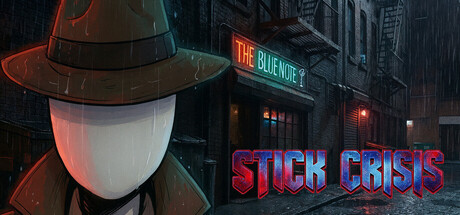
Stick Crisis was developed with assistance from generative AI tools. AI-assisted image and animation tools were used to create selected visual assets, character animation frames and pre-rendered cinematics; these materials were reviewed, edited and integrated by the developer. AI coding assistants also contributed to portions of the source code. The game does not generate content during gameplay or connect to generative AI services at runtime.
Generative AI tools were used during development to assist with portions of the programming, user interface and text presentation implementation, as well as initial drafts of some localizations. The game’s setting, narrative text, visual design, and all final content were created and determined by the developer. No generative image models were used, and the game does not connect to or invoke any generative AI services at runtime. It contains no live-generated content.
As a small indie studio, we set out to bring as many of our ideas to life as possible and deliver a deep gaming experience. To turn these ambitions into reality, we utilized AI as an assistant tool. Neural networks helped us write code, create some of the art, and voice the characters. However, the entire creative concept, the design of the interactive diary, the shadow theater sequence, and the overall atmosphere of the project are completely the result of our human imagination and direction.
Generative AI was used as an assistive tool during development to create certain visual assets and other supporting content. All AI-assisted content was reviewed, edited, and integrated by the developer. The game does not use live-generated AI.
Some ambient audio in this game — background crowd voices and station announcements — is generated using neural text-to-speech. All visual art, music, and narrative writing are human-authored or made with traditional, non-generative tools.
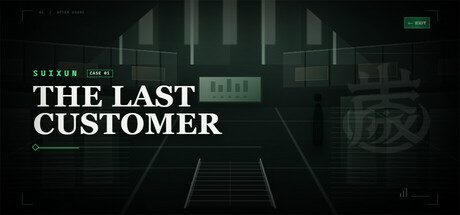
Generative AI was used to create in-game CCTV camera footage images and English voiceovers.
All AI-generated assets have been reviewed and edited to fit the game's atmosphere and quality standards.
Generative AI was used for:
- The game's logo and Steam store capsule artwork (image generation)
- Translation of in-game text into Turkish, German, French and Spanish
-AI-generated images were reviewed and edited before use.
Generative AI tools were used during the development process for pre-generated image assets, specifically for refining, upscaling, and enhancing original artwork created by the developer. No real-time AI generation is used in the game.
This game utilizes pre-generated AI tools to create SFXs, music, UI images, texts, and one 3D model. Some of which are edited and all of which are selected with care.
AI tools were used during development in two areas. Code: an AI coding assistant helped write and refactor GDScript source; all output was reviewed and edited by the developer before being committed. UI design: interface layouts were prototyped as HTML mockups with AI assistance, then redrawn and implemented by hand as Godot scenes — no AI-produced file ships in the build.
All art and music in the game were created by people. Sound effects are generated procedurally by a hand-written synthesis script (numpy waveform synthesis, no models or samples involved). Fonts are open-licensed, human-designed typefaces.
This game uses generative AI as a production tool for certain visual art and music assets. All AI-assisted content has been reviewed and refined by the developer. No generative AI is used during gameplay. All puzzles, investigation mechanics, and gameplay systems are designed and implemented by the developer.
As a solo developer, this game utilizes generative AI tools to assist in the creation of certain assets—including game dialogue, artwork, and audio elements—which are then carefully edited, refined, and polished by the developer.
This game includes pre-generated content created with the assistance of generative AI tools during development. AI tools were used to assist with some artwork, UI visual assets, and visual design elements for video materials and story/dialogue panels. These materials are shipped with the game and are presented to players through the in-game UI, story/dialogue panels, and related video or narrative presentation content. Before release, the developer selected, edited, integrated, and manually reviewed these materials.
The game does not use generative AI at runtime. It does not generate new images, videos, dialogue, or other game content based on player input, and it does not send player input to an AI service.
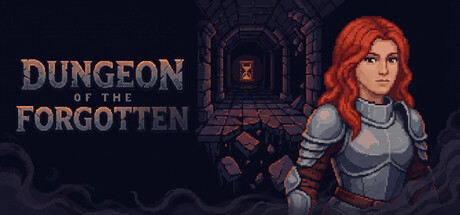
Generative AI tools were used to assist in the creation of some 2D visual assets and artwork (including character illustrations and background art). All generated assets have been reviewed and refined to fit the game's pixel art style and quality standards.
This game is made by a single dev, and sold for a fair price. In order to do that this dev needed the help of AI. So some pre-rendered assets in this game were created with the help of generative AI tools, always under my direction and with every asset reviewed by me the developer: certain illustrations, backdrops, and UI art; some music tracks and sound effects; and character voice lines generated via text-to-speech from scripts written by me the developer. The game design, the gameplay, physics, and large parts of the code are entirely human-made, and no AI content is generated at runtime.
Generative AI tools were used only as an editing and proofreading aid for selected portions of the final game text. The original scenario, characters, direction, and final text review were created and handled by the developer.
Generative AI tools were used during development to assist in creating certain environmental textures and ambient sound effects to enhance the game's atmosphere. All generated assets were reviewed and integrated manually to fit the retro aesthetic of the game.
The English localization of Channel 453 was produced through a combination of human translation and editing.
Some sections of the game, including portions of the demo, were translated by a human translator.
For a limited number of sections in the full game, generative AI tools were used only as a first-pass aid for English localization and language editing. These tools were not used to create the original scenario or characters.
All AI-assisted English text was subsequently reviewed, revised, and polished by humans before being included in the final game.
We are providing this information on Steam in the interest of transparency and to help players make an informed decision about the game.
To avoid any misunderstanding: this refers to a test-stage build. The final release will be provided with fully human-translated localization alongside the finalized store page update.
Generative AI tools were used during development to assist in the creation of some visual assets and textures. All AI-assisted content was reviewed and edited by the developer before being included in the game.
1. During development, due to objective constraints including limited budget, we utilized AI models such as GPT Image2, Banana2, Banana Pro and Seedream 5.0 Pro for art asset creation. Relevant AI-generated assets will be gradually replaced with fully original materials as development progresses.
2. DeepSeek V4 was used to assist translations for non-Chinese text versions. Chinese is the only official language of this game. Players may switch to other available languages in game settings, yet Ritsuai Works provides no guarantee regarding the quality of non-Chinese translations.
Generative AI tools were used during development to assist with portions of code writing and debugging, text drafting and editing, English localization, and the creation of some music assets. All related content was manually reviewed, revised, curated, and approved by the developer.
The game does not generate any AI content during gameplay and does not connect to external AI services.
Some background music inside the game was created with generative AI tools. Generative AI was also used as a development assistant for some debugging, and code building. The game does not use live AI generation during playing.
Some visual assets and promotional artwork were created with the assistance of generative AI tools and subsequently selected, edited, composited, and integrated by the developer.
We intend to use AI to help for translating and localizing the game.
Generative AI tools were used to assist in creating a limited number of 2D images included in the game and certain store-page graphical assets. All AI-assisted images were subsequently manually edited, corrected, and finalized by the developer. Other assets were created by the developer or obtained from appropriately licensed or free-to-use sources. The game does not use generative AI in real time.
This game was made by a two-person team specializing in storytelling. The entire narrative, all gameplay systems, UI, animations, core sound and game design were built entirely by our team. AI was used to generate some of audio and graphical assets due to the limited resources. Scenario was originally written in Ukrainian language, so translations might have minor mistakes. Thank you for your understanding.
Generative AI tools were used as part of the development workflow for selected visual and audio asset refinement and production. All final content is reviewed and edited by the developer. No generative AI is used during gameplay.
During development, OpenAI image generation tools were used to create portions of the game's 2D artwork, including characters, monsters, backgrounds, UI elements, and icons. Suno was used to create portions of the background music, and ElevenLabs was used to create portions of the sound effects. Generative AI was also used as a drafting and editing aid for some in-game writing and localization.
All generated material was selected, edited, processed, and reviewed by the developer before inclusion in the game. The game does not connect to generative AI services at runtime and does not generate content from player input.
This game uses generative AI for the following:
Images: the source material for both the scene artwork and the item icons (backpack, hand cart and so on) is photographs taken by the developer — the scenes in the lanes, stairwells and apartment courtyards of Anping, Tainan; the items shot as physical objects. Each photograph is processed first — removing things that should not appear in frame, commercial branding, and anything touching on privacy — and then stylised into animation by AI.
Music: planned to be AI-generated (not yet implemented).
Localisation: Traditional Chinese is the language the game is written in. Every other language — English, Japanese, German, and Taiwanese Pe̍h-ōe-jī — is AI-translated, with no native-speaker editing pass. If you find a mistake, please do tell me.
Store page and marketing images also include AI-generated elements.
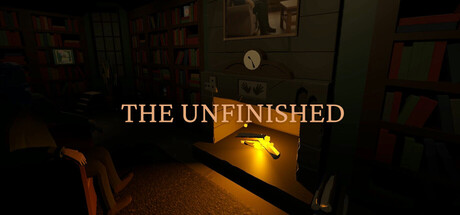
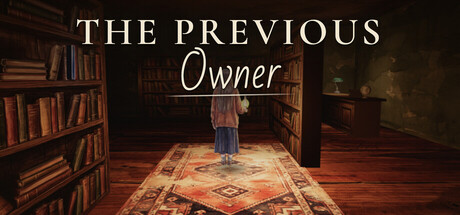
The Previous Owner uses generative AI as an assistive tool under human art direction and editorial control. The game's painted artwork — scene plates, room and prop textures, character and portrait art, the found photographs, the book spreads and the store art — was pre-generated with generative image tools, then curated, keyed, composited and hand-corrected by the developer; a small number of props are AI-generated 3D meshes, and some looping scene animations are AI-generated video. Music and sound effects are pre-generated with AI tools and edited by the developer. The narrative text is human–AI co-written under the author's direction and human-edited; the story, its structure and the game design are the author's. Everything ships pre-rendered in the build — the game generates nothing live during play. No real people are depicted; every character, book, photograph and document in the game is fictional.
Generative AI tools were used during development to assist with debugging code, audio production, and the creation of some item and UI illustrations. AI-generated or AI-assisted content was reviewed and edited by the development team before being included in the final game.
Stick Crisis was developed with assistance from generative AI tools. AI-assisted image and animation tools were used to create selected visual assets, character animation frames and pre-rendered cinematics; these materials were reviewed, edited and integrated by the developer. AI coding assistants also contributed to portions of the source code. The game does not generate content during gameplay or connect to generative AI services at runtime.
Generative AI tools were used during development to assist with portions of the programming, user interface and text presentation implementation, as well as initial drafts of some localizations. The game’s setting, narrative text, visual design, and all final content were created and determined by the developer. No generative image models were used, and the game does not connect to or invoke any generative AI services at runtime. It contains no live-generated content.
As a small indie studio, we set out to bring as many of our ideas to life as possible and deliver a deep gaming experience. To turn these ambitions into reality, we utilized AI as an assistant tool. Neural networks helped us write code, create some of the art, and voice the characters. However, the entire creative concept, the design of the interactive diary, the shadow theater sequence, and the overall atmosphere of the project are completely the result of our human imagination and direction.
Generative AI was used as an assistive tool during development to create certain visual assets and other supporting content. All AI-assisted content was reviewed, edited, and integrated by the developer. The game does not use live-generated AI.
Some ambient audio in this game — background crowd voices and station announcements — is generated using neural text-to-speech. All visual art, music, and narrative writing are human-authored or made with traditional, non-generative tools.
Generative AI was used to create in-game CCTV camera footage images and English voiceovers.
All AI-generated assets have been reviewed and edited to fit the game's atmosphere and quality standards.
Generative AI was used for:
- The game's logo and Steam store capsule artwork (image generation)
- Translation of in-game text into Turkish, German, French and Spanish
-AI-generated images were reviewed and edited before use.
Generative AI tools were used during the development process for pre-generated image assets, specifically for refining, upscaling, and enhancing original artwork created by the developer. No real-time AI generation is used in the game.
This game utilizes pre-generated AI tools to create SFXs, music, UI images, texts, and one 3D model. Some of which are edited and all of which are selected with care.
AI tools were used during development in two areas. Code: an AI coding assistant helped write and refactor GDScript source; all output was reviewed and edited by the developer before being committed. UI design: interface layouts were prototyped as HTML mockups with AI assistance, then redrawn and implemented by hand as Godot scenes — no AI-produced file ships in the build.
All art and music in the game were created by people. Sound effects are generated procedurally by a hand-written synthesis script (numpy waveform synthesis, no models or samples involved). Fonts are open-licensed, human-designed typefaces.
This game uses generative AI as a production tool for certain visual art and music assets. All AI-assisted content has been reviewed and refined by the developer. No generative AI is used during gameplay. All puzzles, investigation mechanics, and gameplay systems are designed and implemented by the developer.
As a solo developer, this game utilizes generative AI tools to assist in the creation of certain assets—including game dialogue, artwork, and audio elements—which are then carefully edited, refined, and polished by the developer.
This game includes pre-generated content created with the assistance of generative AI tools during development. AI tools were used to assist with some artwork, UI visual assets, and visual design elements for video materials and story/dialogue panels. These materials are shipped with the game and are presented to players through the in-game UI, story/dialogue panels, and related video or narrative presentation content. Before release, the developer selected, edited, integrated, and manually reviewed these materials.
The game does not use generative AI at runtime. It does not generate new images, videos, dialogue, or other game content based on player input, and it does not send player input to an AI service.
Generative AI tools were used to assist in the creation of some 2D visual assets and artwork (including character illustrations and background art). All generated assets have been reviewed and refined to fit the game's pixel art style and quality standards.
This game is made by a single dev, and sold for a fair price. In order to do that this dev needed the help of AI. So some pre-rendered assets in this game were created with the help of generative AI tools, always under my direction and with every asset reviewed by me the developer: certain illustrations, backdrops, and UI art; some music tracks and sound effects; and character voice lines generated via text-to-speech from scripts written by me the developer. The game design, the gameplay, physics, and large parts of the code are entirely human-made, and no AI content is generated at runtime.
Generative AI tools were used only as an editing and proofreading aid for selected portions of the final game text. The original scenario, characters, direction, and final text review were created and handled by the developer.
Generative AI tools were used during development to assist in creating certain environmental textures and ambient sound effects to enhance the game's atmosphere. All generated assets were reviewed and integrated manually to fit the retro aesthetic of the game.
The English localization of Channel 453 was produced through a combination of human translation and editing.
Some sections of the game, including portions of the demo, were translated by a human translator.
For a limited number of sections in the full game, generative AI tools were used only as a first-pass aid for English localization and language editing. These tools were not used to create the original scenario or characters.
All AI-assisted English text was subsequently reviewed, revised, and polished by humans before being included in the final game.
We are providing this information on Steam in the interest of transparency and to help players make an informed decision about the game.
To avoid any misunderstanding: this refers to a test-stage build. The final release will be provided with fully human-translated localization alongside the finalized store page update.
Generative AI tools were used during development to assist in the creation of some visual assets and textures. All AI-assisted content was reviewed and edited by the developer before being included in the game.
1. During development, due to objective constraints including limited budget, we utilized AI models such as GPT Image2, Banana2, Banana Pro and Seedream 5.0 Pro for art asset creation. Relevant AI-generated assets will be gradually replaced with fully original materials as development progresses.
2. DeepSeek V4 was used to assist translations for non-Chinese text versions. Chinese is the only official language of this game. Players may switch to other available languages in game settings, yet Ritsuai Works provides no guarantee regarding the quality of non-Chinese translations.
Generative AI tools were used during development to assist with portions of code writing and debugging, text drafting and editing, English localization, and the creation of some music assets. All related content was manually reviewed, revised, curated, and approved by the developer.
The game does not generate any AI content during gameplay and does not connect to external AI services.
Some background music inside the game was created with generative AI tools. Generative AI was also used as a development assistant for some debugging, and code building. The game does not use live AI generation during playing.
Some visual assets and promotional artwork were created with the assistance of generative AI tools and subsequently selected, edited, composited, and integrated by the developer.
We intend to use AI to help for translating and localizing the game.
Generative AI tools were used to assist in creating a limited number of 2D images included in the game and certain store-page graphical assets. All AI-assisted images were subsequently manually edited, corrected, and finalized by the developer. Other assets were created by the developer or obtained from appropriately licensed or free-to-use sources. The game does not use generative AI in real time.
This game was made by a two-person team specializing in storytelling. The entire narrative, all gameplay systems, UI, animations, core sound and game design were built entirely by our team. AI was used to generate some of audio and graphical assets due to the limited resources. Scenario was originally written in Ukrainian language, so translations might have minor mistakes. Thank you for your understanding.
Generative AI tools were used as part of the development workflow for selected visual and audio asset refinement and production. All final content is reviewed and edited by the developer. No generative AI is used during gameplay.
During development, OpenAI image generation tools were used to create portions of the game's 2D artwork, including characters, monsters, backgrounds, UI elements, and icons. Suno was used to create portions of the background music, and ElevenLabs was used to create portions of the sound effects. Generative AI was also used as a drafting and editing aid for some in-game writing and localization.
All generated material was selected, edited, processed, and reviewed by the developer before inclusion in the game. The game does not connect to generative AI services at runtime and does not generate content from player input.
This game uses generative AI for the following:
Images: the source material for both the scene artwork and the item icons (backpack, hand cart and so on) is photographs taken by the developer — the scenes in the lanes, stairwells and apartment courtyards of Anping, Tainan; the items shot as physical objects. Each photograph is processed first — removing things that should not appear in frame, commercial branding, and anything touching on privacy — and then stylised into animation by AI.
Music: planned to be AI-generated (not yet implemented).
Localisation: Traditional Chinese is the language the game is written in. Every other language — English, Japanese, German, and Taiwanese Pe̍h-ōe-jī — is AI-translated, with no native-speaker editing pass. If you find a mistake, please do tell me.
Store page and marketing images also include AI-generated elements.
The Previous Owner uses generative AI as an assistive tool under human art direction and editorial control. The game's painted artwork — scene plates, room and prop textures, character and portrait art, the found photographs, the book spreads and the store art — was pre-generated with generative image tools, then curated, keyed, composited and hand-corrected by the developer; a small number of props are AI-generated 3D meshes, and some looping scene animations are AI-generated video. Music and sound effects are pre-generated with AI tools and edited by the developer. The narrative text is human–AI co-written under the author's direction and human-edited; the story, its structure and the game design are the author's. Everything ships pre-rendered in the build — the game generates nothing live during play. No real people are depicted; every character, book, photograph and document in the game is fictional.
Generative AI tools were used during development to assist with debugging code, audio production, and the creation of some item and UI illustrations. AI-generated or AI-assisted content was reviewed and edited by the development team before being included in the final game.