Public Steam disclosure research25,383 disclosures tracked
Where do games disclose AI use?
Search developers’ Steam disclosures, compare classified AI use across
games, and follow recorded changes.
This index adds cross-game classifications and statistics to
statements published on individual store pages.
Groups reflect automatic analysis of public disclosures; mature records are excluded. These counts do not measure AI use across all of Steam.
Missing or unclear statements cannot establish whether a game uses AI.
“AI tools were used to upscale/enhance original artwork created by the developer. The resulting assets were subsequently manually reworked and edited to match the game's intended art direction.”
Some of the game's 2D artwork, including character, enemy and boss sprites, item icons, and backgrounds, was created using generative AI tools. All such assets were individually reviewed, selected, polished and integrated by the development team.
Electric Crust was designed, built, and directed by its developer, Charles Whetstone. I used generative AI as a production assistance tool for a subset of shipping assets including some sprite artwork that began in Midjourney output before being manipulated and reworked by hand, along with soundtrack being initially created with assistance of Suno. Both were used under paid commercial licenses.
The game performs no live or runtime AI generation. Every asset is fixed and authored before release, and the game makes no network calls
of any kind.
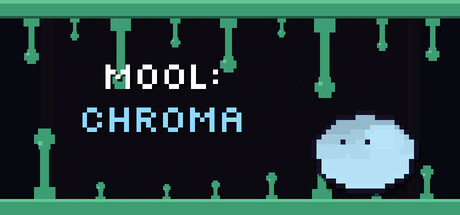
ART AND AUDIO: no generative image or audio models were used. Every texture, sprite, visual effect and musical note in Mool: Chroma is generated at runtime by the game's own code. The build ships no audio files at all, and the only image files it ships are the bitmap font atlases used to draw text. The store page artwork is rendered by that same code. The code itself was written with AI assistance and reviewed by the developer.
TEXT: AI tools were used to help write text. Some in-game narrative and flavor text was drafted with AI assistance, and the game's non-English translations (Korean, Japanese, Simplified Chinese, German, French, Spanish - Latin America, Portuguese - Brazil, Russian) were AI-generated. All of it was reviewed and edited by the developer before shipping.
Nothing is generated live during gameplay.
This game includes assets that were created ahead of time with AI tools:
- 27 character 3D models (24 pilots, 3 national commanders) - multi-view images made with AI image generation, then turned into meshes with an image-to-3D tool
- 27 character portraits rendered from those 3D models
- 2D artwork for the nations, such as the emblems - AI image generation
- part of the HUD and UI texture set - AI image generation
- the cutaway diagrams on the briefing screen - AI image generation
Every generated asset was reviewed, selected and adjusted by the developer before being included.
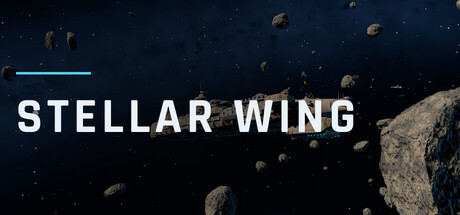
No content is generated by AI while the game is running. The 3D models of the fighters, carriers, turrets, machine leviathans and asteroids are procedurally generated by program, and the stages, effects and all game logic were produced by scripts and by hand.
Generative AI was used to assist in creating some pre-rendered artwork, including environment backgrounds, menu and branding art, icons, and promotional/title-card images. These assets were reviewed and integrated by the developer. No content is generated during gameplay, and the game does not connect to external AI services.
Generative AI tools were used during development to assist in the creation of selected visual assets and promotional materials. All AI-assisted content was reviewed, edited, and integrated by the developer. The game does not generate AI content during gameplay and does not connect to external AI services while being played.
Generative AI has been used during the early stages of development to create temporary placeholder content, primarily to support production and prototyping. This content is intended to be temporary and is planned to be replaced with final assets specifically created for the game as development progresses.
During development, generative AI tools were used to assist in creating fixed, pre-generated visual content, including brand illustrations, logo variants, Steam store graphics, UI decorative assets and icons, and seamless PBR material textures. All AI-assisted content was created before release and reviewed by the developer. The game does not generate AI content at runtime, does not accept player prompts for AI generation, and does not send player data to an AI service.
Generative AI was used during development to assist with some pre-generated visual assets, including selected 3D models, textures, and animations. All such content is reviewed and edited by the development team. No generative AI runs during gameplay, and no player input is sent to an AI service.
Some pre-generated 2D artwork used in the game and in Steam store and marketing materials was created with the assistance of generative AI tools. All AI-assisted assets were selected, reviewed, edited, and integrated by the development team before inclusion. No content is generated by AI during gameplay, and the game does not connect to live generative AI services.
Generative AI tools were used to assist in creating some game assets, including visual and audio content. All AI-assisted content was reviewed and refined by the development team before being included in the game.
Destroy the Flag was developed with the assistance of a generative AI coding assistant (Claude, by Anthropic), used throughout development as a programming and writing collaborator.
Pre-Generated content (created during development, ships with the game):
- In-game interface text — menu labels, HUD text, on-screen instructions, and system messages — was drafted with AI assistance as part of the game's code, then reviewed and refined by the developer before shipping.
- The Steam store page's short and long descriassistance, then fact-checked, edited, and approvpublishing.
Live-Generated content: None. The game does not usnt isgenerated by AI while the game is being
played
Generative AI was used during development to assist in the creation of the game’s logo as a pre-rendered marketing asset.
No generative AI is used during gameplay, and no AI-generated content is created or shown to players while playing the game.
This game contains pre-generated AI-assisted content used during development, including gameplay code, selected in-game and UI text/localization, generated sound effects, and AI-assisted visual materials for Steam community/store assets such as achievement icons. No AI content is generated live during gameplay, and the game does not connect to external AI services at runtime.
Generative AI was used to create some visual assets for the Steam store page and promotional materials. AI is not used to generate content, gameplay, or code in real time during gameplay.
I used generative AI tools to create initial concept art and sketches for my game characters, which I then manually recreated and modeled in 3D myself. I also used AI to assist in sketching the game's official logo
Pre-generated AI was used for parts of the soundtrack and abstract store artwork. All content was selected and edited by the developer. No AI content is generated during gameplay.
Generative AI was used as a development tool for this game. An AI assistant helped with programming, game design iteration, and text translation, always under the developer's direction and review. Some 3D models, such as mech parts, are based on assets created with generative AI tools and then adjusted and integrated by the developer. No content is generated by AI during gameplay: enemy behavior is not generative AI, but the same deterministic node-based algorithms that players build themselves.
AI-generated content in this game includes the BGM. Additionally, AI was used to assist in writing code, which was fully reviewed and verified by developer.
The game's code was written with the help of an AI coding assistant, following the developer's design direction. Because the characters, arenas, materials and user interface are generated procedurally in code rather than authored as art assets, they are a result of that same process. The background music tracks were generated with Suno (commercial licence). Sound effects are licensed from Mixkit and Freesound. Nothing is generated by AI while the game is running.
Generative AI tools were used during development to assist in creating some 2D graphics, visual effects, and sound effects. AI-generated outputs are reviewed and edited before being used in the game. The game does not use generative AI or generate AI content during gameplay.
The game’s music and minor visual assets were generated with AI assistance and manually refined by the developer. The rest of the content was created without generative AI.
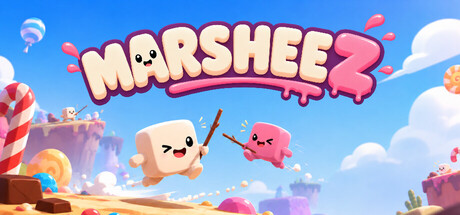
During development, parts of Marsheez were made with generative AI: some of the source code was written with the help of an AI coding assistant, and some of the art and music were created with help of AI tools and then later edited by the developer. The game does not use any generative AI while you play.
All 2D art (character sprites, backgrounds, environment pieces, UI) and the current music were created during development using generative AI tools, then curated, edited, and baked into the build. No content is generated at runtime. The game design, level design, code, and writing are human-made.
Generative AI tools were used during development to assist with some visual assets, audio, and code. All content was reviewed, edited, and integrated by the developer. The game does not generate AI content during gameplay.
Some of the 2D artwork and animation frames in this game were produced with the assistance of generative AI tools. Every AI-assisted asset was reviewed and edited by me (the developer) before shipping. The game contains no live-generated AI content — all art, animation, and text are fixed at release and identical for every player.
As a solo indie developer, I used Generative AI tools during development to create certain icons and UI graphic elements in order to streamline the visual pipeline and reduce overall development time. All AI-generated assets are pre-generated static images included directly in the game files; no AI content is generated live during gameplay.
AI tools were used to draft store page text and to translate the in-game text into English, Japanese and Chinese.
AI was also used for part of the art.
All of this was reviewed and edited by the developers.
No AI-generated content is created while the game is running.
A lot of the artwork here was created with AI and only detailed and fixed by human hands. The voice acting, music, and soundtrack as well. The code and writing are all human-made.
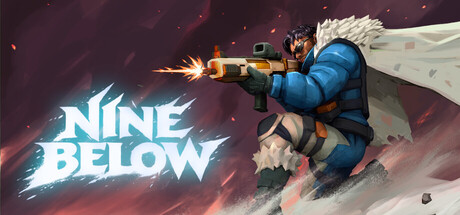
Generative AI tools were used during development as part of the early creative and production process, including generating mood boards, visual references, and some base meshes.
These materials were used as starting points rather than finished game content. Any AI-assisted assets included in Nine Below were substantially reworked, modified, refined, and polished by hand before being included in the final game.
AI was used to support iteration and production, while the final game was designed, built, and finished by the developer. No AI-generated content is created during gameplay.
“AI tools were used to upscale/enhance original artwork created by the developer. The resulting assets were subsequently manually reworked and edited to match the game's intended art direction.”
Some of the game's 2D artwork, including character, enemy and boss sprites, item icons, and backgrounds, was created using generative AI tools. All such assets were individually reviewed, selected, polished and integrated by the development team.
Electric Crust was designed, built, and directed by its developer, Charles Whetstone. I used generative AI as a production assistance tool for a subset of shipping assets including some sprite artwork that began in Midjourney output before being manipulated and reworked by hand, along with soundtrack being initially created with assistance of Suno. Both were used under paid commercial licenses.
The game performs no live or runtime AI generation. Every asset is fixed and authored before release, and the game makes no network calls
of any kind.
ART AND AUDIO: no generative image or audio models were used. Every texture, sprite, visual effect and musical note in Mool: Chroma is generated at runtime by the game's own code. The build ships no audio files at all, and the only image files it ships are the bitmap font atlases used to draw text. The store page artwork is rendered by that same code. The code itself was written with AI assistance and reviewed by the developer.
TEXT: AI tools were used to help write text. Some in-game narrative and flavor text was drafted with AI assistance, and the game's non-English translations (Korean, Japanese, Simplified Chinese, German, French, Spanish - Latin America, Portuguese - Brazil, Russian) were AI-generated. All of it was reviewed and edited by the developer before shipping.
Nothing is generated live during gameplay.
This game includes assets that were created ahead of time with AI tools:
- 27 character 3D models (24 pilots, 3 national commanders) - multi-view images made with AI image generation, then turned into meshes with an image-to-3D tool
- 27 character portraits rendered from those 3D models
- 2D artwork for the nations, such as the emblems - AI image generation
- part of the HUD and UI texture set - AI image generation
- the cutaway diagrams on the briefing screen - AI image generation
Every generated asset was reviewed, selected and adjusted by the developer before being included.
No content is generated by AI while the game is running. The 3D models of the fighters, carriers, turrets, machine leviathans and asteroids are procedurally generated by program, and the stages, effects and all game logic were produced by scripts and by hand.
Generative AI was used to assist in creating some pre-rendered artwork, including environment backgrounds, menu and branding art, icons, and promotional/title-card images. These assets were reviewed and integrated by the developer. No content is generated during gameplay, and the game does not connect to external AI services.
Generative AI tools were used during development to assist in the creation of selected visual assets and promotional materials. All AI-assisted content was reviewed, edited, and integrated by the developer. The game does not generate AI content during gameplay and does not connect to external AI services while being played.
Generative AI has been used during the early stages of development to create temporary placeholder content, primarily to support production and prototyping. This content is intended to be temporary and is planned to be replaced with final assets specifically created for the game as development progresses.
During development, generative AI tools were used to assist in creating fixed, pre-generated visual content, including brand illustrations, logo variants, Steam store graphics, UI decorative assets and icons, and seamless PBR material textures. All AI-assisted content was created before release and reviewed by the developer. The game does not generate AI content at runtime, does not accept player prompts for AI generation, and does not send player data to an AI service.
Generative AI was used during development to assist with some pre-generated visual assets, including selected 3D models, textures, and animations. All such content is reviewed and edited by the development team. No generative AI runs during gameplay, and no player input is sent to an AI service.
Some pre-generated 2D artwork used in the game and in Steam store and marketing materials was created with the assistance of generative AI tools. All AI-assisted assets were selected, reviewed, edited, and integrated by the development team before inclusion. No content is generated by AI during gameplay, and the game does not connect to live generative AI services.
Generative AI tools were used to assist in creating some game assets, including visual and audio content. All AI-assisted content was reviewed and refined by the development team before being included in the game.
Destroy the Flag was developed with the assistance of a generative AI coding assistant (Claude, by Anthropic), used throughout development as a programming and writing collaborator.
Pre-Generated content (created during development, ships with the game):
- In-game interface text — menu labels, HUD text, on-screen instructions, and system messages — was drafted with AI assistance as part of the game's code, then reviewed and refined by the developer before shipping.
- The Steam store page's short and long descriassistance, then fact-checked, edited, and approvpublishing.
Live-Generated content: None. The game does not usnt isgenerated by AI while the game is being
played
Generative AI was used during development to assist in the creation of the game’s logo as a pre-rendered marketing asset.
No generative AI is used during gameplay, and no AI-generated content is created or shown to players while playing the game.
This game contains pre-generated AI-assisted content used during development, including gameplay code, selected in-game and UI text/localization, generated sound effects, and AI-assisted visual materials for Steam community/store assets such as achievement icons. No AI content is generated live during gameplay, and the game does not connect to external AI services at runtime.
Generative AI was used to create some visual assets for the Steam store page and promotional materials. AI is not used to generate content, gameplay, or code in real time during gameplay.
I used generative AI tools to create initial concept art and sketches for my game characters, which I then manually recreated and modeled in 3D myself. I also used AI to assist in sketching the game's official logo
Pre-generated AI was used for parts of the soundtrack and abstract store artwork. All content was selected and edited by the developer. No AI content is generated during gameplay.
Generative AI was used as a development tool for this game. An AI assistant helped with programming, game design iteration, and text translation, always under the developer's direction and review. Some 3D models, such as mech parts, are based on assets created with generative AI tools and then adjusted and integrated by the developer. No content is generated by AI during gameplay: enemy behavior is not generative AI, but the same deterministic node-based algorithms that players build themselves.
AI-generated content in this game includes the BGM. Additionally, AI was used to assist in writing code, which was fully reviewed and verified by developer.
The game's code was written with the help of an AI coding assistant, following the developer's design direction. Because the characters, arenas, materials and user interface are generated procedurally in code rather than authored as art assets, they are a result of that same process. The background music tracks were generated with Suno (commercial licence). Sound effects are licensed from Mixkit and Freesound. Nothing is generated by AI while the game is running.
Generative AI tools were used during development to assist in creating some 2D graphics, visual effects, and sound effects. AI-generated outputs are reviewed and edited before being used in the game. The game does not use generative AI or generate AI content during gameplay.
The game’s music and minor visual assets were generated with AI assistance and manually refined by the developer. The rest of the content was created without generative AI.
During development, parts of Marsheez were made with generative AI: some of the source code was written with the help of an AI coding assistant, and some of the art and music were created with help of AI tools and then later edited by the developer. The game does not use any generative AI while you play.
All 2D art (character sprites, backgrounds, environment pieces, UI) and the current music were created during development using generative AI tools, then curated, edited, and baked into the build. No content is generated at runtime. The game design, level design, code, and writing are human-made.
Generative AI tools were used during development to assist with some visual assets, audio, and code. All content was reviewed, edited, and integrated by the developer. The game does not generate AI content during gameplay.
Some of the 2D artwork and animation frames in this game were produced with the assistance of generative AI tools. Every AI-assisted asset was reviewed and edited by me (the developer) before shipping. The game contains no live-generated AI content — all art, animation, and text are fixed at release and identical for every player.
As a solo indie developer, I used Generative AI tools during development to create certain icons and UI graphic elements in order to streamline the visual pipeline and reduce overall development time. All AI-generated assets are pre-generated static images included directly in the game files; no AI content is generated live during gameplay.
AI tools were used to draft store page text and to translate the in-game text into English, Japanese and Chinese.
AI was also used for part of the art.
All of this was reviewed and edited by the developers.
No AI-generated content is created while the game is running.
A lot of the artwork here was created with AI and only detailed and fixed by human hands. The voice acting, music, and soundtrack as well. The code and writing are all human-made.
Generative AI tools were used during development as part of the early creative and production process, including generating mood boards, visual references, and some base meshes.
These materials were used as starting points rather than finished game content. Any AI-assisted assets included in Nine Below were substantially reworked, modified, refined, and polished by hand before being included in the final game.
AI was used to support iteration and production, while the final game was designed, built, and finished by the developer. No AI-generated content is created during gameplay.