








Disclosure
AI was not used in the game itself, but was used in the creation of the game’s cover art.
- Creator
- Xsav_Games
- Reviews
- -
- Added
- Jul 30, 2026
Public Steam disclosure research 25,383 disclosures tracked
Search developers’ Steam disclosures, compare classified AI use across games, and follow recorded changes. This index adds cross-game classifications and statistics to statements published on individual store pages.
Code help, debugging and other development work.
Capsule art, trailers and promotional material.
Pre-made art, audio, writing and other game assets.
Interactive or runtime AI features disclosed by the developer.
Groups reflect automatic analysis of public disclosures; mature records are excluded. These counts do not measure AI use across all of Steam. Missing or unclear statements cannot establish whether a game uses AI.
AI was not used in the game itself, but was used in the creation of the game’s cover art.
Generative AI was used to create selected voice performances (including the in-game commentator) as well as concept artwork and promotional illustrations. All AI-generated assets were reviewed, edited, and integrated by the developer.
Generative AI was used to assist in creating some UI elements and sound effects. All AI-generated assets were reviewed and edited by the developer before being included in the game.
Some of the sound effects in this game were created using a commercially licensed generative AI audio tool. Nothing is generated by AI while you play.
AI tools (coding assistants) were used to help write portions of the game's source code during development. All art, music, and game content shipped in the product are hand-authored or procedurally generated by our own code; no generative AI is used to produce any assets, and no AI generates content at runtime. Basically, I write software for a living but I was not a video game dev, so I used some coding assistants to help me out with areas I was less familiar.
Generative AI was used only for creating some logos and images. All generated assets were reviewed and refined by the developer before being included in the game.
This game uses a mix of human and generative AI tools. AI was used in some visual art assets, code generation, and portions of the store page text. All writing in the game, voice acting, and music are fully human-created.
AI was used to assist in creating 3d models and game audio files. All core gameplay systems, code architecture, game design, and user interfaces were assembled and structured manually by the developer.
Generative AI was used as a collaborative programming assistant to help write game code, structure gameplay logic, and assist with optimization. Additionally, it was utilized to help draft and refine marketing copy for the store page. All visual assets, 3D models, animations, and creative direction are completely hand-crafted by a solo human artist.
AI-assisted game development
Power Pony Drift uses AI-generated content that was created during development, and every piece was reviewed, edited, and curated by the developer before being included: - Character models: The base 3D pony models were generated with AI tools, then hand-rigged, animated, and tuned for the game. - Audio: The music tracks and some sound effects and voice lines were generated with AI audio tools. No content is generated while you play — the game contains no runtime AI systems, AI chatbots, or live-generated content. Store page artwork is composited from in-game footage.
AI was used to assist in coding the game and it's features. All Art or writing was done by hand.
Title screen logo and some language translations
Generative AI was not used to create any game assets, artwork, capsule images, character designs, sounds, music, or voice recordings in Burger Smash. All in-game content was created by the development team or commissioned from human creators. AI tools were used to assist with translating in-game UI text and store page descriptions into multiple languages for localization purposes. No other AI generated content exists within the game itself.
Some artwork in this game was created with the assistance of AI tools.
Generative AI was used only to create the music featured in the game’s trailer.
During the development of this game, artificial intelligence tools were used strictly for pre-generated content. Specifically, AI was utilized to assist with code refinement, the creation of initial concept art, and the design of certain user interface (UI) elements. All AI-assisted assets and code were thoroughly reviewed, modified, and integrated manually to ensure they meet the game's specific style and technical requirements.
Some assets, such as 2D illustrations and cursors, were created using AI-generated images. 3D objects were not created using AI.
Shadow Runner uses AI image-generation tools to create a portion of the game's 2D visual art. AI was used as a starting point for: • Store assets — capsule, header, and marketing images. • In-game illustrations — chapter cutscene art and non-interactive background/scene imagery. • Achievement icons. All AI-generated images were produced with commercial text-to-image models (Midjourney / Stable Diffusion / DALL·E), then reviewed, edited, composited, and color-corrected by the developer before shipping. Pixel-art sprites, all gameplay elements, UI, visual effects, audio, and code are hand-authored and not AI-generated. Audio is procedural (Web Audio), not AI. The game contains no live/runtime AI: nothing is generated on the player's machine during play, and no player data is sent to any AI service. The developer has confirmed the generated images do not depict real, identifiable people or third-party IP, and holds commercial-use rights under each tool's license.
استُخدمت أدوات الذكاء الاصطناعي أثناء التطوير للمساعدة في كتابة أجزاء من كود اللعبة وبعض النصوص داخلها، مثل التلميحات ورسائل الواجهة، وكذلك في إنشاء بعض النماذج ثلاثية الأبعاد والخامات (التكستشر). جميع المحتوى المُنجز بمساعدة الذكاء الاصطناعي تمت مراجعته وتعديله واعتماده من المطوّر. قصة اللعبة وتصميمها وإخراجها من صنع الإنسان بالكامل، ولا يتم توليد أي محتوى بالذكاء الاصطناعي أثناء اللعب.
Some fixed music tracks and selected pre-rendered promotional and manual artwork were created with generative AI tools. No AI content is generated during gameplay.
Some of the game's artwork (such as background images) and store/marketing assets were created with the assistance of generative AI tools, and all of them were reviewed and adjusted by the developer. Some in-game descriptive texts were also drafted with AI assistance and manually verified. All AI-assisted content is pre-rendered — the game does not generate any content or code with AI during gameplay. Trailer narration uses VOICEVOX text-to-speech (VOICEVOX: Zundamon).
Generative AI tools were used during development to assist with the creation of game content. All final content was reviewed and refined by the development team.
Generative AI was used strictly to create temporary concept art and placeholder assets during early development. All of these placeholders are being systematically replaced with custom or commissioned assets prior to the game's final release.
AI tools were used during development to assist with writing code, and to produce two categories of content shipped with the game: the original synthwave soundtrack (composed with AI music generation, curated and selected by the developer) and the interface translations for the non-English languages (reviewed by the developer). Some store page text was also drafted with AI assistance. All in-game worlds are generated procedurally by hand-written algorithms — no AI content is generated at runtime.
We use AI to create the music and the narration audio.
Our Policy on AI & Procedural Generation Valenfeld is built by one person, on a shoestring budget, with an Elder Scrolls–sized ambition. Here is exactly how, and why, AI fits into that. Why we use it Valenfeld is a solo indie project chasing a scope that normally takes a studio of dozens: a massive, hand-lorekept world you can wander for years without hitting an edge. That scope is not achievable by one person typing every tree, every ruin, and every line of dialogue by hand on a shoestring budget and an ambitious timeline. So we lean on AI-enabled workflows and, more importantly, cutting-edge procedural algorithms to scale content production and world scale to match the ambition — not to replace it. What always stays human Every piece of content in the game — every place, character, creature, item, quest, and line of lore — is built and overseen by a human creator and judge, grounded in our own ideas, our own lore, and our own systems design. AI does not decide what Valenfeld is. It never originates the world's canon, its themes, or its design intent on its own; it accelerates producing what we've already decided the world should be, and everything it touches is reviewed before it ships. Not AI slop — procedural generation is the point We're not interested in dumping raw model output into the game and calling it done. Our actual goal is an experimental, large-scale world built on cutting-edge procedural algorithms — terrain, dungeons, towns, ecosystems, even history — designed to be massively replayable for years, not a one-and-done AI slideshow. AI-assisted tooling is one part of the production pipeline that gets us there faster on a small budget; the procedural systems and the authored lore they run on are the actual craft, and that's where our attention to detail goes. Our bet We believe that if we focus relentlessly on delivering the best game possible — with a genuinely obsessive eye for detail on everything we ship — we can produce something great on a low budget and a small team of one. That is the bar we hold ourselves to, not "shipped fast" or "shipped cheap." As we grow This is how we build today, as a solo project with an ambitious scope and timeline. If and when Valenfeld earns a bigger budget for this game or for future releases, we intend to keep building just as ambitiously — with a team of art, lore, and gameplay experts working alongside these same tools, not replaced by them. Thinking about the best possible game comes first; everything else, including how we scale to build it, follows from that. — Metatransformer Studios
This game utilizes AI-assisted generation for certain art assets and the core code framework. Every element has undergone thorough manual review, fine-tuning, and integration by our developers, guaranteeing that the final output aligns with the game's intended aesthetic and quality standards.No live‑generated AI content appears during gameplay
'm a solo developer making this game with a very limited budget. While I was able to hire artists for some of the game's assets, I simply couldn't afford to commission every piece of content needed to complete the project. Because of that, I used generative AI as a supplementary tool for certain assets and to assist with English translation. Since English isn't my native language, AI also helped me ensure that dialogue, jokes, and other text conveyed the intended meaning naturally. Whenever possible, I chose to work with human artists, and all AI-generated content was carefully reviewed, edited, and integrated by me. My goal was never to replace artists, but to make it possible to finish the game as an independent developer.
Some visual elements of the game have been created with the use of ai.
Some voice lines
AI tools were used to generate the initial voice lines and assist with translating the store page and in-game text.
Syncline is developed by me — AI tools were used to assist with parts of development, including code, some text content (UI copy, tutorial hints, level descriptions, store page copy), localization/translations, and some audio. All such content was directed by me and reviewed/edited before being included. No content is generated by AI at runtime — everything players see, hear, and play is fixed at build time.
Generative AI tools, including OpenAI ChatGPT/Codex, assisted during development with portions of the original C++ code, interface text, gameplay balancing, documentation, store-page materials, geometric visual design, and music synthesis. The developer reviewed, tested, selected, and integrated the resulting material. In-game graphics are procedurally drawn from original geometric shapes, while the original music and sound effects are synthesized by the game. No third-party characters, music recordings, voices, logos, or downloaded asset packs are included.
The background images and strawberrys pictures are pre-rendered AI art.
Some art assets (sprites, icons, illustrations) and audio (sound effects, music, voices) were created using generative AI tools. All AI-generated content is pre-rendered and hand-integrated into the game — nothing is generated live during play. Each asset is reviewed and curated before inclusion, and we hold commercial-use rights for the tools involved.
We used AI to generate images, as we don't have an artist on our team. The gameplay, design, and atmosphere are all human-created.
Gameplay, visuals, and code were built by hand. Only the bundled soundtrack used AI-assisted music tools, all of which I reviewed. Soundway is made for your own music — the built-in tracks just get you started.
Artificial intelligence was used to create the graphical assets for this game: capsules, logos, etc.
Music tracks used in the game were created using generative AI tools.
Some visual concepts, promotional artwork, and certain written materials used for the game's presentation were created or refined with the assistance of generative AI. All AI-assisted content has been carefully reviewed, edited, and approved by the development team to ensure artistic consistency, originality, and quality. The gameplay, design decisions, and final player experience are fully curated by the developers.
This game uses generative AI as a starting point for visual art and music. We then edited many of the assets by hand.
Some marketing artwork on this Steam store page was created with OpenAI image generation using current in-game screenshots and existing brand artwork as references. The game itself does not generate AI content during play.
Evo Ascension includes limited AI‑generated content. Some audio and select graphical elements were created using AI tools, with most visuals further refined and hand‑edited in Aseprite. All gameplay systems, pixel art characters, animations, and core design remain handcrafted by the developer.
Generative AI was used to help create promotional capsule artwork and music/audio material for the game. The gameplay, level design, mechanics, and final implementation were created and reviewed by the developer.
We at GabaCool believe in the beauty of human art. Hence, we don't allow ourselves to create art by AI. We use it for coding, no worries we are professional engineers. We also use it for voice line generation, as we are a small team in the bootstrap phase. Localization is another point. We are dedicated to remedy this. Where we will never use it: Story, Art, Music, Models, and all creative. Because that's what makes us human.
This game uses generative AI for some of the art contained within the game.
Some in‑game icons were created using AI, while the artwork and translations were produced with human editing based on AI‑generated drafts.
The game has used AI to enhance the game's store description, help improve the game's narrative and to assist with localisation using Google Translate.
This game is built by a Master of the Fine Arts in Digital and New Media with a specialization in procedural content. Generative AI tools were used during development to create and iterate on pre-rendered visual assets, including dream artwork, backgrounds, capsule art, and marketing imagery. All AI-assisted content is selected, edited, and integrated by the development team. The game does not generate AI content during gameplay and does not connect to third-party AI services during play.
| Title⇅ | Disclosure | Creator⇅ | Src | Reviews⇅ | Added↓ |
|---|---|---|---|---|---|
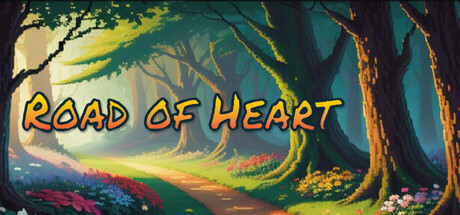 Road of Heart Store/marketing art | AI was not used in the game itself, but was used in the creation of the game’s cover art. | Xsav_Games | - | Jul 30, 2026 | |
 Glider64 In-game content audioart | Generative AI was used to create selected voice performances (including the in-game commentator) as well as concept artwork and promotional illustrations. All AI-generated assets were reviewed, edited, and integrated by the developer. | eachTick GmbH | - | Jul 30, 2026 | |
 SIQIL In-game content artaudio | Generative AI was used to assist in creating some UI elements and sound effects. All AI-generated assets were reviewed and edited by the developer before being included in the game. | Arcerus | - | Jul 30, 2026 | |
 Starboi In-game content audio | Some of the sound effects in this game were created using a commercially licensed generative AI audio tool. Nothing is generated by AI while you play. | Turtlevania Games | - | Jul 30, 2026 | |
 Depths of Providence Dev only code | AI tools (coding assistants) were used to help write portions of the game's source code during development. All art, music, and game content shipped in the product are hand-authored or procedurally generated by our own code; no generative AI is used to produce any assets, and no AI generates content at runtime.
Basically, I write software for a living but I was not a video game dev, so I used some coding assistants to help me out with areas I was less familiar. | Ryan Lutz | - | Jul 29, 2026 | |
 Geometry Run In-game content art | Generative AI was used only for creating some logos and images. All generated assets were reviewed and refined by the developer before being included in the game. | CorteBlu | - | Jul 29, 2026 | |
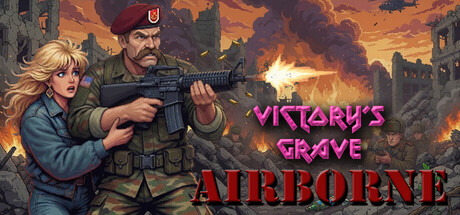 Victory's Grave: Airborne In-game content artcodetext | This game uses a mix of human and generative AI tools. AI was used in some visual art assets, code generation, and portions of the store page text. All writing in the game, voice acting, and music are fully human-created. | Old Glory Studios | - | Jul 29, 2026 | |
 Void Descent In-game content artaudio | AI was used to assist in creating 3d models and game audio files.
All core gameplay systems, code architecture, game design, and user interfaces were assembled and structured manually by the developer. | BRaiNDED Games | - | Jul 29, 2026 | |
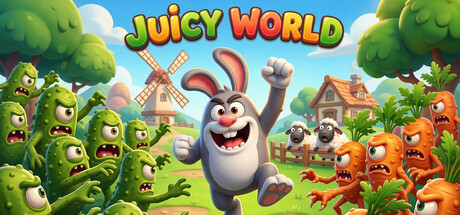 Juicy World In-game content codetext | Generative AI was used as a collaborative programming assistant to help write game code, structure gameplay logic, and assist with optimization. Additionally, it was utilized to help draft and refine marketing copy for the store page. All visual assets, 3D models, animations, and creative direction are completely hand-crafted by a solo human artist. | Alien Knight | - | Jul 29, 2026 | |
 Protocol: Assimilation Unclear | AI-assisted game development | Lodi Gaming | - | Jul 29, 2026 | |
 Power Pony Drift In-game content artaudio | Power Pony Drift uses AI-generated content that was created during development, and every piece was reviewed, edited, and curated by the developer before being included:
- Character models: The base 3D pony models were generated with AI tools, then hand-rigged, animated, and tuned for the game.
- Audio: The music tracks and some sound effects and voice lines were generated with AI audio tools.
No content is generated while you play — the game contains no runtime AI systems, AI chatbots, or live-generated content. Store page artwork is composited from in-game footage. | Fifty Bananas | - | Jul 29, 2026 | |
 Board Game Creator Dev only code | AI was used to assist in coding the game and it's features. All Art or writing was done by hand. | Unprecedented Studios | - | Jul 29, 2026 | |
 Speed Weaver In-game content text | Title screen logo and some language translations | Andrew Ferguson | - | Jul 29, 2026 | |
 Burger Smash In-game content text | Generative AI was not used to create any game assets, artwork, capsule images, character designs, sounds, music, or voice recordings in Burger Smash. All in-game content was created by the development team or commissioned from human creators.
AI tools were used to assist with translating in-game UI text and store page descriptions into multiple languages for localization purposes. No other AI generated content exists within the game itself. | Alnutmob | - | Jul 29, 2026 | |
 SDETA - SUPER DEATH ENDER THE AVENGER In-game content art | Some artwork in this game was created with the assistance of AI tools. | Stephen Lloyd Weightman | - | Jul 27, 2026 | |
 Mike the Hooper audio | Generative AI was used only to create the music featured in the game’s trailer. | Steel Arrow | - | Jul 27, 2026 | |
 Command-Ω Omega 2 In-game content artcode | During the development of this game, artificial intelligence tools were used strictly for pre-generated content. Specifically, AI was utilized to assist with code refinement, the creation of initial concept art, and the design of certain user interface (UI) elements. All AI-assisted assets and code were thoroughly reviewed, modified, and integrated manually to ensure they meet the game's specific style and technical requirements. | IMPERIAL DYNAMICS | - | Jul 25, 2026 | |
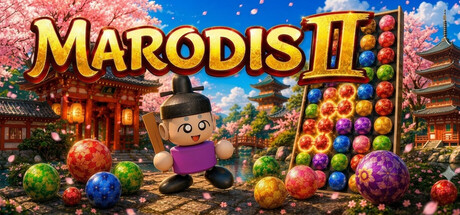 MARODIS2 In-game content art | Some assets, such as 2D illustrations and cursors, were created using AI-generated images. 3D objects were not created using AI. | HIROSHI TODO | - | Jul 25, 2026 | |
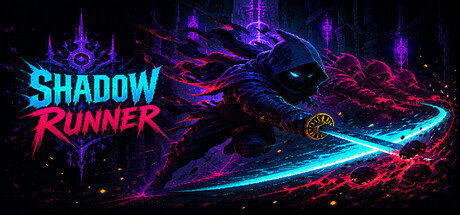 Shadow Runner In-game content art | Shadow Runner uses AI image-generation tools to create a portion of the game's 2D visual art. AI was used as a starting point for:
• Store assets — capsule, header, and marketing images.
• In-game illustrations — chapter cutscene art and non-interactive background/scene imagery.
• Achievement icons.
All AI-generated images were produced with commercial text-to-image models (Midjourney / Stable Diffusion / DALL·E), then reviewed, edited, composited, and color-corrected by the developer before shipping. Pixel-art sprites, all gameplay elements, UI, visual effects, audio, and code are hand-authored and not AI-generated. Audio is procedural (Web Audio), not AI.
The game contains no live/runtime AI: nothing is generated on the player's machine during play, and no player data is sent to any AI service.
The developer has confirmed the generated images do not depict real, identifiable people or third-party IP, and holds commercial-use rights under each tool's license. | ArcadeDeck | - | Jul 25, 2026 | |
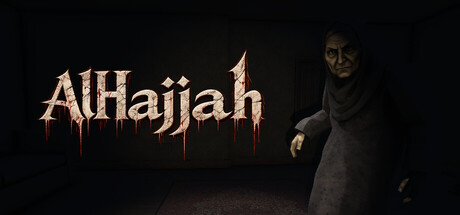 الحجة In-game content arttextcode | استُخدمت أدوات الذكاء الاصطناعي أثناء التطوير للمساعدة في كتابة أجزاء من كود اللعبة وبعض النصوص داخلها، مثل التلميحات ورسائل الواجهة، وكذلك في إنشاء بعض النماذج ثلاثية الأبعاد والخامات (التكستشر). جميع المحتوى المُنجز بمساعدة الذكاء الاصطناعي تمت مراجعته وتعديله واعتماده من المطوّر. قصة اللعبة وتصميمها وإخراجها من صنع الإنسان بالكامل، ولا يتم توليد أي محتوى بالذكاء الاصطناعي أثناء اللعب. | Jordan Studio | - | Jul 25, 2026 | |
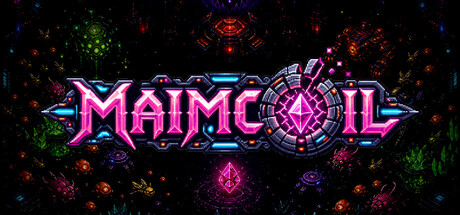 MAIMCOIL In-game content audioart | Some fixed music tracks and selected pre-rendered promotional and manual artwork were created with generative AI tools. No AI content is generated during gameplay. | corewisevideo | - | Jul 25, 2026 | |
 日本地図 都市パズル In-game content arttext | Some of the game's artwork (such as background images) and store/marketing assets were created with the assistance of generative AI tools, and all of them were reviewed and adjusted by the developer. Some in-game descriptive texts
were also drafted with AI assistance and manually verified. All AI-assisted content is pre-rendered — the game does not generate any content or code with AI during gameplay. Trailer narration uses VOICEVOX text-to-speech (VOICEVOX:
Zundamon). | LIMO | - | Jul 25, 2026 | |
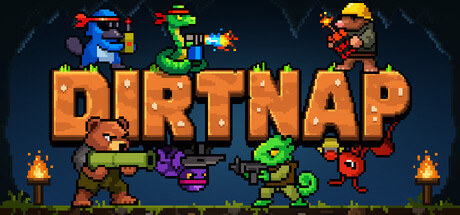 Dirtnap Unclear | Generative AI tools were used during development to assist with the creation of game content. All final content was reviewed and refined by the development team. | Unstable Entity | - | Jul 25, 2026 | |
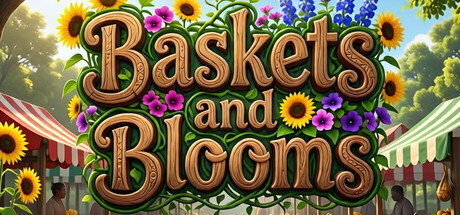 Baskets and Blooms Dev only art | Generative AI was used strictly to create temporary concept art and placeholder assets during early development. All of these placeholders are being systematically replaced with custom or commissioned assets prior to the game's final release. | Mischief Gaming Studios LLC | - | Jul 25, 2026 | |
 Neon Tyrant In-game content audiotext | AI tools were used during development to assist with writing code, and to produce two categories of content shipped with the game: the original synthwave soundtrack (composed with AI music generation, curated and selected by the developer) and the interface translations for the non-English languages (reviewed by the developer). Some store page text was also drafted with AI assistance. All in-game worlds are generated procedurally by hand-written algorithms — no AI content is generated at runtime. | One Mind Games | - | Jul 25, 2026 | |
 Chaos Football Club (CFC) In-game content audio | We use AI to create the music and the narration audio. | TheDevRealm | - | Jul 25, 2026 | |
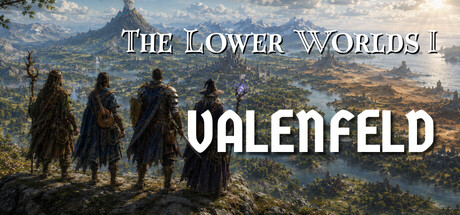 Valenfeld In-game content arttext | Our Policy on AI & Procedural Generation
Valenfeld is built by one person, on a shoestring budget, with an Elder Scrolls–sized ambition. Here is exactly how, and why, AI fits into that.
Why we use it
Valenfeld is a solo indie project chasing a scope that normally takes a studio of dozens: a massive, hand-lorekept world you can wander for years without hitting an edge. That scope is not achievable by one person typing every tree, every ruin, and every line of dialogue by hand on a shoestring budget and an ambitious timeline. So we lean on AI-enabled workflows and, more importantly, cutting-edge procedural algorithms to scale content production and world scale to match the ambition — not to replace it.
What always stays human
Every piece of content in the game — every place, character, creature, item, quest, and line of lore — is built and overseen by a human creator and judge, grounded in our own ideas, our own lore, and our own systems design. AI does not decide what Valenfeld is. It never originates the world's canon, its themes, or its design intent on its own; it accelerates producing what we've already decided the world should be, and everything it touches is reviewed before it ships.
Not AI slop — procedural generation is the point
We're not interested in dumping raw model output into the game and calling it done. Our actual goal is an experimental, large-scale world built on cutting-edge procedural algorithms — terrain, dungeons, towns, ecosystems, even history — designed to be massively replayable for years, not a one-and-done AI slideshow. AI-assisted tooling is one part of the production pipeline that gets us there faster on a small budget; the procedural systems and the authored lore they run on are the actual craft, and that's where our attention to detail goes.
Our bet
We believe that if we focus relentlessly on delivering the best game possible — with a genuinely obsessive eye for detail on everything we ship — we can produce something great on a low budget and a small team of one. That is the bar we hold ourselves to, not "shipped fast" or "shipped cheap."
As we grow
This is how we build today, as a solo project with an ambitious scope and timeline. If and when Valenfeld earns a bigger budget for this game or for future releases, we intend to keep building just as ambitiously — with a team of art, lore, and gameplay experts working alongside these same tools, not replaced by them. Thinking about the best possible game comes first; everything else, including how we scale to build it, follows from that.
— Metatransformer Studios | Metatransformer Studios | - | Jul 25, 2026 | |
 天宫乱斗 In-game content artcode | This game utilizes AI-assisted generation for certain art assets and the core code framework. Every element has undergone thorough manual review, fine-tuning, and integration by our developers, guaranteeing that the final output aligns with the game's intended aesthetic and quality standards.No live‑generated AI content appears during gameplay | Chromew | - | Jul 25, 2026 | |
 A Nibble Tale In-game content arttext | 'm a solo developer making this game with a very limited budget. While I was able to hire artists for some of the game's assets, I simply couldn't afford to commission every piece of content needed to complete the project.
Because of that, I used generative AI as a supplementary tool for certain assets and to assist with English translation. Since English isn't my native language, AI also helped me ensure that dialogue, jokes, and other text conveyed the intended meaning naturally.
Whenever possible, I chose to work with human artists, and all AI-generated content was carefully reviewed, edited, and integrated by me. My goal was never to replace artists, but to make it possible to finish the game as an independent developer. | Maxouhell Studios | - | Jul 25, 2026 | |
 Fortress Merge In-game content art | Some visual elements of the game have been created with the use of ai. | TapNation | - | Jul 25, 2026 | |
 Skate Felon Unclear audio | Some voice lines | VHS Games | - | Jul 25, 2026 | |
 Wirehawk In-game content audiotext | AI tools were used to generate the initial voice lines and assist with translating the store page and in-game text. | Trax | - | Jul 24, 2026 | |
 Syncline In-game content textcodeaudio | Syncline is developed by me — AI tools were used to assist with parts of development, including code, some text content (UI copy, tutorial hints, level descriptions, store page copy), localization/translations, and some audio. All such content was directed by me and reviewed/edited before being included. No content is generated by AI at runtime — everything players see, hear, and play is fixed at build time. | KCEDERLUND.DEV | - | Jul 23, 2026 | |
 No Thoughts Just Dodge In-game content arttextcodeaudio | Generative AI tools, including OpenAI ChatGPT/Codex, assisted during development with portions of the original C++ code, interface text, gameplay balancing, documentation, store-page materials, geometric visual design, and music synthesis. The developer reviewed, tested, selected, and integrated the resulting material. In-game graphics are procedurally drawn from original geometric shapes, while the original music and sound effects are synthesized by the game. No third-party characters, music recordings, voices, logos, or downloaded asset packs are included. | Snitch Studio | - | Jul 23, 2026 | |
 Sweetie Candy Maze: Crimson Strawberry In-game content art | The background images and strawberrys pictures are pre-rendered AI art. | Cute Hannah's Games | - | Jul 23, 2026 | |
 Capy of Gods In-game content artaudio | Some art assets (sprites, icons, illustrations) and audio (sound effects, music, voices) were created using generative AI tools. All AI-generated content is pre-rendered and hand-integrated into the game — nothing is generated live during play. Each asset is reviewed and curated before inclusion, and we hold commercial-use rights for the tools involved. | CapyEmber | - | Jul 23, 2026 | |
 N.E.O.N. HORIZON In-game content art | We used AI to generate images, as we don't have an artist on our team.
The gameplay, design, and atmosphere are all human-created. | NeonGameStudio | - | Jul 23, 2026 | |
 Soundway In-game content audio | Gameplay, visuals, and code were built by hand. Only the bundled soundtrack used AI-assisted music tools, all of which I reviewed. Soundway is made for your own music — the built-in tracks just get you started. | Naughty Horse | - | Jul 23, 2026 | |
 Stacey's Demise - A Prequel to I FORGOT TO TAKE THE CHICKEN OUT OF THE FREEZER Store/marketing art | Artificial intelligence was used to create the graphical assets for this game: capsules, logos, etc. | Yomen Tohmaz | - | Jul 23, 2026 | |
 Skimmies In-game content audio | Music tracks used in the game were created using generative AI tools. | Cactus Banjo Games | - | Jul 23, 2026 | |
 THE WOLF OF TENGRI In-game content arttext | Some visual concepts, promotional artwork, and certain written materials used for the game's presentation were created or refined with the assistance of generative AI. All AI-assisted content has been carefully reviewed, edited, and approved by the development team to ensure artistic consistency, originality, and quality. The gameplay, design decisions, and final player experience are fully curated by the developers. | OSO Game Studio | - | Jul 23, 2026 | |
 Alien Siege: Earth In-game content artaudio | This game uses generative AI as a starting point for visual art and music. We then edited many of the assets by hand. | Don'tSayGame | - | Jul 23, 2026 | |
 ONE (1) WORLD In-game content art | Some marketing artwork on this Steam store page was created with OpenAI image generation using current in-game screenshots and existing brand artwork as references. The game itself does not generate AI content during play. | Overboard Games | - | Jul 23, 2026 | |
 Evo Ascension In-game content artaudio | Evo Ascension includes limited AI‑generated content. Some audio and select graphical elements were created using AI tools, with most visuals further refined and hand‑edited in Aseprite. All gameplay systems, pixel art characters, animations, and core design remain handcrafted by the developer. | C4 Interactive | - | Jul 23, 2026 | |
 Gravitron In-game content artaudio | Generative AI was used to help create promotional capsule artwork and music/audio material for the game. The gameplay, level design, mechanics, and final implementation were created and reviewed by the developer. | JOZGameru | - | Jul 23, 2026 | |
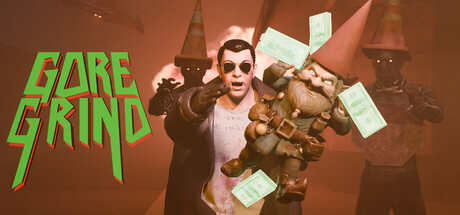 Gore Grind In-game content audiotext | We at GabaCool believe in the beauty of human art. Hence, we don't allow ourselves to create art by AI.
We use it for coding, no worries we are professional engineers. We also use it for voice line generation, as we are a small team in the bootstrap phase. Localization is another point. We are dedicated to remedy this.
Where we will never use it: Story, Art, Music, Models, and all creative. Because that's what makes us human. | GabaCool Games | - | Jul 23, 2026 | |
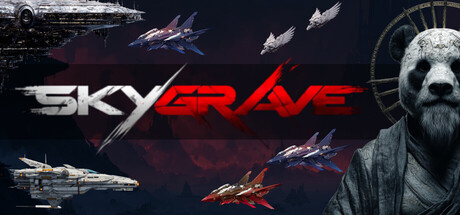 Skygrave In-game content art | This game uses generative AI for some of the art contained within the game. | Forever61 | - | Jul 23, 2026 | |
 Old Coin Pusher Gaiden arttext | Some in‑game icons were created using AI, while the artwork and translations were produced with human editing based on AI‑generated drafts. | STP WORKS | 63 | Jul 23, 2026 | |
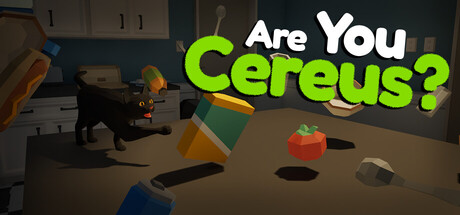 Are You Cereus? In-game content text | The game has used AI to enhance the game's store description, help improve the game's narrative and to assist with localisation using Google Translate. | GameDevPaddy | - | Jul 23, 2026 | |
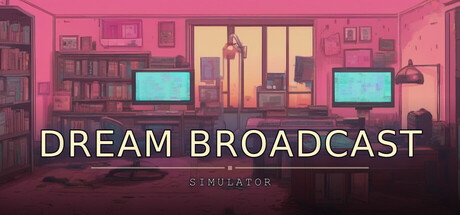 Dream Broadcast Simulator In-game content art | This game is built by a Master of the Fine Arts in Digital and New Media with a specialization in procedural content. Generative AI tools were used during development to create and iterate on pre-rendered visual assets, including dream artwork, backgrounds, capsule art, and marketing imagery. All AI-assisted content is selected, edited, and integrated by the development team. The game does not generate AI content during gameplay and does not connect to third-party AI services during play. | Playable Future LLC | - | Jul 23, 2026 |


