Public Steam disclosure research25,383 disclosures tracked
Where do games disclose AI use?
Search developers’ Steam disclosures, compare classified AI use across
games, and follow recorded changes.
This index adds cross-game classifications and statistics to
statements published on individual store pages.
Groups reflect automatic analysis of public disclosures; mature records are excluded. These counts do not measure AI use across all of Steam.
Missing or unclear statements cannot establish whether a game uses AI.
Generative AI was used only during production for early concept exploration and the creation of some promotional asset drafts. The game does not use generative AI during gameplay. All core in-game assets were manually reviewed, edited, and reworked by human artists.
I'm a solo developer. Without AI tools, this game would not exist — the art, music, and copy would have been unaffordable to commission and impossible for me to produce alone. AI let me focus on what I actually built by hand: the game design, the mechanics, the 181 tomes, the scoring engine, the balance, the words.
What's AI-generated:
• Visual art (backgrounds, character portraits, tome/scroll/blessing illustrations, store page art) — generated with AI image tools, curated and selected by me
• Music — generated with AI audio tools, curated and selected by me
• Some flavor text and descriptive copy — drafted with AI assistance, edited by me
What's not AI:
• The game itself — every system, mechanic, balance number, character design, and core decision is mine
• The dictionary, the tile distributions, the scoring math, the run structure, the boss fights — hand-built
• The code — written by me with the help of AI assistants the same way any modern developer uses them
No AI runs at runtime. Nothing is generated for you on the fly during play. Everything you see was reviewed before it shipped.
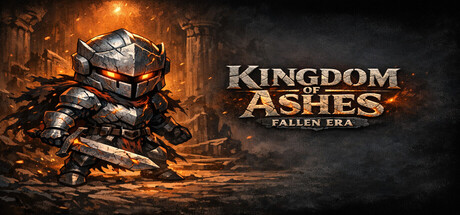
Kingdom of Ashes uses generative AI for select visual assets:
• Character portraits, enemy sprites, card illustrations, and background art were generated using Microsoft Copilot and then curated, composited, and refined by the developer for use in the game.
All gameplay code, mechanics, narrative text, and game design were created by the developer. No AI content is generated live during gameplay, and the game does not connect to any third-party AI service at runtime — all AI-generated visuals were finalized during development and ship as static assets.
Based on the developer's original creative direction, AI tools were used to generate the game's store page capsule images, soundtrack, and the non-English in-game text translations. AI coding assistance supported programming during development.
Generative AI was used to create artwork for the game, including visual assets seen by players and/or promotional materials. All AI-generated artwork was reviewed, selected, and edited by the developer before inclusion. The game does not generate AI content live during gameplay.
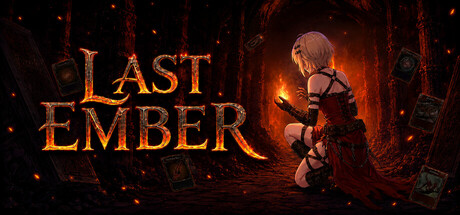
We're a small indie team, and we used generative AI to help make some of the art in Last Ember — card illustrations, backgrounds, character portraits, and a few short animations. We also used it on a handful of sound effects. Everything you see and hear in the game was picked, edited, and signed off by us. The game itself doesn't run any AI while you play — what ships is what you get.
This game utilizes generative AI tools to assist in the creation of pre-rendered 2D visual assets, including character illustrations and in-game icons.
This game includes pre-generated AI-assisted assets created during development, including selected background music and some visual art assets. All AI-assisted content was reviewed, curated, and edited by the developer before inclusion in the game. The game does not use live generative AI during gameplay.
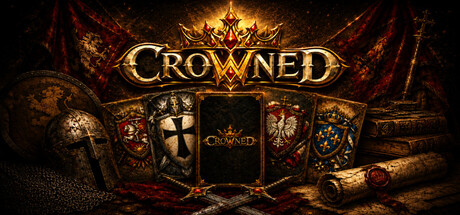
Some artwork and visual assets in Crowned, including
card illustrations and background graphics, were created with the assistance of generative AI tools. All content was
reviewed, curated and integrated by the developer.
Some static 2D artwork used in the game and Steam marketing materials was created with assistance from generative AI, then curated, edited, and integrated by the developer. The game does not generate AI content during gameplay and does not connect to external AI services.
Some game and store page text or visual assets were created or refined with generative AI during development. This content is pre-generated and included in the shipped game or store materials. The game does not generate AI content during gameplay and does not connect to external AI services during gameplay.
AI tools were used as part of the development process for Tenebrix, primarily to assist with early concept exploration, visual ideation, and asset prototyping. These tools helped accelerate iteration during the design phase, allowing for rapid testing of themes, compositions, and stylistic direction.
All AI-assisted content was reviewed, refined, and integrated manually to ensure consistency with the game’s vision and quality standards. Final assets, gameplay systems, and overall design were shaped through hands-on development and creative direction.
AI was used as a tool to support development—not as a replacement for it.
This game uses generative AI to create some of its audio, visual, and localization content. The music was generated with AI tools, certain sound effects were produced using AI-based audio synthesis, and some in‑game images and artwork were created with the assistance of generative AI. Part of the game's translations were also assisted by AI. All content has been manually reviewed, edited, and adapted to maintain the artistic and narrative coherence of the project.
Some store page and in-game artwork (joker icons and event background scenes)
were created using AI image generation tools. All AI-generated content
is reviewed and curated by the developer. Game mechanics, story text, code,
character animations and audio are not
AI-generated.
Generative AI tools were used as part of the development workflow for programming assistance, debugging support, implementation planning, and visual refinement.
AI-assisted visual workflows were used to explore, refine, or produce some visual elements. All such content was reviewed and integrated manually by the developer.
Waywardens does not use live generative AI during gameplay. The game does not generate AI content at runtime and does not send player input to AI services.
AI tools were used as a support during development.
- Assistance with coding and English localization
- Some character artwork was initially sketched by the developer, then refined using AI tools and further manually adjusted
All final content was reviewed and edited by the developer.
Character portraits, world objects, and background artwork utilize generative AI as a foundational base. However, every visual asset undergoes heavy, manual editing and refinement through multiple iterations by myself to achieve the game's specific art style.
AI image generation tools were used to create character artwork, background illustrations, and other visual assets in this game. AI coding assistance tools were used extensively throughout the development process for game logic and programming.
Some visual assets and concept art were created or assisted using AI tools during development. Everything has been reviewed and refined by the developer to match the game’s style and quality.
In order to provide accessibility, AI was used to create the narration for the tutorial and encyclopaedia. Also some of the background and encyclopaedia images were generated using AI, but will be replaced for 1.0 launch.
Heart Duels is a solo-developed game. I use AI-assisted tools for some art and audio. All assets are curated and integrated by me to create a cohesive experience.
Generative AI tools were used as an assistive resource during the planning and development of this game.
All AI-generated outputs were reviewed and refined by the development team before inclusion in the final product.
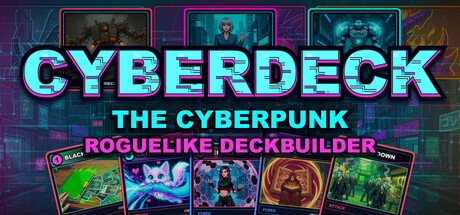
CyberDeck contains pre-generated visual art, animation frames, music, sound effects, voice audio, and written content created or assisted with generative AI tools, then curated and integrated by the development team. Generative AI also assists development, including code. No AI generates content during gameplay, and the game does not connect to external AI services while you play.
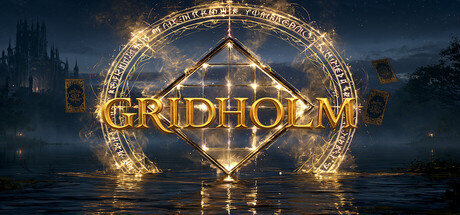
Gridholm uses AI-generated imagery for its card art, champion portraits, and 3D models. As the sole developer, it's how I bring a full 250+ card game to life with a cohesive, painterly dark-fantasy look.
Visual assets (hero portraits, card art backgrounds, dice imagery, booster pack illustrations) were generated using Midjourney and refined/composed in Photopea. Suit pip icons are by Lorc and Delapouite via game-icons.net (CC BY 3.0). Sound effects and music were generated using AI tools. All AI-generated content was directed, curated, and integrated by the developer. No AI is used to generate content live at runtime — all assets are pre-rendered and embedded in the build.
Some visual assets (card art and character portraits) generated using Google Gemini image models. Some SFX partially generated via ElevenLabs where Unity Assets were not available. All licensed for commercial use. Game design, code, and text content are original.
All visual assets were generated in part using Nano Banana. Some code was generated using Gemini. This project was done by a Solo Dev and few eternal assets were used except where noted.
This game uses AI to generate dynamic NPC dialogue during gameplay. NPCs respond to player actions and choices with unique, contextual conversations. All AI-generated text is filtered to ensure appropriate content.
This game was made available in many languages thanks to generative AI. Creation of some assets was performed or aided by generative AI tools.
If you ever beat an open-world game, you probably used more power than was used to generate all the assets in this game, including the ones that went unused. If you 100%'d that game, you used much, much more.
Some visual assets in Triad were created with the assistance of AI tools and further refined by the developer.
Triad is a solo-developed project, and these tools helped make its creation possible.
— Raph, developer of Triad
Generative AI was used during the development process to create character illustrations for the cards. All AI-generated content has been reviewed, manually refined, and edited by our team to ensure it does not include any illegal or infringing material.
- Some 2D assets were generated partly with AI (with human pre and post passes).
- Some languages were localized with AI. We intend to make a full human pass on all languages before 1.0 launch.
The developer uses Generative AI tools to assist in the creation of 2D character sprites, background artwork, UI elements, and visual effects frames. All AI-generated graphical assets are pre-rendered, manually edited, and carefully integrated into the game engine by the developer. The game does not generate any AI content in real-time during gameplay.
Some audio and promotional materials were created with AI assistance and reviewed by the developer. All core visual artwork in the game is hand-drawn, with a small number of placeholder icons in the current demo to be replaced before full release.
Scourge of Eldryngard was developed independently by a single person. I utilized generative AI tools under my creative direction for the creation of assets, music, voice acting, translation, and technical support, all via paid commercial licenses. All content underwent rigorous manual editing and review to ensure technical cohesion and originality. There is no real-time AI generation during gameplay.
Generative AI was used exclusively to assist in creating the promotional cover art (capsule images) for the Steam store page. All in-game assets are human-crafted and contain no AI-generated content.
AI was used to aid in translations into 11 Languages. This game was coded by a human.
All gameplay, design, and creative direction are fully handcrafted by myself.
Generative AI was used only during production for early concept exploration and the creation of some promotional asset drafts. The game does not use generative AI during gameplay. All core in-game assets were manually reviewed, edited, and reworked by human artists.
I'm a solo developer. Without AI tools, this game would not exist — the art, music, and copy would have been unaffordable to commission and impossible for me to produce alone. AI let me focus on what I actually built by hand: the game design, the mechanics, the 181 tomes, the scoring engine, the balance, the words.
What's AI-generated:
• Visual art (backgrounds, character portraits, tome/scroll/blessing illustrations, store page art) — generated with AI image tools, curated and selected by me
• Music — generated with AI audio tools, curated and selected by me
• Some flavor text and descriptive copy — drafted with AI assistance, edited by me
What's not AI:
• The game itself — every system, mechanic, balance number, character design, and core decision is mine
• The dictionary, the tile distributions, the scoring math, the run structure, the boss fights — hand-built
• The code — written by me with the help of AI assistants the same way any modern developer uses them
No AI runs at runtime. Nothing is generated for you on the fly during play. Everything you see was reviewed before it shipped.
Kingdom of Ashes uses generative AI for select visual assets:
• Character portraits, enemy sprites, card illustrations, and background art were generated using Microsoft Copilot and then curated, composited, and refined by the developer for use in the game.
All gameplay code, mechanics, narrative text, and game design were created by the developer. No AI content is generated live during gameplay, and the game does not connect to any third-party AI service at runtime — all AI-generated visuals were finalized during development and ship as static assets.
Based on the developer's original creative direction, AI tools were used to generate the game's store page capsule images, soundtrack, and the non-English in-game text translations. AI coding assistance supported programming during development.
Generative AI was used to create artwork for the game, including visual assets seen by players and/or promotional materials. All AI-generated artwork was reviewed, selected, and edited by the developer before inclusion. The game does not generate AI content live during gameplay.
We're a small indie team, and we used generative AI to help make some of the art in Last Ember — card illustrations, backgrounds, character portraits, and a few short animations. We also used it on a handful of sound effects. Everything you see and hear in the game was picked, edited, and signed off by us. The game itself doesn't run any AI while you play — what ships is what you get.
This game utilizes generative AI tools to assist in the creation of pre-rendered 2D visual assets, including character illustrations and in-game icons.
This game includes pre-generated AI-assisted assets created during development, including selected background music and some visual art assets. All AI-assisted content was reviewed, curated, and edited by the developer before inclusion in the game. The game does not use live generative AI during gameplay.
Some artwork and visual assets in Crowned, including
card illustrations and background graphics, were created with the assistance of generative AI tools. All content was
reviewed, curated and integrated by the developer.
Some static 2D artwork used in the game and Steam marketing materials was created with assistance from generative AI, then curated, edited, and integrated by the developer. The game does not generate AI content during gameplay and does not connect to external AI services.
Some game and store page text or visual assets were created or refined with generative AI during development. This content is pre-generated and included in the shipped game or store materials. The game does not generate AI content during gameplay and does not connect to external AI services during gameplay.
AI tools were used as part of the development process for Tenebrix, primarily to assist with early concept exploration, visual ideation, and asset prototyping. These tools helped accelerate iteration during the design phase, allowing for rapid testing of themes, compositions, and stylistic direction.
All AI-assisted content was reviewed, refined, and integrated manually to ensure consistency with the game’s vision and quality standards. Final assets, gameplay systems, and overall design were shaped through hands-on development and creative direction.
AI was used as a tool to support development—not as a replacement for it.
This game uses generative AI to create some of its audio, visual, and localization content. The music was generated with AI tools, certain sound effects were produced using AI-based audio synthesis, and some in‑game images and artwork were created with the assistance of generative AI. Part of the game's translations were also assisted by AI. All content has been manually reviewed, edited, and adapted to maintain the artistic and narrative coherence of the project.
Some store page and in-game artwork (joker icons and event background scenes)
were created using AI image generation tools. All AI-generated content
is reviewed and curated by the developer. Game mechanics, story text, code,
character animations and audio are not
AI-generated.
Generative AI tools were used as part of the development workflow for programming assistance, debugging support, implementation planning, and visual refinement.
AI-assisted visual workflows were used to explore, refine, or produce some visual elements. All such content was reviewed and integrated manually by the developer.
Waywardens does not use live generative AI during gameplay. The game does not generate AI content at runtime and does not send player input to AI services.
AI tools were used as a support during development.
- Assistance with coding and English localization
- Some character artwork was initially sketched by the developer, then refined using AI tools and further manually adjusted
All final content was reviewed and edited by the developer.
Character portraits, world objects, and background artwork utilize generative AI as a foundational base. However, every visual asset undergoes heavy, manual editing and refinement through multiple iterations by myself to achieve the game's specific art style.
AI image generation tools were used to create character artwork, background illustrations, and other visual assets in this game. AI coding assistance tools were used extensively throughout the development process for game logic and programming.
Some visual assets and concept art were created or assisted using AI tools during development. Everything has been reviewed and refined by the developer to match the game’s style and quality.
In order to provide accessibility, AI was used to create the narration for the tutorial and encyclopaedia. Also some of the background and encyclopaedia images were generated using AI, but will be replaced for 1.0 launch.
Heart Duels is a solo-developed game. I use AI-assisted tools for some art and audio. All assets are curated and integrated by me to create a cohesive experience.
Generative AI tools were used as an assistive resource during the planning and development of this game.
All AI-generated outputs were reviewed and refined by the development team before inclusion in the final product.
CyberDeck contains pre-generated visual art, animation frames, music, sound effects, voice audio, and written content created or assisted with generative AI tools, then curated and integrated by the development team. Generative AI also assists development, including code. No AI generates content during gameplay, and the game does not connect to external AI services while you play.
Gridholm uses AI-generated imagery for its card art, champion portraits, and 3D models. As the sole developer, it's how I bring a full 250+ card game to life with a cohesive, painterly dark-fantasy look.
Visual assets (hero portraits, card art backgrounds, dice imagery, booster pack illustrations) were generated using Midjourney and refined/composed in Photopea. Suit pip icons are by Lorc and Delapouite via game-icons.net (CC BY 3.0). Sound effects and music were generated using AI tools. All AI-generated content was directed, curated, and integrated by the developer. No AI is used to generate content live at runtime — all assets are pre-rendered and embedded in the build.
Some visual assets (card art and character portraits) generated using Google Gemini image models. Some SFX partially generated via ElevenLabs where Unity Assets were not available. All licensed for commercial use. Game design, code, and text content are original.
All visual assets were generated in part using Nano Banana. Some code was generated using Gemini. This project was done by a Solo Dev and few eternal assets were used except where noted.
This game uses AI to generate dynamic NPC dialogue during gameplay. NPCs respond to player actions and choices with unique, contextual conversations. All AI-generated text is filtered to ensure appropriate content.
This game was made available in many languages thanks to generative AI. Creation of some assets was performed or aided by generative AI tools.
If you ever beat an open-world game, you probably used more power than was used to generate all the assets in this game, including the ones that went unused. If you 100%'d that game, you used much, much more.
Some visual assets in Triad were created with the assistance of AI tools and further refined by the developer.
Triad is a solo-developed project, and these tools helped make its creation possible.
— Raph, developer of Triad
Generative AI was used during the development process to create character illustrations for the cards. All AI-generated content has been reviewed, manually refined, and edited by our team to ensure it does not include any illegal or infringing material.
- Some 2D assets were generated partly with AI (with human pre and post passes).
- Some languages were localized with AI. We intend to make a full human pass on all languages before 1.0 launch.
The developer uses Generative AI tools to assist in the creation of 2D character sprites, background artwork, UI elements, and visual effects frames. All AI-generated graphical assets are pre-rendered, manually edited, and carefully integrated into the game engine by the developer. The game does not generate any AI content in real-time during gameplay.
Some audio and promotional materials were created with AI assistance and reviewed by the developer. All core visual artwork in the game is hand-drawn, with a small number of placeholder icons in the current demo to be replaced before full release.
Scourge of Eldryngard was developed independently by a single person. I utilized generative AI tools under my creative direction for the creation of assets, music, voice acting, translation, and technical support, all via paid commercial licenses. All content underwent rigorous manual editing and review to ensure technical cohesion and originality. There is no real-time AI generation during gameplay.
Generative AI was used exclusively to assist in creating the promotional cover art (capsule images) for the Steam store page. All in-game assets are human-crafted and contain no AI-generated content.
AI was used to aid in translations into 11 Languages. This game was coded by a human.
All gameplay, design, and creative direction are fully handcrafted by myself.