Public Steam disclosure research25,383 disclosures tracked
Where do games disclose AI use?
Search developers’ Steam disclosures, compare classified AI use across
games, and follow recorded changes.
This index adds cross-game classifications and statistics to
statements published on individual store pages.
Groups reflect automatic analysis of public disclosures; mature records are excluded. These counts do not measure AI use across all of Steam.
Missing or unclear statements cannot establish whether a game uses AI.
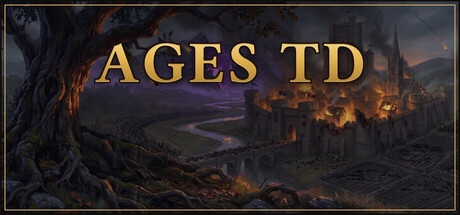
Ages TD was made with the help of generative AI tools. All AI-generated content is
pre-generated during development, reviewed and edited by the developer; nothing is
generated live while you play.
- Some 3D models and their textures (enemies, towers, props) — generated with Meshy,
then edited and integrated by the developer.
- Music — generated with Suno from prompts written by the developer.
- Cutscene illustrations and store page artwork — created with AI image tools,
then edited by the developer.
- Parts of the in-game dialogue and hint texts — drafted with AI assistance and
rewritten by the developer.
There is no AI-generated voice acting in the game.
Some of this game's assets were made with the assistance of generative AI tools and were reviewed, curated and hand-finished by the developer. No content is generated while you play.
Some of this game's pre-generated assets were created by Meridian Studios using generative AI tools, from our own prompts and under our licenses: 2D art (illustrations, backgrounds, character and enemy tokens, icons, and store art) generated with FLUX via the Replicate API, and a portion of the sound effects generated with ElevenLabs. All AI-assisted assets were reviewed, curated, and integrated by the studio. No AI-generated content is produced live during gameplay, and no player data is sent to any AI service.
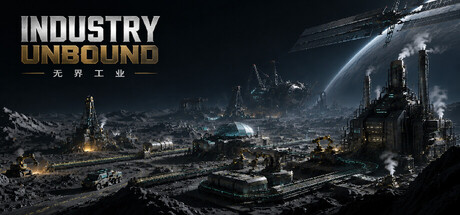
Industry Unbound includes a limited number of pre-generated visual assets created with the assistance of generative AI. Each asset was selected, reviewed, and edited by the developer before release. Generative AI is not used to generate content in real time during gameplay.
Generative AI was used selectively as a development tool to assist with some textures and selected 3D assets. All assets were reviewed, refined where needed, and integrated by the developer. The game does not use live-generated AI content.
The store page was translated into 30 languages using AI, from text written by the developer. Store and library images were assembled from artwork the developer made by hand. The game itself contains no AI-generated content, and nothing is generated by AI while you play.
Generative AI was used during development to create the game’s pre-generated 2D visual assets, including card illustrations, backgrounds, UI decorative elements, and Steam marketing materials. It was also used to assist with portions of the store text and localization. All AI-assisted content was selected, edited, and reviewed by the developer before publication. The game does not use generative AI to generate content at runtime.
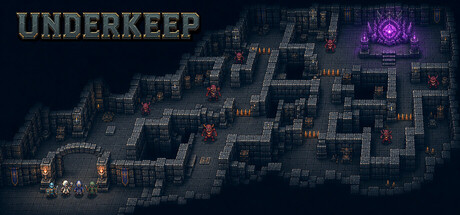
Underkeep's visual assets — character and monster sprites, traps, tiles, effects, UI art, and store artwork — were produced using generative AI image tools. The developer selected, adjusted, and quality-checked every asset before it went into the game.
The English and Spanish text was machine-translated from the original Korean.
Parts of the source code were written with an AI coding assistant, under the developer's direction and review.
Music and sound effects are not AI-generated. They are human-made CC0 assets from Kenney and OpenGameArt, and the in-game font (Galmuri) is a human-made open-source font.
Underkeep does not use generative AI while you play. The game runs fully offline and generates no content at runtime.
Parts of this game's content were created with generative AI tools:
- 3D models and their textures (towers, enemies, terrain and scenery props) were generated with Meshy AI, then hand-adjusted and assembled by the developer.
- The English localization was AI-translated from the original Chinese text and then reviewed by the developer.
- Some in-game flavor text (event, relic and achievement descriptions) was drafted with an AI writing assistant.
- Some store page and marketing artwork was produced with AI image tools.
All of this content is generated ahead of time and ships as fixed assets. The game does not generate any content live during play and does not connect to any AI service at runtime. Sound effects and music are procedurally synthesized by our own scripts and are not AI-generated.
All assets in this game — art, music, and text — were created by humans. During development, generative AI tools were used for coding assistance and debugging. All resulting code was reviewed and approved by a human developer before inclusion.
We use generative AI in two limited ways.
Translation. Simplified Chinese, German, Japanese, and Brazilian Portuguese were machine-translated so the story reaches more players. English, Turkish, French, and Spanish were localized by our international friends and us. However, AI translation can miss nuance, so we warmly welcome player feedback to improve it.
Placeholder art. Three images are AI-generated: the Prologue background and the Mentor and Player portraits. They are placeholders. We believe in human expression and will replace them with commissioned art once the game has an audience.
Everything else (code, design, and all other artwork) is made by human hands.
AI image tools supported the creation of some 2D illustrations and promotional assets. Every asset was designed, reworked, and finished by our artists, and all writing, game design, and code are entirely human-made. Nothing in the game is AI-generated at runtime.
Some art assets, localized text, and store marketing materials were created with the assistance of generative AI during development, then reviewed, edited, and integrated by the developer. The game does not use generative AI to create content during gameplay.
Some assets in Crown Cribbage were made with the help of generative AI tools:
- in-game music was generated with AI music tools
- capsule/key art
- marketing copy drafts
- assistance with programming
One point of emphasis:
The computer opponents in this game are not generative AI. They are hand-written heuristics, a fixed set of rules for discarding and pegging, tuned by
difficulty.
They see only what you see. They do not look at your hand, and nothing about them is generated while you play.
No AI content of any kind is created during a match.
Some character, creature, environment, loop-video, and marketing artwork was created with generative AI during development, then reviewed, edited, and approved by the development team. The game does not generate content at runtime, connect to external AI services, or send player input to AI services.
Some 2D art assets (character portraits and a portion of the character sprites) and some in-game text (dialogue lines) were produced with the assistance of generative AI tools. All AI-generated output was manually edited, retouched and adjusted by the developer before being included in the game.
No content is generated at runtime; everything ships with the build as pre-generated assets.
Character portrait artwork in the optional modern art mode was created using generative AI tools (ChatGPT) during development. All gameplay code, world design, systems, and the retro art mode are hand-made.
Generative AI tools were used during development to assist with creating and refining some 2D artwork, visual assets, and promotional images. All AI-assisted content is pre-generated, reviewed, and edited by the developer before inclusion. The game does not generate AI content during gameplay and does not send player data to generative AI services.
Some images and translations used in the game and its marketing materials were created or assisted using generative AI tools only when necessary. The majority of the assets were created by human artists and contributors. All AI-assisted content was reviewed and integrated by the development team before inclusion.
Generative AI was used during development to create initial visual concepts and source imagery. These images were then substantially edited, redrawn, and altered by the developer before being included in the final game.
Some of this game's assets were created with the assistance of generative AI and then curated, edited, and integrated by the developer. Art: two character portraits were generated with Midjourney (paid commercial plan); other artwork — card illustrations, backgrounds, and character art — was generated with a locally run image-generation pipeline. Audio: the music, ambience, and sound-effect clips were generated with ElevenLabs under a paid commercial plan. Some game text was written with AI assistance and reviewed by the developer. All AI output was human-reviewed before inclusion. No content is generated by AI at runtime.
Some sound effects and the in-game text localization were created with the help of AI tools during development. All AI-generated audio and translated text was reviewed and edited by a human before shipping. No AI-generated artwork, and no AI content is generated while the game is running.
Generative AI was used to write, edit, and translate text on this Steam store page. It is not used during gameplay, and no AI-generated images, audio, or in-game assets are included.
Generative AI technology is used in a supplementary capacity during the creation of some 2D prop assets.
Any such assets are replaced through our production pipeline by our art and development teams, ensuring they meet our quality standards and creative direction.
Crystal Keeper is made by one person. I used generative AI tools during development to help create some of the game's assets, such as artwork and music, every asset was hand-picked and integrated by me. No AI is used at runtime: nothing is generated while you play.
The in-game voiceover is generated in real-time by a text-to-speech AI model running entirely on your computer. This model only narrates built-in, pre-approved game text. None of your inputs will be sent to the AI model. The entire process runs locally offline.
Portions of this game's code were written with the assistance of an AI coding tool, working under the developer's direction, with all output reviewed, tested, and integrated by hand. All artwork, animation, music, and sound effects are human-created licensed assets — no AI-generated art or audio is used. The game does not generate any content with AI at runtime; computer opponents use traditional hand-written game logic.
Symbiosis: Criticality's narrative and dialogue were developed with the assistance of generative AI as part of an iterative, human-directed writing process. All in-game art, audio, and code were authored directly by the development team.
This game uses AI generation tools at several stages of development.
- Artwork: the card illustrations and key art use images produced with AI image-generation tools.
The developer selected, cropped, and adjusted the outputs — and discarded the ones that did not
fit — before integrating them into the game.
- Text: card flavor text and story prose were drafted with AI assistance, then edited and finalized
by the developer. The world setting and narrative structure were decided by the developer.
- Localization: the English text was translated with AI assistance and reviewed by the developer.
No content is generated by AI while the game is running. Everything is pre-generated during development.
A solo dev made this game. Some of the art was created or refined with AI tools; the design, code, UI, music (using fruit loops), writing, and everything the game actually does are hand-built.
Generative AI tools were used during development to assist in creating and refining some pre-generated visual assets, including selected in-game backgrounds. All AI-assisted content was reviewed, edited, and integrated by the development team. The game does not generate content using AI during gameplay.
"Generative AI tools were used during development to assist in creating a portion of the art, background assets, and UI icons. All AI-generated content was reviewed and manually refined by our team."
AI-assisted tools were used during development to help create and refine some visual assets, text, and audio content. All AI-assisted content was reviewed, edited, and curated by the developer before being included in the game. The game does not generate AI content dynamically during gameplay.
Ages TD was made with the help of generative AI tools. All AI-generated content is
pre-generated during development, reviewed and edited by the developer; nothing is
generated live while you play.
- Some 3D models and their textures (enemies, towers, props) — generated with Meshy,
then edited and integrated by the developer.
- Music — generated with Suno from prompts written by the developer.
- Cutscene illustrations and store page artwork — created with AI image tools,
then edited by the developer.
- Parts of the in-game dialogue and hint texts — drafted with AI assistance and
rewritten by the developer.
There is no AI-generated voice acting in the game.
Some of this game's assets were made with the assistance of generative AI tools and were reviewed, curated and hand-finished by the developer. No content is generated while you play.
Some of this game's pre-generated assets were created by Meridian Studios using generative AI tools, from our own prompts and under our licenses: 2D art (illustrations, backgrounds, character and enemy tokens, icons, and store art) generated with FLUX via the Replicate API, and a portion of the sound effects generated with ElevenLabs. All AI-assisted assets were reviewed, curated, and integrated by the studio. No AI-generated content is produced live during gameplay, and no player data is sent to any AI service.
Industry Unbound includes a limited number of pre-generated visual assets created with the assistance of generative AI. Each asset was selected, reviewed, and edited by the developer before release. Generative AI is not used to generate content in real time during gameplay.
Generative AI was used selectively as a development tool to assist with some textures and selected 3D assets. All assets were reviewed, refined where needed, and integrated by the developer. The game does not use live-generated AI content.
The store page was translated into 30 languages using AI, from text written by the developer. Store and library images were assembled from artwork the developer made by hand. The game itself contains no AI-generated content, and nothing is generated by AI while you play.
Generative AI was used during development to create the game’s pre-generated 2D visual assets, including card illustrations, backgrounds, UI decorative elements, and Steam marketing materials. It was also used to assist with portions of the store text and localization. All AI-assisted content was selected, edited, and reviewed by the developer before publication. The game does not use generative AI to generate content at runtime.
Underkeep's visual assets — character and monster sprites, traps, tiles, effects, UI art, and store artwork — were produced using generative AI image tools. The developer selected, adjusted, and quality-checked every asset before it went into the game.
The English and Spanish text was machine-translated from the original Korean.
Parts of the source code were written with an AI coding assistant, under the developer's direction and review.
Music and sound effects are not AI-generated. They are human-made CC0 assets from Kenney and OpenGameArt, and the in-game font (Galmuri) is a human-made open-source font.
Underkeep does not use generative AI while you play. The game runs fully offline and generates no content at runtime.
Parts of this game's content were created with generative AI tools:
- 3D models and their textures (towers, enemies, terrain and scenery props) were generated with Meshy AI, then hand-adjusted and assembled by the developer.
- The English localization was AI-translated from the original Chinese text and then reviewed by the developer.
- Some in-game flavor text (event, relic and achievement descriptions) was drafted with an AI writing assistant.
- Some store page and marketing artwork was produced with AI image tools.
All of this content is generated ahead of time and ships as fixed assets. The game does not generate any content live during play and does not connect to any AI service at runtime. Sound effects and music are procedurally synthesized by our own scripts and are not AI-generated.
All assets in this game — art, music, and text — were created by humans. During development, generative AI tools were used for coding assistance and debugging. All resulting code was reviewed and approved by a human developer before inclusion.
We use generative AI in two limited ways.
Translation. Simplified Chinese, German, Japanese, and Brazilian Portuguese were machine-translated so the story reaches more players. English, Turkish, French, and Spanish were localized by our international friends and us. However, AI translation can miss nuance, so we warmly welcome player feedback to improve it.
Placeholder art. Three images are AI-generated: the Prologue background and the Mentor and Player portraits. They are placeholders. We believe in human expression and will replace them with commissioned art once the game has an audience.
Everything else (code, design, and all other artwork) is made by human hands.
AI image tools supported the creation of some 2D illustrations and promotional assets. Every asset was designed, reworked, and finished by our artists, and all writing, game design, and code are entirely human-made. Nothing in the game is AI-generated at runtime.
Some art assets, localized text, and store marketing materials were created with the assistance of generative AI during development, then reviewed, edited, and integrated by the developer. The game does not use generative AI to create content during gameplay.
Some assets in Crown Cribbage were made with the help of generative AI tools:
- in-game music was generated with AI music tools
- capsule/key art
- marketing copy drafts
- assistance with programming
One point of emphasis:
The computer opponents in this game are not generative AI. They are hand-written heuristics, a fixed set of rules for discarding and pegging, tuned by
difficulty.
They see only what you see. They do not look at your hand, and nothing about them is generated while you play.
No AI content of any kind is created during a match.
Some character, creature, environment, loop-video, and marketing artwork was created with generative AI during development, then reviewed, edited, and approved by the development team. The game does not generate content at runtime, connect to external AI services, or send player input to AI services.
Some 2D art assets (character portraits and a portion of the character sprites) and some in-game text (dialogue lines) were produced with the assistance of generative AI tools. All AI-generated output was manually edited, retouched and adjusted by the developer before being included in the game.
No content is generated at runtime; everything ships with the build as pre-generated assets.
Character portrait artwork in the optional modern art mode was created using generative AI tools (ChatGPT) during development. All gameplay code, world design, systems, and the retro art mode are hand-made.
Generative AI tools were used during development to assist with creating and refining some 2D artwork, visual assets, and promotional images. All AI-assisted content is pre-generated, reviewed, and edited by the developer before inclusion. The game does not generate AI content during gameplay and does not send player data to generative AI services.
Some images and translations used in the game and its marketing materials were created or assisted using generative AI tools only when necessary. The majority of the assets were created by human artists and contributors. All AI-assisted content was reviewed and integrated by the development team before inclusion.
Generative AI was used during development to create initial visual concepts and source imagery. These images were then substantially edited, redrawn, and altered by the developer before being included in the final game.
Some of this game's assets were created with the assistance of generative AI and then curated, edited, and integrated by the developer. Art: two character portraits were generated with Midjourney (paid commercial plan); other artwork — card illustrations, backgrounds, and character art — was generated with a locally run image-generation pipeline. Audio: the music, ambience, and sound-effect clips were generated with ElevenLabs under a paid commercial plan. Some game text was written with AI assistance and reviewed by the developer. All AI output was human-reviewed before inclusion. No content is generated by AI at runtime.
Some sound effects and the in-game text localization were created with the help of AI tools during development. All AI-generated audio and translated text was reviewed and edited by a human before shipping. No AI-generated artwork, and no AI content is generated while the game is running.
Generative AI was used to write, edit, and translate text on this Steam store page. It is not used during gameplay, and no AI-generated images, audio, or in-game assets are included.
Generative AI technology is used in a supplementary capacity during the creation of some 2D prop assets.
Any such assets are replaced through our production pipeline by our art and development teams, ensuring they meet our quality standards and creative direction.
Crystal Keeper is made by one person. I used generative AI tools during development to help create some of the game's assets, such as artwork and music, every asset was hand-picked and integrated by me. No AI is used at runtime: nothing is generated while you play.
The in-game voiceover is generated in real-time by a text-to-speech AI model running entirely on your computer. This model only narrates built-in, pre-approved game text. None of your inputs will be sent to the AI model. The entire process runs locally offline.
Portions of this game's code were written with the assistance of an AI coding tool, working under the developer's direction, with all output reviewed, tested, and integrated by hand. All artwork, animation, music, and sound effects are human-created licensed assets — no AI-generated art or audio is used. The game does not generate any content with AI at runtime; computer opponents use traditional hand-written game logic.
Symbiosis: Criticality's narrative and dialogue were developed with the assistance of generative AI as part of an iterative, human-directed writing process. All in-game art, audio, and code were authored directly by the development team.
This game uses AI generation tools at several stages of development.
- Artwork: the card illustrations and key art use images produced with AI image-generation tools.
The developer selected, cropped, and adjusted the outputs — and discarded the ones that did not
fit — before integrating them into the game.
- Text: card flavor text and story prose were drafted with AI assistance, then edited and finalized
by the developer. The world setting and narrative structure were decided by the developer.
- Localization: the English text was translated with AI assistance and reviewed by the developer.
No content is generated by AI while the game is running. Everything is pre-generated during development.
A solo dev made this game. Some of the art was created or refined with AI tools; the design, code, UI, music (using fruit loops), writing, and everything the game actually does are hand-built.
Generative AI tools were used during development to assist in creating and refining some pre-generated visual assets, including selected in-game backgrounds. All AI-assisted content was reviewed, edited, and integrated by the development team. The game does not generate content using AI during gameplay.
"Generative AI tools were used during development to assist in creating a portion of the art, background assets, and UI icons. All AI-generated content was reviewed and manually refined by our team."
AI-assisted tools were used during development to help create and refine some visual assets, text, and audio content. All AI-assisted content was reviewed, edited, and curated by the developer before being included in the game. The game does not generate AI content dynamically during gameplay.