








Disclosure
Some in game and promotional visual assets were created using generative AI and then edited and integrated into FrogPop. No content is generated by AI during gameplay.
- Creator
- Bdog
- Reviews
- -
- Added
- Aug 20, 2026
Public Steam disclosure research 25,383 disclosures tracked
Search developers’ Steam disclosures, compare classified AI use across games, and follow recorded changes. This index adds cross-game classifications and statistics to statements published on individual store pages.
Code help, debugging and other development work.
Capsule art, trailers and promotional material.
Pre-made art, audio, writing and other game assets.
Interactive or runtime AI features disclosed by the developer.
Groups reflect automatic analysis of public disclosures; mature records are excluded. These counts do not measure AI use across all of Steam. Missing or unclear statements cannot establish whether a game uses AI.
Some in game and promotional visual assets were created using generative AI and then edited and integrated into FrogPop. No content is generated by AI during gameplay.
Our visual development workflow uses generative AI to create parts of graphical elements and textures. Every AI-assisted visual asset is reviewed, edited and polished by our team to maintain a consistent visual standard across the game.
Generative artificial intelligence was used to create some of the images.
All gameplay content is deterministic, hand-authored code with no AI generation at runtime. AI-assisted development tooling was used during production, including AI-assisted authoring of the code that renders the store artwork and achievement icons. No generative-AI images, audio, or text are shipped as game assets, and the game never connects to AI services.
MindUP uses some pre-rendered AI-assisted visual, audio, and promotional assets. The game does not use live generative AI during gameplay, and no player prompts or AI-generated gameplay content are created at runtime.
RingOut uses generative AI to create part of its content. Some 2D artwork (character illustrations, key art and store/marketing images) and some audio (music and/or sound effects) were created with generative AI tools during development, then reviewed, edited and integrated by the developer. All 3D models are hand-made. No content is generated by AI in real time during gameplay.
Generative AI tools were used to assist in the localization process for certain supported languages within the game.
Generative AI tools were used during development to assist with creating and refining some pre-generated artwork and other media assets, including assets used in the game and on its Steam store page. All AI-assisted content was reviewed, edited, and integrated by the developer. The game does not generate AI content during gameplay or connect to external AI services.
Portions of this game's content were created with the assistance of generative AI tools under human direction and review. This includes much but not all of the visual artwork, the soundtrack, and the store page text and marketing copy. All AI-assisted content was curated, edited, and approved by the developer.
Parts of the artwork (customer portraits, studio backgrounds, skin imagery, some tattoo motifs), the background music, and some store page images were created with generative AI tools and then edited and integrated by the developer. Game design, mechanics and game logic are the developer's own work. No content is generated while the game is running.
At Dual Horizon Games, generative AI was one tool used during development as part of a broader creative process led by our team. No AI-generated content is created during gameplay.
Generative AI was used to assist in the creation of pre-rendered 2D assets, including the store page capsule art, library images, trailer assets, and in-game loading screens.
Stick Crisis was developed with assistance from generative AI tools. AI-assisted image and animation tools were used to create selected visual assets, character animation frames and pre-rendered cinematics; these materials were reviewed, edited and integrated by the developer. AI coding assistants also contributed to portions of the source code. The game does not generate content during gameplay or connect to generative AI services at runtime.
Generative AI tools were used to assist with translations of user interface text and game descriptions into some supported languages. All localization content is pre-generated and included in the game files. The game does not generate any content using AI at runtime.
AI is used in part for translating text from Japanese into the supported languages. AI is not used for game development, content generation, or any purposes other than translation.
Generative AI was used for two in-game mood posters and some store page graphics.
Musics only.
Source code and store page copy were written with AI assistance (Claude), reviewed and edited by the developer before shipping. No AI-generated artwork, music, voice or narrative content ships in this game. All in-game visuals are hand-written shaders and code-drawn geometry; sound effects are procedurally synthesised by a deterministic script; music is licensed from a human artist; fonts are licensed typefaces. No generative AI runs at runtime.
I use AI to convert game screenshots into artwork for my store page, as well as my game splash screen. I create buttons with AI. I do not use AI inside of the gameplay itself.
AI Was used to generate the page description, it was also used to test certain parts of the game and help debug a few problems, there was partial AI usage also for the game music, while the music itself was created in FL Studio there was usage to generate some of the variants of the tracks
Game logo and cover art made with ai software
Some of the store's visual designs utilized AI.
We used AI tools to assist in drafting and refining parts of the game's store description and promotional texts
I've been developing this game solo for three years now. Honestly, some of the models I made myself were just too ugly, and I was getting completely burned out. So, I had to use AI for just a couple of the models just to get it done.
Quarter Mile contains no AI-generated art, music, voice or in-game text. Every visual in the game is rendered in real time from geometry and materials authored by hand in code — there are no image assets. Every sound is synthesized by the game while you play, from a physical model of the engine; no audio files ship with the game. All car data and track layouts are hand-authored. The store page capsule art and screenshots are rendered by the game itself, using the same renderer that draws the game — they are not concept art, not painted, and not AI-generated. The game description and other store page text were written with the assistance of an AI writing assistant, and portions of the game's source code were written with the assistance of an AI coding assistant. All of it was reviewed and edited by the developer. The game does not use generative AI at runtime. Nothing is generated while you play, there is no network connection of any kind, and the game is fully playable offline.
Pregenerated AI audio tools were used during development to generate character voice lines and background music tracks. All visual art, graphics, puzzle task and animations were created by hand without generative AI.
All visual assets, audio, course designs / implementations are human created. The aim was to ensure all creative elements were human created with the majority coming from the original Xbox Indie Game. Generative AI was used to port between the now defunct Xbox Indie (XGFW) platform to a modern platform (MonoGame) and to move to modern graphics cards (shaders). It was also used to add additional, optional, CRT visual modes and to do non-creative changes including identifying and resolving bugs and optimising play to improve framerate and minimum requirements.
Store capsule/marketing images were created using a generative AI image tool (ChatGPT/DALL-E), based on the game's original pixel-art sprites. In-game assets, code, audio are not AI-generated.
We used AI to generate some of the art in game, as well as the art on the store page.
Penguin Fury uses generative AI tools for part of its content. Localization: The game is available in 39 languages. The original text was written by the developer. The translations were produced with AI translation tools and reviewed before release. Art: Some achievement icons and character/UI artwork were created with the help of AI image tools and then edited by the developer. Store page: Some of the text and images on this store page were created with AI assistance and edited by the developer. No AI content is generated while you play. Everything in the game is created in advance and shipped with the build.
Some code, copy and localization has used AI assistance.
Some of the game's art, including character illustrations and environments, was created using AI.
NovaShift: Universe uses AI-generated art. Some 2D artwork — enemy, boss and item sprites for several game universes, boss projectile sprites, and store/marketing images (capsules, key art, logo) — was created with the assistance of AI image-generation tools, then curated, edited, transparency-cleaned and integrated by the developer. All gameplay code, procedural art, audio and game design are human-made. No content is generated by AI at runtime; players never interact with a live AI system.
This game uses generative AI during development to create some image assets, music assets, and text drafts. All generated content was reviewed by the developer and edited or processed as necessary before being included in the game. The game does not generate content using generative AI during gameplay.
To streamline the creative workflow, this game incorporates AI-assisted tools. AI was employed for initial code prototyping and some asset creation; however, every aspect of the game has been extensively reviewed, modified, and refined to ensure high-quality performance and consistency.
Generative AI tools were used in part during the development of this game. · Some character concept art and illustrations were produced using generative AI tools. All such images were subsequently reviewed and adjusted by our development team before being used in the game. · The images shipped in the game are the result of that review and adjustment process. Game design, systems, programming, rules, and balancing were created by our development team without generative AI.
Some of this game's assets were made with generative AI tools: the music, the store artwork, and the French translation. Everything ships as fixed files that were generated, chosen, and edited by the developer. Nothing is generated while you play, and the game never connects to an AI service.
The murals in the game are actually restored from real historical murals using AI.
The developer used AI assistance while drafting marketing copy for this game. All copy was directed, revised, and finalized by the developer. All in-game art, audio, and design are human-made.
The game to contain art assets generated by artificial intelligence
This game is made by a single dev, and sold for a fair price. In order to do that this dev needed the help of AI. So some pre-rendered assets in this game were created with the help of generative AI tools, always under my direction and with every asset reviewed by me the developer: certain illustrations, backdrops, and UI art; some music tracks and sound effects; and character voice lines generated via text-to-speech from scripts written by me the developer. The game design, the gameplay, physics, and large parts of the code are entirely human-made, and no AI content is generated at runtime.
Generative AI tools were used in the creation of some visual assets in the game. Some generated artwork was used directly after review, while other generated artwork was edited, modified, or used as a starting point for final assets.
This game uses AI to assist in generating 3D models, videos, and studies of characters and environments.
This game uses AI-generated audio effects (via ElevenLabs) for a limited set of sound effects, layered and processed alongside licensed library sounds. As a solo developer on a tight budget, this let me create specific, bespoke sounds without the cost of a full custom audio pack for assets that are only used a handful of times. Some of these may be replaced with human-composed audio as the game develops.
Some of the in-game written text in Encore was created with the assistance of generative AI tools, and was reviewed by the development team.
Various AI tools have been used to create this product and make it possible
Generative AI tools were used during the development of ScrapBound to assist with the creation of some visual and audio assets. AI-generated imagery was used as a starting point for various game assets, which were then modified, edited, and integrated to fit the game's visual style. Many of these assets will over time be replaced as the development of the game continues.
Generative AI was used to create visual references and process select textures. No content is generated during gameplay.
Game logo and achievements logo were generated by AI
Some of the artwork in this game — including bumper, ball, table and mark sprites — was created with AI-assisted pixel art tools and then reviewed, edited and assembled by hand. The world and boss music comes from licensed artists who state that they work with AI assistance; the sound effects are not AI-generated. Parts of the source code were written with AI assistance. No content is generated by AI while playing.
| Title⇅ | Disclosure | Creator⇅ | Src | Reviews⇅ | Added↓ |
|---|---|---|---|---|---|
 FrogPop In-game content art | Some in game and promotional visual assets were created using generative AI and then edited and integrated into FrogPop. No content is generated by AI during gameplay. | Bdog | - | Aug 20, 2026 | |
 BUNNYBALL: Arcade Basketball Roguelike In-game content art | Our visual development workflow uses generative AI to create parts of graphical elements and textures. Every AI-assisted visual asset is reviewed, edited and polished by our team to maintain a consistent visual standard across the game. | SuperSloth Games | - | Aug 20, 2026 | |
 StarL 9 Ashes Of The Past Unclear art | Generative artificial intelligence was used to create some of the images. | IteraLabs | - | Aug 20, 2026 | |
 Pencil Pursuit In-game content codeart | All gameplay content is deterministic, hand-authored code with no AI generation at runtime. AI-assisted development tooling was used during production, including AI-assisted authoring of the code that renders the store artwork and achievement icons. No generative-AI images, audio, or text are shipped as game assets, and the game never connects to AI services. | Terrace Vale Gaming | - | Aug 20, 2026 | |
 MindUP In-game content artaudio | MindUP uses some pre-rendered AI-assisted visual, audio, and promotional assets. The game does not use live generative AI during gameplay, and no player prompts or AI-generated gameplay content are created at runtime. | Davit Hovhannisyan | - | Aug 20, 2026 | |
 RingOut In-game content artaudio | RingOut uses generative AI to create part of its content. Some 2D artwork (character illustrations, key art and store/marketing images) and some audio (music and/or sound effects) were created with generative AI tools during development, then reviewed, edited and integrated by the developer. All 3D models are hand-made. No content is generated by AI in real time during gameplay. | KingTrompe | - | Aug 20, 2026 | |
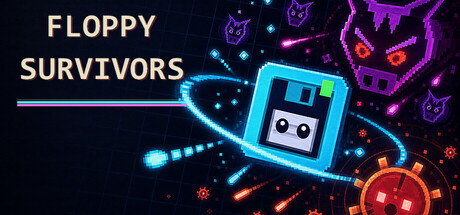 Floppy Survivors In-game content text | Generative AI tools were used to assist in the localization process for certain supported languages within the game. | Beff Inc. | - | Aug 20, 2026 | |
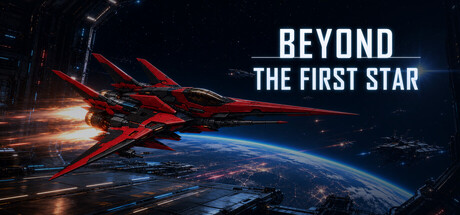 Beyond the First Star In-game content art | Generative AI tools were used during development to assist with creating and refining some pre-generated artwork and other media assets, including assets used in the game and on its Steam store page. All AI-assisted content was reviewed, edited, and integrated by the developer. The game does not generate AI content during gameplay or connect to external AI services. | AE Games | - | Aug 20, 2026 | |
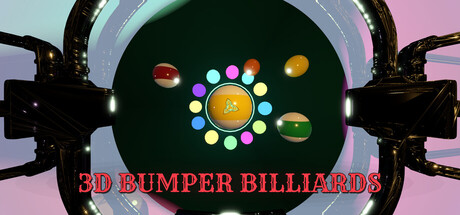 3D Bumper Billiards In-game content artaudiotext | Portions of this game's content were created with the assistance of generative AI tools under human direction and review. This includes much but not all of the visual artwork, the soundtrack, and the store page text and marketing copy. All AI-assisted content was curated, edited, and approved by the developer. | Pilfered Parrot Global Industries | - | Aug 20, 2026 | |
 Cheap Tattoo In-game content artaudio | Parts of the artwork (customer portraits, studio backgrounds, skin imagery, some tattoo motifs), the background music, and some store page images were created with generative AI tools and then edited and integrated by the developer. Game design, mechanics and game logic are the developer's own work. No content is generated while the game is running. | Cheap Games | - | Aug 20, 2026 | |
 Please Drive Faster Dev only | At Dual Horizon Games, generative AI was one tool used during development as part of a broader creative process led by our team. No AI-generated content is created during gameplay. | Dual Horizon Games | - | Aug 20, 2026 | |
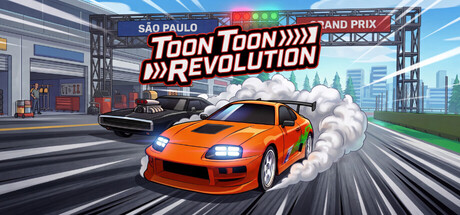 Toon Toon Revolution In-game content art | Generative AI was used to assist in the creation of pre-rendered 2D assets, including the store page capsule art, library images, trailer assets, and in-game loading screens. | Carmesim Game Studio Ltda | - | Aug 20, 2026 | |
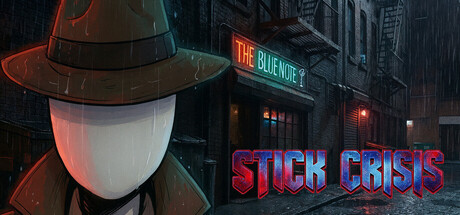 Stick Crisis In-game content artcode | Stick Crisis was developed with assistance from generative AI tools. AI-assisted image and animation tools were used to create selected visual assets, character animation frames and pre-rendered cinematics; these materials were reviewed, edited and integrated by the developer. AI coding assistants also contributed to portions of the source code. The game does not generate content during gameplay or connect to generative AI services at runtime. | Victor Manuel Ramirez | - | Aug 20, 2026 | |
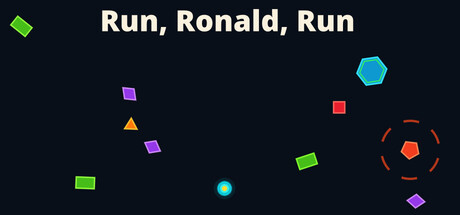 Run, Ronald, Run In-game content text | Generative AI tools were used to assist with translations of user interface text and game descriptions into some supported languages. All localization content is pre-generated and included in the game files. The game does not generate any content using AI at runtime. | Maddie the Magic | - | Aug 20, 2026 | |
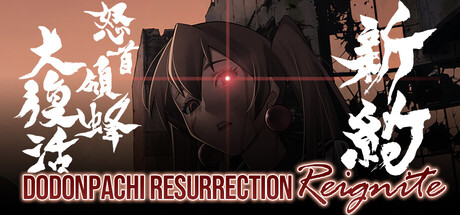 新約・怒首領蜂大復活 In-game content text | AI is used in part for translating text from Japanese into the supported languages.
AI is not used for game development, content generation, or any purposes other than translation. | CAVE Interactive CO., LTD. | - | Aug 20, 2026 | |
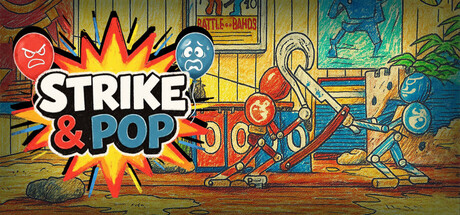 Strike and Pop In-game content art | Generative AI was used for two in-game mood posters and some store page graphics. | Monos Dev | - | Aug 20, 2026 | |
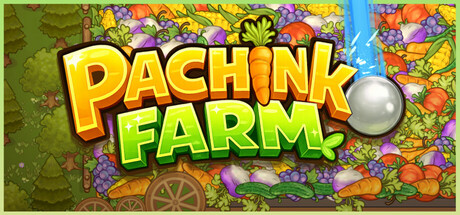 Pachinko Farm In-game content audio | Musics only. | Witchcraft Entertainment | 58 | Aug 19, 2026 | |
 Rushmark Dev only code | Source code and store page copy were written with AI assistance (Claude), reviewed and edited by the developer before shipping. No AI-generated artwork, music, voice or narrative content ships in this game. All in-game visuals are hand-written shaders and code-drawn geometry; sound effects are procedurally synthesised by a deterministic script; music is licensed from a human artist; fonts are licensed typefaces. No generative AI runs at runtime. | Beyond Bounds Digital | - | Aug 19, 2026 | |
 Airport Madness Evolution Store/marketing art | I use AI to convert game screenshots into artwork for my store page, as well as my game splash screen. I create buttons with AI. I do not use AI inside of the gameplay itself. | Big Fat Simulations Inc. | - | Aug 19, 2026 | |
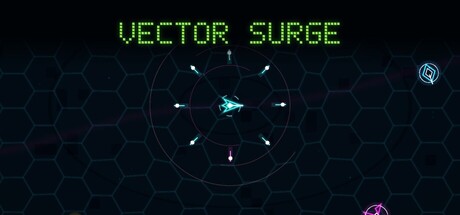 Vector Surge In-game content textaudio | AI Was used to generate the page description, it was also used to test certain parts of the game and help debug a few problems, there was partial AI usage also for the game music, while the music itself was created in FL Studio there was usage to generate some of the variants of the tracks | RaithSphere | - | Aug 19, 2026 | |
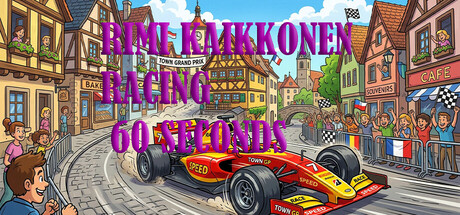 Rimi Kaikkonen Racing 60 Seconds Store/marketing art | Game logo and cover art made with ai software | Tero Lunkka | - | Aug 19, 2026 | |
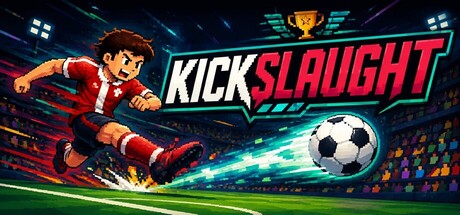 KICKSLAUGHT Store/marketing art | Some of the store's visual designs utilized AI. | RedenelGO | - | Aug 19, 2026 | |
 Yeet the Chest Store/marketing text | We used AI tools to assist in drafting and refining parts of the game's store description and promotional texts | GooseBumps | - | Aug 19, 2026 | |
 Egg Rush In-game content art | I've been developing this game solo for three years now. Honestly, some of the models I made myself were just too ugly, and I was getting completely burned out. So, I had to use AI for just a couple of the models just to get it done. | EggRush | - | Aug 19, 2026 | |
 Quarter Mile Dev only codetext | Quarter Mile contains no AI-generated art, music, voice or in-game text.
Every visual in the game is rendered in real time from geometry and materials authored by hand in code — there are no image assets. Every sound is synthesized by the game while you play, from a physical model of the engine; no audio files ship with the game. All car data and track layouts are hand-authored.
The store page capsule art and screenshots are rendered by the game itself, using the same renderer that draws the game — they are not concept art, not painted, and not AI-generated.
The game description and other store page text were written with the assistance of an AI writing assistant, and portions of the game's source code were written with the assistance of an AI coding assistant. All of it was reviewed and edited by the developer.
The game does not use generative AI at runtime. Nothing is generated while you play, there is no network connection of any kind, and the game is fully playable offline. | nitzan.games LLC | - | Aug 19, 2026 | |
 Life of Pawn: Chocolate and Marshmallow In-game content audio | Pregenerated AI audio tools were used during development to generate character voice lines and background music tracks. All visual art, graphics, puzzle task and animations were created by hand without generative AI. | BrokenTeaCups | - | Aug 19, 2026 | |
 Glow Arcade Racer Dev only codeart | All visual assets, audio, course designs / implementations are human created. The aim was to ensure all creative elements were human created with the majority coming from the original Xbox Indie Game.
Generative AI was used to port between the now defunct Xbox Indie (XGFW) platform to a modern platform (MonoGame) and to move to modern graphics cards (shaders). It was also used to add additional, optional, CRT visual modes and to do non-creative changes including identifying and resolving bugs and optimising play to improve framerate and minimum requirements. | Ben Saich | - | Aug 19, 2026 | |
 Ninja Cat In-game content art | Store capsule/marketing images were created using a generative AI image tool (ChatGPT/DALL-E), based on the game's original pixel-art sprites. In-game assets, code, audio are not AI-generated. | GOG Studio | - | Aug 19, 2026 | |
 Snop In-game content art | We used AI to generate some of the art in game, as well as the art on the store page. | DeckTronic, LLC | - | Aug 19, 2026 | |
 Penguin Fury In-game content textart | Penguin Fury uses generative AI tools for part of its content.
Localization: The game is available in 39 languages. The original text was
written by the developer. The translations were produced with AI translation
tools and reviewed before release.
Art: Some achievement icons and character/UI artwork were created with the help
of AI image tools and then edited by the developer.
Store page: Some of the text and images on this store page were created with AI
assistance and edited by the developer.
No AI content is generated while you play. Everything in the game is created in
advance and shipped with the build. | exklusiva | - | Aug 19, 2026 | |
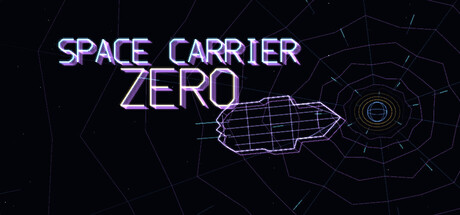 Space Carrier Zero In-game content text | Some code, copy and localization has used AI assistance. | These Are Serious Games | - | Aug 19, 2026 | |
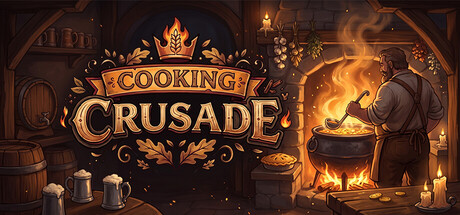 Cooking Crusade In-game content art | Some of the game's art, including character illustrations and environments, was created using AI. | toogaryn | - | Aug 19, 2026 | |
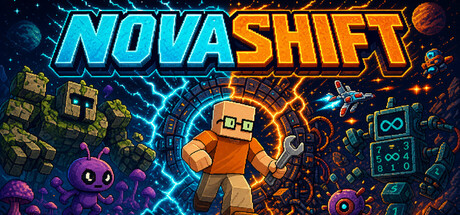 NovaShift: Universe In-game content art | NovaShift: Universe uses AI-generated art. Some 2D artwork — enemy, boss and item sprites for several game universes, boss projectile sprites, and store/marketing images (capsules, key art, logo) — was created with the assistance of AI image-generation tools, then curated, edited, transparency-cleaned and integrated by the developer. All gameplay code, procedural art, audio and game design are human-made. No content is generated by AI at runtime; players never interact with a live AI system. | Candan26 | - | Aug 19, 2026 | |
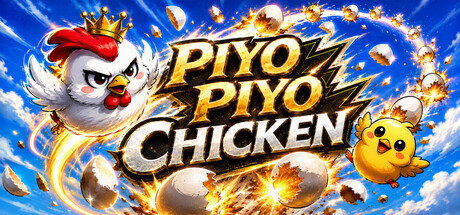 PIYO PIYO CHICKEN In-game content artaudiotext | This game uses generative AI during development to create some image assets, music assets, and text drafts. All generated content was reviewed by the developer and edited or processed as necessary before being included in the game. The game does not generate content using generative AI during gameplay. | Ferdy Fennec | - | Aug 19, 2026 | |
 Ducktile In-game content codeart | To streamline the creative workflow, this game incorporates AI-assisted tools. AI was employed for initial code prototyping and some asset creation; however, every aspect of the game has been extensively reviewed, modified, and refined to ensure high-quality performance and consistency. | PBH production | - | Aug 19, 2026 | |
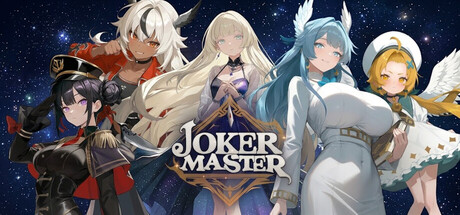 Joker Master | Generative AI tools were used in part during the development of this
game.
· Some character concept art and illustrations were produced using
generative AI tools. All such images were subsequently reviewed and
adjusted by our development team before being used in the game.
· The images shipped in the game are the result of that review and
adjustment process.
Game design, systems, programming, rules, and balancing were created
by our development team without generative AI. | QuantumAI Solution | - | Aug 19, 2026 | |
 HyperPipes In-game content audioarttext | Some of this game's assets were made with generative AI tools: the music, the store artwork, and the French translation. Everything ships as fixed files that were generated, chosen, and edited by the developer. Nothing is generated while you play, and the game never connects to an AI service. | CrashBamBoom | - | Aug 19, 2026 | |
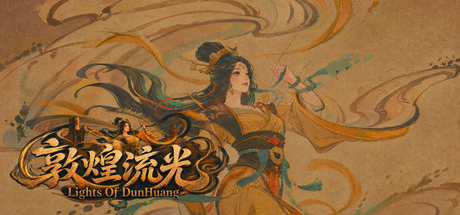 敦煌流光 In-game content art | The murals in the game are actually restored from real historical murals using AI. | JZHacker | - | Aug 19, 2026 | |
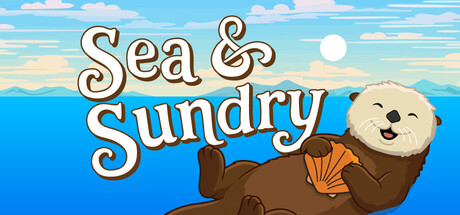 Sea and Sundry In-game content text | The developer used AI assistance while drafting marketing copy for this game. All copy was directed, revised, and finalized by the developer. All in-game art, audio, and design are human-made. | Ashen Hearth | - | Aug 19, 2026 | |
 Match: Isekai Journey In-game content art | The game to contain art assets generated by artificial intelligence | SpacePine Development | - | Aug 19, 2026 | |
 Pool Shark In-game content artaudiotext | This game is made by a single dev, and sold for a fair price. In order to do that this dev needed the help of AI. So some pre-rendered assets in this game were created with the help of generative AI tools, always under my direction and with every asset reviewed by me the developer: certain illustrations, backdrops, and UI art; some music tracks and sound effects; and character voice lines generated via text-to-speech from scripts written by me the developer. The game design, the gameplay, physics, and large parts of the code are entirely human-made, and no AI content is generated at runtime. | Motivation Stack LLC | - | Aug 19, 2026 | |
 Monster Mavericks In-game content art | Generative AI tools were used in the creation of some visual assets in the game. Some generated artwork was used directly after review, while other generated artwork was edited, modified, or used as a starting point for final assets. | Trevor Allen | - | Aug 19, 2026 | |
 TOYARTWAR Unclear art | This game uses AI to assist in generating 3D models, videos, and studies of characters and environments. | Marco Alemar | - | Aug 19, 2026 | |
 DEMO IT! In-game content audio | This game uses AI-generated audio effects (via ElevenLabs) for a limited set of sound effects, layered and processed alongside licensed library sounds. As a solo developer on a tight budget, this let me create specific, bespoke sounds without the cost of a full custom audio pack for assets that are only used a handful of times.
Some of these may be replaced with human-composed audio as the game develops. | CrossAge Studio | - | Aug 19, 2026 | |
 Encore In-game content text | Some of the in-game written text in Encore was created with the assistance of generative AI tools, and was reviewed by the development team. | Moon Shadow Studio | - | Aug 19, 2026 | |
 SaveYourWIfe Unclear | Various AI tools have been used to create this product and make it possible | Canical Games | - | Aug 19, 2026 | |
 ScrapBound In-game content artaudio | Generative AI tools were used during the development of ScrapBound to assist with the creation of some visual and audio assets. AI-generated imagery was used as a starting point for various game assets, which were then modified, edited, and integrated to fit the game's visual style. Many of these assets will over time be replaced as the development of the game continues. | Duckoon Games | - | Aug 18, 2026 | |
 Flapverse In-game content art | Generative AI was used to create visual references and process select textures. No content is generated during gameplay. | Maksim Salin | - | Aug 18, 2026 | |
 Tank Brigade Store/marketing art | Game logo and achievements logo were generated by AI | Dual B Games | - | Aug 18, 2026 | |
 Endless Bounce In-game content artaudiocode | Some of the artwork in this game — including bumper, ball, table and mark sprites — was created with AI-assisted pixel art tools and then reviewed, edited and assembled by hand. The world and boss music comes from licensed artists who state that they work with AI assistance; the sound effects are not AI-generated. Parts of the source code were written with AI assistance. No content is generated by AI while playing. | TB Pixelworks | - | Aug 17, 2026 |


