Public Steam disclosure research25,394 disclosures tracked
Where do games disclose AI use?
Search developers’ Steam disclosures, compare classified AI use across
games, and follow recorded changes.
This index adds cross-game classifications and statistics to
statements published on individual store pages.
Groups reflect automatic analysis of public disclosures; mature records are excluded. These counts do not measure AI use across all of Steam.
Missing or unclear statements cannot establish whether a game uses AI.
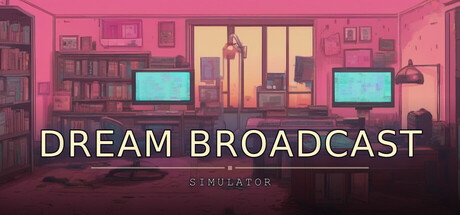
This game is built by a Master of the Fine Arts in Digital and New Media with a specialization in procedural content. Generative AI tools were used during development to create and iterate on pre-rendered visual assets, including dream artwork, backgrounds, capsule art, and marketing imagery. All AI-assisted content is selected, edited, and integrated by the development team. The game does not generate AI content during gameplay and does not connect to third-party AI services during play.
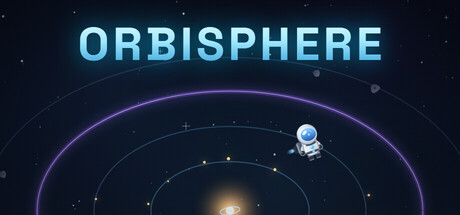
I built Orbisphere as a solo developer using AI tools under human direction. The soundtrack was created with generative AI music tools, with each track directed, selected, and edited by me. In-game vector artwork was authored with AI assistance from my terrible MS Paint references and designs. All game design, writing, systems, and balance are my own work.
Some 2D art assets in this game — such as menu UI textures (buttons and panels) and background images — were created with the help of generative AI image tools during development. All AI-generated assets were reviewed and edited by the developer before being included in the game. No AI-generated content is created live during gameplay.
Selected background elements, tilesets, and player and boss character models used AI-generated source material that was manually reworked and adapted. Translations were created and edited with AI assistance. Part of the game's logic was developed with AI assistance. All design and gameplay decisions were made by the developer.
Generative AI tools were utilized to create some base visual and audio assets for Warix. AI was used to generate background textures, character sprites, and promotional store art. All AI-generated imagery was subsequently edited, composited, and polished by hand to fit the game's final aesthetic.
Some visual assets in its store and marketing materials were created with the help of generative AI image tools, and were then edited, refined, and integrated by hand.
Some visual assets, 3D models, textures, UI images, promotional images, music, sound effects, and reference material used in this game were created or assisted with using generative AI tools. These assets were reviewed, edited, adjusted, and integrated by the developer.
The game itself does not generate AI content during gameplay.
Generative AI was used to enhance marketing assets such as steam capsule & early sketch concept before offloaded & polished by Humans.
All gameplay, art, and final content remain crafted by Human.
An AI assistant (Anthropic's Claude) helped write the game's code and draft store/marketing text, all reviewed by the developer. All art is hand-made and procedurally rendered; all music and sound effects are human-created or licensed (CC0 / commissioned). No AI-generated art, audio, or voice ships in the game, and no AI content is generated during play.
This game uses AI-generated content in two areas: background music tracks were created using Mureka AI, and some pixel art assets were generated using PixelLab. All AI-generated content was reviewed, curated, and integrated by the developer.
Some 2D art assets in Brimir: Pilgrimage to the Heart (such as background illustrations and key art) were created with the help of AI image-generation tools, then reviewed and edited by the development team. Purchased asset packs and tilesets, as well as all game code,
systems, and design, are not AI-generated. We have taken care to ensure the generated content does not infringe on existing intellectual property.
Some 2D art assets are created with AI-assisted pixel-art tools. Some sound effects and music are generated with AI audio tools. All AI-generated assets are reviewed, curated, and edited by the developer. No AI-generated content depicts real people, and all assets are used in compliance with the respective tools' licenses.
This game was developed based on the concept of creating a Steam game with AI and Unity. Some in-game 3D models, images/artwork, UI elements, sounds, text, and multilingual localization copy were generated or assisted by generative AI tools, then directly edited, arranged, implemented, and finalized by the developer in Unity.
The game does not generate new AI content in real time during gameplay. All AI-generated or AI-assisted elements were created, reviewed, and edited in advance before being included as part of the game content.
Some store artwork and promotional assets were created with the assistance of AI tools. The final game content, gameplay, and mechanics were developed by our team.
Updated 8/24/2026 for Full Transparency:
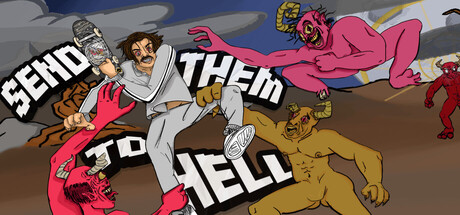
Send Them to Hell was built by a very small team with a very large appetite for demonic slaughter. Generative AI was used during development to create concept art and visual references for the graphic design team. These concepts were used as references during the creation and refinement of the game’s sprites and visual assets. The final assets were created and modified by the development team. The remainder of the artwork was created by human artists, who were compensated for their work and are credited in-game.
Sound design and Localization (localization can hopefully be community sourced with proper credit given in-game for users that assist with translations)
Some artwork used in this game was created with the assistance of generative AI. All AI-assisted graphics were further edited, refined, and finalized by the developer before being included in the final game.
This game makes use of AI for localization of the following languages: Ukrainian, Spanish, Japanese, Korean, Polish, Portugese (Brasil), Russian, Simplified Chinese, Traditional Chinese, Turkish, Hindi. We're working with native translators, so expect this list to become shorter with time.
Some visual assets used in this game were created or assisted using generative AI and were further edited, refined, and integrated by the developers. No generative AI is used during gameplay.
Color Cup Racing uses generative AI tools as part of the development and content creation process.
AI-assisted tools were used to help create or refine some game content, including development support, visual concepts, marketing materials, and/or music assets. All content included in the game is reviewed, selected, edited, and implemented by the developer before release.
The game does not generate AI content during gameplay. Players do not enter prompts, the game does not create live AI-generated images, audio, text, or code while running, and the game does not connect to external AI services during play.
This game uses generative AI as part of its art and localization pipeline. Specifically:
- Character portrait artwork: The hunters' painted bust portraits (shown on the character-select screen, and reused in store page capsule art and the trailer) were generated using a local Stable Diffusion XL model with a custom LoRA, then composited by hand into final scenes.
- Localization: UI text translations for French, German, Spanish (Spain), Spanish (Latin America), Portuguese (Brazil), Italian, Polish, and Turkish were produced with AI assistance and reviewed before shipping.
All AI-assisted content was reviewed by the development team before inclusion. No content is generated live or in response to player input during gameplay — all AI-assisted assets are fixed at build time.
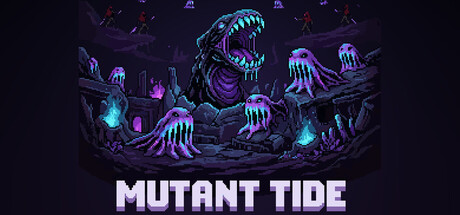
Some 2D art assets in MutantTide (including promotional key art) were created with the assistance of AI based pixel art tools. All game design, code, systems, and gameplay were hand crafted by the developer. No AI generated content is produced live during gameplay.
This game uses VOICEVOX for character voice synthesis (taunt lines, victory lines, etc.).
All voice lines were generated during development and are pre-recorded into the game.
Nothing is generated live during gameplay, and the game does not connect to any external AI service at runtime.
AI (Claude) was also used to help translate this store page into English.
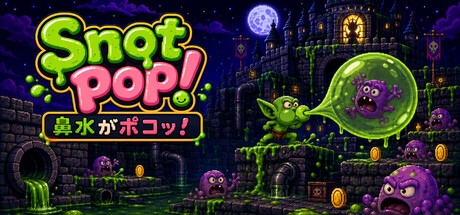
Snot Pop! is an indie project. Like many independent developers, generative AI was used as a tool among many during development; for brainstorming, writing, art and audio design, and working through balancing problems. AI was not the game designer or orchestrator of the project. All content was reviewed, directed, altered, and approved before inclusion. Everything in the game reflects deliberate creative decisions made by the developer.
During the development process, I may use procedural generation and AI-based tools to assist with content creation. In all such cases, the final product reflects my own creativity and artistic expression as a solo developer. Examples include the creation of the game's background music and certain graphical assets.
This game uses generative AI tools to assist in creating some content, including certain textures, 3D assets, and voice acting. These AI-assisted assets were reviewed, edited, and integrated by the developer as part of the game’s production process.
Card face art, in-game icons, and some store artwork were generated with locally-run image-generation models (Qwen-Image), then curated and composited by the developer. No AI content is generated at runtime.
Some visual assets and audio assets used in this game were created or assisted using generative AI tools. All AI-generated content has been reviewed, edited, and integrated by the developer as part of the game's production process. The game does not generate content using AI during gameplay.
Generative AI was used to assist in the creation of some promotional and marketing materials (such as key art).
All in-game content, gameplay, and screenshots are created without the use of generative AI.
This game is built by a Master of the Fine Arts in Digital and New Media with a specialization in procedural content. Generative AI tools were used during development to create and iterate on pre-rendered visual assets, including dream artwork, backgrounds, capsule art, and marketing imagery. All AI-assisted content is selected, edited, and integrated by the development team. The game does not generate AI content during gameplay and does not connect to third-party AI services during play.
I built Orbisphere as a solo developer using AI tools under human direction. The soundtrack was created with generative AI music tools, with each track directed, selected, and edited by me. In-game vector artwork was authored with AI assistance from my terrible MS Paint references and designs. All game design, writing, systems, and balance are my own work.
Some 2D art assets in this game — such as menu UI textures (buttons and panels) and background images — were created with the help of generative AI image tools during development. All AI-generated assets were reviewed and edited by the developer before being included in the game. No AI-generated content is created live during gameplay.
Selected background elements, tilesets, and player and boss character models used AI-generated source material that was manually reworked and adapted. Translations were created and edited with AI assistance. Part of the game's logic was developed with AI assistance. All design and gameplay decisions were made by the developer.
Generative AI tools were utilized to create some base visual and audio assets for Warix. AI was used to generate background textures, character sprites, and promotional store art. All AI-generated imagery was subsequently edited, composited, and polished by hand to fit the game's final aesthetic.
Some visual assets in its store and marketing materials were created with the help of generative AI image tools, and were then edited, refined, and integrated by hand.
Some visual assets, 3D models, textures, UI images, promotional images, music, sound effects, and reference material used in this game were created or assisted with using generative AI tools. These assets were reviewed, edited, adjusted, and integrated by the developer.
The game itself does not generate AI content during gameplay.
Generative AI was used to enhance marketing assets such as steam capsule & early sketch concept before offloaded & polished by Humans.
All gameplay, art, and final content remain crafted by Human.
An AI assistant (Anthropic's Claude) helped write the game's code and draft store/marketing text, all reviewed by the developer. All art is hand-made and procedurally rendered; all music and sound effects are human-created or licensed (CC0 / commissioned). No AI-generated art, audio, or voice ships in the game, and no AI content is generated during play.
This game uses AI-generated content in two areas: background music tracks were created using Mureka AI, and some pixel art assets were generated using PixelLab. All AI-generated content was reviewed, curated, and integrated by the developer.
Some 2D art assets in Brimir: Pilgrimage to the Heart (such as background illustrations and key art) were created with the help of AI image-generation tools, then reviewed and edited by the development team. Purchased asset packs and tilesets, as well as all game code,
systems, and design, are not AI-generated. We have taken care to ensure the generated content does not infringe on existing intellectual property.
Some 2D art assets are created with AI-assisted pixel-art tools. Some sound effects and music are generated with AI audio tools. All AI-generated assets are reviewed, curated, and edited by the developer. No AI-generated content depicts real people, and all assets are used in compliance with the respective tools' licenses.
This game was developed based on the concept of creating a Steam game with AI and Unity. Some in-game 3D models, images/artwork, UI elements, sounds, text, and multilingual localization copy were generated or assisted by generative AI tools, then directly edited, arranged, implemented, and finalized by the developer in Unity.
The game does not generate new AI content in real time during gameplay. All AI-generated or AI-assisted elements were created, reviewed, and edited in advance before being included as part of the game content.
Some store artwork and promotional assets were created with the assistance of AI tools. The final game content, gameplay, and mechanics were developed by our team.
Updated 8/24/2026 for Full Transparency:
Send Them to Hell was built by a very small team with a very large appetite for demonic slaughter. Generative AI was used during development to create concept art and visual references for the graphic design team. These concepts were used as references during the creation and refinement of the game’s sprites and visual assets. The final assets were created and modified by the development team. The remainder of the artwork was created by human artists, who were compensated for their work and are credited in-game.
Sound design and Localization (localization can hopefully be community sourced with proper credit given in-game for users that assist with translations)
Some artwork used in this game was created with the assistance of generative AI. All AI-assisted graphics were further edited, refined, and finalized by the developer before being included in the final game.
This game makes use of AI for localization of the following languages: Ukrainian, Spanish, Japanese, Korean, Polish, Portugese (Brasil), Russian, Simplified Chinese, Traditional Chinese, Turkish, Hindi. We're working with native translators, so expect this list to become shorter with time.
Some visual assets used in this game were created or assisted using generative AI and were further edited, refined, and integrated by the developers. No generative AI is used during gameplay.
Color Cup Racing uses generative AI tools as part of the development and content creation process.
AI-assisted tools were used to help create or refine some game content, including development support, visual concepts, marketing materials, and/or music assets. All content included in the game is reviewed, selected, edited, and implemented by the developer before release.
The game does not generate AI content during gameplay. Players do not enter prompts, the game does not create live AI-generated images, audio, text, or code while running, and the game does not connect to external AI services during play.
This game uses generative AI as part of its art and localization pipeline. Specifically:
- Character portrait artwork: The hunters' painted bust portraits (shown on the character-select screen, and reused in store page capsule art and the trailer) were generated using a local Stable Diffusion XL model with a custom LoRA, then composited by hand into final scenes.
- Localization: UI text translations for French, German, Spanish (Spain), Spanish (Latin America), Portuguese (Brazil), Italian, Polish, and Turkish were produced with AI assistance and reviewed before shipping.
All AI-assisted content was reviewed by the development team before inclusion. No content is generated live or in response to player input during gameplay — all AI-assisted assets are fixed at build time.
Some 2D art assets in MutantTide (including promotional key art) were created with the assistance of AI based pixel art tools. All game design, code, systems, and gameplay were hand crafted by the developer. No AI generated content is produced live during gameplay.
This game uses VOICEVOX for character voice synthesis (taunt lines, victory lines, etc.).
All voice lines were generated during development and are pre-recorded into the game.
Nothing is generated live during gameplay, and the game does not connect to any external AI service at runtime.
AI (Claude) was also used to help translate this store page into English.
Snot Pop! is an indie project. Like many independent developers, generative AI was used as a tool among many during development; for brainstorming, writing, art and audio design, and working through balancing problems. AI was not the game designer or orchestrator of the project. All content was reviewed, directed, altered, and approved before inclusion. Everything in the game reflects deliberate creative decisions made by the developer.
During the development process, I may use procedural generation and AI-based tools to assist with content creation. In all such cases, the final product reflects my own creativity and artistic expression as a solo developer. Examples include the creation of the game's background music and certain graphical assets.
This game uses generative AI tools to assist in creating some content, including certain textures, 3D assets, and voice acting. These AI-assisted assets were reviewed, edited, and integrated by the developer as part of the game’s production process.
Card face art, in-game icons, and some store artwork were generated with locally-run image-generation models (Qwen-Image), then curated and composited by the developer. No AI content is generated at runtime.
Some visual assets and audio assets used in this game were created or assisted using generative AI tools. All AI-generated content has been reviewed, edited, and integrated by the developer as part of the game's production process. The game does not generate content using AI during gameplay.
Generative AI was used to assist in the creation of some promotional and marketing materials (such as key art).
All in-game content, gameplay, and screenshots are created without the use of generative AI.