


Disclosure
We use generative AI for the textures and images of some assets.
- Creator
- THE FOOL CREATE
- Reviews
- -
- Added
- Aug 13, 2026
Public Steam disclosure research 26,881 disclosures tracked
Search developers’ Steam disclosures, compare classified AI use across games, and follow recorded changes. This index adds cross-game classifications and statistics to statements published on individual store pages.
Code help, debugging and other development work.
Capsule art, trailers and promotional material.
Pre-made art, audio, writing and other game assets.
Interactive or runtime AI features disclosed by the developer.
Groups reflect automatic analysis of public disclosures; mature records are excluded. These counts do not measure AI use across all of Steam. Missing or unclear statements cannot establish whether a game uses AI.
We use generative AI for the textures and images of some assets.
Some environment and concept art in Stick Together was created with the help of generative AI tools, then edited and approved by our team. All visuals are fixed at release, and players cannot generate their own AI content in‑game.
Some store page artwork (capsules, library images, and promotional visuals) was created with the assistance of generative AI tools and edited by the developer. Select in-game art assets were also created with AI-assisted tools during development and integrated into the game as pre-made content. Gameplay is built in Unreal Engine. In-game content is not generated by AI during play.
This game includes pre-rendered game assets and codes generated by generative artificial intelligence services.
Generative AI was occasionally used to prototype assets and give ideas\reference for assets. It was also occasionally used to generate normal maps on textures I had created. Sometimes this had disastrous results.
Hearthfield's world is built in code and from CC0 model packs, and everything you see in play is made by hand. Our Steam store art, the capsules, the icons and the logo, was created with the help of AI image tools and then finished by us. We also use an AI coding assistant while building the game, and AI help when drafting store text. Our screenshots are always genuine captures from the real game. Nothing in Hearthfield is generated by AI while you play.
Some graphical elements of the user interface (menus, icons, and buttons), as well as store page assets (capsule images, header, and screenshots containing generated elements), were created with the assistance of generative AI tools and manually reviewed and edited by the developer
During development, generative AI was used to assist in creating some of the game’s 2D visual assets and icons. All AI-assisted content was manually reviewed and curated by the developers, and modified where necessary before being included in the final version. AI was also used to refactor some early code that was not yet well-structured.
Used in Character Concept Art
Generative AI was used during development to assist with the creation of certain visual assets, localization, and store page materials. All AI-generated content has been reviewed, edited, and integrated by the developer. The game does not generate content with AI at runtime.
Generative AI was used as an assistive tool during development and for localization support. All such content was reviewed and edited by the developer before inclusion. The game does not generate AI content live during gameplay.
AI was used to assist with the English localization.
Generative AI tools were used during development to create and refine some pre-generated 2D artwork used in the game and its marketing, including environmental backgrounds, character and item art, fossil and museum visuals, capsule and library artwork, and achievement imagery. All AI-assisted assets were selected, edited, and integrated by the developer before shipping. The game does not generate AI content during gameplay and does not connect to a live AI service.
During development, AI tools were used to help review and debug parts of the code
AI assisted in asset generation and editing of game and marketing materials.
AI-generated artifacts
Generative AI was used to create some in-game character artwork and to assist with voice-over and subtitle creation.
Generative AI was used to create some in-game character artwork, images used in cutscenes, and to assist with voice-over and subtitle creation.
Generative AI used for game box art, 3d modelling and vibe coding assistance.
Nothing in-game is AI made but some of the promotional art for the game has AI elements or are AI enhanced.
This game was developed with the assistance of AI tools. Some visual and audio assets were created using generative AI tools, then reviewed, selected, and refined by the developer. Portions of the game's code were written with the assistance of AI coding tools under the developer's direction and review. Game design, systems, balance, and all final decisions are the developer's own. No AI content is generated live within the game.
Generative AI tools were used to create some static art assets, narrative text and promotional materials included within the game. All AI-generated content has been manually reviewed, edited and adjusted by our development team to ensure compliance.
AI is used for the localization of in-game content, the Steam Store, marketing materials, and more.
Placeholder artificially generated artwork is being utilized in development. With a full release this will contain 0% AI generated artwork.
Generated code is applied to: Create some shaders (like smoke and vertex snapping) Procedurally draw billboard objects like pins and balls. Procedurally produce sfx like pin knock sounds. Some Store art is temporary generative concept art. In-game Graffiti is hand drawn and not a product of generative AI.
In this game, we used Adobe Firefly to generate and edit some of the backgrounds, live-action footage, and effects materials.
All of the in-game voice-overs were created using AI.
As a solo developer working with a limited budget, I used generative AI tools to help bring my vision to life and add more variety to the game. Specifically, AI generated 10-20 graphical assets and assisted in creating about half of the game's music tracks. The vast majority of the game (over 95%) - including all core design, programming, and mechanics was created entirely by hand.
I am a solo indie developer and programmer. Some of the 2D graphics in the game and its store materials were created with the assistance of generative AI, then reviewed, edited, and integrated by me. No generative AI is used during gameplay.
Generative AI tools were used during development to create selected pre-generated visual assets, including the application icon, HUD texture, Property Marketplace illustrations, and Legacy Vault artwork. Four background-music tracks were also created using Google Gemini. All AI-assisted content was reviewed by the developer and packaged with the game. Hero Investor does not generate AI content during gameplay or send player data to an AI service.
This game uses AI for UI and other 2D artwork. AI is also used to generate marketing artwork.
Some in-game and marketing images were generated with AI.
Pre-generated generative AI was used during development for selected static artwork and portions of player-facing writing and localization. All such content is fixed in the shipped build and was reviewed and edited during development. The game does not contact an AI service or generate content during play.
Some AI tools were used during the development of this game for code cleanup and to seek solutions to certain technical issues.
Pre-rendered AI Generated content was used in this game.
Development of this game used AI under human direction and review for the code and game text.
RLG:Origins uses a locally operated generative AI model during play to interpret free-form player input and generate GM narration and character dialogue. AI-generated text does not establish game facts or decide outcomes. A separate deterministic rules system validates actions and controls game-state changes. Generation takes place on the player's device, and player input is not sent to an external AI service.
Wizard Disaster was made by a solo developer, using generative AI tools as part of the production pipeline. Art. Character, boss and background artwork, and the source frames the animations are built from, were produced with generative image and video tools. Everything was then cut, keyed, aligned, retimed and composited by hand into the sheets the game actually plays. The generated output is the raw material, not the finished asset. Concept passes were made the same way. Audio. The music and most of the sound effects were generated with Suno, then trimmed, pitched, levelled and fitted to the length of the action each one accompanies. Not all of the audio is generated: a number of the effects are synthesised procedurally in code from a 1930s orchestra-pit palette, and the wizard's own voice (his cries and shouts) are human recordings. Code. Generative AI was used as a programming assistant during development, and to build and run the automated test harnesses that measure boss pacing, damage output and medal times. Those harnesses are development-only tooling and are not part of the shipped game. The game contains no live-generated AI content. Nothing is generated while you play, and the game makes no network or AI service calls at runtime.
AI was used in some developer workflows for programming and for translation to all languages other than English.
Steam Store Page Capsule Images are Created by AI.
Generative AI tools were used during development to create pre-generated visual assets, UI graphics, in-game text, character content, fictional file contents, audio, and localization. All AI-generated content was reviewed and edited by the development team before being included in the game. The game does not use generative AI at runtime or generate content live for players.
Generative AI Disclosure: This game utilizes generative AI tools to assist in creating player-facing assets, including base visual artwork, narrative script drafts, and voiceover audio (via ElevenLabs). All AI-assisted dialogue, visuals, and audio undergo significant manual editing, human curation, and design to ensure high production quality and artistic cohesion before shipping with the game. No live or dynamic generative AI is executed while the game is running.
We used Gemini AI during the development process to assist in generating some ambient background music tracks. Additionally, AI tools were used for minor assistance in refining some visual components and lighting enhancements for marketing assets. All components have been carefully curated, hand-edited, and integrated by the developer to comply with Steam's content policies.
AI-generated content is used to create some of the images featured in the game.
Verilight incorporates generative AI as part of its development pipeline for creating draft artwork, music, text, and programming assistance. All AI-generated material is manually reviewed, edited, refined, and integrated by the developer before being included in the final game. Artwork is transformed into the game's pixel-art style, music is manually arranged and adapted for each biome, and code is reviewed and modified before implementation. The game does not generate AI content during gameplay and does not connect to external AI services.
all the pictures are generated by artificial intelligence.
Some of the music in this game was created using generative AI tools. All other content — art, animation, writing and design — is made without generative AI.
Pre-generated AI tools were used during development to create some 2D visual assets, including in-game sprites, the application icon, and promotional artwork used on the Steam store page. AI tools also assisted with some English and Japanese text and localization. All outputs were reviewed and, where necessary, edited by the developer before being included. The game does not generate AI content during gameplay and does not connect to external AI services.
Crownsink is a hand-crafted game built the modern way: the developer writes and directs the code with the support of AI tools, while every sprite, sound and note of music springs from the game's own hand-written algorithms.
OpenSheet uses generative AI for optional artwork only. This is disabled by default. Pre-rendered: the decorative art that ships with the app — character portraits, race and class backgrounds, creature illustrations, interface icons and stat-panel frames — was produced with OpenAI's image models, as were the application icon and this store page's artwork. All of it is decoration, every family of it can be switched off in Settings, and a new installation shows none of it by default. No rules content is AI-generated. Every rule, statistic, feat, spell, item, monster and table comes from the published 3.5 Edition SRD source material. The app is built so the book always wins.
| Title⇅ | Disclosure | Creator⇅ | Src | Reviews⇅ | Added↓ |
|---|---|---|---|---|---|
 下校怪奇譚 In-game content art | We use generative AI for the textures and images of some assets. | THE FOOL CREATE | - | Aug 13, 2026 | |
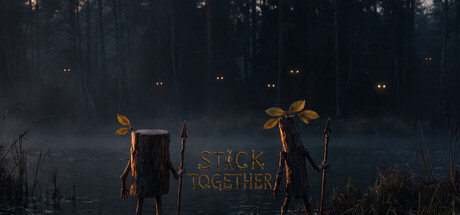 Stick Together In-game content art | Some environment and concept art in Stick Together was created with the help of generative AI tools, then edited and approved by our team. All visuals are fixed at release, and players cannot generate their own AI content in‑game. | 2Bad Ideas | - | Aug 13, 2026 | |
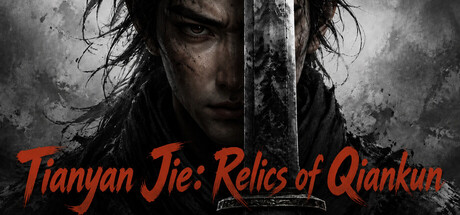 Tianyan Jie: Relics of Qiankun In-game content art | Some store page artwork (capsules, library images, and promotional visuals) was created with the assistance of generative AI tools and edited by the developer.
Select in-game art assets were also created with AI-assisted tools during development and integrated into the game as pre-made content.
Gameplay is built in Unreal Engine. In-game content is not generated by AI during play. | ShunFengFeiNiu | - | Aug 13, 2026 | |
 White Fountain In-game content artcode | This game includes pre-rendered game assets and codes generated by generative artificial intelligence services. | Mick609 | - | Aug 13, 2026 | |
 Skuffle In-game content art | Generative AI was occasionally used to prototype assets and give ideas\reference for assets. It was also occasionally used to generate normal maps on textures I had created. Sometimes this had disastrous results. | iddy Games | - | Aug 13, 2026 | |
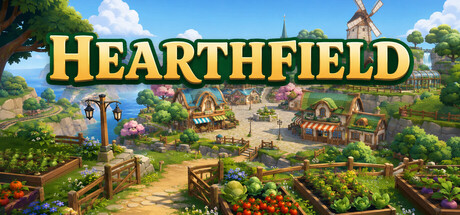 Hearthfield In-game content arttextcode | Hearthfield's world is built in code and from CC0 model packs, and everything you
see in play is made by hand. Our Steam store art, the capsules, the icons and the
logo, was created with the help of AI image tools and then finished by us. We also
use an AI coding assistant while building the game, and AI help when drafting store
text. Our screenshots are always genuine captures from the real game. Nothing in
Hearthfield is generated by AI while you play. | Merrill Lines | - | Aug 13, 2026 | |
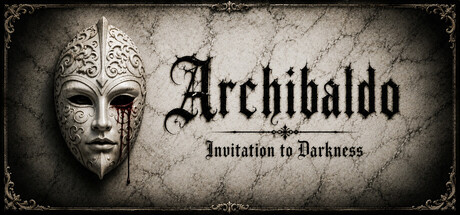 Archibaldo: Invitation to Darkness In-game content art | Some graphical elements of the user interface (menus, icons, and buttons), as well as store page assets (capsule images, header, and screenshots containing generated elements), were created with the assistance of generative AI tools and manually reviewed and edited by the developer | Peludo Games | - | Aug 13, 2026 | |
 Heart Of Machine In-game content artcode | During development, generative AI was used to assist in creating some of the game’s 2D visual assets and icons. All AI-assisted content was manually reviewed and curated by the developers, and modified where necessary before being included in the final version. AI was also used to refactor some early code that was not yet well-structured. | TBC | - | Aug 13, 2026 | |
 Don't Fart! Store/marketing art | Used in Character Concept Art | deong-eoli | - | Aug 13, 2026 | |
 Mom! I'm gonna be a black hole when I grow up! In-game content arttext | Generative AI was used during development to assist with the creation of certain visual assets, localization, and store page materials. All AI-generated content has been reviewed, edited, and integrated by the developer. The game does not generate content with AI at runtime. | KUMA Software | - | Aug 13, 2026 | |
 Star Seed Protocol In-game content text | Generative AI was used as an assistive tool during development and for localization support. All such content was reviewed and edited by the developer before inclusion. The game does not generate AI content live during gameplay. | No end of Space | - | Aug 13, 2026 | |
 琳琅商传 In-game content text | AI was used to assist with the English localization. | 花花 | - | Aug 12, 2026 | |
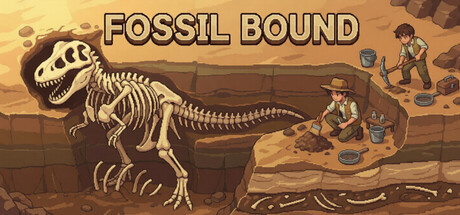 Fossil Bound In-game content art | Generative AI tools were used during development to create and refine some pre-generated 2D artwork used in the game and its marketing, including environmental backgrounds, character and item art, fossil and museum visuals, capsule and library artwork, and achievement imagery. All AI-assisted assets were selected, edited, and integrated by the developer before shipping. The game does not generate AI content during gameplay and does not connect to a live AI service. | Fossil Studios | - | Aug 12, 2026 | |
 Alive as a Service Dev only code | During development, AI tools were used to help review and debug parts of the code | koby | - | Aug 12, 2026 | |
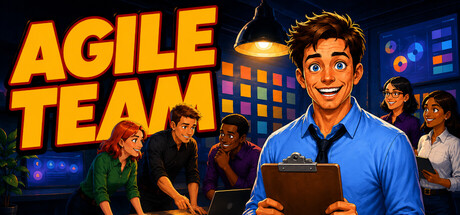 Agile Team In-game content art | AI assisted in asset generation and editing of game and marketing materials. | Agile Team | - | Aug 12, 2026 | |
 Escape the Backrooms Bodycam Unclear | AI-generated artifacts | VRCFORGE STUDIOS | - | Aug 12, 2026 | |
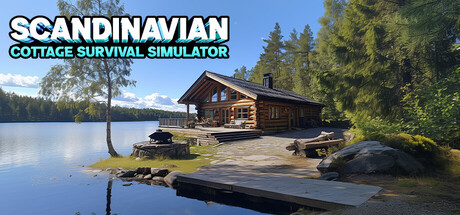 Scandinavian Cottage Survival Simulator In-game content artaudiotext | Generative AI was used to create some in-game character artwork and to assist with voice-over and subtitle creation. | IORDER SRL | - | Aug 12, 2026 | |
 Motel Owner Simulator In-game content artaudiotext | Generative AI was used to create some in-game character artwork, images used in cutscenes, and to assist with voice-over and subtitle creation. | GOGAME | - | Aug 12, 2026 | |
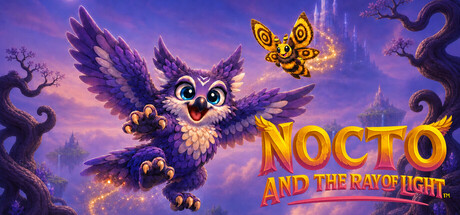 Nocto And The Ray Of Light Store/marketing artcode | Generative AI used for game box art, 3d modelling and vibe coding assistance. | Spacefarer Retro Remasters LLC | - | Aug 12, 2026 | |
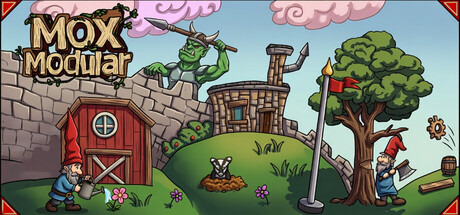 Mox Modular In-game content art | Nothing in-game is AI made but some of the promotional art for the game has AI elements or are AI enhanced. | Raadios | - | Aug 12, 2026 | |
 Incremental Donuts In-game content artaudiocode | This game was developed with the assistance of AI tools. Some visual and audio assets were created using generative AI tools, then reviewed, selected, and refined by the developer. Portions of the game's code were written with the assistance of AI coding tools under the developer's direction and review. Game design, systems, balance, and all final decisions are the developer's own. No AI content is generated live within the game. | MuckMedia | - | Aug 12, 2026 | |
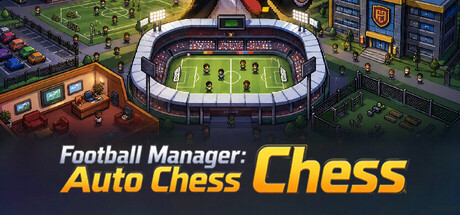 足球经理:自走棋 In-game content arttext | Generative AI tools were used to create some static art assets, narrative text and promotional materials included within the game. All AI-generated content has been manually reviewed, edited and adjusted by our development team to ensure compliance. | 刻奇游戏 | - | Aug 12, 2026 | |
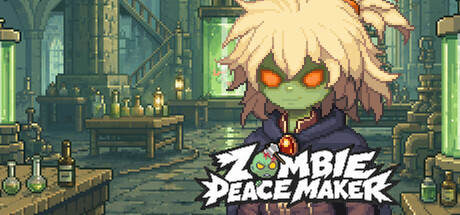 좀비 피스메이커 In-game content textart | AI is used for the localization of in-game content, the Steam Store, marketing materials, and more. | ComeOnStudio | - | Aug 12, 2026 | |
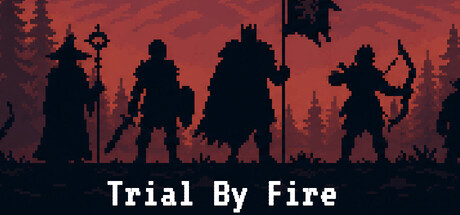 Trial By Fire Dev only art | Placeholder artificially generated artwork is being utilized in development. With a full release this will contain 0% AI generated artwork. | Inclined Software | - | Aug 11, 2026 | |
 Hambone Alley In-game content artaudio | Generated code is applied to:
Create some shaders (like smoke and vertex snapping)
Procedurally draw billboard objects like pins and balls.
Procedurally produce sfx like pin knock sounds.
Some Store art is temporary generative concept art.
In-game Graffiti is hand drawn and not a product of generative AI. | Jeff Neet | - | Aug 11, 2026 | |
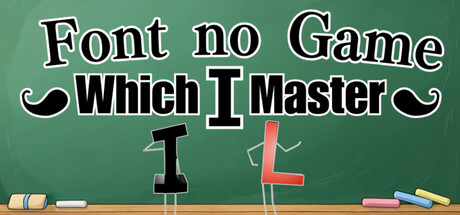 フォントのげぇむ ~Which I Master~ In-game content art | In this game, we used Adobe Firefly to generate and edit some of the backgrounds, live-action footage, and effects materials. | happyyylemon8 | - | Aug 11, 2026 | |
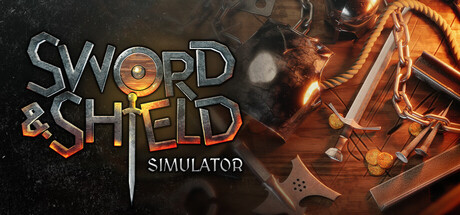 Sword & Shield Simulator In-game content audio | All of the in-game voice-overs were created using AI. | Wildlands Interactive | 53 | Aug 11, 2026 | |
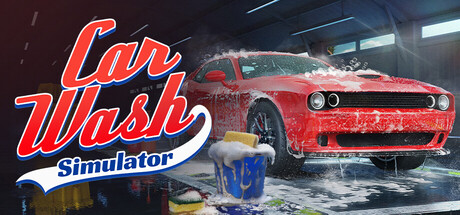 Car Wash Simulator In-game content artaudio | As a solo developer working with a limited budget, I used generative AI tools to help bring my vision to life and add more variety to the game. Specifically, AI generated 10-20 graphical assets and assisted in creating about half of the game's music tracks. The vast majority of the game (over 95%) - including all core design, programming, and mechanics was created entirely by hand. | Majestic Twelve | 65 | Aug 11, 2026 | |
 AFTER SILENCE Store/marketing art | I am a solo indie developer and programmer. Some of the 2D graphics in the game and its store materials were created with the assistance of generative AI, then reviewed, edited, and integrated by me. No generative AI is used during gameplay. | Elmiva Games | - | Aug 11, 2026 | |
 Hero Investor In-game content artaudio | Generative AI tools were used during development to create selected pre-generated visual assets, including the application icon, HUD texture, Property Marketplace illustrations, and Legacy Vault artwork. Four background-music tracks were also created using Google Gemini. All AI-assisted content was reviewed by the developer and packaged with the game. Hero Investor does not generate AI content during gameplay or send player data to an AI service. | SmartAtum | - | Aug 11, 2026 | |
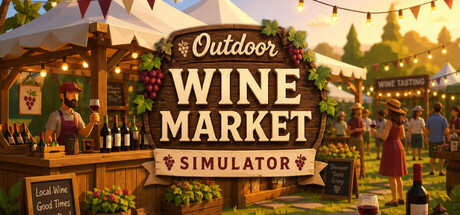 Outdoor Wine Market Simulator In-game content art | This game uses AI for UI and other 2D artwork. AI is also used to generate marketing artwork. | navlikesbunnies | - | Aug 11, 2026 | |
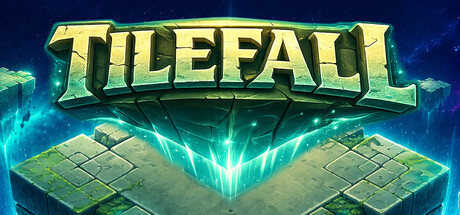 Tilefall In-game content art | Some in-game and marketing images were generated with AI. | Echelon Productions | - | Aug 11, 2026 | |
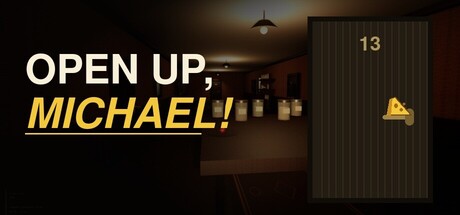 OPEN UP, MICHAEL! In-game content arttext | Pre-generated generative AI was used during development for selected static artwork and portions of player-facing writing and localization. All such content is fixed in the shipped build and was reviewed and edited during development. The game does not contact an AI service or generate content during play. | LetsAdventurePlay | - | Aug 11, 2026 | |
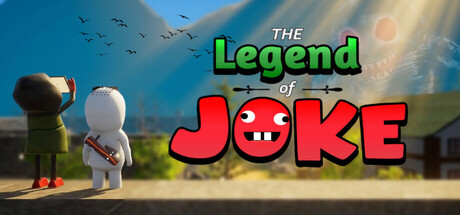 The Legend Of Joke Dev only code | Some AI tools were used during the development of this game for code cleanup and to seek solutions to certain technical issues. | N.A.M.S | - | Aug 11, 2026 | |
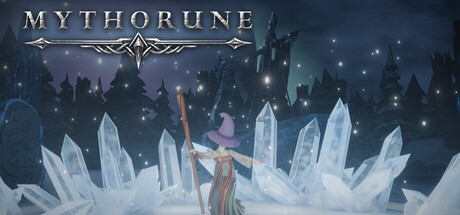 mythorune In-game content art | Pre-rendered AI Generated content was used in this game. | Team Mythorune | - | Aug 11, 2026 | |
 Long Dives Dev only codetext | Development of this game used AI under human direction and review for the code and game text. | KazooKat | - | Aug 11, 2026 | |
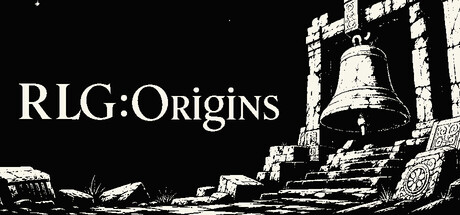 RLG:Origins Live AI text | RLG:Origins uses a locally operated generative AI model during play to interpret free-form player input and generate GM narration and character dialogue. AI-generated text does not establish game facts or decide outcomes. A separate deterministic rules system validates actions and controls game-state changes. Generation takes place on the player's device, and player input is not sent to an external AI service. | Stardust Factory Studio | - | Aug 11, 2026 | |
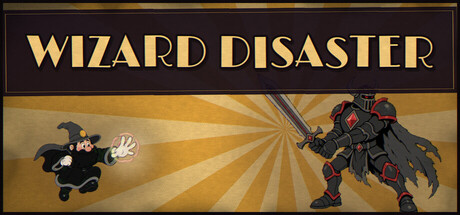 Wizard Disaster In-game content artaudiocode | Wizard Disaster was made by a solo developer, using generative AI tools as part of the production pipeline.
Art. Character, boss and background artwork, and the source frames the animations are built from, were produced with generative image and video tools. Everything was then cut, keyed, aligned, retimed and composited by hand into the sheets the game actually plays. The generated output is the raw material, not the finished asset. Concept passes were made the same way.
Audio. The music and most of the sound effects were generated with Suno, then trimmed, pitched, levelled and fitted to the length of the action each one accompanies. Not all of the audio is generated: a number of the effects are synthesised procedurally in code from a 1930s orchestra-pit palette, and the wizard's own voice (his cries and shouts) are human recordings.
Code. Generative AI was used as a programming assistant during development, and to build and run the automated test harnesses that measure boss pacing, damage output and medal times. Those harnesses are development-only tooling and are not part of the shipped game.
The game contains no live-generated AI content. Nothing is generated while you play, and the game makes no network or AI service calls at runtime. | Slimboy M. | - | Aug 11, 2026 | |
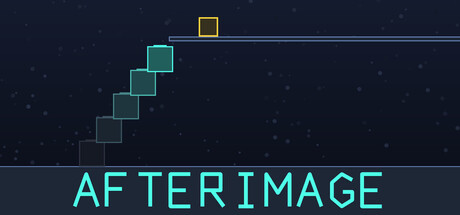 AfterImage In-game content codetext | AI was used in some developer workflows for programming and for translation to all languages other than English. | Wolf Studios | - | Aug 11, 2026 | |
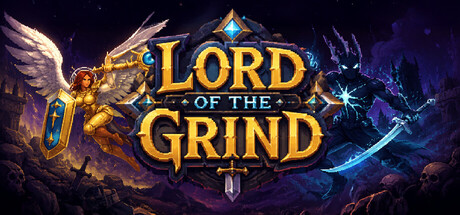 Lord of the Grind Store/marketing art | Steam Store Page Capsule Images are Created by AI. | Musa GUNGOR | - | Aug 11, 2026 | |
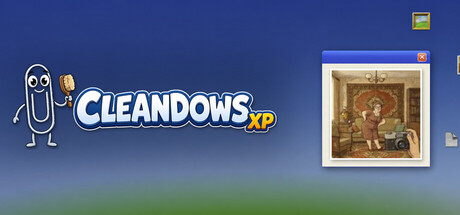 Cleandows XP In-game content artcodetextaudio | Generative AI tools were used during development to create pre-generated visual assets, UI graphics, in-game text, character content, fictional file contents, audio, and localization. All AI-generated content was reviewed and edited by the development team before being included in the game. The game does not use generative AI at runtime or generate content live for players. | QP Games | - | Aug 11, 2026 | |
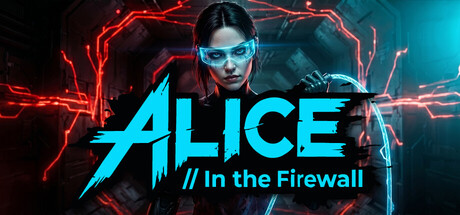 Alice in the Firewall In-game content arttextaudio | Generative AI Disclosure:
This game utilizes generative AI tools to assist in creating player-facing assets, including base visual artwork, narrative script drafts, and voiceover audio (via ElevenLabs).
All AI-assisted dialogue, visuals, and audio undergo significant manual editing, human curation, and design to ensure high production quality and artistic cohesion before shipping with the game. No live or dynamic generative AI is executed while the game is running. | Ametrine Media | - | Aug 11, 2026 | |
 WHY THE LADDER? In-game content audioart | We used Gemini AI during the development process to assist in generating some ambient background music tracks. Additionally, AI tools were used for minor assistance in refining some visual components and lighting enhancements for marketing assets. All components have been carefully curated, hand-edited, and integrated by the developer to comply with Steam's content policies. | ZeroFlux Games | - | Aug 11, 2026 | |
 Crystalase In-game content art | AI-generated content is used to create some of the images featured in the game. | Andrei Ivashentsev | - | Aug 11, 2026 | |
 Verilight In-game content artaudiotextcode | Verilight incorporates generative AI as part of its development pipeline for creating draft artwork, music, text, and programming assistance. All AI-generated material is manually reviewed, edited, refined, and integrated by the developer before being included in the final game. Artwork is transformed into the game's pixel-art style, music is manually arranged and adapted for each biome, and code is reviewed and modified before implementation. The game does not generate AI content during gameplay and does not connect to external AI services. | Notter Animations | - | Aug 11, 2026 | |
 Visual Novel: Boomer on a Date In-game content art | all the pictures are generated by artificial intelligence. | Reanim Games | - | Aug 11, 2026 | |
 SAMBIRD In-game content audio | Some of the music in this game was created using generative AI tools. All other content — art, animation, writing and design — is made without generative AI. | Sbarb | - | Aug 11, 2026 | |
 CURRENTBOUND:Rescue Run In-game content arttext | Pre-generated AI tools were used during development to create some 2D visual assets, including in-game sprites, the application icon, and promotional artwork used on the Steam store page. AI tools also assisted with some English and Japanese text and localization. All outputs were reviewed and, where necessary, edited by the developer before being included. The game does not generate AI content during gameplay and does not connect to external AI services. | Taka | - | Aug 11, 2026 | |
 Crownsink In-game content artaudiocode | Crownsink is a hand-crafted game built the modern way: the developer writes and directs the code with the support of AI tools, while every sprite, sound and note of music springs from the game's own hand-written algorithms. | Lunvero Studio | - | Aug 11, 2026 | |
 OpenSheet 3.5e SRD In-game content art | OpenSheet uses generative AI for optional artwork only. This is disabled by default.
Pre-rendered: the decorative art that ships with the app — character portraits, race and class backgrounds, creature illustrations, interface icons and stat-panel frames — was produced with OpenAI's image models, as were the application icon and this store page's artwork. All of it is decoration, every family of it can be switched off in Settings, and a new installation shows none of it by default.
No rules content is AI-generated. Every rule, statistic, feat, spell, item, monster and table comes from the published 3.5 Edition SRD source material. The app is built so the book always wins. | Arcane Systems Inc. | - | Aug 11, 2026 |


