Public Steam disclosure research25,383 disclosures tracked
Where do games disclose AI use?
Search developers’ Steam disclosures, compare classified AI use across
games, and follow recorded changes.
This index adds cross-game classifications and statistics to
statements published on individual store pages.
Groups reflect automatic analysis of public disclosures; mature records are excluded. These counts do not measure AI use across all of Steam.
Missing or unclear statements cannot establish whether a game uses AI.
Store and marketing art assets were created with the assistance of generative AI image tools, based on the developer's original prompts. All other game content is human-authored. No AI content is generated during gameplay.
Some of the game's 2D art (character sprites, scenery, item icons and store artwork) was created with the help of generative AI image tools, then curated, edited and integrated by the team. Parts of the game's code were written with AI assistance under developer direction. All AI-assisted content was reviewed by the developers. The game does NOT generate AI content at runtime and does NOT connect to any external AI service.
This game is a solo-developed project. Generative AI tools were used as part of the production workflow, including assistance with code and base visual assets. No generative AI output is used as a final in-game asset – all assets were manually edited and finalized by the developer. All gameplay design, creative direction, balancing, and content decisions were made by the developer.
Google AI Studio Build and Antigravity were used for coding.
ChatGPT was used for design.
Stable Diffusion, Gemini 3.1 Flash Image, DALLE-3, MAI-image-1, and GPT-4o were used for images.
Suno was used for the BGM.
ElevenLabs Sound Effects was used for the sound effects.
Generative AI tools are used to assist the development process, including concept art generation, programming support, and localization. All final content is reviewed and edited by the developer.
Generative AI was used only to assist in editing and enhancing certain 2D images used in the game, such as improving quality, refining details, or making visual adjustments. All gameplay, programming, game design, and the final implementation of assets were created and reviewed by the developer. No generative AI is used to create gameplay content or player interactions during gameplay.
The artwork in this game. such as item, equipment, and creature icons is currently AI-generated. We plan to replace it with hand-crafted art as the project's budget grows.
AI-assisted tools were used during visual exploration and iteration for some marketing materials, select visual drafts and music. Final design, creative direction, editing, asset selection, and implementation were handled by the developer.
Oreworks contains AI-generated content. Like in-game visual assets and programming assistance during developement.
All AI-generated content was manually reviewed, curated and intetegrated by the developer.
This game was made with the help of AI. The music was generated using Suno, and AI tools assisted with other content and store materials, all reviewed and curated by the developer.
100% human made code, art, design, and audio!
AI assistance was only used for a tiny fraction of the text localizations to fill small gaps in our community made translations and for translating the Steam store page descriptions to non English languages.
This game includes some AI-assisted music and Steam store marketing assets created during development. All such content was reviewed and integrated by the developer. No AI-generated content is created during gameplay, and players cannot generate AI content within the game.
This game has AI generated images (including the community items) and other AI made components. If you are sensitive about AI generated content please do not purchase this game.
AI tools were used to assist with promotional artwork, capsule art, and visual concept iteration for The Big Suck. Final art direction, selection, editing, game design, programming, balancing, and implementation were done by the developer. AI was used as a creative production aid for a small indie project, not as live-generated gameplay content.
Generative AI was used to assist in creating some visual assets during development. All final in-game artwork was manually retouched and finalized by human artists.
During the development process, I may use procedural- and AI-based tools to assist with content creation. In all such cases, the final product reflects the creativity and expression of myself.
I am writing to provide further explanation regarding the AI content disclosure. We used an AI-assisted video and image editing tool, specifically CapCut (also known as JianYing), to help edit and generate some of the assets for our promotional trailer and store page images. The AI features within this software were utilized to assist in the editing, effects, and visual generation process for these store page assets.
Some visual assets were created with the assistance of generative AI tools and then manually edited, adjusted, and finalized by the developer. The game does not use real-time generative AI during gameplay.
I used AI to help review code and check for any bugs. Also a few small pieces of art that will be changed/updated by release while we get artists commissioned.
Idle Startup is made by a solo developer with the help of generative AI. The milestone background artwork — the illustrations that unlock as each skill levels up — is generated with AI image tools and then selected and curated by the developer. The game's code is also written with the assistance of AI coding tools. All music and sound effects are generated procedurally in code, the interface art and icons are hand-drawn, and all in-game text is written by the developer.
Generative AI tools (such as Gemini) were used to assist in creating the promotional capsule images and description text for this Steam store page. All in-game assets, including art and text, were created entirely by humans.
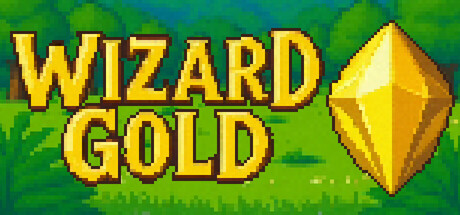
The artwork in Wizard Gold was created with the help of generative AI tools, then edited and refined by the developer. No content is generated by AI during game play.
This game uses generative AI as part of its asset production workflow. AI tools were used to help create and iterate on certain visual materials, including pixel-art characters, enemies, effects, music, and promotional images. These outputs were reviewed, selected, and integrated by the developer to match the game’s intended style and experience.
Generative AI is not used to produce personalized content from player input during gameplay, and the game does not rely on AI-generated responses or live AI systems while running.
Artificial intelligence is used exclusively as a tool to assist the developer in editing the source code structure (optimizing Unity script logic), checking compilation errors, and assisting with stylistic design. The AI is not constantly loaded during gameplay.
Some of this game's content was created with the help of generative AI tools, including certain illustrations, in-game background art, and portions of the in-game text and its translations. All AI-generated content was produced during development and reviewed by the developer before release. The game does not generate any content in real time during play.
Generative AI may be used for certain promotional materials and future story-related visual content. All AI-assisted content is reviewed and edited by the developer before being included in the game or store page.
During development, some of the game's art assets (including icons, UI elements, scene backgrounds, and character visuals) were created with the help of AI image-generation tools, then curated, adjusted, and integrated by hand. The game does not generate any AI content in real time during play.
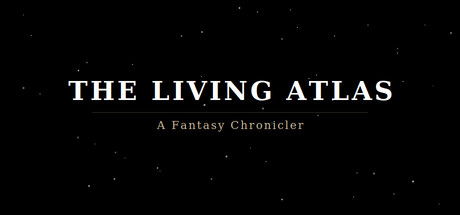
The Living Atlas uses procedural generation algorithms to create unique fantasy worlds, including terrain, biomes, river systems, and civilization simulation. These systems were developed with the assistance of large language models (LLMs) used during development for code generation and design. The store page copy and marketing assets were also created with LLM assistance. No AI-generated content is produced during gameplay — all in-game content is generated by deterministic procedural algorithms seeded by player input.
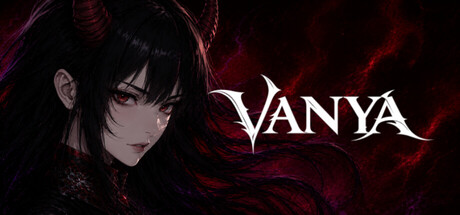
Some store page text, promotional materials, localization support, and selected visual assets may be created or assisted by generative AI tools. All AI-assisted content is reviewed and edited by Demona Vosz before publication. Vanya Online does not use generative AI to create live content during gameplay.
Store and marketing art assets were created with the assistance of generative AI image tools, based on the developer's original prompts. All other game content is human-authored. No AI content is generated during gameplay.
Some of the game's 2D art (character sprites, scenery, item icons and store artwork) was created with the help of generative AI image tools, then curated, edited and integrated by the team. Parts of the game's code were written with AI assistance under developer direction. All AI-assisted content was reviewed by the developers. The game does NOT generate AI content at runtime and does NOT connect to any external AI service.
This game is a solo-developed project. Generative AI tools were used as part of the production workflow, including assistance with code and base visual assets. No generative AI output is used as a final in-game asset – all assets were manually edited and finalized by the developer. All gameplay design, creative direction, balancing, and content decisions were made by the developer.
Google AI Studio Build and Antigravity were used for coding.
ChatGPT was used for design.
Stable Diffusion, Gemini 3.1 Flash Image, DALLE-3, MAI-image-1, and GPT-4o were used for images.
Suno was used for the BGM.
ElevenLabs Sound Effects was used for the sound effects.
Generative AI tools are used to assist the development process, including concept art generation, programming support, and localization. All final content is reviewed and edited by the developer.
Generative AI was used only to assist in editing and enhancing certain 2D images used in the game, such as improving quality, refining details, or making visual adjustments. All gameplay, programming, game design, and the final implementation of assets were created and reviewed by the developer. No generative AI is used to create gameplay content or player interactions during gameplay.
The artwork in this game. such as item, equipment, and creature icons is currently AI-generated. We plan to replace it with hand-crafted art as the project's budget grows.
AI-assisted tools were used during visual exploration and iteration for some marketing materials, select visual drafts and music. Final design, creative direction, editing, asset selection, and implementation were handled by the developer.
Oreworks contains AI-generated content. Like in-game visual assets and programming assistance during developement.
All AI-generated content was manually reviewed, curated and intetegrated by the developer.
This game was made with the help of AI. The music was generated using Suno, and AI tools assisted with other content and store materials, all reviewed and curated by the developer.
100% human made code, art, design, and audio!
AI assistance was only used for a tiny fraction of the text localizations to fill small gaps in our community made translations and for translating the Steam store page descriptions to non English languages.
This game includes some AI-assisted music and Steam store marketing assets created during development. All such content was reviewed and integrated by the developer. No AI-generated content is created during gameplay, and players cannot generate AI content within the game.
This game has AI generated images (including the community items) and other AI made components. If you are sensitive about AI generated content please do not purchase this game.
AI tools were used to assist with promotional artwork, capsule art, and visual concept iteration for The Big Suck. Final art direction, selection, editing, game design, programming, balancing, and implementation were done by the developer. AI was used as a creative production aid for a small indie project, not as live-generated gameplay content.
Generative AI was used to assist in creating some visual assets during development. All final in-game artwork was manually retouched and finalized by human artists.
During the development process, I may use procedural- and AI-based tools to assist with content creation. In all such cases, the final product reflects the creativity and expression of myself.
I am writing to provide further explanation regarding the AI content disclosure. We used an AI-assisted video and image editing tool, specifically CapCut (also known as JianYing), to help edit and generate some of the assets for our promotional trailer and store page images. The AI features within this software were utilized to assist in the editing, effects, and visual generation process for these store page assets.
Some visual assets were created with the assistance of generative AI tools and then manually edited, adjusted, and finalized by the developer. The game does not use real-time generative AI during gameplay.
I used AI to help review code and check for any bugs. Also a few small pieces of art that will be changed/updated by release while we get artists commissioned.
Idle Startup is made by a solo developer with the help of generative AI. The milestone background artwork — the illustrations that unlock as each skill levels up — is generated with AI image tools and then selected and curated by the developer. The game's code is also written with the assistance of AI coding tools. All music and sound effects are generated procedurally in code, the interface art and icons are hand-drawn, and all in-game text is written by the developer.
Generative AI tools (such as Gemini) were used to assist in creating the promotional capsule images and description text for this Steam store page. All in-game assets, including art and text, were created entirely by humans.
The artwork in Wizard Gold was created with the help of generative AI tools, then edited and refined by the developer. No content is generated by AI during game play.
This game uses generative AI as part of its asset production workflow. AI tools were used to help create and iterate on certain visual materials, including pixel-art characters, enemies, effects, music, and promotional images. These outputs were reviewed, selected, and integrated by the developer to match the game’s intended style and experience.
Generative AI is not used to produce personalized content from player input during gameplay, and the game does not rely on AI-generated responses or live AI systems while running.
Artificial intelligence is used exclusively as a tool to assist the developer in editing the source code structure (optimizing Unity script logic), checking compilation errors, and assisting with stylistic design. The AI is not constantly loaded during gameplay.
Some of this game's content was created with the help of generative AI tools, including certain illustrations, in-game background art, and portions of the in-game text and its translations. All AI-generated content was produced during development and reviewed by the developer before release. The game does not generate any content in real time during play.
Generative AI may be used for certain promotional materials and future story-related visual content. All AI-assisted content is reviewed and edited by the developer before being included in the game or store page.
During development, some of the game's art assets (including icons, UI elements, scene backgrounds, and character visuals) were created with the help of AI image-generation tools, then curated, adjusted, and integrated by hand. The game does not generate any AI content in real time during play.
The Living Atlas uses procedural generation algorithms to create unique fantasy worlds, including terrain, biomes, river systems, and civilization simulation. These systems were developed with the assistance of large language models (LLMs) used during development for code generation and design. The store page copy and marketing assets were also created with LLM assistance. No AI-generated content is produced during gameplay — all in-game content is generated by deterministic procedural algorithms seeded by player input.
Some store page text, promotional materials, localization support, and selected visual assets may be created or assisted by generative AI tools. All AI-assisted content is reviewed and edited by Demona Vosz before publication. Vanya Online does not use generative AI to create live content during gameplay.