Public Steam disclosure research25,383 disclosures tracked
Where do games disclose AI use?
Search developers’ Steam disclosures, compare classified AI use across
games, and follow recorded changes.
This index adds cross-game classifications and statistics to
statements published on individual store pages.
Groups reflect automatic analysis of public disclosures; mature records are excluded. These counts do not measure AI use across all of Steam.
Missing or unclear statements cannot establish whether a game uses AI.
Portions of this game's content were created with the assistance of generative AI tools under human direction and review. This includes much but not all of the visual artwork, the soundtrack, and the store page text and marketing copy. All AI-assisted content was curated, edited, and approved by the developer.
Parts of the artwork (customer portraits, studio backgrounds, skin imagery, some tattoo motifs), the background music, and some store page images were created with generative AI tools and then edited and integrated by the developer. Game design, mechanics and game logic are the developer's own work. No content is generated while the game is running.
All spoken roles were performed by the developer, Morph. Those recordings were then transformed into different character voices and accents using AI voice conversion and further processed with Logic Pro.
Store page assets: These were primarily created by our designers through composition and arrangement of existing in-game assets, followed by minor AI-assisted adjustments to atmosphere (e.g., lighting, color tones). All final images have undergone thorough human review and refinement. The core design work was completed by our designers, with AI serving only as a supplementary tool to enhance the final presentation.
Generative AI was used to assist in creating some visual assets, including certain background images and the game start screen artwork. Other game content, including gameplay, programming, character design, and world-building, was created independently by the development team.
As a small indie studio, we set out to bring as many of our ideas to life as possible and deliver a deep gaming experience. To turn these ambitions into reality, we utilized AI as an assistant tool. Neural networks helped us write code, create some of the art, and voice the characters. However, the entire creative concept, the design of the interactive diary, the shadow theater sequence, and the overall atmosphere of the project are completely the result of our human imagination and direction.
Generative AI tools were used during development to create and assist with some pre-generated artwork, localization, and store/marketing assets. All AI-assisted content was reviewed and edited by the developer before inclusion in the final product. The game does not generate AI content during gameplay.
The 2D art in OBOLUS is made with image generation models running locally on my own machine — Stable Diffusion XL through ComfyUI, including a style model I trained myself on 1930s cartoon references. None of it is a raw output: every sprite, backdrop, card frame and icon was directed through many passes, then cut out, colour-corrected, upscaled and assembled frame by frame into animation sheets.
Everything else is not AI: the rules, every card and every number on it, the balance, the 22 heroes, the six lands, the writing and the interface. The sound effects are synthesised by code written for this game.
Nothing is generated while you play. The game makes no network calls and ships with no model — nothing runs on your machine, and none of your data goes anywhere.
HASSO uses generative AI tools for part of its pre-produced content: the card illustrations, and the translation of the game's text into the languages it supports. All AI-generated content is reviewed and curated before it is included in the game. The user interface icons, the music and the sound effects are not AI-generated. No content is generated by AI at runtime: the player never sends prompts and never receives live AI output.
Cosmo Corgis is designed and directed by one person. During development, AI tools were used as a production assistant — helping write and test the game's code and assisting with portions of the 3D asset work, always under the developer's direction. The music and sound effects were generated with AI tools. Every design decision, and the game's look and feel, are the developer's own. Nothing is generated by AI while you play: everything in the game ships fixed and tested.
Some visual assets and background music included in this game were created using generative AI tools and have been reviewed, edited, and integrated by the developer.
Pregenerated AI audio tools were used during development to generate character voice lines and background music tracks. All visual art, graphics, puzzle task and animations were created by hand without generative AI.
The game's visual assets (mascot design, logo, character art, store graphics, and in-game sprites) were created with the help of an AI image generator and were then selected, edited, and prepared by us for use in the game. This is exclusively pre-generated, fixed content – no content is generated by AI in real time while the game is being played.
I am a solo indie developer with little coding experience. AI has helped me with the programming in my game, which has allowed me to build this game for you all. Game Development is a big passion of mine, and I could not do it without the assistance of AI.
AI tools were used during development in two areas. Code: an AI coding assistant helped write and refactor GDScript source; all output was reviewed and edited by the developer before being committed. UI design: interface layouts were prototyped as HTML mockups with AI assistance, then redrawn and implemented by hand as Godot scenes — no AI-produced file ships in the build.
All art and music in the game were created by people. Sound effects are generated procedurally by a hand-written synthesis script (numpy waveform synthesis, no models or samples involved). Fonts are open-licensed, human-designed typefaces.
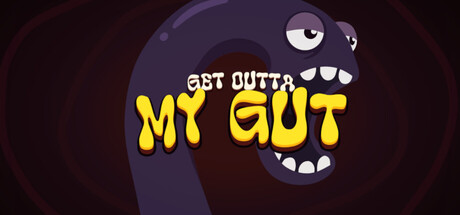
Various visual assets and promotional materials for Get Outta My Gut were created with the assistance of generative AI tools.
All AI-generated content was reviewed, refined, and integrated by the developer to ensure consistency with the game's artistic direction and quality standards.
2D item and character sprites in this game were created using generative AI image tools and then manually reviewed, edited, curated, and integrated by the developer. In-game item names and their translations were also produced with AI assistance and manually checked. All AI-generated content was created during development (pre-generated); the game does not generate any content live while playing.
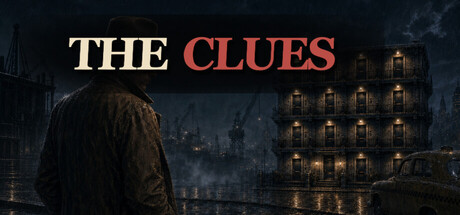
This game uses generative AI as a production tool for certain visual art and music assets. All AI-assisted content has been reviewed and refined by the developer. No generative AI is used during gameplay. All puzzles, investigation mechanics, and gameplay systems are designed and implemented by the developer.
Some 3D model creatures generated from my own hand-drawn concept art via Meshy; all 2D art sources, game design, and voice work is human-made, with voice acting by Manicvelocity and The Altoholic.
The game's 2D artwork, including card and unit illustrations, worker portraits, and store assets, was generated with AI image tools and then reviewed, selected, and edited by the developer. Parts of the in-game text and localizations were also written with AI assistance. The game does not generate any content with AI at runtime.
Some pre-rendered artwork and marketing assets were created with generative AI tools and then reviewed and edited by the developer before inclusion. The game does not generate new content during gameplay.
Generative AI tools were used during development to assist in creating certain environmental textures and ambient sound effects to enhance the game's atmosphere. All generated assets were reviewed and integrated manually to fit the retro aesthetic of the game.
Generative AI tools were used during the development of ScrapBound to assist with the creation of some visual and audio assets. AI-generated imagery was used as a starting point for various game assets, which were then modified, edited, and integrated to fit the game's visual style. Many of these assets will over time be replaced as the development of the game continues.
Some 2D art in the game was created with the help of an AI pixel-art tool during development, specifically the application icons and and was hand-adjusted before shipping. The rest of the game's art, including all fish sprites and item icons, was made without AI.
Some assets in Starfort, including selected voice lines, artwork, and marketing materials, were created with the help of generative AI tools during development. All such content was reviewed, edited, curated, and finalized by the developer and is pre-generated. Starfort does not generate content during gameplay or connect to external AI services.
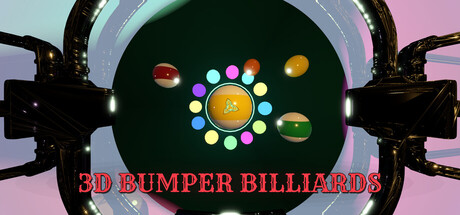
Some of the artwork in this game — including bumper, ball, table and mark sprites — was created with AI-assisted pixel art tools and then reviewed, edited and assembled by hand. The world and boss music comes from licensed artists who state that they work with AI assistance; the sound effects are not AI-generated. Parts of the source code were written with AI assistance. No content is generated by AI while playing.
Generative AI tools were used during development to assist in the creation of some visual assets and textures. All AI-assisted content was reviewed and edited by the developer before being included in the game.
Some Steam store and library presentation artwork was created with assistance from generative AI tools, then selected and edited by the developer. Localization was completed conventionally, with AI used to assist in verification and quality checks.
Generative AI is used in this game for localization.
Text plays a supporting role here: the game has no story, dialogue or voice acting. Its text is limited to interface labels, node names and short stat descriptions, while the gameplay itself runs on numbers and visual language.
All graphics and sounds in Woolmates are calculated at runtime by the game itself; no AI-generated image, audio, or video files are delivered. AI assistance tools were used in the development of the program code as well as in text and marketing materials. No AI is used during the actual game.
This game uses generative AI in a limited way. Some in-game and store-page text was drafted, edited, or partially translated with the help of an AI model, then reviewed, adapted, and finalized by the developer. None of the game's art, sprites, animation, music or sound is AI-generated.
This game uses AI tools (Anthropic's Claude) for localization. The game's UI text, building prompts, and store descriptions were translated from Japanese into 9 other languages with AI assistance, and all translations were reviewed by the developer. No AI-generated content is created at runtime (no live-generated AI). All other assets (art, music, sound effects) are hand-made or licensed (CC0).
AI generative tools are used in development. Non-English translations and some marketing material were also produced with AI assistance.
Nothing is generated by AI while the game is running.
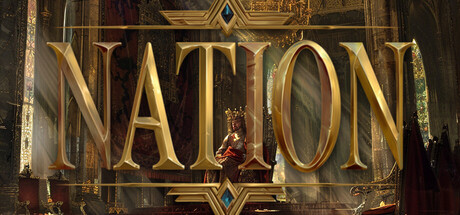
Some of Nation's 2D artwork — character portraits, card illustrations, backgrounds, and store/marketing images — was created with the assistance of generative AI tools, then selected, edited, and composited by our team. All game design, rules, writing, and code are human-made. The game does not generate content with AI while you play.
AI Generated Content Disclosure
The developers of LIGHT IT provide the following disclosure regarding the use of AI tools in the creation of this game. All AI-assisted content is pre-generated; the game does not generate any AI content live during gameplay.
Music: The in-game music was produced using Suno, an AI music-generation tool.
Art: Some visual assets were created with the assistance of AI image-generation tools.
Code: AI assistants were used to help brainstorm implementation ideas and to assist with debugging.
All AI-assisted content and code was reviewed, tested, and refined by the developer before being included in the final game.
Portions of this game's content were created with the assistance of generative AI tools under human direction and review. This includes much but not all of the visual artwork, the soundtrack, and the store page text and marketing copy. All AI-assisted content was curated, edited, and approved by the developer.
Parts of the artwork (customer portraits, studio backgrounds, skin imagery, some tattoo motifs), the background music, and some store page images were created with generative AI tools and then edited and integrated by the developer. Game design, mechanics and game logic are the developer's own work. No content is generated while the game is running.
All spoken roles were performed by the developer, Morph. Those recordings were then transformed into different character voices and accents using AI voice conversion and further processed with Logic Pro.
Store page assets: These were primarily created by our designers through composition and arrangement of existing in-game assets, followed by minor AI-assisted adjustments to atmosphere (e.g., lighting, color tones). All final images have undergone thorough human review and refinement. The core design work was completed by our designers, with AI serving only as a supplementary tool to enhance the final presentation.
Generative AI was used to assist in creating some visual assets, including certain background images and the game start screen artwork. Other game content, including gameplay, programming, character design, and world-building, was created independently by the development team.
As a small indie studio, we set out to bring as many of our ideas to life as possible and deliver a deep gaming experience. To turn these ambitions into reality, we utilized AI as an assistant tool. Neural networks helped us write code, create some of the art, and voice the characters. However, the entire creative concept, the design of the interactive diary, the shadow theater sequence, and the overall atmosphere of the project are completely the result of our human imagination and direction.
Generative AI tools were used during development to create and assist with some pre-generated artwork, localization, and store/marketing assets. All AI-assisted content was reviewed and edited by the developer before inclusion in the final product. The game does not generate AI content during gameplay.
The 2D art in OBOLUS is made with image generation models running locally on my own machine — Stable Diffusion XL through ComfyUI, including a style model I trained myself on 1930s cartoon references. None of it is a raw output: every sprite, backdrop, card frame and icon was directed through many passes, then cut out, colour-corrected, upscaled and assembled frame by frame into animation sheets.
Everything else is not AI: the rules, every card and every number on it, the balance, the 22 heroes, the six lands, the writing and the interface. The sound effects are synthesised by code written for this game.
Nothing is generated while you play. The game makes no network calls and ships with no model — nothing runs on your machine, and none of your data goes anywhere.
HASSO uses generative AI tools for part of its pre-produced content: the card illustrations, and the translation of the game's text into the languages it supports. All AI-generated content is reviewed and curated before it is included in the game. The user interface icons, the music and the sound effects are not AI-generated. No content is generated by AI at runtime: the player never sends prompts and never receives live AI output.
Cosmo Corgis is designed and directed by one person. During development, AI tools were used as a production assistant — helping write and test the game's code and assisting with portions of the 3D asset work, always under the developer's direction. The music and sound effects were generated with AI tools. Every design decision, and the game's look and feel, are the developer's own. Nothing is generated by AI while you play: everything in the game ships fixed and tested.
Some visual assets and background music included in this game were created using generative AI tools and have been reviewed, edited, and integrated by the developer.
Pregenerated AI audio tools were used during development to generate character voice lines and background music tracks. All visual art, graphics, puzzle task and animations were created by hand without generative AI.
The game's visual assets (mascot design, logo, character art, store graphics, and in-game sprites) were created with the help of an AI image generator and were then selected, edited, and prepared by us for use in the game. This is exclusively pre-generated, fixed content – no content is generated by AI in real time while the game is being played.
I am a solo indie developer with little coding experience. AI has helped me with the programming in my game, which has allowed me to build this game for you all. Game Development is a big passion of mine, and I could not do it without the assistance of AI.
AI tools were used during development in two areas. Code: an AI coding assistant helped write and refactor GDScript source; all output was reviewed and edited by the developer before being committed. UI design: interface layouts were prototyped as HTML mockups with AI assistance, then redrawn and implemented by hand as Godot scenes — no AI-produced file ships in the build.
All art and music in the game were created by people. Sound effects are generated procedurally by a hand-written synthesis script (numpy waveform synthesis, no models or samples involved). Fonts are open-licensed, human-designed typefaces.
Various visual assets and promotional materials for Get Outta My Gut were created with the assistance of generative AI tools.
All AI-generated content was reviewed, refined, and integrated by the developer to ensure consistency with the game's artistic direction and quality standards.
2D item and character sprites in this game were created using generative AI image tools and then manually reviewed, edited, curated, and integrated by the developer. In-game item names and their translations were also produced with AI assistance and manually checked. All AI-generated content was created during development (pre-generated); the game does not generate any content live while playing.
This game uses generative AI as a production tool for certain visual art and music assets. All AI-assisted content has been reviewed and refined by the developer. No generative AI is used during gameplay. All puzzles, investigation mechanics, and gameplay systems are designed and implemented by the developer.
Some 3D model creatures generated from my own hand-drawn concept art via Meshy; all 2D art sources, game design, and voice work is human-made, with voice acting by Manicvelocity and The Altoholic.
The game's 2D artwork, including card and unit illustrations, worker portraits, and store assets, was generated with AI image tools and then reviewed, selected, and edited by the developer. Parts of the in-game text and localizations were also written with AI assistance. The game does not generate any content with AI at runtime.
Some pre-rendered artwork and marketing assets were created with generative AI tools and then reviewed and edited by the developer before inclusion. The game does not generate new content during gameplay.
Generative AI tools were used during development to assist in creating certain environmental textures and ambient sound effects to enhance the game's atmosphere. All generated assets were reviewed and integrated manually to fit the retro aesthetic of the game.
Generative AI tools were used during the development of ScrapBound to assist with the creation of some visual and audio assets. AI-generated imagery was used as a starting point for various game assets, which were then modified, edited, and integrated to fit the game's visual style. Many of these assets will over time be replaced as the development of the game continues.
Some 2D art in the game was created with the help of an AI pixel-art tool during development, specifically the application icons and and was hand-adjusted before shipping. The rest of the game's art, including all fish sprites and item icons, was made without AI.
Some assets in Starfort, including selected voice lines, artwork, and marketing materials, were created with the help of generative AI tools during development. All such content was reviewed, edited, curated, and finalized by the developer and is pre-generated. Starfort does not generate content during gameplay or connect to external AI services.
Some of the artwork in this game — including bumper, ball, table and mark sprites — was created with AI-assisted pixel art tools and then reviewed, edited and assembled by hand. The world and boss music comes from licensed artists who state that they work with AI assistance; the sound effects are not AI-generated. Parts of the source code were written with AI assistance. No content is generated by AI while playing.
Generative AI tools were used during development to assist in the creation of some visual assets and textures. All AI-assisted content was reviewed and edited by the developer before being included in the game.
Some Steam store and library presentation artwork was created with assistance from generative AI tools, then selected and edited by the developer. Localization was completed conventionally, with AI used to assist in verification and quality checks.
Generative AI is used in this game for localization.
Text plays a supporting role here: the game has no story, dialogue or voice acting. Its text is limited to interface labels, node names and short stat descriptions, while the gameplay itself runs on numbers and visual language.
All graphics and sounds in Woolmates are calculated at runtime by the game itself; no AI-generated image, audio, or video files are delivered. AI assistance tools were used in the development of the program code as well as in text and marketing materials. No AI is used during the actual game.
This game uses generative AI in a limited way. Some in-game and store-page text was drafted, edited, or partially translated with the help of an AI model, then reviewed, adapted, and finalized by the developer. None of the game's art, sprites, animation, music or sound is AI-generated.
This game uses AI tools (Anthropic's Claude) for localization. The game's UI text, building prompts, and store descriptions were translated from Japanese into 9 other languages with AI assistance, and all translations were reviewed by the developer. No AI-generated content is created at runtime (no live-generated AI). All other assets (art, music, sound effects) are hand-made or licensed (CC0).
AI generative tools are used in development. Non-English translations and some marketing material were also produced with AI assistance.
Nothing is generated by AI while the game is running.
Some of Nation's 2D artwork — character portraits, card illustrations, backgrounds, and store/marketing images — was created with the assistance of generative AI tools, then selected, edited, and composited by our team. All game design, rules, writing, and code are human-made. The game does not generate content with AI while you play.
AI Generated Content Disclosure
The developers of LIGHT IT provide the following disclosure regarding the use of AI tools in the creation of this game. All AI-assisted content is pre-generated; the game does not generate any AI content live during gameplay.
Music: The in-game music was produced using Suno, an AI music-generation tool.
Art: Some visual assets were created with the assistance of AI image-generation tools.
Code: AI assistants were used to help brainstorm implementation ideas and to assist with debugging.
All AI-assisted content and code was reviewed, tested, and refined by the developer before being included in the final game.