Public Steam disclosure research25,383 disclosures tracked
Where do games disclose AI use?
Search developers’ Steam disclosures, compare classified AI use across
games, and follow recorded changes.
This index adds cross-game classifications and statistics to
statements published on individual store pages.
Groups reflect automatic analysis of public disclosures; mature records are excluded. These counts do not measure AI use across all of Steam.
Missing or unclear statements cannot establish whether a game uses AI.
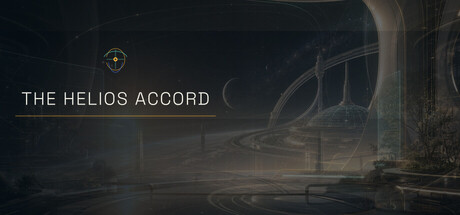
Generative AI tools assisted with parts of the development, iteration, and production process. The foundation of The Helios Accord—including its original concept, core ideas, world, systems, and narrative—was conceived, designed, and originally written by me. I direct, review, revise, and take responsibility for all AI-assisted material included in the game and its store presentation
This game uses generative AI to create part of its content:
- Art and sprites: generated with AI tools and manually edited in Photoshop.
- Intro cinematic: generated with Google Veo 3 and Flow, then edited.
- Some sound effects: generated or processed with AI tools, combined with recorded and licensed library sounds.
- Code assistance: parts of development were assisted by language models (Claude).
All AI-generated content was reviewed, edited, and approved by the developer. The game does NOT use AI at runtime: all content is pre-rendered.
Character portraits, scene art, and voice performances were generated with licensed AI tools (PixelLab, ElevenLabs) under paid subscriptions, then curated, edited, and directed by hand.
The soundtrack is built on the developer's original compositions, produced and arranged with Suno under a paid subscription.
All game design, writing, and code are human-made. No AI generation occurs at runtime.
Some of the game's visual assets — UI textures, illustrations, icons and marketing artwork — were created with the assistance of generative AI tools, then manually curated, edited and integrated by the developer. All game design, writing, code and systems are human-made. No AI content is generated at runtime.
Ice Coast Revival is built by a small team working with AI tools. Some pre-made content that ships with the game, including in-game text and some audio, was created with generative AI and then human-reviewed. All of it is fixed at build time: the game does not generate content live with AI while you play.
AI was used to generate initial drafts for some images and illustrations. All resulting assets are used only after review and revision by the developer.
This game uses AI-assisted tools for selected art assets and animated content during development. All AI-assisted content has been reviewed and modified by the development team. The story, dialogue, and written content are fully created by the team, and the game does not include real-time AI interaction.
This game was developed with the assistance of generative AI in the following areas:
Programming assistance: Claude Code (Anthropic) was used to assist with coding and debugging
BGM: Music was generated using Suno AI
Story illustration images: Some narrative artwork was generated using NanoBanana
Some music tracks and visual art assets in this game were created with the help of generative AI tools. All such assets were curated, edited, and approved by the development team before being included in the build, and all required commercial-use rights have been secured.
All AI-generated content is pre-rendered and shipped with the game — no live AI generation occurs during gameplay, and the game does not connect to any external AI service at runtime.
Some visual assets and UI elements were created with the assistance of AI tools during development.
When you are trapped inside a machine, you must use the machine's tools.
We are sorry. It was the only way to reach you.
During the development of El sonido de un sueño, generative AI tools were used as support for the creation and prototyping of some game assets, including 3D models, visual elements, music and programming assistance. All AI-generated or AI-assisted content was reviewed, edited, integrated and manually adjusted by the development team before being included in the game.
The game does not use live generative AI during gameplay. No text, images, music, dialogue or narrative decisions are generated by AI while the player is playing.
Generative AI was not used to create any in-game content resources. AI was utilized solely for the translation of certain in-game dialogue and external content, such as our Steam page and community posts.
StorySmith uses generative AI to write its stories live as you and your Twitch chat make choices. The AI model runs locally on your machine by default, with an optional bring-your-own-key cloud option — so your playthroughs stay private and no two are ever the same.
Certain visual assets in the game are created with the assistance of generative artificial intelligence tools. These assets are reviewed, edited, and integrated by the developers to ensure they meet quality standards and remain consistent with the overall artistic direction of the game.
Pre-generated generative AI tools were used during development to assist in creating and editing some 2D visual assets, including backgrounds, character images, scene variations, and promotional artwork. AI tools were also used to assist with drafting, editing, and localization of some text. All final content was selected, reviewed, and edited by the developer before inclusion. No generative AI is used during gameplay, and players cannot generate content in the game.
Ai was used to develop the code, artwork, various events, and dialogue in the game. Most player-facing text was reviewed by humans and many of the events and conversations were approved, improved, or rewritten by humans. There is no run-time AI usage, everything was created before the game runs, only standard computer actions are done at runtime. ex. selections and randomization of existing content.
This game uses AI-generated artwork for many character portraits and illustrations, as well as some store page assets (capsule images, logo) and trailer visuals. Core gameplay, game design, systems, and programming were created by the developer without AI assistance.
Regent City uses generative AI in parts of its production pipeline, including some character artwork and voice performances. All shipped assets are selected, edited, and art-directed by the solo developer to maintain a consistent visual and narrative identity.
Code: I'm a solo developer and I use AI coding agents. The architecture, game design, systems, and direction are mine; the agents write code to my spec, under my review. That includes the UI, which agents build from my own designs and styles.
3D art: Made by a professional artist. No AI.
Music and SFX: Currently placeholders, licensed from Ocular Sounds, who state their sounds are crafted from original source recordings by their in-house sound design team. To be replaced with commissioned work.
Writing: Written by me. AI agents help me edit and apply corrections; I approve every word that ships. A professional writer will be brought on as development continues.
Illustrations: Not in the game yet. They will be commissioned from professional artists.
Some pre-generated artwork and visual assets used in the game and its store and marketing materials were created with generative AI tools, then selected, edited, and integrated by the development team. The game does not generate AI content during gameplay and does not connect to external AI services while you play.
Pre-release, temporary audio and visual publicly available assets have been used that may be AI generated. Programming and localization are LLM assisted. Custom creative content (artwork, sprites, narrative, etc.) is all handcrafted.
Some store page and marketing visual assets, such as capsule art, screenshots, thumbnails, and promotional video imagery, were created or enhanced with generative AI tools. The game does not use generative AI during gameplay and does not connect to external AI services.
Mars Directive features autonomous AI characters powered by Large Language Models. They don't just generate dialogue—they can observe their surroundings, reason about situations, make independent decisions, interact with the environment, and communicate naturally with both the player and each other. Their behavior is guided by character definitions, gameplay context, and behavioral rules to ensure a consistent gameplay experience.
Some of this game's content was created with generative AI tools and then reviewed and edited by the developer. This includes visual assets (2D art, 3D models and characters), some in-game text and localization, and some audio. No content is generated by AI during gameplay.
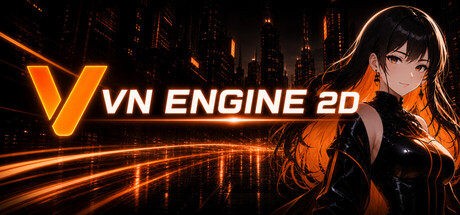
Some Steam store graphical assets for VN Engine 2D, such as capsule and library artwork, may have been created with AI assistance and were manually reviewed before submission.
VN Engine 2D is a desktop editor for creating 2D visual novels and interactive story projects. The Steam build does not include player-facing live AI generation, does not connect to external AI services during use, and does not require users to enter third-party API keys or pay for AI services outside of Steam.
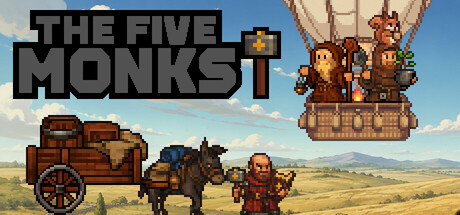
Generative AI tools were used during the development of The Five Monks as follows:
- Illustrations, icons, and in-game object art: initial images were generated with AI tools, then revised and finalized by hand by the development team. These edited assets ship with the game.
- Creature and character concepts: AI outputs were used as visual reference only. The final in-game art was recreated from scratch by the development team to fit the game's art direction.
- Store page text: portions were drafted with AI assistance and then edited by the team.
The game's music was composed by the development team without generative AI.
This game uses generative AI tools during development to help create some character voice lines and cutscene video sequences. AI is not used to generate live, novel content during gameplay - all AI-assisted content is pre-produced and reviewed by the development team before shipping.
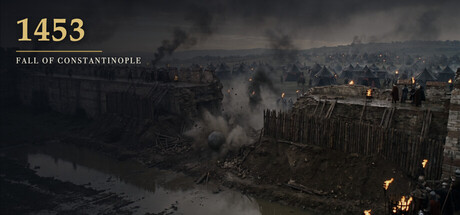
1453 contains pre-generated AI content: in-game illustrations and short ambient video clips created with generative image/video tools, curated and edited under human art direction and reviewed for historical accuracy. The narrative text is human–AI co-written and human-edited under the author's direction; the game design is the author's. No AI content is generated at runtime.
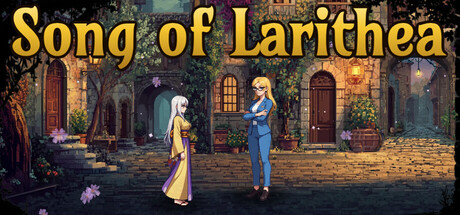
Song of Larithea is made by a solo developer using generative AI across the pipeline: the artwork is AI-generated and then hand-edited in Photoshop, and the voice lines, music, and sound are AI-generated as well. The story is the author's own, adapted from her own novel, with AI helping polish the English text - and future translations will be AI-assisted too. Every asset is reviewed, corrected, and finished by hand before it ships.
Generative AI was used for brainstorming concepts and ideas during the design process, as well as for creating a few 2D visual assets and posters within the game environment.
Programming: AI tools (Cursor) were utilized to assist with drafting partial code blocks and isolated scripts. The overall core logic, architecture, and system design were manually programmed by the developer.
Art Assets: An AI image generator (PixelLab) was used to help conceptualize and generate some of the pixel art assets. These assets were manually reviewed and integrated to fit the game's retro aesthetic.
Localization / Translation: AI translation tools were used to assist in translating in-game text and store page descriptions into multiple languages.
During the process of production, generative AI may be used in following processes: coding and debugging, production of conceptual art of game assets, production of rough models of game assets, production of simple animation effects, restoration of image, audio or video quality, localization and translation. All AI generated game assets that appear directly in game are revised and finalized by real human artists.
This is a text-based game; the illustrative background images were created using a combination of AI technology and Photoshop, the character sprites were hand-drawn and colored using AI, and the music was composed and produced using AI tools.
Generative AI was used in the game for (a) Generating dialogs and translations (b) Generating game backgrounds, character art and tiles etc (c) Generating Music.
Generative AI is used to post-process capsule and marketing artwork on this game's Steam page; the underlying compositions and creative direction are the developer's own.
Generative AI tools assisted with parts of the development, iteration, and production process. The foundation of The Helios Accord—including its original concept, core ideas, world, systems, and narrative—was conceived, designed, and originally written by me. I direct, review, revise, and take responsibility for all AI-assisted material included in the game and its store presentation
This game uses generative AI to create part of its content:
- Art and sprites: generated with AI tools and manually edited in Photoshop.
- Intro cinematic: generated with Google Veo 3 and Flow, then edited.
- Some sound effects: generated or processed with AI tools, combined with recorded and licensed library sounds.
- Code assistance: parts of development were assisted by language models (Claude).
All AI-generated content was reviewed, edited, and approved by the developer. The game does NOT use AI at runtime: all content is pre-rendered.
Character portraits, scene art, and voice performances were generated with licensed AI tools (PixelLab, ElevenLabs) under paid subscriptions, then curated, edited, and directed by hand.
The soundtrack is built on the developer's original compositions, produced and arranged with Suno under a paid subscription.
All game design, writing, and code are human-made. No AI generation occurs at runtime.
Some of the game's visual assets — UI textures, illustrations, icons and marketing artwork — were created with the assistance of generative AI tools, then manually curated, edited and integrated by the developer. All game design, writing, code and systems are human-made. No AI content is generated at runtime.
Ice Coast Revival is built by a small team working with AI tools. Some pre-made content that ships with the game, including in-game text and some audio, was created with generative AI and then human-reviewed. All of it is fixed at build time: the game does not generate content live with AI while you play.
AI was used to generate initial drafts for some images and illustrations. All resulting assets are used only after review and revision by the developer.
This game uses AI-assisted tools for selected art assets and animated content during development. All AI-assisted content has been reviewed and modified by the development team. The story, dialogue, and written content are fully created by the team, and the game does not include real-time AI interaction.
This game was developed with the assistance of generative AI in the following areas:
Programming assistance: Claude Code (Anthropic) was used to assist with coding and debugging
BGM: Music was generated using Suno AI
Story illustration images: Some narrative artwork was generated using NanoBanana
Some music tracks and visual art assets in this game were created with the help of generative AI tools. All such assets were curated, edited, and approved by the development team before being included in the build, and all required commercial-use rights have been secured.
All AI-generated content is pre-rendered and shipped with the game — no live AI generation occurs during gameplay, and the game does not connect to any external AI service at runtime.
Some visual assets and UI elements were created with the assistance of AI tools during development.
When you are trapped inside a machine, you must use the machine's tools.
We are sorry. It was the only way to reach you.
During the development of El sonido de un sueño, generative AI tools were used as support for the creation and prototyping of some game assets, including 3D models, visual elements, music and programming assistance. All AI-generated or AI-assisted content was reviewed, edited, integrated and manually adjusted by the development team before being included in the game.
The game does not use live generative AI during gameplay. No text, images, music, dialogue or narrative decisions are generated by AI while the player is playing.
Generative AI was not used to create any in-game content resources. AI was utilized solely for the translation of certain in-game dialogue and external content, such as our Steam page and community posts.
StorySmith uses generative AI to write its stories live as you and your Twitch chat make choices. The AI model runs locally on your machine by default, with an optional bring-your-own-key cloud option — so your playthroughs stay private and no two are ever the same.
Certain visual assets in the game are created with the assistance of generative artificial intelligence tools. These assets are reviewed, edited, and integrated by the developers to ensure they meet quality standards and remain consistent with the overall artistic direction of the game.
Pre-generated generative AI tools were used during development to assist in creating and editing some 2D visual assets, including backgrounds, character images, scene variations, and promotional artwork. AI tools were also used to assist with drafting, editing, and localization of some text. All final content was selected, reviewed, and edited by the developer before inclusion. No generative AI is used during gameplay, and players cannot generate content in the game.
Ai was used to develop the code, artwork, various events, and dialogue in the game. Most player-facing text was reviewed by humans and many of the events and conversations were approved, improved, or rewritten by humans. There is no run-time AI usage, everything was created before the game runs, only standard computer actions are done at runtime. ex. selections and randomization of existing content.
This game uses AI-generated artwork for many character portraits and illustrations, as well as some store page assets (capsule images, logo) and trailer visuals. Core gameplay, game design, systems, and programming were created by the developer without AI assistance.
Regent City uses generative AI in parts of its production pipeline, including some character artwork and voice performances. All shipped assets are selected, edited, and art-directed by the solo developer to maintain a consistent visual and narrative identity.
Code: I'm a solo developer and I use AI coding agents. The architecture, game design, systems, and direction are mine; the agents write code to my spec, under my review. That includes the UI, which agents build from my own designs and styles.
3D art: Made by a professional artist. No AI.
Music and SFX: Currently placeholders, licensed from Ocular Sounds, who state their sounds are crafted from original source recordings by their in-house sound design team. To be replaced with commissioned work.
Writing: Written by me. AI agents help me edit and apply corrections; I approve every word that ships. A professional writer will be brought on as development continues.
Illustrations: Not in the game yet. They will be commissioned from professional artists.
Some pre-generated artwork and visual assets used in the game and its store and marketing materials were created with generative AI tools, then selected, edited, and integrated by the development team. The game does not generate AI content during gameplay and does not connect to external AI services while you play.
Pre-release, temporary audio and visual publicly available assets have been used that may be AI generated. Programming and localization are LLM assisted. Custom creative content (artwork, sprites, narrative, etc.) is all handcrafted.
Some store page and marketing visual assets, such as capsule art, screenshots, thumbnails, and promotional video imagery, were created or enhanced with generative AI tools. The game does not use generative AI during gameplay and does not connect to external AI services.
Mars Directive features autonomous AI characters powered by Large Language Models. They don't just generate dialogue—they can observe their surroundings, reason about situations, make independent decisions, interact with the environment, and communicate naturally with both the player and each other. Their behavior is guided by character definitions, gameplay context, and behavioral rules to ensure a consistent gameplay experience.
Some of this game's content was created with generative AI tools and then reviewed and edited by the developer. This includes visual assets (2D art, 3D models and characters), some in-game text and localization, and some audio. No content is generated by AI during gameplay.
Some Steam store graphical assets for VN Engine 2D, such as capsule and library artwork, may have been created with AI assistance and were manually reviewed before submission.
VN Engine 2D is a desktop editor for creating 2D visual novels and interactive story projects. The Steam build does not include player-facing live AI generation, does not connect to external AI services during use, and does not require users to enter third-party API keys or pay for AI services outside of Steam.
Generative AI tools were used during the development of The Five Monks as follows:
- Illustrations, icons, and in-game object art: initial images were generated with AI tools, then revised and finalized by hand by the development team. These edited assets ship with the game.
- Creature and character concepts: AI outputs were used as visual reference only. The final in-game art was recreated from scratch by the development team to fit the game's art direction.
- Store page text: portions were drafted with AI assistance and then edited by the team.
The game's music was composed by the development team without generative AI.
This game uses generative AI tools during development to help create some character voice lines and cutscene video sequences. AI is not used to generate live, novel content during gameplay - all AI-assisted content is pre-produced and reviewed by the development team before shipping.
1453 contains pre-generated AI content: in-game illustrations and short ambient video clips created with generative image/video tools, curated and edited under human art direction and reviewed for historical accuracy. The narrative text is human–AI co-written and human-edited under the author's direction; the game design is the author's. No AI content is generated at runtime.
Song of Larithea is made by a solo developer using generative AI across the pipeline: the artwork is AI-generated and then hand-edited in Photoshop, and the voice lines, music, and sound are AI-generated as well. The story is the author's own, adapted from her own novel, with AI helping polish the English text - and future translations will be AI-assisted too. Every asset is reviewed, corrected, and finished by hand before it ships.
Generative AI was used for brainstorming concepts and ideas during the design process, as well as for creating a few 2D visual assets and posters within the game environment.
Programming: AI tools (Cursor) were utilized to assist with drafting partial code blocks and isolated scripts. The overall core logic, architecture, and system design were manually programmed by the developer.
Art Assets: An AI image generator (PixelLab) was used to help conceptualize and generate some of the pixel art assets. These assets were manually reviewed and integrated to fit the game's retro aesthetic.
Localization / Translation: AI translation tools were used to assist in translating in-game text and store page descriptions into multiple languages.
During the process of production, generative AI may be used in following processes: coding and debugging, production of conceptual art of game assets, production of rough models of game assets, production of simple animation effects, restoration of image, audio or video quality, localization and translation. All AI generated game assets that appear directly in game are revised and finalized by real human artists.
This is a text-based game; the illustrative background images were created using a combination of AI technology and Photoshop, the character sprites were hand-drawn and colored using AI, and the music was composed and produced using AI tools.
Generative AI was used in the game for (a) Generating dialogs and translations (b) Generating game backgrounds, character art and tiles etc (c) Generating Music.
Generative AI is used to post-process capsule and marketing artwork on this game's Steam page; the underlying compositions and creative direction are the developer's own.