








Disclosure
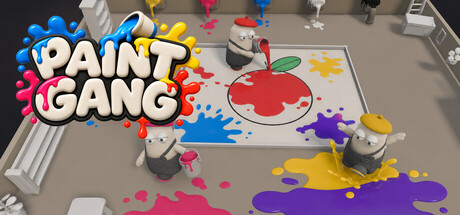
Used AI voice over for english on trailer
- Creator
- Catchy
- Reviews
- -
- Added
- Aug 31, 2026
Public Steam disclosure research 25,383 disclosures tracked
Search developers’ Steam disclosures, compare classified AI use across games, and follow recorded changes. This index adds cross-game classifications and statistics to statements published on individual store pages.
Code help, debugging and other development work.
Capsule art, trailers and promotional material.
Pre-made art, audio, writing and other game assets.
Interactive or runtime AI features disclosed by the developer.
Groups reflect automatic analysis of public disclosures; mature records are excluded. These counts do not measure AI use across all of Steam. Missing or unclear statements cannot establish whether a game uses AI.
Used AI voice over for english on trailer
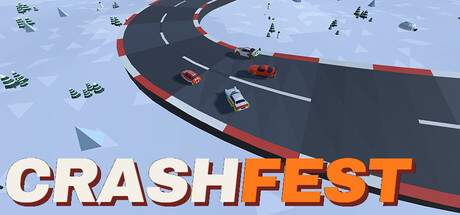
CrashFest is a one-person game, built in Unity between coffee and complaints from playtesters. It started as a physics experiment about shoving a low-poly car off a ledge and got out of hand once six controllers were plugged in. I’m a software engineer, not an artist. So a good chunk of CrashFest was made together with Claude AI — art direction, shaders, menus, the visual bits I’d never have drawn on my own — and the soundtrack comes out of Suno. The code, the physics and every questionable design decision are mine.
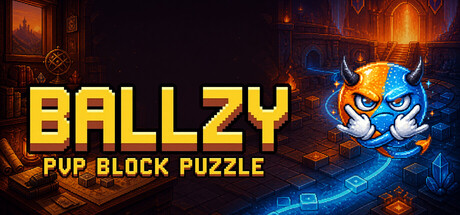
AI was used only as a tool to speed things up. Voice acting was done by professionals (including me). SFX and most VFX are assets created by artists (some placeholder AI art is included to be replaced in time) and the music tracks were composed by me and rendered with an AI assisted DAW process. All creative ideas, all mods and QoL features of this unique puzzle game were designed and built by a human mind.
This game uses Eleven Labs to generate certain sound effects. All other content — including art, models, music, writing, and gameplay — is entirely hand‑made and does not use AI.
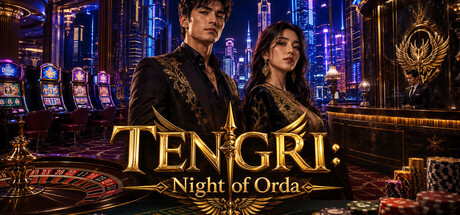
Generative AI tools were used during development to assist with the creation of selected promotional artwork and Steam store graphical assets. These assets were reviewed and curated by the development team before being used. The game does not currently use live generative AI during gameplay.
The visuals are generated by AI.
This game uses generative AI in parts of its development. Generative AI is used to help generate the game's program code. However, all final testing, adjustment, and verification of the generated code are carried out by human developers. Generative AI is also used to create the game's background music (BGM).
Generative AI was used to create some of the capsule artwork used on the Steam store page.
Our team uses generative AI tools to assist with parts of the game's artwork, including some in-game art and store page images, and with first-pass translation of in-game text. All AI-assisted art and translations are reviewed, edited, and finalized by our team. Music and sound effects do not use AI. We hold the necessary rights to all content shipped in this game. No content is generated by AI at runtime.
Bilder
We have used generative AI to obtain sketches, icons, artwork, and code to move faster in development.
AI assisted in-game and store-page visuals, plus music.
Generative AI tools were used to assist in creating some game assets, including visual and audio content. All AI-assisted content was reviewed and refined by the development team before being included in the game.
Generated Content: visual art — characters, environment art and store/marketing capsule images created using Google Gemini, then edited and composited by hand.
Some marketing capsules, some icons, then reworked by an artist.
Generative AI tools were used during development to assist with the creation and refinement of some 2D UI/art assets and localization text. All AI-assisted content is pre-generated, reviewed, and edited before inclusion in the game. The game does not use live generative AI during gameplay.
AI was used to generate some of the background images.
I used generative AI tools to create initial concept art and sketches for my game characters, which I then manually recreated and modeled in 3D myself. I also used AI to assist in sketching the game's official logo
PupRacers is developed by a solo human developer. AI tools are used as development assistants for various tasks including translations, code assistance, and content creation. All AI output is reviewed, edited, and validated by the developer. The creative vision, game design, and final decisions are 100% human-driven.
Artwork is currently initially generated using AI processes
The game's code was written with the help of an AI coding assistant, following the developer's design direction. Because the characters, arenas, materials and user interface are generated procedurally in code rather than authored as art assets, they are a result of that same process. The background music tracks were generated with Suno (commercial licence). Sound effects are licensed from Mixkit and Freesound. Nothing is generated by AI while the game is running.
Laryen includes an optional in-game AI companion named Laria. When a player asks Laria a question by voice or text, her answer is generated at runtime by an AI language model, grounded in Laryen's own game data (monsters, hunting grounds, equipment, drops and progression). Laria answers questions about the game only. She does not generate artwork, music, or content that is shared with other players, and using her is never required to play. Some artwork used in our store page and marketing materials was created with the assistance of generative AI tools and reviewed by our team before publication.
During development, parts of Marsheez were made with generative AI: some of the source code was written with the help of an AI coding assistant, and some of the art and music were created with help of AI tools and then later edited by the developer. The game does not use any generative AI while you play.
This game uses generative AI in a limited way, and only for some artwork. Selected visual assets — including fictional club kits, generic stadium photographs and blueprint-style ground plans — were created or edited with image-generation tools, then reviewed, cropped, and placed by us. Player names, club names, and brands in the public release are invented; they are not official likenesses. The game itself is not an AI chatbot. Matches, tactics, transfers, finances, and the season are simulated by our own code. No generative AI runs on your PC while you play, and the game does not send your actions to an AI service. We do not use generative AI to impersonate real clubs, real players, or real people.
Generative AI tools were used during development to assist with some visual assets, audio, and code. All content was reviewed, edited, and integrated by the developer. The game does not generate AI content during gameplay.
AI tools were used to draft store page text and to translate the in-game text into English, Japanese and Chinese. AI was also used for part of the art. All of this was reviewed and edited by the developers. No AI-generated content is created while the game is running.
Generative AI tools were used during development to create some background music (BGM), images, and icons.
AI tools were used to create/enhance some marketing and graphic assets for the Steam store page.
Some graphics and artwork have been made using Ai
This game utilizes AI during gameplay to dynamically generate partial narrative texts and character dialogue in real time based on game progress, character status, and player choices, which may result in varying text content across different playthroughs. To mitigate the risk of inappropriate output, the game enforces rule constraints, sensitive content detection, and keyword filtering on both AI prompts and generated responses. Any non-compliant content will be blocked or replaced accordingly.
Some of the content in Dawnheart Keepers was created with the help of generative AI tools during development. All of it was made before release: the game does not generate anything with AI while you play, and it never connects to an AI service. What that covers: - Illustrated art - menu and story backgrounds, story scenes, the world map, character and tower portraits, and the upgrade-card plates - was made with image-generation models run locally on the developer's own machine, from prompts the developer wrote. - The English and Hebrew voice-over was generated with ElevenLabs from scripts written by the developer. - Sound effects were generated from written prompts, or synthesised procedurally in code. All of it was reviewed, edited, curated and tested by the developer before it shipped, and the same applies to the trailer and store art. The music is not AI-generated. It is written as code and synthesised by the game itself while you play, the way game soundtracks were built before recorded audio.
AI was used to write the code for the game, and for the sounds effect. Music and art was all done by a lovely, living human.
Some icons and images were generated using AI and then manually edited.
In early development, the game included some AI-generated graphical elements while I waited for a professional artist's work. I am now gradually integrating that work, but the process is not yet finished. AI also generated the game's English, German, and French localizations from the original Ukrainian text, and later proofread by a human.
ViewerFrenzy includes pre-generated AI-assisted music and selected visual assets created during development. These assets are reviewed and curated by the development team before inclusion in the game. The game does not use generative AI to create content during gameplay.
UI Art Assets uses generative artificial intelligence.
Currently, many illustrations have been enhanced by AI using our own artworks and 3D models as a basis. In addition, the audio versions of dialogues are produced using AI-generated voices.
This game uses generative AI tools during development to assist with the creation of certain visual assets. All content is reviewed and curated by the development team to ensure quality and consistency with the game's vision.
AI tools were used during development to assist with asset creation, texture generation, and development workflows. All AI-generated content was reviewed, modified, and curated by the development team.
Some of this game's promotional and background artwork was made with generative AI tools and then edited by the developer: the store capsule/key art images, the painted title-screen background, and the cinematic clips used in the intro trailer. All gameplay, code, game design, in-game visuals (the emoji fighters, gloves, effects and UI), sound effects and music were created without generative AI. No AI content is generated during gameplay and the game does not connect to any AI service.
We used Claude (Anthropic) during development for the following: - Writing the store page description - Assisting with the translation of in-game text - Generating some simple in-game objects
SIDE OUT was built with AI-assisted development tools. No artwork, audio, text or other content in the game is generated by AI. All visuals are drawn procedurally in code, and all store text is written by hand.
Generative AI tools were used during development to assist with the creation of some content.
Artwork used on the Steam store page was created with the assistance of generative AI and was subsequently manually edited, refined, and improved. AI tools were also used to assist with the localization of the Steam store page.
Close Enough was built with generative AI. The code, the in-game text, the level layouts and all seven translations were written by an AI assistant (Claude) working to the developer's direction, and most of what you see on screen — the objects, the whole interface — is drawn by that code rather than loaded from image files. The doodle recognition inside the game is not generative. It is a small image classifier bundled with the game, trained on Google's Quick, Draw! dataset of human-drawn doodles. It runs entirely on your own computer, sorts each drawing into one of 100 pre-defined objects and creates nothing. Your drawings are never uploaded, and the release build contains no code that could upload them. The sprites, tiles, music, sound effects and font are licensed assets made by people, not by AI. Every one of them is credited inside the game under Esc → Credits.
The character selection screen uses some art that has been created with the assistance of AI. The character art display on the store page has been partially created with the assistance of AI.
There is usage of generative AI in two places and everything it produced has been reviewed. The soundtrack was created with the assistance of AI, and some of the writing was drafted with an AI assistant and then edited afterwards: card, UI and help text, the Simplified Chinese translation, and the store page and marketing copy. Nothing else is model output — the logo, the app icon and every visual in the game are drawn by the game's own code from geometry in the source, and the sound effects are synthesized as you play.
Generative AI is used in this game for tasks such as music generation. As an indie game and a small software development studio, we simply do not have the budget to license a large number of well-known and popular songs. Unfortunately, nothing comes for free – so AI is used as an alternative. AI is also used for tasks such as integrating graphics, music and beat analysis, and translating content. AI can complete time-consuming tasks within minutes that would otherwise take a human several hours. No jobs are being replaced or put at risk through the use of AI in this project. This “crazy game” was still made with lots of love by humans. An AI probably would not have come up with a game idea like this anyway. And because it fits the topic far too well: purely on principle, this disclosure text was of course also written with the help of AI.
I’m a solo developer doing my first-ever coding project. With no prior coding experience, I relied heavily on tons of tutorials to write the code and used AI to assist when troubleshooting some bugs. I also used AI to generate some of the project's visual content and images but mainly tried to use actual human work. It's been a massive learning experience, so thanks for your time, and I hope you can enjoy my project :)
Some small props and interface icons in this game began as AI-generated meshes and textures (text-to-3D / image-to-3D), which were then reworked by hand, retopologised, re-scaled, colour-graded and assembled before shipping. All other art comes from licensed asset packs and hand kitbashing. Nothing is generated live: no AI runs during play, and no player input is sent to an AI service.
| Title⇅ | Disclosure | Creator⇅ | Src | Reviews⇅ | Added↓ |
|---|---|---|---|---|---|
 Paint Gang In-game content audio | Used AI voice over for english on trailer | Catchy | - | Aug 31, 2026 | |
 CrashFest In-game content artaudiocode | CrashFest is a one-person game, built in Unity between coffee and complaints from playtesters. It started as a physics experiment about shoving a low-poly car off a ledge and got out of hand once six controllers were plugged in.
I’m a software engineer, not an artist. So a good chunk of CrashFest was made together with Claude AI — art direction, shaders, menus, the visual bits I’d never have drawn on my own — and the soundtrack comes out of Suno. The code, the physics and every questionable design decision are mine. | Menno van Hout | - | Aug 31, 2026 | |
 Ballzy: PvP Block Puzzle In-game content audioart | AI was used only as a tool to speed things up.
Voice acting was done by professionals (including me).
SFX and most VFX are assets created by artists (some placeholder AI art is included to be replaced in time) and the music tracks were composed by me and rendered with an AI assisted DAW process.
All creative ideas, all mods and QoL features of this unique puzzle game were designed and built by a human mind. | ONUR COBANOGLU | - | Aug 31, 2026 | |
 Penthouse In-game content audio | This game uses Eleven Labs to generate certain sound effects. All other content — including art, models, music, writing, and gameplay — is entirely hand‑made and does not use AI. | ElectricVan | - | Aug 31, 2026 | |
 TENGRI: Night of Orda Store/marketing art | Generative AI tools were used during development to assist with the creation of selected promotional artwork and Steam store graphical assets. These assets were reviewed and curated by the development team before being used. The game does not currently use live generative AI during gameplay. | Tengri Art Studio | - | Aug 31, 2026 | |
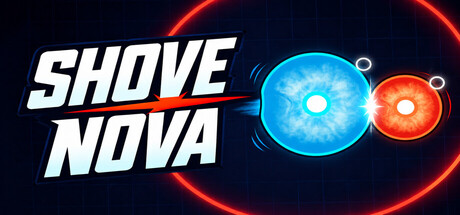 Shove Nova In-game content art | The visuals are generated by AI. | SmallVector | - | Aug 31, 2026 | |
 TohKago In-game content codeaudio | This game uses generative AI in parts of its development.
Generative AI is used to help generate the game's program code. However, all final testing, adjustment, and verification of the generated code are carried out by human developers.
Generative AI is also used to create the game's background music (BGM). | NornLjos | - | Aug 31, 2026 | |
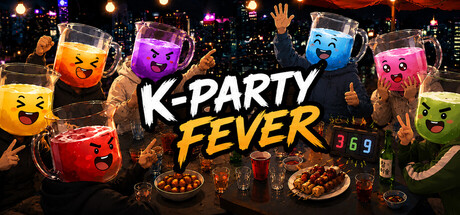 K-PARTY FEVER Store/marketing art | Generative AI was used to create some of the capsule artwork used on the Steam store page. | E13 FunnyLab | - | Aug 31, 2026 | |
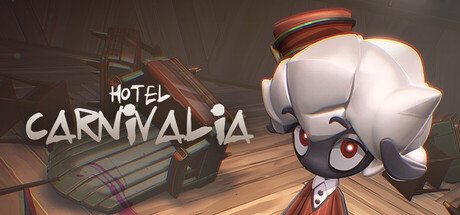 Hotel Carnivalia In-game content arttext | Our team uses generative AI tools to assist with parts of the game's artwork, including some in-game art and store page images, and with first-pass translation of in-game text. All AI-assisted art and translations are reviewed, edited, and finalized by our team. Music and sound effects do not use AI. We hold the necessary rights to all content shipped in this game. No content is generated by AI at runtime. | DARELARK Studio | - | Aug 31, 2026 | |
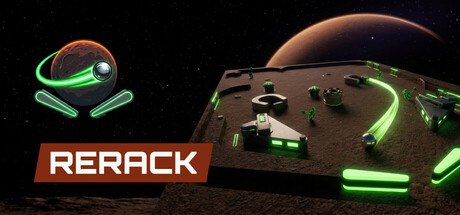 Rerack Unclear | Bilder | Pest Studios | - | Aug 31, 2026 | |
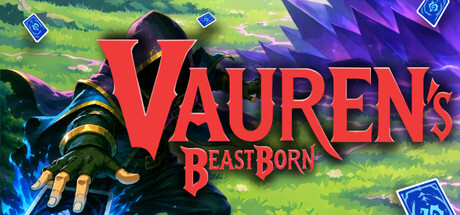 Vauren's BeastBorn In-game content artcode | We have used generative AI to obtain sketches, icons, artwork, and code to move faster in development. | Aharon TB | - | Aug 31, 2026 | |
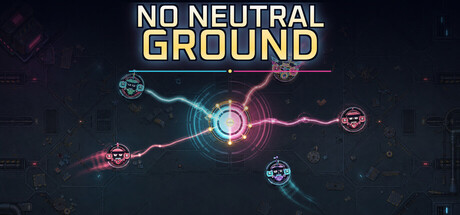 No Neutral Ground In-game content artaudio | AI assisted in-game and store-page visuals, plus music. | Cyvana | - | Aug 31, 2026 | |
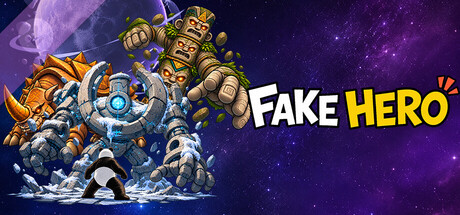 Fake Hero In-game content artaudio | Generative AI tools were used to assist in creating some game assets, including visual and audio content. All AI-assisted content was reviewed and refined by the development team before being included in the game. | Surprising Studio | - | Aug 31, 2026 | |
 Beset Store/marketing art | Generated Content: visual art — characters, environment art and store/marketing capsule images created using Google Gemini, then edited and composited by hand. | Joshua T | - | Aug 31, 2026 | |
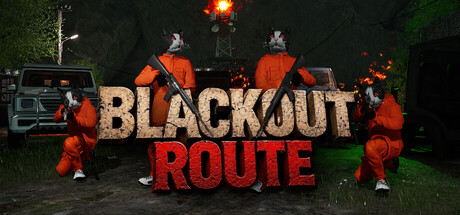 Blackout Route In-game content art | Some marketing capsules, some icons, then reworked by an artist. | Blackout Inc. | - | Aug 30, 2026 | |
 Shuffle Lounge In-game content arttext | Generative AI tools were used during development to assist with the creation and refinement of some 2D UI/art assets and localization text. All AI-assisted content is pre-generated, reviewed, and edited before inclusion in the game. The game does not use live generative AI during gameplay. | 7koma | - | Aug 29, 2026 | |
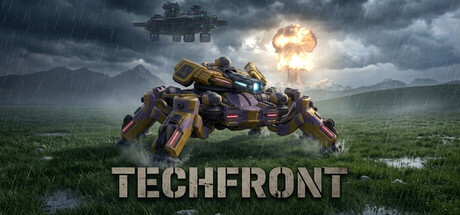 Techfront In-game content art | AI was used to generate some of the background images. | nucleus_genius | - | Aug 29, 2026 | |
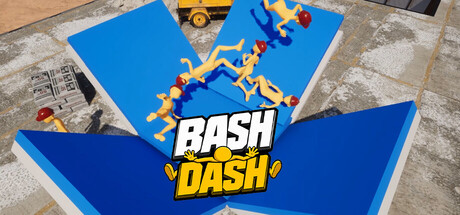 BASHDASH Dev only art | I used generative AI tools to create initial concept art and sketches for my game characters, which I then manually recreated and modeled in 3D myself. I also used AI to assist in sketching the game's official logo | Polytens | - | Aug 29, 2026 | |
 PupRacers In-game content textcode | PupRacers is developed by a solo human developer. AI tools are used as development assistants for various tasks including translations, code assistance, and content creation. All AI output is reviewed, edited, and validated by the developer. The creative vision, game design, and final decisions are 100% human-driven. | Jean-Yves Quentel | - | Aug 29, 2026 | |
 Drums & Steel Unclear art | Artwork is currently initially generated using AI processes | OuterBounds | - | Aug 29, 2026 | |
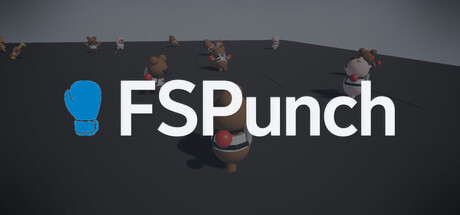 FSPunch In-game content artaudiocode | The game's code was written with the help of an AI coding assistant, following the developer's design direction. Because the characters, arenas, materials and user interface are generated procedurally in code rather than authored as art assets, they are a result of that same process. The background music tracks were generated with Suno (commercial licence). Sound effects are licensed from Mixkit and Freesound. Nothing is generated by AI while the game is running. | opinionampGames | - | Aug 29, 2026 | |
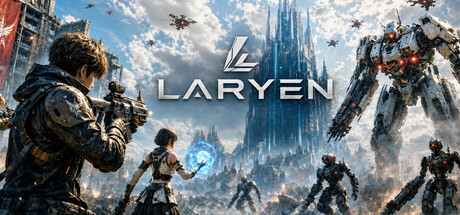 Laryen Live AI text | Laryen includes an optional in-game AI companion named Laria. When a player asks Laria a question by voice or text, her answer is generated at runtime by an AI language model, grounded in Laryen's own game data (monsters, hunting grounds, equipment, drops and progression). Laria answers questions about the game only. She does not generate artwork, music, or content that is shared with other players, and using her is never required to play.
Some artwork used in our store page and marketing materials was created with the assistance of generative AI tools and reviewed by our team before publication. | WITHCENTER | - | Aug 29, 2026 | |
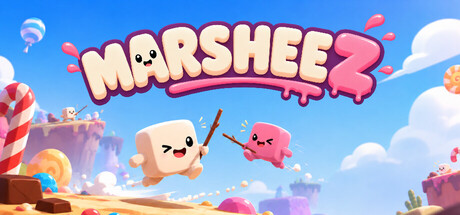 Marsheez In-game content artaudiocode | During development, parts of Marsheez were made with generative AI: some of the source code was written with the help of an AI coding assistant, and some of the art and music were created with help of AI tools and then later edited by the developer. The game does not use any generative AI while you play. | Tijmen Meijer MSc | - | Aug 29, 2026 | |
 Retro Club Dynasty Season 92/93 In-game content art | This game uses generative AI in a limited way, and only for some artwork.
Selected visual assets — including fictional club kits, generic stadium photographs and blueprint-style ground plans — were created or edited with image-generation tools, then reviewed, cropped, and placed by us. Player names, club names, and brands in the public release are invented; they are not official likenesses.
The game itself is not an AI chatbot. Matches, tactics, transfers, finances, and the season are simulated by our own code. No generative AI runs on your PC while you play, and the game does not send your actions to an AI service.
We do not use generative AI to impersonate real clubs, real players, or real people. | Mezko Games | - | Aug 29, 2026 | |
 Bullet Debt In-game content artaudiocode | Generative AI tools were used during development to assist with some visual assets, audio, and code. All content was reviewed, edited, and integrated by the developer. The game does not generate AI content during gameplay. | David Gamble | - | Aug 29, 2026 | |
 Dungeon Miner In-game content arttext | AI tools were used to draft store page text and to translate the in-game text into English, Japanese and Chinese.
AI was also used for part of the art.
All of this was reviewed and edited by the developers.
No AI-generated content is created while the game is running. | hummmmmmm | - | Aug 29, 2026 | |
 Arvel In-game content audioart | Generative AI tools were used during development to create some background music (BGM), images, and icons. | CRANOVA | - | Aug 29, 2026 | |
 Last Shuttle Store/marketing art | AI tools were used to create/enhance some marketing and graphic assets for the Steam store page. | Stray Cat | - | Aug 29, 2026 | |
 Endless Bonds In-game content art | Some graphics and artwork have been made using Ai | Brian710 | - | Aug 29, 2026 | |
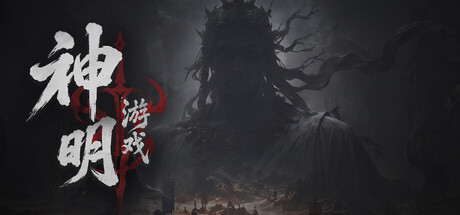 神明游戏 Live AI text | This game utilizes AI during gameplay to dynamically generate partial narrative texts and character dialogue in real time based on game progress, character status, and player choices, which may result in varying text content across different playthroughs. To mitigate the risk of inappropriate output, the game enforces rule constraints, sensitive content detection, and keyword filtering on both AI prompts and generated responses. Any non-compliant content will be blocked or replaced accordingly. | 灵能游戏 | - | Aug 29, 2026 | |
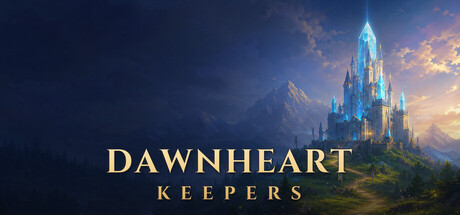 Dawnheart Keepers In-game content artaudiotext | Some of the content in Dawnheart Keepers was created with the help of generative AI tools during development. All of it was made before release: the game does not generate anything with AI while you play, and it never connects to an AI service.
What that covers:
- Illustrated art - menu and story backgrounds, story scenes, the world map, character and tower portraits, and the upgrade-card plates - was made with image-generation models run locally on the developer's own machine, from prompts the developer wrote.
- The English and Hebrew voice-over was generated with ElevenLabs from scripts written by the developer.
- Sound effects were generated from written prompts, or synthesised procedurally in code.
All of it was reviewed, edited, curated and tested by the developer before it shipped, and the same applies to the trailer and store art.
The music is not AI-generated. It is written as code and synthesised by the game itself while you play, the way game soundtracks were built before recorded audio. | ssj2rich | - | Aug 29, 2026 | |
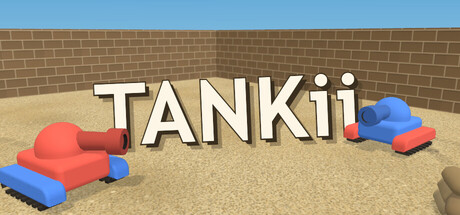 Tankii In-game content codeaudio | AI was used to write the code for the game, and for the sounds effect.
Music and art was all done by a lovely, living human. | Sterling Long | - | Aug 29, 2026 | |
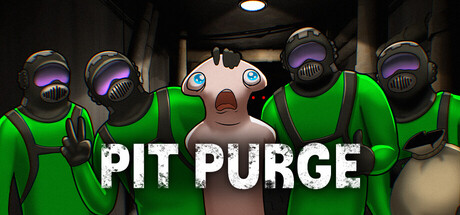 Pit Purge In-game content art | Some icons and images were generated using AI and then manually edited. | Ristanox | - | Aug 29, 2026 | |
 D.A.M.N! In-game content arttext | In early development, the game included some AI-generated graphical elements while I waited for a professional artist's work. I am now gradually integrating that work, but the process is not yet finished. AI also generated the game's English, German, and French localizations from the original Ukrainian text, and later proofread by a human. | The DAMN Board Games | - | Aug 29, 2026 | |
 ViewerFrenzy In-game content audioart | ViewerFrenzy includes pre-generated AI-assisted music and selected visual assets created during development. These assets are reviewed and curated by the development team before inclusion in the game. The game does not use generative AI to create content during gameplay. | OldManObserver | - | Aug 29, 2026 | |
 RoboSquare: Recharged In-game content art | UI Art Assets uses generative artificial intelligence. | Fizz | - | Aug 29, 2026 | |
 Overseas Wars In-game content artaudio | Currently, many illustrations have been enhanced by AI using our own artworks and 3D models as a basis.
In addition, the audio versions of dialogues are produced using AI-generated voices. | Studio 213 | - | Aug 29, 2026 | |
 Echo Seekers In-game content art | This game uses generative AI tools during development to assist with the creation of certain visual assets. All content is reviewed and curated by the development team to ensure quality and consistency with the game's vision. | Grey Tactics | - | Aug 28, 2026 | |
 BUNGLERS! In-game content art | AI tools were used during development to assist with asset creation, texture generation, and development workflows. All AI-generated content was reviewed, modified, and curated by the development team. | Emre Şahin | - | Aug 28, 2026 | |
 Emoji Massacre Store/marketing art | Some of this game's promotional and background artwork was made with generative AI tools and then edited by the developer: the store capsule/key art images, the painted title-screen background, and the cinematic clips used in the intro trailer. All gameplay, code, game design, in-game visuals (the emoji fighters, gloves, effects and UI), sound effects and music were created without generative AI. No AI content is generated during gameplay and the game does not connect to any AI service. | UndaWirrld Arcade | - | Aug 28, 2026 | |
 それゆけ!パンジャンドラム In-game content textart | We used Claude (Anthropic) during development for the following:
- Writing the store page description
- Assisting with the translation of in-game text
- Generating some simple in-game objects | WINGLAY | - | Aug 28, 2026 | |
 SIDE OUT Dev only arttextcode | SIDE OUT was built with AI-assisted development tools. No artwork, audio, text or other content in the game is generated by AI. All visuals are drawn procedurally in code, and all store text is written by hand. | antics | - | Aug 28, 2026 | |
 Chess: Apex Unclear | Generative AI tools were used during development to assist with the creation of some content. | Netherlate Games | - | Aug 28, 2026 | |
 Last Paddle Standing In-game content arttext | Artwork used on the Steam store page was created with the assistance of generative AI and was subsequently manually edited, refined, and improved. AI tools were also used to assist with the localization of the Steam store page. | TAYN Games | - | Aug 28, 2026 | |
 Close Enough In-game content arttextcode | Close Enough was built with generative AI. The code, the in-game text, the level layouts and all seven translations were written by an AI assistant (Claude) working to the developer's direction, and most of what you see on screen — the objects, the whole interface — is drawn by that code rather than loaded from image files.
The doodle recognition inside the game is not generative. It is a small image classifier bundled with the game, trained on Google's Quick, Draw! dataset of human-drawn doodles. It runs entirely on your own computer, sorts each drawing into one of 100 pre-defined objects and creates nothing. Your drawings are never uploaded, and the release build contains no code that could upload them.
The sprites, tiles, music, sound effects and font are licensed assets made by people, not by AI. Every one of them is credited inside the game under Esc → Credits. | dodnd | - | Aug 28, 2026 | |
 Roulette Simulator 2027 In-game content art | The character selection screen uses some art that has been created with the assistance of AI.
The character art display on the store page has been partially created with the assistance of AI. | FlagmanJeremy | - | Aug 28, 2026 | |
 Scrapstorm In-game content audiotext | There is usage of generative AI in two places and everything it produced has been reviewed. The soundtrack was created with the assistance of AI, and some of the writing was drafted with an AI assistant and then edited afterwards: card, UI and help text, the Simplified Chinese translation, and the store page and marketing copy. Nothing else is model output — the logo, the app icon and every visual in the game are drawn by the game's own code from geometry in the source, and the sound effects are synthesized as you play. | Pixiliated | - | Aug 28, 2026 | |
 Didgeridoo Man In-game content audiotext | Generative AI is used in this game for tasks such as music generation. As an indie game and a small software development studio, we simply do not have the budget to license a large number of well-known and popular songs. Unfortunately, nothing comes for free – so AI is used as an alternative.
AI is also used for tasks such as integrating graphics, music and beat analysis, and translating content. AI can complete time-consuming tasks within minutes that would otherwise take a human several hours.
No jobs are being replaced or put at risk through the use of AI in this project. This “crazy game” was still made with lots of love by humans. An AI probably would not have come up with a game idea like this anyway.
And because it fits the topic far too well: purely on principle, this disclosure text was of course also written with the help of AI. | Studio Justin Braun | - | Aug 28, 2026 | |
 SILENT TRACKS Dev only art | I’m a solo developer doing my first-ever coding project. With no prior coding experience, I relied heavily on tons of tutorials to write the code and used AI to assist when troubleshooting some bugs. I also used AI to generate some of the project's visual content and images but mainly tried to use actual human work. It's been a massive learning experience, so thanks for your time, and I hope you can enjoy my project :) | POLLO LABs | - | Aug 28, 2026 | |
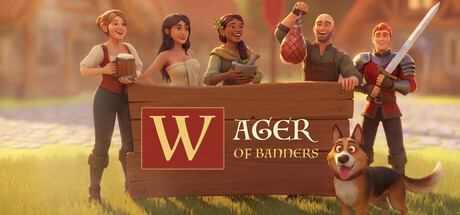 Wager of Banners In-game content art | Some small props and interface icons in this game began as AI-generated meshes and textures (text-to-3D / image-to-3D), which were then reworked by hand, retopologised, re-scaled, colour-graded and assembled before shipping. All other art comes from licensed asset packs and hand kitbashing. Nothing is generated live: no AI runs during play, and no player input is sent to an AI service. | Curds & Crowns | - | Aug 28, 2026 |


