


Disclosure
Used to create concept imagery
- Creator
- Tuckspace Games
- Reviews
- -
- Added
- Sep 7, 2026
Public Steam disclosure research 27,951 disclosures tracked
Search developers’ Steam disclosures, compare classified AI use across games, and follow recorded changes. This index adds cross-game classifications and statistics to statements published on individual store pages.
Code help, debugging and other development work.
Capsule art, trailers and promotional material.
Pre-made art, audio, writing and other game assets.
Interactive or runtime AI features disclosed by the developer.
Groups reflect automatic analysis of public disclosures; mature records are excluded. These counts do not measure AI use across all of Steam. Missing or unclear statements cannot establish whether a game uses AI.
Used to create concept imagery
HOSHIKIRI's content was created with generative AI tools: the character illustrations and their animation, the other in-game art and interface graphics, the music, sound effects and character voices, and the in-game text and its translations. Store page and marketing images are made from this same content. No AI content is generated while you play.
Some sounds, visuals and translations were created with the assistance of AI tools, then hand-edited by the developer
Much of the 2D artwork in TRAP LAB — character sprites, enemy and boss art, and cutscene illustrations — was created with the help of generative AI image tools. Every generated image was hand-selected, edited, and assembled by the developer before being used in the game. The game's code, level design, and audio are hand-made and are not AI-generated.
The character skill map and background scene background map use some AI, and the background music uses some AI
Most of the game's 2D art assets — including monster sprites, map backgrounds, skill and skill tree icons, achievement icons, and store/marketing key art — were created with the assistance of generative AI image tools and then reviewed and edited by the developer. Portions of the localization text (store page and in-game translations) were produced with AI assistance under human review. The game does not generate any content with AI at runtime.
Wizard Disaster was made by a solo developer, using generative AI tools as part of the production pipeline. Art. Character, boss and background artwork, and the source frames the animations are built from, were produced with generative image and video tools. Everything was then cut, keyed, aligned, retimed and composited by hand into the sheets the game actually plays. The generated output is the raw material, not the finished asset. Concept passes were made the same way. Audio. The music and most of the sound effects were generated with Suno, then trimmed, pitched, levelled and fitted to the length of the action each one accompanies. Not all of the audio is generated: a number of the effects are synthesised procedurally in code from a 1930s orchestra-pit palette, and the wizard's own voice (his cries and shouts) are human recordings. Code. Generative AI was used as a programming assistant during development, and to build and run the automated test harnesses that measure boss pacing, damage output and medal times. Those harnesses are development-only tooling and are not part of the shipped game. The game contains no live-generated AI content. Nothing is generated while you play, and the game makes no network or AI service calls at runtime.
Certain Audio and UI Elements were generated or heavily assisted through AI generation.
Generative AI was used for localization.
Generative AI was used during development to assist with the creation of some pre-generated visual assets, promotional artwork, and localization text. All AI-assisted content was reviewed and edited by the developer before being included. The game does not use live generative AI during gameplay.
Generative AI was used during development as an assistance tool for code development, review, debugging, and refinement. Final implementation and testing were performed by the developer. The game does not use generative AI to create content at runtime. Visual assets are either original works or appropriately licensed third-party assets that were manually edited and adapted for the game.
Pre-generated: Steam store capsule and library key art was created using OpenAI image generation and then cropped, titled, and prepared by the developer. No generative AI runs during gameplay.
We used generative AI tools during development to create a limited set of pre-generated assets included in the game, including some voice-over lines, vocalizations, and select in-game textures or visual assets. All AI-assisted assets were reviewed, edited, and approved by our team before being included. No AI content is generated during gameplay, and the game does not connect to external AI services.
Generative AI tools were used during development to assist with some code, visual assets, and English voice and audio content. The game's design, selection, editing, integration, balancing, testing, and final creative decisions are handled and reviewed by the developer before release.
DEFLEKT uses AI-generated assets created during development ("pre-generated"): 3D models for ships, bosses and environment dioramas, background artwork, and portions of the music soundtrack were generated with AI tools and then curated, edited and integrated by the developer. Sound effects are CC0 licensed (Kenney.nl). The game does not generate any content with AI at runtime.
The artwork, background music, in-game text and story, localizations into all supported languages, and store-page text in this game were created using generative AI tools, then curated, edited, and assembled by the developer. The game contains no live AI generation — all content is fixed and produced ahead of release.
Generative AI was used as a production aid for character portraits, backgrounds, some UI elements, music and sound effects, and localization. AI-assisted tools were also used during development. The game's combat systems, boss mechanics, character builds, progression, balance, and overall game design were created by the developer.
We use AI-assisted tools in parts of our development process to assist with content creation, improve productivity, and streamline routine tasks so our team has more time for creative work. Where we use these tools, the work is directed, reviewed, and finalized by our team.
We used generative AI for the English and Simplified Chinese localization of the game.
Music and sound effects were generated and modified using AI tools.
Some assets used in this game may have been created using AI. Information about these assets can be found in the game's credits.
Some graphics (including certain illustrations and character elements) were created using generative AI
Generative artificial intelligence tools were used to assist with creating and iterating on some audio, visual, and code assets. All AI-assisted content was manually reviewed, edited, and integrated by the developer.
I have used Claude Code to create the game itself code and assets.
This game use generative AI to setup theming, characters and monsters sprites and sounds to speed-up and fill the gap I don't capable of. After generated they're well test and tune to ensure player can have fun with it.
AI was used during development to assist with code generation, some graphical assets, and selected music or audio elements. All content was reviewed and edited by the developer before being included in the game.
This title uses generative AI for part of its localization process. AI-generated translation drafts are reviewed and edited by the developer before implementation. No content is dynamically generated by generative AI during gameplay.
This game uses AI to assist in creating some of the games Assets
AI was used for initial code reviews. Everything it produced was carefully reviewd, and we shipped those results in early production. It also served as a great "rubber duck".
During development, procedural- and AI-based tools were used to assist with content creation. In all cases, the final game reflects the creativity, design and expression of its solo developer.
Some of the promotional and storefront images were created with AI tools and then refined by hand. All of the in-game assets were designed by a 3D artist.
Hi, fellow players! While developing Flavor Legend, I used AI to assist in generating some character models, art textures, animation videos, background music, and ambient sound effects. All these assets have been manually reviewed and revised. The core gameplay, story, and all interactive experiences of the game are entirely original and created by me, with no AI-driven NPCs or dialogue features used. If any copyright disputes are found in the future, I will adjust and replace them immediately. Thank you for your understanding and support!
BROKEN SOUL : Boss Rush is a solo-developed game, and generative AI tools were used during development to assist with the creation of some visual assets and promotional materials. However, the game’s ideas, combat design, and system logic were all personally conceived and implemented, and every piece of content that appears in the final game was also directly selected, edited, and reviewed before completion. This is not a game that was made easily, but rather one that was brought to completion by making full use of every available tool and resource. If the game receives greater support in the future, there are plans to further expand and improve various elements, including the art assets, to an even higher level of quality. The game does not include any functionality that generates content with generative AI in real time during gameplay.
AI tools were used to generate secondary visual assets, such as some skill icons, and background textures. All AI-generated assets have been heavily hand-edited and refined by the developer to ensure a consistent visual style that aligns with the game's aesthetic. All musical compositions were created entirely from scratch without the use of AI.
We only used AI to localize English, Japanese, Simplifed Chinese, and Traditional Chinese.
I used generative AI tools to assist parts of production, including writing support (proofreading/translation) and the creation of some visual elements. AI was used to generate or iterate on specific visual assets (e.g., promotional images and/or certain 2D visuals), which were then curated and edited by me. Core development decisions (game design, implementation, narrative structure, and final integration) were made by me, and all AI-assisted outputs were reviewed and adjusted to fit the game’s artistic direction.
AI has been used to translate the game into different languages.
Some of the images in this game are created using artificial intelligence.
This game used generative AI as a development aid in the following areas: Store Capsule: Generative AI tools were used to create or assist in the production of some visual assets. Final compositions, layout adjustments, cropping, and any post-processing were reviewed and approved by the developer. Coding: Used to generate and refine draft code and provide debugging suggestions. All final code is reviewed and integrated by the developer. Audio (BGM & SFX): Some background music and sound effects were generated using generative AI tools; other audio assets were created or sourced by the developer. AI-generated audio is generally used close to the original output, with light processing such as trimming, volume leveling, and format conversion when necessary. Narrative: Used to support drafting and iteration (for example, wording alternatives and structural adjustments). All in-game text is reviewed by the developer. Localization: Some language translations were generated with AI assistance and reviewed or edited where feasible. No generative AI is used to create new content in real time during gameplay. All AI usage is limited to development and asset creation.
Some graphics created with AI assistance.
The game does not generate content at runtime using AI. Generative AI tools were used only during development to assist with the creation of visual assets. All AI-assisted assets were reviewed, edited, and finalized by the development team to ensure originality and compliance with copyright laws. Players cannot generate or upload AI-generated content within the game.
AI-assisted translation is used for localization on this store page and in parts of the in-game text.
The game was programmed by the developer. AI was used as a code-reviewer and suggested changes were implemented within individual functions. Some sound effects were AI generated. Others were legally sourced or recorded by the developer. All sound effects were edited by the developer. To the best of my knowledge, no AI generated images exist in this game. Every animation in the game was made by the developer. Some of the background objects, tile sprites, and fire sprites were sourced from legally purchased asset packs and then modified by the developer.
The translations in this game (excluding English and Polish) were prepared with the assistance of artificial intelligence. Each text has been verified and edited by the developer.
AI was used in music and coding assistance and marketing text. No art, character design or animation was assisted by AI.
AI was used in the coding of this game, the asset generation, brainstorming practical solutions.
This game uses pre-generated AI art. All in-game elements—including illustrations, backgrounds, and bosses—were created with generative tools and then edited and refined by the developer. The only exceptions are a few assets.
Pre-created music with separated tracks created with AI
A small number of sound effects were generated using AI. Please note all voice acting in the game was created and performed by human actors. AI was also used to translate the game from English to other languages.
This game includes pre-rendered content created using generative AI tools. Battle card illustrations and store marketing images were generated with AI-based design software. No content or code is generated via AI during gameplay. All in-game content is based on pre-created assets.
| Title⇅ | Disclosure | Creator⇅ | Src | Reviews⇅ | Added↓ |
|---|---|---|---|---|---|
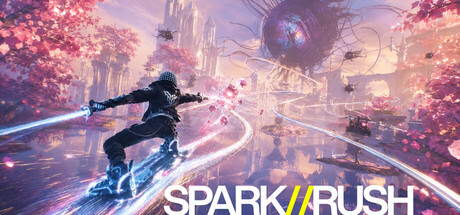 SPARK//RUSH Unclear art | Used to create concept imagery | Tuckspace Games | - | Sep 7, 2026 | |
 星斩 In-game content artaudiotext | HOSHIKIRI's content was created with generative AI tools: the character illustrations and their animation, the other in-game art and interface graphics, the music, sound effects and character voices, and the in-game text and its translations. Store page and marketing images are made from this same content. No AI content is generated while you play. | NemoQ Studio | - | Sep 6, 2026 | |
 Punch The Monkey In-game content audioarttext | Some sounds, visuals and translations were created with the assistance of AI tools, then hand-edited by the developer | DiamondDev | - | Aug 29, 2026 | |
 TRAP LAB In-game content art | Much of the 2D artwork in TRAP LAB — character sprites, enemy and boss art, and cutscene illustrations — was created with the help of generative AI image tools. Every generated image was hand-selected, edited, and assembled by the developer before being used in the game. The game's code, level design, and audio are hand-made and are not AI-generated. | Boohsted | - | Aug 16, 2026 | |
 Adventure Honor In-game content artaudio | The character skill map and background scene background map use some AI, and the background music uses some AI | Laing Game | 10 | Aug 16, 2026 | |
 Incremental Magic In-game content arttext | Most of the game's 2D art assets — including monster sprites, map backgrounds, skill and skill tree icons, achievement icons, and store/marketing key art — were created with the assistance of generative AI image tools and then reviewed and edited by the developer. Portions of the localization text (store page and in-game translations) were produced with AI assistance under human review. The game does not generate any content with AI at runtime. | Natural Nomad | - | Aug 14, 2026 | |
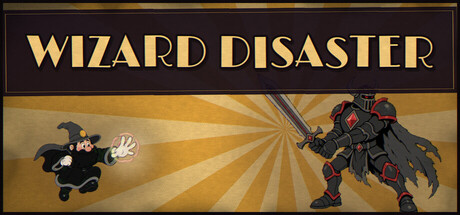 Wizard Disaster In-game content artaudiocode | Wizard Disaster was made by a solo developer, using generative AI tools as part of the production pipeline.
Art. Character, boss and background artwork, and the source frames the animations are built from, were produced with generative image and video tools. Everything was then cut, keyed, aligned, retimed and composited by hand into the sheets the game actually plays. The generated output is the raw material, not the finished asset. Concept passes were made the same way.
Audio. The music and most of the sound effects were generated with Suno, then trimmed, pitched, levelled and fitted to the length of the action each one accompanies. Not all of the audio is generated: a number of the effects are synthesised procedurally in code from a 1930s orchestra-pit palette, and the wizard's own voice (his cries and shouts) are human recordings.
Code. Generative AI was used as a programming assistant during development, and to build and run the automated test harnesses that measure boss pacing, damage output and medal times. Those harnesses are development-only tooling and are not part of the shipped game.
The game contains no live-generated AI content. Nothing is generated while you play, and the game makes no network or AI service calls at runtime. | Slimboy M. | - | Aug 11, 2026 | |
 Arena of the Forge In-game content audioart | Certain Audio and UI Elements were generated or heavily assisted through AI generation. | SHIGH Games | - | Aug 4, 2026 | |
 UNLOAD In-game content text | Generative AI was used for localization. | RooTwo | 72 | Jul 29, 2026 | |
 BLUE SHIP In-game content arttext | Generative AI was used during development to assist with the creation of some pre-generated visual assets, promotional artwork, and localization text. All AI-assisted content was reviewed and edited by the developer before being included. The game does not use live generative AI during gameplay. | HAE GAME STUDIO | - | Jul 25, 2026 | |
 Starforge Reborn Dev only code | Generative AI was used during development as an assistance tool for code development, review, debugging, and refinement. Final implementation and testing were performed by the developer. The game does not use generative AI to create content at runtime. Visual assets are either original works or appropriately licensed third-party assets that were manually edited and adapted for the game. | CommandoGamesStudio | - | Jul 18, 2026 | |
 EAT THE RICH Store/marketing art | Pre-generated: Steam store capsule and library key art was created using OpenAI image generation and then cropped, titled, and prepared by the developer. No generative AI runs during gameplay. | alyssastahp | - | Jul 17, 2026 | |
 Chakravyuh In-game content audioart | We used generative AI tools during development to create a limited set of pre-generated assets included in the game, including some voice-over lines, vocalizations, and select in-game textures or visual assets. All AI-assisted assets were reviewed, edited, and approved by our team before being included. No AI content is generated during gameplay, and the game does not connect to external AI services. | Silvine Game Studios | - | Jul 16, 2026 | |
 Nova Swarm In-game content artaudiocode | Generative AI tools were used during development to assist with some code, visual assets, and English voice and audio content. The game's design, selection, editing, integration, balancing, testing, and final creative decisions are handled and reviewed by the developer before release. | Tiny Foundry | 12 | Jul 15, 2026 | |
 DEFLEKT In-game content artaudio | DEFLEKT uses AI-generated assets created during development ("pre-generated"): 3D models for ships, bosses and environment dioramas, background artwork, and portions of the music soundtrack were generated with AI tools and then curated, edited and integrated by the developer. Sound effects are CC0 licensed (Kenney.nl). The game does not generate any content with AI at runtime. | Mayd-It Games | - | Jul 7, 2026 | |
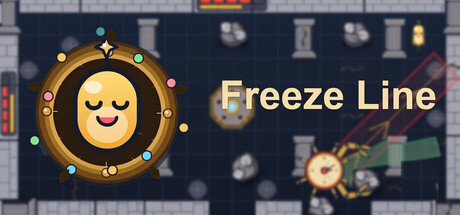 Freeze Line In-game content artaudiotext | The artwork, background music, in-game text and story, localizations into all supported languages, and store-page text in this game were created using generative AI tools, then curated, edited, and assembled by the developer. The game contains no live AI generation — all content is fixed and produced ahead of release. | ZeroTick Studio | - | Jul 6, 2026 | |
 Throne of Trials In-game content artaudiotext | Generative AI was used as a production aid for character portraits, backgrounds, some UI elements, music and sound effects, and localization. AI-assisted tools were also used during development.
The game's combat systems, boss mechanics, character builds, progression, balance, and overall game design were created by the developer. | AtuRPG | - | Jun 28, 2026 | |
 Firefly Trials Dev only artaudiocodetext | We use AI-assisted tools in parts of our development process to assist with content creation, improve productivity, and streamline routine tasks so our team has more time for creative work. Where we use these tools, the work is directed, reviewed, and finalized by our team. | Team Mochi | - | Jun 12, 2026 | |
 ウィッチハント0 In-game content text | We used generative AI for the English and Simplified Chinese localization of the game. | MIKANNEKO | - | Jun 11, 2026 | |
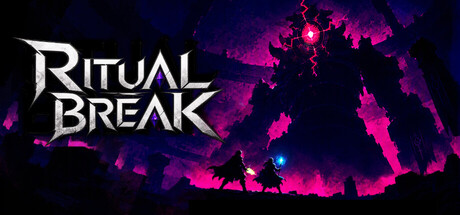 Ritual Break In-game content audio | Music and sound effects were generated and modified using AI tools. | Lazy Hamster | - | Jun 10, 2026 | |
 The Magic Master In-game content artaudiotext | Some assets used in this game may have been created using AI. Information about these assets can be found in the game's credits. | BERCAMILAN | - | Jun 9, 2026 | |
 Dungeon Monster Master Store/marketing art | Some graphics (including certain illustrations and character elements) were created using generative AI | Jin Studio | - | Jun 3, 2026 | |
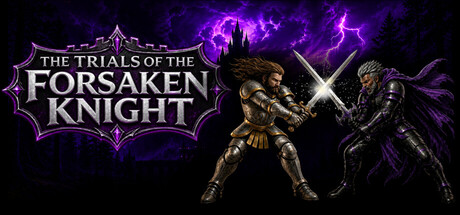 The Trials of the Forsaken Knight In-game content artaudiocode | Generative artificial intelligence tools were used to assist with creating and iterating on some audio, visual, and code assets. All AI-assisted content was manually reviewed, edited, and integrated by the developer. | Clown Logic Games | - | May 23, 2026 | |
 Endless Snake In-game content codeart | I have used Claude Code to create the game itself code and assets. | Pinch Games | - | May 23, 2026 | |
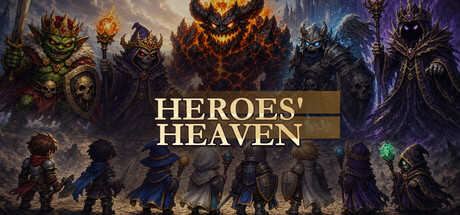 Heroes' heaven In-game content artaudio | This game use generative AI to setup theming, characters and monsters sprites and sounds to speed-up and fill the gap I don't capable of. After generated they're well test and tune to ensure player can have fun with it. | Majestic Casual Gaming | - | May 23, 2026 | |
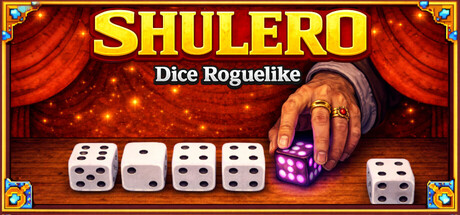 SHULERO – Dice Roguelike In-game content artaudiocode | AI was used during development to assist with code generation, some graphical assets, and selected music or audio elements. All content was reviewed and edited by the developer before being included in the game. | Airem | - | May 23, 2026 | |
 Elecade In-game content text | This title uses generative AI for part of its localization process.
AI-generated translation drafts are reviewed and edited by the developer before implementation.
No content is dynamically generated by generative AI during gameplay. | PongorianGames | - | May 23, 2026 | |
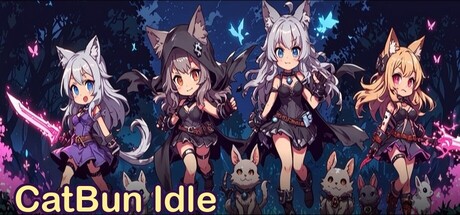 CatBun Idle In-game content art | This game uses AI to assist in creating some of the games Assets | Lone Pixel Studios | - | May 23, 2026 | |
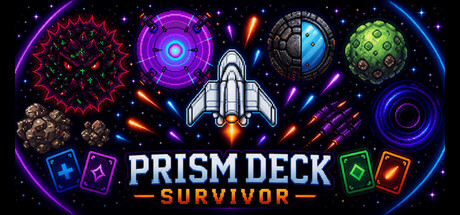 Prism Deck Survivor Dev only code | AI was used for initial code reviews. Everything it produced was carefully reviewd, and we shipped those results in early production. It also served as a great "rubber duck". | CryCauseDry | - | May 23, 2026 | |
 Void Balls Dev only | During development, procedural- and AI-based tools were used to assist with content creation. In all cases, the final game reflects the creativity, design and expression of its solo developer. | LoopedInGames | - | May 23, 2026 | |
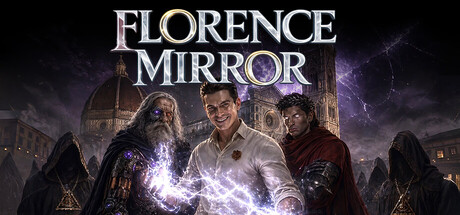 Florence Mirror In-game content art | Some of the promotional and storefront images were created with AI tools and then refined by hand. All of the in-game assets were designed by a 3D artist. | FLOREGO, EerieEchoGames | - | May 23, 2026 | |
 风味传奇 In-game content artaudio | Hi, fellow players! While developing Flavor Legend, I used AI to assist in generating some character models, art textures, animation videos, background music, and ambient sound effects. All these assets have been manually reviewed and revised. The core gameplay, story, and all interactive experiences of the game are entirely original and created by me, with no AI-driven NPCs or dialogue features used. If any copyright disputes are found in the future, I will adjust and replace them immediately. Thank you for your understanding and support! | Luminous Voyage | - | May 23, 2026 | |
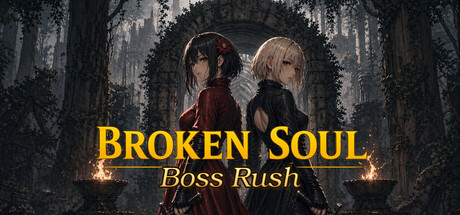 BROKEN SOUL : Boss Rush In-game content art | BROKEN SOUL : Boss Rush is a solo-developed game, and generative AI tools were used during development to assist with the creation of some visual assets and promotional materials. However, the game’s ideas, combat design, and system logic were all personally conceived and implemented, and every piece of content that appears in the final game was also directly selected, edited, and reviewed before completion. This is not a game that was made easily, but rather one that was brought to completion by making full use of every available tool and resource. If the game receives greater support in the future, there are plans to further expand and improve various elements, including the art assets, to an even higher level of quality. The game does not include any functionality that generates content with generative AI in real time during gameplay. | DoubleJLabs | - | May 23, 2026 | |
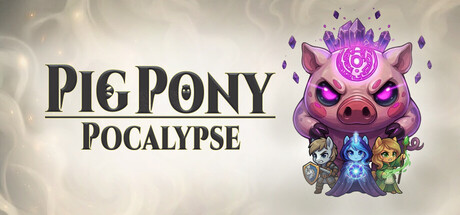 PigPonyPocalypse In-game content art | AI tools were used to generate secondary visual assets, such as some skill icons, and background textures. All AI-generated assets have been heavily hand-edited and refined by the developer to ensure a consistent visual style that aligns with the game's aesthetic. All musical compositions were created entirely from scratch without the use of AI. | Alterhead Games | - | May 23, 2026 | |
 MEHEN text | We only used AI to localize English, Japanese, Simplifed Chinese, and Traditional Chinese. | Espero Studio | - | May 23, 2026 | |
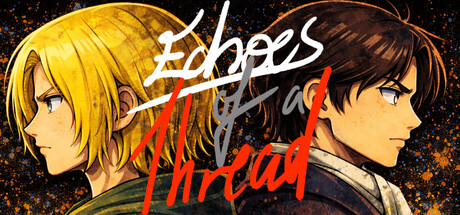 Echoes of a Thread Store/marketing arttext | I used generative AI tools to assist parts of production, including writing support (proofreading/translation) and the creation of some visual elements. AI was used to generate or iterate on specific visual assets (e.g., promotional images and/or certain 2D visuals), which were then curated and edited by me. Core development decisions (game design, implementation, narrative structure, and final integration) were made by me, and all AI-assisted outputs were reviewed and adjusted to fit the game’s artistic direction. | Alexis Chanyabanchachai | - | Mar 18, 2026 | |
 Unknown Entity In-game content text | AI has been used to translate the game into different languages. | AngrioterGames | - | Mar 18, 2026 | |
 Grim Hammer In-game content art | Some of the images in this game are created using artificial intelligence. | kazakovstudios | 12 | Mar 18, 2026 | |
 Lucid Dream In-game content artaudiotextcode | This game used generative AI as a development aid in the following areas:
Store Capsule:
Generative AI tools were used to create or assist in the production of some visual assets. Final compositions, layout adjustments, cropping, and any post-processing were reviewed and approved by the developer.
Coding:
Used to generate and refine draft code and provide debugging suggestions. All final code is reviewed and integrated by the developer.
Audio (BGM & SFX):
Some background music and sound effects were generated using generative AI tools; other audio assets were created or sourced by the developer. AI-generated audio is generally used close to the original output, with light processing such as trimming, volume leveling, and format conversion when necessary.
Narrative:
Used to support drafting and iteration (for example, wording alternatives and structural adjustments). All in-game text is reviewed by the developer.
Localization:
Some language translations were generated with AI assistance and reviewed or edited where feasible.
No generative AI is used to create new content in real time during gameplay. All AI usage is limited to development and asset creation. | Ragdall_ | - | Mar 18, 2026 | |
 MARINE.EXE - Desktop RPG In-game content art | Some graphics created with AI assistance. | Exopoint Initiative | - | Mar 18, 2026 | |
 Greedling: 2D Boss Rush In-game content art | The game does not generate content at runtime using AI.
Generative AI tools were used only during development to assist with the creation of visual assets.
All AI-assisted assets were reviewed, edited, and finalized by the development team to ensure originality and compliance with copyright laws.
Players cannot generate or upload AI-generated content within the game. | Goblin Catapult Studio | - | Mar 18, 2026 | |
 GRID/ In-game content text | AI-assisted translation is used for localization on this store page and in parts of the in-game text. | ノエノエゲームズ | - | Mar 18, 2026 | |
 What A World In-game content codeaudioart | The game was programmed by the developer. AI was used as a code-reviewer and suggested changes were implemented within individual functions.
Some sound effects were AI generated. Others were legally sourced or recorded by the developer. All sound effects were edited by the developer.
To the best of my knowledge, no AI generated images exist in this game. Every animation in the game was made by the developer. Some of the background objects, tile sprites, and fire sprites were sourced from legally purchased asset packs and then modified by the developer. | Jesse Bensen | - | Mar 18, 2026 | |
 Saveggies In-game content text | The translations in this game (excluding English and Polish) were prepared with the assistance of artificial intelligence. Each text has been verified and edited by the developer. | melancode | - | Mar 18, 2026 | |
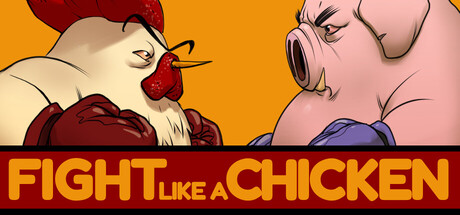 Fight Like a Chicken In-game content audiotextcode | AI was used in music and coding assistance and marketing text. No art, character design or animation was assisted by AI. | Uncanny Games | - | Mar 18, 2026 | |
 FlashBoss Dev only codeart | AI was used in the coding of this game, the asset generation, brainstorming practical solutions. | Odiin | 14 | Mar 18, 2026 | |
 WALTO In-game content art | This game uses pre-generated AI art. All in-game elements—including illustrations, backgrounds, and bosses—were created with generative tools and then edited and refined by the developer. The only exceptions are a few assets. | KUKUKU GAMES | - | Mar 18, 2026 | |
 Circle of Bosses In-game content audio | Pre-created music with separated tracks created with AI | WILDGRIP | - | Mar 18, 2026 | |
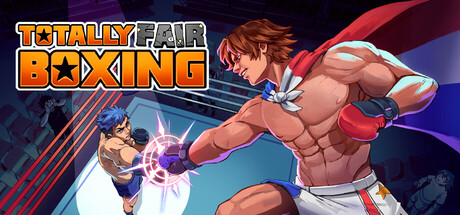 Totally Fair Boxing In-game content audiotext | A small number of sound effects were generated using AI. Please note all voice acting in the game was created and performed by human actors. AI was also used to translate the game from English to other languages. | CoDeanGames | - | Mar 18, 2026 | |
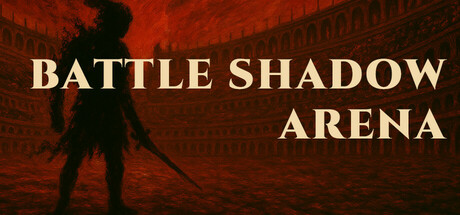 BATTLE SHADOW ARENA In-game content art | This game includes pre-rendered content created using generative AI tools.
Battle card illustrations and store marketing images were generated with AI-based design software.
No content or code is generated via AI during gameplay. All in-game content is based on pre-created assets. | Zni Games | - | Mar 18, 2026 |


