Public Steam disclosure research25,376 disclosures tracked
Where do games disclose AI use?
Search developers’ Steam disclosures, compare classified AI use across
games, and follow recorded changes.
This index adds cross-game classifications and statistics to
statements published on individual store pages.
Groups reflect automatic analysis of public disclosures; mature records are excluded. These counts do not measure AI use across all of Steam.
Missing or unclear statements cannot establish whether a game uses AI.
Pre-generated content: generative AI tools were used during development to help create some of the game's 3D models, concept art and illustrations, music, voice lines and sound effects, as well as part of the store artwork and trailer footage. All of this content was selected, edited, integrated and adjusted by hand by the developer. The game's design, writing, story, code and balance are human-made. No content is generated by AI while the game is running.
Some 2D artwork and visual assets were created with the assistance of generative AI tools during development and were reviewed and edited by the developer. The game does not generate AI content during gameplay.
This game was created with extensive AI assistance. AI-generated and AI-assisted content is used in the game, store artwork, descriptions and trailer. This includes graphics and artwork, text, and contributions to programming, music and trailer production. The trailer and screenshots show actual footage captured from the game. No generative AI content is created during gameplay, and the game does not connect to external AI services while being played.
Generative AI tools were used during development to assist with portions of the game’s pre-generated 2D character and promotional artwork, localization drafts, and code. All AI-assisted material was reviewed, selected, and edited by the developer before inclusion. The game does not generate AI content during gameplay.
Generative AI tools were used during development to create selected visual assets and music. All generated content was reviewed, selected, edited where necessary, and integrated by the developer.
Generative AI tools were used during development to assist in the creation of certain pre-rendered visual content, including character assets, artwork, and marketing materials. All AI-assisted content was reviewed, selected, and incorporated by the development team before being included in the game or its promotional materials.
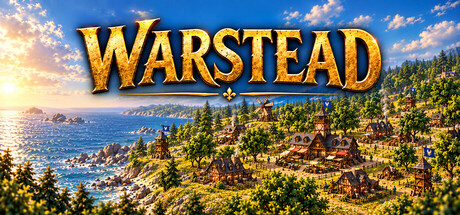
Generative AI tools were used as part of the development of Warstead to support the creation of visual content, sound effects, and video content such as trailers, helping to speed up the development process.
Generative AI tools were used during development to assist with the creation and iteration of some game assets and development code. AI-assisted content included in the final game is pre-generated and reviewed by the developer. The game does not generate AI content during gameplay.
This game has been made by a solo developper with the help of AI. Gamers deserve dozens of hours of fun at a cheap price, that's what the use of AI should aim for, and that's what this game is about. Zero information collected.
During the development of this game, we utilized generative artificial intelligence tools—specifically Claude, Gemini, and Codex (GPT)—to assist with programming, debugging, and drafting text/documentation.
Code and Systems: AI models were used as development assistants to help write, refactor, and troubleshoot code logic.
Text and Documentation: AI assistants were used to brainstorm and draft text content, which was then thoroughly reviewed, edited, and manually integrated by our development team.
Some of the game's 2D art (characters, enemies, backgrounds and icons) was created with the help of generative AI tools and then edited, cleaned up and reviewed by the developer. Some translations were also made with AI assistance. No AI content is generated while the game is running, and the game does not connect to any AI service.
Generative AI was used during development to help create some visual and audio assets, dialogue, and translations. This content was selected and edited during development and incorporated into the game. No content is generated by AI in real time during gameplay.
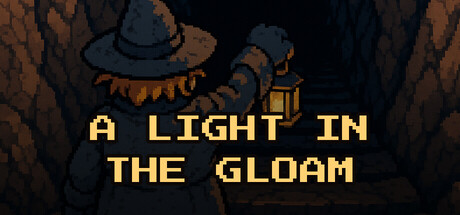
A Light in the Gloam uses pre-generated AI content. Nothing is generated while the game is running, and the game makes no network calls of any kind.
Visual art: all in-game art was generated with OpenAI's image model (gpt-image-1) from prompts written by hand, then processed by our own scripts, which downscale it, quantise it to a fixed palette and trim it before it is placed in the game. This covers 14 character portraits, 43 enemy and boss sprites, 63 item icons, 27 wall, floor and ceiling textures, 10 dungeon props, 21 achievement emblems, and 14 town and title backdrops. The store capsules and the client icons are crops of the title-screen generation rather than new images.
Music and sound: all 14 music tracks were generated with ElevenLabs' music model and all 47 sound effects with ElevenLabs' sound-effects model, both from written prompts and both post-processed by our own scripts for level and length. There is no voice acting and no synthesised speech anywhere in the game.
Writing and translation: the game's text, meaning item and monster descriptions, dialogue, menus and the story, was written with the assistance of a large language model and then edited by hand. The Brazilian Portuguese translation was produced the same way and reviewed against the English.
Generative AI tools were used during development to assist with concept development and the creation of some visual assets. AI-generated material was reviewed, edited, and integrated by the developer to fit the game’s visual style and design. Generative AI is not used during gameplay and no content is generated dynamically for players.
AI tools were used to help draft and edit some English text: store page copy and some in-game UI strings such as hints, item descriptions and dialogs. All text was reviewed and edited by the developer. All art, models, audio and music are human-made or licensed assets. The game does not generate any content with AI at runtime.
AI tools assisted with the game's code and some written text during development. All artwork comes from the game's own engine, being web code. The music is composed by Juhani Junkala, and nothing is generated while you play.
Character, enemy and environment art were generated with AI tools, then curated, edited and integrated by the developer. Music and sound are procedurally composed in-engine (not AI-generated). Code was written by the developer with AI assistance. The game contains no live/runtime AI generation.
Generative AI tools were used during development to assist with the creation of various in-game assets and some localization text. All content was reviewed and edited by the developer.
AI tools were used during development to help create pre-generated content including pixel artwork, character and boss sprites, some written narrative and interface text, and original synthesized music and sound arrangements. These assets are included in the installed game. Gameplay does not generate content through an AI service at runtime.
Some of the 2D artwork and animation frames in this game were produced with the assistance of generative AI tools. Every AI-assisted asset was reviewed and edited by me (the developer) before shipping. The game contains no live-generated AI content — all art, animation, and text are fixed at release and identical for every player.
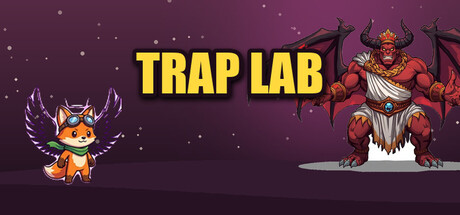
Much of the 2D artwork in TRAP LAB — character sprites, enemy and boss art, and cutscene illustrations — was created with the help of generative AI image tools. Every generated image was hand-selected, edited, and assembled by the developer before being used in the game. The game's code, level design, and audio are hand-made and are not AI-generated.
Most of the game's 2D art assets — including monster sprites, map backgrounds, skill and skill tree icons, achievement icons, and store/marketing key art — were created with the assistance of generative AI image tools and then reviewed and edited by the developer. Portions of the localization text (store page and in-game translations) were produced with AI assistance under human review. The game does not generate any content with AI at runtime.
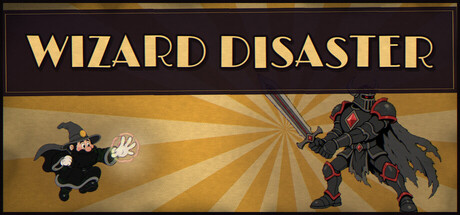
Wizard Disaster was made by a solo developer, using generative AI tools as part of the production pipeline.
Art. Character, boss and background artwork, and the source frames the animations are built from, were produced with generative image and video tools. Everything was then cut, keyed, aligned, retimed and composited by hand into the sheets the game actually plays. The generated output is the raw material, not the finished asset. Concept passes were made the same way.
Audio. The music and most of the sound effects were generated with Suno, then trimmed, pitched, levelled and fitted to the length of the action each one accompanies. Not all of the audio is generated: a number of the effects are synthesised procedurally in code from a 1930s orchestra-pit palette, and the wizard's own voice (his cries and shouts) are human recordings.
Code. Generative AI was used as a programming assistant during development, and to build and run the automated test harnesses that measure boss pacing, damage output and medal times. Those harnesses are development-only tooling and are not part of the shipped game.
The game contains no live-generated AI content. Nothing is generated while you play, and the game makes no network or AI service calls at runtime.
Generative AI was used during development to assist with the creation of some pre-generated visual assets, promotional artwork, and localization text. All AI-assisted content was reviewed and edited by the developer before being included. The game does not use live generative AI during gameplay.
Generative AI was used during development as an assistance tool for code development, review, debugging, and refinement. Final implementation and testing were performed by the developer. The game does not use generative AI to create content at runtime. Visual assets are either original works or appropriately licensed third-party assets that were manually edited and adapted for the game.
Pre-generated: Steam store capsule and library key art was created using OpenAI image generation and then cropped, titled, and prepared by the developer. No generative AI runs during gameplay.
We used generative AI tools during development to create a limited set of pre-generated assets included in the game, including some voice-over lines, vocalizations, and select in-game textures or visual assets. All AI-assisted assets were reviewed, edited, and approved by our team before being included. No AI content is generated during gameplay, and the game does not connect to external AI services.
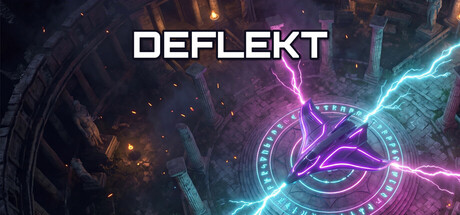
DEFLEKT uses AI-generated assets created during development ("pre-generated"): 3D models for ships, bosses and environment dioramas, background artwork, and portions of the music soundtrack were generated with AI tools and then curated, edited and integrated by the developer. Sound effects are CC0 licensed (Kenney.nl). The game does not generate any content with AI at runtime.
The artwork, background music, in-game text and story, localizations into all supported languages, and store-page text in this game were created using generative AI tools, then curated, edited, and assembled by the developer. The game contains no live AI generation — all content is fixed and produced ahead of release.
We use AI-assisted tools in parts of our development process to assist with content creation, improve productivity, and streamline routine tasks so our team has more time for creative work. Where we use these tools, the work is directed, reviewed, and finalized by our team.
Generative AI tools were used to assist in the creation of some music, sound effects, and promotional artwork associated with the game. The game's programming, design, and in-game visual content were created by the developer.
Generative artificial intelligence tools were used to assist with creating and iterating on some audio, visual, and code assets. All AI-assisted content was manually reviewed, edited, and integrated by the developer.
This game use generative AI to setup theming, characters and monsters sprites and sounds to speed-up and fill the gap I don't capable of. After generated they're well test and tune to ensure player can have fun with it.
AI was used during development to assist with code generation, some graphical assets, and selected music or audio elements. All content was reviewed and edited by the developer before being included in the game.
AI was used for initial code reviews. Everything it produced was carefully reviewd, and we shipped those results in early production. It also served as a great "rubber duck".
Some of the promotional and storefront images were created with AI tools and then refined by hand. All of the in-game assets were designed by a 3D artist.
Hi, fellow players! While developing Flavor Legend, I used AI to assist in generating some character models, art textures, animation videos, background music, and ambient sound effects. All these assets have been manually reviewed and revised. The core gameplay, story, and all interactive experiences of the game are entirely original and created by me, with no AI-driven NPCs or dialogue features used. If any copyright disputes are found in the future, I will adjust and replace them immediately. Thank you for your understanding and support!
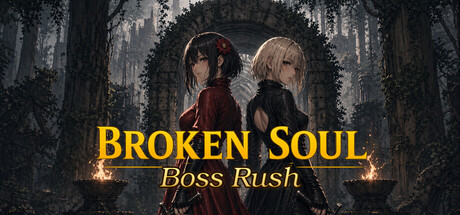
BROKEN SOUL : Boss Rush is a solo-developed game, and generative AI tools were used during development to assist with the creation of some visual assets and promotional materials. However, the game’s ideas, combat design, and system logic were all personally conceived and implemented, and every piece of content that appears in the final game was also directly selected, edited, and reviewed before completion. This is not a game that was made easily, but rather one that was brought to completion by making full use of every available tool and resource. If the game receives greater support in the future, there are plans to further expand and improve various elements, including the art assets, to an even higher level of quality. The game does not include any functionality that generates content with generative AI in real time during gameplay.
Pre-generated content: generative AI tools were used during development to help create some of the game's 3D models, concept art and illustrations, music, voice lines and sound effects, as well as part of the store artwork and trailer footage. All of this content was selected, edited, integrated and adjusted by hand by the developer. The game's design, writing, story, code and balance are human-made. No content is generated by AI while the game is running.
Some 2D artwork and visual assets were created with the assistance of generative AI tools during development and were reviewed and edited by the developer. The game does not generate AI content during gameplay.
This game was created with extensive AI assistance. AI-generated and AI-assisted content is used in the game, store artwork, descriptions and trailer. This includes graphics and artwork, text, and contributions to programming, music and trailer production. The trailer and screenshots show actual footage captured from the game. No generative AI content is created during gameplay, and the game does not connect to external AI services while being played.
Generative AI tools were used during development to assist with portions of the game’s pre-generated 2D character and promotional artwork, localization drafts, and code. All AI-assisted material was reviewed, selected, and edited by the developer before inclusion. The game does not generate AI content during gameplay.
Generative AI tools were used during development to create selected visual assets and music. All generated content was reviewed, selected, edited where necessary, and integrated by the developer.
Generative AI tools were used during development to assist in the creation of certain pre-rendered visual content, including character assets, artwork, and marketing materials. All AI-assisted content was reviewed, selected, and incorporated by the development team before being included in the game or its promotional materials.
Generative AI tools were used as part of the development of Warstead to support the creation of visual content, sound effects, and video content such as trailers, helping to speed up the development process.
Generative AI tools were used during development to assist with the creation and iteration of some game assets and development code. AI-assisted content included in the final game is pre-generated and reviewed by the developer. The game does not generate AI content during gameplay.
This game has been made by a solo developper with the help of AI. Gamers deserve dozens of hours of fun at a cheap price, that's what the use of AI should aim for, and that's what this game is about. Zero information collected.
During the development of this game, we utilized generative artificial intelligence tools—specifically Claude, Gemini, and Codex (GPT)—to assist with programming, debugging, and drafting text/documentation.
Code and Systems: AI models were used as development assistants to help write, refactor, and troubleshoot code logic.
Text and Documentation: AI assistants were used to brainstorm and draft text content, which was then thoroughly reviewed, edited, and manually integrated by our development team.
Some of the game's 2D art (characters, enemies, backgrounds and icons) was created with the help of generative AI tools and then edited, cleaned up and reviewed by the developer. Some translations were also made with AI assistance. No AI content is generated while the game is running, and the game does not connect to any AI service.
Generative AI was used during development to help create some visual and audio assets, dialogue, and translations. This content was selected and edited during development and incorporated into the game. No content is generated by AI in real time during gameplay.
A Light in the Gloam uses pre-generated AI content. Nothing is generated while the game is running, and the game makes no network calls of any kind.
Visual art: all in-game art was generated with OpenAI's image model (gpt-image-1) from prompts written by hand, then processed by our own scripts, which downscale it, quantise it to a fixed palette and trim it before it is placed in the game. This covers 14 character portraits, 43 enemy and boss sprites, 63 item icons, 27 wall, floor and ceiling textures, 10 dungeon props, 21 achievement emblems, and 14 town and title backdrops. The store capsules and the client icons are crops of the title-screen generation rather than new images.
Music and sound: all 14 music tracks were generated with ElevenLabs' music model and all 47 sound effects with ElevenLabs' sound-effects model, both from written prompts and both post-processed by our own scripts for level and length. There is no voice acting and no synthesised speech anywhere in the game.
Writing and translation: the game's text, meaning item and monster descriptions, dialogue, menus and the story, was written with the assistance of a large language model and then edited by hand. The Brazilian Portuguese translation was produced the same way and reviewed against the English.
Generative AI tools were used during development to assist with concept development and the creation of some visual assets. AI-generated material was reviewed, edited, and integrated by the developer to fit the game’s visual style and design. Generative AI is not used during gameplay and no content is generated dynamically for players.
AI tools were used to help draft and edit some English text: store page copy and some in-game UI strings such as hints, item descriptions and dialogs. All text was reviewed and edited by the developer. All art, models, audio and music are human-made or licensed assets. The game does not generate any content with AI at runtime.
AI tools assisted with the game's code and some written text during development. All artwork comes from the game's own engine, being web code. The music is composed by Juhani Junkala, and nothing is generated while you play.
Character, enemy and environment art were generated with AI tools, then curated, edited and integrated by the developer. Music and sound are procedurally composed in-engine (not AI-generated). Code was written by the developer with AI assistance. The game contains no live/runtime AI generation.
Generative AI tools were used during development to assist with the creation of various in-game assets and some localization text. All content was reviewed and edited by the developer.
AI tools were used during development to help create pre-generated content including pixel artwork, character and boss sprites, some written narrative and interface text, and original synthesized music and sound arrangements. These assets are included in the installed game. Gameplay does not generate content through an AI service at runtime.
Some of the 2D artwork and animation frames in this game were produced with the assistance of generative AI tools. Every AI-assisted asset was reviewed and edited by me (the developer) before shipping. The game contains no live-generated AI content — all art, animation, and text are fixed at release and identical for every player.
Much of the 2D artwork in TRAP LAB — character sprites, enemy and boss art, and cutscene illustrations — was created with the help of generative AI image tools. Every generated image was hand-selected, edited, and assembled by the developer before being used in the game. The game's code, level design, and audio are hand-made and are not AI-generated.
Most of the game's 2D art assets — including monster sprites, map backgrounds, skill and skill tree icons, achievement icons, and store/marketing key art — were created with the assistance of generative AI image tools and then reviewed and edited by the developer. Portions of the localization text (store page and in-game translations) were produced with AI assistance under human review. The game does not generate any content with AI at runtime.
Wizard Disaster was made by a solo developer, using generative AI tools as part of the production pipeline.
Art. Character, boss and background artwork, and the source frames the animations are built from, were produced with generative image and video tools. Everything was then cut, keyed, aligned, retimed and composited by hand into the sheets the game actually plays. The generated output is the raw material, not the finished asset. Concept passes were made the same way.
Audio. The music and most of the sound effects were generated with Suno, then trimmed, pitched, levelled and fitted to the length of the action each one accompanies. Not all of the audio is generated: a number of the effects are synthesised procedurally in code from a 1930s orchestra-pit palette, and the wizard's own voice (his cries and shouts) are human recordings.
Code. Generative AI was used as a programming assistant during development, and to build and run the automated test harnesses that measure boss pacing, damage output and medal times. Those harnesses are development-only tooling and are not part of the shipped game.
The game contains no live-generated AI content. Nothing is generated while you play, and the game makes no network or AI service calls at runtime.
Generative AI was used during development to assist with the creation of some pre-generated visual assets, promotional artwork, and localization text. All AI-assisted content was reviewed and edited by the developer before being included. The game does not use live generative AI during gameplay.
Generative AI was used during development as an assistance tool for code development, review, debugging, and refinement. Final implementation and testing were performed by the developer. The game does not use generative AI to create content at runtime. Visual assets are either original works or appropriately licensed third-party assets that were manually edited and adapted for the game.
Pre-generated: Steam store capsule and library key art was created using OpenAI image generation and then cropped, titled, and prepared by the developer. No generative AI runs during gameplay.
We used generative AI tools during development to create a limited set of pre-generated assets included in the game, including some voice-over lines, vocalizations, and select in-game textures or visual assets. All AI-assisted assets were reviewed, edited, and approved by our team before being included. No AI content is generated during gameplay, and the game does not connect to external AI services.
DEFLEKT uses AI-generated assets created during development ("pre-generated"): 3D models for ships, bosses and environment dioramas, background artwork, and portions of the music soundtrack were generated with AI tools and then curated, edited and integrated by the developer. Sound effects are CC0 licensed (Kenney.nl). The game does not generate any content with AI at runtime.
The artwork, background music, in-game text and story, localizations into all supported languages, and store-page text in this game were created using generative AI tools, then curated, edited, and assembled by the developer. The game contains no live AI generation — all content is fixed and produced ahead of release.
We use AI-assisted tools in parts of our development process to assist with content creation, improve productivity, and streamline routine tasks so our team has more time for creative work. Where we use these tools, the work is directed, reviewed, and finalized by our team.
Generative AI tools were used to assist in the creation of some music, sound effects, and promotional artwork associated with the game. The game's programming, design, and in-game visual content were created by the developer.
Generative artificial intelligence tools were used to assist with creating and iterating on some audio, visual, and code assets. All AI-assisted content was manually reviewed, edited, and integrated by the developer.
This game use generative AI to setup theming, characters and monsters sprites and sounds to speed-up and fill the gap I don't capable of. After generated they're well test and tune to ensure player can have fun with it.
AI was used during development to assist with code generation, some graphical assets, and selected music or audio elements. All content was reviewed and edited by the developer before being included in the game.
AI was used for initial code reviews. Everything it produced was carefully reviewd, and we shipped those results in early production. It also served as a great "rubber duck".
Some of the promotional and storefront images were created with AI tools and then refined by hand. All of the in-game assets were designed by a 3D artist.
Hi, fellow players! While developing Flavor Legend, I used AI to assist in generating some character models, art textures, animation videos, background music, and ambient sound effects. All these assets have been manually reviewed and revised. The core gameplay, story, and all interactive experiences of the game are entirely original and created by me, with no AI-driven NPCs or dialogue features used. If any copyright disputes are found in the future, I will adjust and replace them immediately. Thank you for your understanding and support!
BROKEN SOUL : Boss Rush is a solo-developed game, and generative AI tools were used during development to assist with the creation of some visual assets and promotional materials. However, the game’s ideas, combat design, and system logic were all personally conceived and implemented, and every piece of content that appears in the final game was also directly selected, edited, and reviewed before completion. This is not a game that was made easily, but rather one that was brought to completion by making full use of every available tool and resource. If the game receives greater support in the future, there are plans to further expand and improve various elements, including the art assets, to an even higher level of quality. The game does not include any functionality that generates content with generative AI in real time during gameplay.