Public Steam disclosure research25,376 disclosures tracked
Where do games disclose AI use?
Search developers’ Steam disclosures, compare classified AI use across
games, and follow recorded changes.
This index adds cross-game classifications and statistics to
statements published on individual store pages.
Groups reflect automatic analysis of public disclosures; mature records are excluded. These counts do not measure AI use across all of Steam.
Missing or unclear statements cannot establish whether a game uses AI.
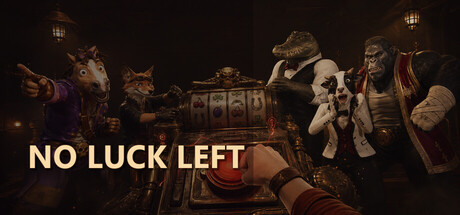
No Luck Left is developed by a solo developer. To help create the game's 3D character models within the scope of a one-person project, I used generative AI tools such as Meshy and TripoSR during development. The resulting pre-generated assets were selected, optimized and integrated into the game by me. No content is generated by AI during gameplay, and the game does not connect to an external AI service.
Generative AI tools were used as development aids to help draft and iterate on portions of the game’s code, written content, and Steam store description. All AI-assisted material was reviewed, modified, and approved by the developer. The game does not use live-generated AI during gameplay.
The English and Turkish text in Slots & Skulls is written entirely by the developer. Gen AI was used only to translate in game and store text into the game's other supported languages.
No AI tools were used to create any visual or audio asset: all art, animation, UI, music and sound effects are made by hand or licensed from human creators.
The original game design, mechanics, and core concept were created by the developer. However, the majority of in-game assets—including code, 3D visuals, sound effects, and UI elements—were generated or assisted by generative AI tools. The developer curated, edited, assembled, and implemented all AI-generated content to realize the intended gameplay experience.
Some of the game's 2D art, character voice acting, and localization content utilized generative AI assistance during production. All related content was generated and manually reviewed before release; no generative AI-generated content will be used during gameplay.
The game uses generative AI to create molecular structures during gameplay. Molecules are procedurally generated by a generative AI model embedded locally within the game and operating as part of the game’s molecular design system.
The in-game generative AI system is used exclusively for molecular structure generation and does not generate dialogue, artwork, music, or other narrative content during gameplay.
During development, generative AI tools were used to assist with artwork preparation, text polishing, and UI code development.
This game uses generative AI extensively during development to assist with programming and to create art, music, and some written materials. All content included in the final game is manually reviewed, edited, and integrated; no content is generated in real time while the game is running.
Some 2D art in this game was created with the assistance of AI image generation tools and then curated, pixel-processed and hand-corrected by the developer: backgrounds, story cutscene illustrations, card art, the title logo, and the Steam store assets. All game design, systems, balance, code and the original Korean script were written by the developer. The nine non-Korean localizations were produced with AI translation assistance and then reviewed and corrected in-game. The game does not generate any content with AI while you play, and it never connects to an AI service.
All final visuals of the game are created and finalized by our art team. AI-assisted tools are used only during the early concept and ideation stages. All visual assets in the final version are manually created, refined, and finalized by our artists.
Used AI to over optimize the performance of the game as it is very painful to have thousands of enemies on your screen at the same time and 100 projectiles per seconds without turning your pc into an oven.
Also used AI for localization. (Added different languages besides English)
Visual assets in this game — symbol icons, charm icons, user interface elements, machine and objective icons, and store artwork — were created with generative AI tools and then selected, edited, sized and integrated by hand. Game code was written with AI assistance under human direction. Design, balancing decisions and final text are authored by the developer.
Some assets in this game were created with the help of generative AI. Generative AI was used to produce background art, background music, sound effects, and in-game icons.
Generative AI tools were used during development to assist with programming and the creation of portions of the game's source code. The game does not use generative AI during gameplay and does not connect to external AI services.
Generative AI was used to create some artwork and visual assets for the game, including store page artwork and in-game icons. These assets were reviewed and integrated by the developer.
Some 2D artwork was created with the assistance of AI image-generation tools (the mascot character portrait, generated with Recraft and then hand-edited; it appears in-game and in store artwork). All gameplay, code, design, text and audio are made by hand. The game does not use live/runtime AI generation.
AI tools were used during the creation of draft visual assets. All AI-generated material is reviewed, edited, and manually refined by professional artists before being included in the final product.
Generative AI tools were used during development as part of the production workflow for pre-generated visual, 3D, audio, written, and localization content included in the game. All final content was selected, reviewed, edited, adapted, and integrated as part of the game's development process. No generative AI systems run during gameplay and no content is generated dynamically for players.
AI tools were used during development to assist with asset creation, texture generation, and development workflows. All AI-generated content was reviewed, modified, and curated by the development team.
The character selection screen uses some art that has been created with the assistance of AI.
The character art display on the store page has been partially created with the assistance of AI.
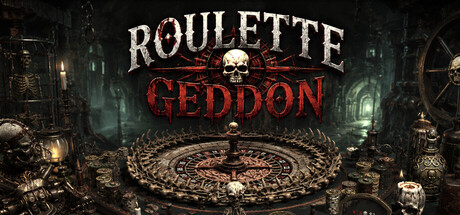
Some pre-generated visual assets used in Roulettegeddon, including portions of promotional artwork and certain in-game visual elements, were created or refined with the assistance of generative AI. The game's gameplay, mechanics, and player progression do not rely on AI-generated content during play.
Generative AI tools were used to assist with the enhancement of certain promotional images, store page artwork, and place holder UI promotional content including lighting, color grading, atmospheric effects, and visual cleanup.
The game's models, environments, gameplay systems, animations, and other in-game content are created by the developer. The game does not use live-generated AI during gameplay.
Some of this game's art and audio assets were created using generative AI tools, from the studio's own prompts and under our tool licenses, then curated and edited by the team. All game code and text were written by hand.
Generative AI was used during development to create the game’s pre-generated 2D visual assets, including card illustrations, backgrounds, UI decorative elements, and Steam marketing materials. It was also used to assist with portions of the store text and localization. All AI-assisted content was selected, edited, and reviewed by the developer before publication. The game does not use generative AI to generate content at runtime.
During development, generative AI was used to create initial drafts for some in-game 2D icons, which were then manually retouched. Generative AI was also used to remix original melodies composed and whistled by the developer into background music.
Some visual assets used in the game and its promotional materials were created with the assistance of generative AI. The game does not generate AI content at runtime.
Some of the capsule artwork on this store page was created with the help of AI tools. No AI-generated content is used in the game's in-game art, code, audio or text.
Some in-game artwork (slot machine cabinet art, icons, and store page marketing images) was created with generative AI tools, then reviewed, selected, and post-processed by the developer. The game does not generate any content in real time.
Generative AI tools were used during development to create portions of the game’s artwork,sound and localization. Each AI-assisted asset was reviewed, edited, palette-matched, and curated by the developer.
Generative AI tools were used during development to assist with programming, translation/localization, and the creation of most of the game's artwork and music. All AI-assisted content was reviewed, selected, edited, and integrated by the developer. The game does not generate AI content during gameplay and does not connect to external AI services.
No Luck Left is developed by a solo developer. To help create the game's 3D character models within the scope of a one-person project, I used generative AI tools such as Meshy and TripoSR during development. The resulting pre-generated assets were selected, optimized and integrated into the game by me. No content is generated by AI during gameplay, and the game does not connect to an external AI service.
Generative AI tools were used as development aids to help draft and iterate on portions of the game’s code, written content, and Steam store description. All AI-assisted material was reviewed, modified, and approved by the developer. The game does not use live-generated AI during gameplay.
The English and Turkish text in Slots & Skulls is written entirely by the developer. Gen AI was used only to translate in game and store text into the game's other supported languages.
No AI tools were used to create any visual or audio asset: all art, animation, UI, music and sound effects are made by hand or licensed from human creators.
The original game design, mechanics, and core concept were created by the developer. However, the majority of in-game assets—including code, 3D visuals, sound effects, and UI elements—were generated or assisted by generative AI tools. The developer curated, edited, assembled, and implemented all AI-generated content to realize the intended gameplay experience.
Some of the game's 2D art, character voice acting, and localization content utilized generative AI assistance during production. All related content was generated and manually reviewed before release; no generative AI-generated content will be used during gameplay.
The game uses generative AI to create molecular structures during gameplay. Molecules are procedurally generated by a generative AI model embedded locally within the game and operating as part of the game’s molecular design system.
The in-game generative AI system is used exclusively for molecular structure generation and does not generate dialogue, artwork, music, or other narrative content during gameplay.
During development, generative AI tools were used to assist with artwork preparation, text polishing, and UI code development.
This game uses generative AI extensively during development to assist with programming and to create art, music, and some written materials. All content included in the final game is manually reviewed, edited, and integrated; no content is generated in real time while the game is running.
Some 2D art in this game was created with the assistance of AI image generation tools and then curated, pixel-processed and hand-corrected by the developer: backgrounds, story cutscene illustrations, card art, the title logo, and the Steam store assets. All game design, systems, balance, code and the original Korean script were written by the developer. The nine non-Korean localizations were produced with AI translation assistance and then reviewed and corrected in-game. The game does not generate any content with AI while you play, and it never connects to an AI service.
All final visuals of the game are created and finalized by our art team. AI-assisted tools are used only during the early concept and ideation stages. All visual assets in the final version are manually created, refined, and finalized by our artists.
Used AI to over optimize the performance of the game as it is very painful to have thousands of enemies on your screen at the same time and 100 projectiles per seconds without turning your pc into an oven.
Also used AI for localization. (Added different languages besides English)
Visual assets in this game — symbol icons, charm icons, user interface elements, machine and objective icons, and store artwork — were created with generative AI tools and then selected, edited, sized and integrated by hand. Game code was written with AI assistance under human direction. Design, balancing decisions and final text are authored by the developer.
Some assets in this game were created with the help of generative AI. Generative AI was used to produce background art, background music, sound effects, and in-game icons.
Generative AI tools were used during development to assist with programming and the creation of portions of the game's source code. The game does not use generative AI during gameplay and does not connect to external AI services.
Generative AI was used to create some artwork and visual assets for the game, including store page artwork and in-game icons. These assets were reviewed and integrated by the developer.
Some 2D artwork was created with the assistance of AI image-generation tools (the mascot character portrait, generated with Recraft and then hand-edited; it appears in-game and in store artwork). All gameplay, code, design, text and audio are made by hand. The game does not use live/runtime AI generation.
AI tools were used during the creation of draft visual assets. All AI-generated material is reviewed, edited, and manually refined by professional artists before being included in the final product.
Generative AI tools were used during development as part of the production workflow for pre-generated visual, 3D, audio, written, and localization content included in the game. All final content was selected, reviewed, edited, adapted, and integrated as part of the game's development process. No generative AI systems run during gameplay and no content is generated dynamically for players.
AI tools were used during development to assist with asset creation, texture generation, and development workflows. All AI-generated content was reviewed, modified, and curated by the development team.
The character selection screen uses some art that has been created with the assistance of AI.
The character art display on the store page has been partially created with the assistance of AI.
Some pre-generated visual assets used in Roulettegeddon, including portions of promotional artwork and certain in-game visual elements, were created or refined with the assistance of generative AI. The game's gameplay, mechanics, and player progression do not rely on AI-generated content during play.
Generative AI tools were used to assist with the enhancement of certain promotional images, store page artwork, and place holder UI promotional content including lighting, color grading, atmospheric effects, and visual cleanup.
The game's models, environments, gameplay systems, animations, and other in-game content are created by the developer. The game does not use live-generated AI during gameplay.
Some of this game's art and audio assets were created using generative AI tools, from the studio's own prompts and under our tool licenses, then curated and edited by the team. All game code and text were written by hand.
Generative AI was used during development to create the game’s pre-generated 2D visual assets, including card illustrations, backgrounds, UI decorative elements, and Steam marketing materials. It was also used to assist with portions of the store text and localization. All AI-assisted content was selected, edited, and reviewed by the developer before publication. The game does not use generative AI to generate content at runtime.
During development, generative AI was used to create initial drafts for some in-game 2D icons, which were then manually retouched. Generative AI was also used to remix original melodies composed and whistled by the developer into background music.
Some visual assets used in the game and its promotional materials were created with the assistance of generative AI. The game does not generate AI content at runtime.
Some of the capsule artwork on this store page was created with the help of AI tools. No AI-generated content is used in the game's in-game art, code, audio or text.
Some in-game artwork (slot machine cabinet art, icons, and store page marketing images) was created with generative AI tools, then reviewed, selected, and post-processed by the developer. The game does not generate any content in real time.
Generative AI tools were used during development to create portions of the game’s artwork,sound and localization. Each AI-assisted asset was reviewed, edited, palette-matched, and curated by the developer.
Generative AI tools were used during development to assist with programming, translation/localization, and the creation of most of the game's artwork and music. All AI-assisted content was reviewed, selected, edited, and integrated by the developer. The game does not generate AI content during gameplay and does not connect to external AI services.