Public Steam disclosure research25,376 disclosures tracked
Where do games disclose AI use?
Search developers’ Steam disclosures, compare classified AI use across
games, and follow recorded changes.
This index adds cross-game classifications and statistics to
statements published on individual store pages.
Groups reflect automatic analysis of public disclosures; mature records are excluded. These counts do not measure AI use across all of Steam.
Missing or unclear statements cannot establish whether a game uses AI.
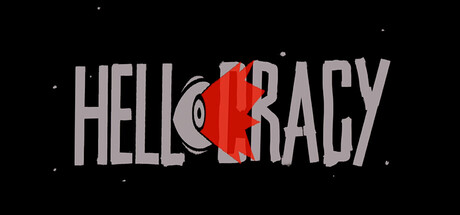
The voice acting of President Grump, the game's fictional parody character, is pre-generated with AI voice generation tools. The shipped game does not generate any content with AI while you play.
We are a two-person indie team with over a decade of real-world game development experience. Pat has been making games for 10 years, and Nate was a professional working artist long before generative AI tools existed.
We know AI in games is a dealbreaker for some folks, and we struggle with how much to use it ourselves. We want to be completely upfront about how we built this so you have the full picture:
- Visuals: We used generative AI alongside our standard software to speed up ideation and automate tedious tasks. Every final in-game element is as handmade as any other pre-LLM digital art. Most of the icons were licensed from a third-party.
- Code: We used AI assistants for pair-programming and troubleshooting complex engine logic on a project that two non-engineers couldn't otherwise build alone.
No content is generated live in-game at runtime.
We believe in total transparency with our players. We built this game to celebrate developers, and we want to be completely open about how we made it. As busy parents navigating the job hunt during development, these tools gave us the leverage to build and ship an ambitious project that we simply couldn't have created otherwise.
The game does not generate any content with AI at runtime. Some illustrations and some in-game artwork were pre-generated using generative AI image tools, then curated, edited and integrated by our team. All game design, code, writing and final art direction are human-made.
Generative AI tools were used in creating and refining promotional artwork and marketing assets for this game's Steam store page. The game does not use live-generated AI during gameplay.
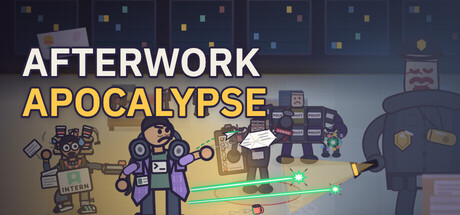
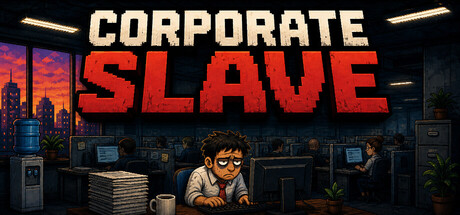
The AI coworkers in this game are voiced by a machine (TTS), and their dialogue was really written by AI together with self portraits, on purpose and under human review. The slop is diegetic. The code was written with AI agents and reviewed by the last human in that loop, the developer. That is also the plot. No AI runs at runtime. Everything was baked and reviewed before shipping.
Generative AI tools were used to assist in the creation of some promotional artwork and marketing assets for the game. Final assets were reviewed and edited by the development team.
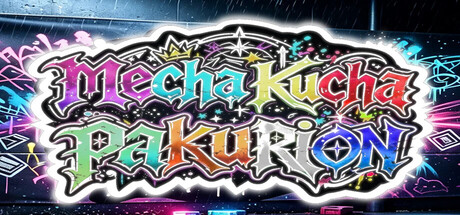
AI helped us create our new logo, and we used Claude Code to help us with... the code, bro. Otherwise, the game's hand-made!
Our world is entering a troubling and hilarious time, and so critical reflection is important - but we are not categorically anti-AI. After all, you can't criticize something you don't understand, can you?
AI-assisted tools were used during development to help create and refine some visual assets, text, and audio content. All AI-assisted content was reviewed, edited, and curated by the developer before being included in the game. The game does not generate AI content dynamically during gameplay.
Pixel art assets, in-game text translation to other languages were produced with AI assistance during development and edited by the developer. No content is generated at runtime.
This game used AI tools to transform gameplay ideas and logic into functional code and to create promotional artwork. AI was used as a creative and technical aid during development, without affecting gameplay or the player experience.
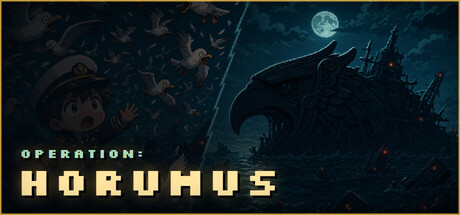
Operation: Horumus is a "vibe coding" experiment. Most of the game's content — code, game design, pixel art, sound effects, procedural music, narrative writing, and all four language localizations (English, Korean, Japanese, Simplified Chinese) — was developed with extensive use of generative AI tools, under the developer's direction. Every creative and technical decision was made by the developer, and all AI-generated output was reviewed and curated before inclusion.
No AI is invoked during gameplay. The game runs entirely offline and makes no calls to external AI services.
This is a parody experiment, and the use of AI is part of the experiment itself. We disclose it here so you can decide whether that approach is interesting to you.
AI tools were used to assist with writing and localizing store page text and some in-game text, and as a coding assistant during development. Store page marketing assets, images and the background music in the trailer were generated with AI tools and then reviewed and edited by the developer. All game design, mechanics and balance are human-made; all in-game visual art is hand-authored procedural drawing, and the game itself contains no AI-generated audio, music or voice. All AI-assisted content was reviewed and edited by the developer.
Some 2D artwork, including character, enemy, map, user-interface, icon, and visual-effect source images, was created with the assistance of generative AI tools during development. Every shipped asset is selected, edited, integrated, and reviewed by the development team for visual consistency, gameplay readability, and rights compliance. The game does not generate content with AI while it is running and does not send player prompts to an AI service.
Artificial Intelligence was used primarily for generating Steam capsule artwork, specific gameplay sounds, and assistance with mathematical code functions. All AI-generated content was manually edited and reviewed throughout every stage of development.
During development, generative AI was used to assist with creating placeholder artwork, text, and portions of the game's code. All AI-generated content was reviewed, edited, and integrated by the development team, and we confirm that the final content does not knowingly infringe the intellectual property rights of others.
Ruthless Returns is a solo-developed game built and refined over hundreds of hours. The original version was created on paper in 2022, but at the time I did not have the resources to turn it into a full game.
Early prototypes used licensed images with a simple painted treatment. It worked, but the visual style was ultimately shaped by whatever suitable assets were available. Generative AI made it possible to create artwork specifically for Ruthless Returns and give the game a much more consistent look and feel from top to bottom. AI was used for the card artwork and character voices.
That also made it possible for me to finally turn the original paper concept into a PC game. If players enjoy it, I hope to take it full circle and eventually produce Ruthless Returns as a physical board game.
Balancing combines extensive human playtesting with more than 500,000 simulated games. The simulations were used to analyze win rates, card strength, strategies and interactions across a much larger number of matches than manual playtesting alone could realistically cover.
Pixel art assets, the soundtrack, and portions of the game's writing were created with generative AI, then curated and edited by the developer. The game's design, satirical concept, and systems are original human work. All sound effects were recorded by voice actors.
The art, audio, and writing in Refund Speedrun are created by hand. Generative AI was used only for the voice-over narration in our promotional teaser trailer (ElevenLabs). The game does not generate any content using AI at runtime.
Paste this for the "how" description:
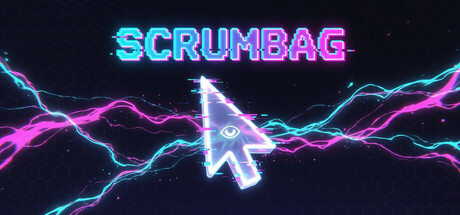
All AI-generated content in Scrumbag is pre-generated — baked into the build and curated by the developer, not generated live during play. This includes the game's artwork (character and enemy art, UI, icons, and store/marketing images) and its music (AI-generated arrangements and remixes based on songs by Andy Rehfeldt). AI tools were also used to assist development. All shipped content is reviewed and selected by the developer before release.
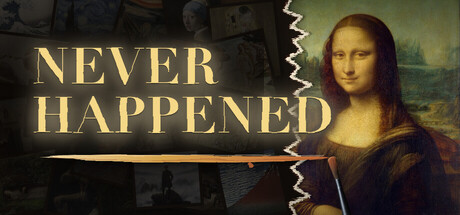
The masterpieces featured in this game are real public-domain paintings, digitized from high-resolution scans. They are not AI-generated.
Generative AI was used only in the following areas: some artwork other than the masterpieces (UI, characters, backgrounds), some sound, and localization.
Pre-generated: Steam store capsule and library key art was created using OpenAI image generation and then cropped, titled, and prepared by the developer. No generative AI runs during gameplay.
We used a Gen AI powered tool to localize the following:
- (in some languages) In-game text
- (in some languages) Steam store descriptions
We plan to replace these with human translation and LQA when we can afford it.
Until then, we are using Gen AI temporarily.
We used a Gen AI powered tool to localize the following:
- (in some languages) In-game text
- (in some languages) Steam store descriptions
We plan to replace these with human translation and LQA when we can afford it.
Until then, we are using Gen AI temporarily.
We used a Gen AI powered tool to localize the following:
- (in some languages) In-game text
- (in some languages) Steam store descriptions
We plan to replace these with human translation and LQA when we can afford it.
Until then, we are using Gen AI temporarily.
I took human-made photographs, edited them by hand, then used AI to apply a consistent art style among them in batches so they all look thematically related
The voice acting of President Grump, the game's fictional parody character, is pre-generated with AI voice generation tools. The shipped game does not generate any content with AI while you play.
We are a two-person indie team with over a decade of real-world game development experience. Pat has been making games for 10 years, and Nate was a professional working artist long before generative AI tools existed.
We know AI in games is a dealbreaker for some folks, and we struggle with how much to use it ourselves. We want to be completely upfront about how we built this so you have the full picture:
- Visuals: We used generative AI alongside our standard software to speed up ideation and automate tedious tasks. Every final in-game element is as handmade as any other pre-LLM digital art. Most of the icons were licensed from a third-party.
- Code: We used AI assistants for pair-programming and troubleshooting complex engine logic on a project that two non-engineers couldn't otherwise build alone.
No content is generated live in-game at runtime.
We believe in total transparency with our players. We built this game to celebrate developers, and we want to be completely open about how we made it. As busy parents navigating the job hunt during development, these tools gave us the leverage to build and ship an ambitious project that we simply couldn't have created otherwise.
The game does not generate any content with AI at runtime. Some illustrations and some in-game artwork were pre-generated using generative AI image tools, then curated, edited and integrated by our team. All game design, code, writing and final art direction are human-made.
Generative AI tools were used in creating and refining promotional artwork and marketing assets for this game's Steam store page. The game does not use live-generated AI during gameplay.
The AI coworkers in this game are voiced by a machine (TTS), and their dialogue was really written by AI together with self portraits, on purpose and under human review. The slop is diegetic. The code was written with AI agents and reviewed by the last human in that loop, the developer. That is also the plot. No AI runs at runtime. Everything was baked and reviewed before shipping.
Generative AI tools were used to assist in the creation of some promotional artwork and marketing assets for the game. Final assets were reviewed and edited by the development team.
AI helped us create our new logo, and we used Claude Code to help us with... the code, bro. Otherwise, the game's hand-made!
Our world is entering a troubling and hilarious time, and so critical reflection is important - but we are not categorically anti-AI. After all, you can't criticize something you don't understand, can you?
AI-assisted tools were used during development to help create and refine some visual assets, text, and audio content. All AI-assisted content was reviewed, edited, and curated by the developer before being included in the game. The game does not generate AI content dynamically during gameplay.
Pixel art assets, in-game text translation to other languages were produced with AI assistance during development and edited by the developer. No content is generated at runtime.
This game used AI tools to transform gameplay ideas and logic into functional code and to create promotional artwork. AI was used as a creative and technical aid during development, without affecting gameplay or the player experience.
Operation: Horumus is a "vibe coding" experiment. Most of the game's content — code, game design, pixel art, sound effects, procedural music, narrative writing, and all four language localizations (English, Korean, Japanese, Simplified Chinese) — was developed with extensive use of generative AI tools, under the developer's direction. Every creative and technical decision was made by the developer, and all AI-generated output was reviewed and curated before inclusion.
No AI is invoked during gameplay. The game runs entirely offline and makes no calls to external AI services.
This is a parody experiment, and the use of AI is part of the experiment itself. We disclose it here so you can decide whether that approach is interesting to you.
AI tools were used to assist with writing and localizing store page text and some in-game text, and as a coding assistant during development. Store page marketing assets, images and the background music in the trailer were generated with AI tools and then reviewed and edited by the developer. All game design, mechanics and balance are human-made; all in-game visual art is hand-authored procedural drawing, and the game itself contains no AI-generated audio, music or voice. All AI-assisted content was reviewed and edited by the developer.
Some 2D artwork, including character, enemy, map, user-interface, icon, and visual-effect source images, was created with the assistance of generative AI tools during development. Every shipped asset is selected, edited, integrated, and reviewed by the development team for visual consistency, gameplay readability, and rights compliance. The game does not generate content with AI while it is running and does not send player prompts to an AI service.
Artificial Intelligence was used primarily for generating Steam capsule artwork, specific gameplay sounds, and assistance with mathematical code functions. All AI-generated content was manually edited and reviewed throughout every stage of development.
During development, generative AI was used to assist with creating placeholder artwork, text, and portions of the game's code. All AI-generated content was reviewed, edited, and integrated by the development team, and we confirm that the final content does not knowingly infringe the intellectual property rights of others.
Ruthless Returns is a solo-developed game built and refined over hundreds of hours. The original version was created on paper in 2022, but at the time I did not have the resources to turn it into a full game.
Early prototypes used licensed images with a simple painted treatment. It worked, but the visual style was ultimately shaped by whatever suitable assets were available. Generative AI made it possible to create artwork specifically for Ruthless Returns and give the game a much more consistent look and feel from top to bottom. AI was used for the card artwork and character voices.
That also made it possible for me to finally turn the original paper concept into a PC game. If players enjoy it, I hope to take it full circle and eventually produce Ruthless Returns as a physical board game.
Balancing combines extensive human playtesting with more than 500,000 simulated games. The simulations were used to analyze win rates, card strength, strategies and interactions across a much larger number of matches than manual playtesting alone could realistically cover.
Pixel art assets, the soundtrack, and portions of the game's writing were created with generative AI, then curated and edited by the developer. The game's design, satirical concept, and systems are original human work. All sound effects were recorded by voice actors.
The art, audio, and writing in Refund Speedrun are created by hand. Generative AI was used only for the voice-over narration in our promotional teaser trailer (ElevenLabs). The game does not generate any content using AI at runtime.
Paste this for the "how" description:
All AI-generated content in Scrumbag is pre-generated — baked into the build and curated by the developer, not generated live during play. This includes the game's artwork (character and enemy art, UI, icons, and store/marketing images) and its music (AI-generated arrangements and remixes based on songs by Andy Rehfeldt). AI tools were also used to assist development. All shipped content is reviewed and selected by the developer before release.
The masterpieces featured in this game are real public-domain paintings, digitized from high-resolution scans. They are not AI-generated.
Generative AI was used only in the following areas: some artwork other than the masterpieces (UI, characters, backgrounds), some sound, and localization.
Pre-generated: Steam store capsule and library key art was created using OpenAI image generation and then cropped, titled, and prepared by the developer. No generative AI runs during gameplay.
We used a Gen AI powered tool to localize the following:
- (in some languages) In-game text
- (in some languages) Steam store descriptions
We plan to replace these with human translation and LQA when we can afford it.
Until then, we are using Gen AI temporarily.
We used a Gen AI powered tool to localize the following:
- (in some languages) In-game text
- (in some languages) Steam store descriptions
We plan to replace these with human translation and LQA when we can afford it.
Until then, we are using Gen AI temporarily.
We used a Gen AI powered tool to localize the following:
- (in some languages) In-game text
- (in some languages) Steam store descriptions
We plan to replace these with human translation and LQA when we can afford it.
Until then, we are using Gen AI temporarily.
I took human-made photographs, edited them by hand, then used AI to apply a consistent art style among them in batches so they all look thematically related