








Disclosure
As a solo developer, I used AI text-to-speech to voice characters. Everything else, including 3D models, textures, writing, and design, was made by me.
- Creator
- HaddajiDev
- Reviews
- -
- Added
- Sep 28, 2026
Public Steam disclosure research 25,376 disclosures tracked
Search developers’ Steam disclosures, compare classified AI use across games, and follow recorded changes. This index adds cross-game classifications and statistics to statements published on individual store pages.
Code help, debugging and other development work.
Capsule art, trailers and promotional material.
Pre-made art, audio, writing and other game assets.
Interactive or runtime AI features disclosed by the developer.
Groups reflect automatic analysis of public disclosures; mature records are excluded. These counts do not measure AI use across all of Steam. Missing or unclear statements cannot establish whether a game uses AI.
As a solo developer, I used AI text-to-speech to voice characters. Everything else, including 3D models, textures, writing, and design, was made by me.
Generative AI was used during development as an assistive tool for code prototyping and localization, and to create some pre-generated visual content, including fictional patient photographs used as environmental and narrative elements in the game. AI-generated concept art is used only as internal visual reference and is not included as game assets. All AI-generated content included in the game is pre-generated. No generative AI runs during gameplay. Final level design, asset placement, gameplay systems, narrative implementation, and asset integration are created and assembled by the developer.
Some store and library capsule art was produced with image-generation tools (SDXL and a chat assistant) using our own in-game screenshots as the input image. The underlying game content -- models, textures, code, text -- is authored by us without generative AI. All generated art was reviewed by us before publication.
We use generative AI across all disciplines of game development with heavy amounts of human editing. That involves audio and visual art. We use it as a productivity tool so we can achieve a higher level of quality, faster, than we would have been able to.
Generative AI was used as a supporting tool for selected elements of the artwork. Most elements were extensively modified and adapted through substantial hands-on work, including repainting, rigging, and animation.
Generated AI content was only used partly in the codebase logic development of Tarpit.
Generated Images and 3D Models
Video, some textures, and 3D models
Generative AI tools were used to during development to assist with game code, content, and materials. The game contains no live generative AI interactions and does not generate content during gameplay.
Generative AI was used to create pre-rendered story illustrations, horror encounter images, promotional artwork and music. AI tools also assisted with narrative text and localization. These assets are prepared in advance; the game does not generate AI content during play.
The game includes pre-generated content created with the help of generative AI, including some character voice lines and sound effects.
Some textures and sound effects were created or edited using generative AI tools.
Generative AI tools assisted in producing content for the game and its store materials, including some images, music and character voices. Starlit Hall Studio designs, selects, revises, integrates and reviews the final content. All content is prepared before release; the game does not generate content or connect to generative AI services during play.
Generative AI tools were used during development to assist with the creation of some visual assets, textures, and promotional artwork. All AI-assisted content was reviewed, selected, edited where appropriate, and integrated by the developer.
The game includes a limited number of developer-reviewed AI-assisted 2D atmospheric illustrations used as static, non-interactive UI/background art. They are not gameplay screenshots, playable characters, dialogue, code, or user-generated content. Interactive levels, gameplay systems, text, and the in-game 3D presentation are authored or assembled by the developer using project-owned and separately tracked third-party assets.
Generative AI was used in two areas for this project: First, 2D character artwork hand-drawn by a human artist was converted into 3D models using AI-powered tools. Second, AI was used for the localization and translation of the game's text into multiple languages. All other game assets, including sound design, music, and the core story, were created entirely without the use of AI.
本游戏在开发过程中使用了生成式人工智能辅助创作部分游戏内容,包括部分美术资源和视觉素材。生成的内容经过人工筛选、修改和整合,并由开发者进行最终设计与制作。
AI was used in the marketing materials for this game.
Generative AI was used during development for certain supernatural visual elements and pre-rendered video sequences, and to assist with some visual design, UI, localization, code modifications, and limited narrative design. All live-action footage of Osaka Castle Park was filmed on location. No AI-generated content is created during gameplay.
For text translations and the creation of individual graphics used for marketing and promotional purposes.
Generative AI assisted with selected store and library artwork and some localization text. This content was created before release; the game does not use real-time AI generation.
Generative AI tools were used during development to create or assist with 3D models, voice audio, and translations/localization. Generative AI was also used to create and edit promotional artwork for the Steam store and library, including capsule images, backgrounds, and logo artwork.
Wickwood is made by one developer, and generative AI was used openly in its production. Here is exactly where: - Code: the game's GDScript code, the pixel-drawing scripts and the build/test tools were written with Claude (Anthropic) under the developer's design, direction and review. - Text: the in-game notes and place descriptions, the ending credits and the store page copy were drafted with Claude and edited and approved by the developer. - Music: all music tracks (world, main menu, finale) were generated with Google's Lyria from prompts written by the developer. - Artwork: tilesets, characters and creatures are hand-drawn commercial pixel-art packs (credited in-game), not AI-generated. Some landmark props (the standing stones, the cave interiors, the bunker hatch and similar pieces) were drawn or assembled pixel by pixel by scripts written with Claude, using the palettes and parts of those packs. - Sound effects were sourced from Freesound and Kenney's sound packs. - Store art (capsules, logo, icons) was made by hand; screenshots and video are captured from the game itself. No AI runs during gameplay: nothing is generated live, and the game does not connect to any online AI service.
Our team uses AI tools to assist development of some in-game content. The final product reflects the creativity and expression of our own development team.
This game and its store page use generative AI-assisted content, including artwork, music, sound, and other creative assets. Assets are created or assisted with AI tools, then curated and implemented by the developer. No live AI-generated player content is used during gameplay.
Generative AI was used extensively during development to assist with localization, text review, and selected production/reference workflows. All code and most image assets and models were created with generative AI. All AI-assisted content included in the game was reviewed and curated by the developer. The game does not use live generative AI during gameplay.
Generative AI tools were used purely in the background to assist and speed up the production workflow as a solo developer, serving only as an aid during development. The game itself including all gameplay, story, and core content is 100 percent created by human developers, with no AI generated content produced live.
During the development of this title, generative AI was used as an assistive tool for writing some code, as well as for text polishing and translation. Other elements—including core artwork, character and environment designs, and the overall visual presentation—were created entirely by the developers themselves.
AI was used only to generate bases for a few specific textures, which were then edited by hand.
AI has been used to help develop the game's cover art.
This game utilises AI for generating marketing materials and in-game paintings.
Localization features are AI-assisted.
Some character voices in the game were generated using AI voice technology. AI was used only to generate pre-recorded character dialogue. No AI-generated content is created dynamically during gameplay.
Generative AI tools were used during development to assist with and expedite programming and coding tasks.
The game and assets were created with the assistance of generative AI tools
All images on the store page and game library are derived from AI-generated source images. The game contains images that were generated by the AI during the development process. The developer designed a specific prompt for each image that was requested from the AI and the generated images were stored in the game. No AI is used during the game and no internet connection is used.
Pre-generated AI tools were used for in-game character voice dubbing (such as voicemails and phone calls) as well as textures for interior framed pictures and props. All assets have been thoroughly reviewed to ensure there are no copyright infringements or unlawful elements.
The games code is made by AI, but everything else is made by the creator (story, models, design, animations, some textures and other stuff) and some assets are made by real people NOT AI (credits are in the end of the game)
We used generative AI tools during development in the following ways: 3D character models: The models for the supernatural guests (Nightmare, Goblin, Vampire, Devil), the merchant Djinn, and the trapped travelers were generated using AI tools (Meshy AI, with concept images from Google Gemini image models), then rigged, animated, retextured, lit, and integrated by hand in Unity. Store artwork: The capsule key art was created with AI image generation tools and composed by hand. Code: Portions of the game's source code were written with AI coding assistance and reviewed by the developer. All AI-generated content was created by the developer using licensed tools, and all final assets were manually edited, integrated, and tested. No AI-generated content is produced live during gameplay — everything shipped in the game is pre-made and fixed.
I am a professional artist who lost the majority of my vision many years ago. Now legally blind, I use AI to generate base images and I create what I call "Hybrid Art", in which I combine my own art and skills with the generations to still create art that I love. This technique has been used in Hex & Tonic for card art, store page art, etc. I hope it brings you as much joy as I got creating for you.
Used AI to over optimize the performance of the game as it is very painful to have thousands of enemies on your screen at the same time and 100 projectiles per seconds without turning your pc into an oven. Also used AI for localization. (Added different languages besides English)
Generative AI was used during development to assist in creating some pre-generated visual assets, character artwork, backgrounds, and promotional images. All AI-assisted content was reviewed and selected by the developer before inclusion in the game. No generative AI is used during gameplay, and the game does not connect to any external AI service.
Generative AI tools were used during development to assist with creating some texture images, promotional/banner images, and code development. AI was also used to help review, test, and debug code, identify potential issues, and suggest improvements. All generated or AI-assisted content was reviewed, selected, and integrated by the developer.
Some of the textures and images in this game were created with the help of generative AI tools, and AI tools also assisted with the game's localization and store page text. All of this content was reviewed and edited by the developer before release.
Generative AI was used to assist with drafting and translating written text for the Steam store page and some in-game text. All AI-assisted text is reviewed and edited by the developer before use. No generative AI is used during gameplay, and the game contains no live-generated AI content.
Generative AI was used during development to assist with the creation of selected UI graphics, localization, and text content. All AI-assisted content was reviewed and edited by the developer before being included in the final product. The game does not generate AI content during gameplay.
Generative AI was used to assist in the creation of some pre-generated visual assets, including character models, props, environmental assets, and textures. All AI-assisted content was reviewed, edited, and integrated into the game by the developer. The game does not generate AI content during gameplay.
vibe coding
This game uses generative AI to create the following content: - Images (backgrounds, character portraits, item art, UI, and store capsule art): image generation models - Music: Suno - Sound effects: procedural synthesis, plus OpenMOSS MOSS-SoundEffect v2 (Apache-2.0) - Text and code: created with the assistance of generative AI All of the above were pre-generated during development. No AI runs at runtime.
Most of the card artwork and background images are made with AI (I'm a poor solo guy working full-time).
| Title⇅ | Disclosure | Creator⇅ | Src | Reviews⇅ | Added↓ |
|---|---|---|---|---|---|
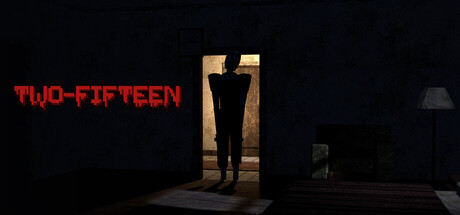 Two-Fifteen In-game content audio | As a solo developer, I used AI text-to-speech to voice characters. Everything else, including 3D models, textures, writing, and design, was made by me. | HaddajiDev | - | Sep 28, 2026 | |
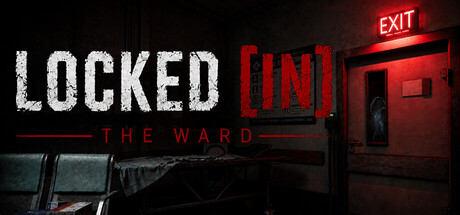 Locked In: The Ward In-game content arttextcode | Generative AI was used during development as an assistive tool for code prototyping and localization, and to create some pre-generated visual content, including fictional patient photographs used as environmental and narrative elements in the game. AI-generated concept art is used only as internal visual reference and is not included as game assets.
All AI-generated content included in the game is pre-generated. No generative AI runs during gameplay. Final level design, asset placement, gameplay systems, narrative implementation, and asset integration are created and assembled by the developer. | GES Interactive | - | Sep 28, 2026 | |
 Dealer's Tell: All Bets Are Final Store/marketing art | Some store and library capsule art was produced with image-generation tools
(SDXL and a chat assistant) using our own in-game screenshots as the input
image. The underlying game content -- models, textures, code, text -- is
authored by us without generative AI. All generated art was reviewed by us
before publication. | MistaNonik | - | Sep 28, 2026 | |
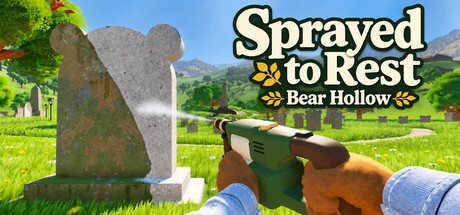 Sprayed to Rest: Bear Hollow Unclear artaudio | We use generative AI across all disciplines of game development with heavy amounts of human editing. That involves audio and visual art. We use it as a productivity tool so we can achieve a higher level of quality, faster, than we would have been able to. | Over The Moon | - | Sep 27, 2026 | |
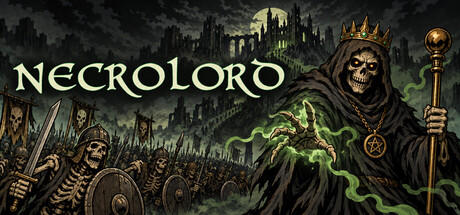 Necrolord In-game content art | Generative AI was used as a supporting tool for selected elements of the artwork. Most elements were extensively modified and adapted through substantial hands-on work, including repainting, rigging, and animation. | Daniel Nasseh | - | Sep 27, 2026 | |
 Tarpit Dev only code | Generated AI content was only used partly in the codebase logic development of Tarpit. | Koivu Games | - | Sep 27, 2026 | |
 Hell's Kitchen Unclear art | Generated Images and 3D Models | Aorlinn Games | - | Sep 26, 2026 | |
 Grip of the mind In-game content art | Video, some textures, and 3D models | Pavel Nikolov | - | Sep 26, 2026 | |
 Entity Unknown In-game content arttextcode | Generative AI tools were used to during development to assist with game code, content, and materials. The game contains no live generative AI interactions and does not generate content during gameplay. | Blackbox Interactive | - | Sep 25, 2026 | |
 Haemu Station: The Last Announcement In-game content artaudiotext | Generative AI was used to create pre-rendered story illustrations, horror encounter images, promotional artwork and music. AI tools also assisted with narrative text and localization. These assets are prepared in advance; the game does not generate AI content during play. | NION | - | Sep 25, 2026 | |
 BETWEEN ROOMS In-game content audio | The game includes pre-generated content created with the help of generative AI, including some character voice lines and sound effects. | Viis | - | Sep 25, 2026 | |
 THE MOUTHLESS STALKER In-game content artaudio | Some textures and sound effects were created or edited using generative AI tools. | LP7studios | - | Sep 24, 2026 | |
 Happy Sunny Doll In-game content artaudio | Generative AI tools assisted in producing content for the game and its store materials, including some images, music and character voices. Starlit Hall Studio designs, selects, revises, integrates and reviews the final content. All content is prepared before release; the game does not generate content or connect to generative AI services during play. | Starlit Hall Studio | - | Sep 24, 2026 | |
 Meepertonville In-game content art | Generative AI tools were used during development to assist with the creation of some visual assets, textures, and promotional artwork. All AI-assisted content was reviewed, selected, edited where appropriate, and integrated by the developer. | SunlightTrippin | - | Sep 22, 2026 | |
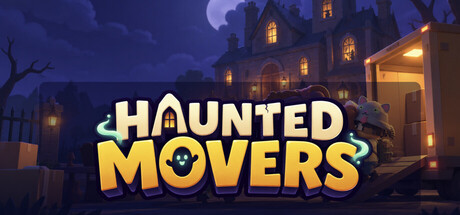 猛鬼搬家公司 In-game content art | The game includes a limited number of developer-reviewed AI-assisted 2D atmospheric illustrations used as static, non-interactive UI/background art. They are not gameplay screenshots, playable characters, dialogue, code, or user-generated content. Interactive levels, gameplay systems, text, and the in-game 3D presentation are authored or assembled by the developer using project-owned and separately tracked third-party assets. | Bannye | - | Sep 22, 2026 | |
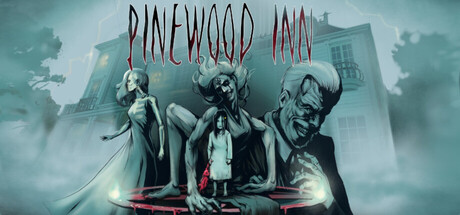 Pinewood Inn In-game content arttext | Generative AI was used in two areas for this project: First, 2D character artwork hand-drawn by a human artist was converted into 3D models using AI-powered tools. Second, AI was used for the localization and translation of the game's text into multiple languages. All other game assets, including sound design, music, and the core story, were created entirely without the use of AI. | plushiebear-games | - | Sep 22, 2026 | |
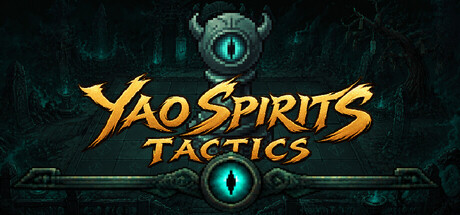 妖灵棋局 In-game content art | 本游戏在开发过程中使用了生成式人工智能辅助创作部分游戏内容,包括部分美术资源和视觉素材。生成的内容经过人工筛选、修改和整合,并由开发者进行最终设计与制作。 | Star | - | Sep 22, 2026 | |
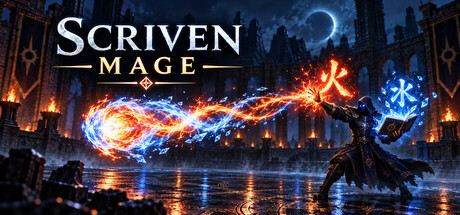 Scriven Mage Store/marketing arttext | AI was used in the marketing materials for this game. | Lost Our Box | - | Sep 22, 2026 | |
 The Demon Lurking in Osaka Castle – Episode 1 In-game content arttextcode | Generative AI was used during development for certain supernatural visual elements and pre-rendered video sequences, and to assist with some visual design, UI, localization, code modifications, and limited narrative design. All live-action footage of Osaka Castle Park was filmed on location. No AI-generated content is created during gameplay. | Osaka Games | - | Sep 21, 2026 | |
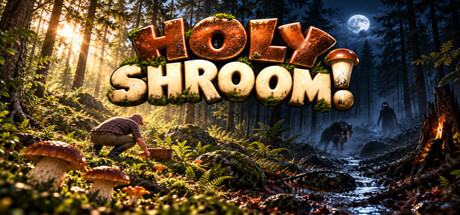 Holy Shroom! Store/marketing arttext | For text translations and the creation of individual graphics used for marketing and promotional purposes. | GameWood | - | Sep 21, 2026 | |
 The 31st Student In-game content arttext | Generative AI assisted with selected store and library artwork and some localization text. This content was created before release; the game does not use real-time AI generation. | Threshold Echo | - | Sep 19, 2026 | |
 Orange Wiki In-game content artaudiotext | Generative AI tools were used during development to create or assist with 3D models, voice audio, and translations/localization. Generative AI was also used to create and edit promotional artwork for the Steam store and library, including capsule images, backgrounds, and logo artwork. | Clusion Games | - | Sep 19, 2026 | |
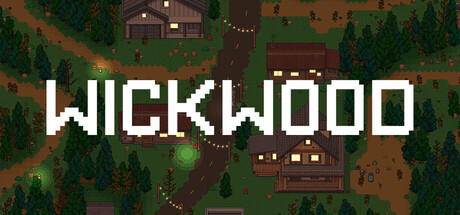 Wickwood In-game content textaudiocode | Wickwood is made by one developer, and generative AI was used openly in its production. Here is exactly where:
- Code: the game's GDScript code, the pixel-drawing scripts and the build/test tools were written with Claude (Anthropic) under the developer's design, direction and review.
- Text: the in-game notes and place descriptions, the ending credits and the store page copy were drafted with Claude and edited and approved by the developer.
- Music: all music tracks (world, main menu, finale) were generated with Google's Lyria from prompts written by the developer.
- Artwork: tilesets, characters and creatures are hand-drawn commercial pixel-art packs (credited in-game), not AI-generated. Some landmark props (the standing stones, the cave interiors, the bunker hatch and similar pieces) were drawn or assembled pixel by pixel by scripts written with Claude, using the palettes and parts of those packs.
- Sound effects were sourced from Freesound and Kenney's sound packs.
- Store art (capsules, logo, icons) was made by hand; screenshots and video are captured from the game itself.
No AI runs during gameplay: nothing is generated live, and the game does not connect to any online AI service. | Renderville Games | - | Sep 18, 2026 | |
 GARAKEI | ガラケー general | Our team uses AI tools to assist development of some in-game content. The final product reflects the creativity and expression of our own development team. | SATEKI GAMES | - | Sep 18, 2026 | |
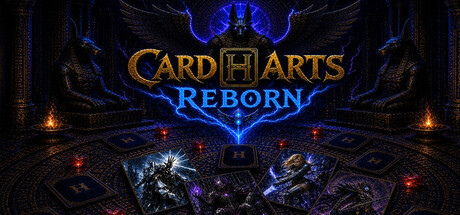 Card Harts Reborn In-game content artaudio | This game and its store page use generative AI-assisted content, including artwork, music, sound, and other creative assets. Assets are created or assisted with AI tools, then curated and implemented by the developer. No live AI-generated player content is used during gameplay. | William VanDyke | - | Sep 18, 2026 | |
 Last Copy In-game content textartcode | Generative AI was used extensively during development to assist with localization, text review, and selected production/reference workflows. All code and most image assets and models were created with generative AI. All AI-assisted content included in the game was reviewed and curated by the developer. The game does not use live generative AI during gameplay. | Casdera Labs | - | Sep 16, 2026 | |
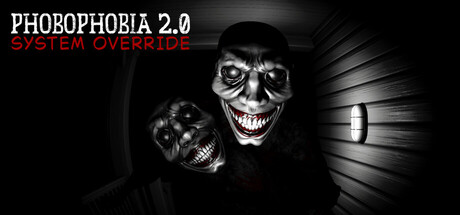 Phobophobia 2.0 – System Override Dev only | Generative AI tools were used purely in the background to assist and speed up the production workflow as a solo developer, serving only as an aid during development.
The game itself including all gameplay, story, and core content is 100 percent created by human developers, with no AI generated content produced live. | ghoSTudio games | - | Sep 16, 2026 | |
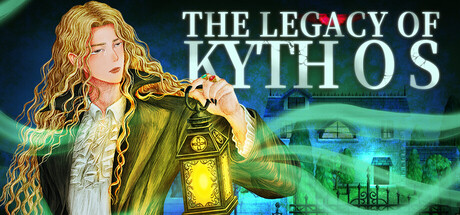 凯索斯之遗 In-game content codetext | During the development of this title, generative AI was used as an assistive tool for writing some code, as well as for text polishing and translation. Other elements—including core artwork, character and environment designs, and the overall visual presentation—were created entirely by the developers themselves. | The Silent Piper | - | Sep 16, 2026 | |
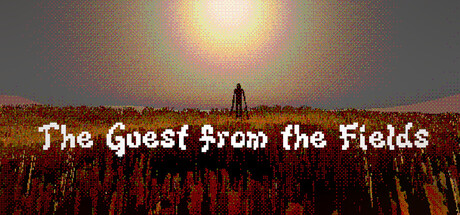 The Guest from the Fields In-game content art | AI was used only to generate bases for a few specific textures, which were then edited by hand. | Skamii | - | Sep 16, 2026 | |
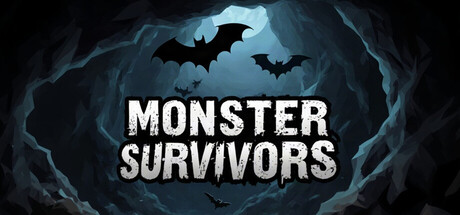 Monster Survivors Store/marketing art | AI has been used to help develop the game's cover art. | Hard Shark Games | - | Sep 15, 2026 | |
 VHS Tapes In-game content art | This game utilises AI for generating marketing materials and in-game paintings. | DogHat Games | - | Sep 15, 2026 | |
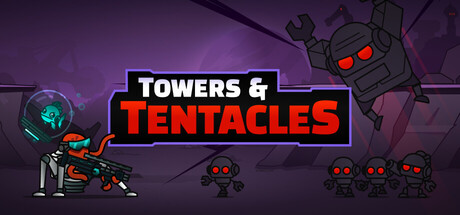 Towers & Tentacles In-game content text | Localization features are AI-assisted. | Graauw | - | Sep 13, 2026 | |
 Nightmare Horror Investigation In-game content audio | Some character voices in the game were generated using AI voice technology. AI was used only to generate pre-recorded character dialogue. No AI-generated content is created dynamically during gameplay. | AaronMax! Games Studio | - | Sep 12, 2026 | |
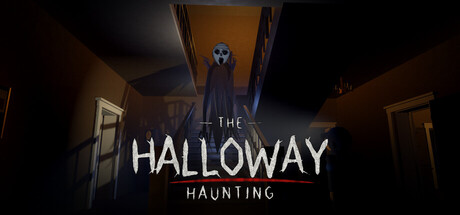 The Halloway Haunting Dev only code | Generative AI tools were used during development to assist with and expedite programming and coding tasks. | New Bones Studios | - | Sep 12, 2026 | |
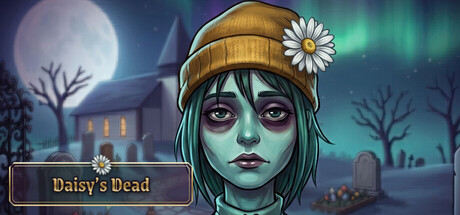 Daisy's Dead Unclear | The game and assets were created with the assistance of generative AI tools | SIIMBL | - | Sep 12, 2026 | |
 The drawing of the Genesis In-game content art | All images on the store page and game library are
derived from AI-generated source images.
The game contains images that were generated by the AI during the development process.
The developer designed a specific prompt for each image that was requested from the AI
and the generated images were stored in the game.
No AI is used during the game and no internet connection is used. | Vox Mare | - | Sep 10, 2026 | |
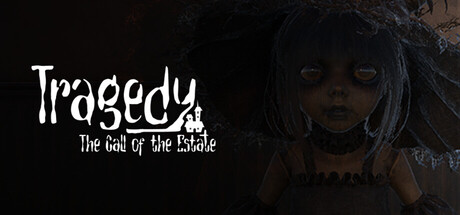 Tragedy : The Call of the Estate In-game content audioart | Pre-generated AI tools were used for in-game character voice dubbing (such as voicemails and phone calls) as well as textures for interior framed pictures and props. All assets have been thoroughly reviewed to ensure there are no copyright infringements or unlawful elements. | HighRavel | - | Sep 10, 2026 | |
 MaskloZoophic Sessions Dev only code | The games code is made by AI, but everything else is made by the creator (story, models, design, animations, some textures and other stuff) and some assets are made by real people NOT AI (credits are in the end of the game) | Fabian Martinez | - | Sep 10, 2026 | |
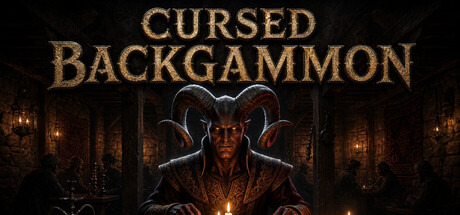 Cursed Backgammon In-game content artcode | We used generative AI tools during development in the following ways:
3D character models: The models for the supernatural guests (Nightmare, Goblin, Vampire, Devil), the merchant Djinn, and the trapped travelers were generated using AI tools (Meshy AI, with concept images from Google Gemini image models), then rigged, animated, retextured, lit, and integrated by hand in Unity.
Store artwork: The capsule key art was created with AI image generation tools and composed by hand.
Code: Portions of the game's source code were written with AI coding assistance and reviewed by the developer.
All AI-generated content was created by the developer using licensed tools, and all final assets were manually edited, integrated, and tested. No AI-generated content is produced live during gameplay — everything shipped in the game is pre-made and fixed. | Msadberk Games | - | Sep 10, 2026 | |
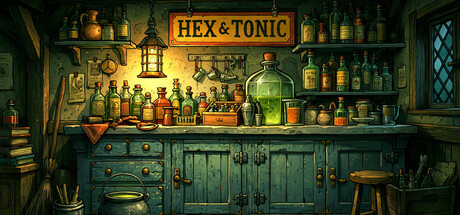 Hex & Tonic In-game content art | I am a professional artist who lost the majority of my vision many years ago. Now legally blind, I use AI to generate base images and I create what I call "Hybrid Art", in which I combine my own art and skills with the generations to still create art that I love. This technique has been used in Hex & Tonic for card art, store page art, etc. I hope it brings you as much joy as I got creating for you. | Lorewright Studios | - | Sep 10, 2026 | |
 Nicotine & Knives In-game content text | Used AI to over optimize the performance of the game as it is very painful to have thousands of enemies on your screen at the same time and 100 projectiles per seconds without turning your pc into an oven.
Also used AI for localization. (Added different languages besides English) | Nicotine & Knives | - | Sep 9, 2026 | |
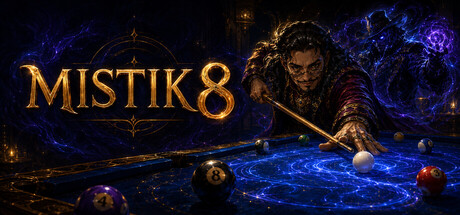 Mistik 8 In-game content art | Generative AI was used during development to assist in creating some pre-generated visual assets, character artwork, backgrounds, and promotional images. All AI-assisted content was reviewed and selected by the developer before inclusion in the game. No generative AI is used during gameplay, and the game does not connect to any external AI service. | Selçuk Çetiner | - | Sep 8, 2026 | |
 Sanidade Zero In-game content artcode | Generative AI tools were used during development to assist with creating some texture images, promotional/banner images, and code development. AI was also used to help review, test, and debug code, identify potential issues, and suggest improvements. All generated or AI-assisted content was reviewed, selected, and integrated by the developer. | Alan Vieira oliveira | - | Sep 7, 2026 | |
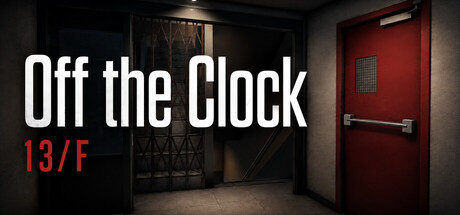 Off the Clock: 13/F In-game content arttext | Some of the textures and images in this game were created with the help of generative AI tools, and AI tools also assisted with the game's localization and store page text. All of this content was reviewed and edited by the developer before release. | Latent Nine | - | Sep 7, 2026 | |
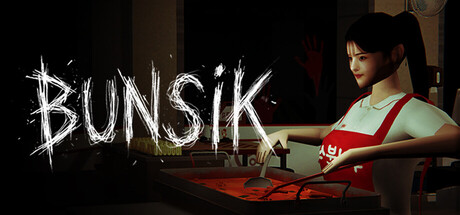 BUNSIK In-game content text | Generative AI was used to assist with drafting and translating written text for the Steam store page and some in-game text. All AI-assisted text is reviewed and edited by the developer before use. No generative AI is used during gameplay, and the game contains no live-generated AI content. | Playnova Studio | - | Sep 7, 2026 | |
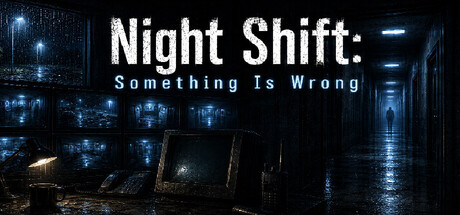 Night Shift: Something Is Wrong In-game content arttext | Generative AI was used during development to assist with the creation of selected UI graphics, localization, and text content. All AI-assisted content was reviewed and edited by the developer before being included in the final product. The game does not generate AI content during gameplay. | biges | - | Sep 6, 2026 | |
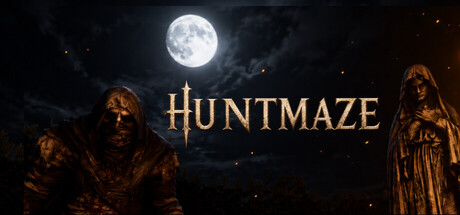 HUNTMAZE In-game content art | Generative AI was used to assist in the creation of some pre-generated visual assets, including character models, props, environmental assets, and textures. All AI-assisted content was reviewed, edited, and integrated into the game by the developer. The game does not generate AI content during gameplay. | Creative Nightmares | - | Sep 6, 2026 | |
 Deduction Society Unclear | vibe coding | Dagou Studio | - | Sep 6, 2026 | |
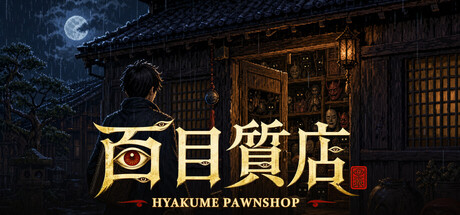 百目質店 - Hyakume Pawnshop In-game content artaudiotextcode | This game uses generative AI to create the following content:
- Images (backgrounds, character portraits, item art, UI, and store capsule art): image generation models
- Music: Suno
- Sound effects: procedural synthesis, plus OpenMOSS MOSS-SoundEffect v2 (Apache-2.0)
- Text and code: created with the assistance of generative AI
All of the above were pre-generated during development. No AI runs at runtime. | SONTAQ works | - | Sep 4, 2026 | |
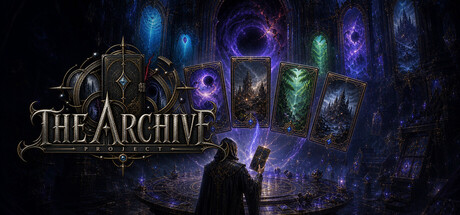 The Archive Project In-game content art | Most of the card artwork and background images are made with AI (I'm a poor solo guy working full-time). | Itchys | - | Sep 4, 2026 |


