Public Steam disclosure research25,376 disclosures tracked
Where do games disclose AI use?
Search developers’ Steam disclosures, compare classified AI use across
games, and follow recorded changes.
This index adds cross-game classifications and statistics to
statements published on individual store pages.
Groups reflect automatic analysis of public disclosures; mature records are excluded. These counts do not measure AI use across all of Steam.
Missing or unclear statements cannot establish whether a game uses AI.
Some background environment props and their textures (signage, lamps,
surfaces, decals and small set-dressing objects) were generated with AI
assistance, using AI written procedural code rather than an image or mesh
generator. They ship with the game as scenery.
Everything else is the developer's own work: all writing and in-game text,
game design, game code, audio and sound design, the visual identity, and all
store page art.
No AI generated content is produced while the game is running.
Generative AI tools were used to assist with the creation and refinement of some pre-generated 3D assets and localization. All AI-assisted content was reviewed, edited, and integrated by the developer. The game does not use generative AI to create content during gameplay.
Generative AI was used during development as an assistive tool for code prototyping and localization, and to create some pre-generated visual content, including fictional patient photographs used as environmental and narrative elements in the game. AI-generated concept art is used only as internal visual reference and is not included as game assets.
All AI-generated content included in the game is pre-generated. No generative AI runs during gameplay. Final level design, asset placement, gameplay systems, narrative implementation, and asset integration are created and assembled by the developer.
The use of AI is limited to select visual assets, which were manually reviewed, repainted, and integrated to fit the art direction. The project features original artwork hand-drawn by my artistic partner alongside an original acoustic piano score, entirely composed and performed by me.
This is an independent, completely free passion project with zero monetization, made out of a genuine love for game development. Thank you for playing.
A handful of key art pieces, concept illustrations, and store-page graphics were generated with AI image-generation software to help communicate. This use of AI is limited strictly to marketing materials.
Generative AI was used during development to create certain pre-generated visual assets and character textures included in the game, as well as to assist with translation into certain languages (French, German, and Spanish). These assets are created during development and are integrated into the game; there is no real-time AI content generation during gameplay.
During development we used generative AI tools to create some of the game's 2D
artwork and a portion of its 3D models, as well as some store page marketing
artwork. All AI-assisted assets were reviewed, edited, and finalized by our team.
The game does not generate AI content at runtime.
AI tools assisted in developing certain visual and audio elements, design references, and translations. The development team reviewed and finalized all published content.
This game contains content created with the assistance of AI tools. AI was used during development to assist with programming, visual assets, and other creative elements. All generated content was reviewed, edited, and integrated by the dev.
Generative AI was used to create background images and character artwork in the game. It was also used as a writing aid for proofreading and editing the narrative. AI-assisted content was reviewed and selected by the developer.
Generative AI was used during development to assist with some pre-generated artwork, audio, music, sound effects, and written content. All AI-assisted content was reviewed and edited by the developer before being included in the game. No live-generated AI is used during gameplay.
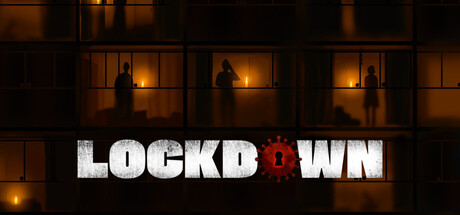
Generative AI tools were used during the development of LOCKDOWN to assist in the creation of some artwork and music featured in the game. All AI-assisted content was reviewed, selected, edited, and integrated by the development team. Generative AI is not used to generate content in real time during gameplay.
Generative AI was used extensively during development to assist with localization, text review, and selected production/reference workflows. All code and most image assets and models were created with generative AI. All AI-assisted content included in the game was reviewed and curated by the developer. The game does not use live generative AI during gameplay.
Generative AI tools were used purely in the background to assist and speed up the production workflow as a solo developer, serving only as an aid during development.
The game itself including all gameplay, story, and core content is 100 percent created by human developers, with no AI generated content produced live.
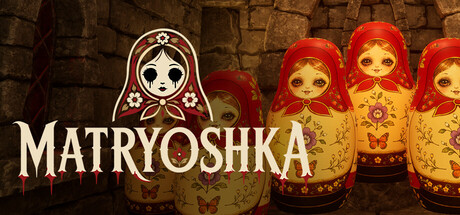
The background, as well as the mesh and base textures for the Matryoshka dolls, were created entirely by hand.
Some of the Matryoshka patterns and the fang meshes were generated using AI, then however directed and revised by humans.
AI tools were also used to assist with language localization.
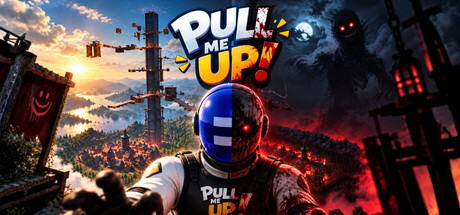
Generative AI was used during the development of Pull Me Up! to create some pre-generated content, including artwork used on the Steam store page, certain UI artwork in the game, and some written store page content. All AI-generated content was reviewed and integrated by the developer as part of the final game and store presentation.
Marketing and Store Visuals: AI tools were utilized during the concept design and background detailing phases for the thumbnail images, posters, and promotional materials on the Steam store page.
Sound Design and Trailer Music: AI-powered sound and music production tools were used in the prototyping and production processes for the game’s promotional trailers and in-game atmospheric background sounds.
Text and Localization Support: AI assistants were used to edit store page descriptions, marketing copy, and language optimization.
We used generative AI tools during development in the following ways:
3D character models: The models for the supernatural guests (Nightmare, Goblin, Vampire, Devil), the merchant Djinn, and the trapped travelers were generated using AI tools (Meshy AI, with concept images from Google Gemini image models), then rigged, animated, retextured, lit, and integrated by hand in Unity.
Store artwork: The capsule key art was created with AI image generation tools and composed by hand.
Code: Portions of the game's source code were written with AI coding assistance and reviewed by the developer.
All AI-generated content was created by the developer using licensed tools, and all final assets were manually edited, integrated, and tested. No AI-generated content is produced live during gameplay — everything shipped in the game is pre-made and fixed.
Generative AI was used to assist with drafting and translating written text for the Steam store page and some in-game text. All AI-assisted text is reviewed and edited by the developer before use. No generative AI is used during gameplay, and the game contains no live-generated AI content.
Generative AI was used during development to assist with the creation of selected UI graphics, localization, and text content. All AI-assisted content was reviewed and edited by the developer before being included in the final product. The game does not generate AI content during gameplay.
The developer uses generative AI tools during the development process to assist in creating pre-generated visual assets, environment textures, and background sound effects. These AI-assisted elements are finalized and integrated into the game's static files to enhance the overall horror atmosphere.
This game uses generative AI to create the following content:
- Images (backgrounds, character portraits, item art, UI, and store capsule art): image generation models
- Music: Suno
- Sound effects: procedural synthesis, plus OpenMOSS MOSS-SoundEffect v2 (Apache-2.0)
- Text and code: created with the assistance of generative AI
All of the above were pre-generated during development. No AI runs at runtime.
Some of the 2D art and textures in this game were created with the help of generative AI tools. Generative AI was also used to assist with writing and translating parts of the in-game text. All AI-assisted content was reviewed and edited by the developer before release. No content is generated by AI while you play.
Generative AI tools were used during development to assist with creating promotional images for the Steam store page, early concept art, and voiceovers for character dialogues. No AI content is generated in real-time during gameplay. All in-game models, code, and environments were manually created, processed, and integrated by the developer.
Generative AI was used to create some pre-generated character artwork, 2D images, and illustrations included in the game and related visual promotional materials. All generated images are reviewed and selected by the developer before inclusion. No AI-generated content is created during gameplay.
Some background environment props and their textures (signage, lamps,
surfaces, decals and small set-dressing objects) were generated with AI
assistance, using AI written procedural code rather than an image or mesh
generator. They ship with the game as scenery.
Everything else is the developer's own work: all writing and in-game text,
game design, game code, audio and sound design, the visual identity, and all
store page art.
No AI generated content is produced while the game is running.
Generative AI tools were used to assist with the creation and refinement of some pre-generated 3D assets and localization. All AI-assisted content was reviewed, edited, and integrated by the developer. The game does not use generative AI to create content during gameplay.
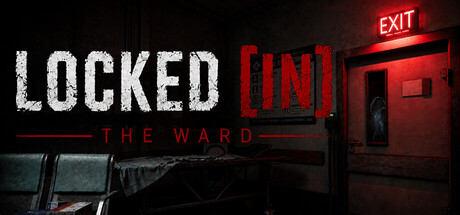
Generative AI was used during development as an assistive tool for code prototyping and localization, and to create some pre-generated visual content, including fictional patient photographs used as environmental and narrative elements in the game. AI-generated concept art is used only as internal visual reference and is not included as game assets.
All AI-generated content included in the game is pre-generated. No generative AI runs during gameplay. Final level design, asset placement, gameplay systems, narrative implementation, and asset integration are created and assembled by the developer.
The use of AI is limited to select visual assets, which were manually reviewed, repainted, and integrated to fit the art direction. The project features original artwork hand-drawn by my artistic partner alongside an original acoustic piano score, entirely composed and performed by me.
This is an independent, completely free passion project with zero monetization, made out of a genuine love for game development. Thank you for playing.
A handful of key art pieces, concept illustrations, and store-page graphics were generated with AI image-generation software to help communicate. This use of AI is limited strictly to marketing materials.
Generative AI was used during development to create certain pre-generated visual assets and character textures included in the game, as well as to assist with translation into certain languages (French, German, and Spanish). These assets are created during development and are integrated into the game; there is no real-time AI content generation during gameplay.
During development we used generative AI tools to create some of the game's 2D
artwork and a portion of its 3D models, as well as some store page marketing
artwork. All AI-assisted assets were reviewed, edited, and finalized by our team.
The game does not generate AI content at runtime.
AI tools assisted in developing certain visual and audio elements, design references, and translations. The development team reviewed and finalized all published content.
This game contains content created with the assistance of AI tools. AI was used during development to assist with programming, visual assets, and other creative elements. All generated content was reviewed, edited, and integrated by the dev.
Generative AI was used to create background images and character artwork in the game. It was also used as a writing aid for proofreading and editing the narrative. AI-assisted content was reviewed and selected by the developer.
Generative AI was used during development to assist with some pre-generated artwork, audio, music, sound effects, and written content. All AI-assisted content was reviewed and edited by the developer before being included in the game. No live-generated AI is used during gameplay.
Generative AI tools were used during the development of LOCKDOWN to assist in the creation of some artwork and music featured in the game. All AI-assisted content was reviewed, selected, edited, and integrated by the development team. Generative AI is not used to generate content in real time during gameplay.
Generative AI was used extensively during development to assist with localization, text review, and selected production/reference workflows. All code and most image assets and models were created with generative AI. All AI-assisted content included in the game was reviewed and curated by the developer. The game does not use live generative AI during gameplay.
Generative AI tools were used purely in the background to assist and speed up the production workflow as a solo developer, serving only as an aid during development.
The game itself including all gameplay, story, and core content is 100 percent created by human developers, with no AI generated content produced live.
The background, as well as the mesh and base textures for the Matryoshka dolls, were created entirely by hand.
Some of the Matryoshka patterns and the fang meshes were generated using AI, then however directed and revised by humans.
AI tools were also used to assist with language localization.
Generative AI was used during the development of Pull Me Up! to create some pre-generated content, including artwork used on the Steam store page, certain UI artwork in the game, and some written store page content. All AI-generated content was reviewed and integrated by the developer as part of the final game and store presentation.
Marketing and Store Visuals: AI tools were utilized during the concept design and background detailing phases for the thumbnail images, posters, and promotional materials on the Steam store page.
Sound Design and Trailer Music: AI-powered sound and music production tools were used in the prototyping and production processes for the game’s promotional trailers and in-game atmospheric background sounds.
Text and Localization Support: AI assistants were used to edit store page descriptions, marketing copy, and language optimization.
We used generative AI tools during development in the following ways:
3D character models: The models for the supernatural guests (Nightmare, Goblin, Vampire, Devil), the merchant Djinn, and the trapped travelers were generated using AI tools (Meshy AI, with concept images from Google Gemini image models), then rigged, animated, retextured, lit, and integrated by hand in Unity.
Store artwork: The capsule key art was created with AI image generation tools and composed by hand.
Code: Portions of the game's source code were written with AI coding assistance and reviewed by the developer.
All AI-generated content was created by the developer using licensed tools, and all final assets were manually edited, integrated, and tested. No AI-generated content is produced live during gameplay — everything shipped in the game is pre-made and fixed.
Generative AI was used to assist with drafting and translating written text for the Steam store page and some in-game text. All AI-assisted text is reviewed and edited by the developer before use. No generative AI is used during gameplay, and the game contains no live-generated AI content.
Generative AI was used during development to assist with the creation of selected UI graphics, localization, and text content. All AI-assisted content was reviewed and edited by the developer before being included in the final product. The game does not generate AI content during gameplay.
The developer uses generative AI tools during the development process to assist in creating pre-generated visual assets, environment textures, and background sound effects. These AI-assisted elements are finalized and integrated into the game's static files to enhance the overall horror atmosphere.
This game uses generative AI to create the following content:
- Images (backgrounds, character portraits, item art, UI, and store capsule art): image generation models
- Music: Suno
- Sound effects: procedural synthesis, plus OpenMOSS MOSS-SoundEffect v2 (Apache-2.0)
- Text and code: created with the assistance of generative AI
All of the above were pre-generated during development. No AI runs at runtime.
Some of the 2D art and textures in this game were created with the help of generative AI tools. Generative AI was also used to assist with writing and translating parts of the in-game text. All AI-assisted content was reviewed and edited by the developer before release. No content is generated by AI while you play.
Generative AI tools were used during development to assist with creating promotional images for the Steam store page, early concept art, and voiceovers for character dialogues. No AI content is generated in real-time during gameplay. All in-game models, code, and environments were manually created, processed, and integrated by the developer.
Generative AI was used to create some pre-generated character artwork, 2D images, and illustrations included in the game and related visual promotional materials. All generated images are reviewed and selected by the developer before inclusion. No AI-generated content is created during gameplay.