Public Steam disclosure research25,394 disclosures tracked
Where do games disclose AI use?
Search developers’ Steam disclosures, compare classified AI use across
games, and follow recorded changes.
This index adds cross-game classifications and statistics to
statements published on individual store pages.
Groups reflect automatic analysis of public disclosures; mature records are excluded. These counts do not measure AI use across all of Steam.
Missing or unclear statements cannot establish whether a game uses AI.
AI Content Disclosure (Or: Why Your Eyes Aren't Bleeding)
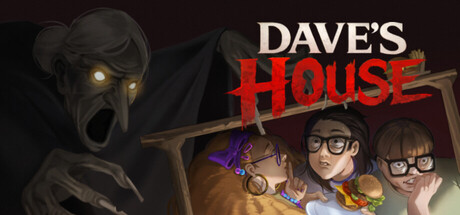
Steam requires me to formally disclose that I used AI tools to help create the visual assets for this game, and honestly, you should be thanking them for it. My personal artistic abilities peak at drawing lopsided stick figures, and if I had to hand-draw the assets myself, this wouldn't be a co-op horror game—it would be a tragedy.
To spare you from my awful programmer art, I used Meshy AI to generate the 3D models and Nano Banana Pro to handle the textures. The gameplay, the panic-inducing 90-second timers, and the terrifying undead Grandma mechanics are all me. The art, however, was assisted by AI as a public service to protect your eyeballs.
This game uses generative AI for some in-game paintings, store artwork, and the introductory voiceover. All content was reviewed and integrated by the developer.
I used AI for debugging package errors that can generate thousands-lines-long error logs, to point me into the right direction.
I also localized the store page to some languages using LLM.
As the developer, I am responsible for the game's scenario and overall production.
AI tools were used to generate the character assets, background images, and BGM, all of which were then customized for the game.
Sound effects were sourced from free material libraries.
Some visual assets, such as store capsule images and in-game card illustrations, were created with the assistance of generative AI tools. All gameplay and code are original.
Some content in this game, such as text, translations, or visual elements, was initially generated with the assistance of AI tools and later reviewed, edited, and integrated by the developer. All final content was curated to ensure it fits the game's narrative, style, and quality standards.
This game uses generative AI for dynamic dialogue and narrative progression with the main character, "Lily." Instead of relying on pre-set options, this technology allows the character to generate natural responses and take appropriate actions based on the specific context of the player's real-time voice input.
Some visual assets (pixel art sprites) and music tracks were created with the assistance of AI generation tools during development. All AI-generated content was reviewed and curated by the developer. No AI content is generated during gameplay.
AI tools were used during development to assist in creating certain game assets and content, such as visuals and text. All content was reviewed, edited, and integrated by the developer. No AI is used in real-time during gameplay. а переведи мне
Wallpaper Animator uses generative AI. Your prompt creates a still image, which you can then animate into a looping video. Both run on third-party AI services.
Game descriptions, text translations, and some images (excluding textures) are made with the assistance of artificial intelligence, while all other in-game resources are handmade
This game makes extensive use of generative artificial intelligence tools during development from concepting, writing support, assets prototyping, animation and sound design. All AI-assisted content is curated, modified, refined, and integrated by the developer to ensure artistic cohesion, gameplay integrity, and thematic consistency.
The final gameplay experience is not dynamically generated by AI at runtime. The game does not use generative AI to create player-specific content during live play, and no player data is used to train AI systems.
Generative AI tools were used as creative and production accelerators within a human-directed development process.
The vast majority of assets in this game were created from scratch by our team, including hand-crafted models, textures, animations, environments, and gameplay systems. However, to support our creative process and speed up certain production stages, we used generative AI tools for a limited portion of the assets. This includes some 2D/3D art elements (via AI art models), a selection of animation sequences, and certain text inscriptions or UI elements. All AI-generated content was carefully reviewed, edited, and integrated by our team to ensure quality, consistency, and compliance with our vision. No live AI generation occurs during gameplay. We remain committed to delivering a polished, human-directed experience.
Generative AI was used to create certain 2D background assets within the game world. This includes some family group photographs used as props, visuals shown on in-game television screens, and decorative wall posters. These AI-generated elements are static environmental assets only and were not used for in-game cinematics, character models, or animations.
Generative AI was used during development to draft initial art concepts and assist with the foundation of text localization. All final in-game visual assets were manually refined, edited, and finished in Photoshop to ensure a high-quality, hand-crafted aesthetic. Localization was human-reviewed to ensure accuracy for players.
I used AI for debugging game build errors. Going through thousands lines of error logs and call stacks is not a total nightmare once I get pointed to the right direction.
I also localized steam page using it to some languages.
Generative AI was utilized in the process of creating and optimizing UI background images and certain in-game text content, such as item descriptions and lore. All AI-generated assets were carefully reviewed, retouched, and edited by the developer to ensure they align with the game's unique atmosphere and artistic vision.
The game's translation was partially assisted by AI, but all in-game text was created and edited by real people. AI was used to enhance a small portion of the textures, but these were always manually refined afterward and served only as one method to make the textures sharper alongside other hand-made improvements in graphic editors. All images, including signs and drawings on the walls, were commissioned from real artists.
Generative AI was used to create several pre-generated assets within the game, including:
- Environmental assets such as in-game posters.
- Character face textures.
- Voice-over audio for English and Chinese languages.
These assets were generated during the development process and are included as static files in the game build. No AI content is generated in real-time during gameplay.
This game uses generative AI for a limited amount of pre-made content created during development, including some achievement icons and certain voice lines we could not perform ourselves. No AI-generated content is created during gameplay, and the game does not connect to any external third-party AI services while you play.
The game features a multilingual system, with some languages processed using AI.
Some UI elements and game scene components were designed with AI assistance.
Game plugin code was processed using AI.
Some game music, sound effects, and trailer music were also processed using AI.
In The Hollow, artificial intelligence is used to enhance images, create the basis for certain textures, and ensure more accurate translations. Some of the characters’ faces could not have been created without processing their images using artificial intelligence. Furthermore, some of the generated results served as the basis for further manual refinement of the game assets.
No AI was used to write the storyline or visual assets in the game. All of it is my own creative work. However, AI was used to assist in the creation of game artwork used for the store page and for helping craft and improve store descriptions.
There is AI-generated audio used within the game. All AI-generated content is pre-rendered and static. No AI is used to generate visuals, gameplay content, or content at runtime.
I was working on this game for more than 2 years without ai.
I started to use ai 1-2 months ago for:
Due to a lack of capital for professional sounds i bought sound packages and for
some few sounds i used AI software. Depending on the game's success, I will invest in replacing sounds and self-created elements with professional assistance.
AI was used mainly for bug fixing in the code and for translating the game text into different languages.
AI Content Disclosure (Or: Why Your Eyes Aren't Bleeding)
Steam requires me to formally disclose that I used AI tools to help create the visual assets for this game, and honestly, you should be thanking them for it. My personal artistic abilities peak at drawing lopsided stick figures, and if I had to hand-draw the assets myself, this wouldn't be a co-op horror game—it would be a tragedy.
To spare you from my awful programmer art, I used Meshy AI to generate the 3D models and Nano Banana Pro to handle the textures. The gameplay, the panic-inducing 90-second timers, and the terrifying undead Grandma mechanics are all me. The art, however, was assisted by AI as a public service to protect your eyeballs.
This game uses generative AI for some in-game paintings, store artwork, and the introductory voiceover. All content was reviewed and integrated by the developer.
I used AI for debugging package errors that can generate thousands-lines-long error logs, to point me into the right direction.
I also localized the store page to some languages using LLM.
As the developer, I am responsible for the game's scenario and overall production.
AI tools were used to generate the character assets, background images, and BGM, all of which were then customized for the game.
Sound effects were sourced from free material libraries.
Some visual assets, such as store capsule images and in-game card illustrations, were created with the assistance of generative AI tools. All gameplay and code are original.
Some content in this game, such as text, translations, or visual elements, was initially generated with the assistance of AI tools and later reviewed, edited, and integrated by the developer. All final content was curated to ensure it fits the game's narrative, style, and quality standards.
This game uses generative AI for dynamic dialogue and narrative progression with the main character, "Lily." Instead of relying on pre-set options, this technology allows the character to generate natural responses and take appropriate actions based on the specific context of the player's real-time voice input.
Some visual assets (pixel art sprites) and music tracks were created with the assistance of AI generation tools during development. All AI-generated content was reviewed and curated by the developer. No AI content is generated during gameplay.
AI tools were used during development to assist in creating certain game assets and content, such as visuals and text. All content was reviewed, edited, and integrated by the developer. No AI is used in real-time during gameplay. а переведи мне
Wallpaper Animator uses generative AI. Your prompt creates a still image, which you can then animate into a looping video. Both run on third-party AI services.
Game descriptions, text translations, and some images (excluding textures) are made with the assistance of artificial intelligence, while all other in-game resources are handmade
This game makes extensive use of generative artificial intelligence tools during development from concepting, writing support, assets prototyping, animation and sound design. All AI-assisted content is curated, modified, refined, and integrated by the developer to ensure artistic cohesion, gameplay integrity, and thematic consistency.
The final gameplay experience is not dynamically generated by AI at runtime. The game does not use generative AI to create player-specific content during live play, and no player data is used to train AI systems.
Generative AI tools were used as creative and production accelerators within a human-directed development process.
The vast majority of assets in this game were created from scratch by our team, including hand-crafted models, textures, animations, environments, and gameplay systems. However, to support our creative process and speed up certain production stages, we used generative AI tools for a limited portion of the assets. This includes some 2D/3D art elements (via AI art models), a selection of animation sequences, and certain text inscriptions or UI elements. All AI-generated content was carefully reviewed, edited, and integrated by our team to ensure quality, consistency, and compliance with our vision. No live AI generation occurs during gameplay. We remain committed to delivering a polished, human-directed experience.
Generative AI was used to create certain 2D background assets within the game world. This includes some family group photographs used as props, visuals shown on in-game television screens, and decorative wall posters. These AI-generated elements are static environmental assets only and were not used for in-game cinematics, character models, or animations.
Generative AI was used during development to draft initial art concepts and assist with the foundation of text localization. All final in-game visual assets were manually refined, edited, and finished in Photoshop to ensure a high-quality, hand-crafted aesthetic. Localization was human-reviewed to ensure accuracy for players.
I used AI for debugging game build errors. Going through thousands lines of error logs and call stacks is not a total nightmare once I get pointed to the right direction.
I also localized steam page using it to some languages.
Generative AI was utilized in the process of creating and optimizing UI background images and certain in-game text content, such as item descriptions and lore. All AI-generated assets were carefully reviewed, retouched, and edited by the developer to ensure they align with the game's unique atmosphere and artistic vision.
The game's translation was partially assisted by AI, but all in-game text was created and edited by real people. AI was used to enhance a small portion of the textures, but these were always manually refined afterward and served only as one method to make the textures sharper alongside other hand-made improvements in graphic editors. All images, including signs and drawings on the walls, were commissioned from real artists.
Generative AI was used to create several pre-generated assets within the game, including:
- Environmental assets such as in-game posters.
- Character face textures.
- Voice-over audio for English and Chinese languages.
These assets were generated during the development process and are included as static files in the game build. No AI content is generated in real-time during gameplay.
This game uses generative AI for a limited amount of pre-made content created during development, including some achievement icons and certain voice lines we could not perform ourselves. No AI-generated content is created during gameplay, and the game does not connect to any external third-party AI services while you play.
The game features a multilingual system, with some languages processed using AI.
Some UI elements and game scene components were designed with AI assistance.
Game plugin code was processed using AI.
Some game music, sound effects, and trailer music were also processed using AI.
In The Hollow, artificial intelligence is used to enhance images, create the basis for certain textures, and ensure more accurate translations. Some of the characters’ faces could not have been created without processing their images using artificial intelligence. Furthermore, some of the generated results served as the basis for further manual refinement of the game assets.
No AI was used to write the storyline or visual assets in the game. All of it is my own creative work. However, AI was used to assist in the creation of game artwork used for the store page and for helping craft and improve store descriptions.
There is AI-generated audio used within the game. All AI-generated content is pre-rendered and static. No AI is used to generate visuals, gameplay content, or content at runtime.
I was working on this game for more than 2 years without ai.
I started to use ai 1-2 months ago for:
Due to a lack of capital for professional sounds i bought sound packages and for
some few sounds i used AI software. Depending on the game's success, I will invest in replacing sounds and self-created elements with professional assistance.
AI was used mainly for bug fixing in the code and for translating the game text into different languages.