






Disclosure
In the game, AI was used to create: character art, music, and some sounds
- Creator
- VIBELUTELY GAMES
- Reviews
- -
- Added
- Aug 20, 2026
Public Steam disclosure research 25,392 disclosures tracked
Search developers’ Steam disclosures, compare classified AI use across games, and follow recorded changes. This index adds cross-game classifications and statistics to statements published on individual store pages.
Code help, debugging and other development work.
Capsule art, trailers and promotional material.
Pre-made art, audio, writing and other game assets.
Interactive or runtime AI features disclosed by the developer.
Groups reflect automatic analysis of public disclosures; mature records are excluded. These counts do not measure AI use across all of Steam. Missing or unclear statements cannot establish whether a game uses AI.
In the game, AI was used to create: character art, music, and some sounds
All art is hand drawn by actual human hands! credit to MrMold. AI tools helped improve my programming, so i have to check a "yes, AI is used" here.
the code/image of game are mostly implemented by AI.
All spoken dialogue in KRIS: The Last Good Summer is generated using AI text-to-speech technology, in both English and German. No other game content (art, music, writing, or code) uses generative AI.
Development used generative tools to assist with pre-generated pixel-art characters, environments, UI, effects and reference images (PixelLab and OpenAI image generation); pre-generated sound effects and voices (ElevenLabs); pre-generated music (Stable Audio); and portions of game code, tests and documentation (OpenAI Codex, Claude Code). Outputs were selected, edited, integrated and tested by the developer. The shipped game does not generate AI content at runtime and does not send player prompts to an AI service.
Generative AI tools were used during the development of Only Up: 2D Platformer to create and assist with certain game content. This includes portions of the game's code, some visual assets, the soundtrack, and additional localization content.
Generative AI tools were used during development to help create and refine pre generated visual assets, text and localization, and code. All AI-assisted material included in the game was reviewed and integrated by the developer, with further editing where needed. The game does not use live generative AI and does not generate content during gameplay.
Generative AI was used near the end of the development process to make the colored fur on the wolves seen in the cinematic video and also used side by side with the developer to create a simple but clean UI (user interface).
Some of the artwork in this game was created with the help of generative AI (Google Gemini). All AI-generated assets are pre-rendered and shipped with the game; no content is generated in real time during gameplay.
Generative AI was used during development as a coding assistant and to assist with drafting and translating store-page and marketing text. Some pixel-art assets were rendered by deterministic drawing code written with AI assistance; the final images were not directly output by a text-to-image or diffusion model. All shipped and published content was reviewed and edited by the developer. No generative AI runs in the game, and no content is generated from player input.
Generating UI Images Used for program development
Only using AI for game code development
Some in game and promotional visual assets were created using generative AI and then edited and integrated into FrogPop. No content is generated by AI during gameplay.
Background artwork and enemy character art in this game were created with the assistance of AI image-generation tools, then curated and refined by the developer. All AI-assisted content is pre-rendered during development — nothing is generated live during gameplay. Story, dialogue, and game design are entirely human-authored.
Draftfall uses pre-generated generative AI content created during development. Most 2D visual assets—including character artwork, sprites, backgrounds, card illustrations and story panels—were created with AI assistance, along with portions of the narrative and gameplay text. All content was reviewed, edited and integrated by the developer. Draftfall does not generate AI content during gameplay or connect to generative AI services while running.
Our visual development workflow uses generative AI to create parts of graphical elements and textures. Every AI-assisted visual asset is reviewed, edited and polished by our team to maintain a consistent visual standard across the game.
Generative sounds and pixel art effects.
This game uses AI-assisted tools during development, limited exclusively to programming assistance, assistance with the creation of certain UI assets, and multilingual translation assistance. AI-generated output is not integrated directly into the game. All content is manually reviewed, edited, integrated, proofread, and tested by the development team before use. AI is not used to create characters, character illustrations, character-related artwork, animations, music, sound effects, narrative, or other core creative content. The game does not generate content in real time while running, nor does it connect to external AI services to provide generative features to players.
Some artwork, sounds, narrative, and localization were built using AI.
A small amount of public domain and commissioned art assets may have used genAI before passing to a human for modification/inclusion.
Some assets in Dreamfend were created using generative AI tools. This applies to the music and to some of the visual assets. All such content is reviewed and refined by hand to match the game's style and the author's intent. No content is generated during gameplay.
Generative AI tools were used to assist in the localization process for certain supported languages within the game.
Artificial intelligence tools were utilized as a reference and assistive aid in the creation of certain art assets, audio elements, and localization translations for this game.
The main menu was generated by AI. Some assets were generated by AI. Some code was generated by AI.
AI was used to write parts of the code and review the project. Most of the icons and music were also created with the use of AI.
AI tools were used during the development process for asset creation/reference, and no dynamic AI content is generated during real-time gameplay.
Some still images and and code bug fixes were developed with the assistance of AI
Generative AI was used to assist in creating some visual assets, including certain background images and the game start screen artwork. Other game content, including gameplay, programming, character design, and world-building, was created independently by the development team.
This game uses generative AI-assisted content in some pre-rendered assets, such as visual effects, UI elements, background or promotional artwork, and marketing/community materials. No live generative AI system is used during gameplay, and the game does not generate new player-facing content dynamically while the player is playing.
AI was used during development to help with visual and sound effects.
Some of the images in the game are AI generated
American Gold Rush uses limited AI-generated art in a small number of places, all of it pre-generated during development. No AI is used while you play, and nothing about the game changes at runtime. AI-generated: the title artwork, some background pieces like the sky. Not AI-generated: all pixel art, all sound effects, all music, all game code and all writing. These are human-made, by named people paid for the work.
The visual art in Gearbound is made with PixelLab, an AI pixel-art tool. Every sprite, animation, tileset, background, prop, interface element and piece of marketing art was generated with PixelLab and then directed, edited and assembled by us. The music and sound effects are rendered by synthesis scripts that were written with AI assistance. No generative audio model was used, and nothing was sourced from a music-generation service. Nothing is generated by AI while you play. Every asset is finished and baked into the build before it ships, and the game makes no AI calls at runtime.
Generative AI was used for: - The game's logo and Steam store capsule artwork (image generation) - Translation of in-game text into Turkish, German, French and Spanish -AI-generated images were reviewed and edited before use.
Generative AI was used during development as a coding assistant and to assist with drafting and translating store-page and marketing text. Some pixel-art assets were rendered by deterministic drawing code written with AI assistance; the final images were not directly output by a text-to-image or diffusion model. All shipped and published content was reviewed and edited by the developer. No generative AI runs in the game, and no content is generated from player input.
Some of the store's visual designs utilized AI.
We used AI tools to assist in drafting and refining parts of the game's store description and promotional texts
Generative AI was used extensively during development to assist with writing and debugging code, creating concept and promotional artwork, and brainstorming game content. All final content was reviewed, tested, and implemented by the developer. The finished game does not use generative AI at runtime, and players will not encounter AI-generated content while playing.
Some visual assets and background music included in this game were created using generative AI tools and have been reviewed, edited, and integrated by the developer.
Art and sound is made using AI.
AI tools were used during development in two areas. Code: an AI coding assistant helped write and refactor GDScript source; all output was reviewed and edited by the developer before being committed. UI design: interface layouts were prototyped as HTML mockups with AI assistance, then redrawn and implemented by hand as Godot scenes — no AI-produced file ships in the build. All art and music in the game were created by people. Sound effects are generated procedurally by a hand-written synthesis script (numpy waveform synthesis, no models or samples involved). Fonts are open-licensed, human-designed typefaces.
Various visual assets and promotional materials for Get Outta My Gut were created with the assistance of generative AI tools. All AI-generated content was reviewed, refined, and integrated by the developer to ensure consistency with the game's artistic direction and quality standards.
AI was used to assist with base image generation, all in-game assets were edited manually prior to implementation.
Some of the music & art in this game has been generated with the assistance of Artificial Intelligence tools.
NovaShift: Universe uses AI-generated art. Some 2D artwork — enemy, boss and item sprites for several game universes, boss projectile sprites, and store/marketing images (capsules, key art, logo) — was created with the assistance of AI image-generation tools, then curated, edited, transparency-cleaned and integrated by the developer. All gameplay code, procedural art, audio and game design are human-made. No content is generated by AI at runtime; players never interact with a live AI system.
As a solo developer, this game utilizes generative AI tools to assist in the creation of certain assets—including game dialogue, artwork, and audio elements—which are then carefully edited, refined, and polished by the developer.
To streamline the creative workflow, this game incorporates AI-assisted tools. AI was employed for initial code prototyping and some asset creation; however, every aspect of the game has been extensively reviewed, modified, and refined to ensure high-quality performance and consistency.
Some of the visual material for this game was created with the help of generative AI tools. Specifically, the opening cinematic and several of the promotional images on this store page were produced using AI-assisted image generation, followed by manual editing, compositing and art direction by our team. All gameplay, code, design and audio were created without generative AI.
Generative AI tools were used during development to create or assist with portions of the game's pre-generated visual artwork, including horse illustrations, environmental backgrounds, contract and item icons, decorative UI artwork, the game logo, and Steam store and library artwork. AI-assisted tools were also used to draft or refine portions of in-game text and localization. All such materials were generated before release, then reviewed, selected, and edited by the developer, and are included in the game as fixed assets. No AI content is generated during gameplay, and the game does not connect to any external AI service.
This game uses generative AI to assist in creating some monster and card artwork.
| Title⇅ | Disclosure | Creator⇅ | Src | Reviews⇅ | Added↓ |
|---|---|---|---|---|---|
 Kitty Needs A Home! In-game content artaudio | In the game, AI was used to create: character art, music, and some sounds | VIBELUTELY GAMES | - | Aug 20, 2026 | |
 Astronoid Dev only code | All art is hand drawn by actual human hands! credit to MrMold.
AI tools helped improve my programming, so i have to check a "yes, AI is used" here. | Minimum Effort Games | - | Aug 20, 2026 | |
 Harvest Story In-game content artcode | the code/image of game are mostly implemented by AI. | CYCLOPS | - | Aug 20, 2026 | |
 KRIS: The Last Good Summer In-game content audio | All spoken dialogue in KRIS: The Last Good Summer is generated using AI text-to-speech technology, in both English and German. No other game content (art, music, writing, or code) uses generative AI. | Sonamont | - | Aug 20, 2026 | |
 Dungeons & Death In-game content artaudiocode | Development used generative tools to assist with pre-generated pixel-art characters, environments, UI, effects and reference images (PixelLab and OpenAI image generation); pre-generated sound effects and voices (ElevenLabs); pre-generated music (Stable Audio); and portions of game code, tests and documentation (OpenAI Codex, Claude Code). Outputs were selected, edited, integrated and tested by the developer. The shipped game does not generate AI content at runtime and does not send player prompts to an AI service. | RatSlayerGames | - | Aug 20, 2026 | |
 Only Up: 2D Platformer In-game content artaudiocodetext | Generative AI tools were used during the development of Only Up: 2D Platformer to create and assist with certain game content. This includes portions of the game's code, some visual assets, the soundtrack, and additional localization content. | Scythé Games | - | Aug 20, 2026 | |
 Grimoire of Hecate : Tower of Starlight In-game content arttextcode | Generative AI tools were used during development to help create and refine pre generated visual assets, text and localization, and code. All AI-assisted material included in the game was reviewed and integrated by the developer, with further editing where needed. The game does not use live generative AI and does not generate content during gameplay. | Blablah Games | - | Aug 20, 2026 | |
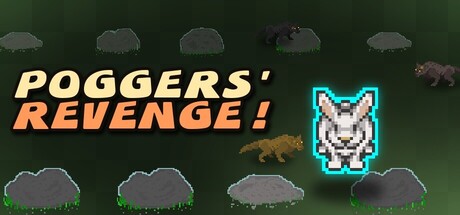 Poggers' Revenge! In-game content art | Generative AI was used near the end of the development process to make the colored fur on the wolves seen in the cinematic video and also used side by side with the developer to create a simple but clean UI (user interface). | ZaxtorGameS | - | Aug 20, 2026 | |
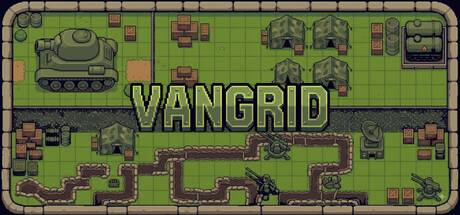 Vangrid In-game content art | Some of the artwork in this game was created with the help of generative AI (Google Gemini). All AI-generated assets are pre-rendered and shipped with the game; no content is generated in real time during gameplay. | Vangrid | - | Aug 20, 2026 | |
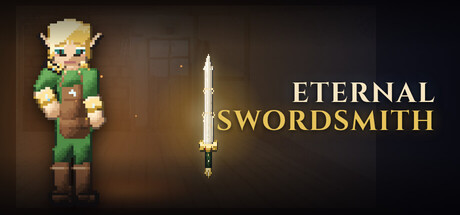 Eternal Swordsmith Dev only codetextart | Generative AI was used during development as a coding assistant and to assist with drafting and translating store-page and marketing text. Some pixel-art assets were rendered by deterministic drawing code written with AI assistance; the final images were not directly output by a text-to-image or diffusion model. All shipped and published content was reviewed and edited by the developer. No generative AI runs in the game, and no content is generated from player input. | sasoriken-games | - | Aug 20, 2026 | |
 Calc and Beat Dev only art | Generating UI Images
Used for program development | zakku3 | - | Aug 20, 2026 | |
 四季餐厅 Dev only code | Only using AI for game code development | 安道尔的风 | - | Aug 20, 2026 | |
 FrogPop In-game content art | Some in game and promotional visual assets were created using generative AI and then edited and integrated into FrogPop. No content is generated by AI during gameplay. | Bdog | - | Aug 20, 2026 | |
 灯守 In-game content art | Background artwork and enemy character art in this game were created with the assistance of AI image-generation tools, then curated and refined by the developer. All AI-assisted content is pre-rendered during development — nothing is generated live during gameplay. Story, dialogue, and game design are entirely human-authored. | Uesho Co., Ltd. | - | Aug 20, 2026 | |
 Draftfall In-game content arttext | Draftfall uses pre-generated generative AI content created during development. Most 2D visual assets—including character artwork, sprites, backgrounds, card illustrations and story panels—were created with AI assistance, along with portions of the narrative and gameplay text. All content was reviewed, edited and integrated by the developer. Draftfall does not generate AI content during gameplay or connect to generative AI services while running. | JJ Battlelokit | - | Aug 20, 2026 | |
 BUNNYBALL: Arcade Basketball Roguelike In-game content art | Our visual development workflow uses generative AI to create parts of graphical elements and textures. Every AI-assisted visual asset is reviewed, edited and polished by our team to maintain a consistent visual standard across the game. | SuperSloth Games | - | Aug 20, 2026 | |
 Mine Mine Mine Unclear audioart | Generative sounds and pixel art effects. | TEN Games | - | Aug 20, 2026 | |
 HoloCozy In-game content codearttext | This game uses AI-assisted tools during development, limited exclusively to programming assistance, assistance with the creation of certain UI assets, and multilingual translation assistance. AI-generated output is not integrated directly into the game. All content is manually reviewed, edited, integrated, proofread, and tested by the development team before use.
AI is not used to create characters, character illustrations, character-related artwork, animations, music, sound effects, narrative, or other core creative content. The game does not generate content in real time while running, nor does it connect to external AI services to provide generative features to players. | Ninth Games | - | Aug 20, 2026 | |
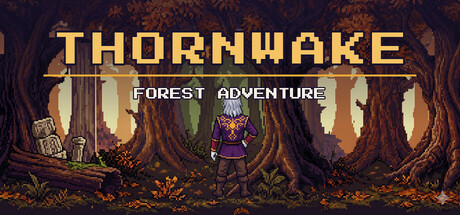 Thornwake: Forest Adventure In-game content artaudiotext | Some artwork, sounds, narrative, and localization were built using AI. | Mobile Vision Technologies LTD | - | Aug 20, 2026 | |
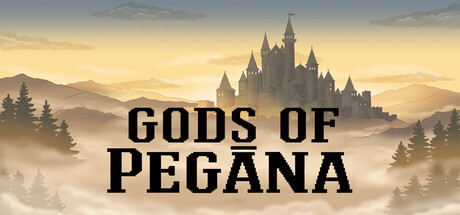 Gods of Pegana In-game content art | A small amount of public domain and commissioned art assets may have used genAI before passing to a human for modification/inclusion. | ManaScroll Games | - | Aug 20, 2026 | |
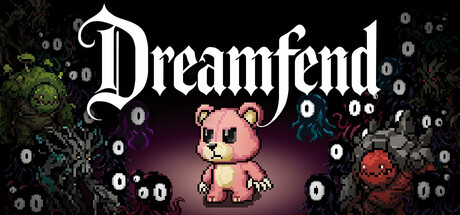 Dreamfend In-game content artaudio | Some assets in Dreamfend were created using generative AI tools. This applies to the music and to some of the visual assets. All such content is reviewed and refined by hand to match the game's style and the author's intent. No content is generated during gameplay. | Lapchatka | - | Aug 20, 2026 | |
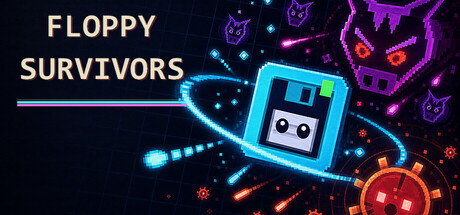 Floppy Survivors In-game content text | Generative AI tools were used to assist in the localization process for certain supported languages within the game. | Beff Inc. | - | Aug 20, 2026 | |
 Tarot Gambit In-game content artaudiotext | Artificial intelligence tools were utilized as a reference and assistive aid in the creation of certain art assets, audio elements, and localization translations for this game. | XiaoyaoYi | - | Aug 20, 2026 | |
 Desert Grinder In-game content artcode | The main menu was generated by AI.
Some assets were generated by AI.
Some code was generated by AI. | Bernictas Studios | - | Aug 20, 2026 | |
 2D Factory In-game content artaudiocode | AI was used to write parts of the code and review the project. Most of the icons and music were also created with the use of AI. | Alexandre Hamelin | - | Aug 20, 2026 | |
 Lethe In-game content art | AI tools were used during the development process for asset creation/reference, and no dynamic AI content is generated during real-time gameplay. | Purplemoon | - | Aug 20, 2026 | |
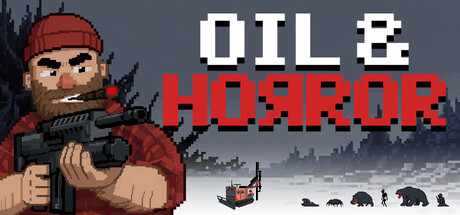 OIL & HORROR artcode | Some still images and and code bug fixes were developed with the assistance of AI | 42 LONG | - | Aug 20, 2026 | |
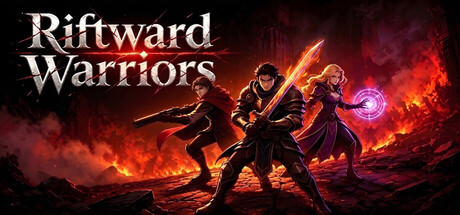 裂界勇士 In-game content art | Generative AI was used to assist in creating some visual assets, including certain background images and the game start screen artwork. Other game content, including gameplay, programming, character design, and world-building, was created independently by the development team. | BlackKnightStudio | - | Aug 20, 2026 | |
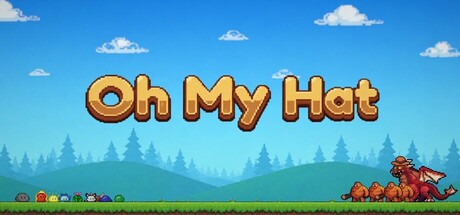 Oh My Hat In-game content art | This game uses generative AI-assisted content in some pre-rendered assets, such as visual effects, UI elements, background or promotional artwork, and marketing/community materials. No live generative AI system is used during gameplay, and the game does not generate new player-facing content dynamically while the player is playing. | Two-Sun Studio | - | Aug 19, 2026 | |
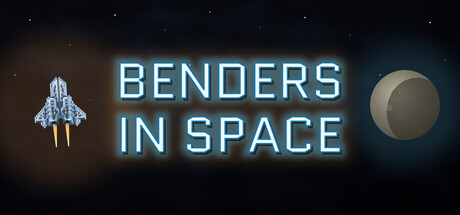 Benders In Space Unclear artaudio | AI was used during development to help with visual and sound effects. | mendlogames | - | Aug 19, 2026 | |
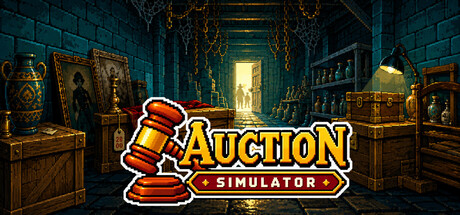 Auction Simulator In-game content art | Some of the images in the game are AI generated | WOMBEX Games | - | Aug 19, 2026 | |
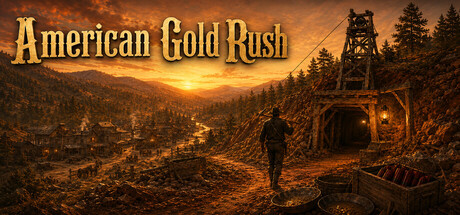 American Gold Rush In-game content art | American Gold Rush uses limited AI-generated art in a small number of places, all of it pre-generated during development. No AI is used while you play, and nothing about the game changes at runtime.
AI-generated: the title artwork, some background pieces like the sky.
Not AI-generated: all pixel art, all sound effects, all music, all game code and all writing. These are human-made, by named people paid for the work. | Kavyo Games | - | Aug 19, 2026 | |
 Gearbound In-game content artaudio | The visual art in Gearbound is made with PixelLab, an AI pixel-art tool. Every sprite, animation, tileset, background, prop, interface element and piece of marketing art was generated with PixelLab and then directed, edited and assembled by us.
The music and sound effects are rendered by synthesis scripts that were written with AI assistance. No generative audio model was used, and nothing was sourced from a music-generation service.
Nothing is generated by AI while you play. Every asset is finished and baked into the build before it ships, and the game makes no AI calls at runtime. | Osaka Rock | - | Aug 19, 2026 | |
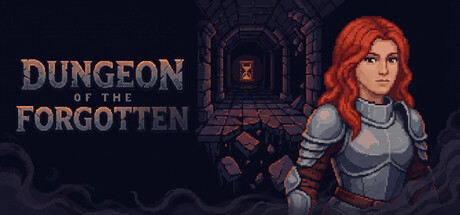 Dungeon of the Forgotten In-game content arttext | Generative AI was used for:
- The game's logo and Steam store capsule artwork (image generation)
- Translation of in-game text into Turkish, German, French and Spanish
-AI-generated images were reviewed and edited before use. | Berkay Turkmen | - | Aug 19, 2026 | |
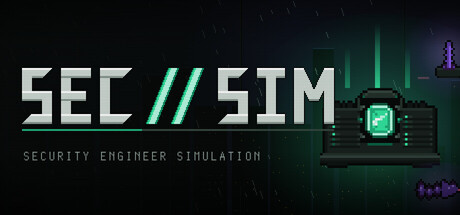 SEC//SIM — Security Engineer Simulation Store/marketing codetext | Generative AI was used during development as a coding assistant and to assist with drafting and translating store-page and marketing text. Some pixel-art assets were rendered by deterministic drawing code written with AI assistance; the final images were not directly output by a text-to-image or diffusion model. All shipped and published content was reviewed and edited by the developer. No generative AI runs in the game, and no content is generated from player input. | sasoriken-games | - | Aug 19, 2026 | |
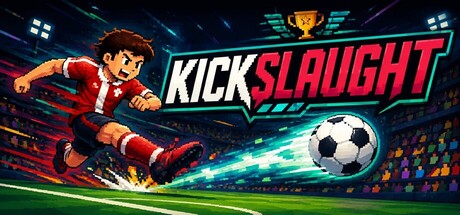 KICKSLAUGHT Store/marketing art | Some of the store's visual designs utilized AI. | RedenelGO | - | Aug 19, 2026 | |
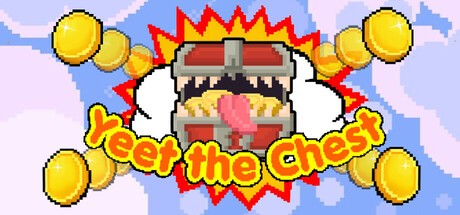 Yeet the Chest Store/marketing text | We used AI tools to assist in drafting and refining parts of the game's store description and promotional texts | GooseBumps | - | Aug 19, 2026 | |
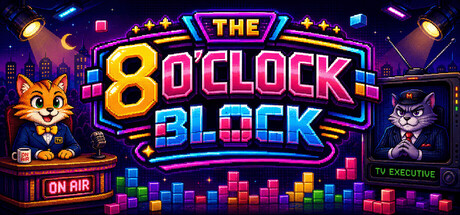 The 8 o'clock Block In-game content artcode | Generative AI was used extensively during development to assist with writing and debugging code, creating concept and promotional artwork, and brainstorming game content. All final content was reviewed, tested, and implemented by the developer. The finished game does not use generative AI at runtime, and players will not encounter AI-generated content while playing. | Robobana Games | - | Aug 19, 2026 | |
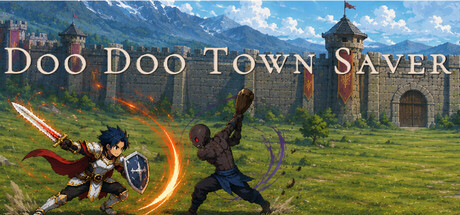 DOO DOO Town Saver In-game content artaudio | Some visual assets and background music included in this game were created using generative AI tools and have been reviewed, edited, and integrated by the developer. | Doo Doo Oppa | - | Aug 19, 2026 | |
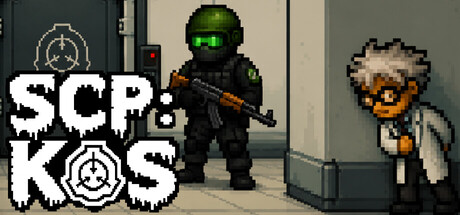 SCP: KOS In-game content artaudio | Art and sound is made using AI. | butterbug | - | Aug 19, 2026 | |
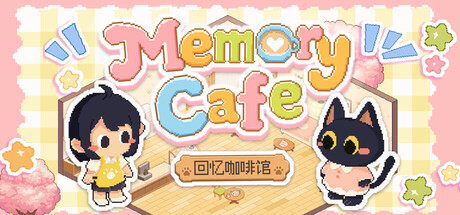 memory cafe Dev only codeart | AI tools were used during development in two areas. Code: an AI coding assistant helped write and refactor GDScript source; all output was reviewed and edited by the developer before being committed. UI design: interface layouts were prototyped as HTML mockups with AI assistance, then redrawn and implemented by hand as Godot scenes — no AI-produced file ships in the build.
All art and music in the game were created by people. Sound effects are generated procedurally by a hand-written synthesis script (numpy waveform synthesis, no models or samples involved). Fonts are open-licensed, human-designed typefaces. | Twiggy gaming | - | Aug 19, 2026 | |
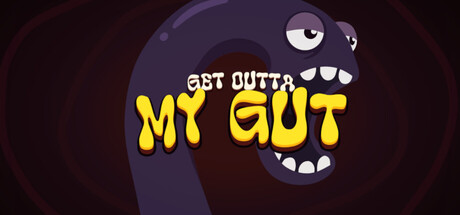 Get Outta My Gut Store/marketing art | Various visual assets and promotional materials for Get Outta My Gut were created with the assistance of generative AI tools.
All AI-generated content was reviewed, refined, and integrated by the developer to ensure consistency with the game's artistic direction and quality standards. | INDIE-SQUID | - | Aug 19, 2026 | |
 Open Headcount: A Corporate-Hell Roguelike In-game content art | AI was used to assist with base image generation, all in-game assets were edited manually prior to implementation. | Platyware | - | Aug 19, 2026 | |
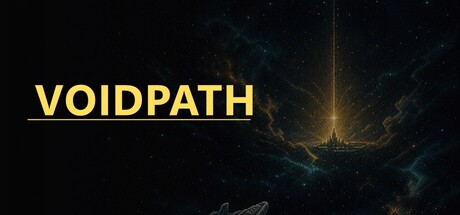 Voidpath In-game content artaudio | Some of the music & art in this game has been generated with the assistance of Artificial Intelligence tools. | Rothwell Creative Concepts | - | Aug 19, 2026 | |
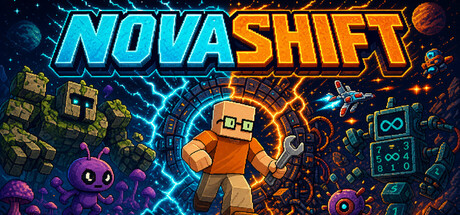 NovaShift: Universe In-game content art | NovaShift: Universe uses AI-generated art. Some 2D artwork — enemy, boss and item sprites for several game universes, boss projectile sprites, and store/marketing images (capsules, key art, logo) — was created with the assistance of AI image-generation tools, then curated, edited, transparency-cleaned and integrated by the developer. All gameplay code, procedural art, audio and game design are human-made. No content is generated by AI at runtime; players never interact with a live AI system. | Candan26 | - | Aug 19, 2026 | |
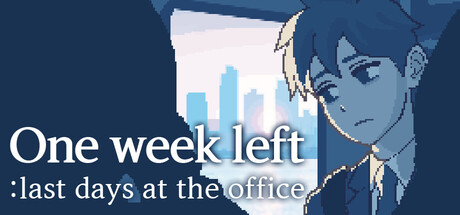 One Week Left In-game content arttextaudio | As a solo developer, this game utilizes generative AI tools to assist in the creation of certain assets—including game dialogue, artwork, and audio elements—which are then carefully edited, refined, and polished by the developer. | yongdustudio | - | Aug 19, 2026 | |
 Ducktile In-game content codeart | To streamline the creative workflow, this game incorporates AI-assisted tools. AI was employed for initial code prototyping and some asset creation; however, every aspect of the game has been extensively reviewed, modified, and refined to ensure high-quality performance and consistency. | PBH production | - | Aug 19, 2026 | |
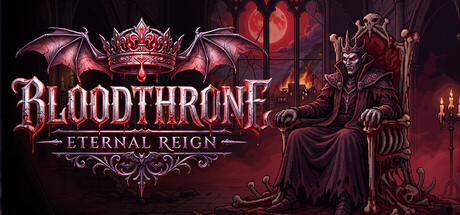 Bloodthrone: Eternal Reign Store/marketing art | Some of the visual material for this game was created with the help of generative AI tools. Specifically, the opening cinematic and several of the promotional images on this store page were produced using AI-assisted image generation, followed by manual editing, compositing and art direction by our team. All gameplay, code, design and audio were created without generative AI. | Velron Games | - | Aug 19, 2026 | |
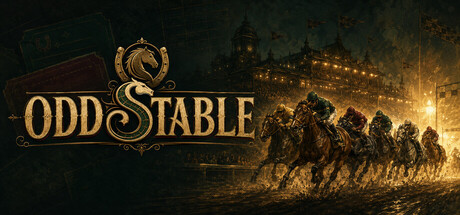 ODDSTABLE In-game content arttext | Generative AI tools were used during development to create or assist with portions of the game's pre-generated visual artwork, including horse illustrations, environmental backgrounds, contract and item icons, decorative UI artwork, the game logo, and Steam store and library artwork. AI-assisted tools were also used to draft or refine portions of in-game text and localization.
All such materials were generated before release, then reviewed, selected, and edited by the developer, and are included in the game as fixed assets. No AI content is generated during gameplay, and the game does not connect to any external AI service. | Kai Kai | - | Aug 19, 2026 | |
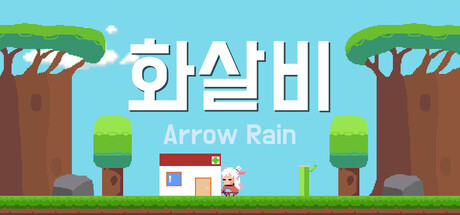 Arrow Rain In-game content art | This game uses generative AI to assist in creating some monster and card artwork. | potg | - | Aug 19, 2026 |


