Public Steam disclosure research25,394 disclosures tracked
Where do games disclose AI use?
Search developers’ Steam disclosures, compare classified AI use across
games, and follow recorded changes.
This index adds cross-game classifications and statistics to
statements published on individual store pages.
Groups reflect automatic analysis of public disclosures; mature records are excluded. These counts do not measure AI use across all of Steam.
Missing or unclear statements cannot establish whether a game uses AI.
This game uses curated, pre-generated AI-assisted artwork and audio. These assets are created before release, then reviewed, edited, processed, and integrated by the developer as fixed in-game images, ambience, and related store or marketing materials.
Generative AI was used during development to assist with polishing promotional illustrations and drafting portions of the game's logic code. Some manually drawn promotional artwork was refined with AI assistance to improve less polished areas. AI-assisted code was manually reviewed by the developer, integrated by hand, and verified through local builds and hands-on playtesting before use. The game does not include player-facing real-time AI generation.
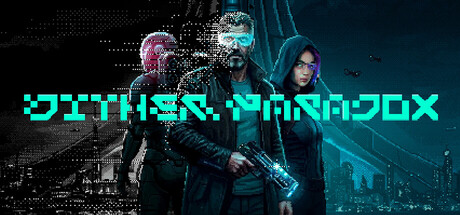
Dither Paradox is created and directed by Michał Kita. The game's final pixel art, animation, and visual design are made by hand, and every artistic and creative decision is made by people.
We use generative AI as a production tool that supports - but does not replace - this work. In the visual layer, AI is sometimes used during the concept and iteration stage - to explore ideas and variations - while the final art assets that ship in the game are made by hand. AI also assists in producing music and voiceover, which are then curated, edited, and approved by the team, as well as some promotional materials.
AI lets us reach a higher level of polish in less time, but authorship, art direction, and final responsibility for everything players see and hear remain with the people who make the game.
Some 3D models, prop assets, and sound effects in this game were created with the help of generative AI tools and then reviewed, edited, and integrated by our team to fit the game's art style and quality standards. Other art, design, and store/marketing materials were created without generative AI.
Some visual assets and concept artwork used in the game were created or assisted by generative AI tools and further modified by the developer. All gameplay systems, story content, level design, and interactive features were created by the developer.
This work incorporates the use of generative artificial intelligence (AI) in the following areas: Parts of the artwork, parts of the sound, and localization.
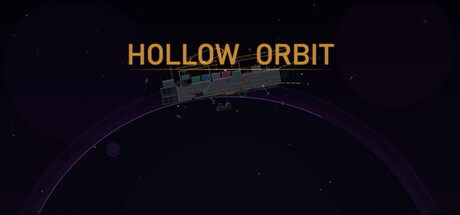
Parts of Hollow Orbit were made with help from generative AI tools — assisting with the game's code, some in-engine visuals and audio, and store/marketing assets like the logo and trailer graphics. All output was reviewed and finalized by the developer, and no content is generated by AI during gameplay.
We used generative AI mainly for generating code. It has also been used for writing flavour text, many interface descriptions and some lines for an AI character. Finally it has also been used for proofreading.
Generative AI was used as an assistant during development for drafting and editing store-page text, brainstorming, and code assistance. Final game assets, gameplay, implementation, and creative direction are reviewed and edited by the developer. No live-generated AI content is used during gameplay.
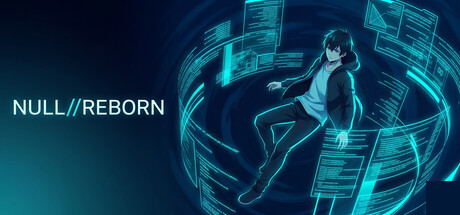
NULL//REBORN was built with agentic AI as a creative partner throughout the entire pipeline.
I designed the vision, story outline, musical direction, and game logic — then used AI to bring each piece to life:
- generating the art,
- fleshing out the script,
- composing the music, and writing the code.
Every element was guided by human intent and shaped by AI execution.
The art, music, and written text in this game were created using commercial generative AI services, working from the developer's own designs and ideas under direct human supervision, with each asset and passage curated and edited by hand. All content is pre-generated — no AI runs while you play.
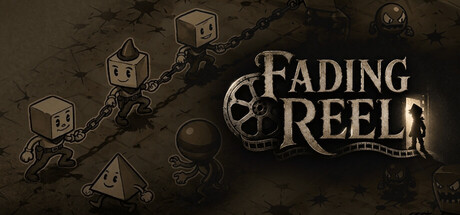
Fading Reel uses machine translation (automated translation software) to provide in-game interface text in languages other than English. English menus, upgrades, tutorials, and story intertitles were written by the developer; non-English versions were generated from that English source and may contain errors.
Game art, audio, gameplay, store screenshots, and the trailer were not created with generative AI.
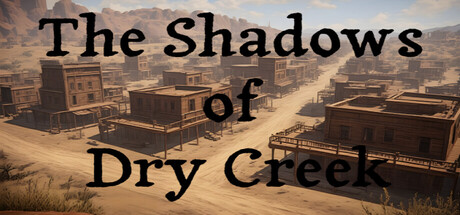
The visuals in The Shadows of Dry Creek (illustrations and scenes) were generated using generative artificial intelligence tools, then curated and integrated within a consistent art direction aligned with the game’s universe. Some elements may have been manually adjusted or refined to ensure they fit the intended narrative experience.
AI was used to create initial concept images for the main character (the funny copter). These images were then edited, redrawn and polished by a human artist. All other sprites, animations, backgrounds, sounds, music, and code in the game have nothing to do with AI.
Generative AI was used only as a development aid during production. All content included in the final game was reviewed and approved by the developer. The released game does not generate content using AI.
Generative AI tools were used to assist with the creation of some 3D assets, textures, and translations. All AI-assisted content was reviewed and edited by the developer before being included in the game.
Some visual assets, images, or concept materials used in this game are created with AI-assisted tools and further selected, adjusted, integrated, or refined by the author for use in the game's artistic presentation and content production.
The developer used generative AI tools during development to assist in creating pre-generated assets, including concept art for backgrounds and placeholder text assets. None of the AI content is generated in real-time during gameplay.
This game uses text-to-speech to generate character voices, image-to-3D tools to create ship models, and image-to-video tools to produce cinematic sequences you may encounter during gameplay.
AI-generated content has been used to enhance and enrich the in-game experience.
As a small independent development team, we used generative AI as a supporting production tool during development.
All creative direction, game design, asset selection, editing, integration, and final approval were handled by the development team. AI-generated material was reviewed and modified by the developers before being included in the game.
The game does not generate AI content during gameplay.
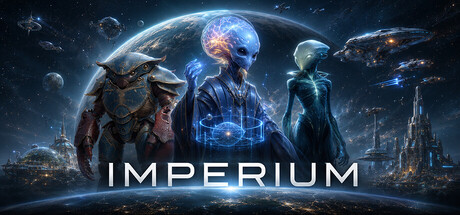
Imperium is a solo-developed game that makes extensive use of generative AI
to create its content:
• Visual art and graphical assets — planet surfaces, buildings, species and
ship artwork, interface art, and store/marketing imagery — were generated
using Midjourney and ChatGPT, then extensively edited, composited, and
refined by hand in Photoshop (including Photoshop's AI tools) to fit the
game's art direction.
• Music was generated using Suno.
• Sound effects were generated using ElevenLabs.
Every asset is reviewed, edited, and approved by the developer before it
ships, and the game's design, systems, and balance are the developer's own.
Imperium's in-game opponents use traditional algorithmic AI, not generative AI.
Generative AI tools were used during the creation of certain marketing and promotional materials for the game, including concept artwork, logos, store page assets, and text drafts. All AI-generated content was reviewed, edited, and integrated by the developer before publication.
"AI tools (Leonardo AI) were used to generate some concept art and UI textures during development. AI tools (Gemini) were used to generate background music assets. All assets were pre-generated before being integrated into the game."
This game was designed and developed entirely by humans. Generative AI was only used to assist with the translation and localization of in-game text. No AI-generated artwork, audio, gameplay content, or narrative content is included in the game.
We currently use AI for some of the audio dialogue as well as some of the placeholder 2D art assets. Our goal is to get art made for these where possible and we already have a voice actor and musician on board who is working on our audio.
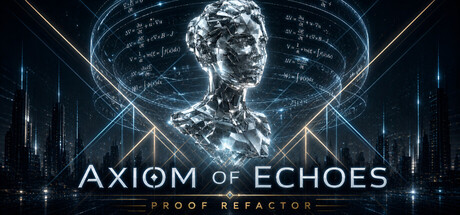
Axiom of Echoes uses generative AI for part of its assets. The store and library artwork (capsule, header, and library images) was created with AI image-generation tools and then curated and edited by hand.
Portions of the soundtrack, sound effects, and voice narration were produced with AI audio tools. All AI-assisted content is reviewed by a human before it ships. The gameplay itself — the 3D voxel puzzles, their target shapes and solutions — is generated procedurally from mathematical formulas, not by AI.
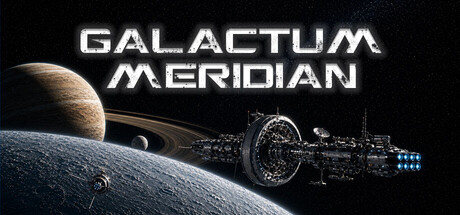
Galactum Meridian was developed with generative AI assistance under direct human creative direction. AI tools supported coding, writing, design exploration, production workflows, and selected visual and promotional assets. All material was reviewed, edited, and integrated by the developer. The game does not use live generative AI during gameplay.
Generative AI is used only for some in-game icons.
Those icons are manually edited and finalized by our development team.
Generative AI was not used for any other game assets.
AI is not used during gameplay.
Generative AI tools were used only to assist in the creation of certain store page and marketing images. No AI-generated content is created during gameplay, and the game does not use live AI systems or connect to external AI services while running.
AI Disclosure
This game was developed entirely with the assistance of large language models and generative AI tools. AI systems were used for graphic asset generation, concept art, narrative text drafting, lore writing, design review, creative critique, initial structural planning, code architecture, system design, feature implementation, iterative refinement, and debugging. All lore, mechanics, story, art, and game systems are pre-authored and fully static. No AI processing or generation occurs at runtime — the game runs entirely on pre-built code with no live model calls. This disclosure is provided in compliance with Steam's AI Content Policy and Valve developer transparency guidelines.
Some visuals, text, and promotional materials (including the trailer) were created with the help of AI.
Imperfections, inconsistencies, and “errors” are intentional — they reflect a world where systems don’t always make sense, yet people rely on them anyway.
This is not a bug. It’s the design.
This game uses curated, pre-generated AI-assisted artwork and audio. These assets are created before release, then reviewed, edited, processed, and integrated by the developer as fixed in-game images, ambience, and related store or marketing materials.
Generative AI was used during development to assist with polishing promotional illustrations and drafting portions of the game's logic code. Some manually drawn promotional artwork was refined with AI assistance to improve less polished areas. AI-assisted code was manually reviewed by the developer, integrated by hand, and verified through local builds and hands-on playtesting before use. The game does not include player-facing real-time AI generation.
Dither Paradox is created and directed by Michał Kita. The game's final pixel art, animation, and visual design are made by hand, and every artistic and creative decision is made by people.
We use generative AI as a production tool that supports - but does not replace - this work. In the visual layer, AI is sometimes used during the concept and iteration stage - to explore ideas and variations - while the final art assets that ship in the game are made by hand. AI also assists in producing music and voiceover, which are then curated, edited, and approved by the team, as well as some promotional materials.
AI lets us reach a higher level of polish in less time, but authorship, art direction, and final responsibility for everything players see and hear remain with the people who make the game.
Some 3D models, prop assets, and sound effects in this game were created with the help of generative AI tools and then reviewed, edited, and integrated by our team to fit the game's art style and quality standards. Other art, design, and store/marketing materials were created without generative AI.
Some visual assets and concept artwork used in the game were created or assisted by generative AI tools and further modified by the developer. All gameplay systems, story content, level design, and interactive features were created by the developer.
This work incorporates the use of generative artificial intelligence (AI) in the following areas: Parts of the artwork, parts of the sound, and localization.
Parts of Hollow Orbit were made with help from generative AI tools — assisting with the game's code, some in-engine visuals and audio, and store/marketing assets like the logo and trailer graphics. All output was reviewed and finalized by the developer, and no content is generated by AI during gameplay.
We used generative AI mainly for generating code. It has also been used for writing flavour text, many interface descriptions and some lines for an AI character. Finally it has also been used for proofreading.
Generative AI was used as an assistant during development for drafting and editing store-page text, brainstorming, and code assistance. Final game assets, gameplay, implementation, and creative direction are reviewed and edited by the developer. No live-generated AI content is used during gameplay.
NULL//REBORN was built with agentic AI as a creative partner throughout the entire pipeline.
I designed the vision, story outline, musical direction, and game logic — then used AI to bring each piece to life:
- generating the art,
- fleshing out the script,
- composing the music, and writing the code.
Every element was guided by human intent and shaped by AI execution.
The art, music, and written text in this game were created using commercial generative AI services, working from the developer's own designs and ideas under direct human supervision, with each asset and passage curated and edited by hand. All content is pre-generated — no AI runs while you play.
Fading Reel uses machine translation (automated translation software) to provide in-game interface text in languages other than English. English menus, upgrades, tutorials, and story intertitles were written by the developer; non-English versions were generated from that English source and may contain errors.
Game art, audio, gameplay, store screenshots, and the trailer were not created with generative AI.
The visuals in The Shadows of Dry Creek (illustrations and scenes) were generated using generative artificial intelligence tools, then curated and integrated within a consistent art direction aligned with the game’s universe. Some elements may have been manually adjusted or refined to ensure they fit the intended narrative experience.
AI was used to create initial concept images for the main character (the funny copter). These images were then edited, redrawn and polished by a human artist. All other sprites, animations, backgrounds, sounds, music, and code in the game have nothing to do with AI.
Generative AI was used only as a development aid during production. All content included in the final game was reviewed and approved by the developer. The released game does not generate content using AI.
Generative AI tools were used to assist with the creation of some 3D assets, textures, and translations. All AI-assisted content was reviewed and edited by the developer before being included in the game.
Some visual assets, images, or concept materials used in this game are created with AI-assisted tools and further selected, adjusted, integrated, or refined by the author for use in the game's artistic presentation and content production.
The developer used generative AI tools during development to assist in creating pre-generated assets, including concept art for backgrounds and placeholder text assets. None of the AI content is generated in real-time during gameplay.
This game uses text-to-speech to generate character voices, image-to-3D tools to create ship models, and image-to-video tools to produce cinematic sequences you may encounter during gameplay.
AI-generated content has been used to enhance and enrich the in-game experience.
As a small independent development team, we used generative AI as a supporting production tool during development.
All creative direction, game design, asset selection, editing, integration, and final approval were handled by the development team. AI-generated material was reviewed and modified by the developers before being included in the game.
The game does not generate AI content during gameplay.
Imperium is a solo-developed game that makes extensive use of generative AI
to create its content:
• Visual art and graphical assets — planet surfaces, buildings, species and
ship artwork, interface art, and store/marketing imagery — were generated
using Midjourney and ChatGPT, then extensively edited, composited, and
refined by hand in Photoshop (including Photoshop's AI tools) to fit the
game's art direction.
• Music was generated using Suno.
• Sound effects were generated using ElevenLabs.
Every asset is reviewed, edited, and approved by the developer before it
ships, and the game's design, systems, and balance are the developer's own.
Imperium's in-game opponents use traditional algorithmic AI, not generative AI.
Generative AI tools were used during the creation of certain marketing and promotional materials for the game, including concept artwork, logos, store page assets, and text drafts. All AI-generated content was reviewed, edited, and integrated by the developer before publication.
"AI tools (Leonardo AI) were used to generate some concept art and UI textures during development. AI tools (Gemini) were used to generate background music assets. All assets were pre-generated before being integrated into the game."
This game was designed and developed entirely by humans. Generative AI was only used to assist with the translation and localization of in-game text. No AI-generated artwork, audio, gameplay content, or narrative content is included in the game.
We currently use AI for some of the audio dialogue as well as some of the placeholder 2D art assets. Our goal is to get art made for these where possible and we already have a voice actor and musician on board who is working on our audio.
Axiom of Echoes uses generative AI for part of its assets. The store and library artwork (capsule, header, and library images) was created with AI image-generation tools and then curated and edited by hand.
Portions of the soundtrack, sound effects, and voice narration were produced with AI audio tools. All AI-assisted content is reviewed by a human before it ships. The gameplay itself — the 3D voxel puzzles, their target shapes and solutions — is generated procedurally from mathematical formulas, not by AI.
Galactum Meridian was developed with generative AI assistance under direct human creative direction. AI tools supported coding, writing, design exploration, production workflows, and selected visual and promotional assets. All material was reviewed, edited, and integrated by the developer. The game does not use live generative AI during gameplay.
Generative AI is used only for some in-game icons.
Those icons are manually edited and finalized by our development team.
Generative AI was not used for any other game assets.
AI is not used during gameplay.
Generative AI tools were used only to assist in the creation of certain store page and marketing images. No AI-generated content is created during gameplay, and the game does not use live AI systems or connect to external AI services while running.
AI Disclosure
This game was developed entirely with the assistance of large language models and generative AI tools. AI systems were used for graphic asset generation, concept art, narrative text drafting, lore writing, design review, creative critique, initial structural planning, code architecture, system design, feature implementation, iterative refinement, and debugging. All lore, mechanics, story, art, and game systems are pre-authored and fully static. No AI processing or generation occurs at runtime — the game runs entirely on pre-built code with no live model calls. This disclosure is provided in compliance with Steam's AI Content Policy and Valve developer transparency guidelines.
Some visuals, text, and promotional materials (including the trailer) were created with the help of AI.
Imperfections, inconsistencies, and “errors” are intentional — they reflect a world where systems don’t always make sense, yet people rely on them anyway.
This is not a bug. It’s the design.