








Disclosure
This game called upon several artificial intelligences during its development, both in terms of functions and visuals.
- Creator
- 99th Game Project
- Reviews
- -
- Added
- Jul 17, 2026
Public Steam disclosure research 25,394 disclosures tracked
Search developers’ Steam disclosures, compare classified AI use across games, and follow recorded changes. This index adds cross-game classifications and statistics to statements published on individual store pages.
Code help, debugging and other development work.
Capsule art, trailers and promotional material.
Pre-made art, audio, writing and other game assets.
Interactive or runtime AI features disclosed by the developer.
Groups reflect automatic analysis of public disclosures; mature records are excluded. These counts do not measure AI use across all of Steam. Missing or unclear statements cannot establish whether a game uses AI.
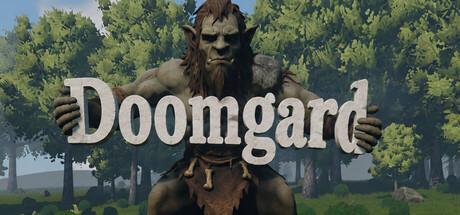
This game called upon several artificial intelligences during its development, both in terms of functions and visuals.
The torches, waterfall, fireflies, stars, clouds, and music visualization were written by AI.
- 3D asset creation - Body animation
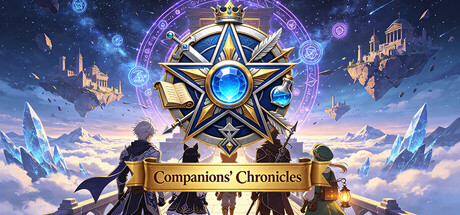
Players may select a preset worldview and character template, or customize their own worldview and character settings before starting the game. They can interact via text typing in the in-game chat window, as well as click AI-provided options to engage with AI-generated content.
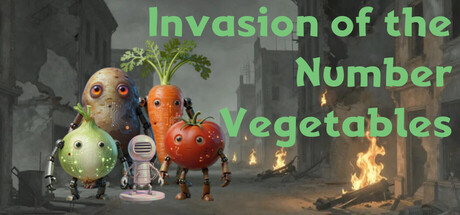
Some artwork in this game was created using generative AI (NightCafe) from text prompts, then edited and incorporated into the final visuals. AI is not used to generate content during gameplay.
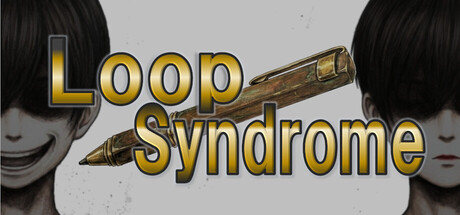
Some character illustrations were refined using generative AI as an assistive tool based on artwork originally designed and created by the developer. The final artwork was then manually reviewed and edited. Generative AI was also used to assist with the initial English localization, which was subsequently reviewed and revised before implementation in the game.
All game videos in this content are AI-generated.
本游戏使用 AI 辅助创作部分美术素材。
本遊戲某些美術圖片以AI生成,散請留意。
AI was used to voice the characters.
Generative AI tools were used during the production of the game as creative and technical support. This applies only to content prepared in advance during development. AI was used in several areas, including: Artwork and promotional materials — generating base images, character concepts, interface concepts, reference images, and materials later used as a foundation for manual editing or further production. 3D models — some models are created with the help of AI tools and an image-to-3D workflow, then selected, adjusted, and integrated into the game. Voice acting — character voices are created using AI-based voice synthesis. Code and production tools — AI assistants support coding, code analysis, refactoring, and optimization. Design consultation — AI tools are used as support for analyzing ideas, designing interfaces, refining descriptions, and planning game systems. The main concept of the game, story structure, quest dependencies, world direction, and dialogue content are created and supervised by the game’s author. Content created with the help of AI is selected, edited, and implemented manually. The game does not contain AI-generated content created in real time during gameplay.
Advanced voice generating AI was used to help save time with development.
Part of the localization was AI-assisted, and certain textures and sound effects were initially generated by AI for reference.
AI was used in some of the code generation, image generation, and text. All content has been thoroughly vetted without AI.
To Raise a King was made by one person working with AI collaborators. AI tools were used in the following ways during development, and every AI output shipped in the game was reviewed, curated, edited, and approved by the developer before inclusion. Source code. Written in collaboration with Anthropic's Claude, with the developer directing architecture, reviewing every change, and testing behavior. Character and scene illustrations. Generated locally with the FLUX.2 image model running in ComfyUI. Prompts, reference images, layered compositions, and final selections were all authored and curated by the developer. Voice acting. Voices were produced with ElevenLabs. The developer cast each role, wrote each line, directed the delivery through iteration, and hand-picked the takes shipped in the game. Music and sound. Music and select sound effects were produced with ElevenLabs' music generation. Tracks were selected, edited, and placed by the developer. Writing and design. Story beats, dialogue, and system design were developed collaboratively with Claude, with the developer as the final author. The developer confirms they hold or have licensed the rights to use these tools' outputs commercially, and has taken reasonable steps to ensure no infringing or unlawful content was produced.
This game used AI tools to assist in generating some visual assets and code. All AI-generated content has been manually reviewed and edited by the developer to ensure quality.
This game uses generative AI in the creation of some background images. The generated images have been selected and adjusted by the developer to fit the content of the game, and are used as in-game background assets. AI does not generate any new text, images, audio, or other content during gameplay.
Many of the art assets used at this stage are AI-generated placeholders, including most of the card artwork. These AI assets help depict the overall creative style and vision that will be achieved in the full release. A Kickstarter campaign will be dedicated to raising the funds to replace the AI placeholder art. All of the sound design, music, text and game code is entirely human-created.
Some illustrations and background art were pre-generated using AI image tools, then manually curated, edited, and tone-matched by the developer. All game text, game design, and code are human-authored. The game does not generate any content with AI at runtime.
Campaign Forge uses generative AI as a core, opt-in feature. Worlds, characters, regions, and stories are generated live, on demand, at the player's direction, using an AI provider and model the player chooses (paid cloud, free cloud, or a fully local/offline model — bring your own API key or run locally).
This game utilizes generative artificial intelligence tools to assist in the creation of pre-rendered character portraits and musical materials.
- Cutscene voice changer : original audio by voice artist transformed to character voices with AI. No text to speech AI was used as it just wasn't up to standards. - Cutscene music/jingles, profile pictures and background pictures - Textures We are just as repulsed by AI slop (and slop in general) as anybody. We made a conscious effort to drop anything that wasn't up to standard.
THE UNSHARED uses pre-rendered AI-generated assets: the CURATOR's voice (Kokoro-82M TTS) and two UI images (logo and menu background). No AI content is generated during gameplay.
In the development of Project Deep Nexus, AI was utilized for several key components. This includes creating character and background artworks, as well as generating some music tracks. While the developer curated the plot and narrative, AI assisted in the process.
I used it a ton for programming, and images.
Generative AI was used to: - Create some of 3D models - Create some of textures - Create some of 2D background arts Also, some parts of the programming code was written with AI help.
During development, generative AI tools were used to create temporary 2D images, rough visual assets, and concept art. These assets are used as prototypes and references during the development phase. In the final version of the game, they will be replaced with original, hand-crafted assets.
AI has been used for pre-generation of images, sfx & music
This game uses generative AI to assist in creating some design concepts and visual assets. All output is reviewed and refined by the developer.
This game uses AI-generated art assets.
This project includes limited use of AI generated content. AI tools were used to create certain background imagery and placeholder visual assets during development. Additionally, AI-assisted tools were utilized in a supplementary capacity during parts of the coding process to support development efficiency. All AI-generated content has been reviewed, modified, and integrated by the developer to ensure it aligns with the project’s overall quality and artistic direction.
Some of this game's assets were created with the assistance of generative AI tools, then curated, edited, and integrated by the developer. This includes art assets such as character portraits, location backgrounds, and promotional artwork, as well as sound. The game's code was written with AI coding tools under the developer's direction. The game's design, systems, writing, and creative direction are human-authored and directed.
The developer used generative AI tools to assist in creating certain 2D environmental textures and concept artwork used during development. Additionally, AI voice generation software was used to synthesize specific voice lines for characters within the game. AI coding assistants were also utilized to aid in writing and optimizing standard gameplay scripts
Galaxor uses generative AI tools to support the creation and revision of selected visual content, including icons, artwork, banners, store graphics and marketing materials. Generated content is reviewed, selected and, where necessary, manually adjusted before being used in the game or on the store page. No live-generated AI content is created during gameplay.
In this game, AI was used to generate code and music. It served as an auxiliary tool for composing backgrounds.
《半日酒馆》的所有核心内容——包括剧本(约20万字)、美术插画(场景、角色立绘)、背景音乐及音效——均在开发过程中借助 AI 工具生成或辅助创作,后经开发者人工筛选、修改、编排及整合,最终成为本游戏中的完整资产。游戏运行时不含任何实时 AI 生成内容,全部体验均为预先制作的固定成品。
本游戏在开发过程中使用了 AI 工具辅助制作少量场景装饰图,宣传片中的部分画面也使用了 AI 辅助生成,此外还用 AI 辅助编写了部分程序代码。所有 AI 辅助产出的内容均经过人工审核、筛选与二次加工,已尽力确保不侵犯任何第三方知识产权、不包含违法或不当内容。
We used Gemini (Google's Generative AI) to assist with Japanese to English localization and text translation.
During development, we used generative AI image tools to produce base images for some of our 2D art assets. Our artist then worked on them to create the final assets in the game and on the store page.
Some non-gameplay assets in this game (backgrounds, environment and concept art) were created using AI-assisted workflows, specifically: Runecraft AI (in-house workflow), Higgsfield and Pixellabs (select assets). The game's music is produced through studio recordings with live-played instruments; Suno is used supplementarily for optimizations and atmospheric additions. The majority of all game content (characters, sprites and core assets) is hand-crafted; AI is a supplementary tool in the production process. The shipped game does not generate any content at runtime via AI.
This game uses AI assistance as a support tool for efficient development. Scope of AI Use - Assistance with programming and code implementation - Drafting and style adjustment for English localization - Drafting and editing of some in-game text, including Observation Records in the Anomaly Codex, command reaction text, countermeasure procedures, and other text related to gameplay explanations and strategy - Drafting, editing, and proofreading of general text such as social media announcements, descriptions, and notices Scope Where AI Is Not Used Character images, Anomaly images, background images, Steam capsule images, audio, and BGM are created by the developer or use licensed distributed assets. No AI-generated assets are used for these materials. Content Created and Managed by the Developer The story, worldbuilding, characters, basic Anomaly concepts, and the folklore and supplementary materials related to the Anomalies are independently created by the developer. Game design and various specifications are also determined by the developer. For any content created with AI assistance, the final decision on whether to use the text, as well as quality control, is handled by the developer.
Generative AI tools were used during development for photos and videos of characters, as well as for development support such as code suggestions and iteration. All AI-assisted assets and code are fixed, reviewed, and integrated by the developer prior to release. The game does not use generative AI to produce live or dynamic content, text, images, audio, or code during gameplay.
Character portraits were created by transforming and editing licensed 3D character assets from PV Games using generative AI, followed by manual editing and refinement.
This game uses AI-assisted tools to create character voices. All dialogue was written, directed, edited, and implemented by the developer to fit the characters and story.
AI has been used to generate SFX files. If you know a real human that is willing to make these, let me know!
Generative AI was used only to assist with localization/translation partially. All localized text was reviewed and edited before release. No AI-generated content was used otherwise.
Some store page text, marketing copy, and promotional planning materials for Black File were created with assistance from generative AI tools and reviewed, edited, and approved by the development team before publication. The game does not use generative AI to create content during gameplay.
The art, music, and writing in this game were created with AI tools during development, directed by the developer through written prompts. The development process is documented publicly, prompt by prompt. The shipped game contains no live or runtime AI generation — the in-game assistant “Aya” is a hand-authored, deterministic simulation, and the game makes no network or model calls during play.
This game makes use of generative AI as part of the creative pipeline across art, text, sound, and voice. None of it is dumped in raw — every asset is curated, edited, and reworked by hand, and every line of dialogue is agonized over until it earns its place. AI is a tool here, not the author; the taste, the pacing, and the final call on what stays are all made by people. The codebase, in the interest of full honesty, is held together with AI-assisted spaghetti and sheer willpower — but it works, and every line is reviewed before shipping.
Generative AI was used as an assistive tool for some parts of the following game development tasks: (Background images, item images, coloring of character artwork, sound, code review, optimization, and localization text.)
| Title⇅ | Disclosure | Creator⇅ | Src | Reviews⇅ | Added↓ |
|---|---|---|---|---|---|
 Doomgard Unclear | This game called upon several artificial intelligences during its development, both in terms of functions and visuals. | 99th Game Project | - | Jul 17, 2026 | |
 Sophical In-game content artaudio | The torches, waterfall, fireflies, stars, clouds, and music visualization were written by AI. | Ramzi Mukhar | - | Jul 17, 2026 | |
 Vilnius Museum of Antiquities: A Temple of the Past In-game content art | - 3D asset creation
- Body animation | Weekend Warriors | - | Jul 17, 2026 | |
 Companions' Chronicles Live AI text | Players may select a preset worldview and character template, or customize their own worldview and character settings before starting the game. They can interact via text typing in the in-game chat window, as well as click AI-provided options to engage with AI-generated content. | TLSoul | - | Jul 17, 2026 | |
 Invasion of the Number Vegetables In-game content art | Some artwork in this game was created using generative AI (NightCafe) from text prompts, then edited and incorporated into the final visuals. AI is not used to generate content during gameplay. | Robert Bayley | - | Jul 17, 2026 | |
 LOOP SYNDROME In-game content arttext | Some character illustrations were refined using generative AI as an assistive tool based on artwork originally designed and created by the developer. The final artwork was then manually reviewed and edited. Generative AI was also used to assist with the initial English localization, which was subsequently reviewed and revised before implementation in the game. | TBCATGAMES | - | Jul 17, 2026 | |
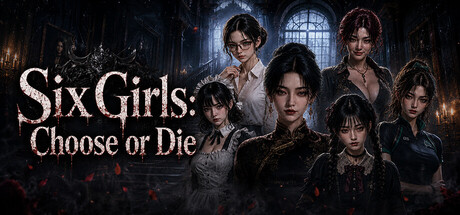 Six Girls: Choose or Die Store/marketing art | All game videos in this content are AI-generated. | 洄游光影 | - | Jul 17, 2026 | |
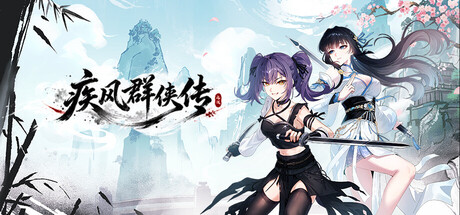 疾风群侠传 In-game content art | 本游戏使用 AI 辅助创作部分美术素材。 | 成分复杂游戏实验室 | - | Jul 17, 2026 | |
 水滸歷險Online:重生 Store/marketing art | 本遊戲某些美術圖片以AI生成,散請留意。 | Hong Kong Gamestar Limited | - | Jul 17, 2026 | |
 Guilty or Not In-game content audio | AI was used to voice the characters. | Maksym Melnyk | - | Jul 16, 2026 | |
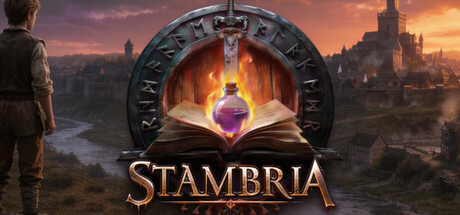 Stambria In-game content artaudiotextcode | Generative AI tools were used during the production of the game as creative and technical support. This applies only to content prepared in advance during development.
AI was used in several areas, including:
Artwork and promotional materials — generating base images, character concepts, interface concepts, reference images, and materials later used as a foundation for manual editing or further production.
3D models — some models are created with the help of AI tools and an image-to-3D workflow, then selected, adjusted, and integrated into the game.
Voice acting — character voices are created using AI-based voice synthesis.
Code and production tools — AI assistants support coding, code analysis, refactoring, and optimization.
Design consultation — AI tools are used as support for analyzing ideas, designing interfaces, refining descriptions, and planning game systems.
The main concept of the game, story structure, quest dependencies, world direction, and dialogue content are created and supervised by the game’s author. Content created with the help of AI is selected, edited, and implemented manually.
The game does not contain AI-generated content created in real time during gameplay. | SEPTEM Daniel Kuczewski | - | Jul 16, 2026 | |
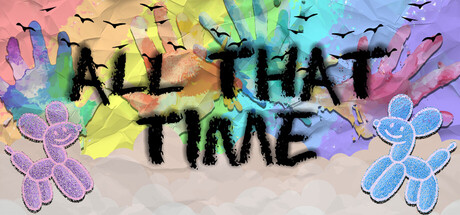 All That Time In-game content audio | Advanced voice generating AI was used to help save time with development. | Ouzzie | 23 | Jul 16, 2026 | |
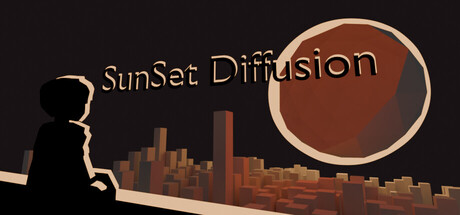 SunSet Diffusion In-game content textartaudio | Part of the localization was AI-assisted,
and certain textures and sound effects were initially generated by AI for reference. | RinGames | - | Jul 15, 2026 | |
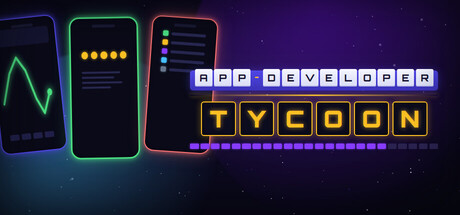 App Developer Tycoon In-game content arttextcode | AI was used in some of the code generation, image generation, and text. All content has been thoroughly vetted without AI. | Pixelquiz | - | Jul 15, 2026 | |
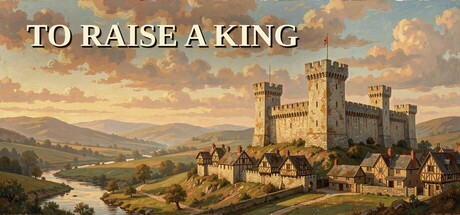 To Raise a King In-game content artaudiotextcode | To Raise a King was made by one person working with AI collaborators. AI tools were used in the following ways during development, and every AI output shipped in the game was reviewed, curated, edited, and approved by the developer before inclusion.
Source code. Written in collaboration with Anthropic's Claude, with the developer directing architecture, reviewing every change, and testing behavior.
Character and scene illustrations. Generated locally with the FLUX.2 image model running in ComfyUI. Prompts, reference images, layered compositions, and final selections were all authored and curated by the developer.
Voice acting. Voices were produced with ElevenLabs. The developer cast each role, wrote each line, directed the delivery through iteration, and hand-picked the takes shipped in the game.
Music and sound. Music and select sound effects were produced with ElevenLabs' music generation. Tracks were selected, edited, and placed by the developer.
Writing and design. Story beats, dialogue, and system design were developed collaboratively with Claude, with the developer as the final author.
The developer confirms they hold or have licensed the rights to use these tools' outputs commercially, and has taken reasonable steps to ensure no infringing or unlawful content was produced. | Stagnant Technologies LLC | - | Jul 15, 2026 | |
 Honoiro no Jikou 穗色时光 In-game content artcode | This game used AI tools to assist in generating some visual assets and code. All AI-generated content has been manually reviewed and edited by the developer to ensure quality. | Shanghai Yaxian Huizhi Technology Co., Ltd. | - | Jul 15, 2026 | |
 朝凪高校生徒会 In-game content art | This game uses generative AI in the creation of some background images.
The generated images have been selected and adjusted by the developer to fit the content of the game, and are used as in-game background assets.
AI does not generate any new text, images, audio, or other content during gameplay. | ELISTA×STUDIO | - | Jul 15, 2026 | |
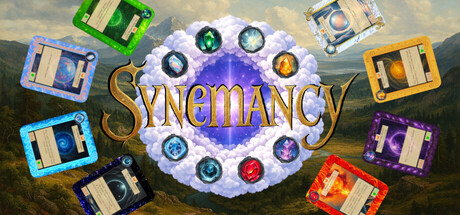 Synemancy In-game content art | Many of the art assets used at this stage are AI-generated placeholders, including most of the card artwork. These AI assets help depict the overall creative style and vision that will be achieved in the full release. A Kickstarter campaign will be dedicated to raising the funds to replace the AI placeholder art.
All of the sound design, music, text and game code is entirely human-created. | Quasarion Pty Ltd | - | Jul 15, 2026 | |
 THE UNREMEMBERED In-game content art | Some illustrations and background art were pre-generated using AI image tools, then manually curated, edited, and tone-matched by the developer. All game text, game design, and code are human-authored. The game does not generate any content with AI at runtime. | cksxoo | - | Jul 15, 2026 | |
 Campaign Forge Live AI text | Campaign Forge uses generative AI as a core, opt-in feature. Worlds, characters, regions, and stories are generated live, on demand, at the player's direction, using an AI provider and model the player chooses (paid cloud, free cloud, or a fully local/offline model — bring your own API key or run locally). | Daedalus | - | Jul 15, 2026 | |
 Business Wars In-game content artaudio | This game utilizes generative artificial intelligence tools to assist in the creation of pre-rendered character portraits and musical materials. | Tianshu Tech | - | Jul 15, 2026 | |
 Boring Car Stories - Maghrebine In-game content audioart | - Cutscene voice changer : original audio by voice artist transformed to character voices with AI. No text to speech AI was used as it just wasn't up to standards.
- Cutscene music/jingles, profile pictures and background pictures
- Textures
We are just as repulsed by AI slop (and slop in general) as anybody. We made a conscious effort to drop anything that wasn't up to standard. | ELFA LABS | 24 | Jul 15, 2026 | |
 The Unshared In-game content audioart | THE UNSHARED uses pre-rendered AI-generated assets: the CURATOR's voice (Kokoro-82M TTS) and two UI images (logo and menu background). No AI content is generated during gameplay. | SQUIDA | - | Jul 15, 2026 | |
 Project Deep Nexus In-game content artaudiotext | In the development of Project Deep Nexus, AI was utilized for several key components. This includes creating character and background artworks, as well as generating some music tracks. While the developer curated the plot and narrative, AI assisted in the process. | Cole Alexander | - | Jul 15, 2026 | |
 Heavens Gate Unclear artcode | I used it a ton for programming, and images. | Slick | - | Jul 15, 2026 | |
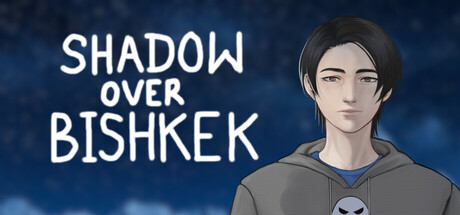 Shadow over Bishkek In-game content artcode | Generative AI was used to:
- Create some of 3D models
- Create some of textures
- Create some of 2D background arts
Also, some parts of the programming code was written with AI help. | Fish Run Games | - | Jul 15, 2026 | |
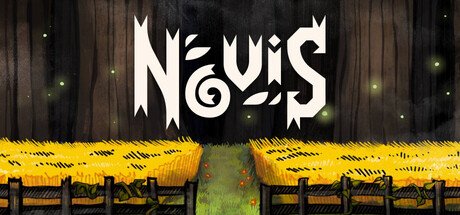 Novis Dev only art | During development, generative AI tools were used to create temporary 2D images, rough visual assets, and concept art.
These assets are used as prototypes and references during the development phase. In the final version of the game, they will be replaced with original, hand-crafted assets. | Umbra Team | - | Jul 15, 2026 | |
 The Lady with the Dog Unclear artaudio | AI has been used for pre-generation of images, sfx & music | Marat Zimnurov | - | Jul 13, 2026 | |
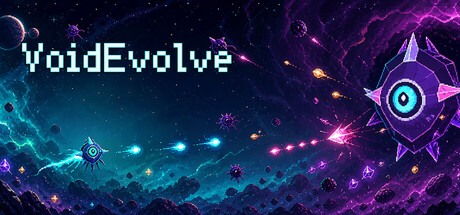 VoidEvolve In-game content art | This game uses generative AI to assist in creating some design concepts and visual assets. All output is reviewed and refined by the developer. | LIONMIND AI PTE. LTD. | - | Jul 13, 2026 | |
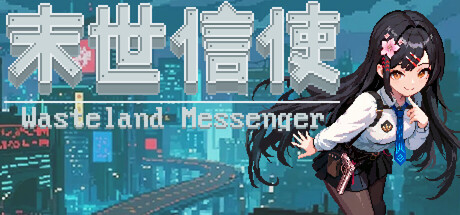 Wasteland Messenger In-game content art | This game uses AI-generated art assets. | Qingyuan PixelBox Network Co., Ltd. | - | Jul 13, 2026 | |
 Harbourlight In-game content artcode | This project includes limited use of AI generated content. AI tools were used to create certain background imagery and placeholder visual assets during development.
Additionally, AI-assisted tools were utilized in a supplementary capacity during parts of the coding process to support development efficiency.
All AI-generated content has been reviewed, modified, and integrated by the developer to ensure it aligns with the project’s overall quality and artistic direction. | TaoAndChalk_ | - | Jul 11, 2026 | |
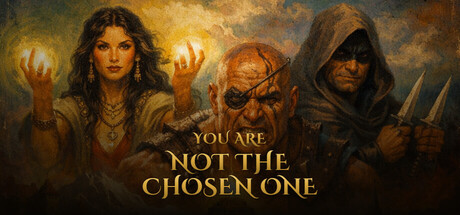 You Are Not the Chosen One In-game content artaudiocode | Some of this game's assets were created with the assistance of generative AI tools, then curated, edited, and integrated by the developer. This includes art assets such as character portraits, location backgrounds, and promotional artwork, as well as sound. The game's code was written with AI coding tools under the developer's direction. The game's design, systems, writing, and creative direction are human-authored and directed. | Acharya Interactive | - | Jul 11, 2026 | |
 The Evidence Cleaner In-game content artaudiocode | The developer used generative AI tools to assist in creating certain 2D environmental textures and concept artwork used during development. Additionally, AI voice generation software was used to synthesize specific voice lines for characters within the game. AI coding assistants were also utilized to aid in writing and optimizing standard gameplay scripts | Titanz Game | - | Jul 11, 2026 | |
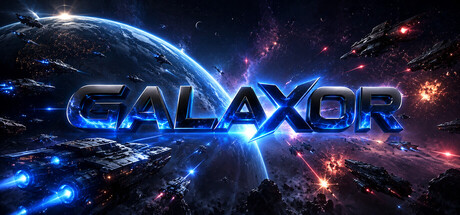 Galaxor In-game content art | Galaxor uses generative AI tools to support the creation and revision of selected visual content, including icons, artwork, banners, store graphics and marketing materials. Generated content is reviewed, selected and, where necessary, manually adjusted before being used in the game or on the store page. No live-generated AI content is created during gameplay. | MyVLife | - | Jul 11, 2026 | |
 Пятизвёздочный курьер и туман, воняющий мертвечиной In-game content codeaudio | In this game, AI was used to generate code and music. It served as an auxiliary tool for composing backgrounds. | ZarUmbra | - | Jul 11, 2026 | |
 半日酒馆 In-game content artaudiotext | 《半日酒馆》的所有核心内容——包括剧本(约20万字)、美术插画(场景、角色立绘)、背景音乐及音效——均在开发过程中借助 AI 工具生成或辅助创作,后经开发者人工筛选、修改、编排及整合,最终成为本游戏中的完整资产。游戏运行时不含任何实时 AI 生成内容,全部体验均为预先制作的固定成品。 | RICE PUDDING COMPANY | - | Jul 11, 2026 | |
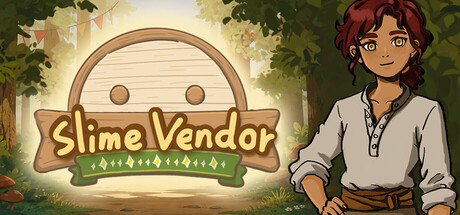 Slime Vendor In-game content artcode | 本游戏在开发过程中使用了 AI 工具辅助制作少量场景装饰图,宣传片中的部分画面也使用了 AI 辅助生成,此外还用 AI 辅助编写了部分程序代码。所有 AI 辅助产出的内容均经过人工审核、筛选与二次加工,已尽力确保不侵犯任何第三方知识产权、不包含违法或不当内容。 | BlahBlahPotato | - | Jul 11, 2026 | |
 Chobisuke's Weird Farm In-game content text | We used Gemini (Google's Generative AI) to assist with Japanese to English localization and text translation. | Syurarin19 | - | Jul 11, 2026 | |
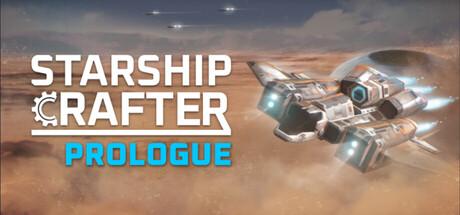 Starship Crafter - Prologue In-game content art | During development, we used generative AI image tools to produce base images for some of our 2D art assets. Our artist then worked on them to create the final assets in the game and on the store page. | RyseSoft | 31 | Jul 11, 2026 | |
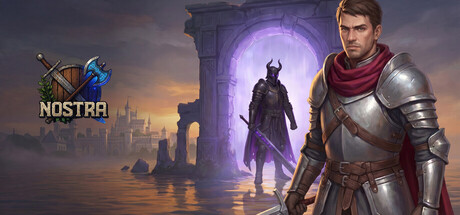 NOSTRA In-game content artaudio | Some non-gameplay assets in this game (backgrounds, environment and concept art) were created using AI-assisted workflows, specifically: Runecraft AI (in-house workflow), Higgsfield and Pixellabs (select assets). The game's music is produced through studio recordings with live-played instruments; Suno is used supplementarily for optimizations and atmospheric additions. The majority of all game content (characters, sprites and core assets) is hand-crafted; AI is a supplementary tool in the production process. The shipped game does not generate any content at runtime via AI. | Runecraft Studios | - | Jul 11, 2026 | |
 怪異対策特異機関ー幻視天研所ー In-game content codetext | This game uses AI assistance as a support tool for efficient development.
Scope of AI Use
- Assistance with programming and code implementation
- Drafting and style adjustment for English localization
- Drafting and editing of some in-game text, including Observation Records in the Anomaly Codex, command reaction text, countermeasure procedures, and other text related to gameplay explanations and strategy
- Drafting, editing, and proofreading of general text such as social media announcements, descriptions, and notices
Scope Where AI Is Not Used
Character images, Anomaly images, background images, Steam capsule images, audio, and BGM are created by the developer or use licensed distributed assets.
No AI-generated assets are used for these materials.
Content Created and Managed by the Developer
The story, worldbuilding, characters, basic Anomaly concepts, and the folklore and supplementary materials related to the Anomalies are independently created by the developer.
Game design and various specifications are also determined by the developer.
For any content created with AI assistance, the final decision on whether to use the text, as well as quality control, is handled by the developer. | 月兎立地区域 | - | Jul 11, 2026 | |
 The Cold Cases: Remembering Jory Dev only artcode | Generative AI tools were used during development for photos and videos of characters, as well as for development support such as code suggestions and iteration.
All AI-assisted assets and code are fixed, reviewed, and integrated by the developer prior to release. The game does not use generative AI to produce live or dynamic content, text, images, audio, or code during gameplay. | JasperMarie | - | Jul 11, 2026 | |
 Mistworld In-game content art | Character portraits were created by transforming and editing licensed 3D character assets from PV Games using generative AI, followed by manual editing and refinement. | ProjectMist | - | Jul 11, 2026 | |
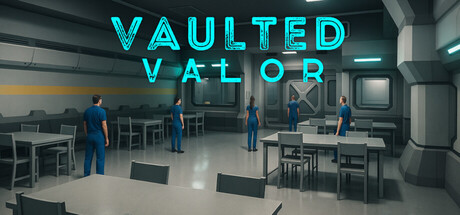 Vaulted Valor In-game content audio | This game uses AI-assisted tools to create character voices. All dialogue was written, directed, edited, and implemented by the developer to fit the characters and story. | deeplabs | - | Jul 10, 2026 | |
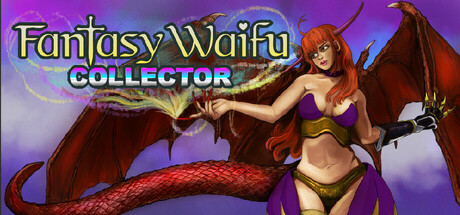 Fantasy Waifu Collector In-game content audio | AI has been used to generate SFX files. If you know a real human that is willing to make these, let me know! | SyKoHPaTh | - | Jul 10, 2026 | |
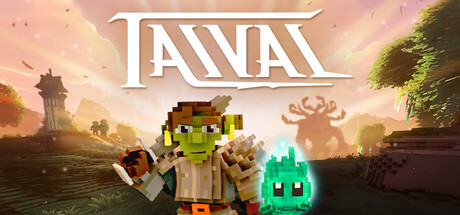 Taival In-game content text | Generative AI was used only to assist with localization/translation partially. All localized text was reviewed and edited before release. No AI-generated content was used otherwise. | Bonobo Software | 143 | Jul 10, 2026 | |
 Black File Store/marketing text | Some store page text, marketing copy, and promotional planning materials for Black File were created with assistance from generative AI tools and reviewed, edited, and approved by the development team before publication. The game does not use generative AI to create content during gameplay. | Simurg Software and Games | - | Jul 9, 2026 | |
 AI and You In-game content artaudiotext | The art, music, and writing in this game were created with AI tools during development, directed by the developer through written prompts. The development process is documented publicly, prompt by prompt. The shipped game contains no live or runtime AI generation — the in-game assistant “Aya” is a hand-authored, deterministic simulation, and the game makes no network or model calls during play. | Marcus | - | Jul 9, 2026 | |
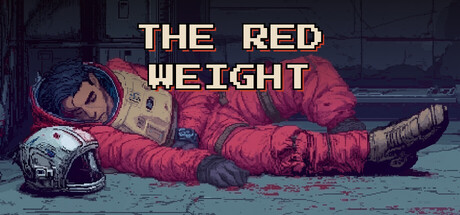 The Red Weight In-game content arttextaudio | This game makes use of generative AI as part of the creative pipeline across art, text, sound, and voice. None of it is dumped in raw — every asset is curated, edited, and reworked by hand, and every line of dialogue is agonized over until it earns its place. AI is a tool here, not the author; the taste, the pacing, and the final call on what stays are all made by people. The codebase, in the interest of full honesty, is held together with AI-assisted spaghetti and sheer willpower — but it works, and every line is reviewed before shipping. | Alsakin Games | - | Jul 9, 2026 | |
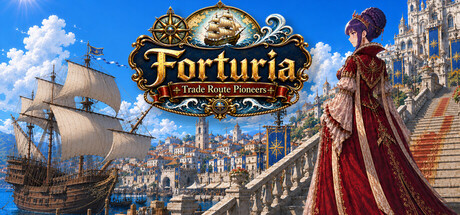 フォーチュリア:交易路の開拓者 In-game content artaudiocodetext | Generative AI was used as an assistive tool for some parts of the following game development tasks:
(Background images, item images, coloring of character artwork, sound, code review, optimization, and localization text.) | FUJIYAMA ENTERTAINMENT | - | Jul 9, 2026 |


