








Disclosure
The game code is written using AI but the ideas and game concepts are human made.
- Creator
- geertvd
- Reviews
- -
- Added
- Sep 3, 2026
Public Steam disclosure research 25,394 disclosures tracked
Search developers’ Steam disclosures, compare classified AI use across games, and follow recorded changes. This index adds cross-game classifications and statistics to statements published on individual store pages.
Code help, debugging and other development work.
Capsule art, trailers and promotional material.
Pre-made art, audio, writing and other game assets.
Interactive or runtime AI features disclosed by the developer.
Groups reflect automatic analysis of public disclosures; mature records are excluded. These counts do not measure AI use across all of Steam. Missing or unclear statements cannot establish whether a game uses AI.
The game code is written using AI but the ideas and game concepts are human made.
Generative AI was used during development to create visual assets and other non-dialogue content included in the game. Generated assets were selected, edited, and integrated as part of the development process.
We’d like to be transparent about the localization of THE WRONG WAY ROUND. Some of the game’s translations have been created with the assistance of AI and then reviewed and adjusted by us. This allows us to make the game available to more players and support more languages than we could otherwise manage. We’re continuously improving the translations and really appreciate any feedback from native speakers.
Generative AI was used to assist in the creation of some scripts and visual assets. All generated content was reviewed and integrated by the developer.
This game was developed with the assistance of AI for textures, translations, and scripting.
AI has been used to assist in the build process, but has absolutely not been used in thematic creative direction, game play or story direction whatsoever. Aveos is a solo developer project, and nothing has been left for AI to decide. All results have been tailored to fit the output of the vision, and it is used in lieu of a team of developers. Should those resources have been available, they would have been obviously preferred.
Generative AI tools were used during development to assist with the creation and iteration of some some pre-generated visual, written and promotional assets. All AI-assisted content is reviewed, edited and curated by the developer. No generative AI is used during gameplay.
Generative AI tools were used during development to assist with the creation of [artwork, voice audio, text, and localization]. All AI-assisted content was reviewed and edited by the developer before being included in the game. The game does not generate AI content during gameplay.
Generative AI was used during development to assist in creating some 2D art assets, including scene backgrounds, character and monster artwork, UI elements, and icons for items, equipment, skills, and status effects. Generative AI was also used to assist in drafting some in-game text. All AI-assisted content was selected, edited, post-processed, and integrated by the developer. The game does not use generative AI at runtime and does not generate content in real time in response to player input.
Use AI to provide certain assistance.
Resolution upscaling, fictive product ads, some of the voiceovers
Cat Spirit RPG uses generative AI tools during development to assist with the creation and iteration of some pre-generated visual assets and promotional artwork. All AI-assisted content is reviewed, edited, and refined by the development team to ensure it meets the game's established quality standards and creative direction before being included in the game or its marketing materials. The game does not generate AI content during gameplay.
Pocket Pawns was made with the help of generative AI, and the game's own credits name every tool used. Images and music: the chess piece art was generated with ChatGPT, the board art with Gemini, and the world and environment art from assets created with Nano Banana Pro alongside free-to-use CC0 packs found online. The soundtrack is from Suno. Claude wrote the game's code, its writing, and its translations into ten languages — and made much of what you see and hear directly in code rather than from an image generator: the character pixel art, the in-world props and interface, the three-dimensional rooms, the animation, and the sound effects. The chess itself is not generated. The puzzles come from the Lichess puzzle database, released under CC0, and your opponent is Stockfish, a classical open-source chess engine. Real positions, a real engine. Nothing is generated while you play. Pocket Pawns creates no content at runtime and never connects to an AI service. It does not need an internet connection to play.
AI helps me create textures or sounds.
OpenAI ImageGen was used during development to generate and edit some pre-generated 2D pixel-art visual assets, including UI elements, icons, backgrounds, environment artwork, and character or animation source frames. All outputs were reviewed, selected, manually edited, cleaned up, resized, palette-normalized, and integrated by the developer as fixed game assets. The game does not use generative AI at runtime and does not generate live AI content.
A small number of static meshes in this demo were generated using AI tools. This AI-generated content is temporary and will be fully replaced with original, non-AI assets in future updates. By the time the full game is released, it will contain no AI-generated content.
Spring Tales uses generative AI in the following way: Some of the game's 2D pixel-art assets — including certain characters, enemies, equipment and item icons, environment tiles, and user-interface elements — were created with the help of an AI-assisted art generation tool. Every AI-assisted asset was reviewed, edited, curated, and integrated by the developer to match the game's art style and quality standards. No generative AI runs live during gameplay. The game does not generate any content in real time while you play — all art, text, and content shipped in the game is fixed and was produced during development.
AI tools were used to assist in creating character sprites during development, followed by manual retouching and adjustments. The game does not generate real-time AI content during gameplay.
Generative AI may be used during the development of AIRPORT 7 for development assistance, brainstorming, and creating or refining certain development-related content. AI-generated content is reviewed and edited by the developer before being included in the game. The game does not use generative AI to generate content for players during gameplay.
Art and Code! Baby Art and Code! ...it's the end of the world as we know it...and I feel fine.
I used AI for localization and during performance testing for handheld support, coding agents were used to help identify ways to optimize the game
This game uses pre-generated AI-assisted artwork for characters, scene backgrounds, and store promotional assets. All AI-generated content was created before release. No content is generated by AI during gameplay, and the game does not connect to external AI services.
We use about 15 seconds of AI footage in our trailer. All assets in the game are human authored. We also use a local, small and offline LLM (meaning: no data ever leaves your computer, and it does not cause significant performance drops) as a Director that controls: enemy spawn and frequency of challenges, essentially choosing when to press with difficulty and when to hold the challenge based on parameters such as player frustration, boredom and an emergence metric. This mechanic does not generate any text, narrative or story: it is just a mechanic that controls game balance to ensure the best challenge. And you can turn it off on the settings menu, if you want.
Some images and music were made with the help of AI.
Generative AI tools were used during the development and preparation of the game and its visual materials. The game logo used in the main menu and pause panel was created with the assistance of AI. AI assistance was used during the coding and development process when needed. The logo animations shown at the beginning of the games were created with AI assistance. Visual materials prepared for the Steam store page, excluding the in-game visuals, were created with AI assistance. AI was used specifically for the intro logo animation. For Steam visuals, suitable designs were selected from AI-generated concepts and then enhanced and upscaled using image enhancement tools.
In ALASH, we utilized generative AI as a supplementary tool to assist in creating 2D art assets. Specifically, AI networks were used to help develop certain environment elements, textures, and background images to enhance the unique visual style of our alternate history setting. Please note that all game design, core mechanics, storyline, tower defense logic, and programming code were created entirely by hand by our development team. AI was used solely to support our artistic vision, ensuring that the integrity and soul of the gameplay remain entirely human-made.
As a solo dev, I created or commissioned/licensed the game assets. No 3D assets were AI-generated. AI was used only for some 2D artwork and audio.
AI was used for translating and voicing the dialogues. Some images in the game and achievement icons were created using AI.
The game was made with the Godot Engine and Cursor IDE.
Generative AI tools were used during development for ideation and drafting/editing some marketing or descriptive text. All final content is reviewed and edited by the development team. The game does not use live-generated AI content during gameplay.
AI was used for the translations
Localization into some supported languages was created with a mix of Community members and machine generation and reviewed by the developer. The developer is actively seeking to replace any machine-generated localization over time.
Some of the game's visual assets (tilesets, textures, sprites) were created with the assistance of AI image generation tools (PixelLab), then manually edited and integrated by the developer. No AI is used to generate content at runtime or during gameplay.
Generative AI was used to assist in creating pre-generated game content and promotional materials. No AI-generated content is created during gameplay.
Generative AI was used to assist in creating marketing capsule art and background concepts.
This game has no AI ready to jump out and harm you. Research from LLMs and "AI" was used in some production of the game. It is just a safe, harmless game for you to enjoy. We hope you will like it as much as we do.
Some of the displayed visuals were generated with the assistance of AI.
Veil of Time is a hand-built game. The maps, the writing, the music, the interface, and the game design are all human work. Generative AI was used in five specific places, each reviewed and finished by hand: 1. Voice acting. Every line of dialogue and every in-game book can be spoken aloud (3,707 voice clips), synthesized with ElevenLabs from the game's own written script. We chose this so the story stays open to players with low vision or reading difficulties, and to younger players who are not fast readers yet. A voice cast of this size would otherwise be out of reach for a small studio. No performance was cloned from a real person without licence. 2. Character and bestiary portraits, generated from the game's original hand-made sprites and finished by hand. 3. Some character sprites and the party's battle animation sheets, produced with AI assistance from the project's own hand-drawn art, then hand-corrected and palette-locked. 4. The intro and outro cinematic stills, the title screen, and the store key art. 5. Ambient critters and butterflies, converted from hand-made source art. Everything else you see, read, and hear was made by people.
Generative AI tools were used during development to create the artwork and audio used throughout the game. The generated assets were reviewed, selected, edited as needed, and incorporated into the final game by the developer.
Some of the music in this game was created using Suno AI. Generative image tools were also used in the creation of certain in-game visual assets and marketing images. The generated content was reviewed, selected, and modified during the development process. Generative AI is not used in real time during gameplay, nor does the game generate any new content while being played.
In a particularly fitting twist for a game about artificial intelligence whose protagonist is herself an artificial intelligence, generative AI tools were used during development to assist with some pre-generated visual assets, music, and portions of the text and localization. All AI-assisted content was reviewed, edited, and curated by the developer. No generative AI is used during gameplay.
Arcane Dash was created by a solo developer. Music, cutscene artwork, and translations were created with AI assistance. All levels, character sprites, and sound effects were hand-designed/coded by the developer, and all marketing materials were created and edited by the developer.
AI was used to help program the game. All art, assets, and game design decisions did not use any AI.
Generative AI was used to create some pre-generated character artwork, 2D images, and illustrations included in the game and related visual promotional materials. All generated images are reviewed and selected by the developer before inclusion. No AI-generated content is created during gameplay.
Generative AI tools were used during development to assist with refining some text, code, and images. Some in-game textures were also generated using AI. All AI-assisted content was reviewed, edited, and integrated by the developer. The game does not generate AI content during gameplay.
AI tools were used for some decorative textures and minor details. Although their use is minimal, they are visually present and may bother people sensitive to this topic. Furthermore, AI was used for temporary test dubbing of the characters. However, the final product will be voiced by human actors.
This game uses generative AI to create some character sprites, event CGs, backgrounds, and other in-game images. Some translations are also created using generative AI. These AI-generated assets are used as part of the game's content, as well as in images displayed on the game's store page. The game does not use generative AI to generate content in real time based on player input.
Generative AI tools were used during development to create and refine the game’s visual artwork, music, and programming code. All generated material was reviewed, curated, edited, and integrated by the developer. The game does not generate AI content during gameplay, and no player input or data is sent to generative AI services.
Generative AI was used to create certain promotional artwork for the Steam store page, including capsule images and the community icon. These assets were reviewed and edited by the developer. The game itself does not contain AI-generated artwork, audio, narrative, localization, or live-generated AI content.
AI used for coding assistance
| Title⇅ | Disclosure | Creator⇅ | Src | Reviews⇅ | Added↓ |
|---|---|---|---|---|---|
 Neon Arcade Dev only code | The game code is written using AI but the ideas and game concepts are human made. | geertvd | - | Sep 3, 2026 | |
 The Pilot In-game content art | Generative AI was used during development to create visual assets and other non-dialogue content included in the game. Generated assets were selected, edited, and integrated as part of the development process. | StarDrifter Games | - | Sep 3, 2026 | |
 The Wrong Way Round In-game content text | We’d like to be transparent about the localization of THE WRONG WAY ROUND.
Some of the game’s translations have been created with the assistance of AI and then reviewed and adjusted by us. This allows us to make the game available to more players and support more languages than we could otherwise manage.
We’re continuously improving the translations and really appreciate any feedback from native speakers. | a2020 Studio | - | Sep 3, 2026 | |
 Blocky Miner In-game content artcode | Generative AI was used to assist in the creation of some scripts and visual assets. All generated content was reviewed and integrated by the developer. | KRUSTY GAMES | - | Sep 3, 2026 | |
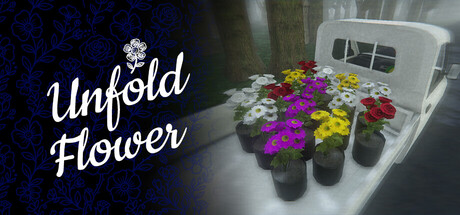 Unfold Flower In-game content arttextcode | This game was developed with the assistance of AI for textures, translations, and scripting. | flycat.games | - | Sep 3, 2026 | |
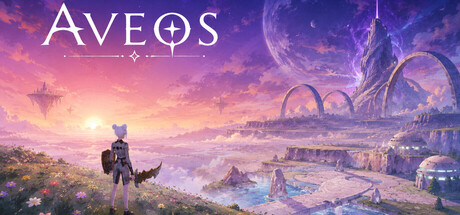 Aveos Dev only | AI has been used to assist in the build process, but has absolutely not been used in thematic creative direction, game play or story direction whatsoever. Aveos is a solo developer project, and nothing has been left for AI to decide. All results have been tailored to fit the output of the vision, and it is used in lieu of a team of developers. Should those resources have been available, they would have been obviously preferred. | Castles | - | Sep 3, 2026 | |
 Wild Spirits Era Store/marketing arttext | Generative AI tools were used during development to assist with the creation and iteration of some some pre-generated visual, written and promotional assets. All AI-assisted content is reviewed, edited and curated by the developer. No generative AI is used during gameplay. | Nico - a Wild Spirit | - | Sep 3, 2026 | |
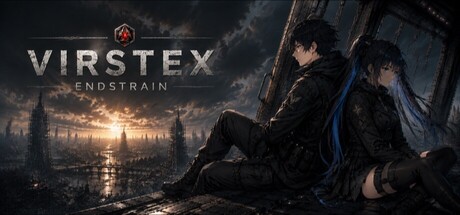 VIRSTEX ENDSTRAIN In-game content artaudiotext | Generative AI tools were used during development to assist with the creation of [artwork, voice audio, text, and localization]. All AI-assisted content was reviewed and edited by the developer before being included in the game. The game does not generate AI content during gameplay. | MOSAIC CAT | - | Sep 3, 2026 | |
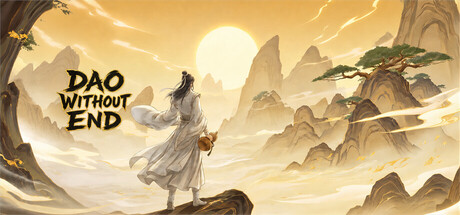 无尽仙路Dao Without End In-game content arttext | Generative AI was used during development to assist in creating some 2D art assets, including scene backgrounds, character and monster artwork, UI elements, and icons for items, equipment, skills, and status effects. Generative AI was also used to assist in drafting some in-game text. All AI-assisted content was selected, edited, post-processed, and integrated by the developer. The game does not use generative AI at runtime and does not generate content in real time in response to player input. | Dreamin Studio | - | Sep 3, 2026 | |
 龍Game Unclear | Use AI to provide certain assistance. | 龍Game | - | Sep 3, 2026 | |
 Lost Budapest In-game content artaudio | Resolution upscaling, fictive product ads, some of the voiceovers | Lost Budapest | - | Sep 3, 2026 | |
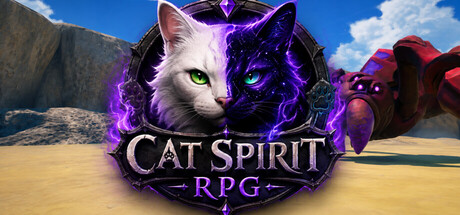 Cat Spirit RPG In-game content art | Cat Spirit RPG uses generative AI tools during development to assist with the creation and iteration of some pre-generated visual assets and promotional artwork. All AI-assisted content is reviewed, edited, and refined by the development team to ensure it meets the game's established quality standards and creative direction before being included in the game or its marketing materials.
The game does not generate AI content during gameplay. | Shadow Sight Studios LLC | - | Sep 3, 2026 | |
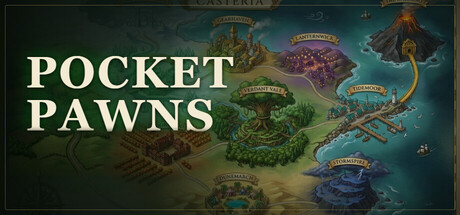 Pocket Pawns In-game content artaudiotext | Pocket Pawns was made with the help of generative AI, and the game's own credits name every tool used.
Images and music: the chess piece art was generated with ChatGPT, the board art with Gemini, and the world and environment art from assets created with Nano Banana Pro alongside free-to-use CC0 packs found online. The soundtrack is from Suno.
Claude wrote the game's code, its writing, and its translations into ten languages — and made much of what you see and hear directly in code rather than from an image generator: the character pixel art, the in-world props and interface, the three-dimensional rooms, the animation, and the sound effects.
The chess itself is not generated. The puzzles come from the Lichess puzzle database, released under CC0, and your opponent is Stockfish, a classical open-source chess engine. Real positions, a real engine.
Nothing is generated while you play. Pocket Pawns creates no content at runtime and never connects to an AI service. It does not need an internet connection to play. | Pocket Pawn Games | - | Sep 3, 2026 | |
 The Old Forge In-game content artaudio | AI helps me create textures or sounds. | ToF Studio | - | Sep 3, 2026 | |
 Drawforge In-game content art | OpenAI ImageGen was used during development to generate and edit some pre-generated 2D pixel-art visual assets, including UI elements, icons, backgrounds, environment artwork, and character or animation source frames. All outputs were reviewed, selected, manually edited, cleaned up, resized, palette-normalized, and integrated by the developer as fixed game assets. The game does not use generative AI at runtime and does not generate live AI content. | Drawforge | - | Sep 3, 2026 | |
 Aquavern In-game content art | A small number of static meshes in this demo were generated using AI tools. This AI-generated content is temporary and will be fully replaced with original, non-AI assets in future updates. By the time the full game is released, it will contain no AI-generated content. | Cainedev11 | - | Sep 3, 2026 | |
 Warrior Extraction In-game content art | Spring Tales uses generative AI in the following way:
Some of the game's 2D pixel-art assets — including certain characters, enemies, equipment and item icons, environment tiles, and user-interface elements — were created with the help of an AI-assisted art generation tool. Every AI-assisted asset was reviewed, edited, curated, and integrated by the developer to match the game's art style and quality standards.
No generative AI runs live during gameplay. The game does not generate any content in real time while you play — all art, text, and content shipped in the game is fixed and was produced during development. | Spring Tales | - | Sep 3, 2026 | |
 Lomiya: Do LLMs Dream of Modern Poetry? In-game content art | AI tools were used to assist in creating character sprites during development, followed by manual retouching and adjustments. The game does not generate real-time AI content during gameplay. | Terminal Poetry | - | Sep 3, 2026 | |
 Airport 7 Dev only | Generative AI may be used during the development of AIRPORT 7 for development assistance, brainstorming, and creating or refining certain development-related content. AI-generated content is reviewed and edited by the developer before being included in the game. The game does not use generative AI to generate content for players during gameplay. | Mr Dev | - | Sep 3, 2026 | |
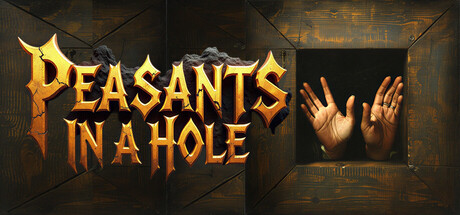 Peasants in a Hole Unclear | Art and Code! Baby Art and Code!
...it's the end of the world as we know it...and I feel fine. | Zeus | - | Sep 3, 2026 | |
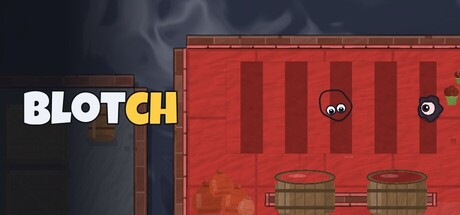 Blotch In-game content textcode | I used AI for localization and during performance testing for handheld support, coding agents were used to help identify ways to optimize the game | Nathan Glover | - | Sep 3, 2026 | |
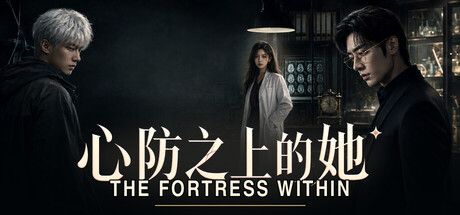 心防之上的她 In-game content art | This game uses pre-generated AI-assisted artwork for characters, scene backgrounds, and store promotional assets. All AI-generated content was created before release. No content is generated by AI during gameplay, and the game does not connect to external AI services. | 温州金酷网络科技有限公司 | - | Sep 3, 2026 | |
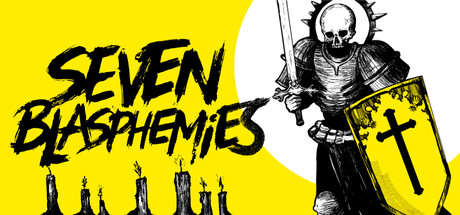 Seven Blasphemies code | We use about 15 seconds of AI footage in our trailer. All assets in the game are human authored.
We also use a local, small and offline LLM (meaning: no data ever leaves your computer, and it does not cause significant performance drops) as a Director that controls: enemy spawn and frequency of challenges, essentially choosing when to press with difficulty and when to hold the challenge based on parameters such as player frustration, boredom and an emergence metric.
This mechanic does not generate any text, narrative or story: it is just a mechanic that controls game balance to ensure the best challenge. And you can turn it off on the settings menu, if you want. | Crit42 Studio | - | Sep 3, 2026 | |
 Do you remember? In-game content artaudio | Some images and music were made with the help of AI. | Voider Games | - | Sep 3, 2026 | |
 Where Are My Cats? In-game content art | Generative AI tools were used during the development and preparation of the game and its visual materials.
The game logo used in the main menu and pause panel was created with the assistance of AI.
AI assistance was used during the coding and development process when needed.
The logo animations shown at the beginning of the games were created with AI assistance.
Visual materials prepared for the Steam store page, excluding the in-game visuals, were created with AI assistance.
AI was used specifically for the intro logo animation.
For Steam visuals, suitable designs were selected from AI-generated concepts and then enhanced and upscaled using image enhancement tools. | Ozy Cozy Games | - | Sep 3, 2026 | |
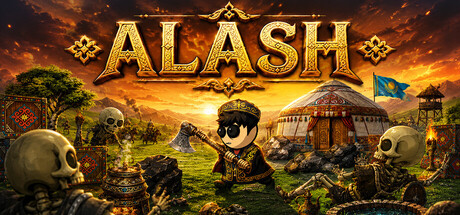 ALASH In-game content art | In ALASH, we utilized generative AI as a supplementary tool to assist in creating 2D art assets. Specifically, AI networks were used to help develop certain environment elements, textures, and background images to enhance the unique visual style of our alternate history setting. Please note that all game design, core mechanics, storyline, tower defense logic, and programming code were created entirely by hand by our development team. AI was used solely to support our artistic vision, ensuring that the integrity and soul of the gameplay remain entirely human-made. | YERKEBULAN TOKTARKHAN | - | Sep 3, 2026 | |
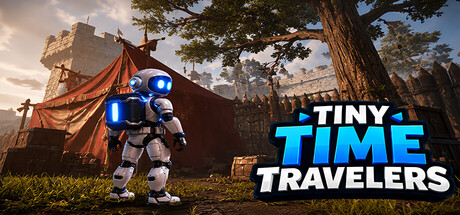 Tiny Time Travelers In-game content artaudio | As a solo dev, I created or commissioned/licensed the game assets. No 3D assets were AI-generated. AI was used only for some 2D artwork and audio. | Rocket Munky | - | Sep 3, 2026 | |
 Tohunga In-game content textaudioart | AI was used for translating and voicing the dialogues.
Some images in the game and achievement icons were created using AI. | BEZ WAS | - | Sep 3, 2026 | |
 Pinball Hero general | The game was made with the Godot Engine and Cursor IDE. | Luke6B | - | Sep 3, 2026 | |
 They Are Lost Store/marketing text | Generative AI tools were used during development for ideation and drafting/editing some marketing or descriptive text. All final content is reviewed and edited by the development team. The game does not use live-generated AI content during gameplay. | Cine-mo | - | Sep 2, 2026 | |
 Paws & Scrolls In-game content text | AI was used for the translations | Sweet Dreams | - | Sep 2, 2026 | |
 Dread Admiral In-game content text | Localization into some supported languages was created with a mix of Community members and machine generation and reviewed by the developer.
The developer is actively seeking to replace any machine-generated localization over time. | Tescrin Games | - | Sep 2, 2026 | |
 Ashen In-game content art | Some of the game's visual assets (tilesets, textures, sprites) were created with the assistance of AI image generation tools (PixelLab), then manually edited and integrated by the developer. No AI is used to generate content at runtime or during gameplay. | Bando Corp | - | Sep 2, 2026 | |
 ANOMALY CATALOG 1: SCHOOL In-game content arttext | Generative AI was used to assist in creating pre-generated game content and promotional materials. No AI-generated content is created during gameplay. | H999 Games | - | Sep 1, 2026 | |
 Chalk Door Store/marketing art | Generative AI was used to assist in creating marketing capsule art and background concepts. | ChalkdoorDEV | - | Sep 1, 2026 | |
 Forty Depths Beneath Knossos: The Minotaur's Maze Dev only | This game has no AI ready to jump out and harm you. Research from LLMs and "AI" was used in some production of the game. It is just a safe, harmless game for you to enjoy. We hope you will like it as much as we do. | Troll Hunter Gaming | - | Sep 1, 2026 | |
 Forge Shop Unclear art | Some of the displayed visuals were generated with the assistance of AI. | JoyMore | - | Sep 1, 2026 | |
 Veil of Time In-game content audioart | Veil of Time is a hand-built game. The maps, the writing, the music, the interface, and the game design are all human work. Generative AI was used in five specific places, each reviewed and finished by hand:
1. Voice acting. Every line of dialogue and every in-game book can be spoken aloud (3,707 voice clips), synthesized with ElevenLabs from the game's own written script. We chose this so the story stays open to players with low vision or reading difficulties, and to younger players who are not fast readers yet. A voice cast of this size would otherwise be out of reach for a small studio. No performance was cloned from a real person without licence.
2. Character and bestiary portraits, generated from the game's original hand-made sprites and finished by hand.
3. Some character sprites and the party's battle animation sheets, produced with AI assistance from the project's own hand-drawn art, then hand-corrected and palette-locked.
4. The intro and outro cinematic stills, the title screen, and the store key art.
5. Ambient critters and butterflies, converted from hand-made source art.
Everything else you see, read, and hear was made by people. | Quorum | - | Sep 1, 2026 | |
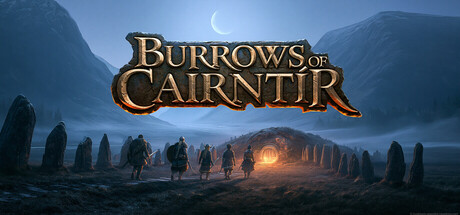 Burrows of Cairntir In-game content artaudio | Generative AI tools were used during development to create the artwork and audio used throughout the game. The generated assets were reviewed, selected, edited as needed, and incorporated into the final game by the developer. | Cairntir Games | - | Sep 1, 2026 | |
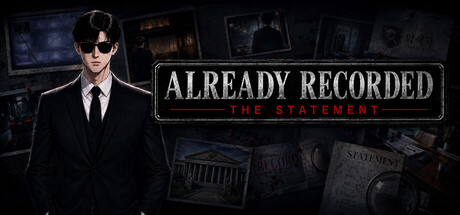 Already Recorded The Statement In-game content audioart | Some of the music in this game was created using Suno AI. Generative image tools were also used in the creation of certain in-game visual assets and marketing images. The generated content was reviewed, selected, and modified during the development process. Generative AI is not used in real time during gameplay, nor does the game generate any new content while being played. | Blue conia | - | Sep 1, 2026 | |
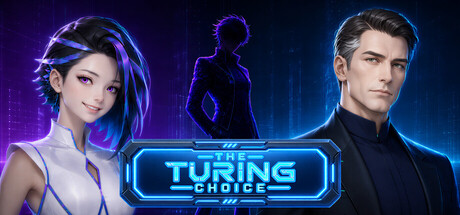 The Turing Choice In-game content artaudiotext | In a particularly fitting twist for a game about artificial intelligence whose protagonist is herself an artificial intelligence, generative AI tools were used during development to assist with some pre-generated visual assets, music, and portions of the text and localization. All AI-assisted content was reviewed, edited, and curated by the developer. No generative AI is used during gameplay. | Beyond Singularity Project | - | Sep 1, 2026 | |
 Arcane Dash - A Pixel Adventure In-game content audioarttext | Arcane Dash was created by a solo developer. Music, cutscene artwork, and translations were created with AI assistance. All levels, character sprites, and sound effects were hand-designed/coded by the developer, and all marketing materials were created and edited by the developer. | Java Sorcery | - | Sep 1, 2026 | |
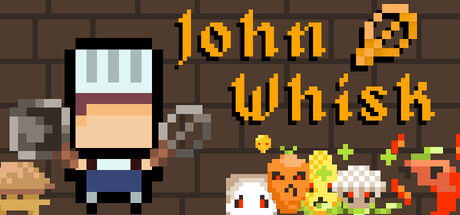 John Whisk Dev only code | AI was used to help program the game. All art, assets, and game design decisions did not use any AI. | Magirush | - | Sep 1, 2026 | |
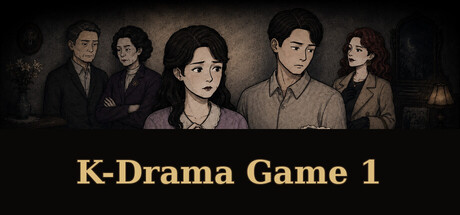 K-Drama Game 1 In-game content art | Generative AI was used to create some pre-generated character artwork, 2D images, and illustrations included in the game and related visual promotional materials. All generated images are reviewed and selected by the developer before inclusion. No AI-generated content is created during gameplay. | H999 Games | - | Sep 1, 2026 | |
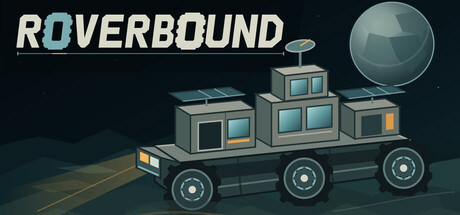 Roverbound In-game content textartcode | Generative AI tools were used during development to assist with refining some text, code, and images. Some in-game textures were also generated using AI. All AI-assisted content was reviewed, edited, and integrated by the developer. The game does not generate AI content during gameplay. | Rogueatic Games | - | Sep 1, 2026 | |
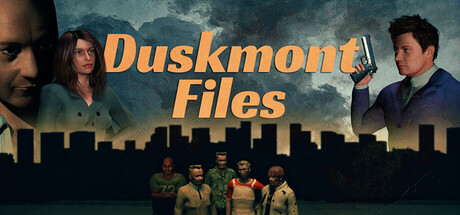 Duskmont Files In-game content art | AI tools were used for some decorative textures and minor details. Although their use is minimal, they are visually present and may bother people sensitive to this topic. Furthermore, AI was used for temporary test dubbing of the characters. However, the final product will be voiced by human actors. | Moonwatch Studio | - | Sep 1, 2026 | |
 LUNATIC CAMPUS In-game content arttext | This game uses generative AI to create some character sprites, event CGs, backgrounds, and other in-game images. Some translations are also created using generative AI. These AI-generated assets are used as part of the game's content, as well as in images displayed on the game's store page. The game does not use generative AI to generate content in real time based on player input. | Studio Dogjira | - | Sep 1, 2026 | |
 Artia and the Tower of Trolls In-game content artaudiocode | Generative AI tools were used during development to create and refine the game’s visual artwork, music, and programming code. All generated material was reviewed, curated, edited, and integrated by the developer. The game does not generate AI content during gameplay, and no player input or data is sent to generative AI services. | Alon Boroda | - | Sep 1, 2026 | |
 Aer Isles In-game content art | Generative AI was used to create certain promotional artwork for the Steam store page, including capsule images and the community icon. These assets were reviewed and edited by the developer. The game itself does not contain AI-generated artwork, audio, narrative, localization, or live-generated AI content. | Jonathan Dev | - | Sep 1, 2026 | |
 Adventurers-wanted Dev only code | AI used for coding assistance | Happy Distractions Studio | - | Sep 1, 2026 |


