Public Steam disclosure research25,394 disclosures tracked
Where do games disclose AI use?
Search developers’ Steam disclosures, compare classified AI use across
games, and follow recorded changes.
This index adds cross-game classifications and statistics to
statements published on individual store pages.
Groups reflect automatic analysis of public disclosures; mature records are excluded. These counts do not measure AI use across all of Steam.
Missing or unclear statements cannot establish whether a game uses AI.
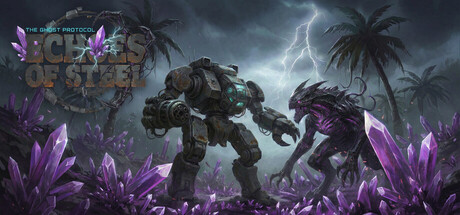
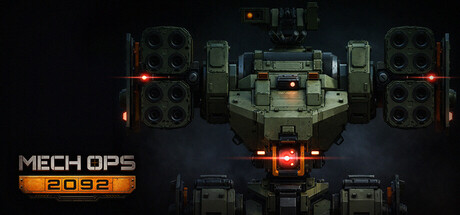
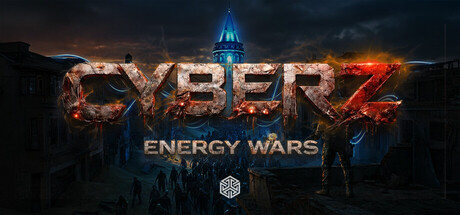
I'm building this game on my own, with generative AI tools as finishing and scaling assistants on top of my own creative foundations.
3D mech and monster meshes started as my own concept sketches; Meshy AI generated the base 3D models from those sketches, which I then refined
and animated myself in Blender.
Character voices began as dialogue I wrote and the tone I set — some are my own voice recordings, and for others I used ElevenLabs to alter the voices so they fit each character.
Music tracks each started from vocal melody references I recorded; Lyria (through Gemini) developed those references into the final orchestrated tracks.
Cinematic video sequences were generated by Veo3 from my prompts and storyboards, then fully edited by me in DaVinci Resolve.
I review every AI output before it ships in the game, and I hold commercial-use rights to all generated content per each service's paid-subscription terms.
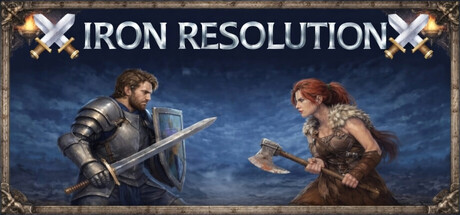
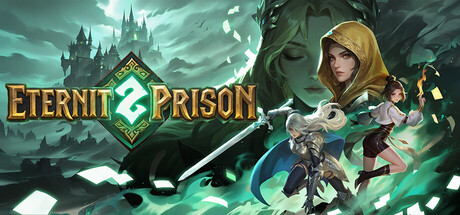
Artificial Intelligence tools were utilized during the foundational (base) creation stage for the game's visual assets. All generated outputs were then manually refined, re-processed, and enhanced by our artists through hours of dedicated Photoshop-Photopea work to ensure they align perfectly with the game's unique and original art style. We have utilized AI merely as a 'brush' guided by an artist’s touch; therefore, the resulting visuals should be evaluated as successful illustrations driven by human craftsmanship rather than simple AI-generated products.
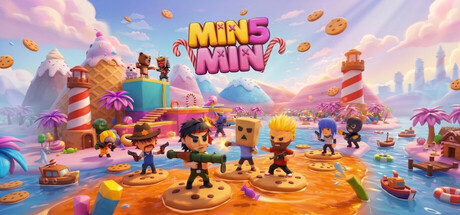
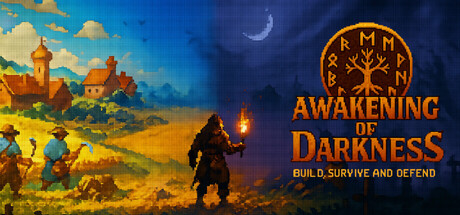
All visual assets (sprites, terrain, UI, capsule art) were AI-generated and then manually edited in GIMP. Game design, direction, and integration were done entirely by the solo developer.
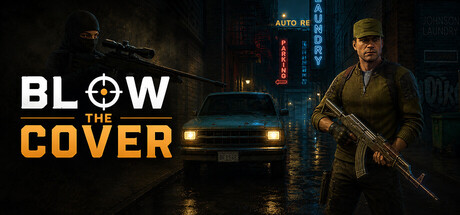
A few promotional images used on this store page were created with the assistance of generative AI tools. The game itself contains no AI-generated content.
Generative AI tools were used to assist in the creation of some in-game textures and visual assets. All AI-assisted content was reviewed and modified by the developer.
English (recommended wording)
We used generative AI in a limited way during the development of this app and its store presence.
Store / community assets (store page presentation): We used generative AI tools to create or edit some promotional graphics used on the store page (e.g., capsule images, key art, banners). All final assets were reviewed and edited by the developer before publishing.
Audio (background music): Some in-game background music (BGM) was created with the assistance of generative-AI-based tools. The final audio was reviewed and edited (and where applicable mixed/mastered) by the developer before being included in the game.
Gameplay / features: The game does not include features that generate content for players in real time (e.g., AI chat or player-prompted content generation). The use of AI is limited to asset creation support during development.
This app includes pre-generated AI-assisted visual assets used in store/marketing materials and some in-game 2D visuals. No generative AI features are available to players during gameplay, and the game does not accept user prompts for AI generation.
AI is used to generate in-game characters, including their visual traits, background concepts, and gameplay attributes. When players create a character, the Gen-AI system produces unique variations based on predefined rules and developer-designed parameters.
The AI functions solely as a content generation tool to enhance gameplay variety. It does not collect, store, or learn from personal player data.
Generative AI tools were used during the development of this game to create some of the 2D visual assets, such as background art and certain environmental textures. All AI-generated content has been reviewed and manually edited by the development team to ensure quality and consistency with the game's overall artistic style.
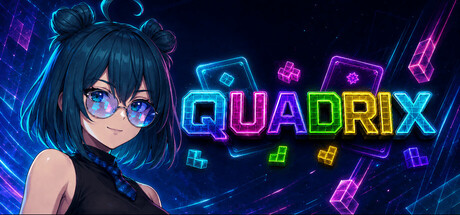
Some of the pre-made visual elements used in Quadrix—including certain card images/templates, game music, and some game mode icons—were created with the help of generative AI tools. These elements were reviewed, selected, and refined by the developer before being added to the game to ensure they align with the game’s visual style and usability requirements. Quadrix does not use real-time generative AI during gameplay, and players cannot generate AI-generated content within the game.
Generative AI was used during the development process to enhance and diversify the variety of card assets and narrative content. This technology allowed for the creation of a more expansive and unique library of scenarios, ensuring a richer and more varied gameplay experience for the player.
Graphics (Title Screen):
AI was used to generate the base image for the title screen. This output was then manually edited, adjusted for layout, and refined to create the final visual.
Localization (Translation):
AI was used as an assistant in the translation process. Following the initial AI-generated draft, all text has been manually reviewed and edited to ensure contextual accuracy and quality.
As a solo developer working on a passion project, I utilized generative AI tools to assist in creating some of the visual assets for the game. This includes character portraits, background art, and certain UI elements. All music, audio and localization in the game are entirely human-made and do not use any generative AI technologies.
Remember to Die was built solo with no official budget using AI as a creative instrument — not to replace the human decisions, but to handle the ones that would have made this game impossible otherwise. No jobs were lost, but a game was made possible.
In the development of this game, generative AI was used in the following ways:
Visual Assets: Background illustrations for narrative events, UI elements, and icons were created with the assistance of generative AI. All assets were manually edited and refined by the developer to ensure stylistic consistency.
Narrative Content: Initial drafts for some random event descriptions and unit barks were generated with AI assistance and subsequently revised and rewritten by the developer to maintain the game's unique tone and military setting.
Audio: Some voiceover elements and unit barks may be produced using AI-assisted synthesis. All audio is pre-recorded and processed before being included in the game files.
Code Assistance: AI-based tools were used during the programming process for logic optimization and debugging.
Important: All AI-generated content is pre-generated and included in the static game files. No content is generated in real-time during gameplay.
Certain 2D visual assets, character portraits and voice communications in the game were created with the assistance of AI tools during the development process. All AI-generated content is static; the game does not feature any real-time or live AI-generated interactions.
We use AI tools during development to speed up routine work, but all final decisions are made by the team.
Text translation
AI helps with draft translations of UI and in‑game texts, which are then reviewed and edited by human translators to keep the tone and meaning consistent.
Code generation
AI is used to generate boilerplate code and suggest improvements, while core systems, gameplay logic, optimization and security are always designed, reviewed and tested by developers.
AI-generated tools were used only for limited promotional materials, such as marketing images displayed on the store page.
All in-game content, including gameplay visuals, UI, and assets, is created by human artists and does not involve AI generation.
AI-generated content does not affect gameplay, user experience, or core game assets.
This game uses artificial intelligence tools during development.
AI was used to assist in generating certain visual assets, including promotional graphics and background elements. All AI-generated content was reviewed, modified, and approved by the developer.
AI is not used during gameplay. The game does not generate content dynamically and does not use AI to interact with players.
Generative AI assists in the development of certain base Gaussian-splatted object meshes and is also used as the basis for some interface images and portions of documentation text used in the product. These AI-assisted elements are further reviewed, selected, and integrated into the final game content as part of the development process.
Some illustrations used in the Arcade Mode (beta version) were created using a hybrid workflow that combines hand-drawn artwork and generative AI-assisted editing.
The developer first creates original pencil sketches by hand, then digitizes and edits them on PC. Generative AI is used only to assist with draft refinement and background adjustments, followed by additional manual editing in image software.
It has not yet been decided whether these illustrations will be replaced with fully hand-crafted versions during or after Early Access development.
A few pieces of art were generated: the battle background, the fire aura on the marketing assets, and a few projectiles for units like the white beetle.
AI tools were occasionally used during development to assist with coding challenges and debugging. All visual assets, audio, and in-game content were created entirely by humans, with no AI-generated art, music, or gameplay elements included in the final product.
AI generated fictional football player faces (facepack)
Interactive AI NPC's (players and staff members)
AI generated translations of text and UI elements.
In order to better reflect the identity of our game and obtain easier outputs, we use artificial intelligence to produce content such as capsule images, small logos, and simple text found on our game's store page.
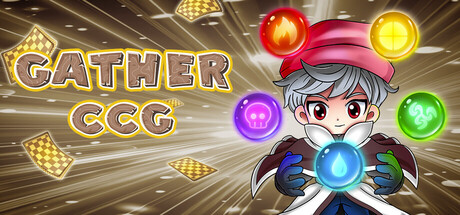
A portion of the card art in Gather CCG was created with the assistance of generative AI. Every piece of AI-generated content has been hand-selected and verified by the developer to maintain high quality and ensure full compliance with copyright standards.
The current version of the game utilizes a variety of AI-assisted / AI-generated assets to support its development. My intent is to eventually replace or further polish as many of these assets as is feasible during the Early Access journey, though this remains a long-term aspiration.
- 2D Assets: Some character portraits, backgrounds, minor textures, and store artwork are generated or enhanced using AI (e.g. style transfer from custom 3D renders and upscaling). These assets are further edited and integrated manually.
- Narrative Slides: Images used in story sequences are AI-generated and used with minimal or no manual modification.
- Voice Acting: Dialogue voiceovers use text-to-speech (TTS).
- Text: Store descriptions, in-game text, and dialogue are written by the developer and refined using AI tools for clarity, consistency, and phrasing (e.g. tooltips and ability descriptions).
I'm building this game on my own, with generative AI tools as finishing and scaling assistants on top of my own creative foundations.
3D mech and monster meshes started as my own concept sketches; Meshy AI generated the base 3D models from those sketches, which I then refined
and animated myself in Blender.
Character voices began as dialogue I wrote and the tone I set — some are my own voice recordings, and for others I used ElevenLabs to alter the voices so they fit each character.
Music tracks each started from vocal melody references I recorded; Lyria (through Gemini) developed those references into the final orchestrated tracks.
Cinematic video sequences were generated by Veo3 from my prompts and storyboards, then fully edited by me in DaVinci Resolve.
I review every AI output before it ships in the game, and I hold commercial-use rights to all generated content per each service's paid-subscription terms.
Artificial Intelligence tools were utilized during the foundational (base) creation stage for the game's visual assets. All generated outputs were then manually refined, re-processed, and enhanced by our artists through hours of dedicated Photoshop-Photopea work to ensure they align perfectly with the game's unique and original art style. We have utilized AI merely as a 'brush' guided by an artist’s touch; therefore, the resulting visuals should be evaluated as successful illustrations driven by human craftsmanship rather than simple AI-generated products.
All visual assets (sprites, terrain, UI, capsule art) were AI-generated and then manually edited in GIMP. Game design, direction, and integration were done entirely by the solo developer.
A few promotional images used on this store page were created with the assistance of generative AI tools. The game itself contains no AI-generated content.
Generative AI tools were used to assist in the creation of some in-game textures and visual assets. All AI-assisted content was reviewed and modified by the developer.
English (recommended wording)
We used generative AI in a limited way during the development of this app and its store presence.
Store / community assets (store page presentation): We used generative AI tools to create or edit some promotional graphics used on the store page (e.g., capsule images, key art, banners). All final assets were reviewed and edited by the developer before publishing.
Audio (background music): Some in-game background music (BGM) was created with the assistance of generative-AI-based tools. The final audio was reviewed and edited (and where applicable mixed/mastered) by the developer before being included in the game.
Gameplay / features: The game does not include features that generate content for players in real time (e.g., AI chat or player-prompted content generation). The use of AI is limited to asset creation support during development.
This app includes pre-generated AI-assisted visual assets used in store/marketing materials and some in-game 2D visuals. No generative AI features are available to players during gameplay, and the game does not accept user prompts for AI generation.
AI is used to generate in-game characters, including their visual traits, background concepts, and gameplay attributes. When players create a character, the Gen-AI system produces unique variations based on predefined rules and developer-designed parameters.
The AI functions solely as a content generation tool to enhance gameplay variety. It does not collect, store, or learn from personal player data.
Generative AI tools were used during the development of this game to create some of the 2D visual assets, such as background art and certain environmental textures. All AI-generated content has been reviewed and manually edited by the development team to ensure quality and consistency with the game's overall artistic style.
Some of the pre-made visual elements used in Quadrix—including certain card images/templates, game music, and some game mode icons—were created with the help of generative AI tools. These elements were reviewed, selected, and refined by the developer before being added to the game to ensure they align with the game’s visual style and usability requirements. Quadrix does not use real-time generative AI during gameplay, and players cannot generate AI-generated content within the game.
Generative AI was used during the development process to enhance and diversify the variety of card assets and narrative content. This technology allowed for the creation of a more expansive and unique library of scenarios, ensuring a richer and more varied gameplay experience for the player.
Graphics (Title Screen):
AI was used to generate the base image for the title screen. This output was then manually edited, adjusted for layout, and refined to create the final visual.
Localization (Translation):
AI was used as an assistant in the translation process. Following the initial AI-generated draft, all text has been manually reviewed and edited to ensure contextual accuracy and quality.
As a solo developer working on a passion project, I utilized generative AI tools to assist in creating some of the visual assets for the game. This includes character portraits, background art, and certain UI elements. All music, audio and localization in the game are entirely human-made and do not use any generative AI technologies.
Remember to Die was built solo with no official budget using AI as a creative instrument — not to replace the human decisions, but to handle the ones that would have made this game impossible otherwise. No jobs were lost, but a game was made possible.
In the development of this game, generative AI was used in the following ways:
Visual Assets: Background illustrations for narrative events, UI elements, and icons were created with the assistance of generative AI. All assets were manually edited and refined by the developer to ensure stylistic consistency.
Narrative Content: Initial drafts for some random event descriptions and unit barks were generated with AI assistance and subsequently revised and rewritten by the developer to maintain the game's unique tone and military setting.
Audio: Some voiceover elements and unit barks may be produced using AI-assisted synthesis. All audio is pre-recorded and processed before being included in the game files.
Code Assistance: AI-based tools were used during the programming process for logic optimization and debugging.
Important: All AI-generated content is pre-generated and included in the static game files. No content is generated in real-time during gameplay.
Certain 2D visual assets, character portraits and voice communications in the game were created with the assistance of AI tools during the development process. All AI-generated content is static; the game does not feature any real-time or live AI-generated interactions.
We use AI tools during development to speed up routine work, but all final decisions are made by the team.
Text translation
AI helps with draft translations of UI and in‑game texts, which are then reviewed and edited by human translators to keep the tone and meaning consistent.
Code generation
AI is used to generate boilerplate code and suggest improvements, while core systems, gameplay logic, optimization and security are always designed, reviewed and tested by developers.
AI-generated tools were used only for limited promotional materials, such as marketing images displayed on the store page.
All in-game content, including gameplay visuals, UI, and assets, is created by human artists and does not involve AI generation.
AI-generated content does not affect gameplay, user experience, or core game assets.
This game uses artificial intelligence tools during development.
AI was used to assist in generating certain visual assets, including promotional graphics and background elements. All AI-generated content was reviewed, modified, and approved by the developer.
AI is not used during gameplay. The game does not generate content dynamically and does not use AI to interact with players.
Generative AI assists in the development of certain base Gaussian-splatted object meshes and is also used as the basis for some interface images and portions of documentation text used in the product. These AI-assisted elements are further reviewed, selected, and integrated into the final game content as part of the development process.
Some illustrations used in the Arcade Mode (beta version) were created using a hybrid workflow that combines hand-drawn artwork and generative AI-assisted editing.
The developer first creates original pencil sketches by hand, then digitizes and edits them on PC. Generative AI is used only to assist with draft refinement and background adjustments, followed by additional manual editing in image software.
It has not yet been decided whether these illustrations will be replaced with fully hand-crafted versions during or after Early Access development.
A few pieces of art were generated: the battle background, the fire aura on the marketing assets, and a few projectiles for units like the white beetle.
AI tools were occasionally used during development to assist with coding challenges and debugging. All visual assets, audio, and in-game content were created entirely by humans, with no AI-generated art, music, or gameplay elements included in the final product.
AI generated fictional football player faces (facepack)
Interactive AI NPC's (players and staff members)
AI generated translations of text and UI elements.
In order to better reflect the identity of our game and obtain easier outputs, we use artificial intelligence to produce content such as capsule images, small logos, and simple text found on our game's store page.
A portion of the card art in Gather CCG was created with the assistance of generative AI. Every piece of AI-generated content has been hand-selected and verified by the developer to maintain high quality and ensure full compliance with copyright standards.
The current version of the game utilizes a variety of AI-assisted / AI-generated assets to support its development. My intent is to eventually replace or further polish as many of these assets as is feasible during the Early Access journey, though this remains a long-term aspiration.
- 2D Assets: Some character portraits, backgrounds, minor textures, and store artwork are generated or enhanced using AI (e.g. style transfer from custom 3D renders and upscaling). These assets are further edited and integrated manually.
- Narrative Slides: Images used in story sequences are AI-generated and used with minimal or no manual modification.
- Voice Acting: Dialogue voiceovers use text-to-speech (TTS).
- Text: Store descriptions, in-game text, and dialogue are written by the developer and refined using AI tools for clarity, consistency, and phrasing (e.g. tooltips and ability descriptions).