Public Steam disclosure research25,497 disclosures tracked
Where do games disclose AI use?
Search developers’ Steam disclosures, compare classified AI use across
games, and follow recorded changes.
This index adds cross-game classifications and statistics to
statements published on individual store pages.
Groups reflect automatic analysis of public disclosures; mature records are excluded. These counts do not measure AI use across all of Steam.
Missing or unclear statements cannot establish whether a game uses AI.
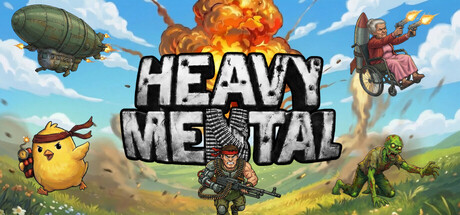
During the development of Heavy Mental, we utilized Meshy AI to assist in creating base 3D models and textures for several character assets and environmental props. Every asset generated through AI has been manually refined, rigged, and animated by our development team to ensure it fits the game's unique stylized art direction and meets our quality standards. Our use of AI is limited to the pre-production phase to streamline our artistic workflow.
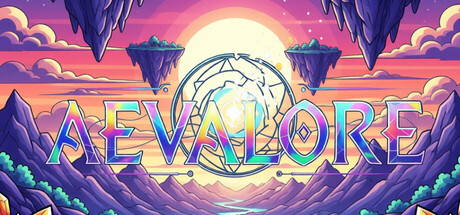
Developing Aevalore solo meant tackling a massive project on my own. To manage the 500+ sprite sheets required, I used generative AI for the artwork (most hand polished for finish) and 90% of the music. Some of the music was made by a friend and me. This allowed me to pour all my energy into coding the 81-ability system, 12+ unique characters and crafting the world. These tools didn't replace my vision; they made it possible for a solo dev to build it.
I used AI for debugging package errors that can generate thousands-lines-long error logs, to point me into the right direction.
I also localized the store page to some languages using LLM.
AI was used for the following:
* In game code
* Capsule images
* Trailer and boss music
* Ideas and direction for the story
* In-game cinematic
* Character design and in-game portraits
* Model textures
* Achievement images
While we are generally against generative AI, we cannot guarantee that no AI generated content will end up in the game. We are using store bought assets and third party translations and we are not taking on the additional stress of verifying if they are 100% AI free. We will however deliver as much handcrafted material as possible.
Description of AI usage in development:
We utilized AI tools to enhance development efficiency and creative output:
Claude: Heavily used for complex 3D procedural mesh modeling and core game logic scripting to optimize the procedural world-building.
ChatGPT & Gemini: Assisted in creating specific game assets and technical documentation.
Adobe Firefly: Used to generate high-quality visual elements and creative assets specifically for the game’s promotional trailers.
All AI-assisted outputs were refined, integrated, and finalized by the developer to ensure technical stability and creative originality.
Some visual assets (pixel art sprites) and music tracks were created with the assistance of AI generation tools during development. All AI-generated content was reviewed and curated by the developer. No AI content is generated during gameplay.
Some visual assets used in the game and its marketing materials were initially generated using AI-assisted tools and then modified and integrated into the game by the developer.
Generative AI was used during the development of this game for creating initial concepts and draft versions of certain art assets, including the main menu background and UI icons. These assets were then manually refined, polished, and integrated by the developer to fit the game's final aesthetic.
The soundtrack/music was made with Suno Pro.
Some sounds were made with Krotos Pro, which is mostly not ai but has ai elements for some sounds.
The sprites were made with Dall-E.
That's right, in an era dominated by AI, all the art assets in this game are generated by AI, including the store page, capsule images, UI, and so on. But rest assured, all the materials were generated using my own AI subscription, belong to me, and there is proof on the official AI website.
Generative AI tools were used during development for portions of the game's code, visuals, and audio. All outputs were reviewed and edited by the developer.
Some promotional and visual assets, such as logos or marketing materials, were created with the assistance of generative AI tools. All gameplay systems, mechanics, and core game content were developed manually.
Generative AI is used to compose the original score (instrumental VGM only. This game doesn't include vocal music) and handle the translation (primarily for Simplified Chinese version).
Certain early-stage visual or audio assets were created using generative AI tools as part of the development workflow. All such content has been manually edited and integrated by the developer. The game does not generate AI content during gameplay.
Some code sections were generated using AI.
We've used AI-generated images for our store page graphic assets.
※The in-game images were not created using AI.
Game artwork (sprites for items, enemies, characters, and UI elements) was generated using Stable Diffusion
(DreamShaper model) running locally. Sound effects and music were generated using Meta AudioCraft (AudioGen/MusicGen)
running locally. Non-English translations were generated using local LLMs (Ollama) and manually reviewed. No external AI
services are used during gameplay. All AI-generated content was produced offline during development.
AI Disclosure:
Generative AI tools were used during development to assist in creating some visual assets and refining animations. Additionally, AI-assisted tools were utilized for technical optimization to ensure a stable gameplay experience. All results were manually reviewed and finalized by the developer. This game does not use any live-generated AI content.
Certain visual and audio assets were created with the assistance of generative AI tools during development and were manually edited and refined by the developer. All gameplay content is handcrafted, and no generative AI is used during gameplay.
During the early prototyping phase, I use AI tools to visualize initial concepts and create temporary placeholders. All of these have been completely replaced in the final game with hand-crafted art created by myself and talented freelancers.
Generative AI tools were used solely to assist in creating the logo and promotional art featured on this Steam store page. No generative AI was used in the creation of the game itself—all in-game assets, code, writing, and gameplay mechanics are 100% handcrafted by the development team.
I'm a solo dev and the game is still in an early state of development. It contains AI generated assets that are being used as placeholders until I can replace them properly. This includes plugin illustrations, some module sprites, and a few sound effects.
None of the current assets, including the ones I made with Paint, will be kept in the final game.
During the development process, we leverage AI tools to support the generation of specific art assets and the creation of procedural content. This approach is primarily driven by resource limitations within our art team and the need to address schedule constraints. AI assists us in rapidly prototyping 3D model foundations, generating initial environmental textures, and sketching concept art, enabling our artists to focus on high-value creative tasks such as refining character expressions, animating skill VFX, and unifying the artistic vision. It is important to note that none of our key visual elements (including core 3D characters, environments, and dynamic effects) are directly AI-generated final products. Instead, AI outputs are used as starting points that undergo extensive manual refinement, detail sculpting, and artistic reinterpretation by our dedicated art team. We are committed to rejecting any shortcuts of using AI-generated 2D imagery to compromise player experience; instead, we prioritise "AI boosting efficiency, humans defining quality". The final game's visuals are a testament to our artists' craftsmanship and aesthetic rigor. Additionally, AI streamlines our workflow management, allowing our limited resources to prioritise gameplay strategy and combat tuning. Player privacy and the responsible use of AI remain paramount: No player data is used for training or shared externally without consent.
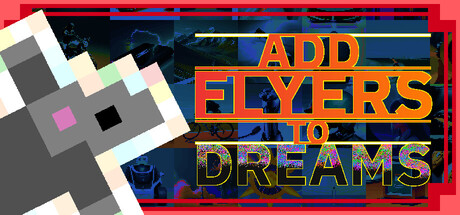
This game includes content generated by generative AI.
Content created using generative AI:
BGM (in-game)
Advertisement images (in-game)
Translations (in-game)
Promotional video BGM (store page)
Advertisement images behind the logo (store page)
Translations of the game description (store page)
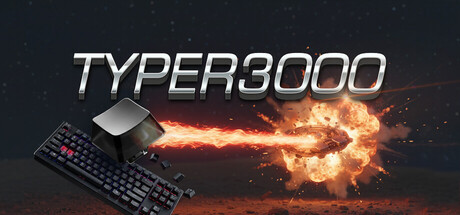
We have used AI primarily for image generation and for optimizing the network system in Typer3000. AI-driven image generation allowed us to rapidly create and iterate visual assets such as backgrounds, interface elements, and stylistic variations, ensuring a consistent and scalable visual design.
In addition, we have used AI to support the setup and optimization of the multiplayer network architecture. It helped us refine data transmission strategies, reduce latency, and improve synchronization of player inputs, resulting in a smooth and responsive real-time gameplay experience.
This game uses generative AI in a limited capacity. Some in-game images and text were created or assisted by AI during development, but they are not entirely AI-generated. All such content has been manually edited, reviewed, and integrated by the developer to ensure consistency with the overall design and experience.
During the development of Heavy Mental, we utilized Meshy AI to assist in creating base 3D models and textures for several character assets and environmental props. Every asset generated through AI has been manually refined, rigged, and animated by our development team to ensure it fits the game's unique stylized art direction and meets our quality standards. Our use of AI is limited to the pre-production phase to streamline our artistic workflow.
Developing Aevalore solo meant tackling a massive project on my own. To manage the 500+ sprite sheets required, I used generative AI for the artwork (most hand polished for finish) and 90% of the music. Some of the music was made by a friend and me. This allowed me to pour all my energy into coding the 81-ability system, 12+ unique characters and crafting the world. These tools didn't replace my vision; they made it possible for a solo dev to build it.
I used AI for debugging package errors that can generate thousands-lines-long error logs, to point me into the right direction.
I also localized the store page to some languages using LLM.
AI was used for the following:
* In game code
* Capsule images
* Trailer and boss music
* Ideas and direction for the story
* In-game cinematic
* Character design and in-game portraits
* Model textures
* Achievement images
While we are generally against generative AI, we cannot guarantee that no AI generated content will end up in the game. We are using store bought assets and third party translations and we are not taking on the additional stress of verifying if they are 100% AI free. We will however deliver as much handcrafted material as possible.
Description of AI usage in development:
We utilized AI tools to enhance development efficiency and creative output:
Claude: Heavily used for complex 3D procedural mesh modeling and core game logic scripting to optimize the procedural world-building.
ChatGPT & Gemini: Assisted in creating specific game assets and technical documentation.
Adobe Firefly: Used to generate high-quality visual elements and creative assets specifically for the game’s promotional trailers.
All AI-assisted outputs were refined, integrated, and finalized by the developer to ensure technical stability and creative originality.
Some visual assets (pixel art sprites) and music tracks were created with the assistance of AI generation tools during development. All AI-generated content was reviewed and curated by the developer. No AI content is generated during gameplay.
Some visual assets used in the game and its marketing materials were initially generated using AI-assisted tools and then modified and integrated into the game by the developer.
Generative AI was used during the development of this game for creating initial concepts and draft versions of certain art assets, including the main menu background and UI icons. These assets were then manually refined, polished, and integrated by the developer to fit the game's final aesthetic.
The soundtrack/music was made with Suno Pro.
Some sounds were made with Krotos Pro, which is mostly not ai but has ai elements for some sounds.
The sprites were made with Dall-E.
That's right, in an era dominated by AI, all the art assets in this game are generated by AI, including the store page, capsule images, UI, and so on. But rest assured, all the materials were generated using my own AI subscription, belong to me, and there is proof on the official AI website.
Generative AI tools were used during development for portions of the game's code, visuals, and audio. All outputs were reviewed and edited by the developer.
Some promotional and visual assets, such as logos or marketing materials, were created with the assistance of generative AI tools. All gameplay systems, mechanics, and core game content were developed manually.
Generative AI is used to compose the original score (instrumental VGM only. This game doesn't include vocal music) and handle the translation (primarily for Simplified Chinese version).
Certain early-stage visual or audio assets were created using generative AI tools as part of the development workflow. All such content has been manually edited and integrated by the developer. The game does not generate AI content during gameplay.
Some code sections were generated using AI.
We've used AI-generated images for our store page graphic assets.
※The in-game images were not created using AI.
Game artwork (sprites for items, enemies, characters, and UI elements) was generated using Stable Diffusion
(DreamShaper model) running locally. Sound effects and music were generated using Meta AudioCraft (AudioGen/MusicGen)
running locally. Non-English translations were generated using local LLMs (Ollama) and manually reviewed. No external AI
services are used during gameplay. All AI-generated content was produced offline during development.
AI Disclosure:
Generative AI tools were used during development to assist in creating some visual assets and refining animations. Additionally, AI-assisted tools were utilized for technical optimization to ensure a stable gameplay experience. All results were manually reviewed and finalized by the developer. This game does not use any live-generated AI content.
Certain visual and audio assets were created with the assistance of generative AI tools during development and were manually edited and refined by the developer. All gameplay content is handcrafted, and no generative AI is used during gameplay.
During the early prototyping phase, I use AI tools to visualize initial concepts and create temporary placeholders. All of these have been completely replaced in the final game with hand-crafted art created by myself and talented freelancers.
Generative AI tools were used solely to assist in creating the logo and promotional art featured on this Steam store page. No generative AI was used in the creation of the game itself—all in-game assets, code, writing, and gameplay mechanics are 100% handcrafted by the development team.
I'm a solo dev and the game is still in an early state of development. It contains AI generated assets that are being used as placeholders until I can replace them properly. This includes plugin illustrations, some module sprites, and a few sound effects.
None of the current assets, including the ones I made with Paint, will be kept in the final game.
During the development process, we leverage AI tools to support the generation of specific art assets and the creation of procedural content. This approach is primarily driven by resource limitations within our art team and the need to address schedule constraints. AI assists us in rapidly prototyping 3D model foundations, generating initial environmental textures, and sketching concept art, enabling our artists to focus on high-value creative tasks such as refining character expressions, animating skill VFX, and unifying the artistic vision. It is important to note that none of our key visual elements (including core 3D characters, environments, and dynamic effects) are directly AI-generated final products. Instead, AI outputs are used as starting points that undergo extensive manual refinement, detail sculpting, and artistic reinterpretation by our dedicated art team. We are committed to rejecting any shortcuts of using AI-generated 2D imagery to compromise player experience; instead, we prioritise "AI boosting efficiency, humans defining quality". The final game's visuals are a testament to our artists' craftsmanship and aesthetic rigor. Additionally, AI streamlines our workflow management, allowing our limited resources to prioritise gameplay strategy and combat tuning. Player privacy and the responsible use of AI remain paramount: No player data is used for training or shared externally without consent.
This game includes content generated by generative AI.
Content created using generative AI:
BGM (in-game)
Advertisement images (in-game)
Translations (in-game)
Promotional video BGM (store page)
Advertisement images behind the logo (store page)
Translations of the game description (store page)
We have used AI primarily for image generation and for optimizing the network system in Typer3000. AI-driven image generation allowed us to rapidly create and iterate visual assets such as backgrounds, interface elements, and stylistic variations, ensuring a consistent and scalable visual design.
In addition, we have used AI to support the setup and optimization of the multiplayer network architecture. It helped us refine data transmission strategies, reduce latency, and improve synchronization of player inputs, resulting in a smooth and responsive real-time gameplay experience.
This game uses generative AI in a limited capacity. Some in-game images and text were created or assisted by AI during development, but they are not entirely AI-generated. All such content has been manually edited, reviewed, and integrated by the developer to ensure consistency with the overall design and experience.