Public Steam disclosure research25,394 disclosures tracked
Where do games disclose AI use?
Search developers’ Steam disclosures, compare classified AI use across
games, and follow recorded changes.
This index adds cross-game classifications and statistics to
statements published on individual store pages.
Groups reflect automatic analysis of public disclosures; mature records are excluded. These counts do not measure AI use across all of Steam.
Missing or unclear statements cannot establish whether a game uses AI.
Some portions of the game's source code were developed with the assistance of generative AI tools. All gameplay design, story, puzzles, dialogue, creative direction, and final implementation decisions were created, reviewed, and controlled by the developer.
Some promotional artwork and marketing materials may also have been created with the assistance of generative AI tools and subsequently reviewed and edited by the developer.
No generative AI is used during gameplay, and no content is generated dynamically for players.
AI tools were used to assist with promotional artwork, capsule art, and visual concept iteration for The Big Suck. Final art direction, selection, editing, game design, programming, balancing, and implementation were done by the developer. AI was used as a creative production aid for a small indie project, not as live-generated gameplay content.
Artificial intelligence tools were used to refine part of the game's music and certain sound effects, as well as specific graphical assets, support programming, debugging, and bug-fixing tasks
Some of the games text was drafted with the assistance of generative AI and then edited by hand by developers before inclusion.
The game's audio is procedurally synthesized in-engine (algorithmic DSP) and layered with real & recorded audio by the developers. not produced by a generative AI model.
Some of the games 3D model primitive shapes were drafted with the assistance of generative AI, but finalized by hand.
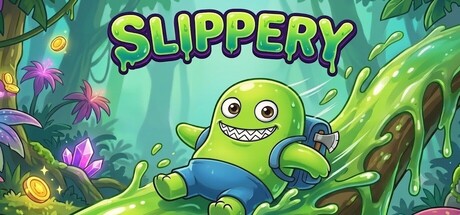
Generative AI was used during the development of Slippery to assist in creating certain static visual assets, including [store page artwork / background images / character concepts / UI elements]. All AI-generated content was reviewed, modified, and integrated by hand to match the game's overall visual style. The game does not generate any AI content in real-time during gameplay.
ransparency Regarding AI Usage:
We believe in being open with our community. To create a richer world, some of the music and text content in this game were generated using AI. Our development team also utilized AI coding assistants to help accelerate the development process. We understand the community's perspective on AI, and please be assured that all AI-generated assets have been strictly reviewed and refined by our human team. Thank you for your support and understanding!
Some album artwork and illustrations are created with the assistance of AI generation tools during the production process. AI-generated outputs are used only as drafts or production aids. All such materials are carefully selected, modified, edited, and post-processed by our development team to create the final content. Every AI-assisted asset included in the game is finalized through the creative judgment and thorough review of our development team.
This game may include pre-generated content created or assisted by generative artificial intelligence tools during development, mainly for support with visual materials, promotional text, localization/translation, and marketing assets.
All content included in the game and on the store page has been manually reviewed, edited, and approved by the development team before publication. The game does not use generative artificial intelligence in real time during gameplay, so no new AI-generated content is created while the user is playing.
The game does not use generative artificial intelligence in real time. No images, text, sounds, dialogue, missions, or any other content are generated by AI while the game is running.
Generative AI was used as a production tool to help create and refine some static visual assets, including illustrations, backgrounds, CG images, promotional artwork, and Steam library images. It was also used to assist with translation drafts. All final assets and text were reviewed and edited manually before being included in the game.
Some of this game's store-page and marketing art (capsule and key art) was created with generative AI image tools, then reviewed and edited by the developer. The game itself contains no generative-AI content: all in-game art and text are hand-authored, and the audio is procedurally synthesized rather than AI-generated. No AI content is generated during gameplay.
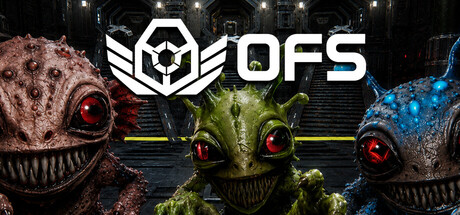
OFS is made by a solo developer using a hybrid, human-led production pipeline.
Some of the game's content was produced with the help of several generative AI tools — for instance to assist with certain complex 3D meshes, textures, and visual elements. These tools are used for one purpose only: to augment and accelerate human creativity, never to replace it.
Every artistic direction, every gameplay decision, and every final creative call is made by a human. All AI-assisted assets — meshes, textures, visuals, objects and anything else — are hand-reviewed, edited, and finalized by a human before they ever make it into the game.
As a solo developer, this hybrid approach simply unlocks far more creative possibilities than would otherwise be feasible without a full team — while keeping full human authorship over the final result.
Some visual assets and artwork used in this game were created or assisted with generative AI tools. All generated content was reviewed, edited, and integrated into the game by the developer.
Some of this game's 2D art/images and in-game text were created with the help of generative AI tools during development, then reviewed and edited by the developer. Some of the game's code was also written with the assistance of AI coding tools. The game does not generate any content using AI while you play.
Some 3D models, prop assets, and sound effects in this game were created with the help of generative AI tools and then reviewed, edited, and integrated by our team to fit the game's art style and quality standards. Other art, design, and store/marketing materials were created without generative AI.
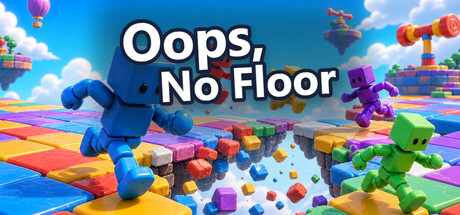
As an independent development team, we use generative AI tools to assist in creating some of the game’s background artwork and decorative wallpapers. These images are used as supporting visual elements and do not replace the game’s 3D assets, animation, gameplay design, programming, or overall creative direction.
All AI-assisted artwork is selected, reviewed, edited, and integrated by our development team to ensure it fits the visual identity of Oops, No Floor. The game does not generate content during gameplay.
We respect and value the work of professional artists. Our use of AI reflects the practical resources available to us as a small indie team and allows us to focus our budget and time on building, polishing, and supporting the game.
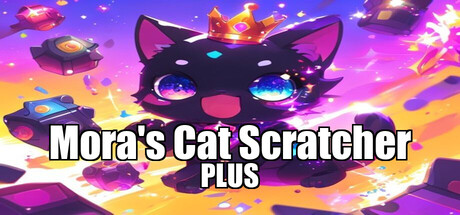
Cat & Fox Studios used generative AI image tools (Pollinations FLUX) to create the store-page art assets for this game, including:
the Main Capsule, Library Hero, Library Logo, Vertical Capsule, Page Background, small/header capsules, and the character illustrations of Mora the cat shown on the store page and in gallery posts.
These AI-generated assets are used for marketing imagery and Steam store presentation only. The original music in the game was composed by Dr. Jenna Fox of Cat & Fox Studios.
The game itself does not call any AI service during gameplay — all play is fully deterministic.
We used Generative AI tools solely for localizing the store page descriptions, brainstorming promotional texts, and translating "About This Game" sections into multiple languages to make the game accessible to a wider audience. No AI-generated assets (such as art, code, or audio) are used within the game build itself.
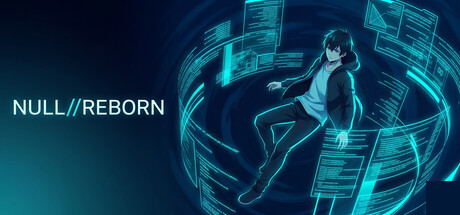
NULL//REBORN was built with agentic AI as a creative partner throughout the entire pipeline.
I designed the vision, story outline, musical direction, and game logic — then used AI to bring each piece to life:
- generating the art,
- fleshing out the script,
- composing the music, and writing the code.
Every element was guided by human intent and shaped by AI execution.
This application uses AI tools in parts of its development process, including creating the in-character dialogue text and some artwork (such as character part images), as well as tuning behavioral algorithms. All AI-generated assets are produced and reviewed in advance and built into the product; no generative AI runs during gameplay.
The developer used generative AI tools during development to help create some of the game's code, sound effects, and music. All AI-assisted content was reviewed and curated by the developer.
This game was made with the help of generative AI tools. During development, AI was used to help create some of the content that ships with the game — including its writing and dialogue, its English and Turkish text, and its 2D art and UI (such as icons, product sprites, achievement badges, and store images). All of this content was directed, reviewed, and curated by the developer. The game does not generate any AI content while you play, and does not connect to any AI service during gameplay.
During development, I may use procedural- and AI-assisted tools to support content creation, iteration, and production workflows. In all such cases, the final product reflects my own creative direction, selection, editing, and implementation as the developer.
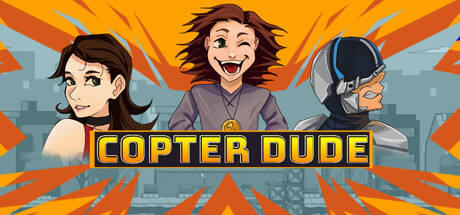
AI was used to create initial concept images for the main character (the funny copter). These images were then edited, redrawn and polished by a human artist. All other sprites, animations, backgrounds, sounds, music, and code in the game have nothing to do with AI.
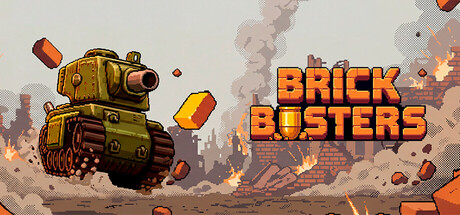
Some assets in BRICK BUSTERS were created with the help of generative AI tools — including parts of the pixel art, some sound effects and music, and the translations of the in-game text. All AI-assisted content was reviewed and edited by hand before release.
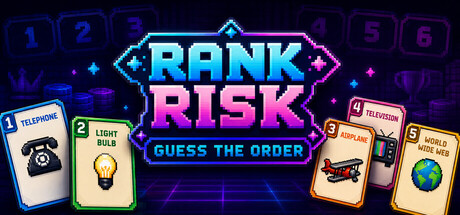
Some in-game visual assets and trivia/ranking question data were created with the assistance of generative AI tools. All AI-assisted content was reviewed, edited, and curated by the developer before being included in the game.
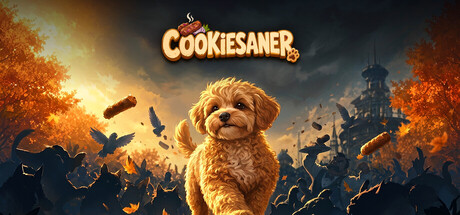
Some art and music in Cookiesaner were created with AI-assisted tools: Image generation for sprites and backdrops, and AI-assisted music, then curated, edited, and finished by the solo developer alongside hand-craft and original composition. No AI-generated content is created at runtime; every asset is fixed and reviewed before it ships.
Some portions of the game's source code were developed with the assistance of generative AI tools. All gameplay design, story, puzzles, dialogue, creative direction, and final implementation decisions were created, reviewed, and controlled by the developer.
Some promotional artwork and marketing materials may also have been created with the assistance of generative AI tools and subsequently reviewed and edited by the developer.
No generative AI is used during gameplay, and no content is generated dynamically for players.
AI tools were used to assist with promotional artwork, capsule art, and visual concept iteration for The Big Suck. Final art direction, selection, editing, game design, programming, balancing, and implementation were done by the developer. AI was used as a creative production aid for a small indie project, not as live-generated gameplay content.
Artificial intelligence tools were used to refine part of the game's music and certain sound effects, as well as specific graphical assets, support programming, debugging, and bug-fixing tasks
Some of the games text was drafted with the assistance of generative AI and then edited by hand by developers before inclusion.
The game's audio is procedurally synthesized in-engine (algorithmic DSP) and layered with real & recorded audio by the developers. not produced by a generative AI model.
Some of the games 3D model primitive shapes were drafted with the assistance of generative AI, but finalized by hand.
Generative AI was used during the development of Slippery to assist in creating certain static visual assets, including [store page artwork / background images / character concepts / UI elements]. All AI-generated content was reviewed, modified, and integrated by hand to match the game's overall visual style. The game does not generate any AI content in real-time during gameplay.
ransparency Regarding AI Usage:
We believe in being open with our community. To create a richer world, some of the music and text content in this game were generated using AI. Our development team also utilized AI coding assistants to help accelerate the development process. We understand the community's perspective on AI, and please be assured that all AI-generated assets have been strictly reviewed and refined by our human team. Thank you for your support and understanding!
Some album artwork and illustrations are created with the assistance of AI generation tools during the production process. AI-generated outputs are used only as drafts or production aids. All such materials are carefully selected, modified, edited, and post-processed by our development team to create the final content. Every AI-assisted asset included in the game is finalized through the creative judgment and thorough review of our development team.
This game may include pre-generated content created or assisted by generative artificial intelligence tools during development, mainly for support with visual materials, promotional text, localization/translation, and marketing assets.
All content included in the game and on the store page has been manually reviewed, edited, and approved by the development team before publication. The game does not use generative artificial intelligence in real time during gameplay, so no new AI-generated content is created while the user is playing.
The game does not use generative artificial intelligence in real time. No images, text, sounds, dialogue, missions, or any other content are generated by AI while the game is running.
Generative AI was used as a production tool to help create and refine some static visual assets, including illustrations, backgrounds, CG images, promotional artwork, and Steam library images. It was also used to assist with translation drafts. All final assets and text were reviewed and edited manually before being included in the game.
Some of this game's store-page and marketing art (capsule and key art) was created with generative AI image tools, then reviewed and edited by the developer. The game itself contains no generative-AI content: all in-game art and text are hand-authored, and the audio is procedurally synthesized rather than AI-generated. No AI content is generated during gameplay.
OFS is made by a solo developer using a hybrid, human-led production pipeline.
Some of the game's content was produced with the help of several generative AI tools — for instance to assist with certain complex 3D meshes, textures, and visual elements. These tools are used for one purpose only: to augment and accelerate human creativity, never to replace it.
Every artistic direction, every gameplay decision, and every final creative call is made by a human. All AI-assisted assets — meshes, textures, visuals, objects and anything else — are hand-reviewed, edited, and finalized by a human before they ever make it into the game.
As a solo developer, this hybrid approach simply unlocks far more creative possibilities than would otherwise be feasible without a full team — while keeping full human authorship over the final result.
Some visual assets and artwork used in this game were created or assisted with generative AI tools. All generated content was reviewed, edited, and integrated into the game by the developer.
Some of this game's 2D art/images and in-game text were created with the help of generative AI tools during development, then reviewed and edited by the developer. Some of the game's code was also written with the assistance of AI coding tools. The game does not generate any content using AI while you play.
Some 3D models, prop assets, and sound effects in this game were created with the help of generative AI tools and then reviewed, edited, and integrated by our team to fit the game's art style and quality standards. Other art, design, and store/marketing materials were created without generative AI.
As an independent development team, we use generative AI tools to assist in creating some of the game’s background artwork and decorative wallpapers. These images are used as supporting visual elements and do not replace the game’s 3D assets, animation, gameplay design, programming, or overall creative direction.
All AI-assisted artwork is selected, reviewed, edited, and integrated by our development team to ensure it fits the visual identity of Oops, No Floor. The game does not generate content during gameplay.
We respect and value the work of professional artists. Our use of AI reflects the practical resources available to us as a small indie team and allows us to focus our budget and time on building, polishing, and supporting the game.
Cat & Fox Studios used generative AI image tools (Pollinations FLUX) to create the store-page art assets for this game, including:
the Main Capsule, Library Hero, Library Logo, Vertical Capsule, Page Background, small/header capsules, and the character illustrations of Mora the cat shown on the store page and in gallery posts.
These AI-generated assets are used for marketing imagery and Steam store presentation only. The original music in the game was composed by Dr. Jenna Fox of Cat & Fox Studios.
The game itself does not call any AI service during gameplay — all play is fully deterministic.
We used Generative AI tools solely for localizing the store page descriptions, brainstorming promotional texts, and translating "About This Game" sections into multiple languages to make the game accessible to a wider audience. No AI-generated assets (such as art, code, or audio) are used within the game build itself.
NULL//REBORN was built with agentic AI as a creative partner throughout the entire pipeline.
I designed the vision, story outline, musical direction, and game logic — then used AI to bring each piece to life:
- generating the art,
- fleshing out the script,
- composing the music, and writing the code.
Every element was guided by human intent and shaped by AI execution.
This application uses AI tools in parts of its development process, including creating the in-character dialogue text and some artwork (such as character part images), as well as tuning behavioral algorithms. All AI-generated assets are produced and reviewed in advance and built into the product; no generative AI runs during gameplay.
The developer used generative AI tools during development to help create some of the game's code, sound effects, and music. All AI-assisted content was reviewed and curated by the developer.
This game was made with the help of generative AI tools. During development, AI was used to help create some of the content that ships with the game — including its writing and dialogue, its English and Turkish text, and its 2D art and UI (such as icons, product sprites, achievement badges, and store images). All of this content was directed, reviewed, and curated by the developer. The game does not generate any AI content while you play, and does not connect to any AI service during gameplay.
During development, I may use procedural- and AI-assisted tools to support content creation, iteration, and production workflows. In all such cases, the final product reflects my own creative direction, selection, editing, and implementation as the developer.
AI was used to create initial concept images for the main character (the funny copter). These images were then edited, redrawn and polished by a human artist. All other sprites, animations, backgrounds, sounds, music, and code in the game have nothing to do with AI.
Some assets in BRICK BUSTERS were created with the help of generative AI tools — including parts of the pixel art, some sound effects and music, and the translations of the in-game text. All AI-assisted content was reviewed and edited by hand before release.
Some in-game visual assets and trivia/ranking question data were created with the assistance of generative AI tools. All AI-assisted content was reviewed, edited, and curated by the developer before being included in the game.
Some art and music in Cookiesaner were created with AI-assisted tools: Image generation for sprites and backdrops, and AI-assisted music, then curated, edited, and finished by the solo developer alongside hand-craft and original composition. No AI-generated content is created at runtime; every asset is fixed and reviewed before it ships.