








Disclosure
AI is occasionally used for game art and quality control.
- Creator
- 109 Below
- Reviews
- -
- Added
- Jun 12, 2026
Public Steam disclosure research 25,394 disclosures tracked
Search developers’ Steam disclosures, compare classified AI use across games, and follow recorded changes. This index adds cross-game classifications and statistics to statements published on individual store pages.
Code help, debugging and other development work.
Capsule art, trailers and promotional material.
Pre-made art, audio, writing and other game assets.
Interactive or runtime AI features disclosed by the developer.
Groups reflect automatic analysis of public disclosures; mature records are excluded. These counts do not measure AI use across all of Steam. Missing or unclear statements cannot establish whether a game uses AI.
AI is occasionally used for game art and quality control.
Some store page artwork, promotional images, textures, and visual assets were created using generative AI tools and then edited and finalized by the developer. AI-generated content is used only for visual assets and does not generate content during gameplay.
Luna: Obscura is my creative vision (SOSOROS). I designed and built the game's world, levels, creatures, and visual identity over two years. ANORMIC joined in the final year to handle programming and sound design. The art on the walls: Every painting and sculpture you encounter inside the base is an original, physical artwork. Acrylics painted by hand, sculptures made by hand, by me. No AI, no prints of someone else's work. They existed in the real world before they existed on the moon. Cover art: The key art combines in-engine 3D renders, AI-assisted generation trained exclusively on my own handmade artworks and 3D sculpts, and extensive manual overpaint and compositing in Photoshop. Cinematic sequences: The in-game sequences are hybrids, built from direct in-engine screenshots of our own levels and creatures, extended through AI generation. I'm not an animator, and producing these any other way was beyond the scope of a two-person project. I hope the results speak for themselves. Sound effects & enemy audio: The vast majority of audio was composed and engineered by ANORMIC. For the game's altered human enemies (lunatics whose minds have been overtaken) we made a deliberate artistic choice to use AI-generated vocal sounds. The result is audio that feels disturbingly human but remains completely incomprehensible. AI voice sits in an uncanny valley, and that's exactly where these creatures live. This was a creative decision, not a compromise. Remaining environmental assets were licensed through the Unreal Engine Marketplace. Everything else, the levels, the creatures, the paintings, the world, is human made. And yes, there's a contradiction here. A statement against AI in art, inside a game that used it. I won't pretend otherwise. These two years were me testing that edge firsthand: I used these tools, learned what they can genuinely do, and somewhere along the way my conscience gave me the answer. Even where the hybrid approach worked, and I think the sequences are an honest use of it, I'd rather learn to rig and animate myself for the next project, even if the result is rougher. I stand with artists, and I'd rather earn my skills than borrow them. Sometimes you have to cross a line to understand exactly where it should be drawn. Where we stand: We're not against AI. We use it gladly where it belongs: code, tools, concepting aid, the invisible machinery of production, the same way we welcome it in medicine and science. But art is different. As creators whose own work has potentially been scraped to train these models without consent, we understand the weight of this disclosure more than most. Our position for future projects is firm: AI should not be in the end result, and where reality forces a compromise, it must remain a hybrid, grounded in our own hands and our own source material, never a replacement for them. We made honest decisions, we're transparent about every one of them, and we stand behind the result. The goal is simple: just the work.
Some sound effects in this game were created using generative AI.
The game includes AI-driven enemy characters ("LLM zombies") that players can interact with through dialogue. These characters use a language model to generate responses dynamically during gameplay. The AI is used only to produce in-game dialogue and behavior for these enemies and does not generate user-uploaded content or external assets.
Voice lines generated by Murf.ai
This game contains real-time AI-generated text.
As a solo developer handling the entire scope of code, systems architecture, and design, generative AI tools were utilized during development to handle the massive volume of graphic assets. This includes illustrative 2D artwork for specific field environments, background landscapes, UI map layouts, and card illustration frames. Leveraging these tools allowed me to focus my full energy on what matters most: creating deep tactical gameplay, tight mechanical balance, and a compelling narrative. Every asset generated was extensively curated, manually edited, and visually polished to align perfectly with the game's aesthetic, storytelling, and tactical user interface. No live generative AI is used while the game is running.
AI is used on an ad hoc basis for: 3D model texturing, code assistance, and references for asset modeling. It does not affect gameplay or interactive content.
Deep Breach Demo contains some pre-generated visual assets created with assistance from generative AI tools during development. These include certain static 2D visual elements such as UI icons, item and turret imagery, and promotional/store artwork. No AI-generated content is created live during gameplay.
We used AI to help in coding the game, and coming up with some of our promotional art assets.
AI tools were used to assist in the creation of temporary promotional artwork and concept visuals for the Steam store page. Gameplay systems, implementation, balancing, and final game integration are developed manually.
We only use artificial intelligence tools to generate background music for the game (such as the background music for starting the game interface), promotional videos (CG promotional videos), and some UI background images (background images for the backpack interface), which are directly embedded into the game's assets. During the game, no artificial intelligence models were used to create or generate new content in real-time. No AI generated code was used either.
Some parts of the App and Store page may feature AI generated content.
Generative AI was used as one of many development tools while creating Snake: Gridbreaker. As a solo developer, I used it to support programming, localization, UI work, visual assets, icons, and the development of quality-of-life and accessibility improvements. Every AI-assisted element was reviewed, edited, tested, and implemented by me. I designed the game, its mechanics, progression, and creative direction, and I remain fully responsible for the final experience. The game does not generate content with AI during gameplay.
Ai Voice Character And Images
Generative AI tools were used to assist with select visual artwork, specifically the game’s main marketing images/store page artwork and splash screen. Frutz does not use live-generated AI content during gameplay.
Generative AI was used during development as a production tool for portions of the game's source code, music production workflow, and synthetic voice-over generation. AI-assisted code was reviewed, tested, modified where necessary, and integrated under the direct supervision of the developer. Some music tracks originated from AI-generated compositions or stems and were subsequently edited, arranged, mixed, and produced by the developer. Voice-over content is generated using commercially licensed AI voice technology from developer-written scripts. The game's gameplay systems, game design, balancing, progression systems, procedural visual generation technology, world generation systems, writing, and overall creative direction were conceived, designed, and maintained by the developer. The game does not use generative AI at runtime. No player-facing content is generated on-the-fly during gameplay. Visuals are created through deterministic procedural generation systems and pre-authored assets rather than generative image AI.
AI was used for graphics not included in the original 2009 release, such as achievement icons and store page banners.
Generative AI was used for some character visuals and as a development support tool. The game does not generate content with AI during gameplay.
Some visual assets (such as store page graphics, backgrounds, and UI elements) and the localization/translation of the game's user interface were created with the assistance of generative AI tools. All core gameplay mechanics and code are strictly human-made, and no live AI content generation occurs during gameplay
Generative AI tools were used to assist in the creation of certain illustrations, backgrounds, music, and translations. All final content has been reviewed by the developer.
AI is used to help translate the game's text into the supported languages. All translations are reviewed before release. No AI-generated art, audio, or music.
Some content in this game was created with the assistance of generative AI tools during development, including certain visual assets, store artwork, capsule art, and text. All AI-assisted content was reviewed, edited, and integrated by the developer to ensure it fits the game’s design and overall player experience.
I used AI to generate much of the code for this game. I did a lot of reviewing and tweaking the code, but a large portion of the core code for the game was generated by AI. The AI also generate the player and enemy "models". I had them generate to game scene files (tscn files in Godot) which are just simple text files. I tweaked many of them after initial generation. I also used AI to generate the various store page and icon art, and 4 images that are findable in the game as items AI was not used for the music in game, or the various art assets and SFX not mentioned above.
This game contains AI-generated music used in promotional materials, including trailers. No AI-generated content is used in gameplay.
This game uses generative AI tools to assist in creating some art assets, sound effects, and text content. All generated content has been reviewed and edited by humans to ensure compliance and quality.
AI is used for some of the music and images in the game.
translations into non-English languages (otherwise I could not translate the game into everyone's language in good time)
The store images and splash page were generated by xAI Grok, the music is by Suno. CoPilot and Claude helped me with the coding.
This game uses generative AI tools in limited ways to support development. Some music tracks were created using AI music generation tools, and certain marketing or store page visual assets were assisted by AI. All core gameplay and implementation were created by the developer.
Used for multi-language support.
Some sound effects and audio assets were initially generated using generative AI tools, and subsequently edited and refined by a human sound designer to fit the game's requirements.
AI was used for creation of store page art assets and translation to languages other than English and German.
This game utilized AI tools for localization.
Capsule Art. Partial code
Generative AI was used to create art assets for the game.
This game uses generative AI tools for code creation, refactoring, debugging assistance, and drafting and revising store text. All AI-generated output is reviewed and edited by the developer before use. The game does not generate AI content during gameplay, nor does it connect to any external AI services.
We used AI for many of the map assets and graphics heavily modified by humans.
The game's programming, art assets, and music are mostly generated with the assistance of AI.
本游戏由两人团队制作,部分素材使用生成式 AI 辅助完成,包括角色立绘、背景图、CG 、背景音乐、角色配音、及部分商店宣传素材。开发过程中会对生成结果进行人工筛选、修正、后期处理和统一风格调整。 游戏过程中不会实时生成 AI 内容,也不会连接外部 AI 服务。
Some visual assets and promotional materials for this game were created or assisted using generative AI tools. All content was reviewed, edited, and integrated by the developer.
This game uses AI-generated tools to assist in the creation of certain assets, including music and logo design used in promotional materials such as the trailer. All gameplay content, art direction, and game design are created by the developer.
Generative AI is used to create sound effects and voice lines. The AI-generated images provide foundational 2D artwork for promotional materials that are heavily stylized and edited. All the AI-generated assets are static, pre-baked and there is no live, real-time interaction with AI during gameplay.
Some visual assets used for HackMeNow’s Steam store page, community assets, and marketing materials were created with the assistance of generative AI tools and then reviewed/selected by the developer. The game itself does not use live generative AI during gameplay. No AI system generates player-facing text, images, audio, code, missions, or other dynamic content while the game is being played.
Generative AI has been used during development to create certain concept art, promotional materials, visual mockups, and marketing assets. These assets are used for early-stage presentation and community engagement. Gameplay systems, game design, programming, and final in-game content are developed and curated by the development team. No live-generated AI content is currently generated for players during gameplay.
Its used for some Art and some of the Code
Some of the sound designs we used partial ai sound effects and after we adjusted.
This game uses pre-generated generative artificial intelligence tools for the creation of its storefront capsule art and promotional marketing assets.
Some artworks on the gameplay to explain the story are generated by A.I with the developer's own detailed ideas. Other works like coding, sound effects, map design, character design are by the developers. Some designs use A.I to support of the creation, but they are customized, re-designed by the develooper. The game DOES NOT include live-generated AI systems, chatbots, player-facing AI generation, or runtime generation of text, images, audio, or dialogue.
| Title⇅ | Disclosure | Creator⇅ | Src | Reviews⇅ | Added↓ |
|---|---|---|---|---|---|
 Dying Hope In-game content art | AI is occasionally used for game art and quality control. | 109 Below | - | Jun 12, 2026 | |
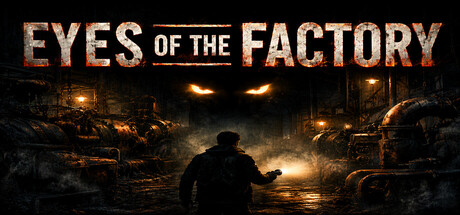 Eyes Of The Factory Store/marketing art | Some store page artwork, promotional images, textures, and visual assets were created using generative AI tools and then edited and finalized by the developer. AI-generated content is used only for visual assets and does not generate content during gameplay. | VLight Studio | - | Jun 12, 2026 | |
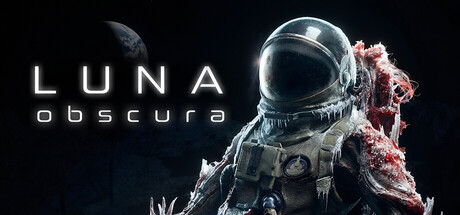 LUNA In-game content artaudiotext | Luna: Obscura is my creative vision (SOSOROS). I designed and built the game's world, levels, creatures, and visual identity over two years. ANORMIC joined in the final year to handle programming and sound design.
The art on the walls: Every painting and sculpture you encounter inside the base is an original, physical artwork. Acrylics painted by hand, sculptures made by hand, by me. No AI, no prints of someone else's work. They existed in the real world before they existed on the moon.
Cover art: The key art combines in-engine 3D renders, AI-assisted generation trained exclusively on my own handmade artworks and 3D sculpts, and extensive manual overpaint and compositing in Photoshop.
Cinematic sequences: The in-game sequences are hybrids, built from direct in-engine screenshots of our own levels and creatures, extended through AI generation. I'm not an animator, and producing these any other way was beyond the scope of a two-person project. I hope the results speak for themselves.
Sound effects & enemy audio: The vast majority of audio was composed and engineered by ANORMIC. For the game's altered human enemies (lunatics whose minds have been overtaken) we made a deliberate artistic choice to use AI-generated vocal sounds. The result is audio that feels disturbingly human but remains completely incomprehensible. AI voice sits in an uncanny valley, and that's exactly where these creatures live. This was a creative decision, not a compromise.
Remaining environmental assets were licensed through the Unreal Engine Marketplace.
Everything else, the levels, the creatures, the paintings, the world, is human made.
And yes, there's a contradiction here. A statement against AI in art, inside a game that used it. I won't pretend otherwise. These two years were me testing that edge firsthand: I used these tools, learned what they can genuinely do, and somewhere along the way my conscience gave me the answer. Even where the hybrid approach worked, and I think the sequences are an honest use of it, I'd rather learn to rig and animate myself for the next project, even if the result is rougher. I stand with artists, and I'd rather earn my skills than borrow them. Sometimes you have to cross a line to understand exactly where it should be drawn.
Where we stand: We're not against AI. We use it gladly where it belongs: code, tools, concepting aid, the invisible machinery of production, the same way we welcome it in medicine and science. But art is different. As creators whose own work has potentially been scraped to train these models without consent, we understand the weight of this disclosure more than most. Our position for future projects is firm: AI should not be in the end result, and where reality forces a compromise, it must remain a hybrid, grounded in our own hands and our own source material, never a replacement for them. We made honest decisions, we're transparent about every one of them, and we stand behind the result. The goal is simple: just the work. | Sosoros | - | Jun 12, 2026 | |
 How To Destroy A City In-game content audio | Some sound effects in this game were created using generative AI. | Studio LEF | - | Jun 12, 2026 | |
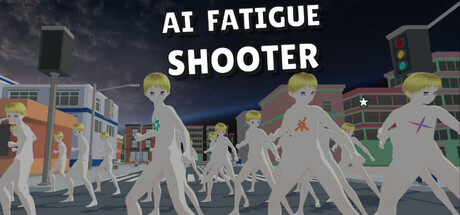 AI Fatigue Shooter Live AI text | The game includes AI-driven enemy characters ("LLM zombies") that players can interact with through dialogue. These characters use a language model to generate responses dynamically during gameplay. The AI is used only to produce in-game dialogue and behavior for these enemies and does not generate user-uploaded content or external assets. | RPPG Interactive | - | Jun 12, 2026 | |
 Grimm's Folly In-game content audio | Voice lines generated by Murf.ai | Gray Days Entertainment | - | Jun 12, 2026 | |
 Eve Live AI text | This game contains real-time AI-generated text. | Eve | - | Jun 12, 2026 | |
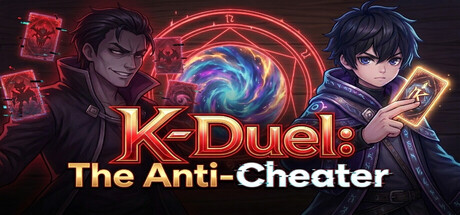 K-Duel: The Anti-Cheater In-game content art | As a solo developer handling the entire scope of code, systems architecture, and design, generative AI tools were utilized during development to handle the massive volume of graphic assets. This includes illustrative 2D artwork for specific field environments, background landscapes, UI map layouts, and card illustration frames. Leveraging these tools allowed me to focus my full energy on what matters most: creating deep tactical gameplay, tight mechanical balance, and a compelling narrative. Every asset generated was extensively curated, manually edited, and visually polished to align perfectly with the game's aesthetic, storytelling, and tactical user interface. No live generative AI is used while the game is running. | luan nguyen | - | Jun 12, 2026 | |
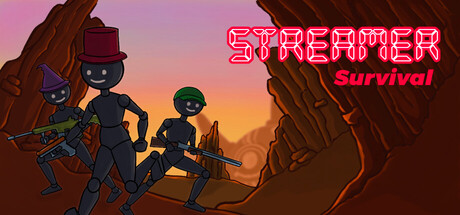 Streamer Survival In-game content artcode | AI is used on an ad hoc basis for: 3D model texturing, code assistance, and references for asset modeling. It does not affect gameplay or interactive content. | mein74555 | - | Jun 11, 2026 | |
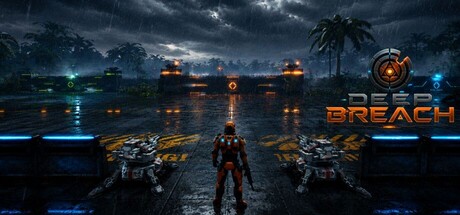 Deep Breach In-game content art | Deep Breach Demo contains some pre-generated visual assets created with assistance from generative AI tools during development. These include certain static 2D visual elements such as UI icons, item and turret imagery, and promotional/store artwork. No AI-generated content is created live during gameplay. | Alyssium | - | Jun 11, 2026 | |
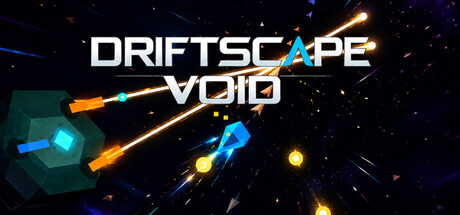 Driftscape: Void In-game content art | We used AI to help in coding the game, and coming up with some of our promotional art assets. | Three Brothers Games | - | Jun 11, 2026 | |
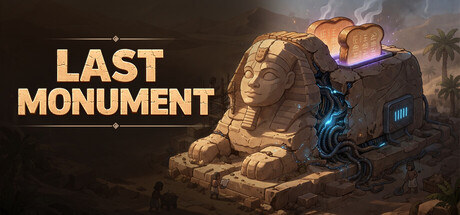 Last Monument In-game content art | AI tools were used to assist in the creation of temporary promotional artwork and concept visuals for the Steam store page. Gameplay systems, implementation, balancing, and final game integration are developed manually. | Levikinco | - | Jun 11, 2026 | |
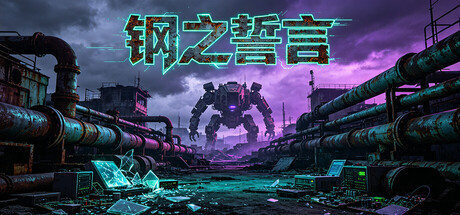 钢之誓言 In-game content audioart | We only use artificial intelligence tools to generate background music for the game (such as the background music for starting the game interface), promotional videos (CG promotional videos), and some UI background images (background images for the backpack interface), which are directly embedded into the game's assets. During the game, no artificial intelligence models were used to create or generate new content in real-time. No AI generated code was used either. | Ling Jun | - | Jun 11, 2026 | |
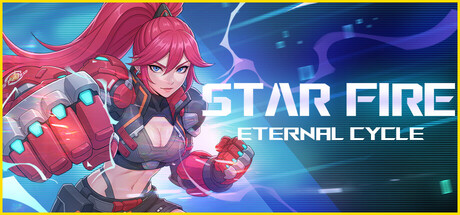 Star Fire: Eternal Cycle Store/marketing arttext | Some parts of the App and Store page may feature AI generated content. | Ethereal Fish Studio | 975 | Jun 10, 2026 | |
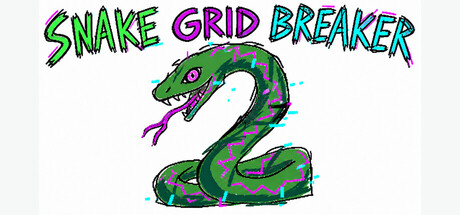 Snake: Gridbreaker In-game content artcodetext | Generative AI was used as one of many development tools while creating Snake: Gridbreaker.
As a solo developer, I used it to support programming, localization, UI work, visual assets, icons, and the development of quality-of-life and accessibility improvements.
Every AI-assisted element was reviewed, edited, tested, and implemented by me. I designed the game, its mechanics, progression, and creative direction, and I remain fully responsible for the final experience.
The game does not generate content with AI during gameplay. | Arkadiusz Włodarczyk | - | Jun 10, 2026 | |
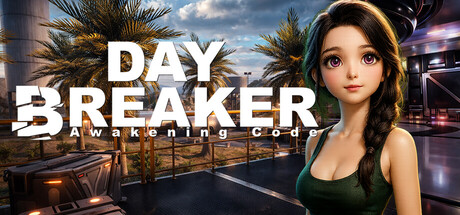 DAY BREAKER : Awakening Code In-game content audioart | Ai Voice Character And Images | KhadijaDev | - | Jun 10, 2026 | |
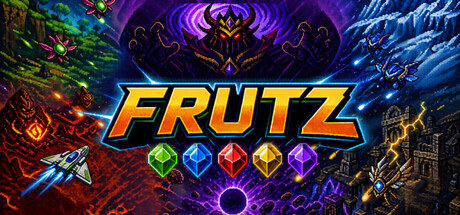 Frutz Store/marketing art | Generative AI tools were used to assist with select visual artwork, specifically the game’s main marketing images/store page artwork and splash screen.
Frutz does not use live-generated AI content during gameplay. | Broken Walls Studios | - | Jun 10, 2026 | |
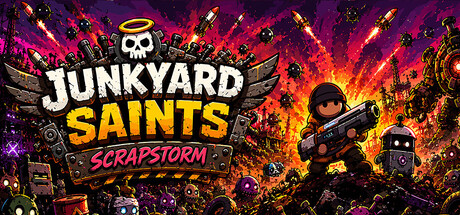 Junkyard Saints: Scrapstorm In-game content artaudiotextcode | Generative AI was used during development as a production tool for portions of the game's source code, music production workflow, and synthetic voice-over generation.
AI-assisted code was reviewed, tested, modified where necessary, and integrated under the direct supervision of the developer. Some music tracks originated from AI-generated compositions or stems and were subsequently edited, arranged, mixed, and produced by the developer. Voice-over content is generated using commercially licensed AI voice technology from developer-written scripts.
The game's gameplay systems, game design, balancing, progression systems, procedural visual generation technology, world generation systems, writing, and overall creative direction were conceived, designed, and maintained by the developer.
The game does not use generative AI at runtime. No player-facing content is generated on-the-fly during gameplay. Visuals are created through deterministic procedural generation systems and pre-authored assets rather than generative image AI. | Jan Winnenberg | - | Jun 10, 2026 | |
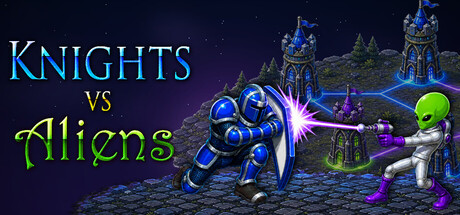 Knights vs Aliens In-game content art | AI was used for graphics not included in the original 2009 release, such as achievement icons and store page banners. | Prophetic Sky, Inc | - | Jun 10, 2026 | |
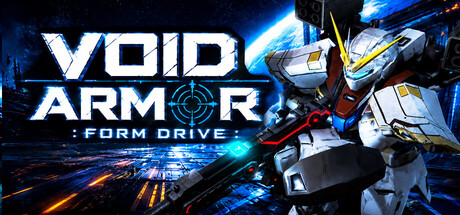 VOID ARMOR: FORM DRIVE In-game content art | Generative AI was used for some character visuals and as a development support tool.
The game does not generate content with AI during gameplay. | XXIV | - | Jun 10, 2026 | |
 Wordy Space In-game content arttext | Some visual assets (such as store page graphics, backgrounds, and UI elements) and the localization/translation of the game's user interface were created with the assistance of generative AI tools. All core gameplay mechanics and code are strictly human-made, and no live AI content generation occurs during gameplay | LongKey Studios | - | Jun 10, 2026 | |
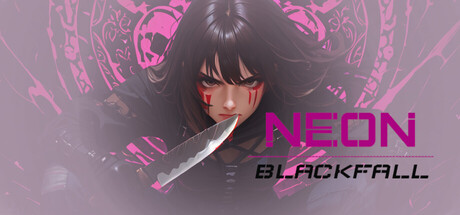 Neon Blackfall In-game content artaudiotext | Generative AI tools were used to assist in the creation of certain illustrations, backgrounds, music, and translations. All final content has been reviewed by the developer. | Alejandro Rodríguez Fernández | - | Jun 9, 2026 | |
 Bitloop In-game content text | AI is used to help translate the game's text into the supported languages. All translations are reviewed before release. No AI-generated art, audio, or music. | Faven Games | - | Jun 9, 2026 | |
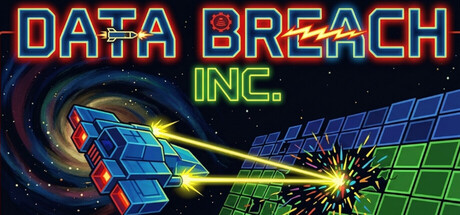 Data Breach Inc. Store/marketing arttext | Some content in this game was created with the assistance of generative AI tools during development, including certain visual assets, store artwork, capsule art, and text. All AI-assisted content was reviewed, edited, and integrated by the developer to ensure it fits the game’s design and overall player experience. | Beep2Bleep | - | Jun 9, 2026 | |
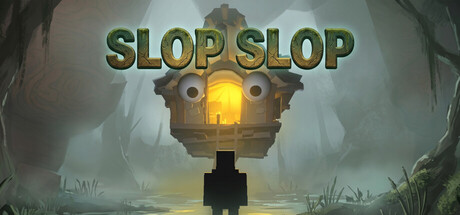 Slop Slop In-game content artcode | I used AI to generate much of the code for this game. I did a lot of reviewing and tweaking the code, but a large portion of the core code for the game was generated by AI.
The AI also generate the player and enemy "models". I had them generate to game scene files (tscn files in Godot) which are just simple text files. I tweaked many of them after initial generation.
I also used AI to generate the various store page and icon art, and 4 images that are findable in the game as items
AI was not used for the music in game, or the various art assets and SFX not mentioned above. | Bobgar the Warbarian | - | Jun 9, 2026 | |
 Imperium of the Stars In-game content audio | This game contains AI-generated music used in promotional materials, including trailers. No AI-generated content is used in gameplay. | Imperium of the Stars | - | Jun 9, 2026 | |
 异星战场 In-game content artaudiotext | This game uses generative AI tools to assist in creating some art assets, sound effects, and text content. All generated content has been reviewed and edited by humans to ensure compliance and quality. | TapfunGame | - | Jun 9, 2026 | |
 The Suitcase Agents In-game content artaudio | AI is used for some of the music and images in the game. | バクエボ | - | Jun 9, 2026 | |
 Atomcraft In-game content text | translations into non-English languages (otherwise I could not translate the game into everyone's language in good time) | Triplejump | 340 | Jun 8, 2026 | |
 Demon Protocol In-game content artaudiocode | The store images and splash page were generated by xAI Grok, the music is by Suno. CoPilot and Claude helped me with the coding. | Pete Potos | - | Jun 8, 2026 | |
 Nebula Warrior In-game content audioart | This game uses generative AI tools in limited ways to support development. Some music tracks were created using AI music generation tools, and certain marketing or store page visual assets were assisted by AI. All core gameplay and implementation were created by the developer. | Saiko14 | - | Jun 8, 2026 | |
 Endless Defense In-game content text | Used for multi-language support. | Yamu Studios | - | Jun 8, 2026 | |
 DeepSeaIdle: Infinity Abyss In-game content audio | Some sound effects and audio assets were initially generated using generative AI tools, and subsequently edited and refined by a human sound designer to fit the game's requirements. | HIGHKICKSTUDIO | - | Jun 8, 2026 | |
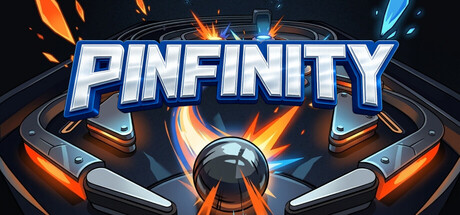 Pinfinity - Incremental Pinball In-game content arttext | AI was used for creation of store page art assets and translation to languages other than English and German. | Morse Morse Games | - | Jun 7, 2026 | |
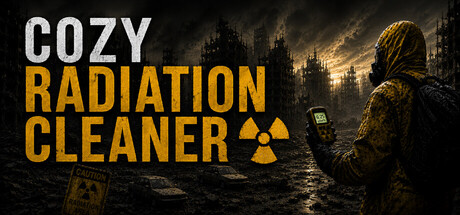 Cozy Radiation Cleaner In-game content text | This game utilized AI tools for localization. | SilverSet Studios LTD. | - | Jun 7, 2026 | |
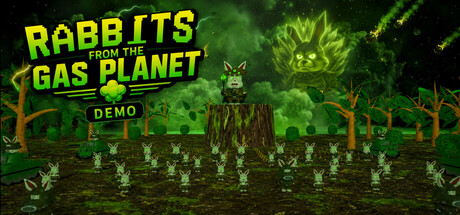 Rabbits From The Gas Planet Store/marketing codeart | Capsule Art. Partial code | Unleashed Seal Studio LLC | - | Jun 7, 2026 | |
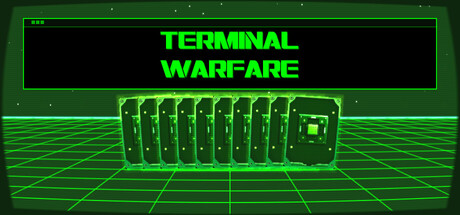 Terminal Warfare In-game content art | Generative AI was used to create art assets for the game. | Awkward Frog Games | - | Jun 7, 2026 | |
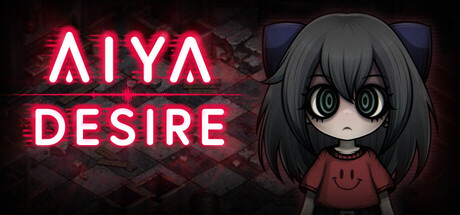 Aiya Desire Store/marketing codetext | This game uses generative AI tools for code creation, refactoring, debugging assistance, and drafting and revising store text. All AI-generated output is reviewed and edited by the developer before use. The game does not generate AI content during gameplay, nor does it connect to any external AI services. | VNL Works Inc. | - | Jun 6, 2026 | |
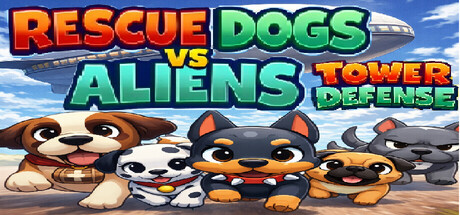 Rescue Dogs vs Aliens Tower Defense In-game content art | We used AI for many of the map assets and graphics heavily modified by humans. | GoatCodeLLC | - | Jun 6, 2026 | |
 PinballRobotDoctor In-game content artaudiocode | The game's programming, art assets, and music are mostly generated with the assistance of AI. | LittleSkullGames | - | Jun 6, 2026 | |
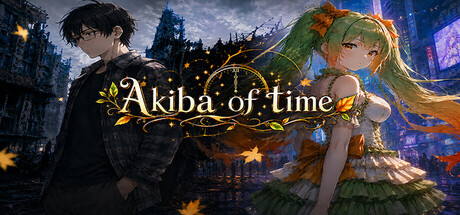 时光枝的秋叶 In-game content artaudiotext | 本游戏由两人团队制作,部分素材使用生成式 AI 辅助完成,包括角色立绘、背景图、CG 、背景音乐、角色配音、及部分商店宣传素材。开发过程中会对生成结果进行人工筛选、修正、后期处理和统一风格调整。
游戏过程中不会实时生成 AI 内容,也不会连接外部 AI 服务。 | 星野修&雕小满 | - | Jun 5, 2026 | |
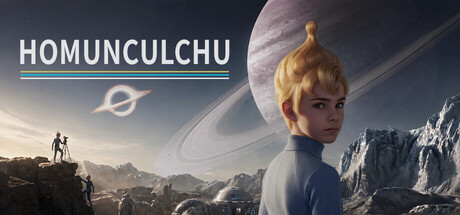 HOMUNCULCHU Store/marketing art | Some visual assets and promotional materials for this game were created or assisted using generative AI tools. All content was reviewed, edited, and integrated by the developer. | Okisyu | - | Jun 5, 2026 | |
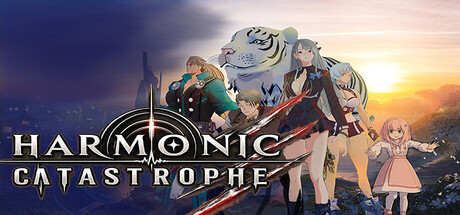 Harmonic Catastrophe In-game content audioart | This game uses AI-generated tools to assist in the creation of certain assets, including music and logo design used in promotional materials such as the trailer. All gameplay content, art direction, and game design are created by the developer. | Splinternova | - | Jun 5, 2026 | |
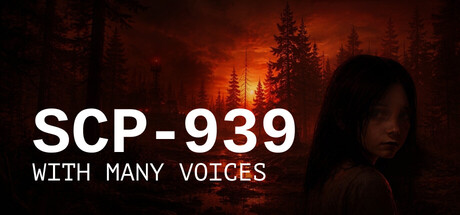 SCP-939: With Many Voices In-game content audioart | Generative AI is used to create sound effects and voice lines. The AI-generated images provide foundational 2D artwork for promotional materials that are heavily stylized and edited. All the AI-generated assets are static, pre-baked and there is no live, real-time interaction with AI during gameplay. | Lot Stories Studio | - | Jun 5, 2026 | |
 HackMeNow Store/marketing art | Some visual assets used for HackMeNow’s Steam store page, community assets, and marketing materials were created with the assistance of generative AI tools and then reviewed/selected by the developer.
The game itself does not use live generative AI during gameplay. No AI system generates player-facing text, images, audio, code, missions, or other dynamic content while the game is being played. | AngrySysOps | - | Jun 5, 2026 | |
 Urban Protocol In-game content art | Generative AI has been used during development to create certain concept art, promotional materials, visual mockups, and marketing assets. These assets are used for early-stage presentation and community engagement.
Gameplay systems, game design, programming, and final in-game content are developed and curated by the development team. No live-generated AI content is currently generated for players during gameplay. | Thomas Kraits | - | Jun 5, 2026 | |
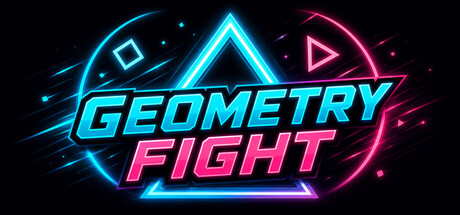 Geometry Fight In-game content artcode | Its used for some Art and some of the Code | DiaP | - | Jun 5, 2026 | |
 SCAVENGE PROTOCOL In-game content audio | Some of the sound designs we used partial ai sound effects and after we adjusted. | GORILLA DEV | - | Jun 4, 2026 | |
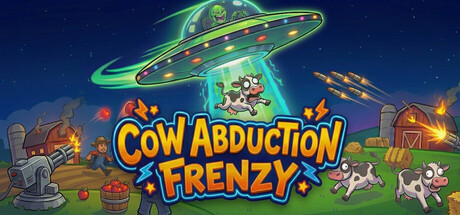 Cow Abduction Frenzy In-game content art | This game uses pre-generated generative artificial intelligence tools for the creation of its storefront capsule art and promotional marketing assets. | Mysterious Alien | - | Jun 4, 2026 | |
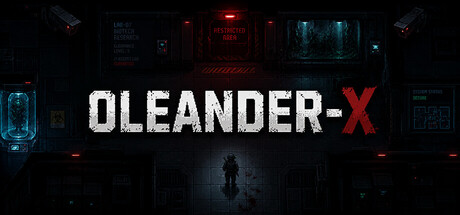 Oleander-X In-game content art | Some artworks on the gameplay to explain the story are generated by A.I with the developer's own detailed ideas.
Other works like coding, sound effects, map design, character design are by the developers.
Some designs use A.I to support of the creation, but they are customized, re-designed by the develooper.
The game DOES NOT include live-generated AI systems, chatbots, player-facing AI generation, or runtime generation of text, images, audio, or dialogue. | Jason Nguyen | - | Jun 4, 2026 |


