


Disclosure
Some of the game's art and audio were generated by AI.
- Creator
- Cozy Castle Corp
- Reviews
- -
- Added
- Oct 15, 2026
Public Steam disclosure research 26,451 disclosures tracked
Search developers’ Steam disclosures, compare classified AI use across games, and follow recorded changes. This index adds cross-game classifications and statistics to statements published on individual store pages.
Code help, debugging and other development work.
Capsule art, trailers and promotional material.
Pre-made art, audio, writing and other game assets.
Interactive or runtime AI features disclosed by the developer.
Groups reflect automatic analysis of public disclosures; mature records are excluded. These counts do not measure AI use across all of Steam. Missing or unclear statements cannot establish whether a game uses AI.
Some of the game's art and audio were generated by AI.
This game uses AI generated content to enrich the simulation.
All parts of the game are handmade except for the programming. To program the system architecture by hand would have taken me years to accomplish (I have tried many iterations of this game so I'm speaking from experience). For me, art is about communication. It's a conversation between the artist and the world, and an AI system can't perfectly create what the prompter is imagining. No matter how an AI is prompted, the AI will never create exactly what the prompter imagines - which means the message between the artist and the audience is being distorted by AI. Programming has been moving towards natural language for decades and using AI feels like part of that progression. All of the parts being programmed work as I envision and I don't feel that it is distorting my uncompromising vision for the game. I have a lot of mixed feelings around AI. I think a lot of bad things will come from AI, but I also think there will be some good too and I'm trying my best to make sure that this game is one of them. Sorry for the long winded answer, but thank you for reading.
AI tools were used during development to assist with writing and debugging game code and to generate card illustrations and promotional artwork. All AI-generated content is created before release. The game does not generate AI content during gameplay.
Generative AI was used during development to create some visual assets, including 3D models, icons and promotional artwork. These assets are prepared before release; the game does not generate AI content during gameplay or connect to an external AI service during play.
Generative AI tools were used during development to assist with the creation and refinement of selected pre-generated content and as part of the iterative development workflow. All AI-assisted content included in the final product was reviewed, edited, selected, and integrated by the developers. The game does not generate content during gameplay and does not connect to external AI services.
Generative AI tools were used to help create some of the game's 3D models, textures and illustrations, and to assist with translations and store page text. All of this content was selected, edited and integrated by the developer. No content is generated by AI while the game is running.
This game uses generative AI to create narrative content in real time during gameplay. An AI game master generates the story on the spot in response to your input and choices — this is the core design of the game. The scenario structure, character profiles, and setting materials were written by the developer, and the AI generates each turn’s narrative based on them. Constraints are applied during generation to prevent inappropriate content. An internet connection is required, as the game communicates with an external AI service to generate the narrative.
Generative AI tools were used during development to create and edit some pre-generated artwork, including fictional banknote illustrations, interface artwork, and Steam store promotional images, and to assist with localization. These assets are reviewed and incorporated into the game by the developer. The game does not generate AI content during play or connect to external generative AI services.
During development, generative AI tools were used to create some character, background, branding, and promotional artwork, as well as sound effects, ambience, and music. AI tools also assisted with some interface text, achievement descriptions, and localization copy. This content is prepared during development and shipped as fixed assets and text; it is not generated live during gameplay.
Portions of the game's content — including code-defined visuals, sound effects, and in-game and store text — were created with the assistance of AI tools, with all content reviewed and directed by the developer. Promotional and store artwork may also include AI-assisted work. The game does not generate AI content at runtime.
Uses AI to create 30 second music pieces that have been pieced together through snipping and editing, and multiple prompts.
Some of the images used in the game were created with generative AI tools. However, all questions, answer choices, facts, and other written content were created and edited by humans.
Some game levels and characters were pre-rendered used AI
游戏中音乐和部分特效使用AI。
Generative AI is used exclusively for text-to-speech (TTS) voice synthesis.
Irida includes optional on-device AI tools - text-to-image, generative fill, AI image editing, a live paint assist, background removal and upscaling - that run entirely on your own PC. No cloud service is used and your images never leave your device; image-generation models are optional in-app downloads. Our store key art and capsule images were created with AI image generators and finished by our team, and the sample pictures in the screenshots, store images and the welcome screen were made with Irida's own on-device AI tools. Content you create with the AI tools is your own responsibility; Irida refuses clearly illegal requests and suppresses explicit output by default.
Generative AI tools were used during development to assist with the creation and iteration of some pre-generated visual assets, including pixel-art characters, enemies, items, and other artwork. AI-assisted content was reviewed, curated, and edited before being included in the game. The game does not generate AI content during gameplay.
Generative AI was used to create initial visual concepts, which were then manually refined into the final visual design of the game.
Some artwork, character voice lines, and background music were created using generative AI tools during development and included in the game as fixed assets. No AI content is generated in real time during gameplay.
Generative AI was used during development to create pre-generated visual assets, including the CRT television frame used by the menus and the Steam store and library artwork. Game and store text were developed with AI assistance. These assets are prepared before release; no AI content is generated during gameplay and the game does not connect to an external AI service while running. The gameplay screenshots and cinematic trailer show footage captured from the game.
We used generative AI for: art on the store page, and some in-game textures. Each AI-generated content was then manually adjusted by our in-house artist to ensure the presence of human input in the art and high quality of the game.
AI assisted developers throughout game design to enhance level generation systems, optimize graphics, and other features.
Generative AI was used to create artwork for the Steam store page and some pre-generated visual assets in the game, including UI elements, menu artwork, and background images. These assets are included in the shipped game. The game does not generate AI content during gameplay.
The 3D models (classroom, props, characters, hair and outfits) and their rigs and animations, the UI art (stationery textures, icons and glyphs), the key art, logo and store capsule images, generate the draft for the store page descriptions
I.A
Game development has included use of AI tools for : Code, textures, assets, design.
Generative AI was used only for the coding part.
AI tools were used to support parts of development. All creative direction and final decisions were made by our team.
Genesis: Rise of Life contains certain pre-generated visual and audio assets created with the assistance of generative AI tools. These assets have been selected, reviewed, adapted where necessary, and integrated by the developer. The game does not use generative AI during gameplay, and no content is generated in real time.
Some in-game artwork (including item icons and illustrations), the decorative header images on the store page, and parts of the in-game text and its translations into 29 languages were created with the help of generative AI tools, then selected, reviewed, and edited by the developer. All gameplay footage and screenshots on the store page are captured from the actual game.
used in code
Generative AI was used during development to create some graphical assets and to assist with code and translation.
Only for cover arts
Some of Skybreak's pre-rendered art and marketing assets were created with the help of generative AI tools, including key art, store capsule images, and some written copy such as patch notes. Generative AI is not used at runtime -- nothing in a live match is AI-generated. All gameplay systems, flight physics, netcode, level design, and audio are hand-authored.
Generative AI was used during development to create pre-generated in-game visuals, including some character portraits, and to assist with dialogue, text and localized versions of that text. Other portraits, the commissioned key art and the music were created by human artists. Vindobona does not generate AI content during gameplay.
We’re also using GenAI to help with some early UI icons. These are placeholder assets for now and will be replaced with human-created artwork once UX direction is finalized.
3D models are using AI assistance in sculpting and texturing
Some of the visual art in Memories of Tacticians was made with generative AI tools: the title logo, main menu image, and each face of the 6 characters. We are replacing it with hand-made art over time. The characters, monsters and effects, the music and sound, animation, and all gameplay design, balance and code are made by people. No AI generates anything while you play.
We use image generation for base concepts, select 2D assets, and promo materials, which are then manually refined by an artist.
Generative AI was used during the development of this game to assist with some scene backgrounds and temporary character art. Some scene backgrounds were generated using real-world photos as references, and temporary character art was generated by referencing the project's hand-drawn art style.
Some of our art and translation was made with AI tools. - The title logo and the main-menu and loading-screen artwork were generated with an AI image tool. We redrew the logo lettering as vectors. The hooded-figure emblem and the app icon come from the same artwork. - The illustrations and ground plans in the in-game guidebook, The Undertaker's Book, were generated with an AI image tool from our own renders of the game. - The key art, which the store capsules use, was made with an AI image tool from our own 3D render of the game's characters. - The 16 languages other than English, in the game and on this store page, were translated and reviewed with AI tools. They have not yet been checked by native speakers, and players can report a wrong line from inside the game. Store screenshots, videos and trailers are captured from the game itself.
Generative AI was used during development to help create in-game artwork, music, and sound effects. It was also used to help create promotional videos and Steam store and library artwork. This content is created before play. The game does not use generative AI to create content or code during gameplay.
The game's source code, its synthesised sound effects and its procedurally generated 3D content (models, textures and scenery) were developed with the help of AI tools. All of it was created before release and is shipped as fixed files; the game does not use generative AI while you play. Store capsule art is drawn with a script, not generated by an image model.
This game uses AI tools in the following ways: Music: Composed using Suno. Code: Written and debugged with AI assistance. Art: Created with AI assistance. All AI-assisted content was reviewed, edited, and finalized by the developer.
Some of the Games art work was created using generative AI for Shapes etc, Developer then spent the time re-shaping the artwork to fit the games style. NO AI is generated while playing the game. 100s of hours was spent making sure the art matched the game style
During development, generative AI was used to create fictional customer portraits, in-game workshop and shop backgrounds, and some prop and tool icons. Some sound effects, ambience, and background music were also generated in advance. These in-game images are edited into fixed assets. Current store capsules, backgrounds, and icons are rendered from real in-game 3D scenes, and the title is typeset using fonts. Stable Audio Open Small was used for some effects and ambience, and ACE-Step 1.5 for music. These assets are not generated during gameplay. The game does not call generative AI models or external AI services at runtime. The developer will review the pre-generated content and its usage rights before release. AI writing assistance was also used for localized store descriptions.
Some artwork in RIVER OF THE DEAD was created with the help of generative AI during development and is used as pre-generated visual content in the game. No AI content is generated during gameplay.
Pre-generated content: Some 3D models (characters and props) were generated with an image-to-3D AI tool and then adjusted by hand. Some illustrations (spell card art and concept art) and the characters' voice shouts were generated with AI. No content is generated by AI in real time during gameplay.
Store and library images were made with the help of generative AI, then corrected and converted to the game's own pixel-art palette. The game's models, animations, levels, effects and music come from licensed asset packs and the developer's own work. Nothing is generated by AI while you play.
| Title⇅ | Disclosure | Creator⇅ | Src | Reviews⇅ | Added↓ |
|---|---|---|---|---|---|
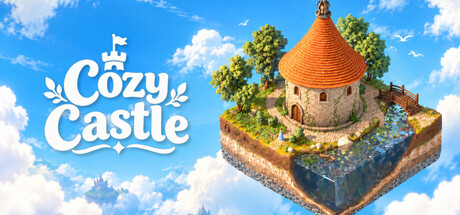 Cozy Castle In-game content artaudio | Some of the game's art and audio were generated by AI. | Cozy Castle Corp | - | Oct 15, 2026 | |
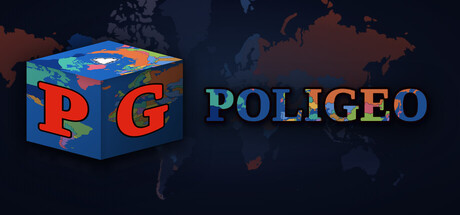 PoliGeo In-game content | This game uses AI generated content to enrich the simulation. | Deutometron | - | Oct 15, 2026 | |
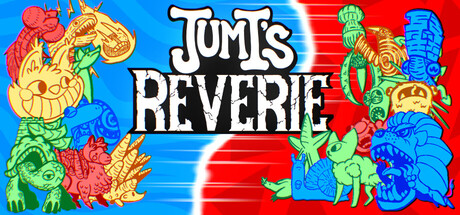 Jumi's Reverie Dev only code | All parts of the game are handmade except for the programming. To program the system architecture by hand would have taken me years to accomplish (I have tried many iterations of this game so I'm speaking from experience).
For me, art is about communication. It's a conversation between the artist and the world, and an AI system can't perfectly create what the prompter is imagining. No matter how an AI is prompted, the AI will never create exactly what the prompter imagines - which means the message between the artist and the audience is being distorted by AI. Programming has been moving towards natural language for decades and using AI feels like part of that progression. All of the parts being programmed work as I envision and I don't feel that it is distorting my uncompromising vision for the game.
I have a lot of mixed feelings around AI. I think a lot of bad things will come from AI, but I also think there will be some good too and I'm trying my best to make sure that this game is one of them.
Sorry for the long winded answer, but thank you for reading. | paulBoxman | - | Oct 15, 2026 | |
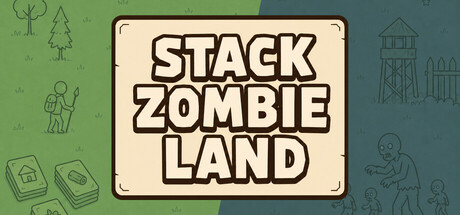 Stack Zombie Land In-game content artcode | AI tools were used during development to assist with writing and debugging game code and to generate card illustrations and promotional artwork. All AI-generated content is created before release. The game does not generate AI content during gameplay. | JayZed | - | Oct 15, 2026 | |
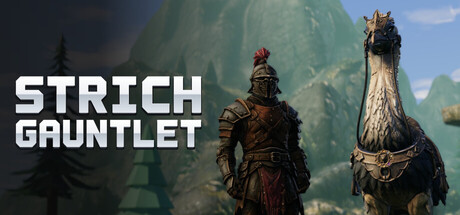 Strich Gauntlet In-game content art | Generative AI was used during development to create some visual assets, including 3D models, icons and promotional artwork. These assets are prepared before release; the game does not generate AI content during gameplay or connect to an external AI service during play. | Aeons Light | - | Oct 15, 2026 | |
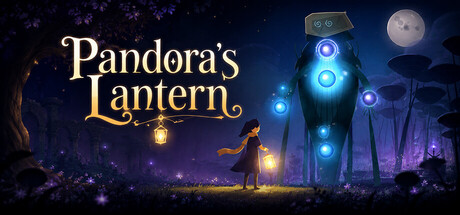 Pandora's Lantern In-game content arttextaudio | Generative AI tools were used during development to assist with the creation and refinement of selected pre-generated content and as part of the iterative development workflow. All AI-assisted content included in the final product was reviewed, edited, selected, and integrated by the developers. The game does not generate content during gameplay and does not connect to external AI services. | Anigala by IDENDI | - | Oct 15, 2026 | |
 Propanol In-game content arttext | Generative AI tools were used to help create some of the game's 3D models, textures and illustrations, and to assist with translations and store page text. All of this content was selected, edited and integrated by the developer. No content is generated by AI while the game is running. | Dams-Labs | - | Oct 15, 2026 | |
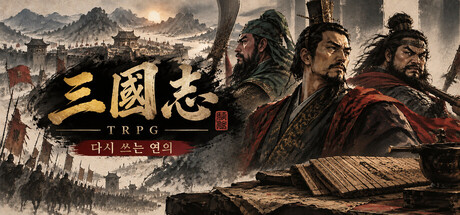 삼국지-다시 쓰는 연의 Live AI text | This game uses generative AI to create narrative content in real time during gameplay. An AI game master generates the story on the spot in response to your input and choices — this is the core design of the game. The scenario structure, character profiles, and setting materials were written by the developer, and the AI generates each turn’s narrative based on them. Constraints are applied during generation to prevent inappropriate content. An internet connection is required, as the game communicates with an external AI service to generate the narrative. | E&B Studio | - | Oct 15, 2026 | |
 Tidy Up Together: Banknotes In-game content arttext | Generative AI tools were used during development to create and edit some pre-generated artwork, including fictional banknote illustrations, interface artwork, and Steam store promotional images, and to assist with localization. These assets are reviewed and incorporated into the game by the developer. The game does not generate AI content during play or connect to external generative AI services. | Lumenfold Games | - | Oct 15, 2026 | |
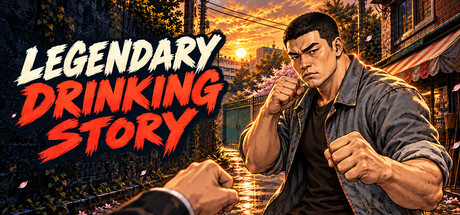 Legendary Drinking Story In-game content artaudiotext | During development, generative AI tools were used to create some character, background, branding, and promotional artwork, as well as sound effects, ambience, and music. AI tools also assisted with some interface text, achievement descriptions, and localization copy. This content is prepared during development and shipped as fixed assets and text; it is not generated live during gameplay. | Godwish Games | - | Oct 15, 2026 | |
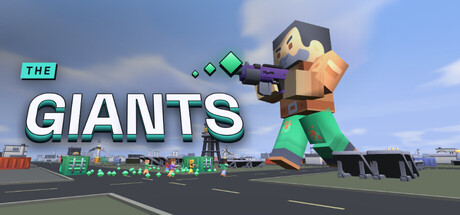 INGOT In-game content artaudiotext | Portions of the game's content — including code-defined visuals, sound effects, and in-game and store text — were created with the assistance of AI tools, with all content reviewed and directed by the developer. Promotional and store artwork may also include AI-assisted work. The game does not generate AI content at runtime. | INGOT GAMES | - | Oct 15, 2026 | |
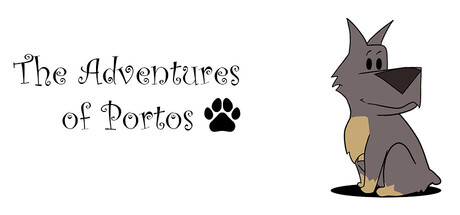 The Adventures of Portos In-game content audio | Uses AI to create 30 second music pieces that have been pieced together through snipping and editing, and multiple prompts. | Raymond Phillip | - | Oct 15, 2026 | |
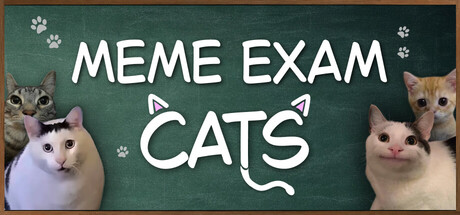 Meme Exam: Cats In-game content art | Some of the images used in the game were created with generative AI tools. However, all questions, answer choices, facts, and other written content were created and edited by humans. | Piece Of Voxel | - | Oct 15, 2026 | |
 Elastic Races In-game content art | Some game levels and characters were pre-rendered used AI | Luis Santos | - | Oct 15, 2026 | |
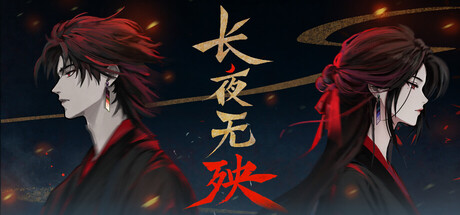 长夜无殃 In-game content audioart | 游戏中音乐和部分特效使用AI。 | 雾喵工作室 | - | Oct 15, 2026 | |
 Circora In-game content audio | Generative AI is used exclusively for text-to-speech (TTS) voice synthesis. | Circora Studios | - | Oct 15, 2026 | |
 Irida Live AI art | Irida includes optional on-device AI tools - text-to-image, generative fill, AI image editing, a live paint assist, background removal and upscaling - that run entirely on your own PC. No cloud service is used and your images never leave your device; image-generation models are optional in-app downloads. Our store key art and capsule images were created with AI image generators and finished by our team, and the sample pictures in the screenshots, store images and the welcome screen were made with Irida's own on-device AI tools. Content you create with the AI tools is your own responsibility; Irida refuses clearly illegal requests and suppresses explicit output by default. | Neuralflux Inc. | - | Oct 15, 2026 | |
 The Obsidian Sun In-game content art | Generative AI tools were used during development to assist with the creation and iteration of some pre-generated visual assets, including pixel-art characters, enemies, items, and other artwork. AI-assisted content was reviewed, curated, and edited before being included in the game. The game does not generate AI content during gameplay. | Studio Linus | - | Oct 15, 2026 | |
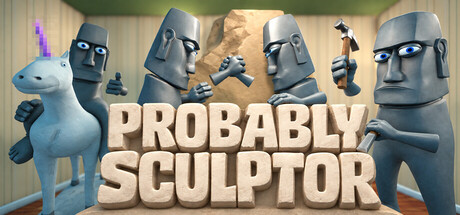 Probably Sculptor In-game content art | Generative AI was used to create initial visual concepts, which were then manually refined into the final visual design of the game. | Svoboda Creations | - | Oct 15, 2026 | |
 骨牌参禅 · Domino Zen In-game content artaudio | Some artwork, character voice lines, and background music were created using generative AI tools during development and included in the game as fixed assets. No AI content is generated in real time during gameplay. | DominoZen Studio | - | Oct 15, 2026 | |
 Backrooms: False Exit Store/marketing arttext | Generative AI was used during development to create pre-generated visual assets, including the CRT television frame used by the menus and the Steam store and library artwork. Game and store text were developed with AI assistance. These assets are prepared before release; no AI content is generated during gameplay and the game does not connect to an external AI service while running. The gameplay screenshots and cinematic trailer show footage captured from the game. | Donked Games | - | Oct 15, 2026 | |
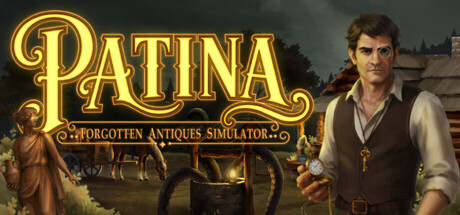 Patina: Forgotten Antiques Simulator In-game content art | We used generative AI for: art on the store page, and some in-game textures. Each AI-generated content was then manually adjusted by our in-house artist to ensure the presence of human input in the art and high quality of the game. | Mriya Game Studio | - | Oct 15, 2026 | |
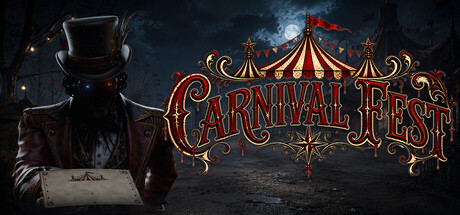 Carnival Fest In-game content | AI assisted developers throughout game design to enhance level generation systems, optimize graphics, and other features. | 65 Games Studios | - | Oct 15, 2026 | |
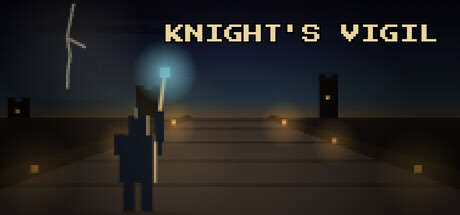 Knights Vigil In-game content art | Generative AI was used to create artwork for the Steam store page and some pre-generated visual assets in the game, including UI elements, menu artwork, and background images. These assets are included in the shipped game. The game does not generate AI content during gameplay. | Omar Sasa | - | Oct 15, 2026 | |
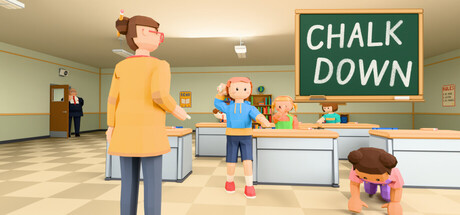 Chalk Down In-game content arttext | The 3D models (classroom, props, characters, hair and outfits) and their rigs and animations, the UI art (stationery textures, icons and glyphs), the key art, logo and store capsule images, generate the draft for the store page descriptions | Bossen Interactive | - | Oct 15, 2026 | |
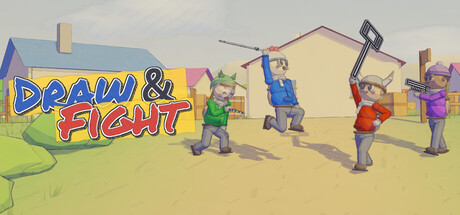 Draw & Fight Unclear | I.A | Morzz IT | - | Oct 15, 2026 | |
 Initials: END In-game content artcode | Game development has included use of AI tools for :
Code, textures, assets, design. | KuutioPixel Oy | - | Oct 15, 2026 | |
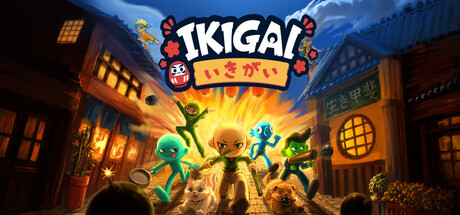 Ikigai Dev only code | Generative AI was used only for the coding part. | Ancyra Studio | - | Oct 15, 2026 | |
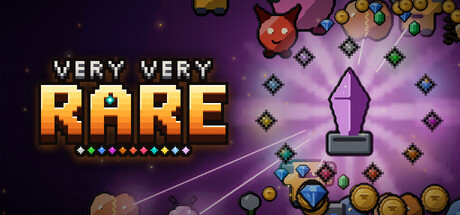 Very Very RARE Dev only | AI tools were used to support parts of development. All creative direction and final decisions were made by our team. | Nue Games | - | Oct 15, 2026 | |
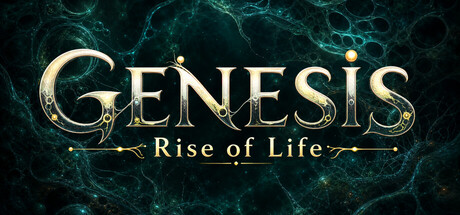 Genesis: Rise of Life In-game content artaudio | Genesis: Rise of Life contains certain pre-generated visual and audio assets created with the assistance of generative AI tools. These assets have been selected, reviewed, adapted where necessary, and integrated by the developer. The game does not use generative AI during gameplay, and no content is generated in real time. | Erendis | - | Oct 15, 2026 | |
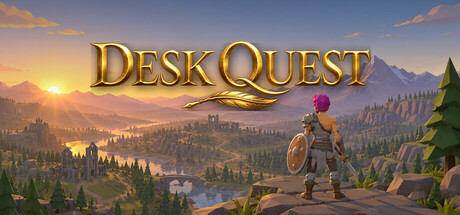 Desk Quest In-game content arttext | Some in-game artwork (including item icons and illustrations), the decorative header images on the store page, and parts of the in-game text and its translations into 29 languages were created with the help of generative AI tools, then selected, reviewed, and edited by the developer. All gameplay footage and screenshots on the store page are captured from the actual game. | StageGames | - | Oct 15, 2026 | |
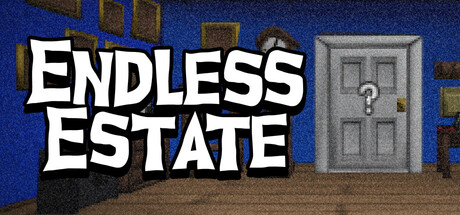 Endless Estate Dev only code | used in code | Lowtek Games | - | Oct 15, 2026 | |
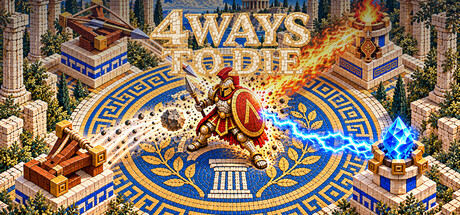 4 Ways To Die In-game content artcodetext | Generative AI was used during development to create some graphical assets and to assist with code and translation. | Vanilla Studio | - | Oct 14, 2026 | |
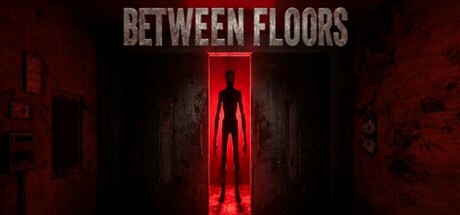 Between Floors art | Only for cover arts | Hamedi Studio | - | Oct 14, 2026 | |
 Skybreak Store/marketing arttext | Some of Skybreak's pre-rendered art and marketing assets were created with the help of generative AI tools, including key art, store capsule images, and some written copy such as patch notes. Generative AI is not used at runtime -- nothing in a live match is AI-generated. All gameplay systems, flight physics, netcode, level design, and audio are hand-authored. | Blowback | - | Oct 14, 2026 | |
 Vindobona In-game content arttext | Generative AI was used during development to create pre-generated in-game visuals, including some character portraits, and to assist with dialogue, text and localized versions of that text. Other portraits, the commissioned key art and the music were created by human artists. Vindobona does not generate AI content during gameplay. | Yellow Squash | - | Oct 14, 2026 | |
 Last Ages In-game content art | We’re also using GenAI to help with some early UI icons. These are placeholder assets for now and will be replaced with human-created artwork once UX direction is finalized. | Herb Studio | - | Oct 14, 2026 | |
 A Burning Star In-game content art | 3D models are using AI assistance in sculpting and texturing | Llamaplay | - | Oct 14, 2026 | |
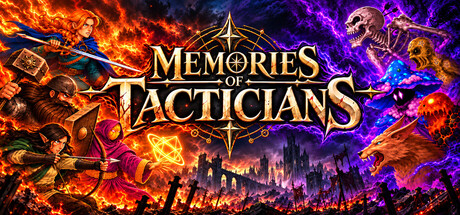 Memories Of Tacticians In-game content art | Some of the visual art in Memories of Tacticians was made with generative AI tools: the title logo, main menu image, and each face of the 6 characters. We are replacing it with hand-made art over time. The characters, monsters and effects, the music and sound, animation, and all gameplay design, balance and code are made by people. No AI generates anything while you play. | YouGo Games | - | Oct 14, 2026 | |
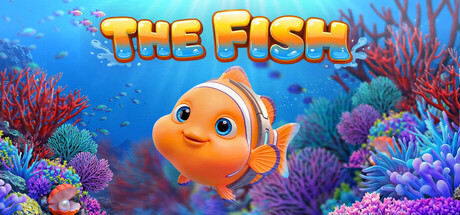 The Fish Store/marketing art | We use image generation for base concepts, select 2D assets, and promo materials, which are then manually refined by an artist. | Next Genuim | - | Oct 14, 2026 | |
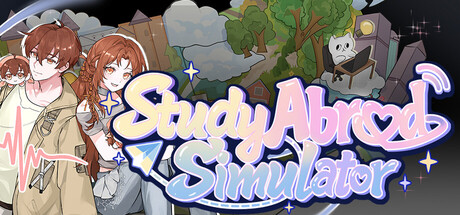 心跳留学计划 In-game content art | Generative AI was used during the development of this game to assist with some scene backgrounds and temporary character art. Some scene backgrounds were generated using real-world photos as references, and temporary character art was generated by referencing the project's hand-drawn art style. | 月瞳工作室 | - | Oct 14, 2026 | |
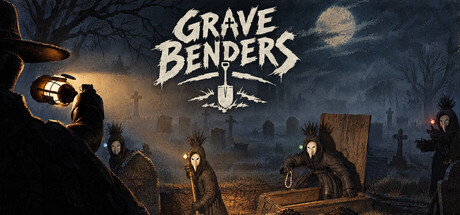 Grave Benders In-game content arttext | Some of our art and translation was made with AI tools.
- The title logo and the main-menu and loading-screen artwork were generated with an AI image tool. We redrew the logo lettering as vectors. The hooded-figure emblem and the app icon come from the same artwork.
- The illustrations and ground plans in the in-game guidebook, The Undertaker's Book, were generated with an AI image tool from our own renders of the game.
- The key art, which the store capsules use, was made with an AI image tool from our own 3D render of the game's characters.
- The 16 languages other than English, in the game and on this store page, were translated and reviewed with AI tools. They have not yet been checked by native speakers, and players can report a wrong line from inside the game.
Store screenshots, videos and trailers are captured from the game itself. | Nullsmith Interactive | - | Oct 14, 2026 | |
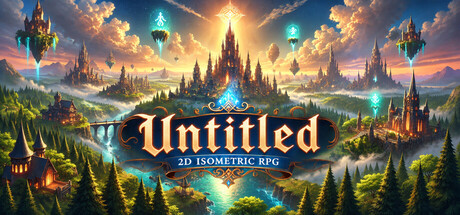 Untitled 2D Isometric RPG In-game content artaudio | Generative AI was used during development to help create in-game artwork, music, and sound effects. It was also used to help create promotional videos and Steam store and library artwork. This content is created before play. The game does not use generative AI to create content or code during gameplay. | TMFPRETTY, LLC | - | Oct 14, 2026 | |
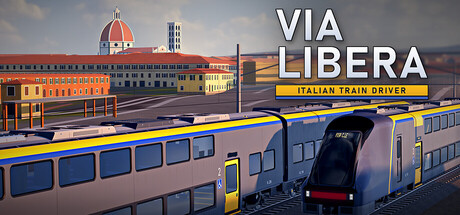 Via Libera: Italian Train Driver In-game content artaudiocode | The game's source code, its synthesised sound effects and its procedurally generated 3D content (models, textures and scenery) were developed with the help of AI tools. All of it was created before release and is shipped as fixed files; the game does not use generative AI while you play. Store capsule art is drawn with a script, not generated by an image model. | Capital AI Srl | - | Oct 13, 2026 | |
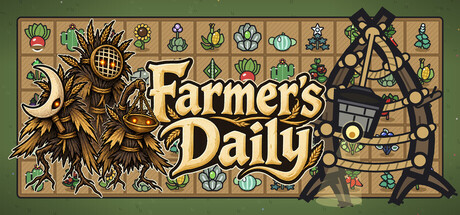 Farmer's Daily In-game content audioartcode | This game uses AI tools in the following ways:
Music: Composed using Suno.
Code: Written and debugged with AI assistance.
Art: Created with AI assistance.
All AI-assisted content was reviewed, edited, and finalized by the developer. | HuntForge | - | Oct 13, 2026 | |
 Dave: Leg it In-game content art | Some of the Games art work was created using generative AI for Shapes etc, Developer then spent the time re-shaping the artwork to fit the games style. NO AI is generated while playing the game. 100s of hours was spent making sure the art matched the game style | AwayGarlic | - | Oct 13, 2026 | |
 Leather Atelier In-game content artaudiotext | During development, generative AI was used to create fictional customer portraits, in-game workshop and shop backgrounds, and some prop and tool icons. Some sound effects, ambience, and background music were also generated in advance. These in-game images are edited into fixed assets. Current store capsules, backgrounds, and icons are rendered from real in-game 3D scenes, and the title is typeset using fonts. Stable Audio Open Small was used for some effects and ambience, and ACE-Step 1.5 for music. These assets are not generated during gameplay. The game does not call generative AI models or external AI services at runtime. The developer will review the pre-generated content and its usage rights before release. AI writing assistance was also used for localized store descriptions. | Noligo Games | - | Oct 13, 2026 | |
 RIVER OF DEAD In-game content art | Some artwork in RIVER OF THE DEAD was created with the help of generative AI during development and is used as pre-generated visual content in the game. No AI content is generated during gameplay. | ARZX GAMES | - | Oct 13, 2026 | |
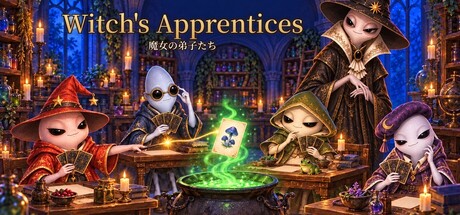 Witch's Apprentices In-game content artaudio | Pre-generated content: Some 3D models (characters and props) were generated with an image-to-3D AI tool and then adjusted by hand. Some illustrations (spell card art and concept art) and the characters' voice shouts were generated with AI. No content is generated by AI in real time during gameplay. | Pooh Games | - | Oct 13, 2026 | |
 Malsort Store/marketing art | Store and library images were made with the help of generative AI, then corrected and converted to the game's own pixel-art palette. The game's models, animations, levels, effects and music come from licensed asset packs and the developer's own work. Nothing is generated by AI while you play. | JOPA Studio | - | Oct 13, 2026 |


