








Disclosure
some Artwork was generated and modified with AI tools, some of the 3D Models where designed with help of AI Models. Music was generated with AI Music Tools.
- Creator
- Hofmann Andreas
- Reviews
- -
- Added
- Jun 30, 2026
Public Steam disclosure research 25,497 disclosures tracked
Search developers’ Steam disclosures, compare classified AI use across games, and follow recorded changes. This index adds cross-game classifications and statistics to statements published on individual store pages.
Code help, debugging and other development work.
Capsule art, trailers and promotional material.
Pre-made art, audio, writing and other game assets.
Interactive or runtime AI features disclosed by the developer.
Groups reflect automatic analysis of public disclosures; mature records are excluded. These counts do not measure AI use across all of Steam. Missing or unclear statements cannot establish whether a game uses AI.
some Artwork was generated and modified with AI tools, some of the 3D Models where designed with help of AI Models. Music was generated with AI Music Tools.
To provide our players with a richer visual and auditory experience within a small-scale development environment, We used pre-generated AI tools to assist in creating some 2D art assets, background music, and voice lines.
Library capsule images and achievement icons were generated using AI.
StarCinder includes some content created with the assistance of generative AI tools. This includes certain music tracks, ship concept art, ship models, and background/menu imagery. The developer directed the style, mood, and design goals for these assets, then reviewed, selected, and integrated the final content into the game. StarCinder does not generate AI content during gameplay and does not connect to external AI services while players are playing.
OFS is made by a solo developer using a hybrid, human-led production pipeline. Some of the game's content was produced with the help of several generative AI tools — for instance to assist with certain complex 3D meshes, textures, and visual elements. These tools are used for one purpose only: to augment and accelerate human creativity, never to replace it. Every artistic direction, every gameplay decision, and every final creative call is made by a human. All AI-assisted assets — meshes, textures, visuals, objects and anything else — are hand-reviewed, edited, and finalized by a human before they ever make it into the game. As a solo developer, this hybrid approach simply unlocks far more creative possibilities than would otherwise be feasible without a full team — while keeping full human authorship over the final result.
This game uses pre-generated AI-assisted content. Most of the visual assets used in the game and its promotional materials were created with the help of generative AI tools, including character images, background images, key visual materials, and video/trailer assets. All AI-assisted outputs were reviewed, selected, edited, and integrated by the developer before being included in the game. The game does not generate AI content in real time during gameplay.
Generative AI was used for the translation and localization of some text in certain languages on the store page.
We use AI to help create some art and sounds during the gameplay of this game.
Some game assets were created with the help of AI tools during development. No AI runs during gameplay and no player data is sent to external services.
Some of this game's 2D art/images and in-game text were created with the help of generative AI tools during development, then reviewed and edited by the developer. Some of the game's code was also written with the assistance of AI coding tools. The game does not generate any content using AI while you play.
AI tools were used to enhance development productivity and to create a few visual assets such as logos.
Generative AI was used during development to assist with polishing promotional illustrations and drafting portions of the game's logic code. Some manually drawn promotional artwork was refined with AI assistance to improve less polished areas. AI-assisted code was manually reviewed by the developer, integrated by hand, and verified through local builds and hands-on playtesting before use. The game does not include player-facing real-time AI generation.
Dither Paradox is created and directed by Michał Kita. The game's final pixel art, animation, and visual design are made by hand, and every artistic and creative decision is made by people. We use generative AI as a production tool that supports - but does not replace - this work. In the visual layer, AI is sometimes used during the concept and iteration stage - to explore ideas and variations - while the final art assets that ship in the game are made by hand. AI also assists in producing music and voiceover, which are then curated, edited, and approved by the team, as well as some promotional materials. AI lets us reach a higher level of polish in less time, but authorship, art direction, and final responsibility for everything players see and hear remain with the people who make the game.
As an independent development team, we use generative AI tools to assist in creating some of the game’s background artwork and decorative wallpapers. These images are used as supporting visual elements and do not replace the game’s 3D assets, animation, gameplay design, programming, or overall creative direction. All AI-assisted artwork is selected, reviewed, edited, and integrated by our development team to ensure it fits the visual identity of Oops, No Floor. The game does not generate content during gameplay. We respect and value the work of professional artists. Our use of AI reflects the practical resources available to us as a small indie team and allows us to focus our budget and time on building, polishing, and supporting the game.
Used for text translation.
This work includes content generated by AI for coding assistance.
Generative AI was used solely for the creation of pre-rendered visual assets (store page illustrations, library assets, and in-game images).
This game utilizes AI tools to assist in the creation of pre-generated assets. AI image generation was used to conceptualize and assist in creating 2D graphical assets. Additionally, AI audio tools (Suno) were used to master, polish, and upgrade the quality of the game's chiptune soundtrack.
Some of the content in AquaDucked! was created with the help of generative AI tools: - Some background music was created using AI music-generation tools. - The blurred background images behind each theme were created or refined with AI tools. - Portions of the store page and marketing text were drafted with AI assistance. The core game art — the ducks, tools, and objects you play with — is either original, hand-painted watercolor, or photo-generated, not AI-generated. All AI-generated content is pre-generated during development. AquaDucked! does not generate any content live during gameplay and does not connect to any external AI services while you play. We've made commercially reasonable efforts to ensure this content is appropriate and does not infringe on the rights of others.
Cat & Fox Studios used generative AI image tools (Pollinations FLUX) to create the store-page art assets for this game, including: the Main Capsule, Library Hero, Library Logo, Vertical Capsule, Page Background, small/header capsules, and the character illustrations of Mora the cat shown on the store page and in gallery posts. These AI-generated assets are used for marketing imagery and Steam store presentation only. The original music in the game was composed by Dr. Jenna Fox of Cat & Fox Studios. The game itself does not call any AI service during gameplay — all play is fully deterministic.
Generative AI was used to create some of the capsule and promotional artwork displayed on the game's Steam store page. All such artwork was reviewed and selected by the developer. No AI-generated content is created during gameplay.
Images GPT-2
Assets and most of the coding was done through AI tools
OST is AI-Generated
Peasant voices are made with AI.
Fading Reel uses machine translation (automated translation software) to provide in-game interface text in languages other than English. English menus, upgrades, tutorials, and story intertitles were written by the developer; non-English versions were generated from that English source and may contain errors. Game art, audio, gameplay, store screenshots, and the trailer were not created with generative AI.
AI was used for music and some visual assets. No live AI is used in-game.
During development, I may use procedural- and AI-assisted tools to support content creation, iteration, and production workflows. In all such cases, the final product reflects my own creative direction, selection, editing, and implementation as the developer.
Artificial intelligence is not used during gameplay. It is used only for pre-rendered textures.
This game uses AI to assist in proper procedural generating level
All materials and assets used in this game were created by hand. Generative AI tools were used only as a supportive enhancement tool, for example to refine, polish, or improve certain elements. The final content, including visual assets, story elements, audio direction, and overall creative design, remains the result of human creation and artistic direction.
AI was used to create initial concept images for the main character (the funny copter). These images were then edited, redrawn and polished by a human artist. All other sprites, animations, backgrounds, sounds, music, and code in the game have nothing to do with AI.
Some of the artwork in Hunters Trial: One Breath was created with the assistance of generative AI tools. Specifically, AI was used to help produce certain background and environment images, and as a visual reference aid during the design of our menus and user interface.
MultiScope Air Traffic Control uses a local neural text-to-speech model (Piper) to generate the pilot voice read-backs in real time on your own machine. It runs entirely offline, no voice input or player data is sent anywhere or used to train any AI model. Your spoken commands are recognized locally by your operating system, not by generative AI.
Includes images created using generative AI.
AI-assisted tools were used only to help create some sound assets. All audio was carefully reviewed and approved by the developer before being included in the game.
The game code was developed with the assistance of generative AI, and part of the game assets are AI-generated.
Generative AI was used only as a development aid during production. All content included in the final game was reviewed and approved by the developer. The released game does not generate content using AI.
AI was used to create banner images and promotional material for the game
Sound by: Suno Ai
The artwork has been adapted and polished from ai generated images and content
This game uses generative AI as part of the asset creation process. Some artwork, textures, music, and sound effects were generated with AI-assisted tools and subsequently modified, curated, and integrated by the developer. All gameplay design, game systems, balancing, programming, and final implementation were created and controlled by the developer.
Some visual assets, images, or concept materials used in this game are created with AI-assisted tools and further selected, adjusted, integrated, or refined by the author for use in the game's artistic presentation and content production.
SnowFlow uses generative AI for some voice-over content. All generated content was reviewed and curated by the developers.
AI was used to create some graphical elements and voice audio.
The developer used ChatGPT to generate some of the promotional and marketing artwork displayed on the Steam storefront. No AI-Generated assets are used inside the actual game.
AI was used to help modifying and creating part of text translation / visual / sound assets.
This game uses gen-AI images for menus and marketing images/videos...
Generative AI was used to assist with the general coding of this game.
"AI tools (Leonardo AI) were used to generate some concept art and UI textures during development. AI tools (Gemini) were used to generate background music assets. All assets were pre-generated before being integrated into the game."
| Title⇅ | Disclosure | Creator⇅ | Src | Reviews⇅ | Added↓ |
|---|---|---|---|---|---|
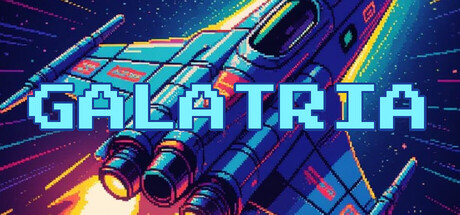 Galatria In-game content artaudio | some Artwork was generated and modified with AI tools, some of the 3D Models where designed with help of AI Models. Music was generated with AI Music Tools. | Hofmann Andreas | - | Jun 30, 2026 | |
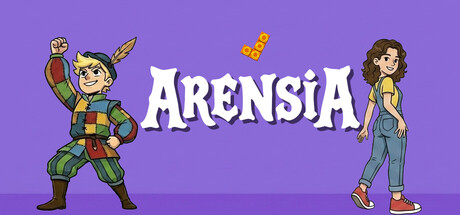 Arensia In-game content artaudio | To provide our players with a richer visual and auditory experience within a small-scale development environment, We used pre-generated AI tools to assist in creating some 2D art assets, background music, and voice lines. | JnJSoft | - | Jun 30, 2026 | |
 The Obsession In-game content art | Library capsule images and achievement icons were generated using AI. | O.D Games | - | Jun 30, 2026 | |
 StarCinder In-game content artaudio | StarCinder includes some content created with the assistance of generative AI tools. This includes certain music tracks, ship concept art, ship models, and background/menu imagery. The developer directed the style, mood, and design goals for these assets, then reviewed, selected, and integrated the final content into the game. StarCinder does not generate AI content during gameplay and does not connect to external AI services while players are playing. | DeadPixel Software | - | Jun 29, 2026 | |
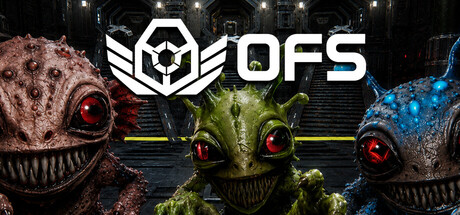 OFS In-game content art | OFS is made by a solo developer using a hybrid, human-led production pipeline.
Some of the game's content was produced with the help of several generative AI tools — for instance to assist with certain complex 3D meshes, textures, and visual elements. These tools are used for one purpose only: to augment and accelerate human creativity, never to replace it.
Every artistic direction, every gameplay decision, and every final creative call is made by a human. All AI-assisted assets — meshes, textures, visuals, objects and anything else — are hand-reviewed, edited, and finalized by a human before they ever make it into the game.
As a solo developer, this hybrid approach simply unlocks far more creative possibilities than would otherwise be feasible without a full team — while keeping full human authorship over the final result. | Cold Narrative | - | Jun 29, 2026 | |
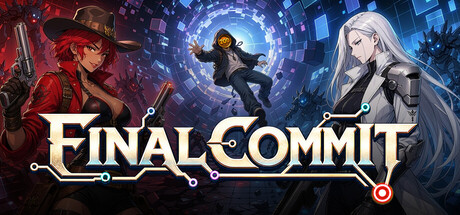 Final Commit In-game content art | This game uses pre-generated AI-assisted content.
Most of the visual assets used in the game and its promotional materials were created with the help of generative AI tools, including character images, background images, key visual materials, and video/trailer assets.
All AI-assisted outputs were reviewed, selected, edited, and integrated by the developer before being included in the game. The game does not generate AI content in real time during gameplay. | Gold Saucer | - | Jun 29, 2026 | |
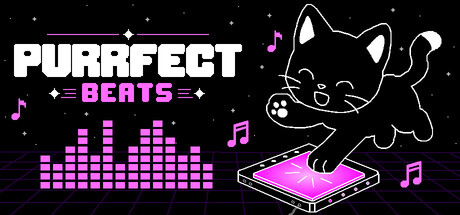 Purrfect Beats In-game content text | Generative AI was used for the translation and localization of some text in certain languages on the store page. | Indierama | - | Jun 29, 2026 | |
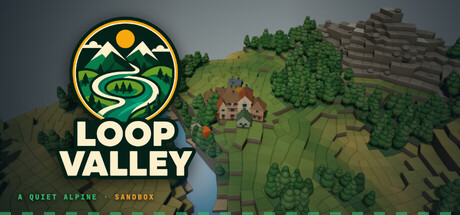 Loop Factory In-game content artaudio | We use AI to help create some art and sounds during the gameplay of this game. | TheDevRealm | - | Jun 29, 2026 | |
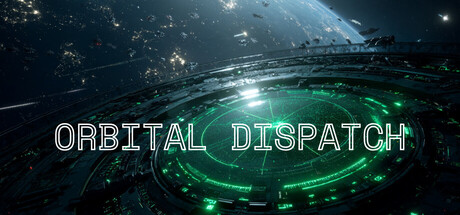 Orbital Dispatch In-game content art | Some game assets were created with the help of AI tools during development. No AI runs during gameplay and no player data is sent to external services. | Christian Fischer | - | Jun 29, 2026 | |
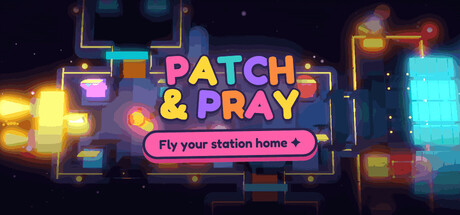 Patch and Pray In-game content arttextcode | Some of this game's 2D art/images and in-game text were created with the help of generative AI tools during development, then reviewed and edited by the developer. Some of the game's code was also written with the assistance of AI coding tools. The game does not generate any content using AI while you play. | Raclette Games | - | Jun 29, 2026 | |
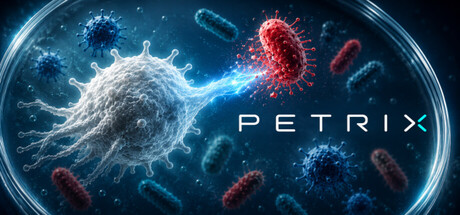 Petrix In-game content art | AI tools were used to enhance development productivity and to create a few visual assets such as logos. | Dams-Labs | - | Jun 29, 2026 | |
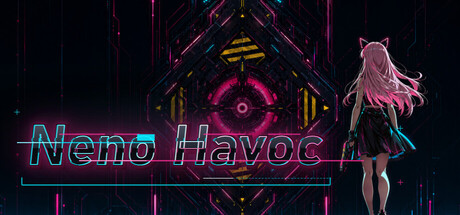 Neno Havoc Store/marketing artcode | Generative AI was used during development to assist with polishing promotional illustrations and drafting portions of the game's logic code. Some manually drawn promotional artwork was refined with AI assistance to improve less polished areas. AI-assisted code was manually reviewed by the developer, integrated by hand, and verified through local builds and hands-on playtesting before use. The game does not include player-facing real-time AI generation. | Dusk Quill Studio | - | Jun 28, 2026 | |
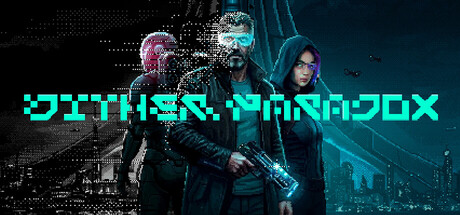 Dither Paradox In-game content artaudio | Dither Paradox is created and directed by Michał Kita. The game's final pixel art, animation, and visual design are made by hand, and every artistic and creative decision is made by people.
We use generative AI as a production tool that supports - but does not replace - this work. In the visual layer, AI is sometimes used during the concept and iteration stage - to explore ideas and variations - while the final art assets that ship in the game are made by hand. AI also assists in producing music and voiceover, which are then curated, edited, and approved by the team, as well as some promotional materials.
AI lets us reach a higher level of polish in less time, but authorship, art direction, and final responsibility for everything players see and hear remain with the people who make the game. | Negative Prompt Studio | - | Jun 28, 2026 | |
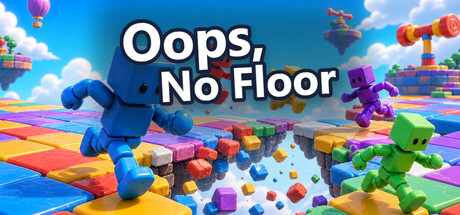 Oops, No Floor! In-game content art | As an independent development team, we use generative AI tools to assist in creating some of the game’s background artwork and decorative wallpapers. These images are used as supporting visual elements and do not replace the game’s 3D assets, animation, gameplay design, programming, or overall creative direction.
All AI-assisted artwork is selected, reviewed, edited, and integrated by our development team to ensure it fits the visual identity of Oops, No Floor. The game does not generate content during gameplay.
We respect and value the work of professional artists. Our use of AI reflects the practical resources available to us as a small indie team and allows us to focus our budget and time on building, polishing, and supporting the game. | 71 Studios for Games Development | - | Jun 28, 2026 | |
 BRAYZ In-game content text | Used for text translation. | studio nu | - | Jun 28, 2026 | |
 1/16384 Dev only code | This work includes content generated by AI for coding assistance. | MikageGames | - | Jun 28, 2026 | |
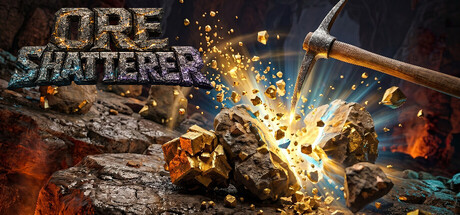 Ore Shatterer In-game content art | Generative AI was used solely for the creation of pre-rendered visual assets (store page illustrations, library assets, and in-game images). | Kornux Games | - | Jun 28, 2026 | |
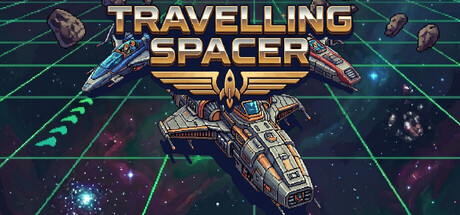 Travelling Spacer In-game content artaudio | This game utilizes AI tools to assist in the creation of pre-generated assets. AI image generation was used to conceptualize and assist in creating 2D graphical assets. Additionally, AI audio tools (Suno) were used to master, polish, and upgrade the quality of the game's chiptune soundtrack. | Code Urchins | - | Jun 28, 2026 | |
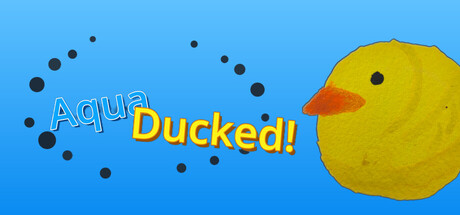 AquaDucked! In-game content audioarttext | Some of the content in AquaDucked! was created with the help of generative AI tools:
- Some background music was created using AI music-generation tools.
- The blurred background images behind each theme were created or refined with AI tools.
- Portions of the store page and marketing text were drafted with AI assistance.
The core game art — the ducks, tools, and objects you play with — is either original, hand-painted watercolor, or photo-generated, not AI-generated.
All AI-generated content is pre-generated during development. AquaDucked! does not generate any content live during gameplay and does not connect to any external AI services while you play. We've made commercially reasonable efforts to ensure this content is appropriate and does not infringe on the rights of others. | NickTheDuck | - | Jun 28, 2026 | |
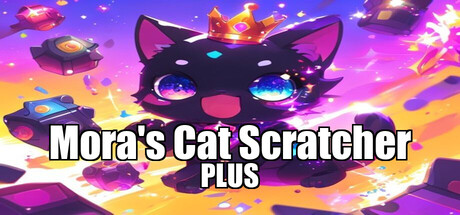 Mora's Cat Scratcher PLUS Store/marketing art | Cat & Fox Studios used generative AI image tools (Pollinations FLUX) to create the store-page art assets for this game, including:
the Main Capsule, Library Hero, Library Logo, Vertical Capsule, Page Background, small/header capsules, and the character illustrations of Mora the cat shown on the store page and in gallery posts.
These AI-generated assets are used for marketing imagery and Steam store presentation only. The original music in the game was composed by Dr. Jenna Fox of Cat & Fox Studios.
The game itself does not call any AI service during gameplay — all play is fully deterministic. | Cat & Fox | - | Jun 28, 2026 | |
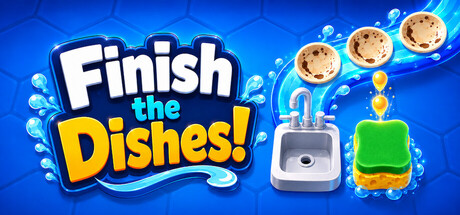 Finish The Dishes Store/marketing art | Generative AI was used to create some of the capsule and promotional artwork displayed on the game's Steam store page. All such artwork was reviewed and selected by the developer. No AI-generated content is created during gameplay. | Fractbit | - | Jun 28, 2026 | |
 SKINSHIFT TOGETHER Unclear text | Images GPT-2 | SKINSHIFT | - | Jun 28, 2026 | |
 Pluck Em! Dev only artcode | Assets and most of the coding was done through AI tools | Hidden Spark Games | - | Jun 28, 2026 | |
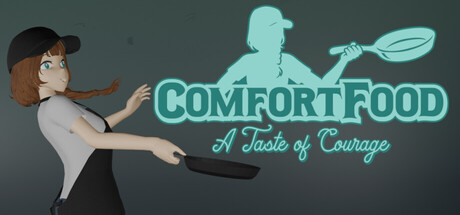 Comfort Food: A Taste of Courage In-game content audio | OST is AI-Generated | Horrorverse | - | Jun 28, 2026 | |
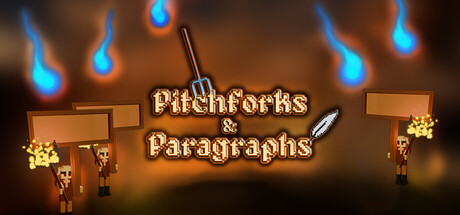 Pitchforks & Paragraphs In-game content audio | Peasant voices are made with AI. | Rogue Pigeon Games | - | Jun 28, 2026 | |
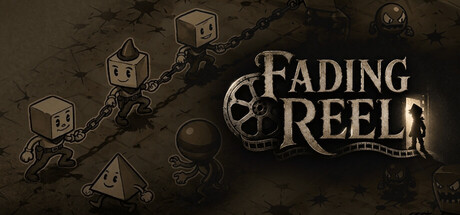 Fading Reel In-game content text | Fading Reel uses machine translation (automated translation software) to provide in-game interface text in languages other than English. English menus, upgrades, tutorials, and story intertitles were written by the developer; non-English versions were generated from that English source and may contain errors.
Game art, audio, gameplay, store screenshots, and the trailer were not created with generative AI. | Fadestrand Games | - | Jun 28, 2026 | |
 CUEQUENCE In-game content audioart | AI was used for music and some visual assets. No live AI is used in-game. | Bison Forge Interactive | - | Jun 28, 2026 | |
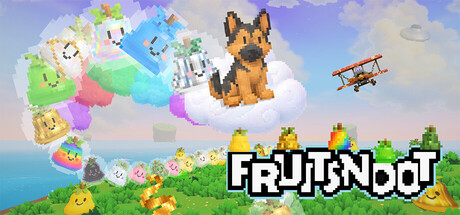 FruitSnoot: The Snake Roguelike Dev only art | During development, I may use procedural- and AI-assisted tools to support content creation, iteration, and production workflows. In all such cases, the final product reflects my own creative direction, selection, editing, and implementation as the developer. | Snootworks | - | Jun 28, 2026 | |
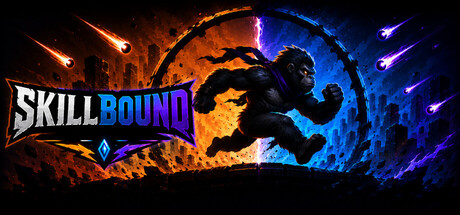 Skillbound In-game content art | Artificial intelligence is not used during gameplay. It is used only for pre-rendered textures. | 1337 Games | - | Jun 28, 2026 | |
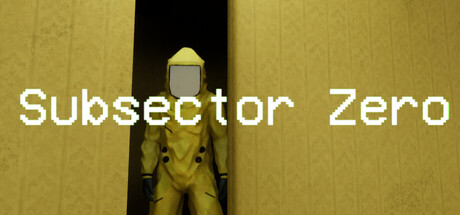 Subsector Zero Live AI | This game uses AI to assist in proper procedural generating level | NoGoStudios | - | Jun 28, 2026 | |
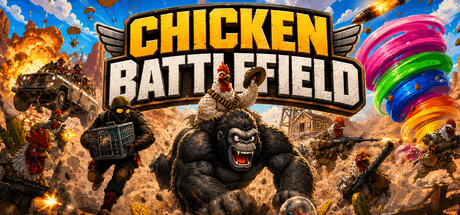 Chicken Battlefield In-game content arttextaudio | All materials and assets used in this game were created by hand. Generative AI tools were used only as a supportive enhancement tool, for example to refine, polish, or improve certain elements. The final content, including visual assets, story elements, audio direction, and overall creative design, remains the result of human creation and artistic direction. | chickenbattlefielddevs | - | Jun 28, 2026 | |
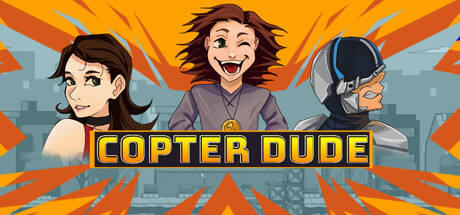 Copter Dude In-game content art | AI was used to create initial concept images for the main character (the funny copter). These images were then edited, redrawn and polished by a human artist. All other sprites, animations, backgrounds, sounds, music, and code in the game have nothing to do with AI. | Scangine Games | - | Jun 28, 2026 | |
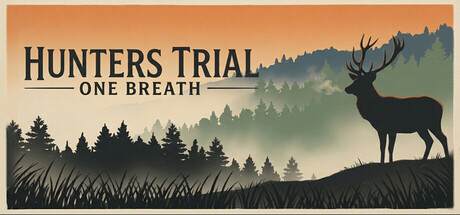 Hunters Trial : One Breath In-game content art | Some of the artwork in Hunters Trial: One Breath was created with the assistance of generative AI tools. Specifically, AI was used to help produce certain background and environment images, and as a visual reference aid during the design of our menus and user interface. | White Iron Games | - | Jun 28, 2026 | |
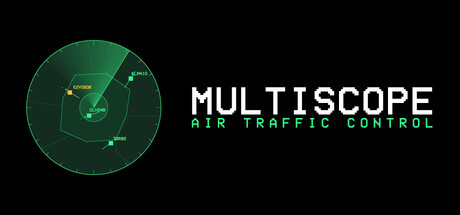 MultiScope Air Traffic Control Live AI audio | MultiScope Air Traffic Control uses a local neural text-to-speech model (Piper) to generate the pilot voice read-backs in real time on your own machine. It runs entirely offline, no voice input or player data is sent anywhere or used to train any AI model. Your spoken commands are recognized locally by your operating system, not by generative AI. | Dali Klaassen | - | Jun 28, 2026 | |
 Breaking Mahjong Tiles Store/marketing art | Includes images created using generative AI. | uni-yo-kan | - | Jun 28, 2026 | |
 CURSOR SLASH In-game content audio | AI-assisted tools were used only to help create some sound assets. All audio was carefully reviewed and approved by the developer before being included in the game. | salt caffeine | - | Jun 28, 2026 | |
 Castleborne Survivors In-game content codeart | The game code was developed with the assistance of generative AI, and part of the game assets are AI-generated. | GameVerse | - | Jun 28, 2026 | |
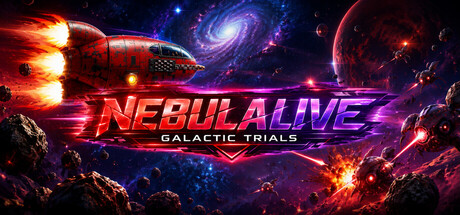 Nebula Live Dev only | Generative AI was used only as a development aid during production. All content included in the final game was reviewed and approved by the developer. The released game does not generate content using AI. | KaamosGames | - | Jun 28, 2026 | |
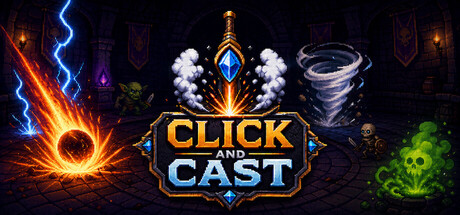 Click and Cast Store/marketing art | AI was used to create banner images and promotional material for the game | Xeurik | - | Jun 28, 2026 | |
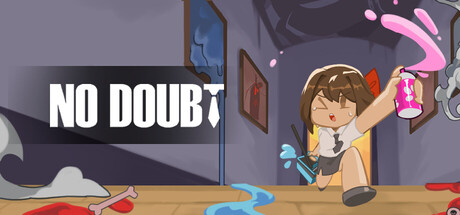 NO DOUBT In-game content audio | Sound by: Suno Ai | Te Sam | - | Jun 28, 2026 | |
 The neon undead In-game content art | The artwork has been adapted and polished from ai generated images and content | Penguinguy001 | - | Jun 28, 2026 | |
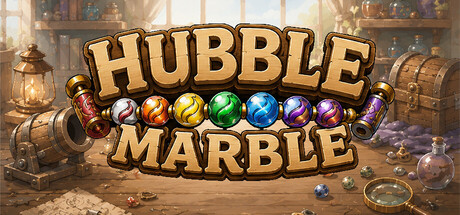 Hubble Marble In-game content artaudio | This game uses generative AI as part of the asset creation process. Some artwork, textures, music, and sound effects were generated with AI-assisted tools and subsequently modified, curated, and integrated by the developer. All gameplay design, game systems, balancing, programming, and final implementation were created and controlled by the developer. | zjinn | - | Jun 28, 2026 | |
 Fantasy Air-Sea Battles Showdown In-game content art | Some visual assets, images, or concept materials used in this game are created with AI-assisted tools and further selected, adjusted, integrated, or refined by the author for use in the game's artistic presentation and content production. | WANG WENJIE | - | Jun 28, 2026 | |
 SnowFlow In-game content audio | SnowFlow uses generative AI for some voice-over content. All generated content was reviewed and curated by the developers. | TheStyleMachine | - | Jun 28, 2026 | |
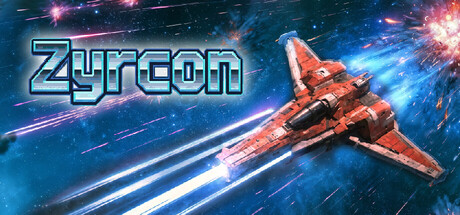 Zyrcon In-game content artaudio | AI was used to create some graphical elements and voice audio. | DIGITALICA | - | Jun 28, 2026 | |
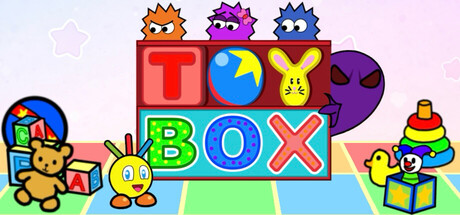 Toy Box Store/marketing art | The developer used ChatGPT to generate some of the promotional and marketing artwork displayed on the Steam storefront. No AI-Generated assets are used inside the actual game. | Bobo's Bakery | - | Jun 28, 2026 | |
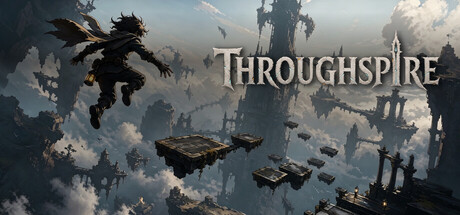 Throughspire In-game content textartaudio | AI was used to help modifying and creating part of text translation / visual / sound assets. | MetaMata | - | Jun 28, 2026 | |
 Padel Pro World Tour In-game content art | This game uses gen-AI images for menus and marketing images/videos... | Intelectiva Soluciones Innovadoras SL | - | Jun 28, 2026 | |
 Starforge Pirate Dev only code | Generative AI was used to assist with the general coding of this game. | White Whale Gaming Studios | - | Jun 28, 2026 | |
 NOXE In-game content artaudio | "AI tools (Leonardo AI) were used to generate some concept art and UI textures during development. AI tools (Gemini) were used to generate background music assets. All assets were pre-generated before being integrated into the game." | DSX | - | Jun 28, 2026 |


