Public Steam disclosure research25,394 disclosures tracked
Where do games disclose AI use?
Search developers’ Steam disclosures, compare classified AI use across
games, and follow recorded changes.
This index adds cross-game classifications and statistics to
statements published on individual store pages.
Groups reflect automatic analysis of public disclosures; mature records are excluded. These counts do not measure AI use across all of Steam.
Missing or unclear statements cannot establish whether a game uses AI.
Some in-game radio/music tracks may be created with generative AI tools. These tracks are selected, reviewed and integrated manually by the development team. No live AI generation is used during gameplay.
Some visual concepts, promotional artwork, and certain written materials used for the game's presentation were created or refined with the assistance of generative AI. All AI-assisted content has been carefully reviewed, edited, and approved by the development team to ensure artistic consistency, originality, and quality. The gameplay, design decisions, and final player experience are fully curated by the developers.
Some illustrations used in the game's introductory sequence were created with the assistance of generative AI. All such assets were reviewed, refined where necessary, and integrated by the developer before being included in the game.
Some marketing artwork on this Steam store page was created with OpenAI image generation using current in-game screenshots and existing brand artwork as references. The game itself does not generate AI content during play.
It was found that some character art pieces in the game used AI references after artists received explicit instruction and legal binding not to use AI.
This will be rectified in the future. I am committed to providing a game without AI usage.
We used AI‑based tools to create some character images and background assets.
All content has been independently edited and refined to ensure it is presented as an original work.
This game uses generative AI tools to assist with voiceover production and localization. All AI-assisted content is reviewed and integrated by the development team.
Generative AI was used to assist with grammar and spelling checks for some in-game text, translate store page content, and generate some sound assets. All content was reviewed and approved by the developer before inclusion. The game does not use live-generated AI.
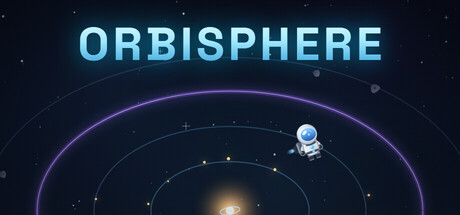
I built Orbisphere as a solo developer using AI tools under human direction. The soundtrack was created with generative AI music tools, with each track directed, selected, and edited by me. In-game vector artwork was authored with AI assistance from my terrible MS Paint references and designs. All game design, writing, systems, and balance are my own work.
The art, audio, and writing in Refund Speedrun are created by hand. Generative AI was used only for the voice-over narration in our promotional teaser trailer (ElevenLabs). The game does not generate any content using AI at runtime.
AI generated art and other assets were referenced and partly used during development, but every effort is taken to make the game original. At UWS, we make every effort to support our art/design team and use AI very rarely to meet our production needs
Some of the promotional artwork for MoonCraft was created using generative AI tools.
All in‑game content, gameplay assets, code, and visuals were created manually without AI.
Only the store page art uses AI; the game itself does not include AI‑generated content.
Some content in this game was created with the assistance of generative AI tools, then curated, edited, and integrated by hand by the solo developer. This includes: character and enemy sprite animations (AI-generated video processed by hand into sprite animations), environment and background artwork, the story tapestry illustrations, title and store artwork, music, and some sound effects. All such content is pre-rendered and ships with the game — nothing is generated live at runtime. All content was reviewed by the developer to ensure it does not include illegal or infringing material.
Some of the sound effects in this game were created using generative AI tools. AI-generated audio is edited and mixed by the development team before being used in the game.
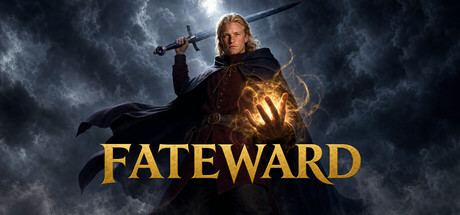
Fateward's visuals, UI, music, sound, character voices, and Steam store assets are created using generative AI and curated by hand, from a game written and directed by the developer.
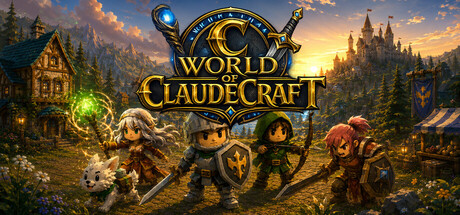
World of ClaudeCraft is, unapologetically, a game built with AI — the name is a hint. We used AI in two ways, and we want to be clear about both.
During development, the game's code was written with an AI coding assistant, and we used AI generation tools to create some of the assets that ship in the game as ordinary, fixed files:
Sound: Most in-game sound effects and all spoken NPC voice lines were generated with ElevenLabs' AI audio and text-to-speech models. The written dialogue itself is authored by us; AI produced the spoken audio.
3D models: A small number of creature models (the "Drowned Litany") were generated with Meshy AI (text-to-3D).
Everything else is either created by the game's own code (the world, towns, terrain, water, weather, and the music soundtrack are all generated procedurally at runtime) or is licensed third-party art — CC0 model, texture, and HDRI packs plus a purchased commercial icon set. That content is not AI-generated.
Critically: no generative AI runs while you play. Every AI-made asset was generated once, offline, during development and baked into the game as a static file. The running game makes no AI or LLM calls, and none of your gameplay or personal data is ever sent to an AI system. The simulation is fully deterministic — the same inputs always produce the same result.
We’re currently using AI-generated images for our Steam page as temporary placeholders. We plan to replace them with original artwork as soon as possible.
For complete transparency with our players, here is our stance on how this game is built:
1. Human Craftsmanship First
Human creativity and hands-on talent are always our highest priority. Where development is handled by skilled creators and artists, the work is crafted traditionally. AI is never used to replace active human contribution.
2. Bridging the Resource Gap
Where specialized resources, budgets, or personnel are missing, we use AI tools to bridge the gaps and keep development moving forward. As an independent project, we do not have the luxury of waiting on corporate budgets; we use every tool available to ensure the game actually gets finished and delivered to you.
3. Moving Forward, Never Backward
Our development philosophy is built on momentum. We will never delay updates, halt progress, or backtrack to remove or replace AI-assisted elements just to appease online discourse. If the game secures funding or high sales down the line, those resources will be used exclusively to hire real people to build new features, content, and expansions. We only move forward.
The Bottom Line
We refuse to let a lack of corporate backing stop us from making a great game. We choose to embrace the tools of the future to deliver a unique RTS experience today. If you value raw independent drive, transparency, and a studio focused entirely on delivering great gameplay "by any means necessary," thank you for your support.
Some visual assets, 3D models, textures, UI images, promotional images, music, sound effects, and reference material used in this game were created or assisted with using generative AI tools. These assets were reviewed, edited, adjusted, and integrated by the developer.
The game itself does not generate AI content during gameplay.
Our team uses generative AI tools to help develop some in game & marketing assets.
We don't use AI to replace artists and developers, but to improve our teams' productivity and offer you a more complete game at an affordable price.
Generative AI tools were used during development to assist with the creation of some 3D assets, music, and draft visual materials. Character concepts were based on human-made sketches, and AI was used only for early draft exploration; the final in-game characters were created by humans. All AI-assisted materials were reviewed, edited, and integrated into the game by the developer. AI is not used to generate content during gameplay.
During the development process, we may use AI-based tools. In all such cases, the final product reflects the creativity and expression of our own development team.
Generative AI was used during development to assist in the creation of certain visual assets, including some textures and artwork featured in story sequences. All generated assets were reviewed, modified where necessary, and curated by the development team before inclusion in the game. No AI-generated content is created during gameplay.
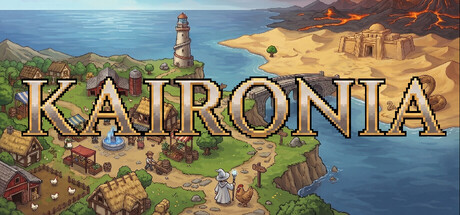
Kaironia uses generative AI tools during the development process to create pre-rendered assets. Specifically, AI-assisted tools were used to help create background music tracks, certain 2D environmental icons and images, and to assist with multi-language text localization. None of these assets are generated dynamically or live during gameplay.
Every visual asset in the game is an open-source, licensed, open-source pixel icon, or a real in-game render. no AI image production. Some of the game codes were written with AI-assisted development tools under the direct supervision of the developer, and localization was human-inspired for all sentences after machine translation initials. There is no real-time AI creation in the game
The game is hanadcrafted by very talented individuals in our team. But as a small studio that is still learning and growing, we leveraged AI to aid us in production. We used AI to generate a few textures for the game. Having said that, we assure everyone that the final game is a result of the hardwork and dedication of a very talented and passionate team.
In-Game Text Creation and Translation: We use AI to create and translate text for in-game content and store descriptions.
Program Code Generation: We use AI to create and optimize the programming code that implements the game’s features and systems.
Sound Effect Generation: We use AI to generate sound effects used in the game.
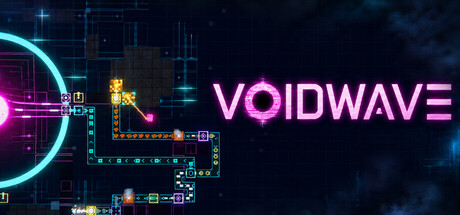
VOIDWAVE's game design, programming, and automation simulation are built by hand. Some visual assets — certain sprites, icons, and UI art — were created with the help of generative AI tools and hand-edited to fit the game's style, and the game's music is AI-generated. Sound effects use procedural synthesis (not AI). All gameplay, systems, and balancing are human-designed, and all content is finalized during development — nothing is AI-generated while you play.
This game was built in a basement by a dad of 3 with claude, gemini, grok, copilot and chat gpt, all pitched in with various parts. some of the backgrounds and icons atrwork had ai refinement in the process but were all reformatted and redrawn as conceptualized by dev
Generative artificial intelligence has been used to create store page thumbnails based on the developer's scene work.
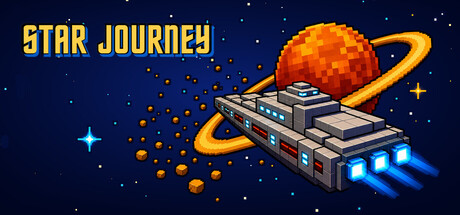
Generative artificial intelligence has been used by the developer to improve the performance of the developers code to achieve incredible in game performance with respect to voxel mesh rendering and voxel lighting calculations. Thanks to the contributions of gen ai Star Journey performs beautifully even on laptops that have no dedicated GPU.
Some images used in the game were created or assisted with the help of AI-generated content. All AI-generated assets were reviewed, edited, and integrated by the developer as part of the game's final artwork.
We did use AI generated images, but human edited and perfected images for our Steam Store and logos. Static UI elements and backgrounds were also generated using AI, but again, human edited.
The game's design, game systems, balance, and English narrative are human-developed. AI tools were used during development as a coding assistant, with any recommended code changes specified, reviewed, and tested by the developer. The Japanese localization was produced with AI assistance and hand-edited for nuances, idioms, and accuracy. AI tools were also used for grammar and spell checking. No content is AI-generated at runtime.
Some development used generative AI tools to assist with writing code, shaders, and drafting some in-game text. All content was approved by the developer.
Some in-game radio/music tracks may be created with generative AI tools. These tracks are selected, reviewed and integrated manually by the development team. No live AI generation is used during gameplay.
Some visual concepts, promotional artwork, and certain written materials used for the game's presentation were created or refined with the assistance of generative AI. All AI-assisted content has been carefully reviewed, edited, and approved by the development team to ensure artistic consistency, originality, and quality. The gameplay, design decisions, and final player experience are fully curated by the developers.
Some illustrations used in the game's introductory sequence were created with the assistance of generative AI. All such assets were reviewed, refined where necessary, and integrated by the developer before being included in the game.
Some marketing artwork on this Steam store page was created with OpenAI image generation using current in-game screenshots and existing brand artwork as references. The game itself does not generate AI content during play.
It was found that some character art pieces in the game used AI references after artists received explicit instruction and legal binding not to use AI.
This will be rectified in the future. I am committed to providing a game without AI usage.
We used AI‑based tools to create some character images and background assets.
All content has been independently edited and refined to ensure it is presented as an original work.
This game uses generative AI tools to assist with voiceover production and localization. All AI-assisted content is reviewed and integrated by the development team.
Generative AI was used to assist with grammar and spelling checks for some in-game text, translate store page content, and generate some sound assets. All content was reviewed and approved by the developer before inclusion. The game does not use live-generated AI.
I built Orbisphere as a solo developer using AI tools under human direction. The soundtrack was created with generative AI music tools, with each track directed, selected, and edited by me. In-game vector artwork was authored with AI assistance from my terrible MS Paint references and designs. All game design, writing, systems, and balance are my own work.
The art, audio, and writing in Refund Speedrun are created by hand. Generative AI was used only for the voice-over narration in our promotional teaser trailer (ElevenLabs). The game does not generate any content using AI at runtime.
AI generated art and other assets were referenced and partly used during development, but every effort is taken to make the game original. At UWS, we make every effort to support our art/design team and use AI very rarely to meet our production needs
Some of the promotional artwork for MoonCraft was created using generative AI tools.
All in‑game content, gameplay assets, code, and visuals were created manually without AI.
Only the store page art uses AI; the game itself does not include AI‑generated content.
Some content in this game was created with the assistance of generative AI tools, then curated, edited, and integrated by hand by the solo developer. This includes: character and enemy sprite animations (AI-generated video processed by hand into sprite animations), environment and background artwork, the story tapestry illustrations, title and store artwork, music, and some sound effects. All such content is pre-rendered and ships with the game — nothing is generated live at runtime. All content was reviewed by the developer to ensure it does not include illegal or infringing material.
Some of the sound effects in this game were created using generative AI tools. AI-generated audio is edited and mixed by the development team before being used in the game.
Fateward's visuals, UI, music, sound, character voices, and Steam store assets are created using generative AI and curated by hand, from a game written and directed by the developer.
World of ClaudeCraft is, unapologetically, a game built with AI — the name is a hint. We used AI in two ways, and we want to be clear about both.
During development, the game's code was written with an AI coding assistant, and we used AI generation tools to create some of the assets that ship in the game as ordinary, fixed files:
Sound: Most in-game sound effects and all spoken NPC voice lines were generated with ElevenLabs' AI audio and text-to-speech models. The written dialogue itself is authored by us; AI produced the spoken audio.
3D models: A small number of creature models (the "Drowned Litany") were generated with Meshy AI (text-to-3D).
Everything else is either created by the game's own code (the world, towns, terrain, water, weather, and the music soundtrack are all generated procedurally at runtime) or is licensed third-party art — CC0 model, texture, and HDRI packs plus a purchased commercial icon set. That content is not AI-generated.
Critically: no generative AI runs while you play. Every AI-made asset was generated once, offline, during development and baked into the game as a static file. The running game makes no AI or LLM calls, and none of your gameplay or personal data is ever sent to an AI system. The simulation is fully deterministic — the same inputs always produce the same result.
We’re currently using AI-generated images for our Steam page as temporary placeholders. We plan to replace them with original artwork as soon as possible.
For complete transparency with our players, here is our stance on how this game is built:
1. Human Craftsmanship First
Human creativity and hands-on talent are always our highest priority. Where development is handled by skilled creators and artists, the work is crafted traditionally. AI is never used to replace active human contribution.
2. Bridging the Resource Gap
Where specialized resources, budgets, or personnel are missing, we use AI tools to bridge the gaps and keep development moving forward. As an independent project, we do not have the luxury of waiting on corporate budgets; we use every tool available to ensure the game actually gets finished and delivered to you.
3. Moving Forward, Never Backward
Our development philosophy is built on momentum. We will never delay updates, halt progress, or backtrack to remove or replace AI-assisted elements just to appease online discourse. If the game secures funding or high sales down the line, those resources will be used exclusively to hire real people to build new features, content, and expansions. We only move forward.
The Bottom Line
We refuse to let a lack of corporate backing stop us from making a great game. We choose to embrace the tools of the future to deliver a unique RTS experience today. If you value raw independent drive, transparency, and a studio focused entirely on delivering great gameplay "by any means necessary," thank you for your support.
Some visual assets, 3D models, textures, UI images, promotional images, music, sound effects, and reference material used in this game were created or assisted with using generative AI tools. These assets were reviewed, edited, adjusted, and integrated by the developer.
The game itself does not generate AI content during gameplay.
Our team uses generative AI tools to help develop some in game & marketing assets.
We don't use AI to replace artists and developers, but to improve our teams' productivity and offer you a more complete game at an affordable price.
Generative AI tools were used during development to assist with the creation of some 3D assets, music, and draft visual materials. Character concepts were based on human-made sketches, and AI was used only for early draft exploration; the final in-game characters were created by humans. All AI-assisted materials were reviewed, edited, and integrated into the game by the developer. AI is not used to generate content during gameplay.
During the development process, we may use AI-based tools. In all such cases, the final product reflects the creativity and expression of our own development team.
Generative AI was used during development to assist in the creation of certain visual assets, including some textures and artwork featured in story sequences. All generated assets were reviewed, modified where necessary, and curated by the development team before inclusion in the game. No AI-generated content is created during gameplay.
Kaironia uses generative AI tools during the development process to create pre-rendered assets. Specifically, AI-assisted tools were used to help create background music tracks, certain 2D environmental icons and images, and to assist with multi-language text localization. None of these assets are generated dynamically or live during gameplay.
Every visual asset in the game is an open-source, licensed, open-source pixel icon, or a real in-game render. no AI image production. Some of the game codes were written with AI-assisted development tools under the direct supervision of the developer, and localization was human-inspired for all sentences after machine translation initials. There is no real-time AI creation in the game
The game is hanadcrafted by very talented individuals in our team. But as a small studio that is still learning and growing, we leveraged AI to aid us in production. We used AI to generate a few textures for the game. Having said that, we assure everyone that the final game is a result of the hardwork and dedication of a very talented and passionate team.
In-Game Text Creation and Translation: We use AI to create and translate text for in-game content and store descriptions.
Program Code Generation: We use AI to create and optimize the programming code that implements the game’s features and systems.
Sound Effect Generation: We use AI to generate sound effects used in the game.
VOIDWAVE's game design, programming, and automation simulation are built by hand. Some visual assets — certain sprites, icons, and UI art — were created with the help of generative AI tools and hand-edited to fit the game's style, and the game's music is AI-generated. Sound effects use procedural synthesis (not AI). All gameplay, systems, and balancing are human-designed, and all content is finalized during development — nothing is AI-generated while you play.
This game was built in a basement by a dad of 3 with claude, gemini, grok, copilot and chat gpt, all pitched in with various parts. some of the backgrounds and icons atrwork had ai refinement in the process but were all reformatted and redrawn as conceptualized by dev
Generative artificial intelligence has been used to create store page thumbnails based on the developer's scene work.
Generative artificial intelligence has been used by the developer to improve the performance of the developers code to achieve incredible in game performance with respect to voxel mesh rendering and voxel lighting calculations. Thanks to the contributions of gen ai Star Journey performs beautifully even on laptops that have no dedicated GPU.
Some images used in the game were created or assisted with the help of AI-generated content. All AI-generated assets were reviewed, edited, and integrated by the developer as part of the game's final artwork.
We did use AI generated images, but human edited and perfected images for our Steam Store and logos. Static UI elements and backgrounds were also generated using AI, but again, human edited.
The game's design, game systems, balance, and English narrative are human-developed. AI tools were used during development as a coding assistant, with any recommended code changes specified, reviewed, and tested by the developer. The Japanese localization was produced with AI assistance and hand-edited for nuances, idioms, and accuracy. AI tools were also used for grammar and spell checking. No content is AI-generated at runtime.
Some development used generative AI tools to assist with writing code, shaders, and drafting some in-game text. All content was approved by the developer.