Public Steam disclosure research25,394 disclosures tracked
Where do games disclose AI use?
Search developers’ Steam disclosures, compare classified AI use across
games, and follow recorded changes.
This index adds cross-game classifications and statistics to
statements published on individual store pages.
Groups reflect automatic analysis of public disclosures; mature records are excluded. These counts do not measure AI use across all of Steam.
Missing or unclear statements cannot establish whether a game uses AI.
Generative AI tools were used to create selected pre rendered promotional artwork displayed on the Steam Store page and in marketing materials. All such content was reviewed, curated and integrated by the developer. The game does not generate AI content during gameplay.
Some pre-rendered 2D artwork (several of the optional tile-art style packs, plus store capsule and marketing images) was created with generative AI image tools, then curated, edited and integrated by the developer. Portions of the game's code and text were written with AI coding assistance under full human review. The game does not generate any content with AI at runtime, and contains no AI chat features.
Ruthless Returns is a solo-developed game built and refined over hundreds of hours. The original version was created on paper in 2022, but at the time I did not have the resources to turn it into a full game.
Early prototypes used licensed images with a simple painted treatment. It worked, but the visual style was ultimately shaped by whatever suitable assets were available. Generative AI made it possible to create artwork specifically for Ruthless Returns and give the game a much more consistent look and feel from top to bottom. AI was used for the card artwork and character voices.
That also made it possible for me to finally turn the original paper concept into a PC game. If players enjoy it, I hope to take it full circle and eventually produce Ruthless Returns as a physical board game.
Balancing combines extensive human playtesting with more than 500,000 simulated games. The simulations were used to analyze win rates, card strength, strategies and interactions across a much larger number of matches than manual playtesting alone could realistically cover.
AIR EMPIRE uses generative AI tools for part of its store/marketing assets and some in-game content — specifically store capsule images, store descriptions, localization into non-English languages, and marketing video narration. All AI-assisted output is reviewed and edited by a human developer, and we have taken steps to ensure it does not include infringing or illegal content.
This game includes some content created with generative AI: the music and sound effects were made using AI audio tools, and the in-game translations for languages other than English and French were produced with AI translation tools. The artwork, game design and gameplay are created by the developer.
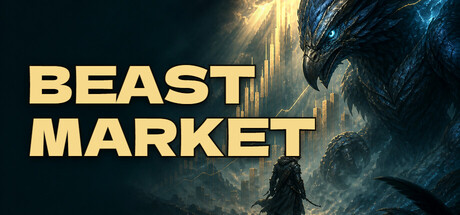
In Beast Market, generative AI tools are used during development to assist with the creation of certain game assets. This includes some character and monster artwork, background and UI art, item icons, and certain sound effects. All AI-assisted assets are reviewed, edited, curated, and approved by the development team before being included in the game.
All AI-generated content is pre-generated during development and included in the game as fixed assets. Beast Market does not generate AI content during gameplay, nor does it transmit player data to any AI system while the game is being played.
Some pre-rendered artwork and marketing assets were created or refined with generative AI tools under developer direction. The game does not generate AI content during play and does not connect to external AI services.
The development of The Rug Racket used generative AI tools to assist in creating some of the content included in the game, such as art assets, as well as in the creation of the game's store page and marketing materials. All AI-assisted content was reviewed by the development team prior to release.
Some art and audio assets in Cozy Airways were created with the help of generative AI tools during development. All AI-assisted content was reviewed, edited and approved by our team. The game does not generate any AI content live during gameplay.
Generative AI was not used to create any game assets, artwork, capsule images, character designs, sounds, music, or voice recordings in Burger Smash. All in-game content was created by the development team or commissioned from human creators.
AI tools were used to assist with translating in-game UI text and store page descriptions into multiple languages for localization purposes. No other AI generated content exists within the game itself.
Astral Outpost was built by a solo developer working with AI tools. Some visual assets ( mostly marketing ) including the key art seen on the start screen and store page were created with generative AI and hand-finished. In-game text and its translations were drafted with AI assistance and reviewed by the developer. Nothing is generated by AI while you play: every piece of content in the game is fixed and human-reviewed before it ships.
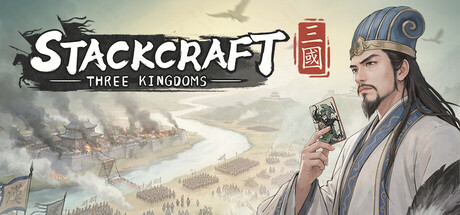
The core gameplay of this game adopts an independent AI warlord confrontation system. All Three Kingdoms generals and regional lord NPCs make autonomous decisions on their own, and can independently launch alliances, declarations of war, diplomatic negotiations, grain supply trades, secret betrayals and other political strategic behaviors. In-game plot dialogues and interactions among warlords are dynamically generated by AI. A built-in content safety filter is activated throughout the game to prevent the generation of illegal, violent and inappropriate content.
Generative AI tools were used during development to assist with selected pre-generated visual assets, promotional artwork, store-page materials, text, and code. All AI-assisted content was reviewed and edited by the developer before inclusion. The game does not generate AI content while running.
AI was used to troubleshoot code and to draft isolated sections of the codebase, which I then finalized.
All graphics, UI, and music are made without AI.
AI was used for initial translation from English into other languages. Many translations were then reviewed and edited by native speakers.
Generative AI tools were used during development to assist with some pre-generated 2D artwork and UI imagery, 3D models and animations, instrumental music and sound effects, localization drafts, and portions of the game code. As a solo developer, I selected, edited, integrated, and reviewed all of these outputs before inclusion. The game does not generate content at runtime and does not send player input to generative AI services.
Some of the artwork in Arcanum Collegium — including character portraits and illustrations — was created with the help of generative AI tools. All AI-assisted art was reviewed, edited, and curated by the developer to match the game's overall visual style. No AI-generated content is created live during gameplay; everything you see was finalized before release.
Generative AI Disclosure
During the development of SandSea Ark, we utilized generative AI tools (such as Claude) to assist with:
1. Code writing and debugging: AI-assisted generation and optimization of GDScript code to improve development efficiency.
2. Data configuration: Assistance in maintaining game data tables and configuration files.
3. Documentation: Some technical documents and changelogs were generated with AI assistance.
The following content was NOT generated using AI:
- Game art assets, UI design, and scene layouts
- Core game design, mechanics, and balance tuning
This game does not contain live-generated AI content — all in-game content is pre-designed and hand-crafted. The game does not dynamically generate text, images, or audio during gameplay.
Game art assets are generated using AI tools to create initial concept art, which is then manually adjusted and modified by artists. The final works combine AI-generated foundational designs with human artistic revisions.
Some dynamic art assets are assisted in their creation by AI tools.
Since the game is still in active development, generative AI tools were used to create most of the artwork and text included in the game and on the store page. All generated content was carefully reviewed, heavily edited, and integrated by the developers.
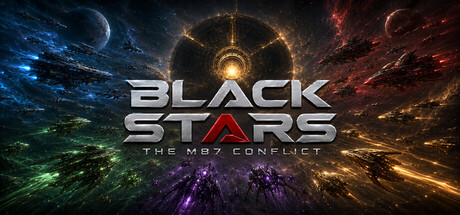
3d Models for Space Ships created with Meshy.
cooperation in Thinking, design and balance.
C# coding.
Unity Editor Agent for crafting suns and planets out of bought Unity Asset Store Assets.
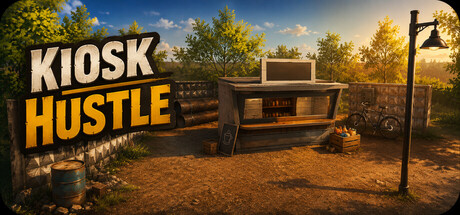
Generative AI was used during development to assist with selected fictional product labels, packaging textures, item icons, and visual reference materials.
AI tools were used to assist development, including code, Chinese/Spanish localization text and store page copy. All AI-assisted content was reviewed and curated by the developer. The game does not generate any content with AI at runtime.
Some visual and audio assets in this game were created with the assistance of generative AI tools, then selected, edited, and integrated by the developer.
AI tools were used during development to assist in creating portions of the game's code, text, and 2D artwork, including some store page assets. All AI-assisted content was generated during development and reviewed by the developer. The game does not use AI to generate any content at runtime.
The game features hundreds of unique collectible cards. As a solo developer, creating every card from scratch would be extremely time-consuming, so the majority of the collectible card artwork was generated using AI. This allows more time to be spent improving the game’s core feel and other key systems. The cards will continue to be revised throughout development.
None of the game's artwork, audio, or imagery is AI-generated. Portraits, interface, and all store and marketing art are hand-authored vector and procedural work, and that is a hard rule of the project. We do use AI assistance during development for writing and code, including drafting store text and the scripts that lay out our marketing art, all of it reviewed and edited by hand. No image-generation models are used anywhere, in the game or in its marketing.
Dialogue and narration are generated at runtime by a small language model running entirely on the player's machine. Nothing is sent to any server. The model has no authority over the game: a deterministic simulation decides every outcome, fact, and number, and the model only phrases scenes from state the engine hands it. Its output is structurally constrained and validated against the simulation before it appears, and invalid output is rejected. Prompts and validation keep generated text within the game's fiction and its PG-13 register. Player-typed orders go only to the local model and never leave the machine.
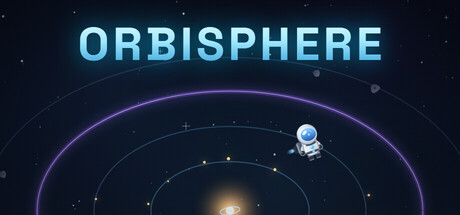
I built Orbisphere as a solo developer using AI tools under human direction. The soundtrack was created with generative AI music tools, with each track directed, selected, and edited by me. In-game vector artwork was authored with AI assistance from my terrible MS Paint references and designs. All game design, writing, systems, and balance are my own work.
The art, audio, and writing in Refund Speedrun are created by hand. Generative AI was used only for the voice-over narration in our promotional teaser trailer (ElevenLabs). The game does not generate any content using AI at runtime.
Heartwood Incremental was made by a solo developer working alongside an AI assistant (Anthropic's Claude). The AI helped write the game's code, including the code that procedurally draws its pixel-art sprites, tree, and icons, and helped draft written content such as upgrade, achievement, and store text. Everything was directed, reviewed, and refined by the human developer, and hand-checked before release. No generative AI runs while you play: nothing is created on your device at runtime, and all art and text are fixed in the build.
Generative AI was used during production of some visual and audio assets. All generated material is selected, directed, edited, and integrated through a human-led creative process. The game does not generate content with AI during play.
Generative AI tools were used during development to assist in creating and refining certain pre-generated 2D visual assets, including character artwork, environments, user interface elements, promotional materials, and store page graphics. All AI-assisted content was reviewed, edited, selected, and integrated by the developer. The game does not generate AI content during gameplay and does not send player input to external AI services.
Generative AI tools were used to create selected pre rendered promotional artwork displayed on the Steam Store page and in marketing materials. All such content was reviewed, curated and integrated by the developer. The game does not generate AI content during gameplay.
Some pre-rendered 2D artwork (several of the optional tile-art style packs, plus store capsule and marketing images) was created with generative AI image tools, then curated, edited and integrated by the developer. Portions of the game's code and text were written with AI coding assistance under full human review. The game does not generate any content with AI at runtime, and contains no AI chat features.
Ruthless Returns is a solo-developed game built and refined over hundreds of hours. The original version was created on paper in 2022, but at the time I did not have the resources to turn it into a full game.
Early prototypes used licensed images with a simple painted treatment. It worked, but the visual style was ultimately shaped by whatever suitable assets were available. Generative AI made it possible to create artwork specifically for Ruthless Returns and give the game a much more consistent look and feel from top to bottom. AI was used for the card artwork and character voices.
That also made it possible for me to finally turn the original paper concept into a PC game. If players enjoy it, I hope to take it full circle and eventually produce Ruthless Returns as a physical board game.
Balancing combines extensive human playtesting with more than 500,000 simulated games. The simulations were used to analyze win rates, card strength, strategies and interactions across a much larger number of matches than manual playtesting alone could realistically cover.
AIR EMPIRE uses generative AI tools for part of its store/marketing assets and some in-game content — specifically store capsule images, store descriptions, localization into non-English languages, and marketing video narration. All AI-assisted output is reviewed and edited by a human developer, and we have taken steps to ensure it does not include infringing or illegal content.
This game includes some content created with generative AI: the music and sound effects were made using AI audio tools, and the in-game translations for languages other than English and French were produced with AI translation tools. The artwork, game design and gameplay are created by the developer.
In Beast Market, generative AI tools are used during development to assist with the creation of certain game assets. This includes some character and monster artwork, background and UI art, item icons, and certain sound effects. All AI-assisted assets are reviewed, edited, curated, and approved by the development team before being included in the game.
All AI-generated content is pre-generated during development and included in the game as fixed assets. Beast Market does not generate AI content during gameplay, nor does it transmit player data to any AI system while the game is being played.
Some pre-rendered artwork and marketing assets were created or refined with generative AI tools under developer direction. The game does not generate AI content during play and does not connect to external AI services.
The development of The Rug Racket used generative AI tools to assist in creating some of the content included in the game, such as art assets, as well as in the creation of the game's store page and marketing materials. All AI-assisted content was reviewed by the development team prior to release.
Some art and audio assets in Cozy Airways were created with the help of generative AI tools during development. All AI-assisted content was reviewed, edited and approved by our team. The game does not generate any AI content live during gameplay.
Generative AI was not used to create any game assets, artwork, capsule images, character designs, sounds, music, or voice recordings in Burger Smash. All in-game content was created by the development team or commissioned from human creators.
AI tools were used to assist with translating in-game UI text and store page descriptions into multiple languages for localization purposes. No other AI generated content exists within the game itself.
Astral Outpost was built by a solo developer working with AI tools. Some visual assets ( mostly marketing ) including the key art seen on the start screen and store page were created with generative AI and hand-finished. In-game text and its translations were drafted with AI assistance and reviewed by the developer. Nothing is generated by AI while you play: every piece of content in the game is fixed and human-reviewed before it ships.
The core gameplay of this game adopts an independent AI warlord confrontation system. All Three Kingdoms generals and regional lord NPCs make autonomous decisions on their own, and can independently launch alliances, declarations of war, diplomatic negotiations, grain supply trades, secret betrayals and other political strategic behaviors. In-game plot dialogues and interactions among warlords are dynamically generated by AI. A built-in content safety filter is activated throughout the game to prevent the generation of illegal, violent and inappropriate content.
Generative AI tools were used during development to assist with selected pre-generated visual assets, promotional artwork, store-page materials, text, and code. All AI-assisted content was reviewed and edited by the developer before inclusion. The game does not generate AI content while running.
AI was used to troubleshoot code and to draft isolated sections of the codebase, which I then finalized.
All graphics, UI, and music are made without AI.
AI was used for initial translation from English into other languages. Many translations were then reviewed and edited by native speakers.
Generative AI tools were used during development to assist with some pre-generated 2D artwork and UI imagery, 3D models and animations, instrumental music and sound effects, localization drafts, and portions of the game code. As a solo developer, I selected, edited, integrated, and reviewed all of these outputs before inclusion. The game does not generate content at runtime and does not send player input to generative AI services.
Some of the artwork in Arcanum Collegium — including character portraits and illustrations — was created with the help of generative AI tools. All AI-assisted art was reviewed, edited, and curated by the developer to match the game's overall visual style. No AI-generated content is created live during gameplay; everything you see was finalized before release.
Generative AI Disclosure
During the development of SandSea Ark, we utilized generative AI tools (such as Claude) to assist with:
1. Code writing and debugging: AI-assisted generation and optimization of GDScript code to improve development efficiency.
2. Data configuration: Assistance in maintaining game data tables and configuration files.
3. Documentation: Some technical documents and changelogs were generated with AI assistance.
The following content was NOT generated using AI:
- Game art assets, UI design, and scene layouts
- Core game design, mechanics, and balance tuning
This game does not contain live-generated AI content — all in-game content is pre-designed and hand-crafted. The game does not dynamically generate text, images, or audio during gameplay.
Game art assets are generated using AI tools to create initial concept art, which is then manually adjusted and modified by artists. The final works combine AI-generated foundational designs with human artistic revisions.
Some dynamic art assets are assisted in their creation by AI tools.
Since the game is still in active development, generative AI tools were used to create most of the artwork and text included in the game and on the store page. All generated content was carefully reviewed, heavily edited, and integrated by the developers.
3d Models for Space Ships created with Meshy.
cooperation in Thinking, design and balance.
C# coding.
Unity Editor Agent for crafting suns and planets out of bought Unity Asset Store Assets.
Generative AI was used during development to assist with selected fictional product labels, packaging textures, item icons, and visual reference materials.
AI tools were used to assist development, including code, Chinese/Spanish localization text and store page copy. All AI-assisted content was reviewed and curated by the developer. The game does not generate any content with AI at runtime.
Some visual and audio assets in this game were created with the assistance of generative AI tools, then selected, edited, and integrated by the developer.
AI tools were used during development to assist in creating portions of the game's code, text, and 2D artwork, including some store page assets. All AI-assisted content was generated during development and reviewed by the developer. The game does not use AI to generate any content at runtime.
The game features hundreds of unique collectible cards. As a solo developer, creating every card from scratch would be extremely time-consuming, so the majority of the collectible card artwork was generated using AI. This allows more time to be spent improving the game’s core feel and other key systems. The cards will continue to be revised throughout development.
None of the game's artwork, audio, or imagery is AI-generated. Portraits, interface, and all store and marketing art are hand-authored vector and procedural work, and that is a hard rule of the project. We do use AI assistance during development for writing and code, including drafting store text and the scripts that lay out our marketing art, all of it reviewed and edited by hand. No image-generation models are used anywhere, in the game or in its marketing.
Dialogue and narration are generated at runtime by a small language model running entirely on the player's machine. Nothing is sent to any server. The model has no authority over the game: a deterministic simulation decides every outcome, fact, and number, and the model only phrases scenes from state the engine hands it. Its output is structurally constrained and validated against the simulation before it appears, and invalid output is rejected. Prompts and validation keep generated text within the game's fiction and its PG-13 register. Player-typed orders go only to the local model and never leave the machine.
I built Orbisphere as a solo developer using AI tools under human direction. The soundtrack was created with generative AI music tools, with each track directed, selected, and edited by me. In-game vector artwork was authored with AI assistance from my terrible MS Paint references and designs. All game design, writing, systems, and balance are my own work.
The art, audio, and writing in Refund Speedrun are created by hand. Generative AI was used only for the voice-over narration in our promotional teaser trailer (ElevenLabs). The game does not generate any content using AI at runtime.
Heartwood Incremental was made by a solo developer working alongside an AI assistant (Anthropic's Claude). The AI helped write the game's code, including the code that procedurally draws its pixel-art sprites, tree, and icons, and helped draft written content such as upgrade, achievement, and store text. Everything was directed, reviewed, and refined by the human developer, and hand-checked before release. No generative AI runs while you play: nothing is created on your device at runtime, and all art and text are fixed in the build.
Generative AI was used during production of some visual and audio assets. All generated material is selected, directed, edited, and integrated through a human-led creative process. The game does not generate content with AI during play.
Generative AI tools were used during development to assist in creating and refining certain pre-generated 2D visual assets, including character artwork, environments, user interface elements, promotional materials, and store page graphics. All AI-assisted content was reviewed, edited, selected, and integrated by the developer. The game does not generate AI content during gameplay and does not send player input to external AI services.