Public Steam disclosure research25,497 disclosures tracked
Where do games disclose AI use?
Search developers’ Steam disclosures, compare classified AI use across
games, and follow recorded changes.
This index adds cross-game classifications and statistics to
statements published on individual store pages.
Groups reflect automatic analysis of public disclosures; mature records are excluded. These counts do not measure AI use across all of Steam.
Missing or unclear statements cannot establish whether a game uses AI.
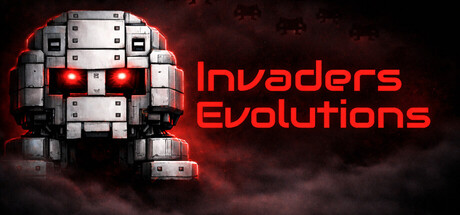
Invaders Evolutions was developed by a small team using AI-assisted tools to cover technical art skill gaps. This enabled us to create high-quality assets and focus on complex gameplay mechanics that wouldn't have been possible for us to produce manually. All AI-generated elements were curated, edited, and integrated under strict human direction to ensure a cohesive and polished final product.
Some visual assets in the game and store materials were created or assisted using generative AI tools and have been reviewed, refined, and integrated by the developer.
AI tools were used during parts of the development process to assist with early-stage graphics and code. Every AI-assisted element has since been carefully reworked, improved, and integrated through hands-on development.
The final product is shaped by deliberate design, creative iteration, and personal input to ensure a cohesive and original gameplay experience.
Generative AI was utilized strictly to assist in drafting the narrative script and visuals for our promotional marketing trailers, and for in-game cutscenes. All other actual in-game content—including the gameplay code, 3D models, level design, physics, and mechanics—was meticulously crafted by hand by human developers.
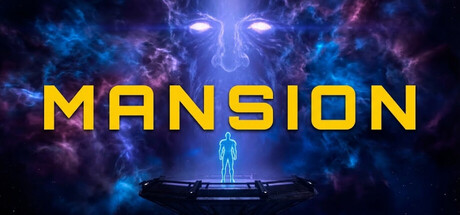
MANSION uses live artificial intelligence during gameplay. The AI Commander enemy in Campaign mode and all five AI agents in Arena mode are powered by large language models that generate real-time tactical decisions and reasoning text. This content is generated live during gameplay and varies every session. No pre-rendered AI content is used in artwork, audio, or narrative. AI generated text is limited to short tactical reasoning displayed in the in-game terminal.
Generative AI was used for base sprites and code. All assets were manually edited and adapted to match the game's aesthetic and ensure originality. Content is static and pre-rendered.
Art and Visual Assets: The game’s visual assets, including character designs, backgrounds, and UI elements, were pre-generated using AI tools. These assets were then curated and stylized to fit a unique comic-book aesthetic.
Code and Development: Portions of the game's underlying code and systems were developed with the assistance of AI-powered coding tools.
Quality Control: All AI-generated content has been thoroughly reviewed and edited by the developer to ensure it does not contain any infringing or illegal material and meets the game's quality standards.
The voice of Jessie, the assistant computer of the player, is generated with text to speech tools. Some of the store content (texts/images) is generated with AI tools.
This game uses AI-generated voice acting for character dialogue and cutscenes. All AI-generated audio content was reviewed by the developer before inclusion in the game.
This game uses AI-generated imagery for promotional artwork and capsule images. All AI-generated visual content was reviewed by the developer before inclusion.
This game used generative AI tools during development to assist with some pre-generated content, including portions of visual assets and some code/text assistance. All AI-assisted output was reviewed, modified, and curated by the developer before being included in the game. This game does not use live-generated AI during gameplay.
Store page graphical assets (capsule images, achievement icons, app icon) were created using AI-assisted tools. Game soundtrack is procedurally generated in real-time using the Web Audio API. All game code, gameplay systems, dialogue, and lore were written by the developer.
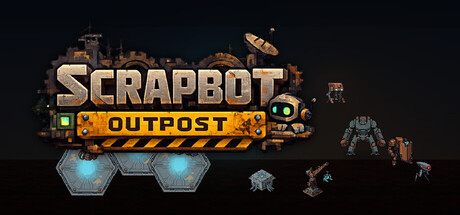
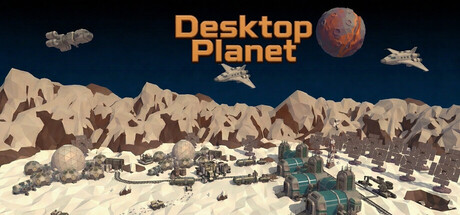
Scrapbot Outpost was created with assistance from AI tools.
AI tools were used for portions of the design, writing, translating, brainstorming, and implementation process, and for the creation of most game art assets.
Tools used during development include:
- OpenAI ChatGPT
- Claude Opus
- PixelLab.ai
All AI-assisted content was selected, reviewed, edited, and integrated by the developement team
The background music for the game was created using generative AI tools. However, all other game assets, including pixel art, sound effects, programming code, and narrative content, were created manually by the developer without the use of generative AI.
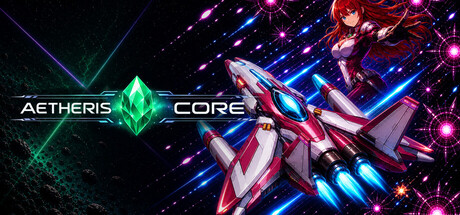
Aetheris Core is a hand-crafted indie game, built and tuned over thousands of hours of development and playtesting by Kavik Studios.
Generative AI tools were used to assist with parts of the process, including some visual and audio assets and technical code such as shaders. No content is generated live during gameplay; everything ships as fixed, pre-made assets. Every AI-assisted element was reviewed, edited, reworked, and integrated by hand to meet the game's quality and consistency standards. The design, balance, feel, and final form of the game are Kavik Studios' own work.
We've disclosed our use of AI tools openly since day one, and we're committed to keeping that transparency as the game grows.
Generative AI was used to create some visual assets for the Steam Store Page (capsule images, promotional materials). All in-game art, gameplay mechanics, code, music, sound effects, and translations were created without generative AI.
Some visual assets, including environmental art and vegetation, were created with the assistance of AI image generation tools and manually refined for use in the game.
AI tools (Claude Code) were used to assist with code development and store page localization. All game design, visual style, and creative decisions were made by the developer. All visuals are procedurally generated by the game's own code at runtime.
We use generative AI tools to assist in the creation of 2D pixel art assets and marketing materials. All AI-generated content is refined and integrated by the developer to ensure a high-quality, cohesive aesthetic that fits the game's unique medieval-tech world.
AI tools were used to assist in creating parts of the soundtrack, selected UI elements (primarily in the main menu), and some achievement icons. All gameplay systems, design, and core content are handcrafted.
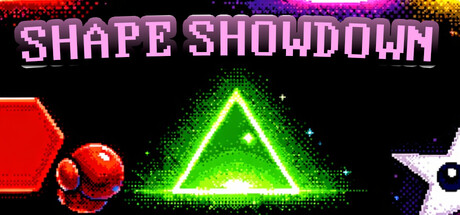
I used AI generation tools to assist in creating the 2D visual assets for the game, including UI elements, enemy shapes, background textures, and the promotional store capsules. All generated images were manually reviewed, edited, and integrated into the game to fit the minimalist neon aesthetic, ensuring no copyright infringement or illegal content is present.
The visual assets in this game, including character sprites, UI elements, and environmental items, were created with the assistance of Generative AI tools. All AI-generated content has been manually curated, edited, and modified by the developer—including manual rigging and frame-by-frame animation—to ensure a cohesive art style and high-quality gameplay experience.
AI was used to extend the variations in characters and to enhance some of our own visuals.
Voices were performed by actual actors or AI voices.
Original music was enhanced with AI.
AI coding tools were used during development to assist with writing game code and store page text. All game content (gameplay, visuals, audio, level design) was created and reviewed by the developer. No AI generates content at runtime.
Pre-Generated Content (AI-assisted art):
Some promotional and marketing artwork & game arts of the tiles & the facilities was created with the assistance of AI image generation tools used as a starting point, subsequently edited and modified by the developer. All in-game characters & effects are hand-crafted by the developer.
CARGO CRUSH ZERO is developed with the assistance of AI tools throughout its production. Game code is implemented using Claude (Anthropic) as a development assistant. Background music is generated with AIVA. Visual assets are created using AI image generation tools and further edited by the developer. All creative direction, design decisions, and final output are overseen by the developer.
Some assets in this game, including music and sound effects, were created with the assistance of generative AI tools. All AI-generated content was reviewed and curated by the developer before inclusion in the game.
During the development of this game, generative AI tools were used to assist in creating early drafts of some background images, UI icons, and text. All AI-generated assets have been strictly reviewed and manually modified by the developer to ensure they fit the game's aesthetic and do not contain any copyrighted or inappropriate content.
Generative AI has been used during the development of this game in the following ways: AI tools were used to assist in writing part of the game's source code and to help create or refine some 2D graphic assets, such as logos and UI elements.
Invaders Evolutions was developed by a small team using AI-assisted tools to cover technical art skill gaps. This enabled us to create high-quality assets and focus on complex gameplay mechanics that wouldn't have been possible for us to produce manually. All AI-generated elements were curated, edited, and integrated under strict human direction to ensure a cohesive and polished final product.
Some visual assets in the game and store materials were created or assisted using generative AI tools and have been reviewed, refined, and integrated by the developer.
AI tools were used during parts of the development process to assist with early-stage graphics and code. Every AI-assisted element has since been carefully reworked, improved, and integrated through hands-on development.
The final product is shaped by deliberate design, creative iteration, and personal input to ensure a cohesive and original gameplay experience.
Generative AI was utilized strictly to assist in drafting the narrative script and visuals for our promotional marketing trailers, and for in-game cutscenes. All other actual in-game content—including the gameplay code, 3D models, level design, physics, and mechanics—was meticulously crafted by hand by human developers.
MANSION uses live artificial intelligence during gameplay. The AI Commander enemy in Campaign mode and all five AI agents in Arena mode are powered by large language models that generate real-time tactical decisions and reasoning text. This content is generated live during gameplay and varies every session. No pre-rendered AI content is used in artwork, audio, or narrative. AI generated text is limited to short tactical reasoning displayed in the in-game terminal.
Generative AI was used for base sprites and code. All assets were manually edited and adapted to match the game's aesthetic and ensure originality. Content is static and pre-rendered.
Art and Visual Assets: The game’s visual assets, including character designs, backgrounds, and UI elements, were pre-generated using AI tools. These assets were then curated and stylized to fit a unique comic-book aesthetic.
Code and Development: Portions of the game's underlying code and systems were developed with the assistance of AI-powered coding tools.
Quality Control: All AI-generated content has been thoroughly reviewed and edited by the developer to ensure it does not contain any infringing or illegal material and meets the game's quality standards.
The voice of Jessie, the assistant computer of the player, is generated with text to speech tools. Some of the store content (texts/images) is generated with AI tools.
This game uses AI-generated voice acting for character dialogue and cutscenes. All AI-generated audio content was reviewed by the developer before inclusion in the game.
This game uses AI-generated imagery for promotional artwork and capsule images. All AI-generated visual content was reviewed by the developer before inclusion.
This game used generative AI tools during development to assist with some pre-generated content, including portions of visual assets and some code/text assistance. All AI-assisted output was reviewed, modified, and curated by the developer before being included in the game. This game does not use live-generated AI during gameplay.
Store page graphical assets (capsule images, achievement icons, app icon) were created using AI-assisted tools. Game soundtrack is procedurally generated in real-time using the Web Audio API. All game code, gameplay systems, dialogue, and lore were written by the developer.
Scrapbot Outpost was created with assistance from AI tools.
AI tools were used for portions of the design, writing, translating, brainstorming, and implementation process, and for the creation of most game art assets.
Tools used during development include:
- OpenAI ChatGPT
- Claude Opus
- PixelLab.ai
All AI-assisted content was selected, reviewed, edited, and integrated by the developement team
The background music for the game was created using generative AI tools. However, all other game assets, including pixel art, sound effects, programming code, and narrative content, were created manually by the developer without the use of generative AI.
Aetheris Core is a hand-crafted indie game, built and tuned over thousands of hours of development and playtesting by Kavik Studios.
Generative AI tools were used to assist with parts of the process, including some visual and audio assets and technical code such as shaders. No content is generated live during gameplay; everything ships as fixed, pre-made assets. Every AI-assisted element was reviewed, edited, reworked, and integrated by hand to meet the game's quality and consistency standards. The design, balance, feel, and final form of the game are Kavik Studios' own work.
We've disclosed our use of AI tools openly since day one, and we're committed to keeping that transparency as the game grows.
Generative AI was used to create some visual assets for the Steam Store Page (capsule images, promotional materials). All in-game art, gameplay mechanics, code, music, sound effects, and translations were created without generative AI.
Some visual assets, including environmental art and vegetation, were created with the assistance of AI image generation tools and manually refined for use in the game.
AI tools (Claude Code) were used to assist with code development and store page localization. All game design, visual style, and creative decisions were made by the developer. All visuals are procedurally generated by the game's own code at runtime.
We use generative AI tools to assist in the creation of 2D pixel art assets and marketing materials. All AI-generated content is refined and integrated by the developer to ensure a high-quality, cohesive aesthetic that fits the game's unique medieval-tech world.
AI tools were used to assist in creating parts of the soundtrack, selected UI elements (primarily in the main menu), and some achievement icons. All gameplay systems, design, and core content are handcrafted.
I used AI generation tools to assist in creating the 2D visual assets for the game, including UI elements, enemy shapes, background textures, and the promotional store capsules. All generated images were manually reviewed, edited, and integrated into the game to fit the minimalist neon aesthetic, ensuring no copyright infringement or illegal content is present.
The visual assets in this game, including character sprites, UI elements, and environmental items, were created with the assistance of Generative AI tools. All AI-generated content has been manually curated, edited, and modified by the developer—including manual rigging and frame-by-frame animation—to ensure a cohesive art style and high-quality gameplay experience.
AI was used to extend the variations in characters and to enhance some of our own visuals.
Voices were performed by actual actors or AI voices.
Original music was enhanced with AI.
AI coding tools were used during development to assist with writing game code and store page text. All game content (gameplay, visuals, audio, level design) was created and reviewed by the developer. No AI generates content at runtime.
Pre-Generated Content (AI-assisted art):
Some promotional and marketing artwork & game arts of the tiles & the facilities was created with the assistance of AI image generation tools used as a starting point, subsequently edited and modified by the developer. All in-game characters & effects are hand-crafted by the developer.
CARGO CRUSH ZERO is developed with the assistance of AI tools throughout its production. Game code is implemented using Claude (Anthropic) as a development assistant. Background music is generated with AIVA. Visual assets are created using AI image generation tools and further edited by the developer. All creative direction, design decisions, and final output are overseen by the developer.
Some assets in this game, including music and sound effects, were created with the assistance of generative AI tools. All AI-generated content was reviewed and curated by the developer before inclusion in the game.
During the development of this game, generative AI tools were used to assist in creating early drafts of some background images, UI icons, and text. All AI-generated assets have been strictly reviewed and manually modified by the developer to ensure they fit the game's aesthetic and do not contain any copyrighted or inappropriate content.
Generative AI has been used during the development of this game in the following ways: AI tools were used to assist in writing part of the game's source code and to help create or refine some 2D graphic assets, such as logos and UI elements.