Public Steam disclosure research25,497 disclosures tracked
Where do games disclose AI use?
Search developers’ Steam disclosures, compare classified AI use across
games, and follow recorded changes.
This index adds cross-game classifications and statistics to
statements published on individual store pages.
Groups reflect automatic analysis of public disclosures; mature records are excluded. These counts do not measure AI use across all of Steam.
Missing or unclear statements cannot establish whether a game uses AI.
"The game utilizes generative AI tools for the creation of concept art, UI icons, and English-to-Turkish localization. These assets are pre-generated during the development phase and are fully reviewed and polished by our team to ensure quality and originality."
Game Demon uses large language models (Llama 3.1/3.3 via Groq API, plus optional local Ollama inference) to generate coaching text in real time from the user's match data. Vision models analyze user-sampled frames. No user content is sent to third parties without explicit opt-in. No generative images or audio in final output.
Gridholm uses AI-generated imagery for its card art, champion portraits, and 3D models. As the sole developer, it's how I bring a full 250+ card game to life with a cohesive, painterly dark-fantasy look.
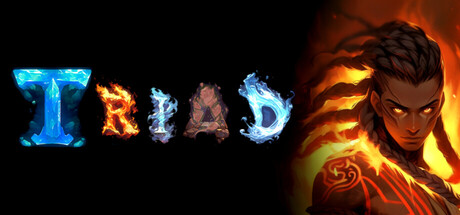
Some visual assets in Triad were created with the assistance of AI tools and further refined by the developer.
Triad is a solo-developed project, and these tools helped make its creation possible.
— Raph, developer of Triad
This game contains content created with the assistance of generative AI tools:
Artwork: Some visual assets were generated using AI image tools as a starting
point, then edited and refined by the developer. All final in-game artwork
has been reviewed, modified, and approved by human hands.
Music & Sound Effects: Background music and sound effects were created using
AI-based music generation tools, then selected and curated by the developer.
Localization: Translations for Japanese, Korean, Traditional Chinese, Spanish,
and Russian were produced with AI translation tools and reviewed by the
developer. Simplified Chinese and English were authored directly by the
developer.
Store Page Copy: Portions of the store page description were drafted with AI
writing assistance and finalized by the developer.
No generative AI runs during gameplay. The AI opponent in single-player mode
uses rule-based logic, not generative AI.
All visual assets and sound effects in this game were created with the assistance of AI generation tools, then curated and integrated by the developer.
Some music tracks in Gridhammer were composed using AI music generation tools (Suno). All other game content including artwork, writing, and game design is human-created.
Some of the game's art assets, music and sound effects are assisted by AI generation. All AI-generated content has been manually screened, revised and reviewed to ensure no infringement of third-party copyrights. No new real-time AI content will be generated during gameplay.
Smoke Town utilizes artificial intelligence in the following areas:
We only use AI-generated content in our game as reference material for backgrounds, which are then refined and reviewed by humans. And also for interface translations.
All AI-generated content has been human-reviewed and refined for quality and technical integration.
Generative AI was used exclusively to assist in creating the promotional cover art (capsule images) for the Steam store page. All in-game assets are human-crafted and contain no AI-generated content.
This game was built with the assistance of AI tools. Visual assets including character models, ability icons, and promotional art were generated using AI image generation. Game code, systems design, and implementation were developed with AI coding assistance. All gameplay mechanics, class balance, and game design decisions were directed by the developer.
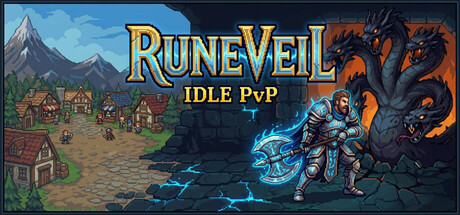
Runeveil: Idle PvP uses generative AI tools only during the design phase of 2D pixel art assets (characters, monsters, items, environments and icons). These visuals serve as a working base and are then edited, integrated and manually reviewed by the team before being added to the game.
No generative AI is used for the game's code, for generating content in real time during gameplay, nor for the soundtrack, narrative text or translations. All content you see in the game has been checked and assembled by hand.
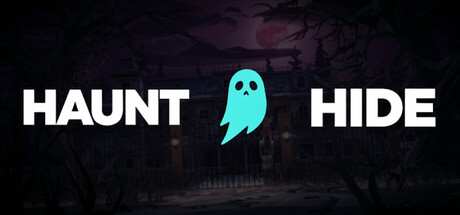
Haunt & Hide uses generative AI for two pre-production assets that ship in the final game:
1. The game logo was created using ChatGPT / DALL-E image generation tools. It appears in menus, loading screens, and promotional materials.
2. Background music tracks were generated using Producer.ai (a generative AI music tool) and pre-rendered as standard audio files that ship with the game.
All other content is human-created: game code (C#/Unity), 3D assets (Synty Studios asset packs used under license), level design, game mechanics, UI layout, voice chat content (player-driven at runtime), and written text. No generative AI is used at runtime — the game does not call any AI services during gameplay. All AI-generated assets were reviewed and integrated by the developer.
As a solo indie developer working with a limited art budget, I have used generative AI tools for some visual assets, primarily UI artwork.
The gameplay systems, mechanics, programming, balancing, and overall game design are created and implemented by me.
My long-term goal is to continue improving the game’s artwork and, as the game grows, work with professional artists to replace and further refine AI-assisted visual assets.
This game uses generative AI tools as part of the creative process.
Some visual assets and music were created with the assistance of AI and then curated, refined, and integrated by the developer to ensure a consistent style and quality.
Developer’s Note:
Due to the challenges of solo game development and being a newcomer to the industry, I utilized AI tools to assist in certain areas of production. This includes specific textures, minor 3D models, and parts of the programming logic. However, all voice acting and musical scores are original works, created as a gesture of support by my close friends.
No real-time generative AI in the client. Static in-game and store art/audio may include material initially produced with generative AI, revised and approved by the developer before release.
In development and early prototyping, Rankbreaker used some generative art assets. These are being actively replaced with original work created by professional artists, and this transition is already underway.
Current contributions include:
Leonardo Veronesi: Disruptors “Void,” “Raven,” “Recoil,” and character card “Axl Rydell”
Samuele Colombini: Character cards “Bloodthirst,” “Ironjaw,” “Riff the Cat,” and “Stonewhal”
Richard Kessler: Location art “Deadspace,” “Sepulcher,” and “The Arc”
All generative assets are being phased out in favor of fully original artwork as development continues.
"The game utilizes generative AI tools for the creation of concept art, UI icons, and English-to-Turkish localization. These assets are pre-generated during the development phase and are fully reviewed and polished by our team to ensure quality and originality."
Game Demon uses large language models (Llama 3.1/3.3 via Groq API, plus optional local Ollama inference) to generate coaching text in real time from the user's match data. Vision models analyze user-sampled frames. No user content is sent to third parties without explicit opt-in. No generative images or audio in final output.
Gridholm uses AI-generated imagery for its card art, champion portraits, and 3D models. As the sole developer, it's how I bring a full 250+ card game to life with a cohesive, painterly dark-fantasy look.
Some visual assets in Triad were created with the assistance of AI tools and further refined by the developer.
Triad is a solo-developed project, and these tools helped make its creation possible.
— Raph, developer of Triad
This game contains content created with the assistance of generative AI tools:
Artwork: Some visual assets were generated using AI image tools as a starting
point, then edited and refined by the developer. All final in-game artwork
has been reviewed, modified, and approved by human hands.
Music & Sound Effects: Background music and sound effects were created using
AI-based music generation tools, then selected and curated by the developer.
Localization: Translations for Japanese, Korean, Traditional Chinese, Spanish,
and Russian were produced with AI translation tools and reviewed by the
developer. Simplified Chinese and English were authored directly by the
developer.
Store Page Copy: Portions of the store page description were drafted with AI
writing assistance and finalized by the developer.
No generative AI runs during gameplay. The AI opponent in single-player mode
uses rule-based logic, not generative AI.
All visual assets and sound effects in this game were created with the assistance of AI generation tools, then curated and integrated by the developer.
Some music tracks in Gridhammer were composed using AI music generation tools (Suno). All other game content including artwork, writing, and game design is human-created.
Some of the game's art assets, music and sound effects are assisted by AI generation. All AI-generated content has been manually screened, revised and reviewed to ensure no infringement of third-party copyrights. No new real-time AI content will be generated during gameplay.
Smoke Town utilizes artificial intelligence in the following areas:
We only use AI-generated content in our game as reference material for backgrounds, which are then refined and reviewed by humans. And also for interface translations.
All AI-generated content has been human-reviewed and refined for quality and technical integration.
Generative AI was used exclusively to assist in creating the promotional cover art (capsule images) for the Steam store page. All in-game assets are human-crafted and contain no AI-generated content.
This game was built with the assistance of AI tools. Visual assets including character models, ability icons, and promotional art were generated using AI image generation. Game code, systems design, and implementation were developed with AI coding assistance. All gameplay mechanics, class balance, and game design decisions were directed by the developer.
Runeveil: Idle PvP uses generative AI tools only during the design phase of 2D pixel art assets (characters, monsters, items, environments and icons). These visuals serve as a working base and are then edited, integrated and manually reviewed by the team before being added to the game.
No generative AI is used for the game's code, for generating content in real time during gameplay, nor for the soundtrack, narrative text or translations. All content you see in the game has been checked and assembled by hand.
Haunt & Hide uses generative AI for two pre-production assets that ship in the final game:
1. The game logo was created using ChatGPT / DALL-E image generation tools. It appears in menus, loading screens, and promotional materials.
2. Background music tracks were generated using Producer.ai (a generative AI music tool) and pre-rendered as standard audio files that ship with the game.
All other content is human-created: game code (C#/Unity), 3D assets (Synty Studios asset packs used under license), level design, game mechanics, UI layout, voice chat content (player-driven at runtime), and written text. No generative AI is used at runtime — the game does not call any AI services during gameplay. All AI-generated assets were reviewed and integrated by the developer.
As a solo indie developer working with a limited art budget, I have used generative AI tools for some visual assets, primarily UI artwork.
The gameplay systems, mechanics, programming, balancing, and overall game design are created and implemented by me.
My long-term goal is to continue improving the game’s artwork and, as the game grows, work with professional artists to replace and further refine AI-assisted visual assets.
This game uses generative AI tools as part of the creative process.
Some visual assets and music were created with the assistance of AI and then curated, refined, and integrated by the developer to ensure a consistent style and quality.
Developer’s Note:
Due to the challenges of solo game development and being a newcomer to the industry, I utilized AI tools to assist in certain areas of production. This includes specific textures, minor 3D models, and parts of the programming logic. However, all voice acting and musical scores are original works, created as a gesture of support by my close friends.
No real-time generative AI in the client. Static in-game and store art/audio may include material initially produced with generative AI, revised and approved by the developer before release.
In development and early prototyping, Rankbreaker used some generative art assets. These are being actively replaced with original work created by professional artists, and this transition is already underway.
Current contributions include:
Leonardo Veronesi: Disruptors “Void,” “Raven,” “Recoil,” and character card “Axl Rydell”
Samuele Colombini: Character cards “Bloodthirst,” “Ironjaw,” “Riff the Cat,” and “Stonewhal”
Richard Kessler: Location art “Deadspace,” “Sepulcher,” and “The Arc”
All generative assets are being phased out in favor of fully original artwork as development continues.