








Disclosure
Some of the artwork uses legitimate generative AI.
- Creator
- Ink Abyss Studio
- Reviews
- -
- Added
- Jun 14, 2026
Public Steam disclosure research 25,497 disclosures tracked
Search developers’ Steam disclosures, compare classified AI use across games, and follow recorded changes. This index adds cross-game classifications and statistics to statements published on individual store pages.
Code help, debugging and other development work.
Capsule art, trailers and promotional material.
Pre-made art, audio, writing and other game assets.
Interactive or runtime AI features disclosed by the developer.
Groups reflect automatic analysis of public disclosures; mature records are excluded. These counts do not measure AI use across all of Steam. Missing or unclear statements cannot establish whether a game uses AI.
Some of the artwork uses legitimate generative AI.
Some placeholder assets have been AI generated. We are actively working with human artists to replace all of the AI art in the game with human made art.
AI-generated content is used only during the concept art and asset planning phase to generate initial creative ideas. No AI-generated content is present in the final game.
Some of the game’s graphics were created with the support of AI tools.
This game uses generative AI-assisted tools for some pre-generated art and audio assets, including portions of Steam store artwork, character and background assets, the application icon, and some BGM / SFX. All assets are selected, edited, integrated, and tested by the developer. The game does not include live-generated AI content during gameplay, and players will not encounter dynamically generated AI text, images, audio, or other content.
This game utilizes generative AI technology to assist in the batch processing and optimization of certain art assets, including but not limited to: style unification of character sprites, detail enhancement of background elements, and rapid generation of some UI icons. All AI-generated content has been manually reviewed, adjusted, and integrated by the developers to ensure consistency with the game's overall art direction. The core gameplay design, system architecture, balance tuning, and all other critical elements were completed independently by the developers.
Some visual and audio assets in this game were created with the assistance of generative AI tools and then reviewed, edited, and curated by the developer. The game does not use live generative AI during gameplay and does not generate content from player input.
All visual artwork in Altus Chess: Archaic Beginnings — piece designs, board and background art, and promotional/store imagery — was created using generative AI image tools, directed by the developer through human-written prompts based on the game's own pieces and concepts, then reviewed and edited by hand. No content is generated live during gameplay. The game's opponent is a proprietary, hand-built algorithmic chess engine, not generative AI.
Wealth of Nations: Economic Strategy uses AI-assisted visual production for some store, capsule, and in-game artwork, including promotional key art and selected interface illustrations. These assets are curated, edited, and integrated by the developer to match the game’s political-economic strategy style. During gameplay, the game can generate short newspaper-style articles, cabinet briefings, and political dilemmas based on the current simulation state, including economic indicators, policy choices, world conditions, and regional tensions. Gameplay text generation runs locally on the player’s machine. No gameplay data, prompts, or player data are sent to external AI providers.
Generative AI was used to update all my existing art.
AI is occasionally used for game art and quality control.
During the development process, generative AI was utilized to assist in drafting and refining select in-game text, as well as to facilitate the multilingual localization of the store page copy. Furthermore, generative AI tools were employed to aid in concept design during the creation of the game's store page key art, various marketing materials, and community assets.
Small portion of the game assets such as logos were created by AI. Also AI provided us with assistance during our coding sessions.
We utilized generative AI tools to assist in creating certain visual assets, UI elements, and background music (BGM) during the development process. Additionally, AI was used to optimize coding efficiency and assist with text localization to improve the quality of the English translation. All AI-assisted contents and scripts have been thoroughly reviewed, verified, and refined manually by the developer to ensure quality.
Generative AI was used as part of the art production process for selected store page visuals, story illustrations, and some card artwork. All AI-assisted assets were reviewed and refined before being included in the game.
Generative AI was used as a development assistant for pre-release asset iteration, writing support, localization drafts, ideation and productivity tasks. Some visual assets and draft text/assets may have been assisted or iterated with generative AI before being reviewed and integrated into the game. This content is static and does not generate new content at runtime. The game does not use live generative AI to create content during gameplay. No player prompts are sent to an AI service at runtime. AI-assisted material is reviewed manually before inclusion. It is adjusted to match the game's style, naming, tone and technical requirements, and content that would be inappropriate, infringing or inconsistent with the project is not intentionally included.
I am a solo developer who worked with external freelancers for art and audio. Some assets provided by these contributors might have been created or assisted by generative AI tools, though their specific workflow was not monitored.
IA was used mainly for coding The game is a digital version of my board game created in 2013.
As a solo developer handling the entire scope of code, systems architecture, and design, generative AI tools were utilized during development to handle the massive volume of graphic assets. This includes illustrative 2D artwork for specific field environments, background landscapes, UI map layouts, and card illustration frames. Leveraging these tools allowed me to focus my full energy on what matters most: creating deep tactical gameplay, tight mechanical balance, and a compelling narrative. Every asset generated was extensively curated, manually edited, and visually polished to align perfectly with the game's aesthetic, storytelling, and tactical user interface. No live generative AI is used while the game is running.
Some image editing for the steam page assets
Generative AI were used to assist in the creation of assets, and artwork. All generated content was reviewed and modified by the developers before inclusion in the final game.
Terra Concordia was created by the solo developer at NCB Company with extensive use of generative artificial intelligence tools throughout the development process. Content created with AI assistance during development: • The 142 game cards (buildings, technologies, wonders, events, objectives): names, descriptions, costs, effects, and art were conceived and adjusted with AI assistance, under review and final decision by the human developer. • SVG vector art (cards, board, civilizations, store capsule arts, achievement icons, page banners): programmatically generated by scripts written with AI assistance. • Game mechanics and rules: brainstorming, balancing, and iteration done with AI assistance, always validated manually across hundreds of internal playtests. • The 6 solo-mode scenarios: themes, victory conditions, and difficulty designed with AI assistance, adjusted through playtesting. • Website, store descriptions, manuals, and Civilopedia: drafted with AI assistance, reviewed by the developer. • English and Spanish translations: pre-translated with AI, manually reviewed and polished. • Solo-mode opponent (Automa) logic: the script was written with AI assistance, but it is a fixed deterministic algorithm with no machine learning components. No content is generated by AI in real time during play. There are no images, texts, cards, or behaviors dynamically generated by AI while you play. The "Automa" (solo-mode AI opponent) is a script already embedded in the game code, executing pre-defined rules — without any alteration, generation, or learning during the match. All AI-assisted content was reviewed, tested, and approved by the human developer before release.
Some card illustrations were created with the assistance of image-generation tools, then hand-selected, edited, and arranged by the developer. Game design, rules, code, UI, and writing are human-made
Artificial Intelligence was used as a supportive tool during the early stages of development, primarily for idea generation, documentation structuring, and general content review. AI was also used to create certain placeholder images during the conceptual phase. These assets are temporary and will be replaced, as they are not intended to be part of the final version of the game. All final game content, including design, gameplay systems, mechanics, artwork, and programming, has been manually created, implemented, and validated by the developer, along with licensed assets from the Unity Asset Store and contributions from freelancers (all properly credited).
Generative AI was used to assist in the creation of some art assets. All AI-assisted content was reviewed and edited by the developer before being included in the game.
Ai was used to create 3D models and music.
Generative AI tools were utilized to assist in the creation of promotional materials. The game itself does not contain any live AI generation.
AI was used for graphics not included in the original 2009 release, such as achievement icons and store page banners.
1.Some scenes 2.promotional renderings。
Generative AI tools were used to assist in the creation of certain illustrations, backgrounds, music, and translations. All final content has been reviewed by the developer.
This game contains AI-generated music used in promotional materials, including trailers. No AI-generated content is used in gameplay.
Generative AI tools were used during development for technical planning, system architecture, building custom systems, code cleanup, and similar engineering support. Some current pre-release visual/model assets are AI-generated placeholders. These are intended to be replaced with final authored assets before release.
The game uses AI-generated content only for music and translation.
Generative AI was used as an assistive tool during development to draft text and translations, and to create some 2D images and graphical assets. As there is currently no budget to hire a dedicated artist, certain visual elements are initially generated with AI and then manually modified and refined. No AI content is generated live at runtime.
Some marketing materials may include AI-generated background music. Tile Blast Royale does not use generative AI to create content during gameplay.
AI tools were used strictly to assist with optimizing some C# scripts and brainstorming mechanics. All final 2D and 3D in-game assets, animations, and core gameplay features were manually created and implemented by the developer.
Non-English localizations are AI-assisted and reviewed by our team for quality. Simplified Chinese was additionally reviewed by a native speaker. We welcome community feedback to help improve translations over time.
Scourge of the Necromancer makes significant use of generative AI in its production. We want to be fully upfront about it. Visual assets (2D images + video) — all AI-generated, then human-curated and human-edited. Every shipped image and video in the game and on the Steam store page was produced with AI tools, then reviewed, edited, and selected by hand by the developer. This covers: Steam store capsules and library art, the store-page background, all in-game achievement icons, hero portraits, the Necromancer concept art, decorative UI elements, all real-time cinematics (the defeat sequence and all victory variants), and the marketing trailer's atmospheric segments. Image models used: Google Imagen 4, Google Veo 3.1 (video), Nano Banana Pro / Gemini 3 Pro Image (Google), Black Forest Labs FLUX.2, Recraft V4 Pro, Ideogram V3, and Bria RMBG-2.0 (background removal). Final assets received human editing — compositing, color correction, retouching, frame extraction, masking, and rejection of unusable outputs. 3D models — AI-generated base meshes, then human-edited in Blender. The in-game hero character models (Knight, Cleric, Ranger, Wizard, Warrior, Alchemist) started as outputs from Tripo AI's generative 3D model service (FBX + texture PNGs), but each model was then opened in Blender by the developer for hand editing — mesh cleanup, geometry adjustments, and texture fixes — before being exported for use in the game. Each finished model was imported into Unity with hand-tuned scale, rotation, material configuration, and import-setting curation. Unsatisfactory generations were discarded and re-prompted; the Blender editing step is substantial enough that the shipped models are not pure AI output. Music — AI-generated, then human-curated and post-processed. All music tracks in the game (menu, gameplay layers, boss phases, victory, defeat) were produced with Google Gemini's music generation, then human-selected, trimmed, looped, and mixed by the developer. Necromancer voice — AI-generated, then human-edited. The Necromancer's spoken syllables were synthesized with ElevenLabs Text-to-Speech (Eleven Multilingual v2 model), then pitch-shifted, EQ'd, and processed with reverb in Audacity by the developer to produce the final in-game delivery. No other character has spoken voice lines in the shipped game. Sound effects — all AI-generated. Every SFX in the game (ability sounds, ambient layers, UI sounds, footsteps, kill/spawn cues, tile state cues, boss audio) was produced with ElevenLabs Sound Effects, then human-selected, trimmed, processed, and mixed by the developer. The Necromancer voice lines use ElevenLabs Text-to-Speech (covered separately above). Runtime behavior. The game does NOT use live-generated AI content at runtime. Every shipped asset is a fixed, pre-rendered file. Player-facing text, dialogue, narrative, lore, and game design were written by the developer without AI generation. Code. Code development used Claude (Anthropic) as an AI coding assistant. This is behind-the-scenes efficiency tooling not consumed by players, but we mention it here for full transparency.
We believe that no person should be replaced by AI. All Primals — their models, animation, rigging, textures, SFX, and VFX — have been handcrafted by skilled artists. Our developers may choose to use generative AI as part of an iterative, exploratory development process, but how and when is left to individual team members, and the final product always reflects the creativity and expression of our own development team. As a small team, we have licensed some icons and 2D assets from external creators, and it is possible that some of these creators have used generative AI.
just for art
Some translations, music tracks, and graphics were created using Artificial Intelligence.
Used for multi-language support.
Some of the art assets, music materials, and code-assisted compilation in this game utilize generative artificial intelligence (AI) technology. All such content has been manually reviewed and optimized
Warning: This game contains trace amounts of human effort—mostly restricted to pressing "Ctrl+C" and "Ctrl+V." In the spirit of our title, "AI Slop" was created using generative artificial intelligence for practically every asset, line of code, and marketing material in existence. Here is exactly how we let the machine do our jobs: - Art & Assets: Every single visual asset, from the UI to the 6-fingered anime girls and the melting hands of our characters, was generated using text-to-image AI tools. No digital painters were harmed in the making of this game, because we didn't hire any. - Narrative & Writing: The dialogue, item descriptions, and this very disclosure statement were generated by LLMs. We simply prompted a chatbot to "be funny and cynical" and copied the output without editing the typos. - Code & Mechanics: The logic powering our card games and botnet automation was largely assembled by AI coding assistants. If the game crashes, please blame the algorithm, as our "lead developer" is actually just a prompt engineer. - Music & Sound: The background tracks were generated by synthetic audio engines to ensure a continuous stream of procedurally generated slop-lofi beats. We believe in a future where humans do not have to create things, freeing us up to spend more time looking at screens. We hope you enjoy consuming this premium, 100% synthetic digital garbage.
Full release of the game will have NO AI generated content. Currently, I am using AI generated UI images temporarily only during development phase.
Character portraits and some narrative text were created with AI tool assistance during development. Game design, story direction, building sprites, music, and sound effects are human-authored. All content is reviewed and approved by the developer.
We use AI for code review and task scheduling.
Generative AI has been used during development to create certain concept art, promotional materials, visual mockups, and marketing assets. These assets are used for early-stage presentation and community engagement. Gameplay systems, game design, programming, and final in-game content are developed and curated by the development team. No live-generated AI content is currently generated for players during gameplay.
Some of the artwork in this piece was created using Stable Diffusion.
本游戏部分美术资产(包括武将立绘、音乐音效等)由 AI 工具辅助创作初稿,所有素材均经开发者人工筛选、修改与后期处理(PS 重绘、切图、上色调整等)。 游戏的玩法机制、剧情设计、文案撰写均由开发者独立完成,未使用AI 生成内容。
| Title⇅ | Disclosure | Creator⇅ | Src | Reviews⇅ | Added↓ |
|---|---|---|---|---|---|
 觀淵決:Abyss run In-game content art | Some of the artwork uses legitimate generative AI. | Ink Abyss Studio | - | Jun 14, 2026 | |
 Pact or Peril: World Domination In-game content art | Some placeholder assets have been AI generated. We are actively working with human artists to replace all of the AI art in the game with human made art. | Grumpy Giraffe | - | Jun 14, 2026 | |
 Zeitnot Dev only art | AI-generated content is used only during the concept art and asset planning phase to generate initial creative ideas. No AI-generated content is present in the final game. | Emremefa | - | Jun 13, 2026 | |
 Droga Do Pałacu In-game content art | Some of the game’s graphics were created with the support of AI tools. | BrzózkaTV | - | Jun 13, 2026 | |
 BIBI DICE In-game content artaudio | This game uses generative AI-assisted tools for some pre-generated art and audio assets, including portions of Steam store artwork, character and background assets, the application icon, and some BGM / SFX. All assets are selected, edited, integrated, and tested by the developer. The game does not include live-generated AI content during gameplay, and players will not encounter dynamically generated AI text, images, audio, or other content. | 雷爪獅 | - | Jun 13, 2026 | |
 星神话物语:征途 In-game content art | This game utilizes generative AI technology to assist in the batch processing and optimization of certain art assets, including but not limited to: style unification of character sprites, detail enhancement of background elements, and rapid generation of some UI icons. All AI-generated content has been manually reviewed, adjusted, and integrated by the developers to ensure consistency with the game's overall art direction. The core gameplay design, system architecture, balance tuning, and all other critical elements were completed independently by the developers. | 强酸工作室 | - | Jun 13, 2026 | |
 삼국지 클래식 (Three Kingdoms Classic) In-game content artaudio | Some visual and audio assets in this game were created with the assistance of generative AI tools
and then reviewed, edited, and curated by the developer. The game does not use live generative AI
during gameplay and does not generate content from player input. | SEEAT | 122 | Jun 13, 2026 | |
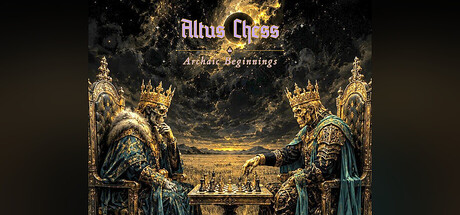 Altus Chess-Archaic Beginnings In-game content art | All visual artwork in Altus Chess: Archaic Beginnings — piece designs, board and background art, and promotional/store imagery — was created using generative AI image tools, directed by the developer through human-written prompts based on the game's own pieces and concepts, then reviewed and edited by hand. No content is generated live during gameplay. The game's opponent is a proprietary, hand-built algorithmic chess engine, not generative AI. | Anonymous | - | Jun 13, 2026 | |
 Wealth of Nations: Economic Strategy In-game content arttext | Wealth of Nations: Economic Strategy uses AI-assisted visual production for some store, capsule, and in-game artwork, including promotional key art and selected interface illustrations. These assets are curated, edited, and integrated by the developer to match the game’s political-economic strategy style.
During gameplay, the game can generate short newspaper-style articles, cabinet briefings, and political dilemmas based on the current simulation state, including economic indicators, policy choices, world conditions, and regional tensions. Gameplay text generation runs locally on the player’s machine. No gameplay data, prompts, or player data are sent to external AI providers. | WoN | - | Jun 12, 2026 | |
 Last Spell Book In-game content art | Generative AI was used to update all my existing art. | Rachop Studios | - | Jun 12, 2026 | |
 Dying Hope In-game content art | AI is occasionally used for game art and quality control. | 109 Below | - | Jun 12, 2026 | |
 Cyber Pinball In-game content text | During the development process, generative AI was utilized to assist in drafting and refining select in-game text, as well as to facilitate the multilingual localization of the store page copy. Furthermore, generative AI tools were employed to aid in concept design during the creation of the game's store page key art, various marketing materials, and community assets. | LUCA&ROCKET | - | Jun 12, 2026 | |
 Mage of Corruption In-game content artcode | Small portion of the game assets such as logos were created by AI. Also AI provided us with assistance during our coding sessions. | BD Interactive | - | Jun 12, 2026 | |
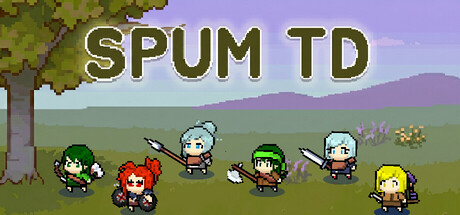 SPUM TD In-game content artaudiotextcode | We utilized generative AI tools to assist in creating certain visual assets, UI elements, and background music (BGM) during the development process.
Additionally, AI was used to optimize coding efficiency and assist with text localization to improve the quality of the English translation.
All AI-assisted contents and scripts have been thoroughly reviewed, verified, and refined manually by the developer to ensure quality. | SonRaim Studio | - | Jun 12, 2026 | |
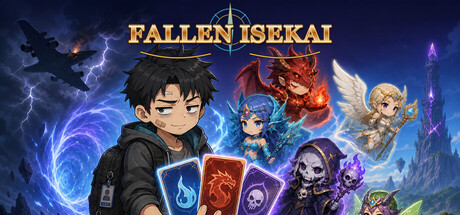 Fallen Isekai In-game content art | Generative AI was used as part of the art production process for selected store page visuals, story illustrations, and some card artwork. All AI-assisted assets were reviewed and refined before being included in the game. | Meet Future | - | Jun 12, 2026 | |
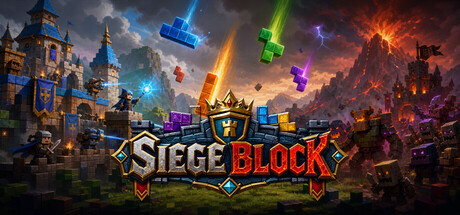 SiegeBlock In-game content arttext | Generative AI was used as a development assistant for pre-release asset iteration, writing support, localization drafts, ideation and productivity tasks. Some visual assets and draft text/assets may have been assisted or iterated with generative AI before being reviewed and integrated into the game. This content is static and does not generate new content at runtime. The game does not use live generative AI to create content during gameplay. No player prompts are sent to an AI service at runtime. AI-assisted material is reviewed manually before inclusion. It is adjusted to match the game's style, naming, tone and technical requirements, and content that would be inappropriate, infringing or inconsistent with the project is not intentionally included. | Manuel Medina Cea | - | Jun 12, 2026 | |
 Irondrive Unclear artaudio | I am a solo developer who worked with external freelancers for art and audio. Some assets provided by these contributors might have been created or assisted by generative AI tools, though their specific workflow was not monitored. | Alessandro Le Mura | - | Jun 12, 2026 | |
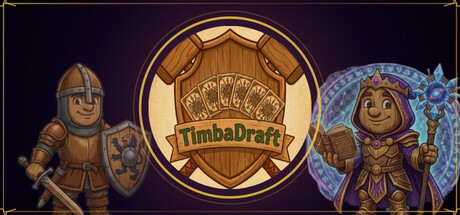 TimbaDraft Dev only code | IA was used mainly for coding
The game is a digital version of my board game created in 2013. | The Marionettist | - | Jun 12, 2026 | |
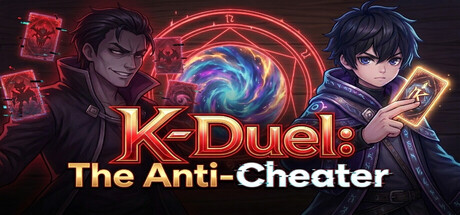 K-Duel: The Anti-Cheater In-game content art | As a solo developer handling the entire scope of code, systems architecture, and design, generative AI tools were utilized during development to handle the massive volume of graphic assets. This includes illustrative 2D artwork for specific field environments, background landscapes, UI map layouts, and card illustration frames. Leveraging these tools allowed me to focus my full energy on what matters most: creating deep tactical gameplay, tight mechanical balance, and a compelling narrative. Every asset generated was extensively curated, manually edited, and visually polished to align perfectly with the game's aesthetic, storytelling, and tactical user interface. No live generative AI is used while the game is running. | luan nguyen | - | Jun 12, 2026 | |
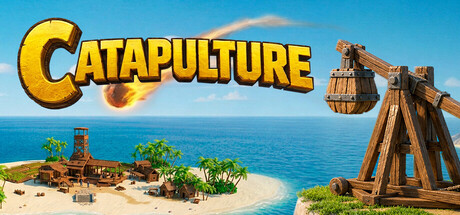 Catapulture Store/marketing art | Some image editing for the steam page assets | Purple Heads Games | - | Jun 11, 2026 | |
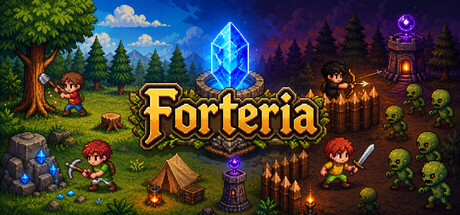 Forteria In-game content art | Generative AI were used to assist in the creation of assets, and artwork. All generated content was reviewed and modified by the developers before inclusion in the final game. | Sleepy Compiler | - | Jun 11, 2026 | |
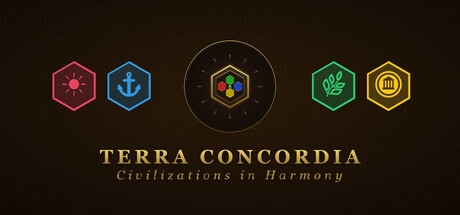 Terra Concordia - Civilizações em Harmonia In-game content arttextcode | Terra Concordia was created by the solo developer at NCB Company with extensive use of generative artificial intelligence tools throughout the development process.
Content created with AI assistance during development:
• The 142 game cards (buildings, technologies, wonders, events, objectives): names, descriptions, costs, effects, and art were conceived and adjusted with AI assistance, under review and final decision by the human developer.
• SVG vector art (cards, board, civilizations, store capsule arts, achievement icons, page banners): programmatically generated by scripts written with AI assistance.
• Game mechanics and rules: brainstorming, balancing, and iteration done with AI assistance, always validated manually across hundreds of internal playtests.
• The 6 solo-mode scenarios: themes, victory conditions, and difficulty designed with AI assistance, adjusted through playtesting.
• Website, store descriptions, manuals, and Civilopedia: drafted with AI assistance, reviewed by the developer.
• English and Spanish translations: pre-translated with AI, manually reviewed and polished.
• Solo-mode opponent (Automa) logic: the script was written with AI assistance, but it is a fixed deterministic algorithm with no machine learning components.
No content is generated by AI in real time during play. There are no images, texts, cards, or behaviors dynamically generated by AI while you play. The "Automa" (solo-mode AI opponent) is a script already embedded in the game code, executing pre-defined rules — without any alteration, generation, or learning during the match.
All AI-assisted content was reviewed, tested, and approved by the human developer before release. | NCB Games | - | Jun 11, 2026 | |
 Trickster In-game content art | Some card illustrations were created with the assistance of image-generation tools, then hand-selected, edited, and arranged by the developer. Game design, rules, code, UI, and writing are human-made | Maksym Sysenko | - | Jun 11, 2026 | |
 Turno Nocturno Dev only arttext | Artificial Intelligence was used as a supportive tool during the early stages of development, primarily for idea generation, documentation structuring, and general content review.
AI was also used to create certain placeholder images during the conceptual phase. These assets are temporary and will be replaced, as they are not intended to be part of the final version of the game.
All final game content, including design, gameplay systems, mechanics, artwork, and programming, has been manually created, implemented, and validated by the developer, along with licensed assets from the Unity Asset Store and contributions from freelancers (all properly credited). | UnderZero Studios | - | Jun 10, 2026 | |
 Pawns into the Dark In-game content art | Generative AI was used to assist in the creation of some art assets. All AI-assisted content was reviewed and edited by the developer before being included in the game. | FLYING CAT INC. | - | Jun 10, 2026 | |
 OnGrid() In-game content artaudio | Ai was used to create 3D models and music. | Paranormality UK | - | Jun 10, 2026 | |
 Crystal Wars Store/marketing art | Generative AI tools were utilized to assist in the creation of promotional materials. The game itself does not contain any live AI generation. | Vertex Noord | - | Jun 10, 2026 | |
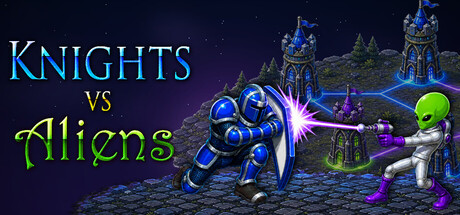 Knights vs Aliens In-game content art | AI was used for graphics not included in the original 2009 release, such as achievement icons and store page banners. | Prophetic Sky, Inc | - | Jun 10, 2026 | |
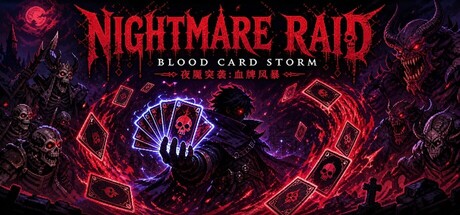 夜魇突袭:血牌风暴 Store/marketing art | 1.Some scenes
2.promotional renderings。 | Bloodforge Studio | - | Jun 10, 2026 | |
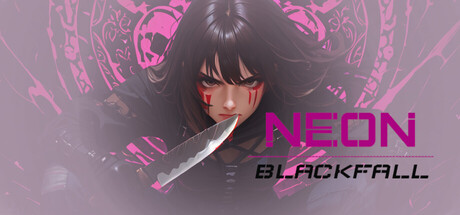 Neon Blackfall In-game content artaudiotext | Generative AI tools were used to assist in the creation of certain illustrations, backgrounds, music, and translations. All final content has been reviewed by the developer. | Alejandro Rodríguez Fernández | - | Jun 9, 2026 | |
 Imperium of the Stars In-game content audio | This game contains AI-generated music used in promotional materials, including trailers. No AI-generated content is used in gameplay. | Imperium of the Stars | - | Jun 9, 2026 | |
 augmenTD Dev only codeart | Generative AI tools were used during development for technical planning, system architecture, building custom systems, code cleanup, and similar engineering support.
Some current pre-release visual/model assets are AI-generated placeholders. These are intended to be replaced with final authored assets before release. | Brozilla_tv | - | Jun 9, 2026 | |
 A Simple Square In-game content audiotext | The game uses AI-generated content only for music and translation. | Antharuu | - | Jun 9, 2026 | |
 Dominus Orbis Maris 1400: Mare Nostrum In-game content arttext | Generative AI was used as an assistive tool during development to draft text and translations, and to create some 2D images and graphical assets. As there is currently no budget to hire a dedicated artist, certain visual elements are initially generated with AI and then manually modified and refined. No AI content is generated live at runtime. | Alderman Beneke | - | Jun 9, 2026 | |
 Tile Blast Royale In-game content audio | Some marketing materials may include AI-generated background music. Tile Blast Royale does not use generative AI to create content during gameplay. | Redping Games | - | Jun 9, 2026 | |
 Pawns Revenge Dev only code | AI tools were used strictly to assist with optimizing some C# scripts and brainstorming mechanics. All final 2D and 3D in-game assets, animations, and core gameplay features were manually created and implemented by the developer. | Deniz Kıran | - | Jun 9, 2026 | |
 Wool at the Gates In-game content text | Non-English localizations are AI-assisted and reviewed by our team for quality. Simplified Chinese was additionally reviewed by a native speaker. We welcome community feedback to help improve translations over time. | Okay Creature | 77 | Jun 8, 2026 | |
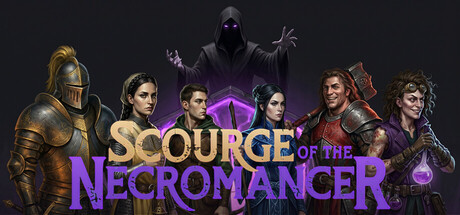 Scourge of the Necromancer In-game content artaudiotext | Scourge of the Necromancer makes significant use of generative AI in its production. We want to be fully upfront about it.
Visual assets (2D images + video) — all AI-generated, then human-curated and human-edited. Every shipped image and video in the game and on the Steam store page was produced with AI tools, then reviewed, edited, and selected by hand by the developer. This covers: Steam store capsules and library art, the store-page background, all in-game achievement icons, hero portraits, the Necromancer concept art, decorative UI elements, all real-time cinematics (the defeat sequence and all victory variants), and the marketing trailer's atmospheric segments. Image models used: Google Imagen 4, Google Veo 3.1 (video), Nano Banana Pro / Gemini 3 Pro Image (Google), Black Forest Labs FLUX.2, Recraft V4 Pro, Ideogram V3, and Bria RMBG-2.0 (background removal). Final assets received human editing — compositing, color correction, retouching, frame extraction, masking, and rejection of unusable outputs.
3D models — AI-generated base meshes, then human-edited in Blender. The in-game hero character models (Knight, Cleric, Ranger, Wizard, Warrior, Alchemist) started as outputs from Tripo AI's generative 3D model service (FBX + texture PNGs), but each model was then opened in Blender by the developer for hand editing — mesh cleanup, geometry adjustments, and texture fixes — before being exported for use in the game. Each finished model was imported into Unity with hand-tuned scale, rotation, material configuration, and import-setting curation. Unsatisfactory generations were discarded and re-prompted; the Blender editing step is substantial enough that the shipped models are not pure AI output.
Music — AI-generated, then human-curated and post-processed. All music tracks in the game (menu, gameplay layers, boss phases, victory, defeat) were produced with Google Gemini's music generation, then human-selected, trimmed, looped, and mixed by the developer.
Necromancer voice — AI-generated, then human-edited. The Necromancer's spoken syllables were synthesized with ElevenLabs Text-to-Speech (Eleven Multilingual v2 model), then pitch-shifted, EQ'd, and processed with reverb in Audacity by the developer to produce the final in-game delivery. No other character has spoken voice lines in the shipped game.
Sound effects — all AI-generated. Every SFX in the game (ability sounds, ambient layers, UI sounds, footsteps, kill/spawn cues, tile state cues, boss audio) was produced with ElevenLabs Sound Effects, then human-selected, trimmed, processed, and mixed by the developer. The Necromancer voice lines use ElevenLabs Text-to-Speech (covered separately above).
Runtime behavior. The game does NOT use live-generated AI content at runtime. Every shipped asset is a fixed, pre-rendered file. Player-facing text, dialogue, narrative, lore, and game design were written by the developer without AI generation.
Code. Code development used Claude (Anthropic) as an AI coding assistant. This is behind-the-scenes efficiency tooling not consumed by players, but we mention it here for full transparency. | Ember Logic LLC | - | Jun 8, 2026 | |
 Primal Tactica In-game content art | We believe that no person should be replaced by AI. All Primals — their models, animation, rigging, textures, SFX, and VFX — have been handcrafted by skilled artists.
Our developers may choose to use generative AI as part of an iterative, exploratory development process, but how and when is left to individual team members, and the final product always reflects the creativity and expression of our own development team.
As a small team, we have licensed some icons and 2D assets from external creators, and it is possible that some of these creators have used generative AI. | Errata Studio Ltd | - | Jun 8, 2026 | |
 Collector Store/marketing art | just for art | hubel | - | Jun 8, 2026 | |
 Noctiria In-game content textaudioart | Some translations, music tracks, and graphics were created using Artificial Intelligence. | Daniele Doesn't Matter | - | Jun 8, 2026 | |
 Endless Defense In-game content text | Used for multi-language support. | Yamu Studios | - | Jun 8, 2026 | |
 问鼎九州 In-game content artaudiocode | Some of the art assets, music materials, and code-assisted compilation in this game utilize generative artificial intelligence (AI) technology. All such content has been manually reviewed and optimized | Shanghai Zenith Realm Technologies Co., Ltd | - | Jun 7, 2026 | |
 AI Slop In-game content arttextcodeaudio | Warning: This game contains trace amounts of human effort—mostly restricted to pressing "Ctrl+C" and "Ctrl+V."
In the spirit of our title, "AI Slop" was created using generative artificial intelligence for practically every asset, line of code, and marketing material in existence.
Here is exactly how we let the machine do our jobs:
- Art & Assets: Every single visual asset, from the UI to the 6-fingered anime girls and the melting hands of our characters, was generated using text-to-image AI tools. No digital painters were harmed in the making of this game, because we didn't hire any.
- Narrative & Writing: The dialogue, item descriptions, and this very disclosure statement were generated by LLMs. We simply prompted a chatbot to "be funny and cynical" and copied the output without editing the typos.
- Code & Mechanics: The logic powering our card games and botnet automation was largely assembled by AI coding assistants. If the game crashes, please blame the algorithm, as our "lead developer" is actually just a prompt engineer.
- Music & Sound: The background tracks were generated by synthetic audio engines to ensure a continuous stream of procedurally generated slop-lofi beats.
We believe in a future where humans do not have to create things, freeing us up to spend more time looking at screens. We hope you enjoy consuming this premium, 100% synthetic digital garbage. | Recoil Mojo | - | Jun 7, 2026 | |
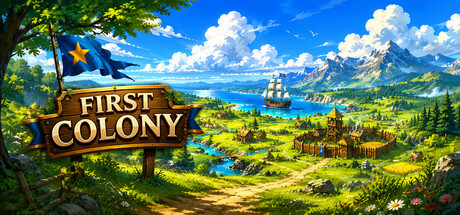 First Colony Dev only art | Full release of the game will have NO AI generated content. Currently, I am using AI generated UI images temporarily only during development phase. | Atesh Entertainment, Inc. | - | Jun 5, 2026 | |
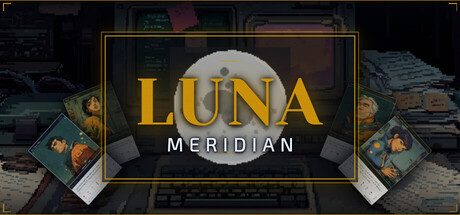 Luna Meridian In-game content arttext | Character portraits and some narrative text were created with AI tool assistance during development. Game design, story direction, building sprites, music, and sound effects are human-authored. All content is reviewed and approved by the developer. | Field Noise Co. | - | Jun 5, 2026 | |
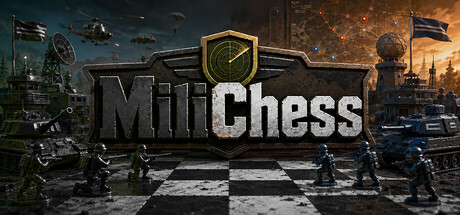 Milichess Dev only code | We use AI for code review and task scheduling. | Prairieville Games | - | Jun 5, 2026 | |
 Urban Protocol In-game content art | Generative AI has been used during development to create certain concept art, promotional materials, visual mockups, and marketing assets. These assets are used for early-stage presentation and community engagement.
Gameplay systems, game design, programming, and final in-game content are developed and curated by the development team. No live-generated AI content is currently generated for players during gameplay. | Thomas Kraits | - | Jun 5, 2026 | |
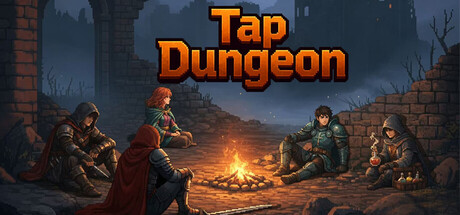 点击地牢 Tap Dungeon Store/marketing art | Some of the artwork in this piece was created using Stable Diffusion. | Xiao5 Studios | - | Jun 5, 2026 | |
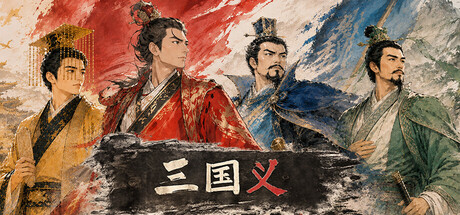 三国义 In-game content artaudio | 本游戏部分美术资产(包括武将立绘、音乐音效等)由 AI 工具辅助创作初稿,所有素材均经开发者人工筛选、修改与后期处理(PS 重绘、切图、上色调整等)。
游戏的玩法机制、剧情设计、文案撰写均由开发者独立完成,未使用AI 生成内容。 | XL Studio | 63 | Jun 5, 2026 |


