








Disclosure
AI was used for translation.
- Creator
- ATouchOfMagic
- Reviews
- -
- Added
- Jul 17, 2026
Public Steam disclosure research 25,497 disclosures tracked
Search developers’ Steam disclosures, compare classified AI use across games, and follow recorded changes. This index adds cross-game classifications and statistics to statements published on individual store pages.
Code help, debugging and other development work.
Capsule art, trailers and promotional material.
Pre-made art, audio, writing and other game assets.
Interactive or runtime AI features disclosed by the developer.
Groups reflect automatic analysis of public disclosures; mature records are excluded. These counts do not measure AI use across all of Steam. Missing or unclear statements cannot establish whether a game uses AI.
AI was used for translation.
AI was used to voice the characters.
During the development of this game, generative AI tools were used to assist the developer in several areas: - Music & Audio: The game's soundtrack and musical scores were entirely generated using AI audio tools. - Visual Assets: AI tools were used to assist in the texturing process for a selection of 3D models. - Localization & Text: AI assisted in the translation and localization of the game's text, as well as refining marketing materials and store descriptions. - Coding: AI coding agents were utilized to assist with programming, code optimization, and debugging. All AI-assisted assets and code have been carefully reviewed, curated, and integrated by the developer to ensure a cohesive and high-quality player experience.
AI was used to assist with grammar corrections for in-game text, which were then carefully reviewed and refined by hand. We use AI solely as a supporting tool. Every aspect of the game is guided by human creativity, and our development process remains firmly centered on manual work.
We used AI to generate additional chat message ideas based on the initial list we made ourselves. Relevant message ideas were added to the game, some messages were altered to fit, and rest were left on the cutting room floor.
Generative AI tools were used during the production of the game as creative and technical support. This applies only to content prepared in advance during development. AI was used in several areas, including: Artwork and promotional materials — generating base images, character concepts, interface concepts, reference images, and materials later used as a foundation for manual editing or further production. 3D models — some models are created with the help of AI tools and an image-to-3D workflow, then selected, adjusted, and integrated into the game. Voice acting — character voices are created using AI-based voice synthesis. Code and production tools — AI assistants support coding, code analysis, refactoring, and optimization. Design consultation — AI tools are used as support for analyzing ideas, designing interfaces, refining descriptions, and planning game systems. The main concept of the game, story structure, quest dependencies, world direction, and dialogue content are created and supervised by the game’s author. Content created with the help of AI is selected, edited, and implemented manually. The game does not contain AI-generated content created in real time during gameplay.
Advanced voice generating AI was used to help save time with development.
We have used Generative AI for coding assisted task and development of some of the features. Assets are all untouched by AI.
To Raise a King was made by one person working with AI collaborators. AI tools were used in the following ways during development, and every AI output shipped in the game was reviewed, curated, edited, and approved by the developer before inclusion. Source code. Written in collaboration with Anthropic's Claude, with the developer directing architecture, reviewing every change, and testing behavior. Character and scene illustrations. Generated locally with the FLUX.2 image model running in ComfyUI. Prompts, reference images, layered compositions, and final selections were all authored and curated by the developer. Voice acting. Voices were produced with ElevenLabs. The developer cast each role, wrote each line, directed the delivery through iteration, and hand-picked the takes shipped in the game. Music and sound. Music and select sound effects were produced with ElevenLabs' music generation. Tracks were selected, edited, and placed by the developer. Writing and design. Story beats, dialogue, and system design were developed collaboratively with Claude, with the developer as the final author. The developer confirms they hold or have licensed the rights to use these tools' outputs commercially, and has taken reasonable steps to ensure no infringing or unlawful content was produced.
Some temporary horror sound effects and vocal effects in this game were created using generative AI tools during development. These assets have been reviewed and integrated by the developer. As development continues and resources become available, these temporary AI-generated audio assets may be replaced with recordings created by professional voice actors and sound engineers to further enhance the game's atmosphere and realism.
Some visual assets and references in the game were created or assisted with generative AI tools, then manually reviewed, edited, and implemented by the developer. The game does not use generative AI during gameplay and does not generate dynamic AI content for players.
This game utilizes generative artificial intelligence tools to assist in the creation of pre-rendered character portraits and musical materials.
Some in-game visual assets (character portraits, icons, and interface art) were created with generative AI tools under commercial licenses, with direction and curation by the developer. Background music is licensed separately (Kevin MacLeod, CC BY 4.0). The game does not generate new art or text during gameplay.
Some of the sounds (such as BGM arrangements and sound effects) were created in advance using AI and are included in the game.
THE UNSHARED uses pre-rendered AI-generated assets: the CURATOR's voice (Kokoro-82M TTS) and two UI images (logo and menu background). No AI content is generated during gameplay.
Some graffiti textures were created using AI, entirely based on our own original game/licensed assets. No copyrighted or third-party materials were used in the process. All AI-generated textures have been manually reviewed, repainted, and edited.
Space Planet Explorer uses generative AI to create assets that ship with the game, including planet surface textures, cinematic sequences, voice narration, and music. All of this content was generated during development — no AI content is generated live during gameplay. Planet visuals are AI-generated interpretations based on real scientific data, not actual NASA photography.
This game utilizes generative AI technologies during development. Specifically, AI tools (such as ElevenLabs) were used to create some character voiceovers and radio dialogues. AI assistance was also employed in generating certain game assets and conceptual sketches. All AI-generated content has been manually post-processed and optimized to maintain the game's psychological horror atmosphere.
Generative AI was used to: - Create some of 3D models - Create some of textures - Create some of 2D background arts Also, some parts of the programming code was written with AI help.
AI helps me generate background pictures, Steam store images and complete language translation tasks.
This game includes some AI generated content using Adobe Firefly. Some of the dialog backgrounds are AI generated textures. The Story video and the Level Loading videos are AI generated. This disclosure is provided so players can make an informed purchasing decision based on their own preferences. AI was not used to create any gameplay code, Blueprints, game systems, level design, environments, or game mechanics.
AI tools were used to assist in creating store page artwork and promotional materials.
AI has been used in some store materials, such as audio content. However, the majority of the game’s content is not AI-generated, particularly the main characters, maps, and weapons.
Generative AI tools were used during development and marketing to assist with ideation, drafting, rewriting, and visual exploration for IN & OUT. All final content included in the game, store page, screenshots, capsules, trailers, and marketing materials is reviewed, selected, edited, and approved by the development team before publication. The game does not use live-generated AI content at runtime. No player input is sent to an AI service, and no gameplay, puzzle, narrative, visual, audio, or localization content is generated dynamically by AI while the game is running.
Some of the paintings featured in the game were partially generated using generative AI.
Generative AI was used to assist in the creation of the game’s promotional videos and most of its art assets. All puzzles in the game were manually designed and created by the development team.
Some store page artwork, promotional artwork, and marketing assets for False Normality were created or assisted using generative AI tools. The game's design, writing direction, rule system, gameplay logic, editing, and final asset selection were created and curated by the developer. False Normality does not use live-generated AI during gameplay.
This game was created with the assistance of generative AI tools for visual assets, music, and coding. All generated material was extensively edited, arranged, curated, and directed by the developer. The gameplay design, UI layout, visual style, and overall creative vision are the result of significant human authorship.
Part of the artwork on our store page was optimized using generative AI.
In this game, AI was used to generate code and music. It served as an auxiliary tool for composing backgrounds.
Some non-gameplay assets in this game (backgrounds, environment and concept art) were created using AI-assisted workflows, specifically: Runecraft AI (in-house workflow), Higgsfield and Pixellabs (select assets). The game's music is produced through studio recordings with live-played instruments; Suno is used supplementarily for optimizations and atmospheric additions. The majority of all game content (characters, sprites and core assets) is hand-crafted; AI is a supplementary tool in the production process. The shipped game does not generate any content at runtime via AI.
Some skill icons were made or altered with AI.
Some of the artwork/Images were Ai Enhanced to make the images clearer. The localization(languages) was done by Ai.
This game uses AI-assisted tools to create character voices. All dialogue was written, directed, edited, and implemented by the developer to fit the characters and story.
Generative AI was used only to assist with localization/translation partially. All localized text was reviewed and edited before release. No AI-generated content was used otherwise.
Generative AI was used to assist with some in-game text and voice narration. All content was reviewed and integrated by the developer.
Some of the game's 3D models (characters, monsters, and items) were created using the generative AI tool. Some in-game text translations were produced with AI assistance. All of this content was pre-generated during development, and we hold the appropriate rights to use it in the game.
Generative AI was used to assist in creating certain environmental textures, decorative artwork, and promotional materials. All gameplay systems, programming, level design, puzzles, story, and core game content were created by the developer and manually integrated into the game
Some store page text, marketing copy, and promotional planning materials for Black File were created with assistance from generative AI tools and reviewed, edited, and approved by the development team before publication. The game does not use generative AI to create content during gameplay.
Generative AI was used as an assistive tool for some parts of the following game development tasks: (Background images, item images, coloring of character artwork, sound, code review, optimization, and localization text.)
AI tools may be utilized to increase development efficiency for various game content. Such content has been vetted for accuracy and consistency with the game's theme and ideas.
Certain in-game images were generated using generative AI. Some sound effects were created using generative AI.
This game uses pre-generated AI-assisted artwork for some visual assets, including store artwork, library assets, logos, and selected 2D fantasy background images. These assets were created or edited during development, reviewed by the developer, and included as fixed images in the game or marketing materials. The game does not use live generative AI while the player is playing. No AI system generates new dialogue, quests, characters, images, audio, or gameplay content during gameplay.
AI-generated art objects
Generative AI tools were used during development to assist in the creation of some pre-generated visual assets, character voices, translations, and promotional materials. All AI-assisted content was reviewed, edited, and curated by the developer. The game does not generate AI content in real time during gameplay.
The in-game music and soundtrack are created using Suno (generative AI). All visual art is produced procedurally through code. Development used an AI coding assistant (Claude), which is a development-efficiency tool; it does not generate any content live at runtime. No generative AI runs during gameplay.
The pre-rendered cinematics and/or voiceovers may include AI-generated or AI-enhanced content.
A small number of in-game icons were generated using AI tools. All generated assets were reviewed and integrated by the developer.
Some art assets were created with the help of generative AI.
This game is developed by a solo developer. To ship a project of this scope in a reasonable timeframe, some assets are created with the help of generative AI tools. This includes parts of the user interface, certain icons, and the game logo. All core gameplay, code, systems, and world generation are built by hand. AI is used only as a support tool for visual assets, and all generated content is reviewed and edited before use.
| Title⇅ | Disclosure | Creator⇅ | Src | Reviews⇅ | Added↓ |
|---|---|---|---|---|---|
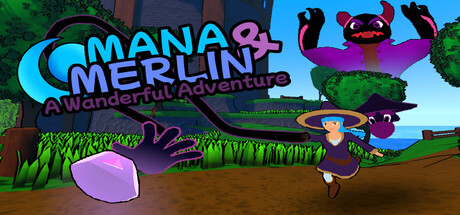 Mana & Merlin: A Wanderful Adventure In-game content text | AI was used for translation. | ATouchOfMagic | - | Jul 17, 2026 | |
 Guilty or Not In-game content audio | AI was used to voice the characters. | Maksym Melnyk | - | Jul 16, 2026 | |
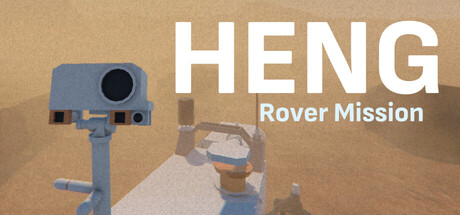 Heng Rover Mission In-game content audioarttextcode | During the development of this game, generative AI tools were used to assist the developer in several areas:
- Music & Audio: The game's soundtrack and musical scores were entirely generated using AI audio tools.
- Visual Assets: AI tools were used to assist in the texturing process for a selection of 3D models.
- Localization & Text: AI assisted in the translation and localization of the game's text, as well as refining marketing materials and store descriptions.
- Coding: AI coding agents were utilized to assist with programming, code optimization, and debugging.
All AI-assisted assets and code have been carefully reviewed, curated, and integrated by the developer to ensure a cohesive and high-quality player experience. | Roeun Technology | - | Jul 16, 2026 | |
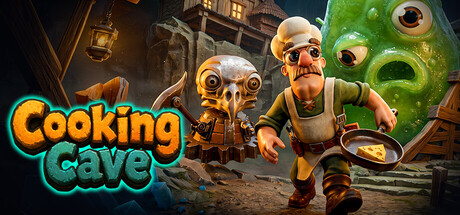 Cooking Cave In-game content text | AI was used to assist with grammar corrections for in-game text, which were then carefully reviewed and refined by hand.
We use AI solely as a supporting tool. Every aspect of the game is guided by human creativity, and our development process remains firmly centered on manual work. | RawDex | - | Jul 16, 2026 | |
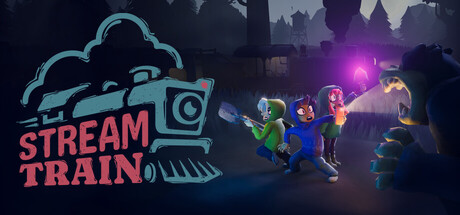 Stream Train In-game content text | We used AI to generate additional chat message ideas based on the initial list we made ourselves. Relevant message ideas were added to the game, some messages were altered to fit, and rest were left on the cutting room floor. | Half Past Yellow | - | Jul 16, 2026 | |
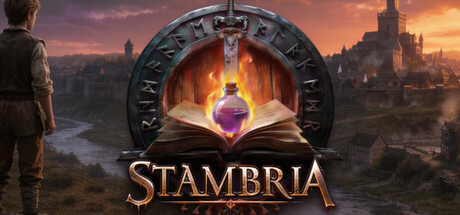 Stambria In-game content artaudiotextcode | Generative AI tools were used during the production of the game as creative and technical support. This applies only to content prepared in advance during development.
AI was used in several areas, including:
Artwork and promotional materials — generating base images, character concepts, interface concepts, reference images, and materials later used as a foundation for manual editing or further production.
3D models — some models are created with the help of AI tools and an image-to-3D workflow, then selected, adjusted, and integrated into the game.
Voice acting — character voices are created using AI-based voice synthesis.
Code and production tools — AI assistants support coding, code analysis, refactoring, and optimization.
Design consultation — AI tools are used as support for analyzing ideas, designing interfaces, refining descriptions, and planning game systems.
The main concept of the game, story structure, quest dependencies, world direction, and dialogue content are created and supervised by the game’s author. Content created with the help of AI is selected, edited, and implemented manually.
The game does not contain AI-generated content created in real time during gameplay. | SEPTEM Daniel Kuczewski | - | Jul 16, 2026 | |
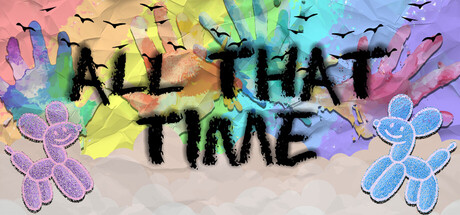 All That Time In-game content audio | Advanced voice generating AI was used to help save time with development. | Ouzzie | 23 | Jul 16, 2026 | |
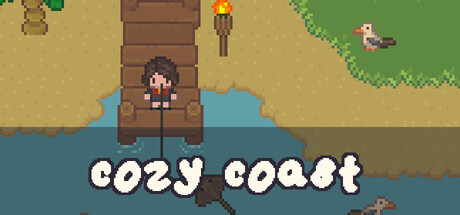 Cozy Coast Dev only code | We have used Generative AI for coding assisted task and development of some of the features. Assets are all untouched by AI. | Médéric Burlet | - | Jul 15, 2026 | |
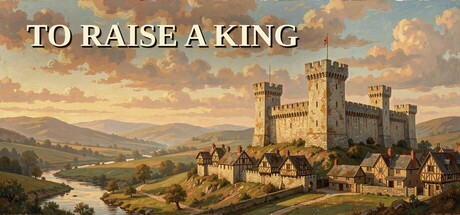 To Raise a King In-game content artaudiotextcode | To Raise a King was made by one person working with AI collaborators. AI tools were used in the following ways during development, and every AI output shipped in the game was reviewed, curated, edited, and approved by the developer before inclusion.
Source code. Written in collaboration with Anthropic's Claude, with the developer directing architecture, reviewing every change, and testing behavior.
Character and scene illustrations. Generated locally with the FLUX.2 image model running in ComfyUI. Prompts, reference images, layered compositions, and final selections were all authored and curated by the developer.
Voice acting. Voices were produced with ElevenLabs. The developer cast each role, wrote each line, directed the delivery through iteration, and hand-picked the takes shipped in the game.
Music and sound. Music and select sound effects were produced with ElevenLabs' music generation. Tracks were selected, edited, and placed by the developer.
Writing and design. Story beats, dialogue, and system design were developed collaboratively with Claude, with the developer as the final author.
The developer confirms they hold or have licensed the rights to use these tools' outputs commercially, and has taken reasonable steps to ensure no infringing or unlawful content was produced. | Stagnant Technologies LLC | - | Jul 15, 2026 | |
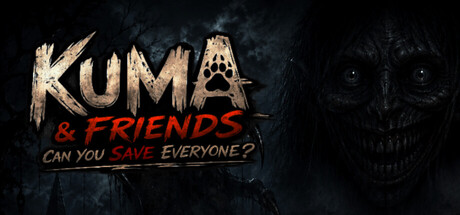 Kuma & Friends: Can You Save Everyone? In-game content audio | Some temporary horror sound effects and vocal effects in this game were created using generative AI tools during development. These assets have been reviewed and integrated by the developer. As development continues and resources become available, these temporary AI-generated audio assets may be replaced with recordings created by professional voice actors and sound engineers to further enhance the game's atmosphere and realism. | Trashy Games | - | Jul 15, 2026 | |
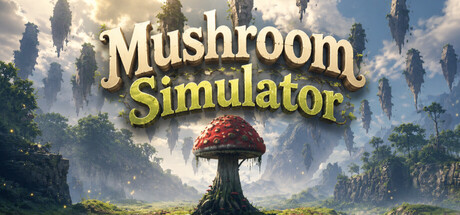 Mushroom Simulator In-game content art | Some visual assets and references in the game were created or assisted with generative AI tools, then manually reviewed, edited, and implemented by the developer. The game does not use generative AI during gameplay and does not generate dynamic AI content for players. | karina refael | - | Jul 15, 2026 | |
 Business Wars In-game content artaudio | This game utilizes generative artificial intelligence tools to assist in the creation of pre-rendered character portraits and musical materials. | Tianshu Tech | - | Jul 15, 2026 | |
 Primal Axis In-game content art | Some in-game visual assets (character portraits, icons, and interface art) were created with generative AI tools under commercial licenses, with direction and curation by the developer. Background music is licensed separately (Kevin MacLeod, CC BY 4.0). The game does not generate new art or text during gameplay. | Ásgeir Jónasson | - | Jul 15, 2026 | |
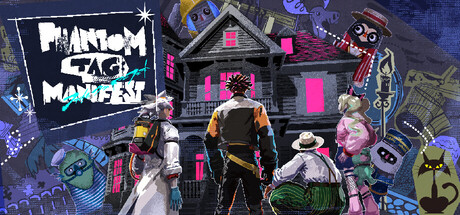 PHANTOM TAG: MANIFEST In-game content audio | Some of the sounds (such as BGM arrangements and sound effects) were created in advance using AI and are included in the game. | Claytechworks | - | Jul 15, 2026 | |
 The Unshared In-game content audioart | THE UNSHARED uses pre-rendered AI-generated assets: the CURATOR's voice (Kokoro-82M TTS) and two UI images (logo and menu background). No AI content is generated during gameplay. | SQUIDA | - | Jul 15, 2026 | |
 密林 In-game content art | Some graffiti textures were created using AI, entirely based on our own original game/licensed assets. No copyrighted or third-party materials were used in the process. All AI-generated textures have been manually reviewed, repainted, and edited. | 水族馆馆长 | - | Jul 15, 2026 | |
 Space Planet Explorer In-game content artaudiotext | Space Planet Explorer uses generative AI to create assets that ship with the game, including planet surface textures, cinematic sequences, voice narration, and music. All of this content was generated during development — no AI content is generated live during gameplay. Planet visuals are AI-generated interpretations based on real scientific data, not actual NASA photography. | ioStudios | - | Jul 15, 2026 | |
 Unsent In-game content audioart | This game utilizes generative AI technologies during development. Specifically, AI tools (such as ElevenLabs) were used to create some character voiceovers and radio dialogues. AI assistance was also employed in generating certain game assets and conceptual sketches. All AI-generated content has been manually post-processed and optimized to maintain the game's psychological horror atmosphere. | SilverMouzStudio | - | Jul 15, 2026 | |
 Shadow over Bishkek In-game content artcode | Generative AI was used to:
- Create some of 3D models
- Create some of textures
- Create some of 2D background arts
Also, some parts of the programming code was written with AI help. | Fish Run Games | - | Jul 15, 2026 | |
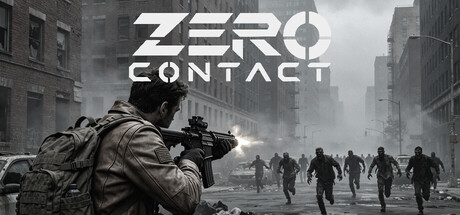 zero contact In-game content arttext | AI helps me generate background pictures, Steam store images and complete language translation tasks. | JasonCraft | - | Jul 15, 2026 | |
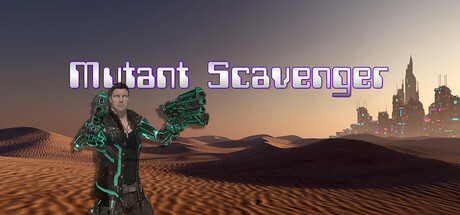 Mutant Scavenger In-game content arttext | This game includes some AI generated content using Adobe Firefly.
Some of the dialog backgrounds are AI generated textures.
The Story video and the Level Loading videos are AI generated.
This disclosure is provided so players can make an informed purchasing decision based on their own preferences.
AI was not used to create any gameplay code, Blueprints, game systems, level design, environments, or game mechanics. | Demenzun Media | - | Jul 15, 2026 | |
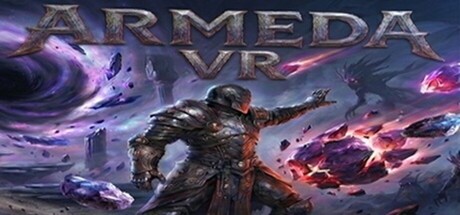 Armeda Store/marketing art | AI tools were used to assist in creating store page artwork and promotional materials. | Robert Craig Barnhart | - | Jul 15, 2026 | |
 DIG Raiders: Anomaly Extraction In-game content audio | AI has been used in some store materials, such as audio content. However, the majority of the game’s content is not AI-generated, particularly the main characters, maps, and weapons. | Soda Game Studio | - | Jul 14, 2026 | |
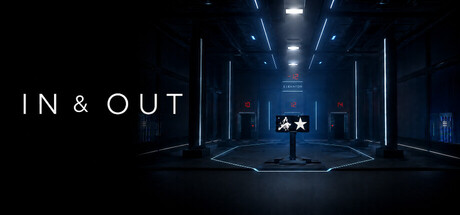 In & Out In-game content arttext | Generative AI tools were used during development and marketing to assist with ideation, drafting, rewriting, and visual exploration for IN & OUT.
All final content included in the game, store page, screenshots, capsules, trailers, and marketing materials is reviewed, selected, edited, and approved by the development team before publication.
The game does not use live-generated AI content at runtime. No player input is sent to an AI service, and no gameplay, puzzle, narrative, visual, audio, or localization content is generated dynamically by AI while the game is running. | KASTEN | - | Jul 14, 2026 | |
 The Unworty In-game content art | Some of the paintings featured in the game were partially generated using generative AI. | Meetkow | - | Jul 13, 2026 | |
 Star Curve Store/marketing art | Generative AI was used to assist in the creation of the game’s promotional videos and most of its art assets. All puzzles in the game were manually designed and created by the development team. | InnoStudio | - | Jul 13, 2026 | |
 False Normality In-game content art | Some store page artwork, promotional artwork, and marketing assets for False Normality were created or assisted using generative AI tools. The game's design, writing direction, rule system, gameplay logic, editing, and final asset selection were created and curated by the developer. False Normality does not use live-generated AI during gameplay. | Kaan Bartu Bozkurt | - | Jul 11, 2026 | |
 The Curse of Dracula In-game content artaudiocode | This game was created with the assistance of generative AI tools for visual assets, music, and coding. All generated material was extensively edited, arranged, curated, and directed by the developer. The gameplay design, UI layout, visual style, and overall creative vision are the result of significant human authorship. | Peter Kelly | - | Jul 11, 2026 | |
 南派盗墓传奇 Store/marketing art | Part of the artwork on our store page was optimized using generative AI. | 南派盗墓传奇 | - | Jul 11, 2026 | |
 Пятизвёздочный курьер и туман, воняющий мертвечиной In-game content codeaudio | In this game, AI was used to generate code and music. It served as an auxiliary tool for composing backgrounds. | ZarUmbra | - | Jul 11, 2026 | |
 NOSTRA In-game content artaudio | Some non-gameplay assets in this game (backgrounds, environment and concept art) were created using AI-assisted workflows, specifically: Runecraft AI (in-house workflow), Higgsfield and Pixellabs (select assets). The game's music is produced through studio recordings with live-played instruments; Suno is used supplementarily for optimizations and atmospheric additions. The majority of all game content (characters, sprites and core assets) is hand-crafted; AI is a supplementary tool in the production process. The shipped game does not generate any content at runtime via AI. | Runecraft Studios | - | Jul 11, 2026 | |
 Gate: Beyond In-game content art | Some skill icons were made or altered with AI. | Guild's Gate Studio | - | Jul 11, 2026 | |
 Forsaken Shores In-game content arttext | Some of the artwork/Images were Ai Enhanced to make the images clearer. The localization(languages) was done by Ai. | Kuldan Studio | - | Jul 11, 2026 | |
 Vaulted Valor In-game content audio | This game uses AI-assisted tools to create character voices. All dialogue was written, directed, edited, and implemented by the developer to fit the characters and story. | deeplabs | - | Jul 10, 2026 | |
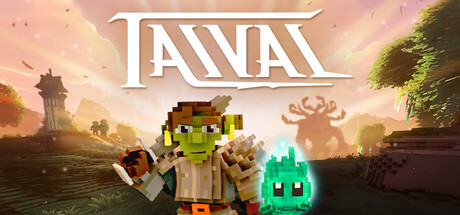 Taival In-game content text | Generative AI was used only to assist with localization/translation partially. All localized text was reviewed and edited before release. No AI-generated content was used otherwise. | Bonobo Software | 143 | Jul 10, 2026 | |
 Cube Crawler In-game content textaudio | Generative AI was used to assist with some in-game text and voice narration. All content was reviewed and integrated by the developer. | FreeTimeDevelopment | - | Jul 10, 2026 | |
 O Labirinto In-game content arttext | Some of the game's 3D models (characters, monsters, and items) were created using the generative AI tool. Some in-game text translations were produced with AI assistance. All of this content was pre-generated during development, and we hold the appropriate rights to use it in the game. | Matheuzera Games | - | Jul 9, 2026 | |
 DUAT In-game content art | Generative AI was used to assist in creating certain environmental textures, decorative artwork, and promotional materials. All gameplay systems, programming, level design, puzzles, story, and core game content were created by the developer and manually integrated into the game | Night2Night Studios | - | Jul 9, 2026 | |
 Black File Store/marketing text | Some store page text, marketing copy, and promotional planning materials for Black File were created with assistance from generative AI tools and reviewed, edited, and approved by the development team before publication. The game does not use generative AI to create content during gameplay. | Simurg Software and Games | - | Jul 9, 2026 | |
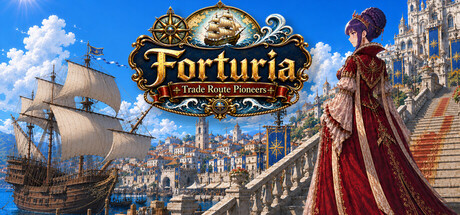 フォーチュリア:交易路の開拓者 In-game content artaudiocodetext | Generative AI was used as an assistive tool for some parts of the following game development tasks:
(Background images, item images, coloring of character artwork, sound, code review, optimization, and localization text.) | FUJIYAMA ENTERTAINMENT | - | Jul 9, 2026 | |
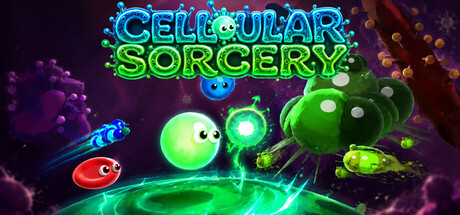 Cellular Sorcery Unclear | AI tools may be utilized to increase development efficiency for various game content. Such content has been vetted for accuracy and consistency with the game's theme and ideas. | SnKSolo | - | Jul 9, 2026 | |
 Have Fun Exploring In-game content artaudio | Certain in-game images were generated using generative AI. Some sound effects were created using generative AI. | Brettitude Studio | - | Jul 9, 2026 | |
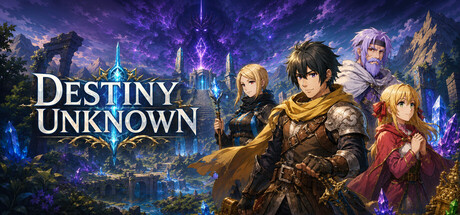 Destiny Unknown In-game content art | This game uses pre-generated AI-assisted artwork for some visual assets, including store artwork, library assets, logos, and selected 2D fantasy background images. These assets were created or edited during development, reviewed by the developer, and included as fixed images in the game or marketing materials.
The game does not use live generative AI while the player is playing. No AI system generates new dialogue, quests, characters, images, audio, or gameplay content during gameplay. | Douglas Bowen | - | Jul 9, 2026 | |
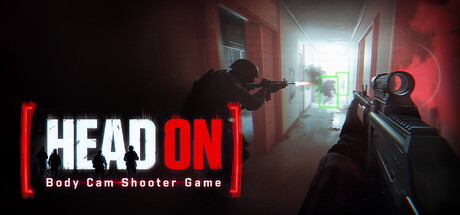 HeadOn - Body Cam Shooter Game In-game content art | AI-generated art objects | INSTAMARKETING & GAME | - | Jul 9, 2026 | |
 Echo Resonance In-game content artaudiotext | Generative AI tools were used during development to assist in the creation of some pre-generated visual assets, character voices, translations, and promotional materials. All AI-assisted content was reviewed, edited, and curated by the developer. The game does not generate AI content in real time during gameplay. | AZOR7 | - | Jul 8, 2026 | |
 SIGABRT In-game content audioart | The in-game music and soundtrack are created using Suno (generative AI). All visual art is produced procedurally through code. Development used an AI coding assistant (Claude), which is a development-efficiency tool; it does not generate any content live at runtime. No generative AI runs during gameplay. | Verewild | - | Jul 8, 2026 | |
 Forest Escape: Last Train Store/marketing artaudio | The pre-rendered cinematics and/or voiceovers may include AI-generated or AI-enhanced content. | Frag Lab, LLC | - | Jul 8, 2026 | |
 The Beak Doctor In-game content art | A small number of in-game icons were generated using AI tools. All generated assets were reviewed and integrated by the developer. | Immersion Interactive | - | Jul 8, 2026 | |
 Sunward In-game content art | Some art assets were created with the help of generative AI. | Voidworks Games | - | Jul 8, 2026 | |
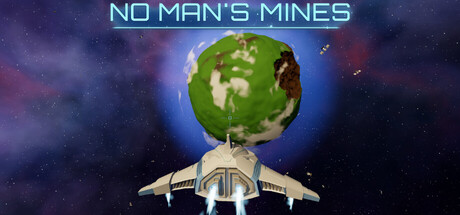 No Man's Mines In-game content art | This game is developed by a solo developer. To ship a project of this scope in a reasonable timeframe, some assets are created with the help of generative AI tools. This includes parts of the user interface, certain icons, and the game logo. All core gameplay, code, systems, and world generation are built by hand. AI is used only as a support tool for visual assets, and all generated content is reviewed and edited before use. | Auscan Games | - | Jul 8, 2026 |


