Public Steam disclosure research25,497 disclosures tracked
Where do games disclose AI use?
Search developers’ Steam disclosures, compare classified AI use across
games, and follow recorded changes.
This index adds cross-game classifications and statistics to
statements published on individual store pages.
Groups reflect automatic analysis of public disclosures; mature records are excluded. These counts do not measure AI use across all of Steam.
Missing or unclear statements cannot establish whether a game uses AI.
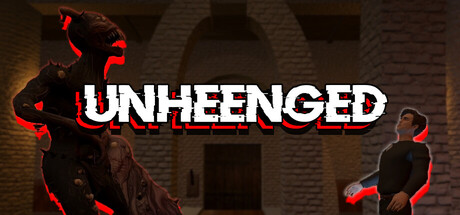
This game utilizes generative artificial intelligence tools in its development to assist our small team. Specifically, AI was used to help localize our Steam store listing text into multiple languages to reach a broader audience. Additionally, AI tools were used to help refine and format certain store promotional images and icons, which are strictly based on and adapted from our original, human-created hand-drawn concept art. No live-generated AI content is used during active gameplay.
Generative AI tools were used during the creation of certain marketing and promotional materials for the game, including concept artwork, logos, store page assets, and text drafts. All AI-generated content was reviewed, edited, and integrated by the developer before publication.
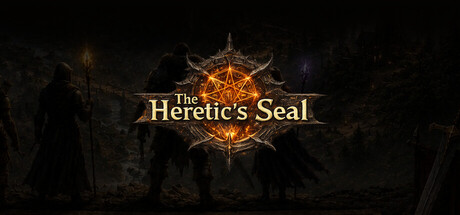
The Heretic's Seal uses generative AI for some pre-rendered art assets, including character portraits, enemy and NPC illustrations, world map and biome backgrounds, and select promotional video clips. As a one-person studio, AI tooling lets a single developer ship dungeon-crawler-scale art volume.
All gameplay systems, game design, narrative writing, code, level design, and runtime visuals are created by the developer. No AI runs during gameplay — every system, decision, and reaction in-game is hand-crafted code.
Some pre-rendered movie scenes, character artwork, and background music in this game were created as original assets with the assistance of generative AI tools, then reviewed and edited by the developer. The game does not use live generative AI to create content during gameplay.
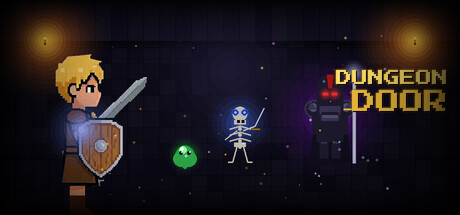
Dungeon Door utilizes generative AI to enhance creative expression and development efficiency as follows:
Artwork and Visual Assets: Generative AI was used in the conceptualization of character designs and the creation of marketing assets for the Steam store page. Every asset has been carefully reviewed and manually refined to ensure it adheres to the intended classic pixel art aesthetic.
Text and Narrative: AI tools assisted in drafting store descriptions, synopses, and localizing in-game text to provide a consistent experience across different languages.
Some of the character art and backgrounds are based on images created with AI.
These are used only as a basis to start from and
are then heavily edited manually by our art team
to make them fit the visual style of the game —
the final product reflects the creativity and
expression of our own development team.
Generative AI is used only for some in-game icons.
Those icons are manually edited and finalized by our development team.
Generative AI was not used for any other game assets.
AI is not used during gameplay.
Some of the textures of the game is created using AI. Some of the images are taking personal own stills and rendered into 2D pixel images using AI tools.
AI tools were used to generate store/marketing illustrations (capsule, hero, banners, trailer). All in-game graphics are procedurally generated in real time and do not use AI
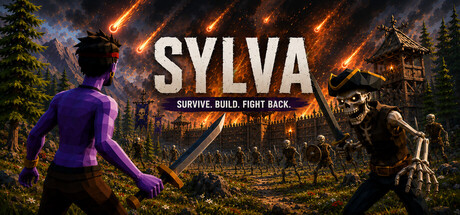
SYLVA contains pre-generated AI-assisted content. Generative AI tools were used during development to create and refine certain store page artwork, capsule images, library assets, loading screen artwork, logos, promotional materials, visual concepts, text drafts, localization assistance, and software development workflows.
All AI-assisted content was reviewed, modified, and approved by the developer before being included in the game or published on the Steam store page. The final game design, gameplay systems, progression, balancing, world design, and creative direction are determined by the developer.
SYLVA does not generate real-time AI content during gameplay.
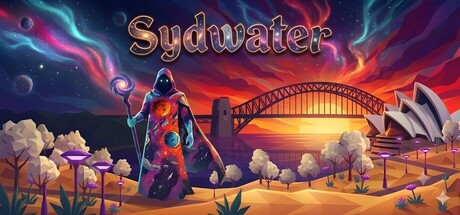
Sydwater is solo developed, AI was used to help with the workflow of the game and was used to generate SOME: Artworks, Voice Lines, 3d Models.
Gemini Google Assistant was also used as a Coding Assistant with SOME code.
Some 2D art (icons and illustrations) was created with the help of generative AI tools and refined by the developer. No AI content is generated during gameplay.
Some assets *may* be AI. These assets were secured from a third party and I cannot confirm this, but if that's the kind of thing that bothers you, you may want to steer clear.
Some Steam store page promotional images were created or edited with the assistance of generative AI tools. These assets are used only for store page or marketing presentation.
The playable game itself does not include generative AI features, does not connect to any AI service, and does not generate images, audio, text, or other content at runtime. No AI-generated images, audio, or text are included in the playable game build.
Some of the images and sounds in this game were created using generative AI.
This allows us to reduce development costs and deliver more content faster, providing players with a richer and more engaging experience.
Dear player,
Original renders where done in Blender by me. Then I used (AI) to enhance the rendered images out of Blender. Only for Marketing.
Game design and QA was done by team member. Code was done in Godot by a team member, 3d models were done in Block bench and Blender by a team member.
Doing what I can with what I got. Since I got lay off from the game industry 2 1/2 years ago, no career, no income. I hope that a little of AI marketing does not push you away from the team's hard work.
Archie
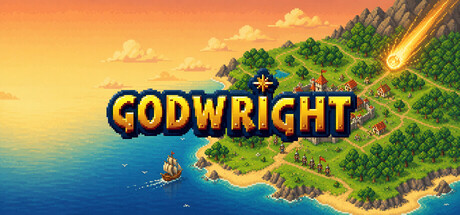
Godwright ships some generative-AI content, all pre-rendered (baked into the build, never live-generated):
Localization: the non-English UI text (Simplified Chinese, Spanish, Portuguese-BR, Russian, German, French, Japanese, Korean, Turkish, Indonesian) was machine-translated.
Ultimate Jam uses generative AI for all coding and select pre-made assets (announcer voice and/or music), created from robot-human-written scripts and prompts, then edited by the team. Gameplay, controls, and AI opponents use traditional code — not generative AI. Nothing is generated live while you play.
Generative AI technology is used in a supplementary capacity during the localization of select languages. Any such languages are indicated in the in-game language selection menu.
During the development process, AI tools were used to assist in the design of some visual assets (such as UI elements and environmental textures) and in optimizing the coding structure. All AI-assisted content was reviewed and refined before being integrated into the final build
This game uses pre-generated content created with the assistance of generative AI tools during development. This may include character concepts, 3D model source assets, capsule artwork, store page artwork, and other marketing visuals. All AI-assisted content is reviewed, edited, and integrated by the developer before being included in the game or store materials. The game does not use live-generated AI content during gameplay.
AI was used to create background images in the novel, as well as objects in the levels, but the levels are drawn to the final stage manually by an artist.
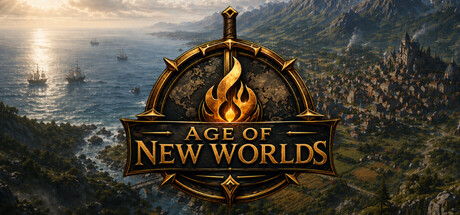
Artwork note: some visuals were generated with AI models in this early version. For now the focus is on mechanics, so they are placeholders. Over time I will make the style more consistent and replace them with assets designed specifically for AoNW.
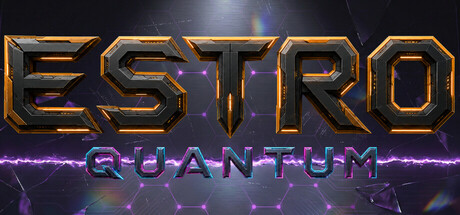
ESTRO Quantum uses generative AI only for some of its 2D/3D visual assets. Card illustrations and cosmetic art (card skins, backdrops, card backs) were created with the help of generative AI image-generation tools, then curated and reviewed by the developer before being included in the game. No AI-generated content is produced live during gameplay; the single-player "AI opponents" are traditional rule-based systems and do not use generative AI.
This game uses generative AI tools as part of its development and content production process. AI-assisted workflows were used for selected visual assets, video materials, music or audio drafts, localization/text drafts, code assistance, and marketing/store page materials. All AI-assisted outputs are reviewed, edited, and integrated by the developer before inclusion.
The game does not generate AI content during gameplay and does not connect to external AI services while the game is running.
Generative AI was utilized exclusively during development to assist with writing and optimizing code. The game does not contain any AI-generated art, music, or other in-game assets.
Generative AI Disclosure
Some visual concepts, promotional images, text drafts, and background music were created or edited with the assistance of generative AI tools. The final materials were reviewed, selected, modified, and integrated by the developer.
The game does not include real-time generative AI features during gameplay.
This game utilizes generative artificial intelligence tools in its development to assist our small team. Specifically, AI was used to help localize our Steam store listing text into multiple languages to reach a broader audience. Additionally, AI tools were used to help refine and format certain store promotional images and icons, which are strictly based on and adapted from our original, human-created hand-drawn concept art. No live-generated AI content is used during active gameplay.
Generative AI tools were used during the creation of certain marketing and promotional materials for the game, including concept artwork, logos, store page assets, and text drafts. All AI-generated content was reviewed, edited, and integrated by the developer before publication.
The Heretic's Seal uses generative AI for some pre-rendered art assets, including character portraits, enemy and NPC illustrations, world map and biome backgrounds, and select promotional video clips. As a one-person studio, AI tooling lets a single developer ship dungeon-crawler-scale art volume.
All gameplay systems, game design, narrative writing, code, level design, and runtime visuals are created by the developer. No AI runs during gameplay — every system, decision, and reaction in-game is hand-crafted code.
Some pre-rendered movie scenes, character artwork, and background music in this game were created as original assets with the assistance of generative AI tools, then reviewed and edited by the developer. The game does not use live generative AI to create content during gameplay.
Dungeon Door utilizes generative AI to enhance creative expression and development efficiency as follows:
Artwork and Visual Assets: Generative AI was used in the conceptualization of character designs and the creation of marketing assets for the Steam store page. Every asset has been carefully reviewed and manually refined to ensure it adheres to the intended classic pixel art aesthetic.
Text and Narrative: AI tools assisted in drafting store descriptions, synopses, and localizing in-game text to provide a consistent experience across different languages.
Some of the character art and backgrounds are based on images created with AI.
These are used only as a basis to start from and
are then heavily edited manually by our art team
to make them fit the visual style of the game —
the final product reflects the creativity and
expression of our own development team.
Generative AI is used only for some in-game icons.
Those icons are manually edited and finalized by our development team.
Generative AI was not used for any other game assets.
AI is not used during gameplay.
Some of the textures of the game is created using AI. Some of the images are taking personal own stills and rendered into 2D pixel images using AI tools.
AI tools were used to generate store/marketing illustrations (capsule, hero, banners, trailer). All in-game graphics are procedurally generated in real time and do not use AI
SYLVA contains pre-generated AI-assisted content. Generative AI tools were used during development to create and refine certain store page artwork, capsule images, library assets, loading screen artwork, logos, promotional materials, visual concepts, text drafts, localization assistance, and software development workflows.
All AI-assisted content was reviewed, modified, and approved by the developer before being included in the game or published on the Steam store page. The final game design, gameplay systems, progression, balancing, world design, and creative direction are determined by the developer.
SYLVA does not generate real-time AI content during gameplay.
Sydwater is solo developed, AI was used to help with the workflow of the game and was used to generate SOME: Artworks, Voice Lines, 3d Models.
Gemini Google Assistant was also used as a Coding Assistant with SOME code.
Some 2D art (icons and illustrations) was created with the help of generative AI tools and refined by the developer. No AI content is generated during gameplay.
Some assets *may* be AI. These assets were secured from a third party and I cannot confirm this, but if that's the kind of thing that bothers you, you may want to steer clear.
Some Steam store page promotional images were created or edited with the assistance of generative AI tools. These assets are used only for store page or marketing presentation.
The playable game itself does not include generative AI features, does not connect to any AI service, and does not generate images, audio, text, or other content at runtime. No AI-generated images, audio, or text are included in the playable game build.
Some of the images and sounds in this game were created using generative AI.
This allows us to reduce development costs and deliver more content faster, providing players with a richer and more engaging experience.
Dear player,
Original renders where done in Blender by me. Then I used (AI) to enhance the rendered images out of Blender. Only for Marketing.
Game design and QA was done by team member. Code was done in Godot by a team member, 3d models were done in Block bench and Blender by a team member.
Doing what I can with what I got. Since I got lay off from the game industry 2 1/2 years ago, no career, no income. I hope that a little of AI marketing does not push you away from the team's hard work.
Archie
Godwright ships some generative-AI content, all pre-rendered (baked into the build, never live-generated):
Localization: the non-English UI text (Simplified Chinese, Spanish, Portuguese-BR, Russian, German, French, Japanese, Korean, Turkish, Indonesian) was machine-translated.
Ultimate Jam uses generative AI for all coding and select pre-made assets (announcer voice and/or music), created from robot-human-written scripts and prompts, then edited by the team. Gameplay, controls, and AI opponents use traditional code — not generative AI. Nothing is generated live while you play.
Generative AI technology is used in a supplementary capacity during the localization of select languages. Any such languages are indicated in the in-game language selection menu.
During the development process, AI tools were used to assist in the design of some visual assets (such as UI elements and environmental textures) and in optimizing the coding structure. All AI-assisted content was reviewed and refined before being integrated into the final build
This game uses pre-generated content created with the assistance of generative AI tools during development. This may include character concepts, 3D model source assets, capsule artwork, store page artwork, and other marketing visuals. All AI-assisted content is reviewed, edited, and integrated by the developer before being included in the game or store materials. The game does not use live-generated AI content during gameplay.
AI was used to create background images in the novel, as well as objects in the levels, but the levels are drawn to the final stage manually by an artist.
Artwork note: some visuals were generated with AI models in this early version. For now the focus is on mechanics, so they are placeholders. Over time I will make the style more consistent and replace them with assets designed specifically for AoNW.
ESTRO Quantum uses generative AI only for some of its 2D/3D visual assets. Card illustrations and cosmetic art (card skins, backdrops, card backs) were created with the help of generative AI image-generation tools, then curated and reviewed by the developer before being included in the game. No AI-generated content is produced live during gameplay; the single-player "AI opponents" are traditional rule-based systems and do not use generative AI.
This game uses generative AI tools as part of its development and content production process. AI-assisted workflows were used for selected visual assets, video materials, music or audio drafts, localization/text drafts, code assistance, and marketing/store page materials. All AI-assisted outputs are reviewed, edited, and integrated by the developer before inclusion.
The game does not generate AI content during gameplay and does not connect to external AI services while the game is running.
Generative AI was utilized exclusively during development to assist with writing and optimizing code. The game does not contain any AI-generated art, music, or other in-game assets.
Generative AI Disclosure
Some visual concepts, promotional images, text drafts, and background music were created or edited with the assistance of generative AI tools. The final materials were reviewed, selected, modified, and integrated by the developer.
The game does not include real-time generative AI features during gameplay.