

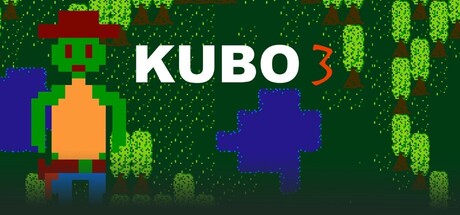


Disclosure
Some BGM, Images made with AI
- Creator
- Yong Games
- Reviews
- -
- Added
- Jul 31, 2026
Public Steam disclosure research 27,964 disclosures tracked
Search developers’ Steam disclosures, compare classified AI use across games, and follow recorded changes. This index adds cross-game classifications and statistics to statements published on individual store pages.
Code help, debugging and other development work.
Capsule art, trailers and promotional material.
Pre-made art, audio, writing and other game assets.
Interactive or runtime AI features disclosed by the developer.
Groups reflect automatic analysis of public disclosures; mature records are excluded. These counts do not measure AI use across all of Steam. Missing or unclear statements cannot establish whether a game uses AI.
Some BGM, Images made with AI
This game contains some pre-generated AI-assisted artwork and music. All AI-assisted content has been reviewed, curated, and integrated by the developer. AI coding tools were also used during development.
While a vast majority of Gloomhallow was human created, it was created by a solo developer (single person) - AI assisted in very specific fields such as; - C# Coding - SFX Generation - OST Creation - Very select UI Animations
Coding tools, audio, etc.
Generative AI was used during development to create some pre-generated graphical content. This includes several user interface icons used in the game and the hero banner displayed on the Steam store page. The game does not generate any content using AI during runtime.
The Game Icon and Logo were made from the inspirations of AI.
The game's art and audio content — including visual assets, UI elements, and store page artwork — was generated with the assistance of AI tools during development and then refined by the team. All AI-generated content was created during development; the game does not generate content while you play.
Two-Dye has been developed with the assistance of AI tools that has helped with Graphical assets, sounds and localization.
Generative AI tools were used to assist with drafting and editing Steam store page text and marketing copy. The game does not use generative AI to create live gameplay content.
アートワーク、サウンド、ローカリゼーション
Shadow Slayer is built almost entirely in code. The character and enemy art is drawn procedurally as vector graphics, and the sound effects and adaptive music layers are synthesized in real time in the browser - none of that is AI-generated. Generative AI tools were used to help create some of the content that ships with the game: - Music: several of the recorded background-music tracks were produced with the help of generative AI music tools. - Localization: the non-English translations were produced with AI-assisted translation and reviewed by the developer. - Store page & marketing images: some capsule/promotional artwork was created with generative AI image tools. All AI-assisted content was selected, edited, and integrated by a human developer. No AI content is generated live while you play - everything ships pre-made and reviewed.
During development, generative AI was used for programming assistance, drafting UI text and English localization, and assisting with the layout and composition of graphical assets for Steam. Any content incorporated into the final product was reviewed and edited by the developer. No AI-generated content is produced while the game is running.
NASCAR 26 used AI to generate certain VO lines and other presentation elements throughout the UI.
Generative AI coding models (Claude Code) used to assist with development. Including code that renders background music using MIDI-as-code tracks.
Background music Some sound effects Some text localization
This game used AI to help quickly iterate through designs for some UI elements using our own artwork as a baseline. AI is used to generate sound effects AI is also used to help translate the game.
AI was used to create some promotional assets, including store capsule images, banners, and other marketing artwork. AI-generated content was reviewed and edited by the developer before use.
Generative AI was used to create selected voice performances (including the in-game commentator) as well as concept artwork and promotional illustrations. All AI-generated assets were reviewed, edited, and integrated by the developer.
About the Use of AI in the Game AI-assisted tools have been used in various aspects of this project's development process. Programming: AI-assisted tools were used during the development of game systems, user interfaces, and various technical features. The generated code was reviewed, edited, tested, and adapted to the project's needs by the development team. Visuals: AI tools were used in the creation of certain concept designs, environment artwork, and visual content. However, all content was reviewed, refined, and adapted to fit the artistic direction of the project by the development team. Creative Process: The development process generally follows three stages. First, the game concept, environment designs, and core creative decisions are created by the team. AI tools are then used to generate alternative ideas, variations, and more detailed iterations of existing concepts. Finally, all results are reviewed, refined, and improved through manual quality control processes. For example, some environment designs begin with compositions and layouts created by the team. AI tools may then be used to assist with additional detailing, after which the final adjustments and refinements are completed manually. Our goal is to use AI as a tool that supports the creative process while ensuring that all creative decisions, project direction, and final quality control remain under human supervision.
Our assets come from the creativity of artists — AI is only used to help polish the background design.
Generative AI tools were used during development to assist with the creation and editing of some pre-generated visual assets, sound effects, and Steam Store page text. All AI-assisted content was reviewed, selected, and edited by the developer before being included. The game does not generate content using AI during gameplay.
Ruthless Returns is a solo-developed game built and refined over hundreds of hours. The original version was created on paper in 2022, but at the time I did not have the resources to turn it into a full game. Early prototypes used licensed images with a simple painted treatment. It worked, but the visual style was ultimately shaped by whatever suitable assets were available. Generative AI made it possible to create artwork specifically for Ruthless Returns and give the game a much more consistent look and feel from top to bottom. AI was used for the card artwork and character voices. That also made it possible for me to finally turn the original paper concept into a PC game. If players enjoy it, I hope to take it full circle and eventually produce Ruthless Returns as a physical board game. Balancing combines extensive human playtesting with more than 500,000 simulated games. The simulations were used to analyze win rates, card strength, strategies and interactions across a much larger number of matches than manual playtesting alone could realistically cover.
Generative AI was used during the development process to assist in writing the game's story, dialogue, and optimizing parts of the game code.
I am not an artist and I don't have money to hire one, so I used Gemini to create the cover art for the game. Sorry about that.
I built Curling Stars in close collaboration with AI tools. I directed every part of the game myself, the design, gameplay rules, features, venues, art direction, and testing, while an AI coding assistant wrote and iterated on the code, procedural 3D scenes, characters, and animations under my direction. The soundtrack was created with AI music generation, curated and selected by me. Rosters and characters are fictional. Store artwork used Gen AI tools.
Assets, Pictures, Sounds, translation
Power Pony Drift uses AI-generated content that was created during development, and every piece was reviewed, edited, and curated by the developer before being included: - Character models: The base 3D pony models were generated with AI tools, then hand-rigged, animated, and tuned for the game. - Audio: The music tracks and some sound effects and voice lines were generated with AI audio tools. No content is generated while you play — the game contains no runtime AI systems, AI chatbots, or live-generated content. Store page artwork is composited from in-game footage.
Parts of the game's program code were written with the help of AI coding assistance, under the direction and review of the developer. The store page text and its translations were also drafted with AI assistance and reviewed by the developer. Some of the music was created with an AI music generation service (Suno), selected and adjusted by the developer. The remaining music, artwork, and sound effects are procedurally generated by the developer's own tools - no AI image generation models were used. The game does not generate any AI content during gameplay.
Generative AI tools were used to help create some of StarFrame's content: certain promotional artwork on the store page, and some in-game text such as tutorial instructions and item descriptions. These were reviewed, adjusted, and finalized by the development team manually.
SnapQuest uses live-generated AI as part of its core photo-scanning mechanic. When a player captures or selects a photo, a vision-language model analyzes the image and generates structured card content, including a card name, description, category, and gameplay attributes. The card artwork uses the player's submitted photo rather than an AI-generated replacement image. Generated results vary depending on the submitted photo.
Some visual assets, promotional artwork, and portions of the localization were created or assisted using generative AI during development. All AI-assisted content was reviewed, edited, and integrated by the development team. The game does not generate AI content during gameplay.
Used AI to generate art related resources
This game contains some assets produced with the assistance of AI tools
This game uses AI generated content. Some 2D artwork on the store page and in the game was created using generative AI tools during development. All AI generated art was reviewed and edited by our team before being used.
Some visual assets, promotional artwork, and portions of the localization were created or assisted using generative AI during development. All AI-assisted content was reviewed, edited, and integrated by the development team. The game does not generate AI content during gameplay.
This game's 3D environment was created with the help of AI-based 3D scene generation tools. Some marketing materials (trailer footage) were also created using AI image and video generation tools. No AI-generated content is created live during gameplay — all AI-assisted content was produced during development and is fixed at release.
The promotional video and the character design of GUGUGAGA is generated by AI.
Generative AI tools were used to assist with some store page text, development planning, promotional wording, and selected visual or audio materials. All final game content, store materials, and gameplay design were reviewed, edited, and approved by the developer before publication.
Covers of game have been made with help of AI
Generative AI tools were used during development to assist with the creation of game content. All final content was reviewed and refined by the development team.
We use AI to create the music and the narration audio.
AI was used only as a supporting tool for the design of fictional images on the videotapes.
Some visual assets in this game, including UI elements and graphics, were created with the assistance of AI image generation tools.
Our Policy on AI & Procedural Generation Valenfeld is built by one person, on a shoestring budget, with an Elder Scrolls–sized ambition. Here is exactly how, and why, AI fits into that. Why we use it Valenfeld is a solo indie project chasing a scope that normally takes a studio of dozens: a massive, hand-lorekept world you can wander for years without hitting an edge. That scope is not achievable by one person typing every tree, every ruin, and every line of dialogue by hand on a shoestring budget and an ambitious timeline. So we lean on AI-enabled workflows and, more importantly, cutting-edge procedural algorithms to scale content production and world scale to match the ambition — not to replace it. What always stays human Every piece of content in the game — every place, character, creature, item, quest, and line of lore — is built and overseen by a human creator and judge, grounded in our own ideas, our own lore, and our own systems design. AI does not decide what Valenfeld is. It never originates the world's canon, its themes, or its design intent on its own; it accelerates producing what we've already decided the world should be, and everything it touches is reviewed before it ships. Not AI slop — procedural generation is the point We're not interested in dumping raw model output into the game and calling it done. Our actual goal is an experimental, large-scale world built on cutting-edge procedural algorithms — terrain, dungeons, towns, ecosystems, even history — designed to be massively replayable for years, not a one-and-done AI slideshow. AI-assisted tooling is one part of the production pipeline that gets us there faster on a small budget; the procedural systems and the authored lore they run on are the actual craft, and that's where our attention to detail goes. Our bet We believe that if we focus relentlessly on delivering the best game possible — with a genuinely obsessive eye for detail on everything we ship — we can produce something great on a low budget and a small team of one. That is the bar we hold ourselves to, not "shipped fast" or "shipped cheap." As we grow This is how we build today, as a solo project with an ambitious scope and timeline. If and when Valenfeld earns a bigger budget for this game or for future releases, we intend to keep building just as ambitiously — with a team of art, lore, and gameplay experts working alongside these same tools, not replaced by them. Thinking about the best possible game comes first; everything else, including how we scale to build it, follows from that. — Metatransformer Studios
Some images are drawn after being referenced by AI-assisted generation. A part of generated code is refered and carefully edited. These images and code are pre-generated and have undergone manual inspection and optimization.
Close to all in-game content - graphics (procedural vector rendering), gameplay, text, and sounds - is hand-authored. AI generated content was used in opt-out campaign slides, and dogtag/plate art, and for improving the onboard AI ships "warning system"; which is an AI so it should sound like an AI. Both are non-essential to the game and can be turned off in the config settings to respect player wishes against AI content. The game does not generate any content with AI at runtime and does not connect to any AI service.
This game utilizes generative AI to create art assets, which are primarily used for the store page background and the card examples in the workshop.
Generative AI may have been used in creating pre-rendered or live-generated content for this game. All such content is the result of a human-led artistic and creative process.
3d Models for Space Ships created with Meshy. cooperation in Thinking, design and balance. C# coding. Unity Editor Agent for crafting suns and planets out of bought Unity Asset Store Assets.
No art or sound generation was used. Some help for coding the complex in-game enemy AI interactions were utilized from LLM models. Also the game analysis was made with coding help.
| Title⇅ | Disclosure | Creator⇅ | Src | Reviews⇅ | Added↓ |
|---|---|---|---|---|---|
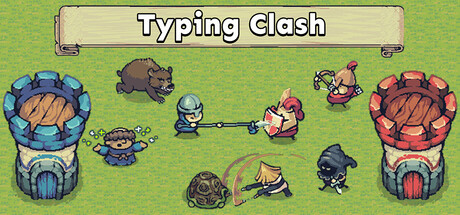 Typing Clash In-game content artaudio | Some BGM, Images made with AI | Yong Games | - | Jul 31, 2026 | |
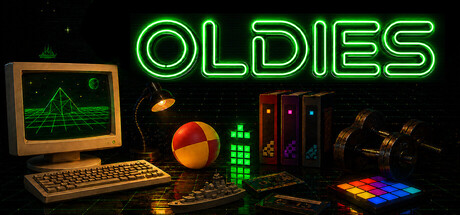 Oldies In-game content artaudio | This game contains some pre-generated AI-assisted artwork and music. All AI-assisted content has been reviewed, curated, and integrated by the developer. AI coding tools were also used during development. | saiko14 | - | Jul 31, 2026 | |
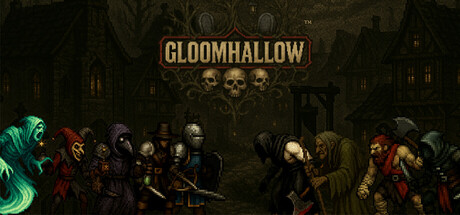 Gloomhallow In-game content artaudiocode | While a vast majority of Gloomhallow was human created, it was created by a solo developer (single person) - AI assisted in very specific fields such as;
- C# Coding
- SFX Generation
- OST Creation
- Very select UI Animations | Paragon 3D Studios LTD. | - | Jul 31, 2026 | |
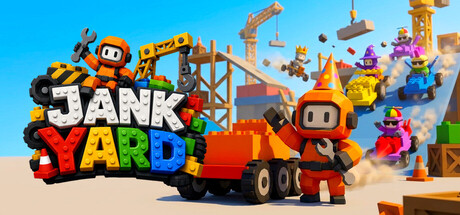 Jank Yard Unclear codeaudio | Coding tools, audio, etc. | Watashi Games | - | Jul 31, 2026 | |
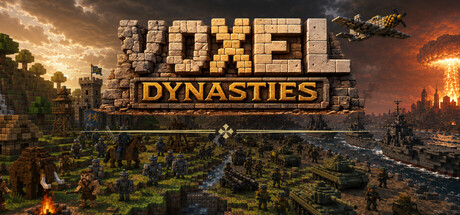 Voxel Dynasties In-game content art | Generative AI was used during development to create some pre-generated graphical content. This includes several user interface icons used in the game and the hero banner displayed on the Steam store page. The game does not generate any content using AI during runtime. | Felix Kempin | - | Jul 30, 2026 | |
 Disco In-game content art | The Game Icon and Logo were made from the inspirations of AI. | Aspect Digital Software Ltd | - | Jul 30, 2026 | |
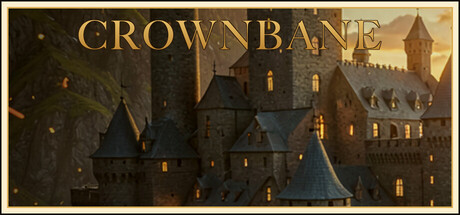 Crownbane In-game content artaudio | The game's art and audio content — including visual assets, UI elements, and store page artwork — was generated with the assistance of AI tools during development and then refined by the team. All AI-generated content was created during development; the game does not generate content while you play. | ioStudios | - | Jul 30, 2026 | |
 Two-Dye In-game content artaudiotext | Two-Dye has been developed with the assistance of AI tools that has helped with Graphical assets, sounds and localization. | Smidd Games | - | Jul 30, 2026 | |
 Huff & Puff Store/marketing text | Generative AI tools were used to assist with drafting and editing Steam store page text and marketing copy. The game does not use generative AI to create live gameplay content. | RubyxQube Games | - | Jul 30, 2026 | |
 Siribird In-game content artaudiotext | アートワーク、サウンド、ローカリゼーション | YaaaJi | - | Jul 30, 2026 | |
 Shadow Slayer | Shadow Slayer is built almost entirely in code. The character and enemy art is
drawn procedurally as vector graphics, and the sound effects and adaptive music
layers are synthesized in real time in the browser - none of that is AI-generated.
Generative AI tools were used to help create some of the content that ships with
the game:
- Music: several of the recorded background-music tracks were produced with the
help of generative AI music tools.
- Localization: the non-English translations were produced with AI-assisted
translation and reviewed by the developer.
- Store page & marketing images: some capsule/promotional artwork was created
with generative AI image tools.
All AI-assisted content was selected, edited, and integrated by a human
developer. No AI content is generated live while you play - everything ships
pre-made and reviewed. | Solvaris | - | Jul 30, 2026 | |
 Parallel Photon Protocol In-game content codetextart | During development, generative AI was used for programming assistance, drafting UI text and English localization, and assisting with the layout and composition of graphical assets for Steam. Any content incorporated into the final product was reviewed and edited by the developer. No AI-generated content is produced while the game is running. | Musewell | - | Jul 30, 2026 | |
 iRacing® Studios NASCAR 26 In-game content audiotext | NASCAR 26 used AI to generate certain VO lines and other presentation elements throughout the UI. | iRacing.com Motorsport Simulations, LLC | 511 | Jul 30, 2026 | |
 Age of Bricks In-game content codeaudio | Generative AI coding models (Claude Code) used to assist with development. Including code that renders background music using MIDI-as-code tracks. | stoggi | - | Jul 30, 2026 | |
 Antarctic Showdown In-game content audiotext | Background music
Some sound effects
Some text localization | znlfxm | - | Jul 30, 2026 | |
 Shattered Void Online In-game content audiotext | This game used AI to help quickly iterate through designs for some UI elements using our own artwork as a baseline. AI is used to generate sound effects AI is also used to help translate the game. | Woodland Software | - | Jul 30, 2026 | |
 UNWIELDY Store/marketing art | AI was used to create some promotional assets, including store capsule images, banners, and other marketing artwork. AI-generated content was reviewed and edited by the developer before use. | Brauni's Games | - | Jul 30, 2026 | |
 Glider64 In-game content audioart | Generative AI was used to create selected voice performances (including the in-game commentator) as well as concept artwork and promotional illustrations. All AI-generated assets were reviewed, edited, and integrated by the developer. | eachTick GmbH | - | Jul 30, 2026 | |
 Phase Party Dev only artcode | About the Use of AI in the Game
AI-assisted tools have been used in various aspects of this project's development process.
Programming: AI-assisted tools were used during the development of game systems, user interfaces, and various technical features. The generated code was reviewed, edited, tested, and adapted to the project's needs by the development team.
Visuals: AI tools were used in the creation of certain concept designs, environment artwork, and visual content. However, all content was reviewed, refined, and adapted to fit the artistic direction of the project by the development team.
Creative Process: The development process generally follows three stages. First, the game concept, environment designs, and core creative decisions are created by the team. AI tools are then used to generate alternative ideas, variations, and more detailed iterations of existing concepts. Finally, all results are reviewed, refined, and improved through manual quality control processes.
For example, some environment designs begin with compositions and layouts created by the team. AI tools may then be used to assist with additional detailing, after which the final adjustments and refinements are completed manually.
Our goal is to use AI as a tool that supports the creative process while ensuring that all creative decisions, project direction, and final quality control remain under human supervision. | Estimado Studio | - | Jul 30, 2026 | |
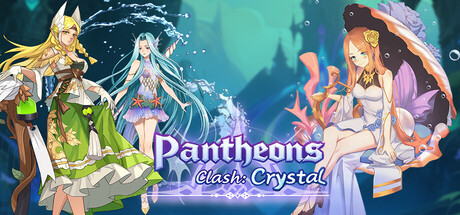 水晶传说(Pantheons Clash: Crystal) In-game content art | Our assets come from the creativity of artists — AI is only used to help polish the background design. | Crystal Studio | - | Jul 30, 2026 | |
 ROCKET SCIENCE In-game content artaudiotext | Generative AI tools were used during development to assist with the creation and editing of some pre-generated visual assets, sound effects, and Steam Store page text. All AI-assisted content was reviewed, selected, and edited by the developer before being included. The game does not generate content using AI during gameplay. | Macrobot Software | - | Jul 29, 2026 | |
 Ruthless Returns In-game content artaudio | Ruthless Returns is a solo-developed game built and refined over hundreds of hours. The original version was created on paper in 2022, but at the time I did not have the resources to turn it into a full game.
Early prototypes used licensed images with a simple painted treatment. It worked, but the visual style was ultimately shaped by whatever suitable assets were available. Generative AI made it possible to create artwork specifically for Ruthless Returns and give the game a much more consistent look and feel from top to bottom. AI was used for the card artwork and character voices.
That also made it possible for me to finally turn the original paper concept into a PC game. If players enjoy it, I hope to take it full circle and eventually produce Ruthless Returns as a physical board game.
Balancing combines extensive human playtesting with more than 500,000 simulated games. The simulations were used to analyze win rates, card strength, strategies and interactions across a much larger number of matches than manual playtesting alone could realistically cover. | South Harbour Studios | - | Jul 29, 2026 | |
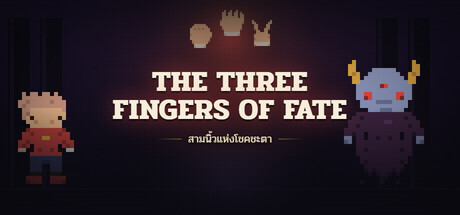 The Three Fingers of Fate In-game content textcode | Generative AI was used during the development process to assist in writing the game's story, dialogue, and optimizing parts of the game code. | Aisariya | - | Jul 29, 2026 | |
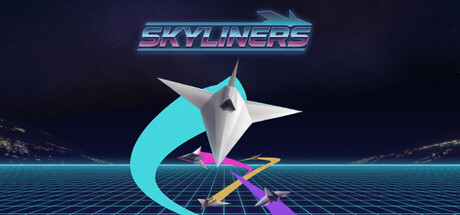 Skyliners Store/marketing art | I am not an artist and I don't have money to hire one, so I used Gemini to create the cover art for the game. Sorry about that. | Skeleton Arm Studios | - | Jul 29, 2026 | |
 Curling Stars In-game content artaudiocode | I built Curling Stars in close collaboration with AI tools. I directed every part of the game myself, the design, gameplay rules, features, venues, art direction, and testing, while an AI coding assistant wrote and iterated on the code, procedural 3D scenes, characters, and animations under my direction. The soundtrack was created with AI music generation, curated and selected by me. Rosters and characters are fictional. Store artwork used Gen AI tools. | Curling Stars Studio Inc. | - | Jul 29, 2026 | |
 End of War: Global Front Unclear artaudiotext | Assets, Pictures, Sounds, translation | Ironpathgames | - | Jul 29, 2026 | |
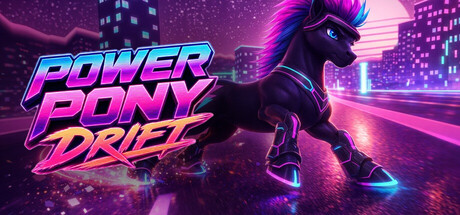 Power Pony Drift In-game content artaudio | Power Pony Drift uses AI-generated content that was created during development, and every piece was reviewed, edited, and curated by the developer before being included:
- Character models: The base 3D pony models were generated with AI tools, then hand-rigged, animated, and tuned for the game.
- Audio: The music tracks and some sound effects and voice lines were generated with AI audio tools.
No content is generated while you play — the game contains no runtime AI systems, AI chatbots, or live-generated content. Store page artwork is composited from in-game footage. | Fifty Bananas | - | Jul 29, 2026 | |
 PuruPuru: Pull It Along In-game content codetextaudio | Parts of the game's program code were written with the help of AI coding assistance, under the direction and review of the developer. The store page text and its translations were also drafted with AI assistance and reviewed by the developer. Some of the music was created with an AI music generation service (Suno), selected and adjusted by the developer. The remaining music, artwork, and sound effects are procedurally generated by the developer's own tools - no AI image generation models were used. The game does not generate any AI content during gameplay. | Ludorea games | - | Jul 29, 2026 | |
 StarFrame In-game content arttext | Generative AI tools were used to help create some of StarFrame's content: certain promotional artwork on the store page, and some in-game text such as tutorial instructions and item descriptions. These were reviewed, adjusted, and finalized by the development team manually. | StarFrame Development Team | - | Jul 29, 2026 | |
 照片勇者 Live AI textart | SnapQuest uses live-generated AI as part of its core photo-scanning mechanic. When a player captures or selects a photo, a vision-language model analyzes the image and generates structured card content, including a card name, description, category, and gameplay attributes. The card artwork uses the player's submitted photo rather than an AI-generated replacement image. Generated results vary depending on the submitted photo. | Liminis Studio | - | Jul 29, 2026 | |
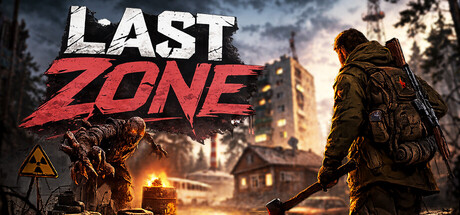 Last Zone: Quarantine In-game content arttext | Some visual assets, promotional artwork, and portions of the localization were created or assisted using generative AI during development. All AI-assisted content was reviewed, edited, and integrated by the development team. The game does not generate AI content during gameplay. | Ridvan_Laz | - | Jul 29, 2026 | |
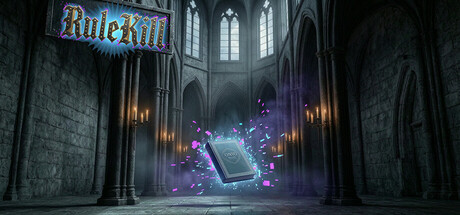 RuleKill Unclear art | Used AI to generate art related resources | ChuXin | - | Jul 29, 2026 | |
 一把菜刀打天下 Unclear | This game contains some assets produced with the assistance of AI tools | 社會菜刀 | - | Jul 29, 2026 | |
 Backyard Paintball In-game content art | This game uses AI generated content. Some 2D artwork on the store page and in the game was created using generative AI tools during development. All AI generated art was reviewed and edited by our team before being used. | David Hall | - | Jul 28, 2026 | |
 Sausage Escape In-game content arttext | Some visual assets, promotional artwork, and portions of the localization were created or assisted using generative AI during development. All AI-assisted content was reviewed, edited, and integrated by the development team. The game does not generate AI content during gameplay. | Ridvan_Laz | - | Jul 27, 2026 | |
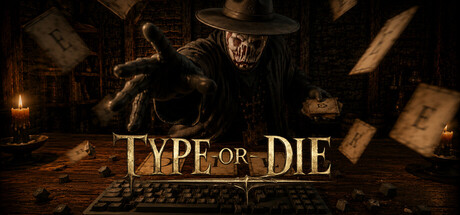 TYPE OR DIE In-game content art | This game's 3D environment was created with the help of AI-based 3D scene generation tools. Some marketing materials (trailer footage) were also created using AI image and video generation tools. No AI-generated content is created live during gameplay — all AI-assisted content was produced during development and is fixed at release. | MASK Games | - | Jul 25, 2026 | |
 GUGUGAGA:PEEKABOO Store/marketing art | The promotional video and the character design of GUGUGAGA is generated by AI. | DreamStep | 35 | Jul 25, 2026 | |
 That's for Yolk In-game content textartaudio | Generative AI tools were used to assist with some store page text, development planning, promotional wording, and selected visual or audio materials. All final game content, store materials, and gameplay design were reviewed, edited, and approved by the developer before publication. | Yinuo Liu | - | Jul 25, 2026 | |
 Universal Flight Simulator 3 PvP Store/marketing art | Covers of game have been made with help of AI | Pix Arts | - | Jul 25, 2026 | |
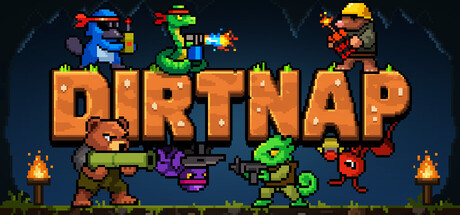 Dirtnap Unclear | Generative AI tools were used during development to assist with the creation of game content. All final content was reviewed and refined by the development team. | Unstable Entity | - | Jul 25, 2026 | |
 Chaos Football Club (CFC) In-game content audio | We use AI to create the music and the narration audio. | TheDevRealm | - | Jul 25, 2026 | |
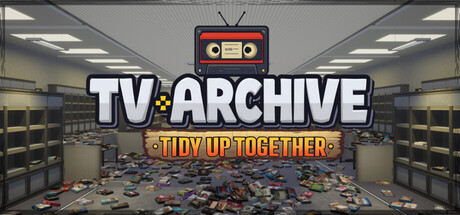 TV Archive: Tidy Up Together In-game content art | AI was used only as a supporting tool for the design of fictional images on the videotapes. | Games Together | 400 | Jul 25, 2026 | |
 Okey 101 In-game content art | Some visual assets in this game, including UI elements and graphics, were created with the assistance of AI image generation tools. | Ayazwai | - | Jul 25, 2026 | |
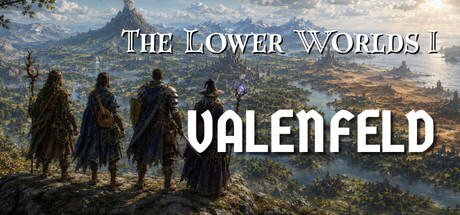 Valenfeld In-game content arttext | Our Policy on AI & Procedural Generation
Valenfeld is built by one person, on a shoestring budget, with an Elder Scrolls–sized ambition. Here is exactly how, and why, AI fits into that.
Why we use it
Valenfeld is a solo indie project chasing a scope that normally takes a studio of dozens: a massive, hand-lorekept world you can wander for years without hitting an edge. That scope is not achievable by one person typing every tree, every ruin, and every line of dialogue by hand on a shoestring budget and an ambitious timeline. So we lean on AI-enabled workflows and, more importantly, cutting-edge procedural algorithms to scale content production and world scale to match the ambition — not to replace it.
What always stays human
Every piece of content in the game — every place, character, creature, item, quest, and line of lore — is built and overseen by a human creator and judge, grounded in our own ideas, our own lore, and our own systems design. AI does not decide what Valenfeld is. It never originates the world's canon, its themes, or its design intent on its own; it accelerates producing what we've already decided the world should be, and everything it touches is reviewed before it ships.
Not AI slop — procedural generation is the point
We're not interested in dumping raw model output into the game and calling it done. Our actual goal is an experimental, large-scale world built on cutting-edge procedural algorithms — terrain, dungeons, towns, ecosystems, even history — designed to be massively replayable for years, not a one-and-done AI slideshow. AI-assisted tooling is one part of the production pipeline that gets us there faster on a small budget; the procedural systems and the authored lore they run on are the actual craft, and that's where our attention to detail goes.
Our bet
We believe that if we focus relentlessly on delivering the best game possible — with a genuinely obsessive eye for detail on everything we ship — we can produce something great on a low budget and a small team of one. That is the bar we hold ourselves to, not "shipped fast" or "shipped cheap."
As we grow
This is how we build today, as a solo project with an ambitious scope and timeline. If and when Valenfeld earns a bigger budget for this game or for future releases, we intend to keep building just as ambitiously — with a team of art, lore, and gameplay experts working alongside these same tools, not replaced by them. Thinking about the best possible game comes first; everything else, including how we scale to build it, follows from that.
— Metatransformer Studios | Metatransformer Studios | - | Jul 25, 2026 | |
 群琼逐鹿 In-game content artcode | Some images are drawn after being referenced by AI-assisted generation. A part of generated code is refered and carefully edited.
These images and code are pre-generated and have undergone manual inspection and optimization. | YiTuiZhe | - | Jul 25, 2026 | |
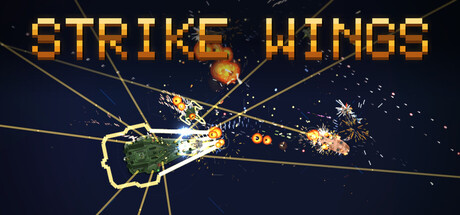 Strike Wings In-game content arttextaudio | Close to all in-game content - graphics (procedural vector rendering), gameplay, text, and sounds - is hand-authored. AI generated content was used in opt-out campaign slides, and dogtag/plate art, and for improving the onboard AI ships "warning system"; which is an AI so it should sound like an AI. Both are non-essential to the game and can be turned off in the config settings to respect player wishes against AI content. The game does not generate any content with AI at runtime and does not connect to any AI service. | Strike Wings Games | - | Jul 25, 2026 | |
 Boss Key Store/marketing art | This game utilizes generative AI to create art assets, which are primarily used for the store page background and the card examples in the workshop. | Institute of Card Game Studies | - | Jul 25, 2026 | |
 EA SPORTS FC™ 27 In-game content art | Generative AI may have been used in creating pre-rendered or live-generated content for this game. All such content is the result of a human-led artistic and creative process. | EA CANADA | 5.2k | Jul 25, 2026 | |
 Black Stars - The M87 Conflict In-game content artcode | 3d Models for Space Ships created with Meshy.
cooperation in Thinking, design and balance.
C# coding.
Unity Editor Agent for crafting suns and planets out of bought Unity Asset Store Assets. | Robin Krause | - | Jul 25, 2026 | |
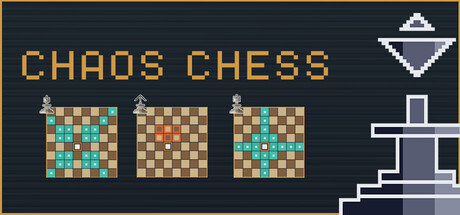 Chaos Chess Dev only code | No art or sound generation was used. Some help for coding the complex in-game enemy AI interactions were utilized from LLM models. Also the game analysis was made with coding help. | Mad Gnome Works | - | Jul 24, 2026 |


