Public Steam disclosure research25,497 disclosures tracked
Where do games disclose AI use?
Search developers’ Steam disclosures, compare classified AI use across
games, and follow recorded changes.
This index adds cross-game classifications and statistics to
statements published on individual store pages.
Groups reflect automatic analysis of public disclosures; mature records are excluded. These counts do not measure AI use across all of Steam.
Missing or unclear statements cannot establish whether a game uses AI.
Parts of development (coding assistance) and the store/marketing page's text and graphics were created using AI-assisted tools (including Anthropic Claude). In-game graphics and audio come from licensed asset packs or were assembled manually; no content is generated by AI at runtime within the game.
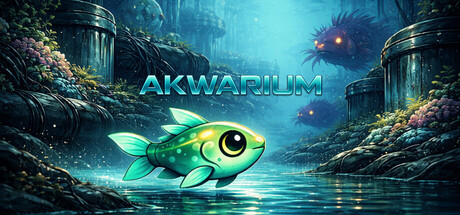
Some 2D artwork in Akwarium (characters, UI, environments, and store images) was created with generative AI tools, then reviewed and refined by the developer. No gameplay content is generated by AI in real time.
Generative AI was used during development to create selected pre-generated audio assets used in the game, including background music and sound effects. Generative AI was also used to create selected studio logos and promotional artwork used on the Steam store page and in marketing materials.
No content is generated by AI during gameplay, and the game does not connect to any external AI services.
Some text on this Steam store page and in related marketing materials was drafted with the help of
generative AI tools and then reviewed and edited by the developer. The game's artwork, characters,
animations, and audio are created by the developer and are not AI-generated. The game does not use
generative AI to create any content during gameplay.
Some music, sound effects, and UI icons in Riftslayer were created with the assistance of generative AI tools during development. All AI-assisted content was reviewed and selected by the developer before being included in the game.
Some visual assets used during the development of **Hordes of War** were created or enhanced with the assistance of generative artificial intelligence. These assets include certain promotional artwork, concept art, and placeholder images used during development.
All gameplay systems, game design, world-building, maps, mechanics, balance, programming, and the final implementation of in-game content have been created, reviewed, and curated by the development team. Any AI-assisted content is carefully edited and integrated to ensure it meets the artistic style and quality standards of the game.
Almost the entire game uses traditional assets made by people. Artificial intelligence was only used as an aid to create some music, sound effects, images, and translations.
Some non-interactive assets in Harvest Havoc were produced with AI-assisted tools:
- Background music tracks were generated via AI music synthesis models, then curated and mixed by the developer.
- Sound effects were produced with AI-assisted audio generation tools.
- English and Japanese in-game text was drafted with AI translation assistance and then reviewed by the developer.
All gameplay code, level design, sprite art, and character animations were created by the developer without AI generation. No AI content is generated at runtime.
DEFLEKT uses AI-generated assets created during development ("pre-generated"): 3D models for ships, bosses and environment dioramas, background artwork, and portions of the music soundtrack were generated with AI tools and then curated, edited and integrated by the developer. Sound effects are CC0 licensed (Kenney.nl). The game does not generate any content with AI at runtime.
Some visual assets used in the game and on the Steam store page were created with the assistance of generative AI and have been further refined and integrated into the game by the developer. No live-generated AI content is used during gameplay.
AI was used to create some textures that were applied to custom 3D models such as environmental items, clothing, weapons, 3 of the player faces, and some of the 2D UI background.
The game's music tracks were generated using AI tools (ElevenLabs Music, on a paid commercial plan, and Stable Audio Open) and were curated and edited by the developer. Key art and some promotional images were created with AI image generation (Stable Diffusion) and reviewed by the developer. All gameplay visuals, game design, and code are original work. No AI content is generated at runtime.
Some store page graphical assets and marketing images were created with generative AI and edited manually. The game itself does not use generative AI during gameplay.
Marketing key art (Steam store capsules, library art, page background) and the comic-book intro trailer were generated using Fal.ai's Flux 2 image diffusion model. Initial concept sketches and in-game sprite references were generated using ChatGPT's image generation, then hand-cleaned and integrated by the developer. All assets are pre-rendered at build time and shipped as static files within the game package - no generative AI runs during gameplay, and no AI is used to generate live content for players. AI was not used for code, voice acting, music, or any system that interacts with the player at runtime.
As a small, two-person independent development team, we have used generative AI to help create a limited number of pre-generated assets during development. This includes portions of the store capsule artwork, a number of UI elements and icons, and approximately three lines of dialogue for a single enemy.
The AI-generated visual content is used solely as placeholder artwork to support our Early Access proof of concept. These assets allow us to focus our limited resources on gameplay, systems, balance, and overall game quality while we continue development. Replacing these placeholder assets with original, commissioned artwork is a planned and intentional part of our Early Access development roadmap.
No generative AI was or will be used to create gameplay, game logic, programming, level design, music, sound effects, visual effects, or any live-generated in-game content.
Some artwork and store page assets were created with the assistance of generative AI and were reviewed and edited by the developer before use. Gameplay and programming were created by the developer.
This game uses generative AI assistance in the creation of some art, audio, text, or marketing materials, and all related content is reviewed, edited, and approved by the development team before release.
Most of the images used in the narrative mode scenes were initially generated using generative AI and subsequently refined through manual editing. Generative AI was also employed to assist with the translation of the narrative text.
Characters, monsters, some buildings, CG images, and logos were generated using AI.
The characters and some 3D building models were created by V2Fun, and the materials are licensed for commercial use under the CC BY 4.0 license.
This game uses generative AI tools during development to assist with the creation of pre-generated game content.
AI tools were used as part of the production workflow for concept/reference images, some 3D model generation, and audio/source material discovery or selection support. The final assets included in the game were reviewed, edited, and integrated by the developer before being added to the game.
The game does not use generative AI to create new content during gameplay.
Some of the meshes are generated with AI (its just for pre- alpha), in the final build all AI generated meshes and things will get replaced with handmade stuffs...
The artwork, background music, in-game text and story, localizations into all supported languages, and store-page text in this game were created using generative AI tools, then curated, edited, and assembled by the developer. The game contains no live AI generation — all content is fixed and produced ahead of release.
Some of this game's Steam store and marketing art was created using AI image-generation tools. Specifically, the store capsule images (header, main, small, and vertical capsules), the library artwork (library capsule and hero image), and the logo background were AI-generated.
AI was used only for this promotional store art. All in-game content — pixel-art sprites, backgrounds, UI, animations, and effects — is made from licensed, human-authored pixel-art assets and contains no AI-generated content. The game's audio and gameplay contain no AI-generated content.
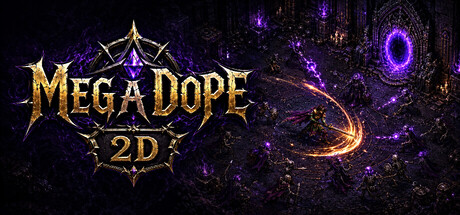
MegaDope 2D uses generative AI assisted tools during development to help create and refine visual assets, character and environment concepts, UI elements, music, sound effects, and promotional/trailer materials. All AI assisted assets are curated, edited, and implemented by the developer as part of the final game. The game does not currently generate new AI content live during gameplay.
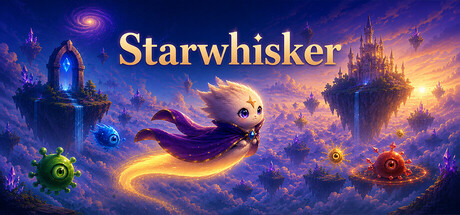
Starwhisker is a solo indie project. During early development, some placeholder assets and development materials were created with the assistance of AI tools to help prototype ideas quickly and focus resources on gameplay development.
As development continues, these assets are being progressively refined, replaced, or supplemented with original work created specifically for the game. The goal is to ensure Starwhisker develops its own distinct artistic identity while remaining transparent about the tools used during its creation.
Development/Pre-Generated AI Use Disclosure:
During the development process, Generative AI tools were used to assist in the creation of game assets. Specifically, portions of the game props, enemy models, 2D user interface elements, and background music/audio were developed with the assistance of AI tools.
All of these assets have undergone a thorough review, manual optimization, and integration through our standard development pipeline to ensure they match the game's unique artistic style and high-quality standards.
None of the AI-assisted content infringes upon any third-party copyrights or contains any restricted elements. The final game complies entirely with Steam's content policies.
The capsule images and promotional artworks on the Steam store page of this game are AI-generated. All images have been manually adjusted in composition, refined in details and post-processed with text addition, without any copyrighted third-party materials. No real-time AI content generation during gameplay.
AI-assisted tools were used to help create some ability icons and some HUD elements. The assets were reviewed and integrated into the game by the developers.
Generative AI was used to assist with writing, editing, and translating store page text and marketing copy. No generative AI content is generated in real time during gameplay.
AI was used to troubleshoot coding issues, generate some game model assets, and some UI elements.
All code, models, and UI elements were edited and finalized by me before implementation into the game.
The game was designed, assembled, reworked, tested, and integrated by the developer, with a manually defined artistic direction and gameplay experience.
Generative AI tools were used as creative assistance for certain visual, audio, cinematic, code-related, and promotional content.
This content was then selected, edited, adapted, and adjusted to match the game’s artistic identity, gameplay, and final experience.
The game was vibe coded. Many of the current assets were generated by various GenAI models, some of which will be staying but some of which are just placeholders for the time being. Much manual work still goes into making everything look good and come together even when using GenAI.
Parts of development (coding assistance) and the store/marketing page's text and graphics were created using AI-assisted tools (including Anthropic Claude). In-game graphics and audio come from licensed asset packs or were assembled manually; no content is generated by AI at runtime within the game.
Some 2D artwork in Akwarium (characters, UI, environments, and store images) was created with generative AI tools, then reviewed and refined by the developer. No gameplay content is generated by AI in real time.
Generative AI was used during development to create selected pre-generated audio assets used in the game, including background music and sound effects. Generative AI was also used to create selected studio logos and promotional artwork used on the Steam store page and in marketing materials.
No content is generated by AI during gameplay, and the game does not connect to any external AI services.
Some text on this Steam store page and in related marketing materials was drafted with the help of
generative AI tools and then reviewed and edited by the developer. The game's artwork, characters,
animations, and audio are created by the developer and are not AI-generated. The game does not use
generative AI to create any content during gameplay.
Some music, sound effects, and UI icons in Riftslayer were created with the assistance of generative AI tools during development. All AI-assisted content was reviewed and selected by the developer before being included in the game.
Some visual assets used during the development of **Hordes of War** were created or enhanced with the assistance of generative artificial intelligence. These assets include certain promotional artwork, concept art, and placeholder images used during development.
All gameplay systems, game design, world-building, maps, mechanics, balance, programming, and the final implementation of in-game content have been created, reviewed, and curated by the development team. Any AI-assisted content is carefully edited and integrated to ensure it meets the artistic style and quality standards of the game.
Almost the entire game uses traditional assets made by people. Artificial intelligence was only used as an aid to create some music, sound effects, images, and translations.
Some non-interactive assets in Harvest Havoc were produced with AI-assisted tools:
- Background music tracks were generated via AI music synthesis models, then curated and mixed by the developer.
- Sound effects were produced with AI-assisted audio generation tools.
- English and Japanese in-game text was drafted with AI translation assistance and then reviewed by the developer.
All gameplay code, level design, sprite art, and character animations were created by the developer without AI generation. No AI content is generated at runtime.
DEFLEKT uses AI-generated assets created during development ("pre-generated"): 3D models for ships, bosses and environment dioramas, background artwork, and portions of the music soundtrack were generated with AI tools and then curated, edited and integrated by the developer. Sound effects are CC0 licensed (Kenney.nl). The game does not generate any content with AI at runtime.
Some visual assets used in the game and on the Steam store page were created with the assistance of generative AI and have been further refined and integrated into the game by the developer. No live-generated AI content is used during gameplay.
AI was used to create some textures that were applied to custom 3D models such as environmental items, clothing, weapons, 3 of the player faces, and some of the 2D UI background.
The game's music tracks were generated using AI tools (ElevenLabs Music, on a paid commercial plan, and Stable Audio Open) and were curated and edited by the developer. Key art and some promotional images were created with AI image generation (Stable Diffusion) and reviewed by the developer. All gameplay visuals, game design, and code are original work. No AI content is generated at runtime.
Some store page graphical assets and marketing images were created with generative AI and edited manually. The game itself does not use generative AI during gameplay.
Marketing key art (Steam store capsules, library art, page background) and the comic-book intro trailer were generated using Fal.ai's Flux 2 image diffusion model. Initial concept sketches and in-game sprite references were generated using ChatGPT's image generation, then hand-cleaned and integrated by the developer. All assets are pre-rendered at build time and shipped as static files within the game package - no generative AI runs during gameplay, and no AI is used to generate live content for players. AI was not used for code, voice acting, music, or any system that interacts with the player at runtime.
As a small, two-person independent development team, we have used generative AI to help create a limited number of pre-generated assets during development. This includes portions of the store capsule artwork, a number of UI elements and icons, and approximately three lines of dialogue for a single enemy.
The AI-generated visual content is used solely as placeholder artwork to support our Early Access proof of concept. These assets allow us to focus our limited resources on gameplay, systems, balance, and overall game quality while we continue development. Replacing these placeholder assets with original, commissioned artwork is a planned and intentional part of our Early Access development roadmap.
No generative AI was or will be used to create gameplay, game logic, programming, level design, music, sound effects, visual effects, or any live-generated in-game content.
Some artwork and store page assets were created with the assistance of generative AI and were reviewed and edited by the developer before use. Gameplay and programming were created by the developer.
This game uses generative AI assistance in the creation of some art, audio, text, or marketing materials, and all related content is reviewed, edited, and approved by the development team before release.
Most of the images used in the narrative mode scenes were initially generated using generative AI and subsequently refined through manual editing. Generative AI was also employed to assist with the translation of the narrative text.
Characters, monsters, some buildings, CG images, and logos were generated using AI.
The characters and some 3D building models were created by V2Fun, and the materials are licensed for commercial use under the CC BY 4.0 license.
This game uses generative AI tools during development to assist with the creation of pre-generated game content.
AI tools were used as part of the production workflow for concept/reference images, some 3D model generation, and audio/source material discovery or selection support. The final assets included in the game were reviewed, edited, and integrated by the developer before being added to the game.
The game does not use generative AI to create new content during gameplay.
Some of the meshes are generated with AI (its just for pre- alpha), in the final build all AI generated meshes and things will get replaced with handmade stuffs...
The artwork, background music, in-game text and story, localizations into all supported languages, and store-page text in this game were created using generative AI tools, then curated, edited, and assembled by the developer. The game contains no live AI generation — all content is fixed and produced ahead of release.
Some of this game's Steam store and marketing art was created using AI image-generation tools. Specifically, the store capsule images (header, main, small, and vertical capsules), the library artwork (library capsule and hero image), and the logo background were AI-generated.
AI was used only for this promotional store art. All in-game content — pixel-art sprites, backgrounds, UI, animations, and effects — is made from licensed, human-authored pixel-art assets and contains no AI-generated content. The game's audio and gameplay contain no AI-generated content.
MegaDope 2D uses generative AI assisted tools during development to help create and refine visual assets, character and environment concepts, UI elements, music, sound effects, and promotional/trailer materials. All AI assisted assets are curated, edited, and implemented by the developer as part of the final game. The game does not currently generate new AI content live during gameplay.
Starwhisker is a solo indie project. During early development, some placeholder assets and development materials were created with the assistance of AI tools to help prototype ideas quickly and focus resources on gameplay development.
As development continues, these assets are being progressively refined, replaced, or supplemented with original work created specifically for the game. The goal is to ensure Starwhisker develops its own distinct artistic identity while remaining transparent about the tools used during its creation.
Development/Pre-Generated AI Use Disclosure:
During the development process, Generative AI tools were used to assist in the creation of game assets. Specifically, portions of the game props, enemy models, 2D user interface elements, and background music/audio were developed with the assistance of AI tools.
All of these assets have undergone a thorough review, manual optimization, and integration through our standard development pipeline to ensure they match the game's unique artistic style and high-quality standards.
None of the AI-assisted content infringes upon any third-party copyrights or contains any restricted elements. The final game complies entirely with Steam's content policies.
The capsule images and promotional artworks on the Steam store page of this game are AI-generated. All images have been manually adjusted in composition, refined in details and post-processed with text addition, without any copyrighted third-party materials. No real-time AI content generation during gameplay.
AI-assisted tools were used to help create some ability icons and some HUD elements. The assets were reviewed and integrated into the game by the developers.
Generative AI was used to assist with writing, editing, and translating store page text and marketing copy. No generative AI content is generated in real time during gameplay.
AI was used to troubleshoot coding issues, generate some game model assets, and some UI elements.
All code, models, and UI elements were edited and finalized by me before implementation into the game.
The game was designed, assembled, reworked, tested, and integrated by the developer, with a manually defined artistic direction and gameplay experience.
Generative AI tools were used as creative assistance for certain visual, audio, cinematic, code-related, and promotional content.
This content was then selected, edited, adapted, and adjusted to match the game’s artistic identity, gameplay, and final experience.
The game was vibe coded. Many of the current assets were generated by various GenAI models, some of which will be staying but some of which are just placeholders for the time being. Much manual work still goes into making everything look good and come together even when using GenAI.