








Disclosure
AI Coding tools are used for optimisation and bug fixes.
- Creator
- Dean Ryan
- Reviews
- -
- Added
- Jul 18, 2026
Public Steam disclosure research 25,497 disclosures tracked
Search developers’ Steam disclosures, compare classified AI use across games, and follow recorded changes. This index adds cross-game classifications and statistics to statements published on individual store pages.
Code help, debugging and other development work.
Capsule art, trailers and promotional material.
Pre-made art, audio, writing and other game assets.
Interactive or runtime AI features disclosed by the developer.
Groups reflect automatic analysis of public disclosures; mature records are excluded. These counts do not measure AI use across all of Steam. Missing or unclear statements cannot establish whether a game uses AI.
AI Coding tools are used for optimisation and bug fixes.
AI tools were used to assist in drafting some written text (in-game lore entries and store page descriptions); all such text was reviewed and edited by the developer. All artwork, animation, music, and sound effects are human-created licensed assets. The game does not use AI to generate any content at runtime.
Some of the game’s visuals and sound effects have been created using artificial intelligence.
Updated 8/24/2026 for Full Transparency: Send Them to Hell was built by a very small team with a very large appetite for demonic slaughter. Generative AI was used during development to create concept art and visual references for the graphic design team. These concepts were used as references during the creation and refinement of the game’s sprites and visual assets. The final assets were created and modified by the development team. The remainder of the artwork was created by human artists, who were compensated for their work and are credited in-game.
Some visual assets and portions of the game's development were created with the assistance of generative AI. AI was used as a creative and productivity tool during development, with all generated content reviewed, edited, and integrated by the solo developer.
Some artwork used in this game was created with the assistance of generative AI. All AI-assisted graphics were further edited, refined, and finalized by the developer before being included in the final game.
We used generative AI tools during development to create pre-generated background map textures and illustrations for the game stages. No live generative AI is used during gameplay, and all pre-generated assets are fully vetted to ensure they do not violate any copyright or third-party intellectual property rights.
Swordoria was made by a solo developer with the help of generative AI tools. Some of the game's pixel art, music, and sound effects were generated with AI and then cut, edited, recolored, and assembled by hand, and parts of the code were written with the assistance of an AI coding tool. No generative AI runs while you play — all content is created and finalized during development and shipped as fixed assets in the game.
Generative AI tools were used to create visual assets, including background artwork and in-game target images. Additionally, AI was utilized to assist with code generation during the development process.
Pre-generated AI tools were used during development to assist with the creation of selected 2D artwork, visual assets, and sound effects. All AI-assisted content was reviewed, edited, and integrated by the developer. The game does not use generative AI to create content during gameplay.
Generative AI was used exclusively to create all of the game's music and some of the promotional artwork (such as posters and banners). No in-game assets, code, or mechanics were created using AI.
Some visual assets (creature sprites, plant and background illustrations, and tarot card art, including some store page images) were created using generative AI tools and then curated, edited, and art-directed by the developer. No AI content is generated during gameplay.
This game uses generative AI as part of its art and localization pipeline. Specifically: - Character portrait artwork: The hunters' painted bust portraits (shown on the character-select screen, and reused in store page capsule art and the trailer) were generated using a local Stable Diffusion XL model with a custom LoRA, then composited by hand into final scenes. - Localization: UI text translations for French, German, Spanish (Spain), Spanish (Latin America), Portuguese (Brazil), Italian, Polish, and Turkish were produced with AI assistance and reviewed before shipping. All AI-assisted content was reviewed by the development team before inclusion. No content is generated live or in response to player input during gameplay — all AI-assisted assets are fixed at build time.
Some 2D art assets in MutantTide (including promotional key art) were created with the assistance of AI based pixel art tools. All game design, code, systems, and gameplay were hand crafted by the developer. No AI generated content is produced live during gameplay.
Code: Generative AI tools were used to create foundational logic and structural boilerplate, which was then heavily edited and modified manually. Audio: Generative AI was used to draft the baseline tracks for the main menu and gameplay music, which were subsequently edited by hand. Marketing Text: AI tools were used to outline the initial structure of the store page descriptions before being manually rewritten.
AI was used to create the tools (Level Editor, Character Editor, Sound & Menu editors), the sounds/music, assets and advanced gameplay functions.
Snot Pop! is an indie project. Like many independent developers, generative AI was used as a tool among many during development; for brainstorming, writing, art and audio design, and working through balancing problems. AI was not the game designer or orchestrator of the project. All content was reviewed, directed, altered, and approved before inclusion. Everything in the game reflects deliberate creative decisions made by the developer.
Generative AI was used during development to assist in creating certain visual assets, dialogue drafts, event text, and marketing artwork. All AI-generated content has been reviewed, edited, and integrated by the developer before being included in the game. The game does not use live-generated AI content during gameplay.
During the development process, I may use procedural generation and AI-based tools to assist with content creation. In all such cases, the final product reflects my own creativity and artistic expression as a solo developer. Examples include the creation of the game's background music and certain graphical assets.
Turbo Era Boss uses generative AI as part of its indie production workflow. Some pre-rendered visual assets, store capsule artwork, promotional/community images, and draft text/localization may be created or refined with AI-assisted tools. The game does not use live generative AI during gameplay. All AI-assisted material is reviewed, edited, and approved by Team76 before publication, and we avoid real team logos, real sponsors, driver likenesses, and other protected branding.
Some of the assets and background were made with some use of AI - The rest drawn by hand using Asprite! The goal of lazypanda is to give a worm expirience to our users. AI Usage helped with speeding up creation of some assets.
AI tools were used for proofreading, correcting grammar, and fixing typographical errors.
Some of this game's mechanics and visuals were created with the help of AI.
We want to be 100% clear: this software does not generate AI artwork. All animation, rendering, and creation tools are powered entirely by traditional algorithmic code. The use of AI is strictly limited to: • Text Localization: Assisted translations for store and interface text. • Legacy Shape Detection: An optional, legacy computer-vision model that can be toggled on solely to assist with detecting edges and outlines. It does not generate art from prompts or models, and can be completely ignored in favour of our standard, non-AI outline tools.
AI tools were utilized for revisions across CG art, music, character assets and environmental scenes.
Mythia Wild Bonds was designed and built by a solo developer, game design, art direction, sound direction, and architecture are all the developer's own. AI generation tools were used to accelerate production of pixel art, sound effects, and music, each piece selected, reworked, and approved within the game's art bible and audio direction; code was also developed with AI pair-programming assistance, with all game systems designed by the developer. No content is AI-generated at runtime.
Generative AI was only utilized to assist with programming and coding during development. No AI-generated assets, such as images, graphics, or audio, were used in this game.
This game uses AI-generated content for marketing and promotional materials, including the game trailer, teaser, Steam capsule images, title images, and other marketing assets. Most of the AI-generated images were additionally edited and refined by our team using artistic and creative techniques to better fit the game's visual style. The AI-generated content is limited to external marketing materials only. All actual gameplay, game mechanics, and in-game content were created by the development team.
We are using AI to create flip phone-style frames.
During the development of this game, AI tools were used solely as a coding assistance aid — primarily to help identify and fix minor bugs, and to assist with small code corrections and improvements. AI was not used to generate any content experienced by the player, including visual assets, audio, narrative or in-game text. All artwork, sound, and written content presented to the player are original and human-created. The AI usage disclosed here is limited to development-side coding assistance and does not appear as generated content within the final player-facing experience.
AI was used for some in game icons, store page images, and some developer workflows in programming.
AI was used for the code base and art/design of the game to allow development by only one person, Henrik Kjærulff.
AI generated cutscene artworks will be replaced with paid artists work
AI was used to translate the in-game language.
Some assets were created with generative AI tools and then edited.
AI was used to create the game's musical accompaniment.
We have used Generative AI for coding assisted task and development of some of the features. Assets are all untouched by AI.
AI used for Steam cover
This game was developed with the assistance of generative AI. AI was used to help create code, written content, and some visual assets under the developer's direction. All AI-generated content is reviewed and integrated by the developer. The game does not use live generative AI during gameplay.
The entirety of the game from the code to the art to the music WAS GENERATED WITH AI. This is not a disguise, I do not know how to build an entire game from scratch by myself. The story, characters, and concept art was created entirely by me and partly with my best friend Xavier, but everything in game is made using AI.
Used AI for translation.
Some of Purrgeist's visual assets (such as backgrounds and base artwork) and some marketing materials were created with the help of generative AI tools (e.g., Google Gemini) as a starting point, then reviewed, edited, and reworked into pixel art by the developer. This is pre-generated content — the game does not generate any AI content while you play, and everything is human-reviewed.
Generative AI tools were partially used during the development process to enhance development efficiency and assist with sound asset creation.
This game was made by 1 person, with the help of AI for the art, coding, sound, story, you name it. This was a lot of work for me the human though, this was not a few prompts, this was many different systems and custom work pipelines I designed completely myself. It took a long time and a huge amount of effort.
Generative AI was used to assist in creating certain promotional art assets, including the Steam achievement icons and Steam store thumbnails. All gameplay, code, and core game content were created by the developer.
Some of the game's graphical assets were initially generated using AI and then manually retouched and finalized by the developer.
Some of our units are AI-generated
Some graffiti textures were created using AI, entirely based on our own original game/licensed assets. No copyrighted or third-party materials were used in the process. All AI-generated textures have been manually reviewed, repainted, and edited.
Generative AI tools were used in the development of Lexip to create initial drafts and source material for parts of the project, including code, visual assets, sounds, writing, and marketing materials. These outputs were not used unchanged; they were reviewed, selected, adapted, edited, and integrated by the developer. The final implementation, design decisions, and overall tuning were done manually. The game does not generate new AI content during gameplay.
This app uses our in-house AI for the pixel-art conversion process. Generative AI content is used in the trailers and screenshots shown on this store page.
| Title⇅ | Disclosure | Creator⇅ | Src | Reviews⇅ | Added↓ |
|---|---|---|---|---|---|
 Botter Dev only code | AI Coding tools are used for optimisation and bug fixes. | Dean Ryan | - | Jul 18, 2026 | |
 The Offering Hour In-game content text | AI tools were used to assist in drafting some written text (in-game lore entries and store page descriptions); all such text was reviewed and edited by the developer. All artwork, animation, music, and sound effects are human-created licensed assets. The game does not use AI to generate any content at runtime. | mazestepsstudio | - | Jul 18, 2026 | |
 Royal Farm In-game content artaudio | Some of the game’s visuals and sound effects have been created using artificial intelligence. | Ert Gaming Studio | - | Jul 18, 2026 | |
 Send Them to Hell In-game content art | Updated 8/24/2026 for Full Transparency:
Send Them to Hell was built by a very small team with a very large appetite for demonic slaughter. Generative AI was used during development to create concept art and visual references for the graphic design team. These concepts were used as references during the creation and refinement of the game’s sprites and visual assets. The final assets were created and modified by the development team. The remainder of the artwork was created by human artists, who were compensated for their work and are credited in-game. | cbgames | - | Jul 18, 2026 | |
 Blooming Faith In-game content art | Some visual assets and portions of the game's development were created with the assistance of generative AI. AI was used as a creative and productivity tool during development, with all generated content reviewed, edited, and integrated by the solo developer. | Lilith Guild | - | Jul 18, 2026 | |
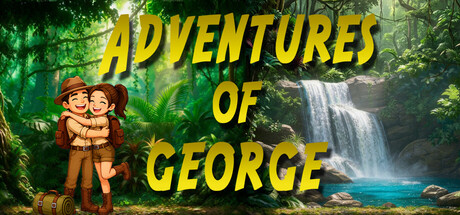 Adventures of George In-game content art | Some artwork used in this game was created with the assistance of generative AI. All AI-assisted graphics were further edited, refined, and finalized by the developer before being included in the final game. | PM26Productions | - | Jul 18, 2026 | |
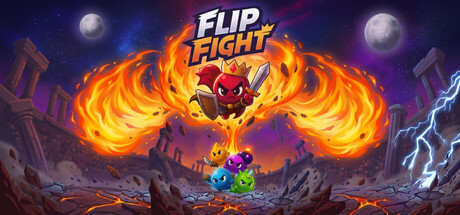 FlipFight In-game content art | We used generative AI tools during development to create pre-generated background map textures and illustrations for the game stages. No live generative AI is used during gameplay, and all pre-generated assets are fully vetted to ensure they do not violate any copyright or third-party intellectual property rights. | AnNguyen | - | Jul 18, 2026 | |
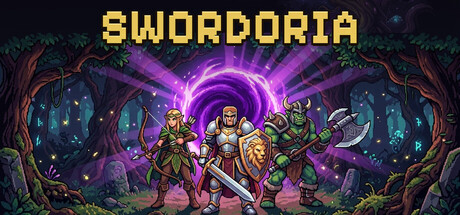 Swordoria In-game content artaudiocode | Swordoria was made by a solo developer with the help of generative AI tools. Some of the game's pixel art, music, and sound effects were generated with AI and then cut, edited, recolored, and assembled by hand, and parts of the code were written with the assistance of an AI coding tool. No generative AI runs while you play — all content is created and finalized during development and shipped as fixed assets in the game. | Lone Dragon Dev | - | Jul 17, 2026 | |
 1 MIN AIM: Neo Seoul In-game content artcode | Generative AI tools were used to create visual assets, including background artwork and in-game target images. Additionally, AI was utilized to assist with code generation during the development process. | TEAM_MGTG | - | Jul 17, 2026 | |
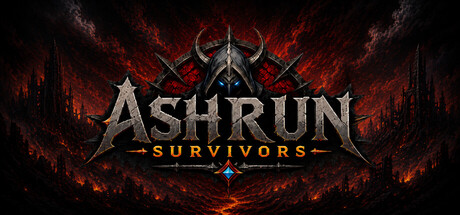 Ashrun Survivors In-game content artaudio | Pre-generated AI tools were used during development to assist with the creation of selected 2D artwork, visual assets, and sound effects. All AI-assisted content was reviewed, edited, and integrated by the developer. The game does not use generative AI to create content during gameplay. | Nicholas Schmitz | - | Jul 17, 2026 | |
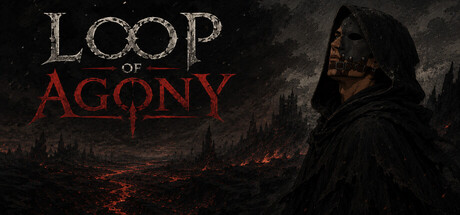 Loop of Agony In-game content audioart | Generative AI was used exclusively to create all of the game's music and some of the promotional artwork (such as posters and banners). No in-game assets, code, or mechanics were created using AI. | Kaos Games | - | Jul 17, 2026 | |
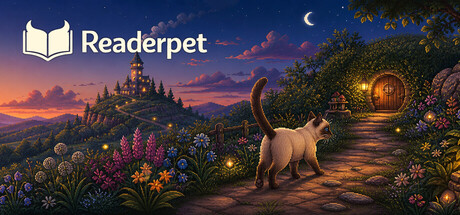 Readerpet In-game content art | Some visual assets (creature sprites, plant and background illustrations, and tarot card art, including some store page images) were created using generative AI tools and then curated, edited, and art-directed by the developer. No AI content is generated during gameplay. | Cassie Alexander | - | Jul 17, 2026 | |
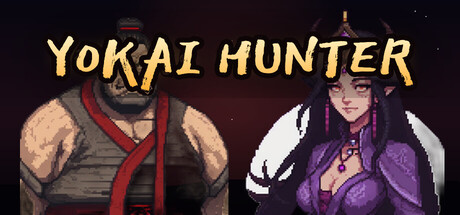 Yokai Hunter In-game content arttext | This game uses generative AI as part of its art and localization pipeline. Specifically:
- Character portrait artwork: The hunters' painted bust portraits (shown on the character-select screen, and reused in store page capsule art and the trailer) were generated using a local Stable Diffusion XL model with a custom LoRA, then composited by hand into final scenes.
- Localization: UI text translations for French, German, Spanish (Spain), Spanish (Latin America), Portuguese (Brazil), Italian, Polish, and Turkish were produced with AI assistance and reviewed before shipping.
All AI-assisted content was reviewed by the development team before inclusion. No content is generated live or in response to player input during gameplay — all AI-assisted assets are fixed at build time. | Shrimp Gang Studio | - | Jul 17, 2026 | |
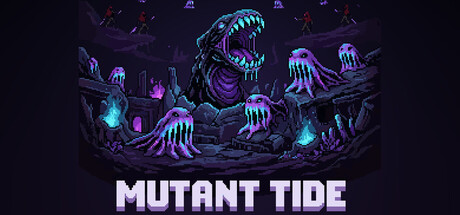 Mutant Tide In-game content art | Some 2D art assets in MutantTide (including promotional key art) were created with the assistance of AI based pixel art tools. All game design, code, systems, and gameplay were hand crafted by the developer. No AI generated content is produced live during gameplay. | Saltghost | - | Jul 17, 2026 | |
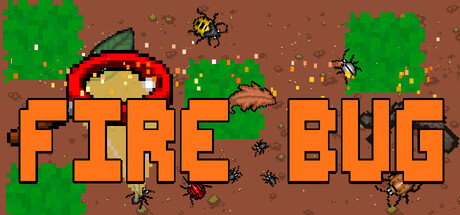 Fire Bug In-game content codeaudiotext | Code: Generative AI tools were used to create foundational logic and structural boilerplate, which was then heavily edited and modified manually.
Audio: Generative AI was used to draft the baseline tracks for the main menu and gameplay music, which were subsequently edited by hand.
Marketing Text: AI tools were used to outline the initial structure of the store page descriptions before being manually rewritten. | Jesse Dale | - | Jul 17, 2026 | |
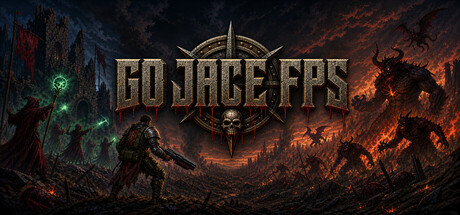 Go Jace FPS In-game content audioartcode | AI was used to create the tools (Level Editor, Character Editor, Sound & Menu editors), the sounds/music, assets and advanced gameplay functions. | Bohloney | - | Jul 17, 2026 | |
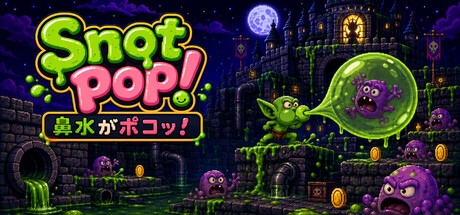 Snot Pop! In-game content artaudiotextcode | Snot Pop! is an indie project. Like many independent developers, generative AI was used as a tool among many during development; for brainstorming, writing, art and audio design, and working through balancing problems. AI was not the game designer or orchestrator of the project. All content was reviewed, directed, altered, and approved before inclusion. Everything in the game reflects deliberate creative decisions made by the developer. | Decent Enough Games | - | Jul 17, 2026 | |
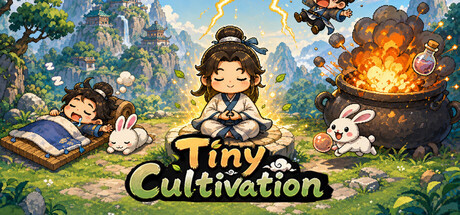 Tiny Cultivation In-game content arttext | Generative AI was used during development to assist in creating certain visual assets, dialogue drafts, event text, and marketing artwork. All AI-generated content has been reviewed, edited, and integrated by the developer before being included in the game. The game does not use live-generated AI content during gameplay. | Chaos Studio | - | Jul 17, 2026 | |
 WARARA! In-game content audioart | During the development process, I may use procedural generation and AI-based tools to assist with content creation. In all such cases, the final product reflects my own creativity and artistic expression as a solo developer. Examples include the creation of the game's background music and certain graphical assets. | Last Round Games | - | Jul 17, 2026 | |
 Turbo Era Boss In-game content arttext | Turbo Era Boss uses generative AI as part of its indie production workflow. Some pre-rendered visual assets, store capsule artwork, promotional/community images, and draft text/localization may be created or refined with AI-assisted tools. The game does not use live generative AI during gameplay. All AI-assisted material is reviewed, edited, and approved by Team76 before publication, and we avoid real team logos, real sponsors, driver likenesses, and other protected branding. | Team76 | - | Jul 17, 2026 | |
 LazyPanda In-game content art | Some of the assets and background were made with some use of AI - The rest drawn by hand using Asprite!
The goal of lazypanda is to give a worm expirience to our users.
AI Usage helped with speeding up creation of some assets. | Ido Ben Gigi | - | Jul 17, 2026 | |
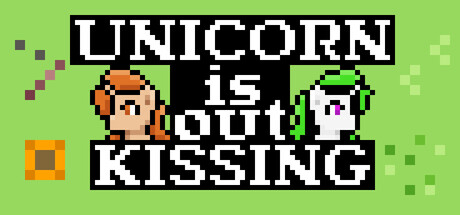 Unicorn Is Out Kissing Dev only text | AI tools were used for proofreading, correcting grammar, and fixing typographical errors. | UnicornianPlayStyle | - | Jul 17, 2026 | |
 KEEP GAMING In-game content art | Some of this game's mechanics and visuals were created with the help of AI. | E-Serenity | - | Jul 17, 2026 | |
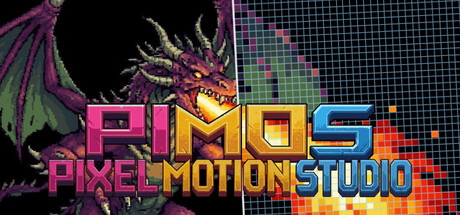 Pixel Motion Studio In-game content text | We want to be 100% clear: this software does not generate AI artwork. All animation, rendering, and creation tools are powered entirely by traditional algorithmic code.
The use of AI is strictly limited to:
• Text Localization: Assisted translations for store and interface text.
• Legacy Shape Detection: An optional, legacy computer-vision model that can be toggled on solely to assist with detecting edges and outlines. It does not generate art from prompts or models, and can be completely ignored in favour of our standard, non-AI outline tools. | ChallAcc | - | Jul 17, 2026 | |
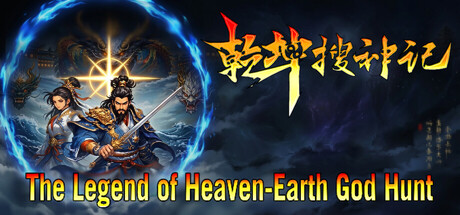 乾坤搜神记 In-game content artaudio | AI tools were utilized for revisions across CG art, music, character assets and environmental scenes. | LI BIN | - | Jul 17, 2026 | |
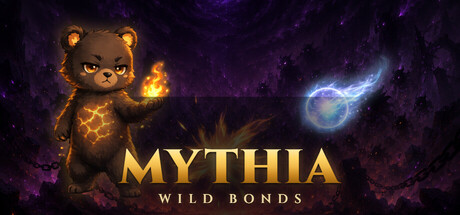 Mythia Wild Bonds In-game content artaudiocode | Mythia Wild Bonds was designed and built by a solo developer, game design, art direction, sound direction, and architecture are all the developer's own. AI generation tools were used to accelerate production of pixel art, sound effects, and music, each piece selected, reworked, and approved within the game's art bible and audio direction; code was also developed with AI pair-programming assistance, with all game systems designed by the developer. No content is AI-generated at runtime. | Vilson J. Santos | - | Jul 17, 2026 | |
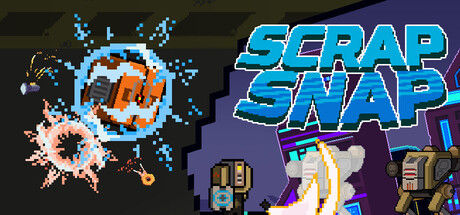 Scrap Snap Dev only code | Generative AI was only utilized to assist with programming and coding during development. No AI-generated assets, such as images, graphics, or audio, were used in this game. | BinkyGames | - | Jul 17, 2026 | |
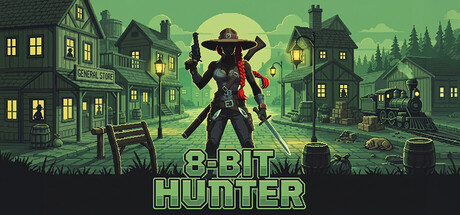 8BIT HUNTER art | This game uses AI-generated content for marketing and
promotional materials, including the game trailer, teaser,
Steam capsule images, title images, and other marketing assets.
Most of the AI-generated images were additionally edited and
refined by our team using artistic and creative techniques
to better fit the game's visual style.
The AI-generated content is limited to external marketing
materials only. All actual gameplay, game mechanics, and
in-game content were created by the development team. | John Mountain Studio | - | Jul 17, 2026 | |
 Bravest! Side Story: KURIMOTO QUEST In-game content art | We are using AI to create flip phone-style frames. | nazenaninadesico | - | Jul 17, 2026 | |
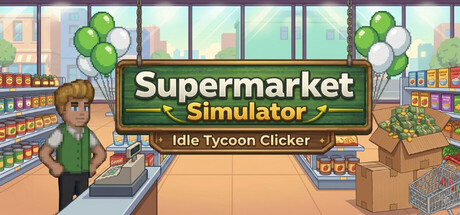 Supermarket Simulator: Idle Tycoon Clicker Dev only code | During the development of this game, AI tools were used solely as a coding assistance aid — primarily to help identify and fix minor bugs, and to assist with small code corrections and improvements. AI was not used to generate any content experienced by the player, including visual assets, audio, narrative or in-game text. All artwork, sound, and written content presented to the player are original and human-created. The AI usage disclosed here is limited to development-side coding assistance and does not appear as generated content within the final player-facing experience. | ArPeaKK Games | - | Jul 16, 2026 | |
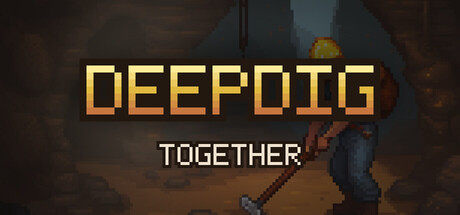 DeepDig: Together In-game content artcode | AI was used for some in game icons, store page images, and some developer workflows in programming. | Wolf Studios | - | Jul 16, 2026 | |
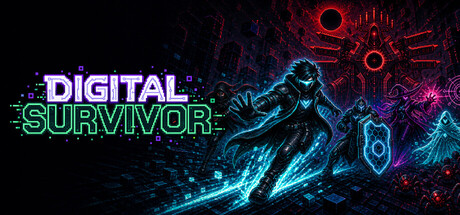 Digital Survivor In-game content artcode | AI was used for the code base and art/design of the game to allow development by only one person, Henrik Kjærulff. | Henrik 'WackyJacky101' Kjærulff | - | Jul 15, 2026 | |
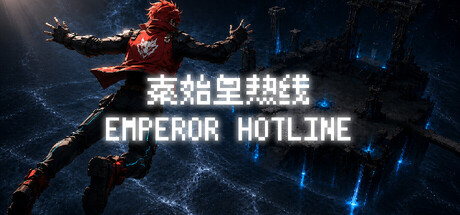 Emperor Hotline art | AI generated cutscene artworks will be replaced with paid artists work | Onipunks | - | Jul 15, 2026 | |
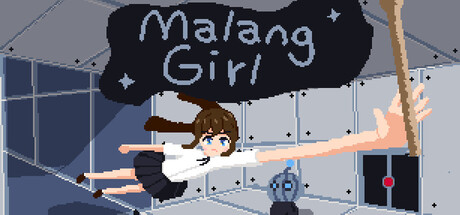 malang girl In-game content text | AI was used to translate the in-game language. | malangsoft | - | Jul 15, 2026 | |
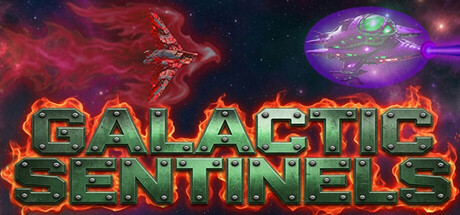 Galactic Sentinels In-game content art | Some assets were created with generative AI tools and then edited. | Lordoomer | - | Jul 15, 2026 | |
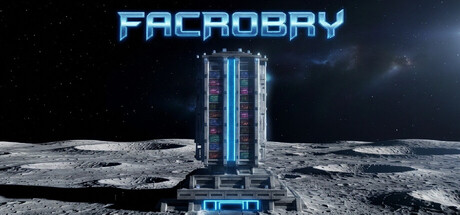 Facrobry In-game content audio | AI was used to create the game's musical accompaniment. | Agenosovgame | - | Jul 15, 2026 | |
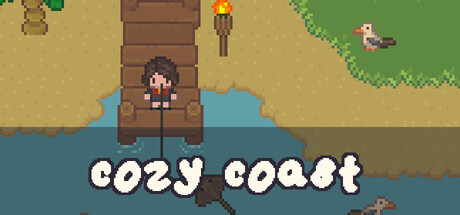 Cozy Coast Dev only code | We have used Generative AI for coding assisted task and development of some of the features. Assets are all untouched by AI. | Médéric Burlet | - | Jul 15, 2026 | |
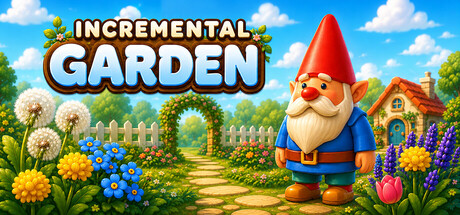 Incremental Garden Store/marketing art | AI used for Steam cover | Fredmont | - | Jul 15, 2026 | |
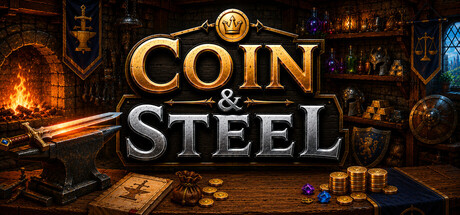 Coin & Steel In-game content arttextcode | This game was developed with the assistance of generative AI. AI was used to help create code, written content, and some visual assets under the developer's direction. All AI-generated content is reviewed and integrated by the developer. The game does not use live generative AI during gameplay. | Akelmor Game Studio | - | Jul 15, 2026 | |
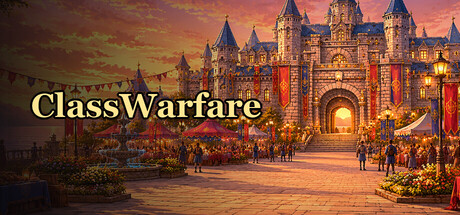 ClassWarfare In-game content artaudiotextcode | The entirety of the game from the code to the art to the music WAS GENERATED WITH AI. This is not a disguise, I do not know how to build an entire game from scratch by myself. The story, characters, and concept art was created entirely by me and partly with my best friend Xavier, but everything in game is made using AI. | LivingDew | - | Jul 15, 2026 | |
 Input gets a job! In-game content text | Used AI for translation. | madrugaSensei Developer | - | Jul 15, 2026 | |
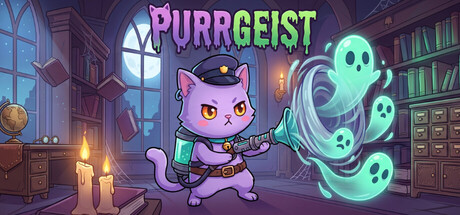 Purrgeist In-game content art | Some of Purrgeist's visual assets (such as backgrounds and base artwork) and some marketing materials were created with the help of generative AI tools (e.g., Google Gemini) as a starting point, then reviewed, edited, and reworked into pixel art by the developer. This is pre-generated content — the game does not generate any AI content while you play, and everything is human-reviewed. | Royercross | - | Jul 15, 2026 | |
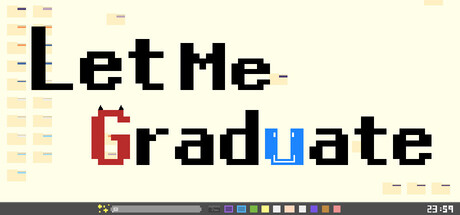 Let Me Graduate In-game content audio | Generative AI tools were partially used during the development process to enhance development efficiency and assist with sound asset creation. | RiMimic | - | Jul 15, 2026 | |
 Frontier Survivors In-game content artaudiotextcode | This game was made by 1 person, with the help of AI for the art, coding, sound, story, you name it. This was a lot of work for me the human though, this was not a few prompts, this was many different systems and custom work pipelines I designed completely myself. It took a long time and a huge amount of effort. | MisterEoss | - | Jul 15, 2026 | |
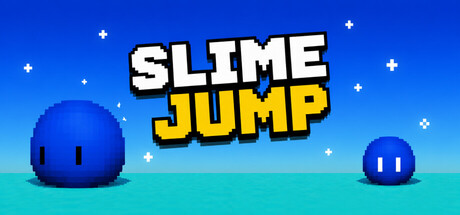 Slime Jump In-game content art | Generative AI was used to assist in creating certain promotional art assets, including the Steam achievement icons and Steam store thumbnails. All gameplay, code, and core game content were created by the developer. | Ghosty | - | Jul 15, 2026 | |
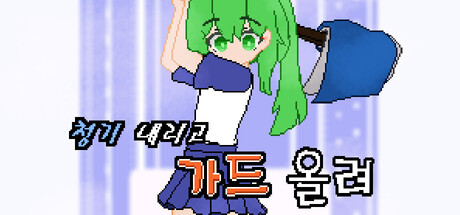 Blue Flag Down, Guard Up In-game content art | Some of the game's graphical assets were initially generated using AI and then manually retouched and finalized by the developer. | RetroSweetsClub | - | Jul 15, 2026 | |
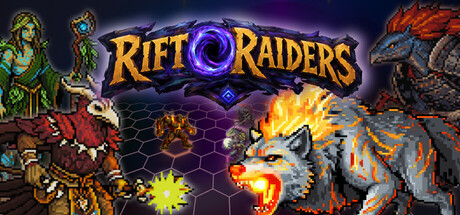 Rift Raiders In-game content art | Some of our units are AI-generated | Gooder Games | - | Jul 15, 2026 | |
 密林 In-game content art | Some graffiti textures were created using AI, entirely based on our own original game/licensed assets. No copyrighted or third-party materials were used in the process. All AI-generated textures have been manually reviewed, repainted, and edited. | 水族馆馆长 | - | Jul 15, 2026 | |
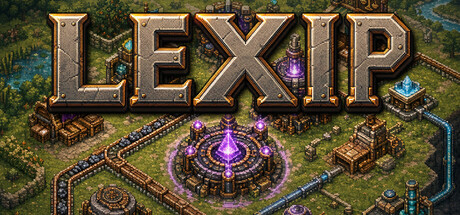 Lexip In-game content artaudiotextcode | Generative AI tools were used in the development of Lexip to create initial drafts and source material for parts of the project, including code, visual assets, sounds, writing, and marketing materials. These outputs were not used unchanged; they were reviewed, selected, adapted, edited, and integrated by the developer. The final implementation, design decisions, and overall tuning were done manually. The game does not generate new AI content during gameplay. | Craffel | - | Jul 15, 2026 | |
 Pixel Lens Store/marketing art | This app uses our in-house AI for the pixel-art conversion process. Generative AI content is used in the trailers and screenshots shown on this store page. | PanzerSoft | - | Jul 15, 2026 |


