Public Steam disclosure research25,380 disclosures tracked
Where do games disclose AI use?
Search developers’ Steam disclosures, compare classified AI use across
games, and follow recorded changes.
This index adds cross-game classifications and statistics to
statements published on individual store pages.
Groups reflect automatic analysis of public disclosures; mature records are excluded. These counts do not measure AI use across all of Steam.
Missing or unclear statements cannot establish whether a game uses AI.
This game was built with the assistance of AI tools. Visual assets including character models, ability icons, and promotional art were generated using AI image generation. Game code, systems design, and implementation were developed with AI coding assistance. All gameplay mechanics, class balance, and game design decisions were directed by the developer.
AI was used only for creating a small number of store page promotional images (capsule and marketing visuals).
All in-game content, including gameplay, visuals, and assets, was created manually by the developer or uses properly licensed assets.
No AI is used during gameplay.
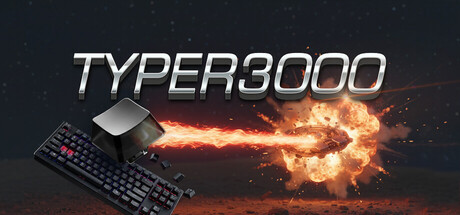
We have used AI primarily for image generation and for optimizing the network system in Typer3000. AI-driven image generation allowed us to rapidly create and iterate visual assets such as backgrounds, interface elements, and stylistic variations, ensuring a consistent and scalable visual design.
In addition, we have used AI to support the setup and optimization of the multiplayer network architecture. It helped us refine data transmission strategies, reduce latency, and improve synchronization of player inputs, resulting in a smooth and responsive real-time gameplay experience.
I'm a solo game developer. I use AI for checking spelling, grammar, some text generation for in-game item description, marketing material to make sure the English content is well presented to the players. Because English is not my native langue.
As a small indie team, we may use procedural and/or AI-based tools to assist with the development process. In all such cases, the final product reflects the creativity and expression of our own development team.
Some small visuals were made using AI completely trained on my own art, since I am a solo developer, it tremendously helped the tedious tasks of icon generation and few other visuals here and there.
Limited AI-assisted processing was used for some content based on human-created material, including certain video sequences animated from hand-rendered frames.
As a small indie team, we may use procedural and/or AI-based tools to assist with the development process. In all such cases, the final product reflects the creativity and expression of our own development team.
"Developed in Godot with a focus on precision and hand-crafted systems. To maintain absolute control over the game’s quality and vision, generative AI was used for less than 10% of development, limited strictly to early-stage conceptual ideation for visual assets. Every final in-game asset has been manually hand-drawn, and 100% of the game’s code—including the massive 3,000+ line player controller—is hand-written. This ensures the tight, responsive gameplay essential for a high-stakes Metoridvania."
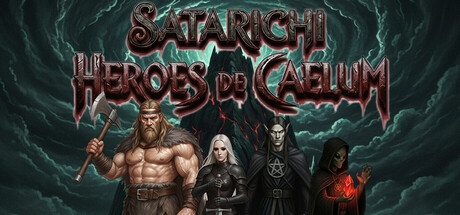
Satarichi: Heroes De Caelum is a work based on the original intellectual property of Jose Luis Matias Martinez (Rol, 2012; Novela, 2025), with character designs by Artemio Guevara. Generative AI has been used exclusively as technical assistance for the animation of original art and in the production of soundtrack segments, integrated with compositions under commercial license. All material has been supervised and edited manually.
Some marketing and promotional materials for this game were created or assisted using generative AI tools. These materials are used solely for marketing purposes and do not affect gameplay or in-game content.
I used BEZI and AI to help write scripts because im literally only one person and it would take 15 years and potentially cost hundreds of thousands of dollars to create this if i didnt have AI assistants.
AI-assisted tools were used during development to support the creation of visual assets, music, text, and store page materials, as well as for prototyping and scripting assistance. All content was curated, edited, and integrated by the developer, with final creative and technical decisions made by a human.
We use AI to generate example images, as well as to create variations of in-game assets by applying different rendering methods or artistic styles based on existing resources.
Currently, AI-generated content is being used for the store page, marketing materials, and/or community center materials to showcase a general vision of the game's future during the early development phase (game screenshots are labeled as "Prototype"), but with the subsequent removal and implementation of original content.
Some UI elements and 2D art assets have been made with AI. Some sound effects have been made or mixed with elements containing AI generated content. The store page capsule art background contains AI generated content.
This game was built with the assistance of AI tools. Visual assets including character models, ability icons, and promotional art were generated using AI image generation. Game code, systems design, and implementation were developed with AI coding assistance. All gameplay mechanics, class balance, and game design decisions were directed by the developer.
AI was used only for creating a small number of store page promotional images (capsule and marketing visuals).
All in-game content, including gameplay, visuals, and assets, was created manually by the developer or uses properly licensed assets.
No AI is used during gameplay.
We have used AI primarily for image generation and for optimizing the network system in Typer3000. AI-driven image generation allowed us to rapidly create and iterate visual assets such as backgrounds, interface elements, and stylistic variations, ensuring a consistent and scalable visual design.
In addition, we have used AI to support the setup and optimization of the multiplayer network architecture. It helped us refine data transmission strategies, reduce latency, and improve synchronization of player inputs, resulting in a smooth and responsive real-time gameplay experience.
I'm a solo game developer. I use AI for checking spelling, grammar, some text generation for in-game item description, marketing material to make sure the English content is well presented to the players. Because English is not my native langue.
As a small indie team, we may use procedural and/or AI-based tools to assist with the development process. In all such cases, the final product reflects the creativity and expression of our own development team.
Some small visuals were made using AI completely trained on my own art, since I am a solo developer, it tremendously helped the tedious tasks of icon generation and few other visuals here and there.
Limited AI-assisted processing was used for some content based on human-created material, including certain video sequences animated from hand-rendered frames.
As a small indie team, we may use procedural and/or AI-based tools to assist with the development process. In all such cases, the final product reflects the creativity and expression of our own development team.
"Developed in Godot with a focus on precision and hand-crafted systems. To maintain absolute control over the game’s quality and vision, generative AI was used for less than 10% of development, limited strictly to early-stage conceptual ideation for visual assets. Every final in-game asset has been manually hand-drawn, and 100% of the game’s code—including the massive 3,000+ line player controller—is hand-written. This ensures the tight, responsive gameplay essential for a high-stakes Metoridvania."
Satarichi: Heroes De Caelum is a work based on the original intellectual property of Jose Luis Matias Martinez (Rol, 2012; Novela, 2025), with character designs by Artemio Guevara. Generative AI has been used exclusively as technical assistance for the animation of original art and in the production of soundtrack segments, integrated with compositions under commercial license. All material has been supervised and edited manually.
Some marketing and promotional materials for this game were created or assisted using generative AI tools. These materials are used solely for marketing purposes and do not affect gameplay or in-game content.
I used BEZI and AI to help write scripts because im literally only one person and it would take 15 years and potentially cost hundreds of thousands of dollars to create this if i didnt have AI assistants.
AI-assisted tools were used during development to support the creation of visual assets, music, text, and store page materials, as well as for prototyping and scripting assistance. All content was curated, edited, and integrated by the developer, with final creative and technical decisions made by a human.
We use AI to generate example images, as well as to create variations of in-game assets by applying different rendering methods or artistic styles based on existing resources.
Currently, AI-generated content is being used for the store page, marketing materials, and/or community center materials to showcase a general vision of the game's future during the early development phase (game screenshots are labeled as "Prototype"), but with the subsequent removal and implementation of original content.
Some UI elements and 2D art assets have been made with AI. Some sound effects have been made or mixed with elements containing AI generated content. The store page capsule art background contains AI generated content.