








Disclosure
Some pre-generated visual and audio assets used in the game were created with the assistance of generative AI tools.
- Creator
- MSDEV Games
- Reviews
- -
- Added
- Sep 1, 2026
Public Steam disclosure research 25,376 disclosures tracked
Search developers’ Steam disclosures, compare classified AI use across games, and follow recorded changes. This index adds cross-game classifications and statistics to statements published on individual store pages.
Code help, debugging and other development work.
Capsule art, trailers and promotional material.
Pre-made art, audio, writing and other game assets.
Interactive or runtime AI features disclosed by the developer.
Groups reflect automatic analysis of public disclosures; mature records are excluded. These counts do not measure AI use across all of Steam. Missing or unclear statements cannot establish whether a game uses AI.
Some pre-generated visual and audio assets used in the game were created with the assistance of generative AI tools.
Generative AI was used to assist in creating some UI graphics, equipment graphic assets, and music, as well as to assist with programming. All generated content was reviewed and edited as needed by the developer. No live-generated AI content is used while the game is running.
Destroy the Flag was developed with the assistance of a generative AI coding assistant (Claude, by Anthropic), used throughout development as a programming and writing collaborator. Pre-Generated content (created during development, ships with the game): - In-game interface text — menu labels, HUD text, on-screen instructions, and system messages — was drafted with AI assistance as part of the game's code, then reviewed and refined by the developer before shipping. - The Steam store page's short and long descriassistance, then fact-checked, edited, and approvpublishing. Live-Generated content: None. The game does not usnt isgenerated by AI while the game is being played
As indie developers we use generative AI to power our creativity and build this game faster and according our community desires and our own vision for the game.
ViewerFrenzy includes pre-generated AI-assisted music and selected visual assets created during development. These assets are reviewed and curated by the development team before inclusion in the game. The game does not use generative AI to create content during gameplay.
We used Claude (Anthropic) during development for the following: - Writing the store page description - Assisting with the translation of in-game text - Generating some simple in-game objects
AI has been used to help with coding, asset generation and voice generation.
Generative AI tools were used during development to assist with portions of selected sprite artwork and to create some sound effects and background music. All AI-assisted content was generated before release, reviewed and curated by the developer, and edited or integrated into the final game as appropriate. RuneEra does not use AI to generate content while the game is running.
The game is primarily developed using Houdini, VEX and Godot. Generative AI assists with concept/reference artwork, initial 3D asset generation, and programming. Assets are further processed, optimized, rigged and animated in Houdini before integration into the game.
Standard C++ game code, written during development with the assistance of an AI programming assistant, used as a pair-programming tool. This includes gameplay systems (crafting, inventory, world simulation), rendering and UI code, and development tooling. It is ordinary, static game logic. AI assistance was used only during development, directed by myself through specific requests, with every change reviewed, tested, and committed to version control by myself. The shipped game contains no AI models and does not execute or generate any code or content via AI at runtime. The game is a fully offline, single-player experience.
AI assistance was used to create and visually enhance some of the visuals in the trailer.
To make One More Chop more accessible to players around the world, AI-assisted tools were used as part of the localization process for supported languages. Their use is limited to translation and localization support, helping us make the game available to players across a wider range of languages and regions.
HaddyForge utilizes PixelLab AI as part of our development workflow to assist with the prototyping and production of select pixel-art sprites, character concepts, and animation frames. AI-assisted output is primarily used as a starting point for development and is not typically considered game-ready in its initial form. Assets are reviewed, refined, edited, and iterated upon by the developer using PixelLab, Aseprite, and our broader pixel-art workflow until they meet the visual, animation, and technical requirements of the game. As an independent studio combining pixel-art creation and software development, HaddyForge uses AI-assisted tools to accelerate experimentation and prototyping while maintaining direct creative control over the final assets included in the game. AI-assisted development tools have also been used during software development to help review and iterate on game systems, identify potential bugs, improve testing, and increase development efficiency. All resulting game systems and implementations are reviewed, tested, and integrated by the developer before release.
Some visual assets, audio, voice-over and cinematic elements were created with the assistance of generative AI tools, then selected, edited, refined and integrated by the developer. No generative AI is used live during gameplay.
Generative AI was used as a development aid: to assist with programming and UI implementation, to create the initial concept art for the characters, and to produce the background music. All generated images were then retouched and revised by the developer. No content is generated by AI in real time while the game is running.
Some of Powdertron's development and marketing materials were produced with AI assistance. The store page text was drafted with an AI writing tool and edited by hand, and the capsule images and trailer were rendered by procedural code written with AI assistance, using the game's own artwork and captured gameplay footage. The game itself contains no generative AI. Nothing is generated at runtime, no AI service is contacted while you play, and all in-game content — the materials, reaction rules, simulations and interface — is authored and deterministic.
AI was used as an assistant for programming.
The background music was generated using AI, but it is intended to be replaced with human-made music once suitable tracks are found.
Some pre-rendered assets in this game and its store presence were created with the assistance of generative AI tools: portions of the 2D artwork (such as backdrop and ramp textures, marketing and capsule images) and some sound effects. All AI-assisted assets were reviewed, selected, and edited by the developer before inclusion. The game's design, code, gameplay systems, writing, and balance are entirely human-made. No content is generated by AI at runtime.
In Glow Tail, we utilized AI generated content for certain elements, such as capsule images, library assets, and the game icon.
Some of this game's assets were produced with the help of generative AI tools: the 2D key art and cinematic stills used in the trailer, capsule art and main menu; the base meshes for the twelve zodiac fighters, generated with Meshy and then rigged, retextured and reworked by hand; and part of the music and sound effects. Every AI-generated asset was reviewed, edited and integrated manually before shipping. No generative AI runs at runtime — nothing is generated while you play.
During development, we used generative AI tools to assist in some content creation and coding.
Voxel Siege uses generative AI for some pre-generated content, all reviewed by the developer before inclusion. Specifically: some in-game material/block textures were created with AI image tools; the music and sound effects were created with AI audio-generation tools; the store page description and some marketing copy were drafted with AI assistance; and some level/fortress layouts were generated with AI-assisted tooling. All AI-generated content was created during development (not live or at runtime), was reviewed by the developer, and does not incorporate third-party intellectual property. The game does not generate any AI content live during gameplay.
Generative AI was used during development to create some concept art, early promotional images, certain 3D assets, and UI illustrations. All AI-generated content was reviewed, edited, and integrated by the developer. The game does not use AI-generated content during gameplay.
Some Steam store and library presentation artwork was created with assistance from generative AI tools, then selected and edited by the developer. Localization was completed conventionally, with AI used to assist in verification and quality checks.
AI was used for localization and some visuals.
The game uses various AI models for: - voice-over - images - the intro/video
Generative AI tools were used during development to assist with the creation of some voice-over content, images, and written content. All AI-assisted content was generated and reviewed by the developer before being included in the game or its promotional materials. No generative AI is used during gameplay.
The character voices used in the game were generated by artificial intelligence.
Swarmvore was built by a solo developer using generative AI tools for the game's code, art, and text. Every piece of content went through many rounds of prompting, testing, and refining, and every creative decision, from mechanics to tone to visual style, was made by the developer.
Used to generate game logo, some in-game icons and steam store page content
Generative AI was used in the following ways: • The title logo on our store capsule images was created with an AI image tool. Everything else in those images is real footage from the running game. • The trailer narration was written with AI assistance and voiced using ElevenLabs text-to-speech. • Some in-game text event descriptions, help and interface copy was written with AI assistance and edited by hand. The game itself is not AI-generated. The world simulation, the voxel terrain and its creatures, and all in-game art are hand-built. Sound effects and music are licensed from stock audio libraries. Nothing is generated while you play.
Generative AI was used to assist with the localization of in-game text.
Generative AI tools were used during development to assist with portions of debugging and gameplay balancing. All AI-assisted output was reviewed, modified, tested, and integrated by the developer. The game does not connect to generative AI services or generate AI content during gameplay.
Mithril uses generative AI in much of its art and audio. This includes 3D models, textures and materials throughout the game — cave and terrain surfaces, environment art and interface textures — 2D item and UI icons, store page and marketing images, music and sound effects. All of it was edited and finalised by hand against the game's art direction. No AI-generated voice is used, and no generative AI runs while you play — the game generates nothing at runtime. Not AI-generated: world generation (hand-written procedural algorithms, not AI), model animations, game code, and level and systems design.
Generative AI was used to assist in the creation of character illustrations, selected artwork, store page assets, and localization. All AI-assisted content has been reviewed, edited, and integrated by the developer. The game does not use generative AI to create content during gameplay.
Some 2D art was made with generative AI as a starting point, cards are renders of our real 3D models with painted backgrounds. No in-game AI, no AI voices, no real people's likenesses. Art may be replaced during Early Access.
AI is used only for translation and sound effects.
The game's main soundtrack was created using generative AI. The game's promotional capsule artwork was also created with the assistance of generative AI. All other gameplay, programming, game design, pixel art, animations, visual effects, sound effects, UI, and game content were created by the developer.
BattleDeck uses AI tools in the following areas: Artwork, audio and as a development assistant during coding. All AI generated content has been reviewed and refined by the developer.
Generative AI tools were used during development to create most of the game's code and assist with localization, including some store-page text. All AI-assisted outputs were manually reviewed, edited, tested, and integrated by the developer. No artwork, character designs, animations, music, sound effects, or other visual or audio assets were generated using AI. The game does not use live-generated AI during gameplay.
Artificial intelligence was used to create certain user interface elements and to modify the Steam capsule. Although the background of the Steam capsule comes directly from the game, the image was modified using artificial intelligence.
Coding tools, audio, etc.
Generative AI was used during development to create some pre-generated graphical content. This includes several user interface icons used in the game and the hero banner displayed on the Steam store page. The game does not generate any content using AI during runtime.
Our game, Neo-Exodus: Last Bastion, utilizes generative AI tools to assist in the creation of certain visual assets. Specifically, AI-generated content is used for some static background images, textures, and promotional art displayed on the store page and within the game. All AI-generated content is pre-generated; there is no real-time generation of content during gameplay. We have manually reviewed and curated all AI-assisted assets to ensure they meet our quality and safety standards.
Currently, the game uses around 10% conceptual/placeholder AI-generated textures. All of these placeholders will be completely replaced prior to the 1.0 full release. The following are temporary AI placeholder textures: - Most UI buttons - Vehicle textures - The home screen - The mouse cursor - Most of the shop scene - All bridges The following are NOT AI textures (100% custom-made): - All enemy models and textures (minus the boss "evil reforged bot mk9001") - All item icons and textures - All levels (except for the underground bunker and frozen ridge, which temporarily share the home screen texture)
Some 2D, 3D artwork and sounds were generated with AI assistance.
Generative AI tools were used to help develop some in game assets.
Steam capsule images and 2 GUI elements were made by GenAI. Everything else was made without any use of GenAI.
Ai is used to create some loading-screens and other branding materials, also can be used in descriptive texts of the game. All game code/assets are 100% made by humans.
| Title⇅ | Disclosure | Creator⇅ | Src | Reviews⇅ | Added↓ |
|---|---|---|---|---|---|
 Ragdoll Recoil In-game content artaudio | Some pre-generated visual and audio assets used in the game were created with the assistance of generative AI tools. | MSDEV Games | - | Sep 1, 2026 | |
 The Little Stomping Girl In-game content artaudiocode | Generative AI was used to assist in creating some UI graphics, equipment graphic assets, and music, as well as to assist with programming. All generated content was reviewed and edited as needed by the developer. No live-generated AI content is used while the game is running. | DreamaGames | - | Sep 1, 2026 | |
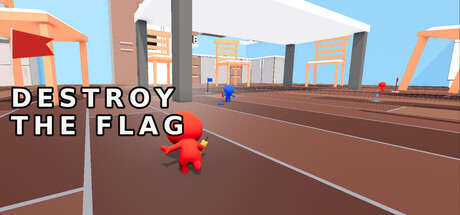 Destroy the Flag In-game content textcode | Destroy the Flag was developed with the assistance of a generative AI coding assistant (Claude, by Anthropic), used throughout development as a programming and writing collaborator.
Pre-Generated content (created during development, ships with the game):
- In-game interface text — menu labels, HUD text, on-screen instructions, and system messages — was drafted with AI assistance as part of the game's code, then reviewed and refined by the developer before shipping.
- The Steam store page's short and long descriassistance, then fact-checked, edited, and approvpublishing.
Live-Generated content: None. The game does not usnt isgenerated by AI while the game is being
played | Pisuke | - | Aug 31, 2026 | |
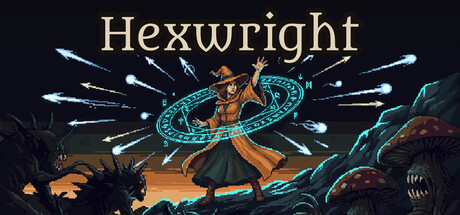 Hexwright Unclear | As indie developers we use generative AI to power our creativity and build this game faster and according our community desires and our own vision for the game. | Naio Games | - | Aug 29, 2026 | |
 ViewerFrenzy In-game content audioart | ViewerFrenzy includes pre-generated AI-assisted music and selected visual assets created during development. These assets are reviewed and curated by the development team before inclusion in the game. The game does not use generative AI to create content during gameplay. | OldManObserver | - | Aug 29, 2026 | |
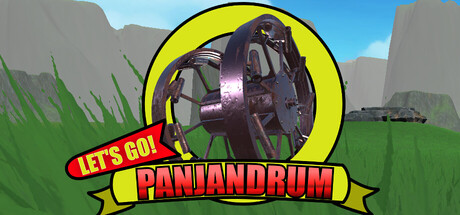 それゆけ!パンジャンドラム In-game content textart | We used Claude (Anthropic) during development for the following:
- Writing the store page description
- Assisting with the translation of in-game text
- Generating some simple in-game objects | WINGLAY | - | Aug 28, 2026 | |
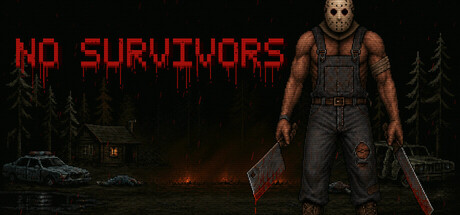 No Survivors In-game content artaudio | AI has been used to help with coding, asset generation and voice generation. | Sparky Games | - | Aug 28, 2026 | |
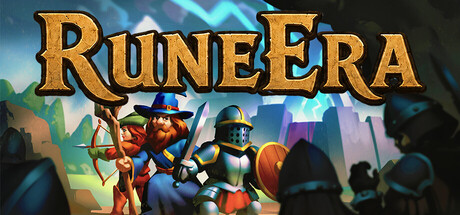 RuneEra In-game content artaudio | Generative AI tools were used during development to assist with portions of selected sprite artwork and to create some sound effects and background music. All AI-assisted content was generated before release, reviewed and curated by the developer, and edited or integrated into the final game as appropriate. RuneEra does not use AI to generate content while the game is running. | Spellstead Games | - | Aug 28, 2026 | |
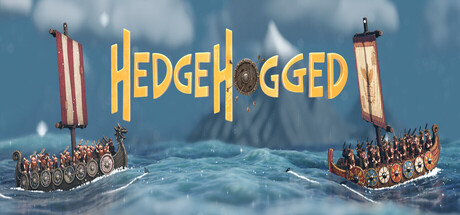 HedgeHogged Dev only artcode | The game is primarily developed using Houdini, VEX and Godot. Generative AI assists with concept/reference artwork, initial 3D asset generation, and programming. Assets are further processed, optimized, rigged and animated in Houdini before integration into the game. | VFX South | - | Aug 28, 2026 | |
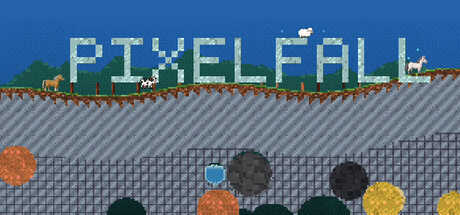 PixelFall Dev only code | Standard C++ game code, written during development with the assistance of an AI programming assistant, used as a pair-programming tool. This includes gameplay systems (crafting, inventory, world simulation), rendering and UI code, and development tooling. It is ordinary, static game logic.
AI assistance was used only during development, directed by myself through specific requests, with every change reviewed, tested, and committed to version control by myself.
The shipped game contains no AI models and does not execute or generate any code or content via AI at runtime. The game is a fully offline, single-player experience. | Miguel Benavides | - | Aug 28, 2026 | |
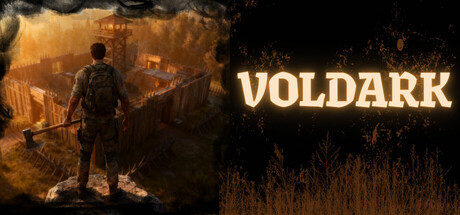 Voldark Store/marketing art | AI assistance was used to create and visually enhance some of the visuals in the trailer. | OzbalHan | - | Aug 26, 2026 | |
 One More Chop In-game content text | To make One More Chop more accessible to players around the world, AI-assisted tools were used as part of the localization process for supported languages. Their use is limited to translation and localization support, helping us make the game available to players across a wider range of languages and regions. | Jubar Studio | - | Aug 25, 2026 | |
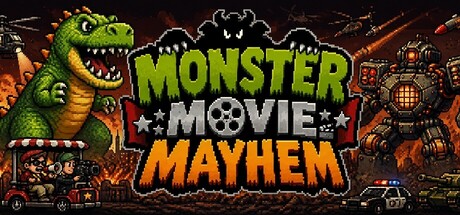 Monster Movie Mayhem In-game content art | HaddyForge utilizes PixelLab AI as part of our development workflow to assist with the prototyping and production of select pixel-art sprites, character concepts, and animation frames.
AI-assisted output is primarily used as a starting point for development and is not typically considered game-ready in its initial form. Assets are reviewed, refined, edited, and iterated upon by the developer using PixelLab, Aseprite, and our broader pixel-art workflow until they meet the visual, animation, and technical requirements of the game.
As an independent studio combining pixel-art creation and software development, HaddyForge uses AI-assisted tools to accelerate experimentation and prototyping while maintaining direct creative control over the final assets included in the game.
AI-assisted development tools have also been used during software development to help review and iterate on game systems, identify potential bugs, improve testing, and increase development efficiency. All resulting game systems and implementations are reviewed, tested, and integrated by the developer before release. | HaddyForge | - | Aug 25, 2026 | |
 Rage and Fury In-game content artaudiotext | Some visual assets, audio, voice-over and cinematic elements were created with the assistance of generative AI tools, then selected, edited, refined and integrated by the developer. No generative AI is used live during gameplay. | EntroOne | - | Aug 24, 2026 | |
 ムシバ放置株式会社 In-game content artaudiocode | Generative AI was used as a development aid: to assist with programming and UI
implementation, to create the initial concept art for the characters, and to
produce the background music. All generated images were then retouched and
revised by the developer. No content is generated by AI in real time while the
game is running. | donpema | - | Aug 23, 2026 | |
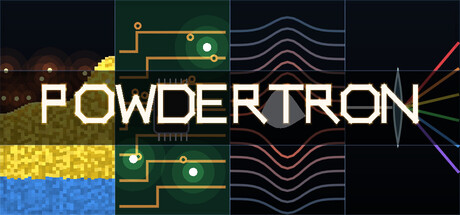 Powdertron Store/marketing textart | Some of Powdertron's development and marketing materials were produced with AI assistance. The store page text was drafted with an AI writing tool and edited by hand, and the capsule images and trailer were rendered by procedural code written with AI assistance, using the game's own artwork and captured gameplay footage.
The game itself contains no generative AI. Nothing is generated at runtime, no AI service is contacted while you play, and all in-game content — the materials, reaction rules, simulations and interface — is authored and deterministic. | SalE | - | Aug 22, 2026 | |
 Carve The Cave Together Dev only code | AI was used as an assistant for programming. | Gooder Games | - | Aug 22, 2026 | |
 Tactical Squad In-game content audio | The background music was generated using AI, but it is intended to be replaced with human-made music once suitable tracks are found. | Anarchy Corner | - | Aug 22, 2026 | |
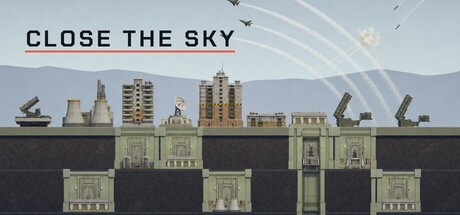 Close the Sky In-game content artaudio | Some pre-rendered assets in this game and its store presence were created with the assistance of generative AI tools: portions of the 2D artwork (such as backdrop and ramp textures, marketing and capsule images) and some sound effects. All AI-assisted assets were reviewed, selected, and edited by the developer before inclusion. The game's design, code, gameplay systems, writing, and balance are entirely human-made. No content is generated by AI at runtime. | Iron Trident Games | - | Aug 22, 2026 | |
 Glow Tail In-game content art | In Glow Tail, we utilized AI generated content for certain elements, such as capsule images, library assets, and the game icon. | KaashFusionStudio | - | Aug 20, 2026 | |
 Enter the Cube In-game content artaudio | Some of this game's assets were produced with the help of generative AI tools: the 2D key art and cinematic stills used in the trailer, capsule art and main menu; the base meshes for the twelve zodiac fighters, generated with Meshy and then rigged, retextured and reworked by hand; and part of the music and sound effects. Every AI-generated asset was reviewed, edited and integrated manually before shipping. No generative AI runs at runtime — nothing is generated while you play. | JACKZ STUDIO | - | Aug 20, 2026 | |
 IDUN Rogue Dev only code | During development, we used generative AI tools to assist in some content creation and coding. | IDUN Interactive | - | Aug 20, 2026 | |
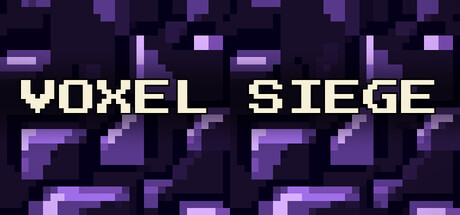 Voxel Siege In-game content artaudiotext | Voxel Siege uses generative AI for some pre-generated content, all reviewed by the developer before inclusion. Specifically: some in-game material/block textures were created with AI image tools; the music and sound effects were created with AI audio-generation tools; the store page description and some marketing copy were drafted with AI assistance; and some level/fortress layouts were generated with AI-assisted tooling. All AI-generated content was created during development (not live or at runtime), was reviewed by the developer, and does not incorporate third-party intellectual property. The game does not generate any AI content live during gameplay. | Frontier App Labs | - | Aug 20, 2026 | |
 Snowed In Store/marketing art | Generative AI was used during development to create some concept art, early promotional images, certain 3D assets, and UI illustrations. All AI-generated content was reviewed, edited, and integrated by the developer. The game does not use AI-generated content during gameplay. | Eredzhepov Rustam | - | Aug 19, 2026 | |
 Collapse Vector In-game content arttext | Some Steam store and library presentation artwork was created with assistance from generative AI tools, then selected and edited by the developer. Localization was completed conventionally, with AI used to assist in verification and quality checks. | Starfuel Interactive | - | Aug 17, 2026 | |
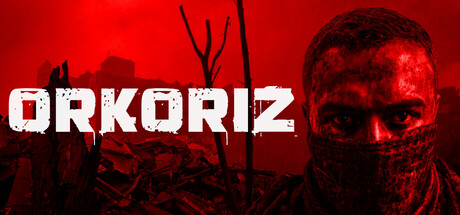 Orkoriz In-game content textart | AI was used for localization and some visuals. | Chornozem Labs | - | Aug 17, 2026 | |
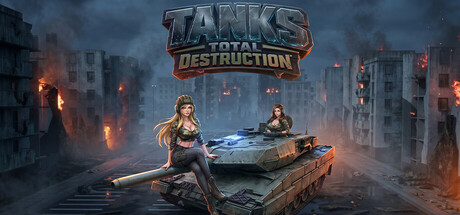 TANKS Total Destruction In-game content audioart | The game uses various AI models for:
- voice-over
- images
- the intro/video | 2DevStudio | - | Aug 17, 2026 | |
 Grand Snow Rider In-game content audioarttext | Generative AI tools were used during development to assist with the creation of some voice-over content, images, and written content. All AI-assisted content was generated and reviewed by the developer before being included in the game or its promotional materials. No generative AI is used during gameplay. | DASH | - | Aug 16, 2026 | |
 Carnage Mania In-game content audio | The character voices used in the game were generated by artificial intelligence. | Gensart | - | Aug 16, 2026 | |
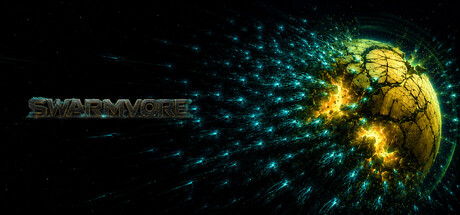 Swarmvore In-game content arttextcode | Swarmvore was built by a solo developer using generative AI tools for the game's code, art, and text. Every piece of content went through many rounds of prompting, testing, and refining, and every creative decision, from mechanics to tone to visual style, was made by the developer. | Panda Games | - | Aug 16, 2026 | |
 HellRock Diver In-game content art | Used to generate game logo, some in-game icons and steam store page content | HyugaHouse Games | - | Aug 16, 2026 | |
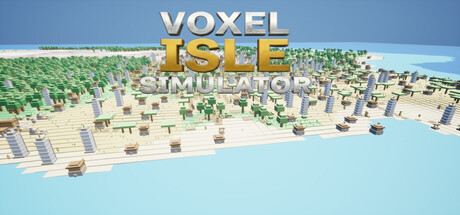 VOXEL ISLE SIMULATOR In-game content arttextaudio | Generative AI was used in the following ways:
• The title logo on our store capsule images was created with an AI image
tool. Everything else in those images is real footage from the running game.
• The trailer narration was written with AI assistance and voiced using
ElevenLabs text-to-speech.
• Some in-game text event descriptions, help and interface copy was
written with AI assistance and edited by hand.
The game itself is not AI-generated. The world simulation, the voxel terrain
and its creatures, and all in-game art are hand-built. Sound effects and music
are licensed from stock audio libraries. Nothing is generated while you play. | SFH PROD | - | Aug 14, 2026 | |
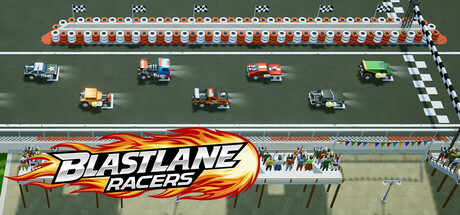 Blastlane Racers In-game content text | Generative AI was used to assist with the localization of in-game text. | High Mountain Games | - | Aug 14, 2026 | |
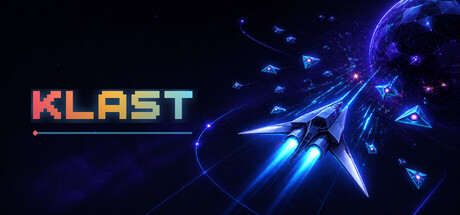 KLAST Dev only code | Generative AI tools were used during development to assist with portions of debugging and gameplay balancing. All AI-assisted output was reviewed, modified, tested, and integrated by the developer. The game does not connect to generative AI services or generate AI content during gameplay. | Ursavus LLC | - | Aug 13, 2026 | |
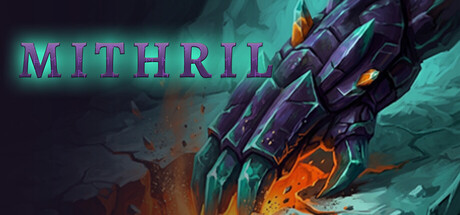 Mithril In-game content artaudio | Mithril uses generative AI in much of its art and audio. This includes 3D models, textures and materials throughout the game — cave and terrain surfaces, environment art and interface textures — 2D item and UI icons, store page and marketing images, music and sound effects. All of it was edited and finalised by hand against the game's art direction.
No AI-generated voice is used, and no generative AI runs while you play — the game generates nothing at runtime.
Not AI-generated: world generation (hand-written procedural algorithms, not AI), model animations, game code, and level and systems design. | Agentic Games | - | Aug 13, 2026 | |
 PRINCESS VANGUARD In-game content arttext | Generative AI was used to assist in the creation of character illustrations, selected artwork, store page assets, and localization. All AI-assisted content has been reviewed, edited, and integrated by the developer. The game does not use generative AI to create content during gameplay. | きなこ棒(Kinakoboo) | - | Aug 13, 2026 | |
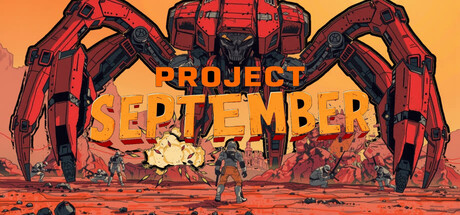 Project September In-game content art | Some 2D art was made with generative AI as a starting point, cards are renders of our real 3D models with painted backgrounds. No in-game AI, no AI voices, no real people's likenesses. Art may be replaced during Early Access. | Livari Studio | - | Aug 11, 2026 | |
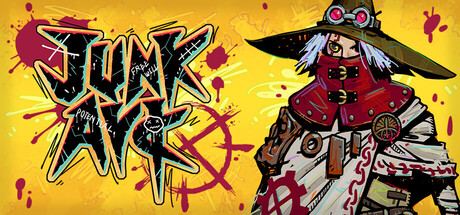 Junk Ark In-game content textaudio | AI is used only for translation and sound effects. | Burning Bone | - | Aug 11, 2026 | |
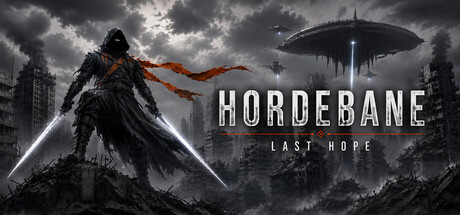 Hordebane: Last Hope In-game content audioart | The game's main soundtrack was created using generative AI. The game's promotional capsule artwork was also created with the assistance of generative AI. All other gameplay, programming, game design, pixel art, animations, visual effects, sound effects, UI, and game content were created by the developer. | Luparc Games | - | Aug 11, 2026 | |
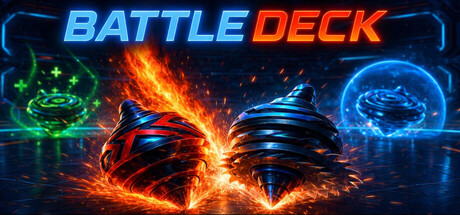 BattleDeck In-game content artaudiocode | BattleDeck uses AI tools in the following areas:
Artwork, audio and as a development assistant during coding. All AI generated content has been reviewed and refined by the developer. | 5Aces | - | Aug 8, 2026 | |
 Mana Boom In-game content codetext | Generative AI tools were used during development to create most of the game's code and assist with localization, including some store-page text. All AI-assisted outputs were manually reviewed, edited, tested, and integrated by the developer. No artwork, character designs, animations, music, sound effects, or other visual or audio assets were generated using AI. The game does not use live-generated AI during gameplay. | PepaStar | - | Aug 5, 2026 | |
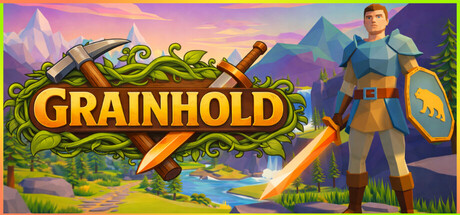 Grainhold Store/marketing art | Artificial intelligence was used to create certain user interface elements and to modify the Steam capsule. Although the background of the Steam capsule comes directly from the game, the image was modified using artificial intelligence. | CreakGames | - | Aug 2, 2026 | |
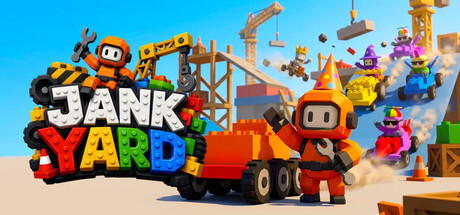 Jank Yard Unclear codeaudio | Coding tools, audio, etc. | Watashi Games | - | Jul 31, 2026 | |
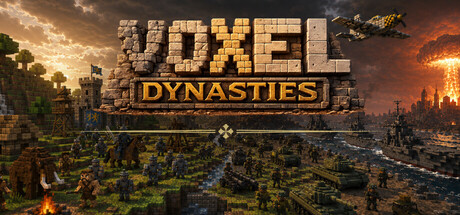 Voxel Dynasties In-game content art | Generative AI was used during development to create some pre-generated graphical content. This includes several user interface icons used in the game and the hero banner displayed on the Steam store page. The game does not generate any content using AI during runtime. | Felix Kempin | - | Jul 30, 2026 | |
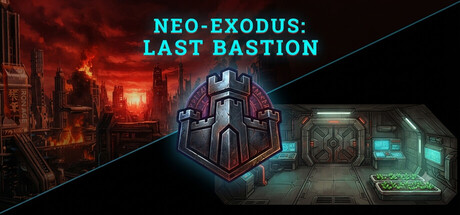 Neo-Exodus: Last Bastion In-game content art | Our game, Neo-Exodus: Last Bastion, utilizes generative AI tools to assist in the creation of certain visual assets. Specifically, AI-generated content is used for some static background images, textures, and promotional art displayed on the store page and within the game. All AI-generated content is pre-generated; there is no real-time generation of content during gameplay. We have manually reviewed and curated all AI-assisted assets to ensure they meet our quality and safety standards. | GODev Games | - | Jul 30, 2026 | |
 TAKEDOWN 16 In-game content art | Currently, the game uses around 10% conceptual/placeholder AI-generated textures. All of these placeholders will be completely replaced prior to the 1.0 full release.
The following are temporary AI placeholder textures:
- Most UI buttons
- Vehicle textures
- The home screen
- The mouse cursor
- Most of the shop scene
- All bridges
The following are NOT AI textures (100% custom-made):
- All enemy models and textures (minus the boss "evil reforged bot mk9001")
- All item icons and textures
- All levels (except for the underground bunker and frozen ridge, which temporarily share the home screen texture) | dobert_dev | - | Jul 25, 2026 | |
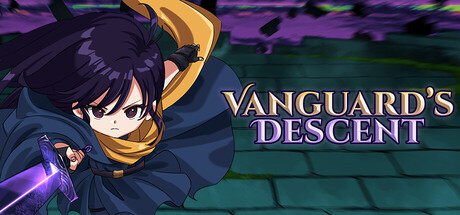 Vanguard's Descent In-game content artaudio | Some 2D, 3D artwork and sounds were generated with AI assistance. | Devichi | - | Jul 25, 2026 | |
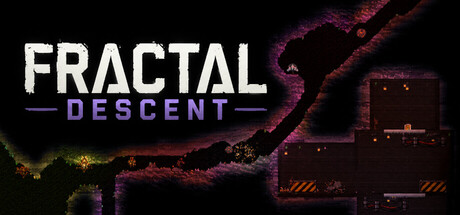 Fractal Descent In-game content art | Generative AI tools were used to help develop some in game assets. | AEVO | - | Jul 25, 2026 | |
 Capybara Clash Store/marketing art | Steam capsule images and 2 GUI elements were made by GenAI. Everything else was made without any use of GenAI. | StudyFun | - | Jul 25, 2026 | |
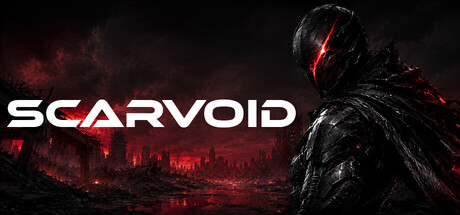 SCARVOID Store/marketing arttext | Ai is used to create some loading-screens and other branding materials, also can be used in descriptive texts of the game.
All game code/assets are 100% made by humans. | Cyberhaze | - | Jul 23, 2026 |


