Public Steam disclosure research25,383 disclosures tracked
Where do games disclose AI use?
Search developers’ Steam disclosures, compare classified AI use across
games, and follow recorded changes.
This index adds cross-game classifications and statistics to
statements published on individual store pages.
Groups reflect automatic analysis of public disclosures; mature records are excluded. These counts do not measure AI use across all of Steam.
Missing or unclear statements cannot establish whether a game uses AI.
Some sound effects and the in-game text localization were created with the help of AI tools during development. All AI-generated audio and translated text was reviewed and edited by a human before shipping. No AI-generated artwork, and no AI content is generated while the game is running.
Generative AI tools were used during development to assist in creating and refining some pre-generated visual assets, including selected in-game backgrounds. All AI-assisted content was reviewed, edited, and integrated by the development team. The game does not generate content using AI during gameplay.
This game uses generative AI tools for parts of its 3D model creation and music/sound effect production.
Core elements of the game experience — including the scenario, game design, AI logic design and implementation, and part balance adjustments — are created and decided primarily by the developer himself.
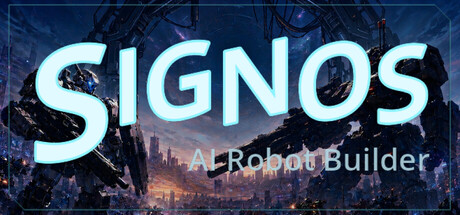
In keeping with the game's own concept of "designing AI logic to fight," the development process itself also actively incorporates collaboration with AI. This game was completed by using dialogue with AI to work around the limitations of a one-person team.
Some pre-made content was created with the help of generative AI and curated by the developer: promotional/splash artwork and some item icons, several source 3D meshes, background music tracks, and portions of in-game flavor text. The game does not generate any content at runtime.
Generative AI tools were used to assist in creating some store page artwork and marketing materials, as well as parts of the game's word content. All AI-assisted content was reviewed, edited, and integrated by the developer. Game design, programming, and final implementation were created by the developer.
Generative AI tools were used during development to assist in the creation of some visual assets. All AI-assisted content is pre-generated and included as part of the game. The game does not generate AI content during gameplay.
Generative AI was used during development to assist with writing and improving parts of the game code. All AI-assisted code was reviewed, edited, and integrated by the development team.
Generative AI tools were used to create some background assets used within the actual game client. All game assets created this way were pre-generated and fixed by the developer.
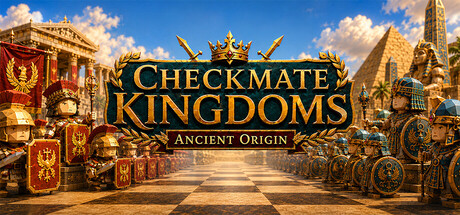
Kingsfall:Chess uses pre-generated AI-generated imagery for some visual assets within the game and promotional/store materials. Other visual assets were created by artists using traditional methods. No content is generated by AI during gameplay.
In this game AI was used to generate a few abstract textures in 4th and 5th game worlds. Game's logo was also made partially with a help of image generation tooling.
In the interest of transparency, illustrations were created with the help of AI-assisted tools, used as creative support within a human-led artistic process.
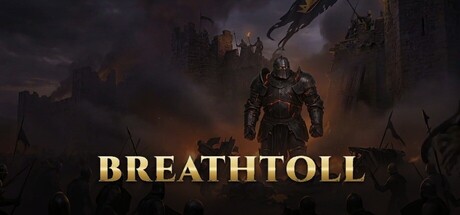
Breathtoll includes some AI-generated content, all of it created during development. Nothing is generated live while you play.
Cinematic cutscenes: the video imagery and animation are AI-generated.
Creatures: the 3D creature models began as AI-generated base meshes and were hand-refined through multiple Blender passes (cleanup, retopology, and texturing) before use in the game.
Store and marketing art: some capsule and store images are composed from frames of the AI-generated cutscenes.
All other content is human-made, including the game code, systems, design, all writing (scripts, narration, and story), and the hand-authored card art. We hold the rights to the AI-generated content under the generating tools' commercial licenses.
This disclosure reflects the current build. We are in the process of bringing on an artist for human-made renderings, and some of the AI-generated content above will be replaced with human-created work for the full launch. We will update this disclosure as that happens.
This game contains pre-generated AI-assisted visual assets. Specifically, the background HDRI environment texture used for lighting/background purposes was created using generative AI. No live-generated AI content is presented to players during gameplay.
Generative AI tools were used to assist in creating and refining some pre-generated visual assets, narrative text, localization, and store/marketing artwork. All AI-assisted content was reviewed, edited, and curated by Plants Game. No content is generated during gameplay, and the game does not connect to external AI services.
Generative AI was used to assist in creating some promotional artwork and localization text. All AI-assisted content was reviewed and edited by the developer. The game does not generate AI content during gameplay and does not connect to external AI services.
Generative AI tools were used during development to assist with the refinement of certain visual assets and to improve the quality and consistency of translations. All AI-assisted content was reviewed and edited by the developer before being included in the final game. No generative AI is used to create content dynamically during gameplay.
Some in-game artwork—including characters, monsters, weapons, backgrounds, card illustrations, and UI assets—as well as some store page images, was created using pre-generated AI tools. All generated assets were selected, edited, adjusted, and reviewed by the developer before being included in the game. The game does not generate AI content during gameplay.
I have used generative AI for some parts or sections of the trailer creation and some voices or images used inside the game itself. All the code and inner workings of the game have been created by a person.
Pre-generated generative AI tools were used during production to create or assist with 2D artwork, animation assets, music, and sound effects. All AI-assisted content is selected, edited as needed, and integrated by the developer. The game does not generate content during gameplay.
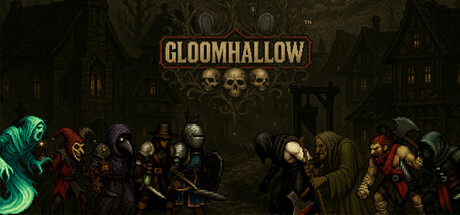
While a vast majority of Gloomhallow was human created, it was created by a solo developer (single person) - AI assisted in very specific fields such as;
- C# Coding
- SFX Generation
- OST Creation
- Very select UI Animations
applying filters and effect to artwork for promotional materials on the Steam page
generating simple sounds/audio for later editing and mixing in Audacity
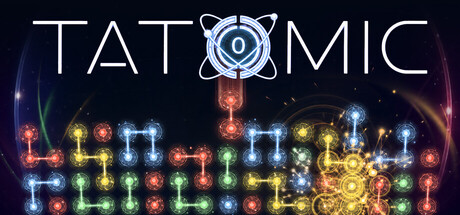
Tatomic was originally created in 2008 for the first-generation iPhone, with artwork designed for its 480 × 320 display.
Generative AI was used only to upscale and recreate the original artwork at higher resolutions while preserving the game’s original visual style. No generative AI was used to create the game’s design, gameplay, sound effects, music, or original art direction.
Some pre-rendered 2D artwork (several of the optional tile-art style packs, plus store capsule and marketing images) was created with generative AI image tools, then curated, edited and integrated by the developer. Portions of the game's code and text were written with AI coding assistance under full human review. The game does not generate any content with AI at runtime, and contains no AI chat features.
Some of this game's visual assets (logo, promotional and store page images, character/enemy) were created with the aid of generative AI tools during development. All generated content was reviewed, curated and refined manually by the developer. The game does not use generative AI in real time during gameplay: all assets are pre-generated and static.
Some of the game's artwork (such as background images) and store/marketing assets were created with the assistance of generative AI tools, and all of them were reviewed and adjusted by the developer. Some in-game descriptive texts
were also drafted with AI assistance and manually verified. All AI-assisted content is pre-rendered — the game does not generate any content or code with AI during gameplay. Trailer narration uses VOICEVOX text-to-speech (VOICEVOX:
Zundamon).
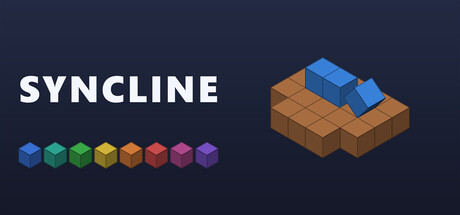
Syncline is developed by me — AI tools were used to assist with parts of development, including code, some text content (UI copy, tutorial hints, level descriptions, store page copy), localization/translations, and some audio. All such content was directed by me and reviewed/edited before being included. No content is generated by AI at runtime — everything players see, hear, and play is fixed at build time.
AI was used strictly to block out a few initial base meshes, which I then manually reworked to fit the game's style & performance.
No AI runs at runtime.
Generative AI was used to assist with grammar and spelling checks for some in-game text, translate store page content, and generate some sound assets. All content was reviewed and approved by the developer before inclusion. The game does not use live-generated AI.
Some 2D art assets in this game were created with the assistance of generative AI tools. All assets were reviewed and edited by the developer before inclusion.
Parts of the in-game text localization were produced with the assistance of AI translation tools, then reviewed by the developer.
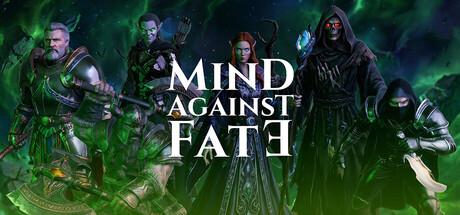
The development of Mind Against Fate utilized Artificial Intelligence (AI) tools to assist in the creation of specific pre-generated assets and coding workflows:
- Visual Assets: The portraits for heroes and in-game item icons were initially generated using Kling.AI and Google generative tools, and were subsequently refined, detailed, and polished using graphic design software.
- 3D Models: Certain 3D asset bases and models in the game were created with the assistance of Meshy.AI before being finalized and integrated into the game engine.
- Coding Assistance: Development and implementation speed were enhanced using AI-assisted coding tools (Cursor AI utilizing Google Gemini and Anthropic Claude versions).
We ensure that all generated content has been thoroughly reviewed and edited to meet quality standards, and contains no copyrighted or infringing materials.
Some sound effects and the in-game text localization were created with the help of AI tools during development. All AI-generated audio and translated text was reviewed and edited by a human before shipping. No AI-generated artwork, and no AI content is generated while the game is running.
Generative AI tools were used during development to assist in creating and refining some pre-generated visual assets, including selected in-game backgrounds. All AI-assisted content was reviewed, edited, and integrated by the development team. The game does not generate content using AI during gameplay.
This game uses generative AI tools for parts of its 3D model creation and music/sound effect production.
Core elements of the game experience — including the scenario, game design, AI logic design and implementation, and part balance adjustments — are created and decided primarily by the developer himself.
In keeping with the game's own concept of "designing AI logic to fight," the development process itself also actively incorporates collaboration with AI. This game was completed by using dialogue with AI to work around the limitations of a one-person team.
Some pre-made content was created with the help of generative AI and curated by the developer: promotional/splash artwork and some item icons, several source 3D meshes, background music tracks, and portions of in-game flavor text. The game does not generate any content at runtime.
Generative AI tools were used to assist in creating some store page artwork and marketing materials, as well as parts of the game's word content. All AI-assisted content was reviewed, edited, and integrated by the developer. Game design, programming, and final implementation were created by the developer.
Generative AI tools were used during development to assist in the creation of some visual assets. All AI-assisted content is pre-generated and included as part of the game. The game does not generate AI content during gameplay.
Generative AI was used during development to assist with writing and improving parts of the game code. All AI-assisted code was reviewed, edited, and integrated by the development team.
Generative AI tools were used to create some background assets used within the actual game client. All game assets created this way were pre-generated and fixed by the developer.
Kingsfall:Chess uses pre-generated AI-generated imagery for some visual assets within the game and promotional/store materials. Other visual assets were created by artists using traditional methods. No content is generated by AI during gameplay.
In this game AI was used to generate a few abstract textures in 4th and 5th game worlds. Game's logo was also made partially with a help of image generation tooling.
In the interest of transparency, illustrations were created with the help of AI-assisted tools, used as creative support within a human-led artistic process.
Breathtoll includes some AI-generated content, all of it created during development. Nothing is generated live while you play.
Cinematic cutscenes: the video imagery and animation are AI-generated.
Creatures: the 3D creature models began as AI-generated base meshes and were hand-refined through multiple Blender passes (cleanup, retopology, and texturing) before use in the game.
Store and marketing art: some capsule and store images are composed from frames of the AI-generated cutscenes.
All other content is human-made, including the game code, systems, design, all writing (scripts, narration, and story), and the hand-authored card art. We hold the rights to the AI-generated content under the generating tools' commercial licenses.
This disclosure reflects the current build. We are in the process of bringing on an artist for human-made renderings, and some of the AI-generated content above will be replaced with human-created work for the full launch. We will update this disclosure as that happens.
This game contains pre-generated AI-assisted visual assets. Specifically, the background HDRI environment texture used for lighting/background purposes was created using generative AI. No live-generated AI content is presented to players during gameplay.
Generative AI tools were used to assist in creating and refining some pre-generated visual assets, narrative text, localization, and store/marketing artwork. All AI-assisted content was reviewed, edited, and curated by Plants Game. No content is generated during gameplay, and the game does not connect to external AI services.
Generative AI was used to assist in creating some promotional artwork and localization text. All AI-assisted content was reviewed and edited by the developer. The game does not generate AI content during gameplay and does not connect to external AI services.
Generative AI tools were used during development to assist with the refinement of certain visual assets and to improve the quality and consistency of translations. All AI-assisted content was reviewed and edited by the developer before being included in the final game. No generative AI is used to create content dynamically during gameplay.
Some in-game artwork—including characters, monsters, weapons, backgrounds, card illustrations, and UI assets—as well as some store page images, was created using pre-generated AI tools. All generated assets were selected, edited, adjusted, and reviewed by the developer before being included in the game. The game does not generate AI content during gameplay.
I have used generative AI for some parts or sections of the trailer creation and some voices or images used inside the game itself. All the code and inner workings of the game have been created by a person.
Pre-generated generative AI tools were used during production to create or assist with 2D artwork, animation assets, music, and sound effects. All AI-assisted content is selected, edited as needed, and integrated by the developer. The game does not generate content during gameplay.
While a vast majority of Gloomhallow was human created, it was created by a solo developer (single person) - AI assisted in very specific fields such as;
- C# Coding
- SFX Generation
- OST Creation
- Very select UI Animations
applying filters and effect to artwork for promotional materials on the Steam page
generating simple sounds/audio for later editing and mixing in Audacity
Tatomic was originally created in 2008 for the first-generation iPhone, with artwork designed for its 480 × 320 display.
Generative AI was used only to upscale and recreate the original artwork at higher resolutions while preserving the game’s original visual style. No generative AI was used to create the game’s design, gameplay, sound effects, music, or original art direction.
Some pre-rendered 2D artwork (several of the optional tile-art style packs, plus store capsule and marketing images) was created with generative AI image tools, then curated, edited and integrated by the developer. Portions of the game's code and text were written with AI coding assistance under full human review. The game does not generate any content with AI at runtime, and contains no AI chat features.
Some of this game's visual assets (logo, promotional and store page images, character/enemy) were created with the aid of generative AI tools during development. All generated content was reviewed, curated and refined manually by the developer. The game does not use generative AI in real time during gameplay: all assets are pre-generated and static.
Some of the game's artwork (such as background images) and store/marketing assets were created with the assistance of generative AI tools, and all of them were reviewed and adjusted by the developer. Some in-game descriptive texts
were also drafted with AI assistance and manually verified. All AI-assisted content is pre-rendered — the game does not generate any content or code with AI during gameplay. Trailer narration uses VOICEVOX text-to-speech (VOICEVOX:
Zundamon).
Syncline is developed by me — AI tools were used to assist with parts of development, including code, some text content (UI copy, tutorial hints, level descriptions, store page copy), localization/translations, and some audio. All such content was directed by me and reviewed/edited before being included. No content is generated by AI at runtime — everything players see, hear, and play is fixed at build time.
AI was used strictly to block out a few initial base meshes, which I then manually reworked to fit the game's style & performance.
No AI runs at runtime.
Generative AI was used to assist with grammar and spelling checks for some in-game text, translate store page content, and generate some sound assets. All content was reviewed and approved by the developer before inclusion. The game does not use live-generated AI.
Some 2D art assets in this game were created with the assistance of generative AI tools. All assets were reviewed and edited by the developer before inclusion.
Parts of the in-game text localization were produced with the assistance of AI translation tools, then reviewed by the developer.
The development of Mind Against Fate utilized Artificial Intelligence (AI) tools to assist in the creation of specific pre-generated assets and coding workflows:
- Visual Assets: The portraits for heroes and in-game item icons were initially generated using Kling.AI and Google generative tools, and were subsequently refined, detailed, and polished using graphic design software.
- 3D Models: Certain 3D asset bases and models in the game were created with the assistance of Meshy.AI before being finalized and integrated into the game engine.
- Coding Assistance: Development and implementation speed were enhanced using AI-assisted coding tools (Cursor AI utilizing Google Gemini and Anthropic Claude versions).
We ensure that all generated content has been thoroughly reviewed and edited to meet quality standards, and contains no copyrighted or infringing materials.