


Disclosure
We use generative AI to translate the game into other languages, assist with user interface design, and help optimize the game’s performance.
- Creator
- Abyssal Interactive
- Reviews
- 127
- Added
- Oct 18, 2026
Public Steam disclosure research 27,951 disclosures tracked
Search developers’ Steam disclosures, compare classified AI use across games, and follow recorded changes. This index adds cross-game classifications and statistics to statements published on individual store pages.
Code help, debugging and other development work.
Capsule art, trailers and promotional material.
Pre-made art, audio, writing and other game assets.
Interactive or runtime AI features disclosed by the developer.
Groups reflect automatic analysis of public disclosures; mature records are excluded. These counts do not measure AI use across all of Steam. Missing or unclear statements cannot establish whether a game uses AI.
We use generative AI to translate the game into other languages, assist with user interface design, and help optimize the game’s performance.
Some 3D models and images were made with generative AI tools and then edited by the developer.
The workshop owner's voice, the in-game and trailer music, some breaking sound effects, the achievement icons and the translations were generated with AI tools.
I am the sole developer currently working on the game. I have long held a complete blueprint for the project in my mind, including specific gameplay rules and mechanics. In the past, I managed to develop early versions of the game, writing 80% of the current codebase but I lacked the skills or the resources to produce the necessary assets, such as visuals, ambient elements, sound effects, and music. It was only with the advent of LLMs (Large Language Models) and artificial intelligence that I was finally able to bring this initial version to completion within the budget I could afford. Even with the help of LLMs, I spent a great deal of time generating and testing various iterations of assets: images, sounds, and music, selecting them with great care to get as close as possible to the atmosphere I had envisioned for the game over the years. By releasing the game in Early Access, I hope to receive financial support from players. This will primarily allow me to continue development, create increasingly high-quality assets, potentially bring in help with the coding to introduce more features, and collaborate with artists to further enhance the game’s unique atmosphere.
Some store images made with AI assistance.
All of the game’s ideas, characters, stories and design are mine. English is not my first language, so I used AI tools to turn my writing into correct English, for both the game and this store page. The character voices and creature sounds were generated with ElevenLabs from my own scripts. I composed the music together with AI tools under my close direction: I set the style for every area and reviewed each track until it fit the game. Nothing in the game is generated by AI while you play.
Generate content for the game was pre-rendered For Images and Video.
Some 3D environment props and set dressing in 18 Summers were created using AI-assisted 3D generation tools, then edited, retopologized, re-textured, and hand-placed by the developer. All game design, programming, level layout, and gameplay systems are human-authored.
Generative AI was used for some of the promotional images on the store page, the character voices, and the non-English translations.
Such a Mess! is a very small indie game created with a very limited budget. To make the game accessible to as many players as possible, we've used AI-assisted translations rather than limiting the game to just one language. We believe everyone deserves to enjoy games in their own language, regardless of a studio's size or resources. Some translations may not be perfect, so we truly appreciate your understanding and welcome any feedback to help us improve them. Thank you for supporting very small indie developers! ❤️
This game uses AI-generated voice acting. The narration in the game's introduction was produced with ElevenLabs, a text-to-speech tool. The script itself was written by hand. All other content — level design, art, animation, code, and game systems — was created without generative AI.
We may use AI generation tools to create code, images, or other content as placeholders during the early stages of development and beyond. As the project stabilizes, we commit to continuously replacing these AI-generated assets with traditionally handcrafted materials to the best of our ability.
The game uses a local LLM vision model to power a backend, which handles sketch recognition. No data is stored or saved anywhere but locally, and any data stored is necessary to the gameplay. No analytics are performed beyond basic geometry and visual checks needed to assess drawings for specified gameplay criteria.
Country Drive Simulator is designed, written and programmed by our team. The game concept, ideas and game design are entirely our own. Generative AI tools were used in a limited and supervised way for some pre-generated content: - Some 2D images and surface textures used on buildings and props (for example shop-window photos, posters, signs and weathered material textures) were generated or processed with AI image tools, then edited and placed by hand. - AI-assisted translation was used for the store page and the in-game text localization (18 languages), reviewed by the team. No content is generated by AI while the game is running. Audio, music, vehicle physics, 3D models, gameplay systems and the game's core framework contain no AI-generated content; they are authored by the team or licensed from asset creators. AI coding assistants were used as development tools.
Some of this game's content was created with the assistance of generative AI tools and then reviewed, edited, and finalized by the developer: character illustrations, backgrounds, event CGs, clue images, and the title video. The English, Japanese, and Chinese translations were drafted with AI assistance and reviewed. Music and some sound effects were procedurally synthesized; the remaining sound effects and ambiences are edited from commercially licensed real-world recordings (Sound Effect Lab). No AI was used for audio. All AI-assisted content was pre-generated during development; nothing is generated by AI at runtime.
The game uses a pre-generated application icon, and AI tools assisted with some player-facing text and localization work. The content is reviewed before release. The game does not call generative AI services during gameplay.
This game uses AI generated content to enrich the simulation.
Generative AI tools were used during development to create and edit some pre-generated artwork, including fictional banknote illustrations, interface artwork, and Steam store promotional images, and to assist with localization. These assets are reviewed and incorporated into the game by the developer. The game does not generate AI content during play or connect to external generative AI services.
I'm a geologist and hydrogeologist who worked FIFO (fly-in fly-out) from Perth to the Pilbara. I designed, directed and playtested Drilling Down Under myself, and the drilling, the geology and the camp and pub life in it come from my own time on site and the stories I heard there. Generative AI helped me build it. The code, including the scripts that make the 3D models, was written with an AI coding assistant. The music was made with Google's Lyria from my own prompts, and AI helped with the in-game writing and the store page translations. No AI image or 3D generators were used, and nothing in the game uses AI while you play.
AI assistance was used for some visuals.
Daycare Simulator uses locally run (no data centers) generative AI tools, primarily through ComfyUI, for development of e.g. selected UI elements and 3D mesh creation. These tools are run on the developer’s own hardware rather than through cloud-based services. AI-generated assets are reviewed and edited before being included in the game.
Some marketing and key art was created with AI assistance.
Generative AI tools were used during development to assist with portions of the game’s code and some 3D assets. All AI-assisted content was reviewed and edited by the developer. The game does not use generative AI during gameplay.
AI was used to help with: - Language Localization. - Writing/Debugging code for some functionalities.
Part of the game's code is implemented by AI. AI-generated game screenshots are used as promotional images.
AI was used for the creature 3D models, some voice lines, and some artwork.
Generative AI tools were used to assist with the creation and refinement of some pre-generated sound effects, 3D assets, 2D images, voice lines, and localization. All AI-assisted content was reviewed, edited, and integrated by the developer. The game does not use generative AI to create content during gameplay.
Generative AI tools were used during development to assist with some art assets, written content and localization, as well as store and marketing materials. This includes character portraits, cat and scene illustrations, selected textures and UI illustrations, store capsule artwork and promotional illustrations. These materials are generated, selected and integrated as fixed assets before release. The game does not use generative AI during play or generate dialogue, images or audio in real time.
Pre-generated content: the character voices, some sound effects, ambience and the music were generated with AI audio tools (ElevenLabs), then selected, edited and mixed by the developer. Most 3D models (props, tools, vehicles) and some 2D artwork (signs, posters, in-game documents, interface illustrations and store art) were generated with AI tools and then integrated, adjusted and reviewed in the game by the developer. The people are built with the open-source MakeHuman tools and animated with motion capture (CMU), not with AI. Translations were made with AI assistance and reviewed. The levels and code were built with AI-assisted tools and reviewed and tested by the developer. No content is generated by AI while you play.
AI was used to tailor store page descriptions and grammar correct.
Use for Cover Art and decorative Posters in Game.
Generative AI tools were used during development to help create code, 2D art and text, including draft translations. The developer directed, selected and assembled all of it into the game. No generative AI runs while you play. Meridian, your companion, is scripted rather than a chatbot, and the game sends nothing to AI services. Planets come from the game's own procedural generator, not an AI model.
During the R&D process, we used AI to assist with scriptwriting, but the content was still reviewed and polished by humans.
Generative AI was used to assist with translating in-game dialogue and with writing and translating the Steam store page description.
Fighter mugshots have been generated with the use of AI image generation, with post-AI editing.
Yes, AI has been used. I am a solo developer with 15+ years of professional experience as a game dev. I have coded and released 7 games on IOS App store, and been a team leader. Despite this, as a solo dev, to produce a game of this complexity and polish in a sensible period of time i have used AI to assist with coding - specifically pathfinding.
AI-GENERATED CONTENT Parts of this game were created with generative AI tools during development. Character art, backgrounds and icons were generated with image models and then edited, composited and corrected by hand. The voice acting in Portuguese and English was produced with AI voice synthesis. Some sound effects and cutscene music were generated with AI audio tools. Much of the source code was written with the assistance of an AI coding tool, reviewed and tested by the developer. All of this content was generated before release and ships as fixed audio and image files. Game design, economy, balancing, story and script are the developer's own work, as is the procedurally synthesized music and sound of the minigames, which uses no AI model.
Ransom Wave uses generative AI during gameplay. The game uses AI models to generate fictional victim dialogue, spoken voice responses, selected narrative text, and limited in-game guidance in real time. These outputs react to the player's typed input or optional microphone input and can vary between playthroughs. The game's setting, characters, gameplay rules, scenario structure, safety constraints, and core narrative direction are created and controlled by the development team. AI-generated outputs are constrained by developer-authored character profiles, gameplay states, and content rules. Player microphone audio may be transcribed only to enable the current voice conversation. The game provides a text-input alternative when the microphone is disabled.
Artificial intelligence was used to generate character images and code assisted programming.
This game contains content created with the assistance of AI tools. AI was used during development to assist with programming, visual assets, and other creative elements. All generated content was reviewed, edited, and integrated by the dev.
The English voice-over for story dialogue and prison PA announcements was generated with an open-source text-to-speech model (Kokoro) from scripts written for the game. Much of the game's code, dialogue text and localisation was written with AI assistance under the developer's direction. No AI generates content while you play. 3D models, textures, sound effects and music come from human-made asset libraries (CC0 sources and Mixamo).
Generative AI was used only as a supporting tool for the design of some fictional potions, selected game artwork, and language translation.
AI-generated content was used in the development of this game. AI tools were used to help create some of the game's graphics and Steam Community items.
As a solo developer from a small town in Brazil, I used AI-assisted tools to help create some of the game’s visual assets. This allowed me to bring the project to life with limited resources while focusing my time on gameplay, systems, and the overall player experience.
As a small independent team working with a limited budget, we use AI-generated English voiceover for the in-game narration.
In the development of this game, artificial intelligence was used in the following areas: Code and Logic: Game algorithms (including the autopilot systems and the mission generator) were developed with the assistance of AI-powered programming tools and assistants. Graphics and Audio: Selected graphic/visual elements and the audio design were generated using artificial intelligence tools. The game does not use generative artificial intelligence to create content in real time during actual gameplay—all assets were pre-generated and are part of the static game content.
Pre-generated AI was used to create selected 2D artwork included in the game, including a painting and menu imagery. All generated content was reviewed and selected by the developer before inclusion. The game does not generate AI content during gameplay and does not connect to a live AI service.
Automated temporary localization files, that can be overrided by mods
Generative AI was used as a development aid for drafting and refining some in-game text, English localization, the game logo, and certain visual design elements. The game does not use generative AI to create content during gameplay.
Game videos and images are generated using AIGC.
| Title⇅ | Disclosure | Creator⇅ | Src | Reviews⇅ | Added↓ |
|---|---|---|---|---|---|
 Train Station Tycoon In-game content textart | We use generative AI to translate the game into other languages, assist with user interface design, and help optimize the game’s performance. | Abyssal Interactive | 127 | Oct 18, 2026 | |
 Little Merchant In-game content art | Some 3D models and images were made with generative AI tools and then edited by the developer. | Oddquill Games | - | Oct 18, 2026 | |
 Have you seen my knife? In-game content audioarttext | The workshop owner's voice, the in-game and trailer music, some breaking sound effects, the achievement icons and the translations were generated with AI tools. | BroDevs | 17 | Oct 18, 2026 | |
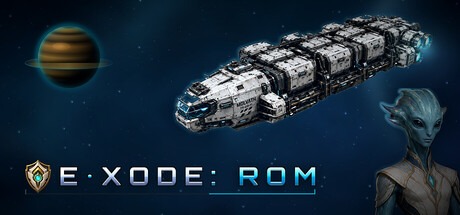 E-xode: ROM In-game content artaudio | I am the sole developer currently working on the game. I have long held a complete blueprint for the project in my mind, including specific gameplay rules and mechanics.
In the past, I managed to develop early versions of the game, writing 80% of the current codebase but I lacked the skills or the resources to produce the necessary assets, such as visuals, ambient elements, sound effects, and music. It was only with the advent of LLMs (Large Language Models) and artificial intelligence that I was finally able to bring this initial version to completion within the budget I could afford.
Even with the help of LLMs, I spent a great deal of time generating and testing various iterations of assets: images, sounds, and music, selecting them with great care to get as close as possible to the atmosphere I had envisioned for the game over the years.
By releasing the game in Early Access, I hope to receive financial support from players. This will primarily allow me to continue development, create increasingly high-quality assets, potentially bring in help with the coding to introduce more features, and collaborate with artists to further enhance the game’s unique atmosphere. | E-XODE | - | Oct 18, 2026 | |
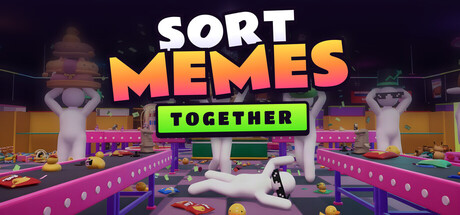 Sort Memes Together Store/marketing art | Some store images made with AI assistance. | Clouxy | - | Oct 18, 2026 | |
 Honor, Power & SHLANKs In-game content textaudio | All of the game’s ideas, characters, stories and design are mine. English is not my first language, so I used AI tools to turn my writing into correct English, for both the game and this store page. The character voices and creature sounds were generated with ElevenLabs from my own scripts. I composed the music together with AI tools under my close direction: I set the style for every area and reviewed each track until it fit the game. Nothing in the game is generated by AI while you play. | DuckbearLab LTD | - | Oct 18, 2026 | |
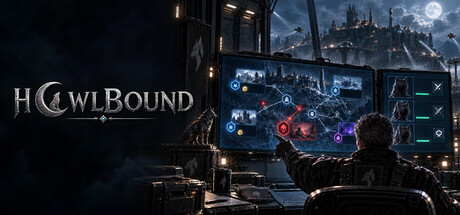 HowlBound Dev only art | Generate content for the game was pre-rendered For Images and Video. | Royal Rabbit Games | - | Oct 18, 2026 | |
 18 Summers In-game content art | Some 3D environment props and set dressing in 18 Summers were created using AI-assisted 3D generation tools, then edited, retopologized, re-textured, and hand-placed by the developer. All game design, programming, level layout, and gameplay systems are human-authored. | FancyRancy | - | Oct 18, 2026 | |
 Totally Invited: Party Heist Simulator In-game content artaudiotext | Generative AI was used for some of the promotional images on the store page, the character voices, and the non-English translations. | ThunderRQN Games | - | Oct 16, 2026 | |
 Such a Mess ! In-game content text | Such a Mess! is a very small indie game created with a very limited budget. To make the game accessible to as many players as possible, we've used AI-assisted translations rather than limiting the game to just one language.
We believe everyone deserves to enjoy games in their own language, regardless of a studio's size or resources. Some translations may not be perfect, so we truly appreciate your understanding and welcome any feedback to help us improve them.
Thank you for supporting very small indie developers! ❤️ | Desarius Games | - | Oct 16, 2026 | |
 The Broken Oath In-game content audio | This game uses AI-generated voice acting. The narration in the game's introduction was produced with ElevenLabs, a text-to-speech tool. The script itself was written by hand.
All other content — level design, art, animation, code, and game systems — was created without generative AI. | Kerem Karal | - | Oct 16, 2026 | |
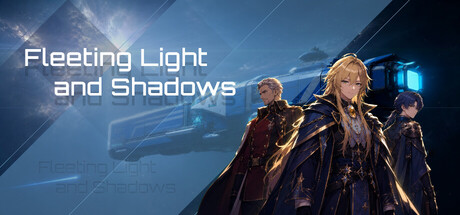 FLS 流光掠影 Fleeting Light and Shadows Dev only artcode | We may use AI generation tools to create code, images, or other content as placeholders during the early stages of development and beyond. As the project stabilizes, we commit to continuously replacing these AI-generated assets with traditionally handcrafted materials to the best of our ability. | Swordmind Workshop | - | Oct 16, 2026 | |
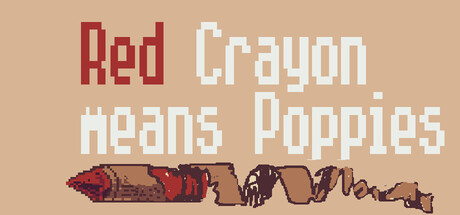 Red Crayon means Poppies Live AI art | The game uses a local LLM vision model to power a backend, which handles sketch recognition. No data is stored or saved anywhere but locally, and any data stored is necessary to the gameplay. No analytics are performed beyond basic geometry and visual checks needed to assess drawings for specified gameplay criteria. | Bitforge Games Inc. | - | Oct 16, 2026 | |
 Country Drive Simulator In-game content arttext | Country Drive Simulator is designed, written and programmed by our team. The game concept, ideas and game design are entirely our own. Generative AI tools were used in a limited and supervised way for some pre-generated content:
- Some 2D images and surface textures used on buildings and props (for example shop-window photos, posters, signs and weathered material textures) were generated or processed with AI image tools, then edited and placed by hand.
- AI-assisted translation was used for the store page and the in-game text localization (18 languages), reviewed by the team.
No content is generated by AI while the game is running. Audio, music, vehicle physics, 3D models, gameplay systems and the game's core framework contain no AI-generated content; they are authored by the team or licensed from asset creators. AI coding assistants were used as development tools. | Simdepo Games | - | Oct 15, 2026 | |
 BrideOfDawn In-game content arttextaudio | Some of this game's content was created with the assistance of generative AI tools and then reviewed, edited, and finalized by the developer: character illustrations, backgrounds, event CGs, clue images, and the title video. The English, Japanese, and Chinese translations were drafted with AI assistance and reviewed. Music and some sound effects were procedurally synthesized; the remaining sound effects and ambiences are edited from commercially licensed real-world recordings (Sound Effect Lab). No AI was used for audio. All AI-assisted content was pre-generated during development; nothing is generated by AI at runtime. | SKYPLUS | - | Oct 15, 2026 | |
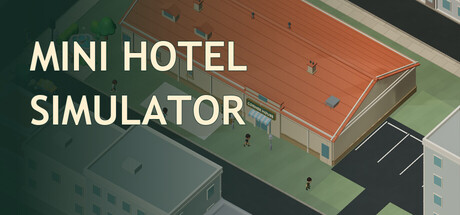 Mini Hotel Simulator In-game content text | The game uses a pre-generated application icon, and AI tools assisted with some player-facing text and localization work. The content is reviewed before release. The game does not call generative AI services during gameplay. | test text | - | Oct 15, 2026 | |
 PoliGeo In-game content | This game uses AI generated content to enrich the simulation. | Deutometron | - | Oct 15, 2026 | |
 Tidy Up Together: Banknotes In-game content arttext | Generative AI tools were used during development to create and edit some pre-generated artwork, including fictional banknote illustrations, interface artwork, and Steam store promotional images, and to assist with localization. These assets are reviewed and incorporated into the game by the developer. The game does not generate AI content during play or connect to external generative AI services. | Lumenfold Games | - | Oct 15, 2026 | |
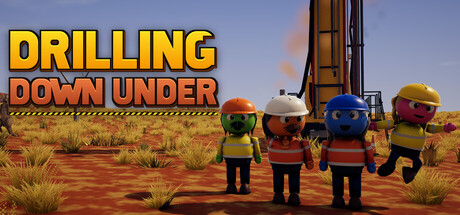 Drilling Down Under In-game content textcodeaudio | I'm a geologist and hydrogeologist who worked FIFO (fly-in fly-out) from Perth to the Pilbara. I designed, directed and playtested Drilling Down Under myself, and the drilling, the geology and the camp and pub life in it come from my own time on site and the stories I heard there.
Generative AI helped me build it. The code, including the scripts that make the 3D models, was written with an AI coding assistant. The music was made with Google's Lyria from my own prompts, and AI helped with the in-game writing and the store page translations. No AI image or 3D generators were used, and nothing in the game uses AI while you play. | Little Limp Games | - | Oct 13, 2026 | |
 Librarian Together: Manga Tidy Up Unclear art | AI assistance was used for some visuals. | Smobu | 12 | Oct 13, 2026 | |
 Daycare Simulator In-game content artcode | Daycare Simulator uses locally run (no data centers) generative AI tools, primarily through ComfyUI, for development of e.g. selected UI elements and 3D mesh creation. These tools are run on the developer’s own hardware rather than through cloud-based services. AI-generated assets are reviewed and edited before being included in the game. | Blueline Studios | - | Oct 13, 2026 | |
 Space Quest Store/marketing art | Some marketing and key art was created with AI assistance. | Guillotine Games | - | Oct 13, 2026 | |
 一起摊煎饼!Griddle Up! In-game content codeart | Generative AI tools were used during development to assist with portions of the game’s code and some 3D assets. All AI-assisted content was reviewed and edited by the developer. The game does not use generative AI during gameplay. | SmilingMiles | - | Oct 13, 2026 | |
 Sort The Lort Dev only codetext | AI was used to help with:
- Language Localization.
- Writing/Debugging code for some functionalities. | Gameloper | - | Oct 13, 2026 | |
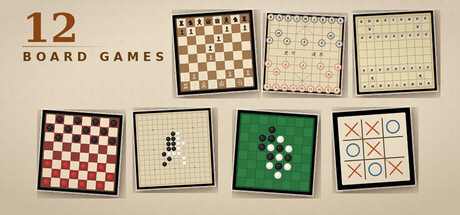 12 Board Games Store/marketing codeart | Part of the game's code is implemented by AI. AI-generated game screenshots are used as promotional images. | fengzy1024 | - | Oct 13, 2026 | |
 The guidelines : Hotel Napoli In-game content artaudio | AI was used for the creature 3D models, some voice lines, and some artwork. | WalnutPunch | - | Oct 13, 2026 | |
 Goshiwon | 고시원 In-game content audioarttext | Generative AI tools were used to assist with the creation and refinement of some pre-generated sound effects, 3D assets, 2D images, voice lines, and localization. All AI-assisted content was reviewed, edited, and integrated by the developer. The game does not use generative AI to create content during gameplay. | Jayhyeon Studio | - | Oct 12, 2026 | |
 猫隐珠舍 A String of Purrs In-game content arttext | Generative AI tools were used during development to assist with some art assets, written content and localization, as well as store and marketing materials. This includes character portraits, cat and scene illustrations, selected textures and UI illustrations, store capsule artwork and promotional illustrations. These materials are generated, selected and integrated as fixed assets before release. The game does not use generative AI during play or generate dialogue, images or audio in real time. | Lil Wild Studio | - | Oct 12, 2026 | |
 Tunnel Heist In-game content audioarttextcode | Pre-generated content: the character voices, some sound effects, ambience and the music were generated with AI audio tools (ElevenLabs), then selected, edited and mixed by the developer. Most 3D models (props, tools, vehicles) and some 2D artwork (signs, posters, in-game documents, interface illustrations and store art) were generated with AI tools and then integrated, adjusted and reviewed in the game by the developer. The people are built with the open-source MakeHuman tools and animated with motion capture (CMU), not with AI. Translations were made with AI assistance and reviewed. The levels and code were built with AI-assisted tools and reviewed and tested by the developer. No content is generated by AI while you play. | Highlander Interactive | - | Oct 12, 2026 | |
 Burgerama Anomaly Store/marketing text | AI was used to tailor store page descriptions and grammar correct. | Mossy Games Studio | - | Oct 12, 2026 | |
 SLASHER NIGHT In-game content art | Use for Cover Art and decorative Posters in Game. | N0N | - | Oct 12, 2026 | |
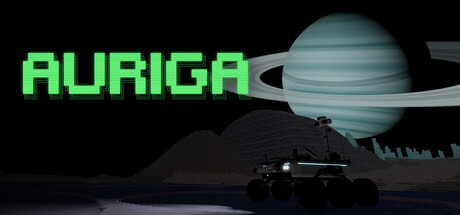 Auriga In-game content arttextcode | Generative AI tools were used during development to help create code, 2D art and text, including draft translations. The developer directed, selected and assembled all of it into the game.
No generative AI runs while you play. Meridian, your companion, is scripted rather than a chatbot, and the game sends nothing to AI services. Planets come from the game's own procedural generator, not an AI model. | NonAverageStudio | - | Oct 12, 2026 | |
 Roswell: Redacted Dev only text | During the R&D process, we used AI to assist with scriptwriting, but the content was still reviewed and polished by humans. | 莓西工作室 | - | Oct 12, 2026 | |
 Genesis: Blue vein In-game content text | Generative AI was used to assist with translating in-game dialogue and with writing and translating the Steam store page description. | Recovery Area | - | Oct 12, 2026 | |
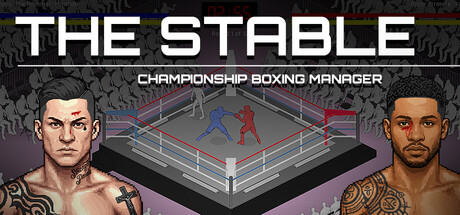 The Stable: Championship Boxing Manager In-game content art | Fighter mugshots have been generated with the use of AI image generation, with post-AI editing. | GO Studio | - | Oct 12, 2026 | |
 BILLIONAIRE'S BUNKER Dev only code | Yes, AI has been used. I am a solo developer with 15+ years of professional experience as a game dev. I have coded and released 7 games on IOS App store, and been a team leader. Despite this, as a solo dev, to produce a game of this complexity and polish in a sensible period of time i have used AI to assist with coding - specifically pathfinding. | EAT THE RICH | - | Oct 12, 2026 | |
 KickOff In-game content artaudiocode | AI-GENERATED CONTENT
Parts of this game were created with generative AI tools during development. Character art, backgrounds and icons were generated with image models and then edited, composited and corrected by hand. The voice acting in Portuguese and English was produced with AI voice synthesis. Some sound effects and cutscene music were generated with AI audio tools. Much of the source code was written with the assistance of an AI coding tool, reviewed and tested by the developer.
All of this content was generated before release and ships as fixed audio and image files. Game design, economy, balancing, story and script are the developer's own work, as is the procedurally synthesized music and sound of the minigames, which uses no AI model. | SET UNIVERSE | - | Oct 12, 2026 | |
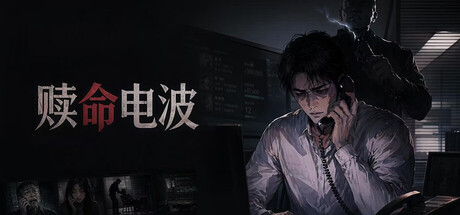 赎命电波 Live AI textaudio | Ransom Wave uses generative AI during gameplay.
The game uses AI models to generate fictional victim dialogue, spoken voice responses, selected narrative text, and limited in-game guidance in real time. These outputs react to the player's typed input or optional microphone input and can vary between playthroughs.
The game's setting, characters, gameplay rules, scenario structure, safety constraints, and core narrative direction are created and controlled by the development team. AI-generated outputs are constrained by developer-authored character profiles, gameplay states, and content rules. Player microphone audio may be transcribed only to enable the current voice conversation. The game provides a text-input alternative when the microphone is disabled. | Unscientific Games | - | Oct 12, 2026 | |
 你的老婆和你妈 In-game content artcode | Artificial intelligence was used to generate character images and code assisted programming. | Gamevati | - | Oct 10, 2026 | |
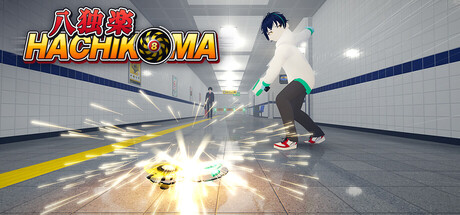 HACHIKOMA: Underground Stadium No. 8 In-game content artcode | This game contains content created with the assistance of AI tools. AI was used during development to assist with programming, visual assets, and other creative elements. All generated content was reviewed, edited, and integrated by the dev. | ISEKAI Games | - | Oct 10, 2026 | |
 Prison Empire In-game content audiotext | The English voice-over for story dialogue and prison PA announcements was generated with an open-source text-to-speech model (Kokoro) from scripts written for the game. Much of the game's code, dialogue text and localisation was written with AI assistance under the developer's direction. No AI generates content while you play. 3D models, textures, sound effects and music come from human-made asset libraries (CC0 sources and Mixamo). | HIS Games | - | Oct 10, 2026 | |
 Sort the Magic Potions: Tidy Up and Shelve In-game content arttext | Generative AI was used only as a supporting tool for the design of some fictional potions, selected game artwork, and language translation. | Sleepless Alchemist | - | Oct 10, 2026 | |
 Music Empire Tycoon In-game content art | AI-generated content was used in the development of this game. AI tools were used to help create some of the game's graphics and Steam Community items. | KokoGames | - | Oct 10, 2026 | |
 Carrer Manager 27 In-game content art | As a solo developer from a small town in Brazil, I used AI-assisted tools to help create some of the game’s visual assets. This allowed me to bring the project to life with limited resources while focusing my time on gameplay, systems, and the overall player experience. | Turn Games | - | Oct 10, 2026 | |
 History Experience: Rome In-game content audio | As a small independent team working with a limited budget, we use AI-generated English voiceover for the in-game narration. | BlackBird Studios | - | Oct 10, 2026 | |
 CosmoLaunch System In-game content artaudiocode | In the development of this game, artificial intelligence was used in the following areas:
Code and Logic: Game algorithms (including the autopilot systems and the mission generator) were developed with the assistance of AI-powered programming tools and assistants.
Graphics and Audio: Selected graphic/visual elements and the audio design were generated using artificial intelligence tools.
The game does not use generative artificial intelligence to create content in real time during actual gameplay—all assets were pre-generated and are part of the static game content. | LukGames | - | Oct 10, 2026 | |
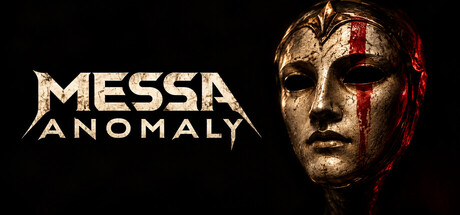 Messa Anomaly In-game content art | Pre-generated AI was used to create selected 2D artwork included in the game, including a painting and menu imagery. All generated content was reviewed and selected by the developer before inclusion. The game does not generate AI content during gameplay and does not connect to a live AI service. | 1,5 Games | - | Oct 10, 2026 | |
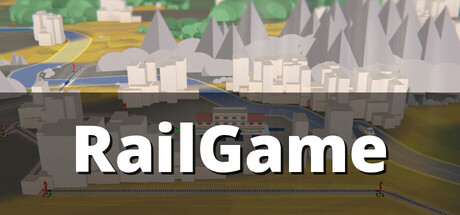 RailGame In-game content text | Automated temporary localization files, that can be overrided by mods | Levia Labs | - | Oct 10, 2026 | |
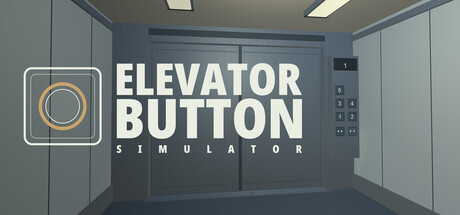 Elevator Button Simulator In-game content textart | Generative AI was used as a development aid for drafting and refining some in-game text, English localization, the game logo, and certain visual design elements. The game does not use generative AI to create content during gameplay. | Facish | - | Oct 9, 2026 | |
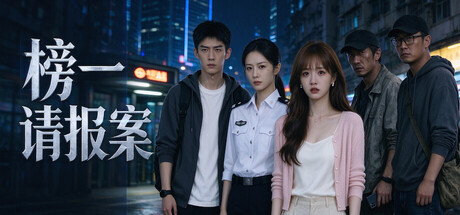 榜一请报案 Store/marketing art | Game videos and images are generated using AIGC. | BackSnow Games | - | Oct 9, 2026 |


