








Disclosure
Art assets were initially generated using AI image-generation tools, then reviewed, manually edited, and refined by human artists.
- Creator
- NimbusCode Studio
- Reviews
- -
- Added
- Sep 27, 2026
Public Steam disclosure research 25,376 disclosures tracked
Search developers’ Steam disclosures, compare classified AI use across games, and follow recorded changes. This index adds cross-game classifications and statistics to statements published on individual store pages.
Code help, debugging and other development work.
Capsule art, trailers and promotional material.
Pre-made art, audio, writing and other game assets.
Interactive or runtime AI features disclosed by the developer.
Groups reflect automatic analysis of public disclosures; mature records are excluded. These counts do not measure AI use across all of Steam. Missing or unclear statements cannot establish whether a game uses AI.
Art assets were initially generated using AI image-generation tools, then reviewed, manually edited, and refined by human artists.
The original 1998 version of Avalon was created entirely by hand, including its graphics, music, story, gameplay, game engine and even its custom music software. Avalon: Legacy Edition retains many of these original assets. Generative AI was used to create or refine much of the updated visual, audio and written content. No content is generated live during gameplay.
Generative AI tools assisted in producing some background artwork, music and sound effects, models, and narrative content. The developer reviewed and edited these materials before integrating them into the game. No AI content is generated during gameplay.
AI tools were used internally to assist with text translation. All final text was reviewed and edited by humans. No AI-generated assets(art, audio, code) are included.
Generative AI was used only to create artwork for the Steam store page and marketing materials. No generative AI is used in the game or during gameplay.
Generative AI tools were used during development to help create artwork, including character and environment art, music, voice narration, story text, and promotional materials. These are pre-generated assets included in the game or its marketing. The game does not generate AI content during gameplay or connect to external AI services while playing.
This game was created as a personal challenge to myself to see if i could solo dev a game and release it the same day as GTA 6. I wanted to see what the highest quality final release consumer ready product I could create with only 69 days and a 200 dollar per month codex pro plan as the budget. While the majority of implementation and art assets were llm derived, the architecture, game design, card concepts and overall vision of the project remain the product of my own efforts.
Generative AI was used to assist in creating some in-game content, as well as store and library artwork. AI tools also assisted with store descriptions and translations.
Generative AI tools were used during development to create and assist with pre-generated visual artwork and image assets. No generative AI content is created in real time during gameplay.
Some 2D artwork and visual assets in Tank Commander: Major FOE were created with the assistance of generative AI tools. These assets were reviewed, selected, edited, and integrated by the developer. The game does not generate AI content during gameplay and does not connect to external AI services while being played.
Character illustrations, backgrounds, and card artwork in this game were created with the help of generative AI tools and then selected and edited by the developer. AI tools were also used to assist with English translation and text. All music and sound effects are licensed works by human creators. The game does not generate any AI content during gameplay.
Generative AI was used during development to assist in creating and refining some pre-generated artwork, audio elements, text, and localized text. All content included with the game was selected, edited, and reviewed by the developer. The game does not generate AI content during gameplay and does not connect to external AI services.
This game uses generative AI to help create pre-generated content. Artwork (character art, backgrounds, card illustrations, icons) is produced with AI image generation as base material, then hand-curated, edited and integrated by the developer before it is finalized. Text is drafted with AI assistance and edited by hand. Cinematics and store videos are assembled from AI-generated footage and edited by hand. Background music and stingers are produced with AI music generation and hand-selected. The game contains no AI content generated at runtime and does not connect to any external AI service.
Generative AI tools were used during development to assist with the creation of some pre-generated visual assets. AI tools were also used as development assistance for programming. No content is generated by AI during gameplay.
Generative AI has been used in the development of Companion Baduk for occasional placeholder graphics, elements of companion character backstories, the promotional trailer, and some sound effects.
Generative AI was used solely to create placeholder card artwork during development, allowing the team to focus on refining the gameplay. The final card artwork will be created by human artists.
Generative AI was used during development to create some pre-rendered artwork and music, as well as store and promotional artwork. These are pre-created assets. The game does not generate AI content or connect to external AI services during gameplay.
Some of the game's content was created with the help of generative AI tools (some of the illustrations and the English translation), then reworked, curated and integrated by the developer. The game does not generate any AI content in real time.
Generative AI was used to generate in-game card illustrations, graphical assets, and all programming code. The game design, world-building, and lore were created directly by the developer. (게임 내 카드 일러스트와 그래픽 에셋 제작, 그리고 프로그래밍 코딩 전반에 생성형 AI를 활용했습니다. 게임 기획 및 배경 세계관 설정은 직접 작성했습니다.)
Some visual assets and store-related materials for this game were created with generative AI assistance, then reviewed and edited by humans before inclusion. In-game opponents use traditional search and position evaluation; moves are not generated by generative AI at runtime.
Grimmarch's art, music, voice and sound effects are created or edited with generative AI tools, then selected, edited and approved by a human before shipping. That covers card and interface art, character portraits, map and scene art, the cinematic, music, character voice lines and sound effects. Nothing is generated while you play: the game contacts no AI service at runtime, and nothing you do is sent to one.
Generative AI tools were used in the development of game assets and content.
The content of Dark Dice Dungeon was produced with the help of generative AI tools: the illustrations, the music and sound effects, the in-game writing, and the English and Spanish translations. All of it was then selected, edited and assembled by hand by the developer. Nothing is generated while you play: the game ships with fixed assets and never connects to any service.
Pre-generated content only, nothing is generated while you play. All image motifs (130 modifier cards, 44 enemy portraits, 24 dice, 5 items, 7 set emblems, the title logo) were generated with Google's Gemini image model from written prompts and then hand-reduced to the game's palette and pixel size. Music: the fight track was generated with Suno, the title, boss and shop tracks with Eleven Music (ElevenLabs). Thirteen sound effects (boss entrance, curse, win, loss, dice shaking, dice landing, clicks, coins) were generated with ElevenLabs Sound Generation; all remaining sounds are synthesized in code. Rules, code, texts and translations were written by the developer, with AI assistance during development.
Experimental translation beta branch includes generative large language model assisted translations.
Some art, music and the non-English translations were created with the help of AI tools during development, then edited by hand. Everything ships as static files; nothing is generated while you play.
Generative AI was used to create content including artwork, sound, narrative, and localization.
Only the character images are AI generated.
We used AI to generate several parts of the game and the models.
Generative AI tools were used during development to assist in creating some visual assets, music, sound effects, and voice-over content. All AI-generated content was created and reviewed prior to its inclusion in the game. The game does not generate AI content during gameplay.
I use generative technologies strictly in a supporting role, including: brain-storming; editing text; altering images; research; transcription… Generated assets are never the first seed nor the last product of any content in my games.
This game has a lot of assets; as a solo developer, AI-assisted tools were used to help create some of the audio and sound files. I'm sharing this openly so players can make an informed choice. If the game finds an audience, I'd love to invest in commissioning original art to replace these assets down the line. Some visual art assets were created using AI-assisted collage techniques, combining and compositing multiple generated elements into final scenes. Some character voices use AI voice modulation applied to original voice performances to modify and enhance those performances. Music is originally composed, with AI tools assisting in instrumentation and production.
Some of the visual assets in Sacrificium — creature sprites, animations and background art — were created with the help of generative AI tools, then reviewed, edited and integrated by hand. All generative AI content is pre-generated; nothing is generated at runtime while you play. Game design, code, systems and all in-game text were written entirely by a human.
We used AI in both the game's art and code, but we still made it with a lot of care and love for the fun of it — we hope you enjoy it.
AI tools were used only to check visual concepts, translate text into some languages, and create music placeholders. All such materials are currently significantly reworked by humans. By release, we plan to replace the music placeholders with original compositions and have the translations reviewed by human editors.
I've used AI to generate some of the game's code and some visual assets.
Generative AI was used during development to create some visual artwork and background music. The generated content was reviewed by the development team before being included in the game. The game does not generate AI content during gameplay.
本游戏在开发过程中使用了生成式人工智能辅助创作部分游戏内容,包括部分美术资源和视觉素材。生成的内容经过人工筛选、修改和整合,并由开发者进行最终设计与制作。
The music in Ammerow: Lands Beyond was created with Claude Compose, a bespoke composition system built for this project. Rather than a generative music model, it works like a tireless studio composer: an AI assistant (Anthropic's Claude) writes and runs code that composes each piece note by note — melody, harmony, counterpoint and orchestration derived from music theory — and performs it through real, licensed virtual instruments in a professional DAW (Ableton Live). It then "listens back" by analysing the rendered audio to refine the balance. No generative audio/music model was used, no AI was trained on other artists' recordings, and no track was produced from a prompt. Every note is placed deliberately, and every piece is directed, reviewed and approved by a human. The result is authored, not generated. The sound effects are an original, human-directed procedural synthesis library. Claude Code assisted in writing custom Python DSP software and individual cue recipes; every waveform was deterministically rendered from mathematical models and recorded seeds. No recordings, performers, samples, stock audio, sample libraries or generative-audio service were used. Ammerow is designed primarily as a coloured ASCII game. Selected creature, item and shopkeeper illustrations began as AI-generated source images and are converted through a deterministic ASCII-art pipeline. The optional tile mode is a work-in-progress secondary presentation. Its small atlases were programmatically drawn in a custom SDL application using natural-language Codex direction. No generative-image model, inherited tileset, traced artwork or third-party graphical asset was used. Some narrative, gameplay data and other player-facing material were also developed with AI assistance under human direction and review. Some Steam marketing backgrounds were created using OpenAI image-generation tools and then selected, reviewed and combined with deterministic Ammerow branding by the developer. No AI runs while the game is being played.
Generative AI tools were used during development to assist in creating some visual assets. These assets are included as pre-generated content. AI tools also assisted with store page copy and translations. The game does not generate AI content during gameplay or connect to external AI services.
Translations of some texts.
"Generative AI tools were used to create some of the in-game character artwork and object visuals."
This game contains AI generated art code and text.
AI is used to create the initial draft translations for the game.
Pre-generated content: part of the game's art (backgrounds, character and enemy sprites, portraits, props, key art and capsule images) was created with generative image tools (Google Gemini, PixelLab) and then reviewed, cut, edited and assembled by hand by the developer. Some sound effects were produced with AI audio tools (ElevenLabs). Parts of the source code were written with the assistance of an AI coding assistant (Anthropic Claude) under the developer's direction and review. The story, game design, world, dialogue and puzzles are the developer's own work. Live-generated content: none. The game does not generate any content with AI while it is running.
This game uses artwork, audio, and other assets created with generative AI during development. These assets are generated in advance and included in the game installation. Generative AI is also used to create Steam store artwork. The game does not generate AI content during gameplay or connect to external AI services.
Generative AI tools were used during development to assist with the creation of some pre-generated 2D visual assets, illustrations, and written content drafts. All AI-assisted content is reviewed, edited, and curated by the development team before being included in the game or promotional materials. The game does not use generative AI to create content in real time during gameplay.
Generative AI was used for art, audio, localization and translation work in this game.
Generative AI was used during development for visual assets, music, and small portions of text, as well as the store artwork. These are pre-generated assets included with the game. No content is generated by AI during play, and the game does not connect to an AI service.
The background music in this game was pre-generated with a generative AI tool. No AI-generated content is used for visuals, characters, environments, icons, store artwork, or text, and the game does not generate content at runtime or connect to external AI services.
| Title⇅ | Disclosure | Creator⇅ | Src | Reviews⇅ | Added↓ |
|---|---|---|---|---|---|
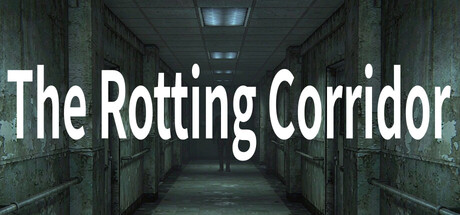 The Rotting Corridor In-game content art | Art assets were initially generated using AI image-generation tools, then reviewed, manually edited, and refined by human artists. | NimbusCode Studio | - | Sep 27, 2026 | |
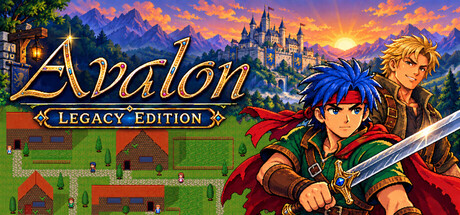 Avalon: Legacy Edition In-game content artaudiotext | The original 1998 version of Avalon was created entirely by hand, including its graphics, music, story, gameplay, game engine and even its custom music software. Avalon: Legacy Edition retains many of these original assets. Generative AI was used to create or refine much of the updated visual, audio and written content. No content is generated live during gameplay. | Seven Mages | - | Sep 27, 2026 | |
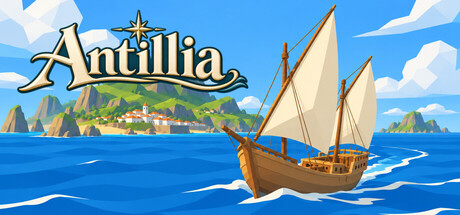 Antillia In-game content artaudiotext | Generative AI tools assisted in producing some background artwork, music and sound effects, models, and narrative content. The developer reviewed and edited these materials before integrating them into the game. No AI content is generated during gameplay. | Alagondar | - | Sep 27, 2026 | |
 Chrona & Sirona In-game content text | AI tools were used internally to assist with text translation. All final text was reviewed and edited by humans.
No AI-generated assets(art, audio, code) are included. | Kiichi | - | Sep 27, 2026 | |
 Space Tanks Store/marketing art | Generative AI was used only to create artwork for the Steam store page and marketing materials. No generative AI is used in the game or during gameplay. | Black Blowfish Software Labs | - | Sep 26, 2026 | |
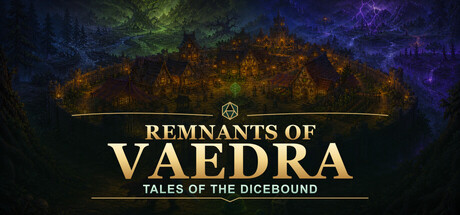 Remnants of Vaedra: Tales of the Dicebound In-game content artaudiotext | Generative AI tools were used during development to help create artwork, including character and environment art, music, voice narration, story text, and promotional materials. These are pre-generated assets included in the game or its marketing. The game does not generate AI content during gameplay or connect to external AI services while playing. | Doc Origins LLC | - | Sep 25, 2026 | |
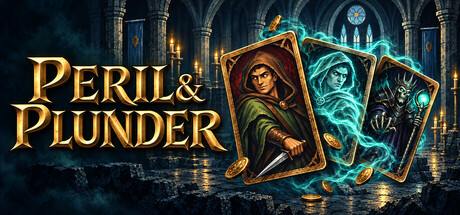 Peril and Plunder In-game content arttext | This game was created as a personal challenge to myself to see if i could solo dev a game and release it the same day as GTA 6.
I wanted to see what the highest quality final release consumer ready product I could create with only 69 days and a 200 dollar per month codex pro plan as the budget.
While the majority of implementation and art assets were llm derived, the architecture, game design, card concepts and overall vision of the project remain the product of my own efforts. | Zero Sequels | - | Sep 25, 2026 | |
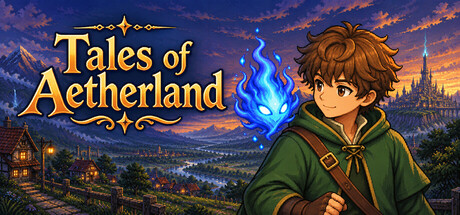 Tales of Aetherland In-game content arttext | Generative AI was used to assist in creating some in-game content, as well as store and library artwork. AI tools also assisted with store descriptions and translations. | 枫火火007 | - | Sep 25, 2026 | |
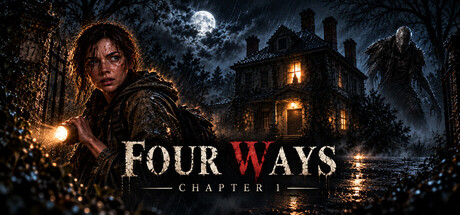 Four Ways — Chapter 1 In-game content art | Generative AI tools were used during development to create and assist with pre-generated visual artwork and image assets. No generative AI content is created in real time during gameplay. | Jester studio | - | Sep 25, 2026 | |
 Tank Commander: Major FOE In-game content art | Some 2D artwork and visual assets in Tank Commander: Major FOE were created with the assistance of generative AI tools. These assets were reviewed, selected, edited, and integrated by the developer. The game does not generate AI content during gameplay and does not connect to external AI services while being played. | James Hugh Gannon | - | Sep 25, 2026 | |
 Acorn Heist! In-game content arttext | Character illustrations, backgrounds, and card artwork in this game were created with the help of generative AI tools and then selected and edited by the developer. AI tools were also used to assist with English translation and text. All music and sound effects are licensed works by human creators. The game does not generate any AI content during gameplay. | Pop Polygon | - | Sep 25, 2026 | |
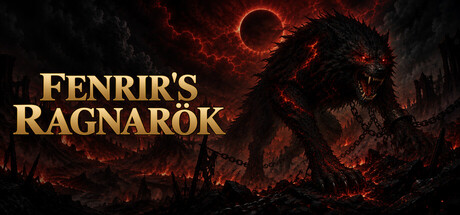 Fenrir's Ragnarök In-game content artaudiotext | Generative AI was used during development to assist in creating and refining some pre-generated artwork, audio elements, text, and localized text. All content included with the game was selected, edited, and reviewed by the developer. The game does not generate AI content during gameplay and does not connect to external AI services. | IndigoTales | - | Sep 25, 2026 | |
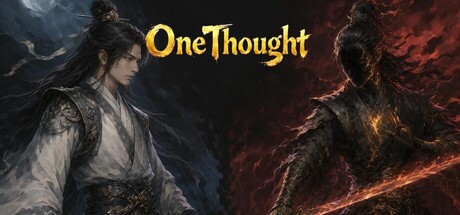 OneThought In-game content arttextaudio | This game uses generative AI to help create pre-generated content. Artwork (character art, backgrounds, card illustrations, icons) is produced with AI image generation as base material, then hand-curated, edited and integrated by the developer before it is finalized. Text is drafted with AI assistance and edited by hand. Cinematics and store videos are assembled from AI-generated footage and edited by hand. Background music and stingers are produced with AI music generation and hand-selected. The game contains no AI content generated at runtime and does not connect to any external AI service. | 一念工作室 / OneThought Studio | - | Sep 25, 2026 | |
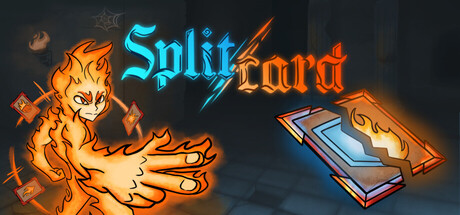 Splitcard In-game content artcode | Generative AI tools were used during development to assist with the creation of some pre-generated visual assets. AI tools were also used as development assistance for programming. No content is generated by AI during gameplay. | OctaGames | - | Sep 25, 2026 | |
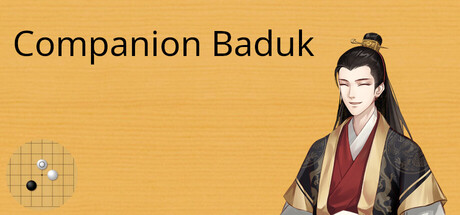 Companion Baduk In-game content arttextaudio | Generative AI has been used in the development of Companion Baduk for occasional placeholder graphics, elements of companion character backstories, the promotional trailer, and some sound effects. | Companion Baduk | - | Sep 25, 2026 | |
 Project Paladin Dev only art | Generative AI was used solely to create placeholder card artwork during development, allowing the team to focus on refining the gameplay. The final card artwork will be created by human artists. | Nebo Games | - | Sep 25, 2026 | |
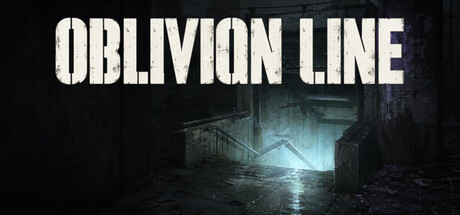 Oblivion Line In-game content artaudio | Generative AI was used during development to create some pre-rendered artwork and music, as well as store and promotional artwork. These are pre-created assets. The game does not generate AI content or connect to external AI services during gameplay. | Deluxe Gaming | - | Sep 24, 2026 | |
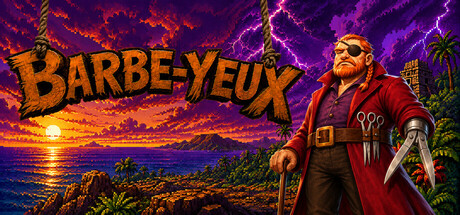 Barbe-Yeux In-game content arttext | Some of the game's content was created with the help of generative AI tools (some of the illustrations and the English translation), then reworked, curated and integrated by the developer. The game does not generate any AI content in real time. | Marian MANGIN | - | Sep 24, 2026 | |
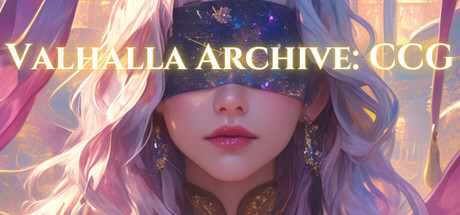 VALHALLA ARCHIVE: CCG In-game content artcode | Generative AI was used to generate in-game card illustrations, graphical assets, and all programming code. The game design, world-building, and lore were created directly by the developer.
(게임 내 카드 일러스트와 그래픽 에셋 제작, 그리고 프로그래밍 코딩 전반에 생성형 AI를 활용했습니다. 게임 기획 및 배경 세계관 설정은 직접 작성했습니다.) | VALHALLA ARCHIVE | - | Sep 24, 2026 | |
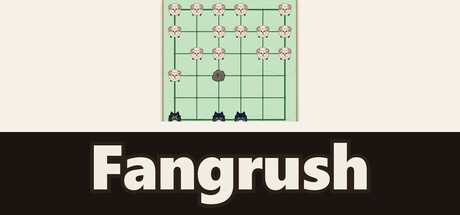 Fangrush In-game content art | Some visual assets and store-related materials for this game were created with generative AI assistance, then reviewed and edited by humans before inclusion. In-game opponents use traditional search and position evaluation; moves are not generated by generative AI at runtime. | Fangrush | - | Sep 24, 2026 | |
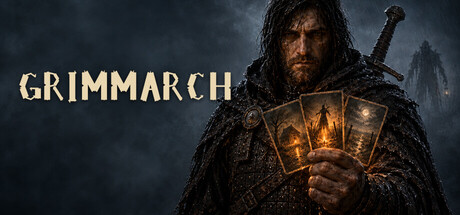 Grimmarch In-game content artaudiotext | Grimmarch's art, music, voice and sound effects are created or edited with generative AI tools, then selected, edited and approved by a human before shipping. That covers card and interface art, character portraits, map and scene art, the cinematic, music, character voice lines and sound effects.
Nothing is generated while you play: the game contacts no AI service at runtime, and nothing you do is sent to one. | AppsByLuke | - | Sep 24, 2026 | |
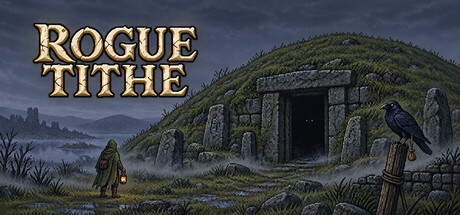 Rogue Tithe In-game content arttextaudio | Generative AI tools were used in the development of game assets and content. | David Gamble | - | Sep 24, 2026 | |
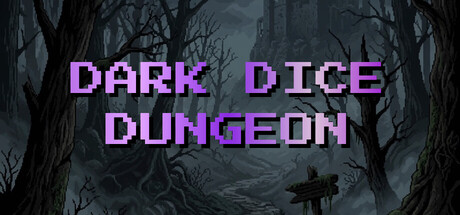 Dark Dice Dungeon In-game content artaudiotext | The content of Dark Dice Dungeon was produced with the help of generative AI tools: the illustrations, the music and sound effects, the in-game writing, and the English and Spanish translations. All of it was then selected, edited and assembled by hand by the developer. Nothing is generated while you play: the game ships with fixed assets and never connects to any service. | Lolo's Game Studio | - | Sep 24, 2026 | |
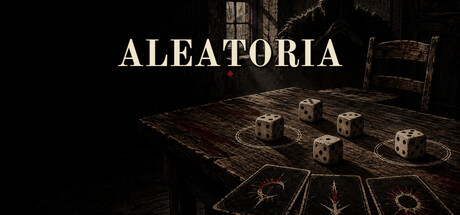 Aleatoria In-game content artaudiotextcode | Pre-generated content only, nothing is generated while you play. All image motifs (130 modifier cards, 44 enemy portraits, 24 dice, 5 items, 7 set emblems, the title logo) were generated with Google's Gemini image model from written prompts and then hand-reduced to the game's palette and pixel size. Music: the fight track was generated with Suno, the title, boss and shop tracks with Eleven Music (ElevenLabs). Thirteen sound effects (boss entrance, curse, win, loss, dice shaking, dice landing, clicks, coins) were generated with ElevenLabs Sound Generation; all remaining sounds are synthesized in code. Rules, code, texts and translations were written by the developer, with AI assistance during development. | DASC INTERACTIVE | - | Sep 23, 2026 | |
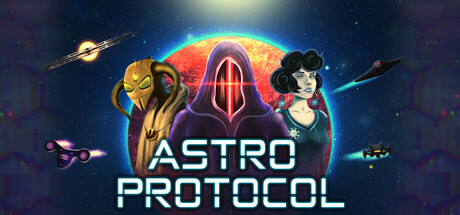 Astro Protocol In-game content text | Experimental translation beta branch includes generative large language model assisted translations. | Null Vector Studios | 66 | Sep 23, 2026 | |
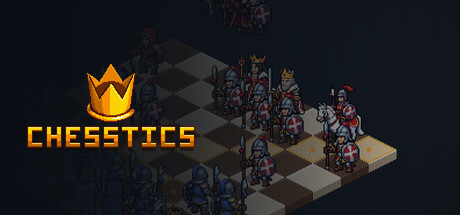 Chesstics In-game content artaudiotext | Some art, music and the non-English translations were created with the help of AI tools during development, then edited by hand. Everything ships as static files; nothing is generated while you play. | Florian Strasser | - | Sep 22, 2026 | |
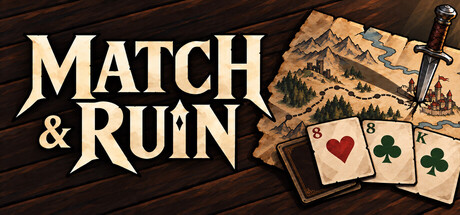 Match & Ruin In-game content artaudiotext | Generative AI was used to create content including artwork, sound, narrative, and localization. | id187 | - | Sep 22, 2026 | |
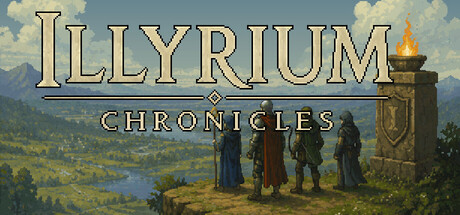 Illyrium: Chronicles In-game content art | Only the character images are AI generated. | The Kingdom | - | Sep 22, 2026 | |
 Unlucky In-game content art | We used AI to generate several parts of the game and the models. | Piece Of Web | - | Sep 22, 2026 | |
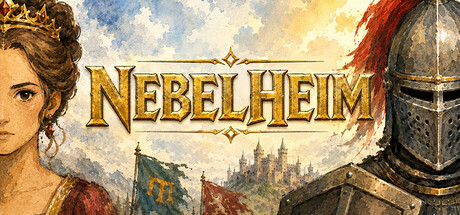 NEBELHEIM In-game content artaudio | Generative AI tools were used during development to assist in creating some visual assets, music, sound effects, and voice-over content. All AI-generated content was created and reviewed prior to its inclusion in the game. The game does not generate AI content during gameplay. | Kararsız Studio | - | Sep 22, 2026 | |
 Taktiko Maxima Dev only arttext | I use generative technologies strictly in a supporting role, including: brain-storming; editing text; altering images; research; transcription…
Generated assets are never the first seed nor the last product of any content in my games. | Alex Henry | - | Sep 22, 2026 | |
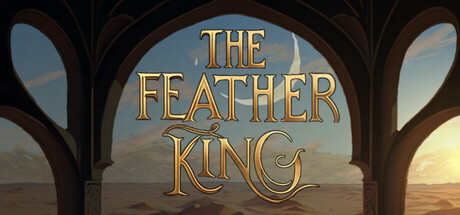 The Feather King In-game content audioart | This game has a lot of assets; as a solo developer, AI-assisted tools were used to help create some of the audio and sound files. I'm sharing this openly so players can make an informed choice. If the game finds an audience, I'd love to invest in commissioning original art to replace these assets down the line.
Some visual art assets were created using AI-assisted collage techniques, combining and compositing multiple generated elements into final scenes. Some character voices use AI voice modulation applied to original voice performances to modify and enhance those performances. Music is originally composed, with AI tools assisting in instrumentation and production. | Pregnant Quokka Games | - | Sep 22, 2026 | |
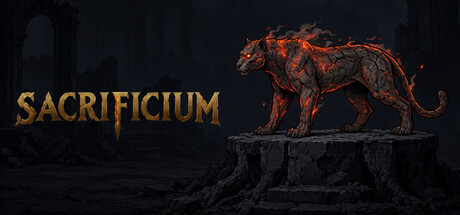 Sacrificium In-game content art | Some of the visual assets in Sacrificium — creature sprites, animations and background art — were created with the help of generative AI tools, then reviewed, edited and integrated by hand. All generative AI content is pre-generated; nothing is generated at runtime while you play. Game design, code, systems and all in-game text were written entirely by a human. | SeedWall | - | Sep 22, 2026 | |
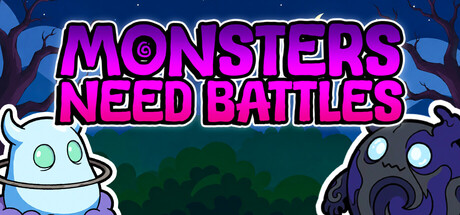 POCKET MONSTERS AUTOBATTLER In-game content artcode | We used AI in both the game's art and code, but we still made it with a lot of care and love for the fun of it — we hope you enjoy it. | Mokujin | - | Sep 22, 2026 | |
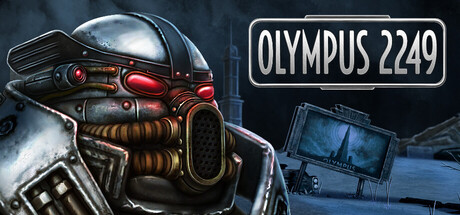 Olympus 2249 In-game content arttextaudio | AI tools were used only to check visual concepts, translate text into some languages, and create music placeholders. All such materials are currently significantly reworked by humans. By release, we plan to replace the music placeholders with original compositions and have the translations reviewed by human editors. | Dieselship Studio | - | Sep 22, 2026 | |
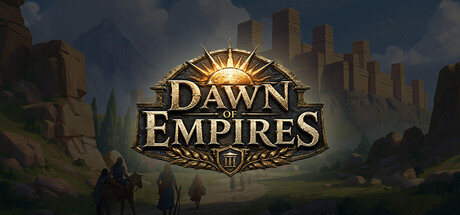 Dawn of Empires In-game content artcode | I've used AI to generate some of the game's code and some visual assets. | Maian Games | - | Sep 22, 2026 | |
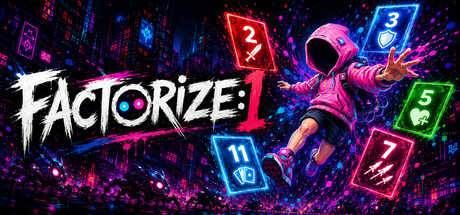 FACTORIZE: 1 In-game content artaudio | Generative AI was used during development to create some visual artwork and background music. The generated content was reviewed by the development team before being included in the game. The game does not generate AI content during gameplay. | Fermat Freaks co., Ltd | - | Sep 22, 2026 | |
 妖灵棋局 In-game content art | 本游戏在开发过程中使用了生成式人工智能辅助创作部分游戏内容,包括部分美术资源和视觉素材。生成的内容经过人工筛选、修改和整合,并由开发者进行最终设计与制作。 | Star | - | Sep 22, 2026 | |
 Ammerow: Lands Beyond In-game content audioarttext | The music in Ammerow: Lands Beyond was created with Claude Compose, a bespoke composition system built for this project. Rather than a generative music model, it works like a tireless studio composer: an AI assistant (Anthropic's Claude) writes and runs code that composes each piece note by note — melody, harmony, counterpoint and orchestration derived from music theory — and performs it through real, licensed virtual instruments in a professional DAW (Ableton Live). It then "listens back" by analysing the rendered audio to refine the balance. No generative audio/music model was used, no AI was trained on other artists' recordings, and no track was produced from a prompt. Every note is placed deliberately, and every piece is directed, reviewed and approved by a human. The result is authored, not generated.
The sound effects are an original, human-directed procedural synthesis library. Claude Code assisted in writing custom Python DSP software and individual cue recipes; every waveform was deterministically rendered from mathematical models and recorded seeds. No recordings, performers, samples, stock audio, sample libraries or generative-audio service were used.
Ammerow is designed primarily as a coloured ASCII game. Selected creature, item and shopkeeper illustrations began as AI-generated source images and are converted through a deterministic ASCII-art pipeline. The optional tile mode is a work-in-progress secondary presentation. Its small atlases were programmatically drawn in a custom SDL application using natural-language Codex direction. No generative-image model, inherited tileset, traced artwork or third-party graphical asset was used.
Some narrative, gameplay data and other player-facing material were also developed with AI assistance under human direction and review.
Some Steam marketing backgrounds were created using OpenAI image-generation tools and then selected, reviewed and combined with deterministic Ammerow branding by the developer.
No AI runs while the game is being played. | John Horton | - | Sep 21, 2026 | |
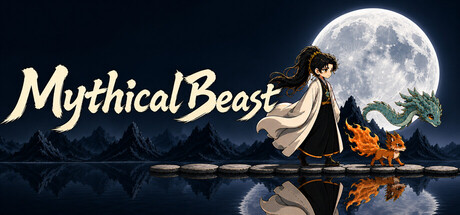 灵兽问道-MythicalBeast In-game content arttext | Generative AI tools were used during development to assist in creating some visual assets. These assets are included as pre-generated content. AI tools also assisted with store page copy and translations. The game does not generate AI content during gameplay or connect to external AI services. | huabo huang | - | Sep 21, 2026 | |
 Virtus Arenae Unclear text | Translations of some texts. | Aestua Games | - | Sep 21, 2026 | |
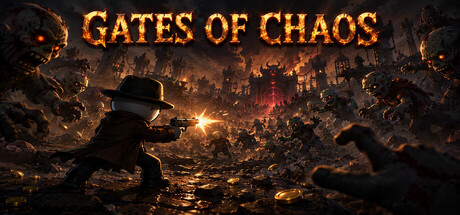 gates of chaos In-game content art | "Generative AI tools were used to create some of the in-game character artwork and object visuals." | Çağrı Alparslan | - | Sep 21, 2026 | |
 LUCID.SYS In-game content artcodetext | This game contains AI generated art code and text. | Fabulous Rose | - | Sep 20, 2026 | |
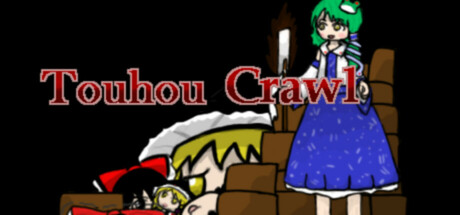 Touhou Crawl In-game content text | AI is used to create the initial draft translations for the game. | joy1999 | 74 | Sep 20, 2026 | |
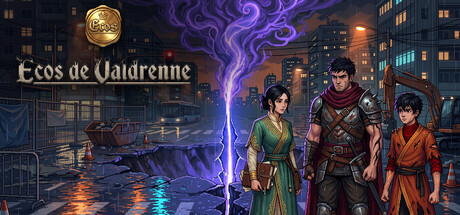 Ecos de Valdrenne In-game content artaudiocode | Pre-generated content: part of the game's art (backgrounds, character and enemy sprites, portraits, props, key art and capsule images) was created with generative image tools (Google Gemini, PixelLab) and then reviewed, cut, edited and assembled by hand by the developer. Some sound effects were produced with AI audio tools (ElevenLabs). Parts of the source code were written with the assistance of an AI coding assistant (Anthropic Claude) under the developer's direction and review. The story, game design, world, dialogue and puzzles are the developer's own work.
Live-generated content: none. The game does not generate any content with AI while it is running. | Manuel Manzano | - | Sep 19, 2026 | |
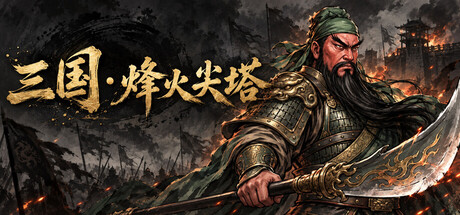 三国 · 烽火尖塔 In-game content artaudio | This game uses artwork, audio, and other assets created with generative AI during development. These assets are generated in advance and included in the game installation. Generative AI is also used to create Steam store artwork. The game does not generate AI content during gameplay or connect to external AI services. | Yang | - | Sep 19, 2026 | |
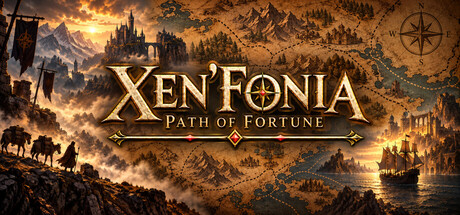 Xen'Fonia: Path of Fortune In-game content arttext | Generative AI tools were used during development to assist with the creation of some pre-generated 2D visual assets, illustrations, and written content drafts. All AI-assisted content is reviewed, edited, and curated by the development team before being included in the game or promotional materials. The game does not use generative AI to create content in real time during gameplay. | CNS Games Studio | - | Sep 19, 2026 | |
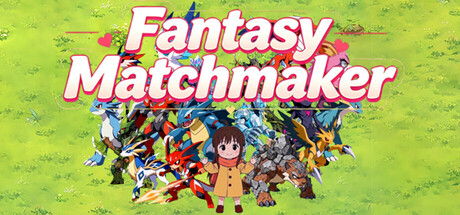 Fantasy Matchmaker In-game content artaudiotext | Generative AI was used for art, audio, localization and translation work in this game. | 江左霉郎_林叔 | - | Sep 19, 2026 | |
 Saldyr: Before the Crown Fell In-game content artaudiotext | Generative AI was used during development for visual assets, music, and small portions of text, as well as the store artwork. These are pre-generated assets included with the game. No content is generated by AI during play, and the game does not connect to an AI service. | Saldyria | - | Sep 19, 2026 | |
 疯狂德州 In-game content audio | The background music in this game was pre-generated with a generative AI tool. No AI-generated content is used for visuals, characters, environments, icons, store artwork, or text, and the game does not generate content at runtime or connect to external AI services. | Jarvis788 | - | Sep 19, 2026 |


