Public Steam disclosure research25,497 disclosures tracked
Where do games disclose AI use?
Search developers’ Steam disclosures, compare classified AI use across
games, and follow recorded changes.
This index adds cross-game classifications and statistics to
statements published on individual store pages.
Groups reflect automatic analysis of public disclosures; mature records are excluded. These counts do not measure AI use across all of Steam.
Missing or unclear statements cannot establish whether a game uses AI.
During the development of Hell Cleaners, AI tools were used to create early concepts and references to help explore the visual direction of the game. All final art assets that ship in the game were created, painted, or reworked by hand by our art team. No AI-generated audio, voice, or narrative text is used in the shipped product. We believe games should be made by humans!
As a poor indie developer, on one hand, I’m grateful that AI has lowered my costs and improved my efficiency. On the other hand, I’m very aware of its limitations, so I use it only within a very limited scope. Specifically, it is mainly used to assist with programming and art design. The generated content is never directly put into the game—it always undergoes manual review and refinement.
Some pre-generated visual assets and development materials were created or assisted using generative AI tools, including AI-assisted development workflows. These assets are reviewed and selected by the developer before being included in the game. The game does not generate AI content during gameplay.
Some artwork assets including achievement icons and store capsule art were created with the assistance of AI image generation tools (PixelLab). All AI-generated content was reviewed and curated by the developer.
The main theme song for Escape From Planet Pan features lyrics by Nob Studio and was composed using Suno AI.
All other assets were created traditionally.
This game was developed with the assistance of generative AI tools. AI was used during development to assist with code, audio, and visual assets. All AI-generated content was reviewed, edited, and integrated by the developer. No generative AI operates at runtime during gameplay.
Generative AI was used during development to assist with some visual concept art, store page images, and marketing assets. All AI-assisted content is manually reviewed, edited, and curated by the developer. The game does not include real-time generative AI content.
Dead Sector's in-game rank insignia icons, app icon, and Steam store graphics were produced procedurally via custom Python rendering scripts (PIL and resvg) authored with AI coding assistance. The output is deterministic vector and raster compositing, not generative-AI imagery. No image, audio, or animation generation models were used in any content shipped with the game. Game design, mechanics design and logic are original developer work.
Some visual assets, store assets, localization drafts, and marketing materials for SEO OR DIE were created or enhanced with the assistance of generative AI tools.
All AI-assisted content was reviewed, edited, and integrated by the developer to match the game's final art direction, narrative tone, and quality standards.
The game does not use real-time AI generation during gameplay.
Generative AI tools were used during development to create selected promotional graphics and visual materials. The game does not use generative AI during gameplay.
Visual assets in the game, including static and animated artwork, were created using generative AI tools. Generative AI was also used during the creation of the game's music.
Generative AI was used to create artwork for the game, including visual assets seen by players and/or promotional materials. All AI-generated artwork was reviewed, selected, and edited by the developer before inclusion. The game does not generate AI content live during gameplay.
This game was developed with assistance from generative AI tools. AI was used as a development aid for coding support, gameplay design iteration, text drafting, translations, store descriptions and creative concepting.
All AI-assisted content was reviewed, edited, selected, integrated and tested by the developer. The game does not use generative AI to create new images, audio, text or gameplay content in real time during normal gameplay.
Some visual assets and promotional images for the store page were created with the assistance of generative AI tools. AI-generated content is used for marketing purposes only and is not part of the gameplay experience.
Some static 2D artwork used in the game and Steam marketing materials was created with assistance from generative AI, then curated, edited, and integrated by the developer. The game does not generate AI content during gameplay and does not connect to external AI services.
Some game and store page text or visual assets were created or refined with generative AI during development. This content is pre-generated and included in the shipped game or store materials. The game does not generate AI content during gameplay and does not connect to external AI services during gameplay.
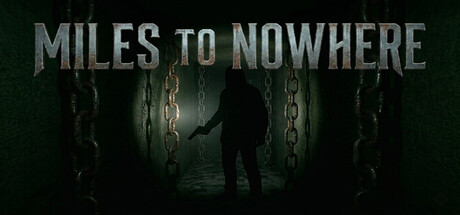
Artificial intelligence tools were used solely for the creation of marketing materials and specific 2D visual assets, such as the game's capsule art and promotional banners. Please note that all core gameplay mechanics, coding, level design, and narrative elements of Miles to Nowhere have been developed manually without the use of AI. Our use of AI is limited to enhancing the game's visual presentation on the Steam storefront to better reflect the intended atmosphere.
This game uses generative AI to assist in creating 2D graphical assets (such as item sprites and UI icons) and localizing in-game text. These tools were used as part of a human-led workflow to improve development efficiency for a solo studio. The developer maintains full creative control and has curated all final assets to ensure a high-quality experience for players.
AI was used to accelerate the creation of this game, specifically, the audio, graphics, and code for the game to function. The idea came from a man with many years of dating experience, and looking to create a fun game to share with the world.
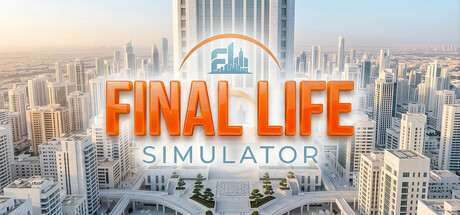
Generative AI tools were used during the development of Final Life Simulator to create various static graphic assets. This includes promotional store images, marketing artwork, and certain UI icons and visual elements. All AI-generated content has been reviewed and curated by the developer to ensure it aligns with the game's artistic direction and quality standards. No live-generated AI content is used during gameplay.
This game uses generative AI technology to assist in creating some 2D art assets. All content has been reviewed and edited by humans to ensure it meets our design specifications and is free from inappropriate material.
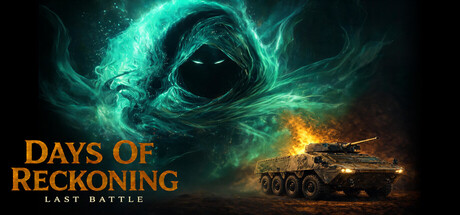
During the development of Days Of Reckoning, generative artificial intelligence is used as a supportive tool in certain parts of production.
AI has been used primarily for:
creating visual references and concept ideas
assisting with marketing materials (e.g., text, scripts)
experimenting with certain audio or atmospheric elements
All content included in the final version of the game is reviewed, refined, and approved by the developer.
Generative AI is not used to generate content in real time during gameplay and does not directly influence gameplay mechanics or in-game systems.
This product uses pre-generated AI-assisted content created during development, including selected visual assets, localization support, store text support, and voice lines. All AI-assisted content is reviewed and edited by the developer before being included in the game.
During the development of Hell Cleaners, AI tools were used to create early concepts and references to help explore the visual direction of the game. All final art assets that ship in the game were created, painted, or reworked by hand by our art team. No AI-generated audio, voice, or narrative text is used in the shipped product. We believe games should be made by humans!
As a poor indie developer, on one hand, I’m grateful that AI has lowered my costs and improved my efficiency. On the other hand, I’m very aware of its limitations, so I use it only within a very limited scope. Specifically, it is mainly used to assist with programming and art design. The generated content is never directly put into the game—it always undergoes manual review and refinement.
Some pre-generated visual assets and development materials were created or assisted using generative AI tools, including AI-assisted development workflows. These assets are reviewed and selected by the developer before being included in the game. The game does not generate AI content during gameplay.
Some artwork assets including achievement icons and store capsule art were created with the assistance of AI image generation tools (PixelLab). All AI-generated content was reviewed and curated by the developer.
The main theme song for Escape From Planet Pan features lyrics by Nob Studio and was composed using Suno AI.
All other assets were created traditionally.
This game was developed with the assistance of generative AI tools. AI was used during development to assist with code, audio, and visual assets. All AI-generated content was reviewed, edited, and integrated by the developer. No generative AI operates at runtime during gameplay.
Generative AI was used during development to assist with some visual concept art, store page images, and marketing assets. All AI-assisted content is manually reviewed, edited, and curated by the developer. The game does not include real-time generative AI content.
Dead Sector's in-game rank insignia icons, app icon, and Steam store graphics were produced procedurally via custom Python rendering scripts (PIL and resvg) authored with AI coding assistance. The output is deterministic vector and raster compositing, not generative-AI imagery. No image, audio, or animation generation models were used in any content shipped with the game. Game design, mechanics design and logic are original developer work.
Some visual assets, store assets, localization drafts, and marketing materials for SEO OR DIE were created or enhanced with the assistance of generative AI tools.
All AI-assisted content was reviewed, edited, and integrated by the developer to match the game's final art direction, narrative tone, and quality standards.
The game does not use real-time AI generation during gameplay.
Generative AI tools were used during development to create selected promotional graphics and visual materials. The game does not use generative AI during gameplay.
Visual assets in the game, including static and animated artwork, were created using generative AI tools. Generative AI was also used during the creation of the game's music.
Generative AI was used to create artwork for the game, including visual assets seen by players and/or promotional materials. All AI-generated artwork was reviewed, selected, and edited by the developer before inclusion. The game does not generate AI content live during gameplay.
This game was developed with assistance from generative AI tools. AI was used as a development aid for coding support, gameplay design iteration, text drafting, translations, store descriptions and creative concepting.
All AI-assisted content was reviewed, edited, selected, integrated and tested by the developer. The game does not use generative AI to create new images, audio, text or gameplay content in real time during normal gameplay.
Some visual assets and promotional images for the store page were created with the assistance of generative AI tools. AI-generated content is used for marketing purposes only and is not part of the gameplay experience.
Some static 2D artwork used in the game and Steam marketing materials was created with assistance from generative AI, then curated, edited, and integrated by the developer. The game does not generate AI content during gameplay and does not connect to external AI services.
Some game and store page text or visual assets were created or refined with generative AI during development. This content is pre-generated and included in the shipped game or store materials. The game does not generate AI content during gameplay and does not connect to external AI services during gameplay.
Artificial intelligence tools were used solely for the creation of marketing materials and specific 2D visual assets, such as the game's capsule art and promotional banners. Please note that all core gameplay mechanics, coding, level design, and narrative elements of Miles to Nowhere have been developed manually without the use of AI. Our use of AI is limited to enhancing the game's visual presentation on the Steam storefront to better reflect the intended atmosphere.
This game uses generative AI to assist in creating 2D graphical assets (such as item sprites and UI icons) and localizing in-game text. These tools were used as part of a human-led workflow to improve development efficiency for a solo studio. The developer maintains full creative control and has curated all final assets to ensure a high-quality experience for players.
AI was used to accelerate the creation of this game, specifically, the audio, graphics, and code for the game to function. The idea came from a man with many years of dating experience, and looking to create a fun game to share with the world.
Generative AI tools were used during the development of Final Life Simulator to create various static graphic assets. This includes promotional store images, marketing artwork, and certain UI icons and visual elements. All AI-generated content has been reviewed and curated by the developer to ensure it aligns with the game's artistic direction and quality standards. No live-generated AI content is used during gameplay.
This game uses generative AI technology to assist in creating some 2D art assets. All content has been reviewed and edited by humans to ensure it meets our design specifications and is free from inappropriate material.
During the development of Days Of Reckoning, generative artificial intelligence is used as a supportive tool in certain parts of production.
AI has been used primarily for:
creating visual references and concept ideas
assisting with marketing materials (e.g., text, scripts)
experimenting with certain audio or atmospheric elements
All content included in the final version of the game is reviewed, refined, and approved by the developer.
Generative AI is not used to generate content in real time during gameplay and does not directly influence gameplay mechanics or in-game systems.
This product uses pre-generated AI-assisted content created during development, including selected visual assets, localization support, store text support, and voice lines. All AI-assisted content is reviewed and edited by the developer before being included in the game.