Public Steam disclosure research25,508 disclosures tracked
Where do games disclose AI use?
Search developers’ Steam disclosures, compare classified AI use across
games, and follow recorded changes.
This index adds cross-game classifications and statistics to
statements published on individual store pages.
Groups reflect automatic analysis of public disclosures; mature records are excluded. These counts do not measure AI use across all of Steam.
Missing or unclear statements cannot establish whether a game uses AI.
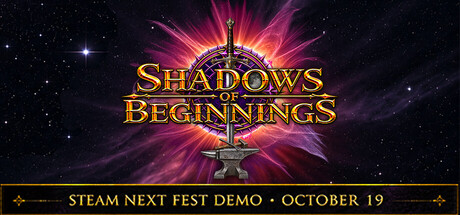
Generative AI tools are used as part of the visual asset production workflow for Shadows of Beginnings, including 3D models and UI/HUD elements. These assets are reviewed, edited, refined, and integrated by the development team before being used in the game.
The development team remains responsible for the game's design, programming, systems, level construction, gameplay, balancing, narrative, and overall creative direction.
No generative AI content is created live during gameplay.
Generative AI is used for a single feature: to allow players to create a custom illustration of their character reflecting their personalized appearance and equipped items for in-game use. There is no other use of Generative AI assets in MapleStory.
We plan to use generative AI to create partial assets including cutscenes and UI interfaces for this game. No AI-generated content has been implemented yet, and all planned AI materials will carry valid commercial licenses.
AI tools were used to assist with parts of the background music and
artwork during development. In addition, AI-generated translation was
used for all languages other than Japanese.
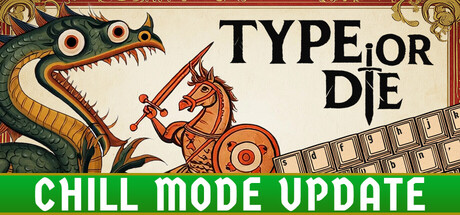
I want to clarify right away that I am not an AI enthusiast, though I understand that this topic can be sensitive for some. Type Or Die uses AI for card icons and sprite animations. All other aspects of the game (design, programming, voice acting, music, interface, and the majority of the artwork) were created manually. If the game achieves a certain level of success after its release, I will hire a specialist artist to handle all of that.
Generative AI was used to code & write elements of this game including but not limited to items, default hero names, default party names, SVG Vectors and to make balance decisions and other elements of game play.
All of the game's text was written by hand by Yohan Dupuy and translated by a qualified professional to achieve high-quality literary English (not AI). AI is only used partially for the visual and audio presentation.
Azura uses artificial intelligence to accelerate card prototyping, character ideas, and mechanic balancing, always providing creative support. All final content goes through human curation and collaborations with artists, ensuring a visually unique and soulful game.
This game uses generative AI tools during development to assist with concept exploration, reference image creation, asset iteration, text drafting, localization, and promotional material preparation.
All final in-game content is reviewed, edited, and selected by the developer before being included in the game. AI-generated outputs are not used directly without human review.
This game does not use Live-Generated AI during gameplay.
The game does not connect to any external AI service, does not send player input to AI models, and does not generate new AI content while the game is running.
Some visual assets in the game were created with the assistance of generative AI tools during development. These assets are static, pre-generated, reviewed by the developer, and included directly in the game build.
All AI-assisted visual content is used as fixed in-game artwork and is not dynamically generated during gameplay
Generative AI tools were used during the development of certain visual and promotional assets for this game. All final content was reviewed and curated by the developer.
Some game assets and content were created with the assistance of generative AI tools during development. AI-assisted content was reviewed, curated, edited, and integrated into the final game by the developer. Generative AI is not used to create content during gameplay.
We want to be upfront about how AI tools were used during the development of Golden Years. This is a small indie project built mostly by hand, but a few AI assisted elements were used to help speed up production.
Where AI Was Used
A handful of environmental textures, about five or six total, were created or retextured using AI tools. These are simple surface materials used to add extra detail to the environment. Every AI assisted texture was manually edited, cleaned up, and adjusted to fit the game's style.
Where AI Was Not Used
All of the core creative work in Golden Years is fully handcrafted. This includes:
Level design and layout
Atmosphere, lighting, and mood
Gameplay systems and mechanics
Environmental storytelling
Overall direction and feel of the game
No AI tools were used to design gameplay, build levels, or shape the game's atmosphere.
Store Page and Descriptions
Some of the text on the Steam store page may use AI assistance for drafting or polishing. All final wording is reviewed and edited to make sure it accurately represents the game.
Gameplay Logic
AI is not used for in game decision making, player behavior, or gameplay logic. Everything that affects how the game plays is traditionally designed and implemented.
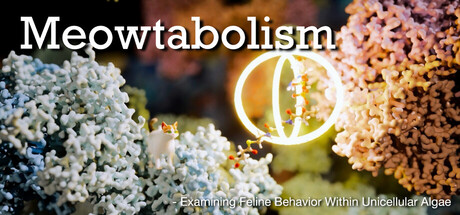
Some protein structures shown in the game are predicted by AlphaFold, an AI-based tool. The description for some proteins shown in the museum are polished by Gemini and verified by a human for scientific correctness.
Generative AI tools were used during development to assist with visual assets, concept art, icons, textures, voice/audio content, and some marketing materials. All AI-assisted content is reviewed and edited by the developer before being included in the game or store page.
This game uses generative AI-assisted tools to create some pre-generated content, including character art, enemy art, scene backgrounds, UI icons, visual references for effects, store-page promotional artwork, and selected game sound effects. These assets are manually reviewed, edited, integrated, and tested before release.
The game does not generate new AI content in real time based on player input, and it does not use generative AI for live player conversations or live content creation during gameplay.
Some optional in-game beta localizations were created with the assistance of generative AI during development.
The original game text was written in Italian. English, Russian, Simplified Chinese, Traditional Chinese and Japanese were professionally localized.
The additional beta languages include French, Spanish, German, Brazilian Portuguese, Polish, Turkish and Latin. These translations are pre-generated text assets included in the game build, not AI-generated during gameplay.
These beta localizations may contain mistakes, awkward phrasing or jokes that do not work as intended. They are being opened for community review and improvement.
Partial game source codes, texture assets and store promotional artwork are created with generative AI tools. All AI-generated contents have been fully manually reviewed, modified and optimized by the developer before integrating into the final game build. No AI content is dynamically generated during gameplay.
Generative AI tools were used during development to assist in the creation of selected textures, 3D models, 2D graphics, and written text used in the game and on the Steam store page. All AI-assisted assets and text were manually reviewed, edited, and integrated by the developer before release. The game does not use generative AI during gameplay and does not generate live content for players.
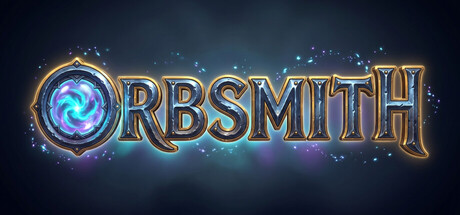
Some 2D visual assets in Orbsmith — including item icons,
enemy artwork, environment backgrounds, UI elements, and
store page imagery — were created using generative AI tools
as part of an iterative pipeline involving custom prompts,
human curation, and post-processing in Photoshop.
All gameplay code, game design, mechanics, balancing, item
systems, and audio are created by the developer without
generative AI.
No AI content is generated live during gameplay. All assets
are static and shipped with the build.
I use AI tools in limited parts of the development process, including:
• Assisting with certain steps of creating game assets.
• Supporting debugging workflows.
• Helping with localization and translation.
This game makes use of AI-assisted tools in the creation of certain visual assets. All AI-generated content has been manually reviewed, edited, and adapted by the developer to fit the artistic vision of the game.
Playstories uses live-generated AI during gameplay to create fictional interactive story prose, dialogue, player choices, scene keywords, branching follow-up scenes, and optional scene images from player prompts and actions through novelai.ai. AI does not control purchases, account actions, executable code, or system-level behavior.
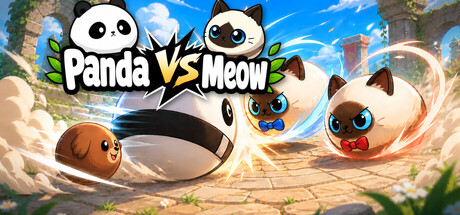
Some of the image assets in Panda vs Meow are created using generative AI tools and then manually edited and refined. Some of the music and sound effects are also AI-generated. Part of the game's code was written with AI assistance and reviewed by a human developer.
Generative AI is used during development to assist with some character portraits, 3D environment assets, UI elements, narrative polish, and initial localization drafts.
AI-assisted visual content is based on concepts and art direction created by our team and is reviewed, edited, and refined before use. Localization will be reviewed and finalized by a professional localization provider.
We use AI-assisted tools in parts of our development process to assist with content creation, improve productivity, and streamline routine tasks so our team has more time for creative work. Where we use these tools, the work is directed, reviewed, and finalized by our team.
Hire uses AI for its live character conversations and generated portraits, connecting to your own ChatGPT account (it uses your existing ChatGPT plan, with no separate purchase).
AI-supported tools (Photoshop) were used to assist in the creation of selected pre-generated art and UI elements. There is no live-generated AI content.
Generative AI was used as part of the art production process for selected store page visuals, story illustrations, and some card artwork. All AI-assisted assets were reviewed and refined before being included in the game.
Finesse uses generative AI tools for select pre-generated content created during development:
- Meshy — 3D model generation for some character and environment assets
- ElevenLabs — voice line generation for in-game audio
- Suno — music track generation for soundtrack and ambient audio
- Anthropic Claude — assistance with in-game text content (descriptions, narrative copy)
All AI-generated content is pre-rendered during development and shipped as static assets. No generative AI runs at runtime; nothing is generated live or unique per player. All AI outputs are reviewed, edited, and curated by the developer before being included in the final game.
Generative AI was not used to create artwork, audio, narrative content, or marketing assets for Dream Abstract. Generative AI tools were used during development to assist with coding and debugging.
Generative AI tools are used as part of the visual asset production workflow for Shadows of Beginnings, including 3D models and UI/HUD elements. These assets are reviewed, edited, refined, and integrated by the development team before being used in the game.
The development team remains responsible for the game's design, programming, systems, level construction, gameplay, balancing, narrative, and overall creative direction.
No generative AI content is created live during gameplay.
Generative AI is used for a single feature: to allow players to create a custom illustration of their character reflecting their personalized appearance and equipped items for in-game use. There is no other use of Generative AI assets in MapleStory.
We plan to use generative AI to create partial assets including cutscenes and UI interfaces for this game. No AI-generated content has been implemented yet, and all planned AI materials will carry valid commercial licenses.
AI tools were used to assist with parts of the background music and
artwork during development. In addition, AI-generated translation was
used for all languages other than Japanese.
I want to clarify right away that I am not an AI enthusiast, though I understand that this topic can be sensitive for some. Type Or Die uses AI for card icons and sprite animations. All other aspects of the game (design, programming, voice acting, music, interface, and the majority of the artwork) were created manually. If the game achieves a certain level of success after its release, I will hire a specialist artist to handle all of that.
Generative AI was used to code & write elements of this game including but not limited to items, default hero names, default party names, SVG Vectors and to make balance decisions and other elements of game play.
All of the game's text was written by hand by Yohan Dupuy and translated by a qualified professional to achieve high-quality literary English (not AI). AI is only used partially for the visual and audio presentation.
Azura uses artificial intelligence to accelerate card prototyping, character ideas, and mechanic balancing, always providing creative support. All final content goes through human curation and collaborations with artists, ensuring a visually unique and soulful game.
This game uses generative AI tools during development to assist with concept exploration, reference image creation, asset iteration, text drafting, localization, and promotional material preparation.
All final in-game content is reviewed, edited, and selected by the developer before being included in the game. AI-generated outputs are not used directly without human review.
This game does not use Live-Generated AI during gameplay.
The game does not connect to any external AI service, does not send player input to AI models, and does not generate new AI content while the game is running.
Some visual assets in the game were created with the assistance of generative AI tools during development. These assets are static, pre-generated, reviewed by the developer, and included directly in the game build.
All AI-assisted visual content is used as fixed in-game artwork and is not dynamically generated during gameplay
Generative AI tools were used during the development of certain visual and promotional assets for this game. All final content was reviewed and curated by the developer.
Some game assets and content were created with the assistance of generative AI tools during development. AI-assisted content was reviewed, curated, edited, and integrated into the final game by the developer. Generative AI is not used to create content during gameplay.
We want to be upfront about how AI tools were used during the development of Golden Years. This is a small indie project built mostly by hand, but a few AI assisted elements were used to help speed up production.
Where AI Was Used
A handful of environmental textures, about five or six total, were created or retextured using AI tools. These are simple surface materials used to add extra detail to the environment. Every AI assisted texture was manually edited, cleaned up, and adjusted to fit the game's style.
Where AI Was Not Used
All of the core creative work in Golden Years is fully handcrafted. This includes:
Level design and layout
Atmosphere, lighting, and mood
Gameplay systems and mechanics
Environmental storytelling
Overall direction and feel of the game
No AI tools were used to design gameplay, build levels, or shape the game's atmosphere.
Store Page and Descriptions
Some of the text on the Steam store page may use AI assistance for drafting or polishing. All final wording is reviewed and edited to make sure it accurately represents the game.
Gameplay Logic
AI is not used for in game decision making, player behavior, or gameplay logic. Everything that affects how the game plays is traditionally designed and implemented.
Some protein structures shown in the game are predicted by AlphaFold, an AI-based tool. The description for some proteins shown in the museum are polished by Gemini and verified by a human for scientific correctness.
Generative AI tools were used during development to assist with visual assets, concept art, icons, textures, voice/audio content, and some marketing materials. All AI-assisted content is reviewed and edited by the developer before being included in the game or store page.
This game uses generative AI-assisted tools to create some pre-generated content, including character art, enemy art, scene backgrounds, UI icons, visual references for effects, store-page promotional artwork, and selected game sound effects. These assets are manually reviewed, edited, integrated, and tested before release.
The game does not generate new AI content in real time based on player input, and it does not use generative AI for live player conversations or live content creation during gameplay.
Some optional in-game beta localizations were created with the assistance of generative AI during development.
The original game text was written in Italian. English, Russian, Simplified Chinese, Traditional Chinese and Japanese were professionally localized.
The additional beta languages include French, Spanish, German, Brazilian Portuguese, Polish, Turkish and Latin. These translations are pre-generated text assets included in the game build, not AI-generated during gameplay.
These beta localizations may contain mistakes, awkward phrasing or jokes that do not work as intended. They are being opened for community review and improvement.
Partial game source codes, texture assets and store promotional artwork are created with generative AI tools. All AI-generated contents have been fully manually reviewed, modified and optimized by the developer before integrating into the final game build. No AI content is dynamically generated during gameplay.
Generative AI tools were used during development to assist in the creation of selected textures, 3D models, 2D graphics, and written text used in the game and on the Steam store page. All AI-assisted assets and text were manually reviewed, edited, and integrated by the developer before release. The game does not use generative AI during gameplay and does not generate live content for players.
Some 2D visual assets in Orbsmith — including item icons,
enemy artwork, environment backgrounds, UI elements, and
store page imagery — were created using generative AI tools
as part of an iterative pipeline involving custom prompts,
human curation, and post-processing in Photoshop.
All gameplay code, game design, mechanics, balancing, item
systems, and audio are created by the developer without
generative AI.
No AI content is generated live during gameplay. All assets
are static and shipped with the build.
I use AI tools in limited parts of the development process, including:
• Assisting with certain steps of creating game assets.
• Supporting debugging workflows.
• Helping with localization and translation.
This game makes use of AI-assisted tools in the creation of certain visual assets. All AI-generated content has been manually reviewed, edited, and adapted by the developer to fit the artistic vision of the game.
Playstories uses live-generated AI during gameplay to create fictional interactive story prose, dialogue, player choices, scene keywords, branching follow-up scenes, and optional scene images from player prompts and actions through novelai.ai. AI does not control purchases, account actions, executable code, or system-level behavior.
Some of the image assets in Panda vs Meow are created using generative AI tools and then manually edited and refined. Some of the music and sound effects are also AI-generated. Part of the game's code was written with AI assistance and reviewed by a human developer.
Generative AI is used during development to assist with some character portraits, 3D environment assets, UI elements, narrative polish, and initial localization drafts.
AI-assisted visual content is based on concepts and art direction created by our team and is reviewed, edited, and refined before use. Localization will be reviewed and finalized by a professional localization provider.
We use AI-assisted tools in parts of our development process to assist with content creation, improve productivity, and streamline routine tasks so our team has more time for creative work. Where we use these tools, the work is directed, reviewed, and finalized by our team.
Hire uses AI for its live character conversations and generated portraits, connecting to your own ChatGPT account (it uses your existing ChatGPT plan, with no separate purchase).
AI-supported tools (Photoshop) were used to assist in the creation of selected pre-generated art and UI elements. There is no live-generated AI content.
Generative AI was used as part of the art production process for selected store page visuals, story illustrations, and some card artwork. All AI-assisted assets were reviewed and refined before being included in the game.
Finesse uses generative AI tools for select pre-generated content created during development:
- Meshy — 3D model generation for some character and environment assets
- ElevenLabs — voice line generation for in-game audio
- Suno — music track generation for soundtrack and ambient audio
- Anthropic Claude — assistance with in-game text content (descriptions, narrative copy)
All AI-generated content is pre-rendered during development and shipped as static assets. No generative AI runs at runtime; nothing is generated live or unique per player. All AI outputs are reviewed, edited, and curated by the developer before being included in the final game.
Generative AI was not used to create artwork, audio, narrative content, or marketing assets for Dream Abstract. Generative AI tools were used during development to assist with coding and debugging.