Public Steam disclosure research26,448 disclosures tracked
Where do games disclose AI use?
Search developers’ Steam disclosures, compare classified AI use across
games, and follow recorded changes.
This index adds cross-game classifications and statistics to
statements published on individual store pages.
Groups reflect automatic analysis of public disclosures; mature records are excluded. These counts do not measure AI use across all of Steam.
Missing or unclear statements cannot establish whether a game uses AI.
Large parts of ECHONOX's content were created with the help of generative AI and then reviewed and curated by the developer: the game world, quest and dialogue texts, icons and 2D graphics, procedurally generated 3D models, buildings, landscapes and animations, synthesized sound effects, and parts of the marketing material (screenshots, trailers). All content is fixed in the game and is checked by hand before every release.
AI tools were used during development for programming and some of the artwork. No AI content is generated during gameplay, and the game does not connect to third-party AI services.
AI tools were used during development to help write and review code, troubleshoot technical issues, and enhance visual concepts. Generative AI was also used to create portions of the game’s artwork and 3D asset source material, including some character and equipment assets and Steam promotional artwork. These materials were selected, edited, optimized and integrated by the developer.
AI generated content is prepared during development, not generated live during gameplay. In-game bots use programmed gameplay logic rather than generative AI.
Dookie Clicker is made by a solo developer. Generative AI tools were used during development to help create the game's pre-generated content, including artwork, audio and some text, as well as store page art and text. Every asset was chosen, edited and put together by the developer. No AI content is generated while you play. (It is a slop themed clicker xD)
AI-assisted tools were used for code, artwork, music composition, writing and translation. The game uses fixed assets and does not generate AI content during play.
Some trailer scenes use AI-generated or AI-edited illustrations.
Generative AI tools were used during the development process to assist with the creation and refinement of certain game assets and content. All AI-assisted materials were reviewed, edited, and integrated by our development team to ensure they meet the game's quality standards and artistic direction.
This game uses AI-assisted tools in the creation of certain visual assets and sound effects, including character artwork and backgrounds. AI-generated assets are reviewed by the developer and edited or adapted as needed to fit the game’s artistic direction. No AI content is generated during gameplay.
Yue's character art and the store images were created with AI image generation (NovelAI) and then selected and edited by the developer. Some interface text and translations were drafted with AI assistance and reviewed by the developer. During play, Yue's chat replies are generated in real time by a small AI language model that runs entirely offline on your PC: nothing you type is sent to any server. Built-in filters keep her replies clean and safe.
No AI-generated artwork, music or sound ships with the game or appears on this page; the creatures and the main interface pieces were drawn by human illustrators, and the rest is licensed stock art or drawn in code. The game and this page are written in Polish. AI tools helped draft parts of the text and translate it into other languages; the English, Simplified Chinese and Japanese texts of this page were proofread by professional translators. Nothing is generated while the game is running.
RATS!! was built by a solo developer using AI coding tools. AI helped write the code that draws every visual and synthesizes some sound effects, and the interface text, all directed and reviewed by the developer. No image, music or voice generators were used; the music and recorded sounds are human-made. No AI runs while you play.
Generative AI tools were used during development to assist in creating some visual assets, including character portraits, background illustrations, promotional artwork, and sound effects. All AI-assisted content is created in advance, reviewed, and edited by the developer before use. The game does not use generative AI to create content during gameplay.
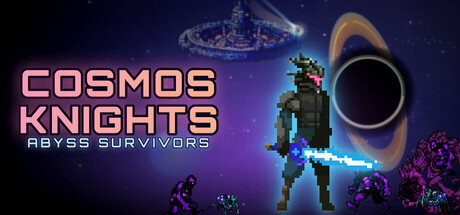
Some characters and visual elements in Cosmos Knights - Abyss Survivors were developed with the assistance of generative AI tools, based on original drawings, concepts, and ideas created by the developers.
The game also includes graphical assets purchased from independent artists and creators, alongside manually crafted artwork.
These assets were adapted and integrated into the game's visual style, with most animations created manually using Aseprite.
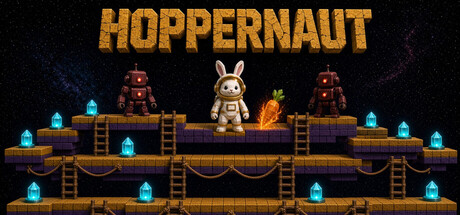
The store page artwork (capsules, banner) and the game icon were produced with an AI image tool from original renders of the game, then retouched by hand. The 3D models of the rabbit and the robots were created with Tripo3D from original drawings. The game itself does not generate any content with AI while you play. All text, music, sound effects and code are the work of Cylon6.
Generative AI tools were used during development to help create visual assets, animation assets, music and selected sound effects, narrative text, translations, and store artwork. These are prepared in advance and integrated into the game. The game does not generate AI content or connect to an AI service during gameplay.
During development, generative AI tools were used to create images, music, and game content. All generated content was reviewed, selected, and integrated by the developers before being incorporated into the final product. No AI content was generated in real-time during game execution, nor was player input sent to external AI services.
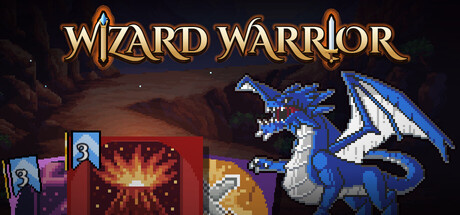
The illustrations on the cards were created using generative AI image tools. The store page art and marketing materials are composed from those same illustrations. Some store and in-game text was drafted with AI assistance and edited by the developer.
This game does not generate images, text, or audio with generative AI during play. Some assets (puzzle patterns, the opening, the ending, and the title screen) were created with generative AI.
Project Overboard was made with the help of Claude, an AI model by Anthropic, used as a coding and writing assistant. It wrote much of the game's code, including the code that draws the pixel art and synthesises the sound effects, and helped write the guests' lines, the in-game text and this store page. I designed the game, directed all of it, and reviewed, tested and edited everything that went in.
The game doesn't use AI while you play. Nothing is generated live, and no AI model runs in the game.
This game uses generative AI in the creation of images, backgrounds, music, translations, and some scripts. All generated assets were produced in advance and are included in the game; no content is generated by AI during gameplay, and the game does not connect to any external AI services.
The characters’ voices were pre-recorded using artificial intelligence so that we could cover as many regions as possible at minimal cost; without this, we would not have had the financial resources to produce such rich dialogue and reach so many languages in record time.
Generative AI was used during development to create some pre-generated visual assets, including game artwork and store promotional artwork. These assets are included as fixed content. The game does not use generative AI to create content or code during gameplay.
This game uses AI-generated translations for localization purposes. Menus, level names, act names, messages, and information on the game's Steam Page are translated into different languages with the use of AI.
Pre-generated generative AI was used to assist with some in-game artwork, store artwork, and English localization. The resulting content was reviewed and edited before use. The game does not generate AI content during gameplay.
Generative AI was used during development to create visual assets, including the game logo and airship illustrations, as well as music and sound effects. These assets are included as pre-generated content. The game does not generate AI content during gameplay or connect to external AI services during gameplay.
AI-assisted tools were used during development. No images were created with AI image generators. Game design and creative direction are by the developer.
Most of the game's pictures were generated with OpenAI image models during development, then cut out, framed and finished with the developer's own tools. That covers the character and monster portraits, item icons, town buildings and interiors, dungeon wall and floor textures, combat backdrops, story scenes and the game's emblem. The depth maps that give portraits and buildings their slight movement were made from those pictures with the Depth Anything model. The 3D buildings, the plaster and glass textures and the status icons were made with the developer's own scripts.
The sound effects, creature sounds, town ambience, the party's combat voices and the opening narration were generated with ElevenLabs. The rain, wind and thunder come from a licensed sound library. All of the music was made by the developer with Stable Audio.
Some in-game text, such as the help pages and item descriptions, was drafted with an AI writing assistant and edited by the developer.
The store capsule art is composed from the generated portraits and emblem. Nothing is generated while the game runs.
This game uses generative AI in parts of its development process.
It is used for the creation of some video, audio, music, and texture assets, as well as for translation and script-writing assistance.
AI-generated materials are reviewed and adjusted by the developer before being used.
Generative AI was used during development to assist with some main-menu and title artwork, UI images and textures, Steam store capsules and library artwork, and portions of narrative text and Chinese/English localization. These are pre-generated assets shipped with the game or displayed on the store page. The game does not generate AI content at runtime and does not connect to third-party generative AI services.
Generative AI was used for localization, and some in-game textures. To ensure high quality and originality, all AI-generated content has been manually reviewed, refined, and integrated to align with our creative vision.
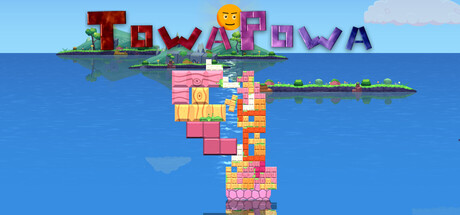
Towa Powa was developed with the help of AI tools, under the developer's direction and review.
• Art: the backgrounds, piece skins and icons are vector art and procedural generators created with AI assistance, then selected and adjusted by the developer.
• Text: parts of the in-game and store text were written with AI assistance. The French translation was largely reviewed by the developer and by French-speaking players. The Spanish and Simplified Chinese translations were produced and checked with AI and have not yet been reviewed by a native speaker.
• Marketing: the Steam Workshop header image was made with an AI image generator.
Screenshots, capsules and trailers are captured from real gameplay. Sound effects are licensed recordings (CC0 / CC BY) and original synthesis; voices come from a CC0 sound bank. The game does not generate any content with AI while you play.
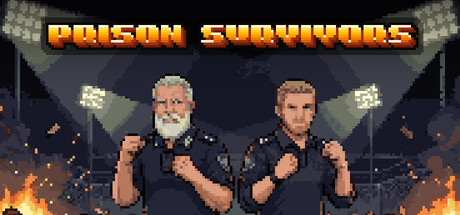
Neither one of us can code... or draw really..
So between full time jobs, kids and our better halves we're pretty time poor.. So we did what any two rational guys would do to try and escape the rat race and we used AI to make a game we love!
The entire game was created by two dudes and their imaginations and a touch of Claude*
We really hope you enjoy Prison Survivors and have as much fun playing it as we did making it!
Thanks for playing our game <3 - Drinno
*Claude did 100% of the coding, Gemini did most of the art, and we did 110% of the imagination and memes!
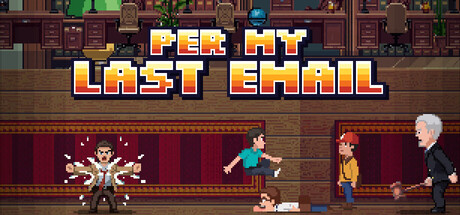
Character generation was AI-assisted and subsequently manually refined. Code auditing for bugs and testing were performed using AI. Audio and music were generated with AI.
The pixel art in Per My Last Email was generated with PixelLab, an AI pixel-art tool, from prompts written by the developer, then reviewed, selected, and assembled into sprite sheets by hand. Sound effects and music were generated with ElevenLabs. The game design, code, levels, enemy behavior, and writing were made by the developer without AI.
As a solo developer, I actively leverage modern development tools to deliver my project to players with the highest levels of performance and stability. In this context, throughout the game's development cycle, Generative AI tools have been utilized for:
- Steam Workshop & MapKit Support: The coding infrastructure for modding tools (MapKit) and integration systems that allow players to design their own maps and easily import them into the game.
- Music and Audio Optimization: Implementing algorithms that ensure dynamic audio management and music streaming function without causing performance degradation.
- Network Architecture and Efficiency: Managing data and optimizing systems to minimize abnormal network usage (network spikes/overhead).
This game was developed with the assistance of AI language models (LLMs) for programming, game design prototyping, text writing, and grammar corrections.
All creative decisions, final designs, and implementations were reviewed and directed by a human developer.
No AI-generated art, music, or sound effects are included in the game.
This game uses generative AI.
During development: tracks and album covers in the diary music archive were made with AI tools and selected by the team.
While the game runs: residents' lives are generated by AI in real time, including each resident's profile and name, the decisions in each stretch of their day, post captions, diaries, voice notes, portraits and avatars, post images, likes and comments between residents in the community, and the names and descriptions of drawn items.
Players cannot type anything to the AI: there is no chat, and every way of influencing a resident is a choice among fixed items. All generation runs through fixed pipelines written and tested by the team.
Some in-game artwork and store promotional images were created with the assistance of generative AI and selected and edited during development. The game does not generate AI content during gameplay.
Generative AI tools are used during development for selected graphics, text and translations, including store and marketing materials. These assets are created in advance.
Some prerecorded music, sound effects, environmental ambience and synthetic voice lines were created using generative AI during development. This includes character voices, announcements and fictional radio content. Aisterpiece Studios selects, edits and integrates these assets before release.
The game does not generate AI content live during gameplay and does not call external AI services during gameplay.
Generative AI was used during the development of Aircraft Broker to assist with creating some visual artwork and other game content. AI-generated assets were reviewed and edited as needed and are used as part of the game's overall presentation. The core gameplay, systems, and business simulation are designed and developed for Aircraft Broker.