








Disclosure
Generative AI was used during development as an assistive tool for some 2D art including weapon reload animation frames and magazine props
- Creator
- Loaded Dice Studio
- Reviews
- -
- Added
- Aug 31, 2026
Public Steam disclosure research 25,376 disclosures tracked
Search developers’ Steam disclosures, compare classified AI use across games, and follow recorded changes. This index adds cross-game classifications and statistics to statements published on individual store pages.
Code help, debugging and other development work.
Capsule art, trailers and promotional material.
Pre-made art, audio, writing and other game assets.
Interactive or runtime AI features disclosed by the developer.
Groups reflect automatic analysis of public disclosures; mature records are excluded. These counts do not measure AI use across all of Steam. Missing or unclear statements cannot establish whether a game uses AI.
Generative AI was used during development as an assistive tool for some 2D art including weapon reload animation frames and magazine props
Generative AI tools were used during the development of Dungeon Crawl 94: What Was Taken to assist in creating portions of the game's artwork, music, and other pre-generated creative content. Generative AI was also used to create some promotional artwork displayed on the Steam store page and in the Steam Library. All AI-generated content is pre-generated and incorporated during development; the game does not use live generative AI during gameplay.
Laryen includes an optional in-game AI companion named Laria. When a player asks Laria a question by voice or text, her answer is generated at runtime by an AI language model, grounded in Laryen's own game data (monsters, hunting grounds, equipment, drops and progression). Laria answers questions about the game only. She does not generate artwork, music, or content that is shared with other players, and using her is never required to play. Some artwork used in our store page and marketing materials was created with the assistance of generative AI tools and reviewed by our team before publication.
music
We employ generative AI technologies during the creation of some illustrations and music. All elements that make up the core and essence of the game are still done by us - the devs.
Generative AI was used during development to create pre-generated artwork (including fictional film posters and marketing images), narration, and some text and translations. These are fixed assets shipped with the game. No generative AI runs during gameplay, and no player input is sent to an external AI service.
Player portraits and team logos were created with AI assistance.
Some 2D artwork shipping in this game was created with the assistance of generative AI image tools, then edited by hand before inclusion. This applies to a portion of card illustrations and UI decorative elements. All such assets were checked for quality and rights compliance prior to shipping. This game does not generate any content with AI at runtime. The computer opponent is a conventional rules-based system, not a generative AI model.
The game is primarily developed using Houdini, VEX and Godot. Generative AI assists with concept/reference artwork, initial 3D asset generation, and programming. Assets are further processed, optimized, rigged and animated in Houdini before integration into the game.
Most of the game’s art, music, and other audiovisual assets were first generated with AI tools, then hand-picked, cropped, retouched, and reworked by the developer so they fit this game’s look, feel, and systems. Nothing is generated by AI while you play. Combat, cooking, exploration, and story presentation use only content that shipped with the game after that human edit pass.
Generative AI was used during development as a coding assistant and to assist with drafting and translating store-page and marketing text. Some pixel-art assets were rendered by deterministic drawing code written with AI assistance; the final images were not directly output by a text-to-image or diffusion model. All shipped and published content was reviewed and edited by the developer. No generative AI runs in the game, and no content is generated from player input.
Generative AI was used to create 2D artwork, visual assets, and music. All AI-generated content was reviewed and edited by the developer before being included in the game.
Generative AI was used extensively throughout the development of **Crazy Fußball-Manager**. **ChatGPT Codex** and **Claude Code** were used primarily for programming, technical implementation, and textual content. Graphics and visual assets were created and edited with the assistance of generative AI tools. **Suno** and **Mureka** were used to create music, sound effects, and other audio content. Nearly all content in the game – including code, graphics, text, music, and sounds – was created with the assistance of generative AI and subsequently integrated into the game.
Code generation and quality assurance testing/reporting.
We use AI-based text-to-speech tools to generate the character voice-over in this game. Everything else that ships in the game is made by our own development team.
AI is used only as a supportive tool to upscale and refine specific background and environment art derived from our own 3D assets.
Some promotional materials are AI-generated; the game content itself does not contain AI.
Since all the content of the code was completed by the producer alone, it was inevitable to use AI for bug maintenance.
Steam assets and code was code assisted with AI.
All AI involvement is pre-generated and human-reviewed: nothing is generated while you play, the game runs no AI models, and it never sends your data anywhere.
AI tools were used as part of the game's visual production and post-production workflow. The game's 3D assets, environments, characters, animations, and scenes are created and rendered by the developer. AI is primarily used to upscale lower-resolution renders to higher resolutions, helping reduce rendering time while maintaining the desired visual quality. In some cinematic sequences, AI-assisted tools are also used as part of the production process. Additionally, AI may be used for certain visual corrections, modifications, or minor fixes to rendered images instead of re-rendering an entire scene. AI is therefore used as a supporting tool in the development and post-production process, while the overall artistic direction, 3D production, scene creation, rendering, and final implementation are handled by the developer.
Marketing and assets.
"Generative AI tools were used during development to assist in creating a portion of the art, background assets, and UI icons. All AI-generated content was reviewed and manually refined by our team."
This game uses generative AI tools for parts of its 3D model creation and music/sound effect production. Core elements of the game experience — including the scenario, game design, AI logic design and implementation, and part balance adjustments — are created and decided primarily by the developer himself. In keeping with the game's own concept of "designing AI logic to fight," the development process itself also actively incorporates collaboration with AI. This game was completed by using dialogue with AI to work around the limitations of a one-person team.
Generative AI technologies were used during certain stages of development to assist in creating select art, audio, text, or design assets. All final content has been reviewed, refined, and integrated by our team to ensure overall experience and product quality.
AI was only used to generate scripts and coding for this game.
I use a coding agent when writing code for the game itself.
Only using AI for game code development
This game contains game assets created with machine learning technology and refined through human review and editing. Developed by Hayden-Fisher Technologies, Inc. (an independently owned tech consulting and engineering corporation).
AI was only used to generate minimal resources to support unit design and partial localization. All AI-assisted content has been reviewed, and the final assets were manually drawn to fit the game's artistic style and atmosphere.
Generative AI tools were used during development to create concept art before being updated with art from human artist(s).
The current trailer temporarily uses AI-generated music as placeholder material, which we plan to replace with original music in a future update.
Generative AI tools were used during development to assist with portions of the game's code, visual asset creation, localization, and marketing artwork. All included content was selected, edited, integrated, and reviewed by the developer. The game does not generate AI content during gameplay.
HASSO uses generative AI tools for part of its pre-produced content: the card illustrations, and the translation of the game's text into the languages it supports. All AI-generated content is reviewed and curated before it is included in the game. The user interface icons, the music and the sound effects are not AI-generated. No content is generated by AI at runtime: the player never sends prompts and never receives live AI output.
Some of the art in this game was made with the help of generative AI. The voxel character portraits were generated from written prompts using an AI image generator, then cut out, colour-corrected, posed and animated by hand by the developer. The store page capsules and the achievement icons are composed from that same character art. Parts of the store page text, and the game's translations into its eight supported languages, were produced with AI assistance and reviewed by the developer. No generative AI runs while you play — nothing is generated in real time. The patrons' behaviour is ordinary game AI: hand-written rules and probability tables. The music and every sound effect are not AI-generated; they are synthesised procedurally.
AI tools were used during development in two areas. Code: an AI coding assistant helped write and refactor GDScript source; all output was reviewed and edited by the developer before being committed. UI design: interface layouts were prototyped as HTML mockups with AI assistance, then redrawn and implemented by hand as Godot scenes — no AI-produced file ships in the build. All art and music in the game were created by people. Sound effects are generated procedurally by a hand-written synthesis script (numpy waveform synthesis, no models or samples involved). Fonts are open-licensed, human-designed typefaces.
Some development of FOOTDICE was assisted by generative AI tools. Game's code, portion of visual assets (svgs files), and text for marketing materials were created with AI assistance and then reviewed, edited, and finalized by the developer. All content in the game is pre-generated — the game does not create content using AI while you play, and no player data is sent to AI services.
Some of the game's textures, models, and code were generated with the assistance of AI.
Some character graphics, background artworks, and promotional assets in the game were created with the assistance of generative AI tools.
Generative AI tools were used during development to create pre-generated content included in the game. Suno AI was used to create the music tracks under a paid commercial-use plan. AI-assisted tools were also used to help create some 3D and environmental assets, as well as localization text. All outputs were reviewed, edited, and integrated by the developer before release. The game does not generate AI content during gameplay and does not connect to any generative AI service at runtime.
During development, AI was used to refine some fixed ASCII pixel-art data and portions of the code-defined sound data embedded in the game's C# source. Deterministic rendering and synthesis functions convert this fixed data into sprites and audio at runtime. Some Steam store images use renders of the same sprites. No generative AI is used while the game is running. The game does not contact an AI service, generate AI content during play, or send player input to an AI service.
I’m a normal guy, and making a game has been a dream of mine. I used generative AI as part of my development process, including helping with code and creating visual assets. Every asset included in the final game was personally selected, refined, placed, and directed by me to match the game’s overall vision.
Some music, sound effects, and UI icons in this game were created with the assistance of generative AI tools during development. All AI-generated content has been directly reviewed, selected, and retouched for optimal integration.
Generative AI tools were used during development to assist with programming and localization. All AI-assisted code and text were reviewed, edited, tested, and integrated by the developer. No generative AI is used while the game is running.
Artists use AI tools to assist with image generations and creating variants Store assets use AI generated images
The visual art in this game is primarily AI-generated. 3D models, textures, concept art, and UI art, along with the artwork used on this store page, were created with the assistance of generative AI tools, as were the game's sound effects. All AI-assisted assets were reviewed, edited, and approved by our team before use. Our trailers consist of actual in-game footage. The game does not generate any content in real time — there is no live AI generation of dialogue, voice, art, or any other content during gameplay.
Development Toolchain developed by AI with human guided R&D.
All artwork, character art, animation and audio in Fleshgrinder were created by human artists — the use of generative AI for art was contractually prohibited on this project. Generative AI was used to translate the game's text into its ten non-English languages, and to draft a portion of the in-game item descriptions and dialogue. No generative AI runs while you play; nothing is generated at runtime.
Generative AI was used as a tool to assist with a portion of the character designs.
Image Generation
| Title⇅ | Disclosure | Creator⇅ | Src | Reviews⇅ | Added↓ |
|---|---|---|---|---|---|
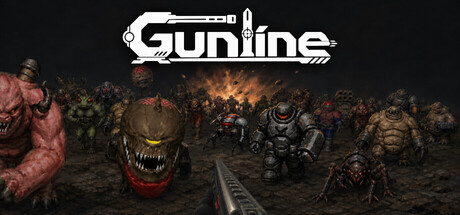 Gunline In-game content art | Generative AI was used during development as an assistive tool for some 2D art including weapon reload animation frames and magazine props | Loaded Dice Studio | - | Aug 31, 2026 | |
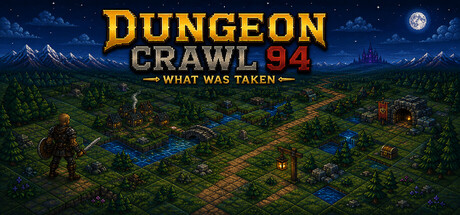 Dungeon Crawl 94: What Was Taken In-game content artaudio | Generative AI tools were used during the development of Dungeon Crawl 94: What Was Taken to assist in creating portions of the game's artwork, music, and other pre-generated creative content. Generative AI was also used to create some promotional artwork displayed on the Steam store page and in the Steam Library. All AI-generated content is pre-generated and incorporated during development; the game does not use live generative AI during gameplay. | Underwood Studios | - | Aug 31, 2026 | |
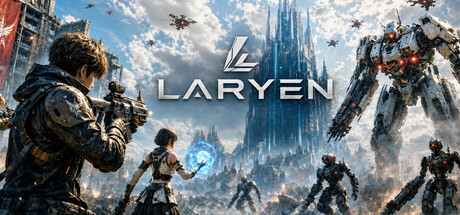 Laryen Live AI text | Laryen includes an optional in-game AI companion named Laria. When a player asks Laria a question by voice or text, her answer is generated at runtime by an AI language model, grounded in Laryen's own game data (monsters, hunting grounds, equipment, drops and progression). Laria answers questions about the game only. She does not generate artwork, music, or content that is shared with other players, and using her is never required to play.
Some artwork used in our store page and marketing materials was created with the assistance of generative AI tools and reviewed by our team before publication. | WITHCENTER | - | Aug 29, 2026 | |
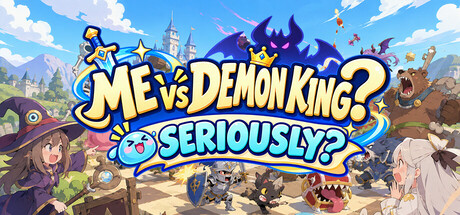 Me VS Demonking?Seriously? Unclear | music | 异世界卡车 | - | Aug 29, 2026 | |
 Tile Crawl In-game content artaudio | We employ generative AI technologies during the creation of some illustrations and music. All elements that make up the core and essence of the game are still done by us - the devs. | UNSUNG | - | Aug 29, 2026 | |
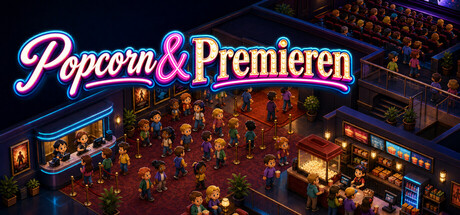 Popcorn & Premieren In-game content arttext | Generative AI was used during development to create pre-generated artwork (including fictional film posters and marketing images), narration, and some text and translations. These are fixed assets shipped with the game. No generative AI runs during gameplay, and no player input is sent to an external AI service. | Jodelsoft | - | Aug 28, 2026 | |
 Headshot Manager In-game content art | Player portraits and team logos were created with AI assistance. | Shrouded Pharaoh Games | - | Aug 28, 2026 | |
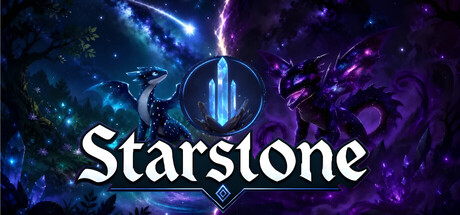 Starstone In-game content art | Some 2D artwork shipping in this game was created with the assistance of generative AI image tools, then edited by hand before inclusion. This applies to a portion of card illustrations and UI decorative elements. All such assets were checked for quality and rights compliance prior to shipping.
This game does not generate any content with AI at runtime. The computer opponent is a conventional rules-based system, not a generative AI model. | Aaron Kowall | - | Aug 28, 2026 | |
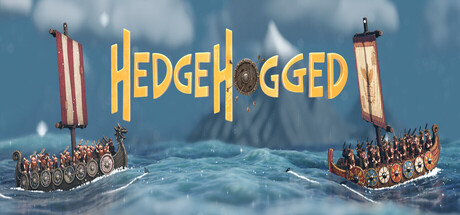 HedgeHogged Dev only artcode | The game is primarily developed using Houdini, VEX and Godot. Generative AI assists with concept/reference artwork, initial 3D asset generation, and programming. Assets are further processed, optimized, rigged and animated in Houdini before integration into the game. | VFX South | - | Aug 28, 2026 | |
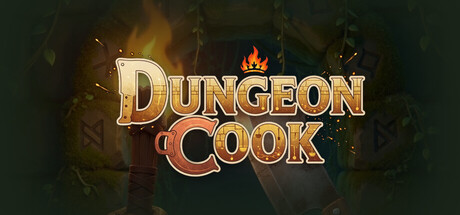 Dungeon Cook In-game content artaudio | Most of the game’s art, music, and other audiovisual assets were first generated with AI tools, then hand-picked, cropped, retouched, and reworked by the developer so they fit this game’s look, feel, and systems.
Nothing is generated by AI while you play. Combat, cooking, exploration, and story presentation use only content that shipped with the game after that human edit pass. | MY AR UNIPESSOAL LDA. | - | Aug 26, 2026 | |
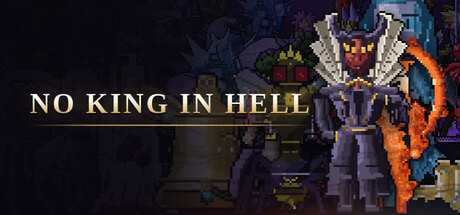 NO KING IN HELL Dev only textcode | Generative AI was used during development as a coding assistant and to assist with drafting and translating store-page and marketing text. Some pixel-art assets were rendered by deterministic drawing code written with AI assistance; the final images were not directly output by a text-to-image or diffusion model. All shipped and published content was reviewed and edited by the developer. No generative AI runs in the game, and no content is generated from player input. | sasoriken-games | - | Aug 26, 2026 | |
 Jockey Rising: Bloodline In-game content artaudio | Generative AI was used to create 2D artwork, visual assets, and music. All AI-generated content was reviewed and edited by the developer before being included in the game. | Den Spade | - | Aug 26, 2026 | |
 Crazy Fußball-Manager In-game content artaudiotextcode | Generative AI was used extensively throughout the development of **Crazy Fußball-Manager**. **ChatGPT Codex** and **Claude Code** were used primarily for programming, technical implementation, and textual content. Graphics and visual assets were created and edited with the assistance of generative AI tools. **Suno** and **Mureka** were used to create music, sound effects, and other audio content.
Nearly all content in the game – including code, graphics, text, music, and sounds – was created with the assistance of generative AI and subsequently integrated into the game. | Crazy Coffee and Cookie Creations | - | Aug 25, 2026 | |
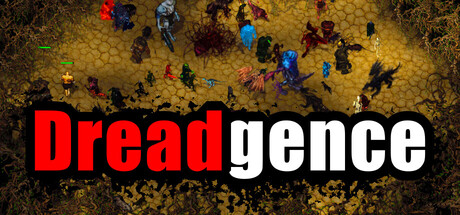 Dreadgence Dev only code | Code generation and quality assurance testing/reporting. | Limited Input LLC | - | Aug 25, 2026 | |
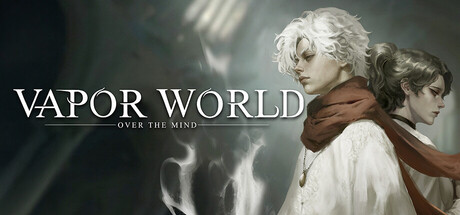 Vapor World: Over The Mind In-game content audio | We use AI-based text-to-speech tools to generate the character voice-over in this game. Everything else that ships in the game is made by our own development team. | ALIVE Inc. | 69 | Aug 25, 2026 | |
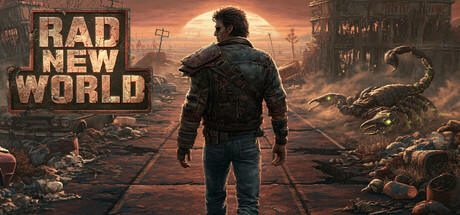 Rad New World In-game content art | AI is used only as a supportive tool to upscale and refine specific background and environment art derived from our own 3D assets. | frontline: Games Series | - | Aug 25, 2026 | |
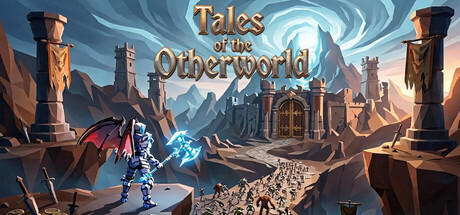 Tales of the Otherworld Store/marketing art | Some promotional materials are AI-generated; the game content itself does not contain AI. | 彼境行者(嘉兴)数字科技有限公司 | - | Aug 25, 2026 | |
 Parasomnia Dev only code | Since all the content of the code was completed by the producer alone, it was inevitable to use AI for bug maintenance. | Yishun Qin | - | Aug 24, 2026 | |
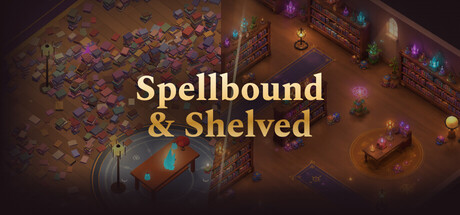 Spellbound & Shelved Dev only code | Steam assets and code was code assisted with AI. | needmoar.games | - | Aug 24, 2026 | |
 Second Stage general | All AI involvement is pre-generated and human-reviewed: nothing is generated while you play, the game runs no AI models, and it never sends your data anywhere. | Archaic Labs | - | Aug 24, 2026 | |
 The Dark Inside Me - Chapter III Dev only art | AI tools were used as part of the game's visual production and post-production workflow.
The game's 3D assets, environments, characters, animations, and scenes are created and rendered by the developer. AI is primarily used to upscale lower-resolution renders to higher resolutions, helping reduce rendering time while maintaining the desired visual quality.
In some cinematic sequences, AI-assisted tools are also used as part of the production process. Additionally, AI may be used for certain visual corrections, modifications, or minor fixes to rendered images instead of re-rendering an entire scene.
AI is therefore used as a supporting tool in the development and post-production process, while the overall artistic direction, 3D production, scene creation, rendering, and final implementation are handled by the developer. | Akçay Karaazmak | - | Aug 23, 2026 | |
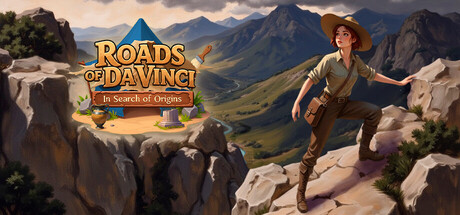 Roads of Da Vinci: In Search of Origins Unclear | Marketing and assets. | 8floor ltd | - | Aug 23, 2026 | |
 元素奇兵:英雄集结令 In-game content art | "Generative AI tools were used during development to assist in creating a portion of the art, background assets, and UI icons. All AI-generated content was reviewed and manually refined by our team." | DeepDream Studio | 62 | Aug 23, 2026 | |
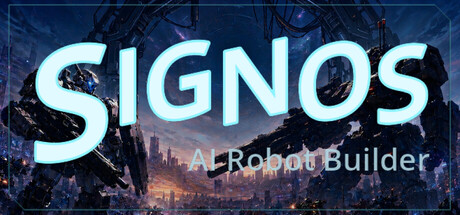 SIGNOS: AI Robot Builder In-game content artaudio | This game uses generative AI tools for parts of its 3D model creation and music/sound effect production.
Core elements of the game experience — including the scenario, game design, AI logic design and implementation, and part balance adjustments — are created and decided primarily by the developer himself.
In keeping with the game's own concept of "designing AI logic to fight," the development process itself also actively incorporates collaboration with AI. This game was completed by using dialogue with AI to work around the limitations of a one-person team. | zeoperdise | - | Aug 22, 2026 | |
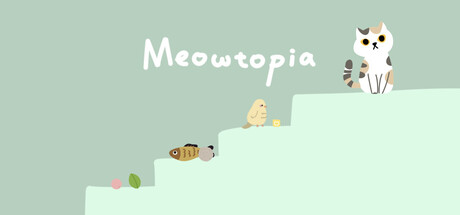 meowtopia In-game content artaudiotext | Generative AI technologies were used during certain stages of development to assist in creating select art, audio, text, or design assets. All final content has been reviewed, refined, and integrated by our team to ensure overall experience and product quality. | 李菠萝 | - | Aug 22, 2026 | |
 Capicú Dev only code | AI was only used to generate scripts and coding for this game. | Esthefania Morantes | - | Aug 22, 2026 | |
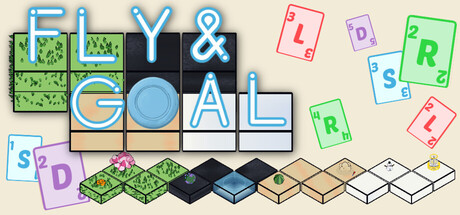 Fly&Goal Dev only code | I use a coding agent when writing code for the game itself. | Otameshi | - | Aug 22, 2026 | |
 四季餐厅 Dev only code | Only using AI for game code development | 安道尔的风 | - | Aug 20, 2026 | |
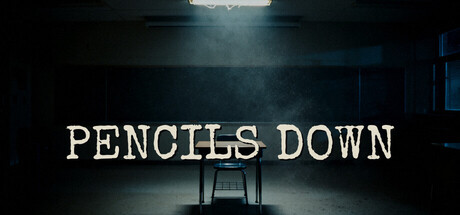 PENCILS DOWN™ In-game content art | This game contains game assets created with machine learning technology and refined through human review and editing. Developed by Hayden-Fisher Technologies, Inc. (an independently owned tech consulting and engineering corporation). | Hayden-Fisher Technologies, Inc. | - | Aug 20, 2026 | |
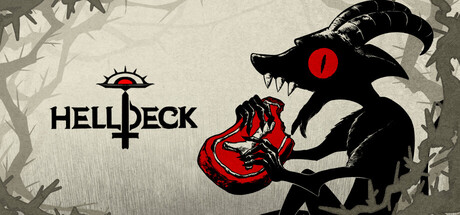 Hell Deck In-game content arttext | AI was only used to generate minimal resources to support unit design and partial localization.
All AI-assisted content has been reviewed, and the final assets were manually drawn to fit the game's artistic style and atmosphere. | OFFMOON Inc. | 118 | Aug 20, 2026 | |
 Tintle's Great Colorful Adventure Dev only art | Generative AI tools were used during development to create concept art before being updated with art from human artist(s). | Midnight Pounce Studios | - | Aug 20, 2026 | |
 IM: VVI Galaxy Runaway In-game content audio | The current trailer temporarily uses AI-generated music as placeholder material, which we plan to replace with original music in a future update. | Taiji Bala | - | Aug 20, 2026 | |
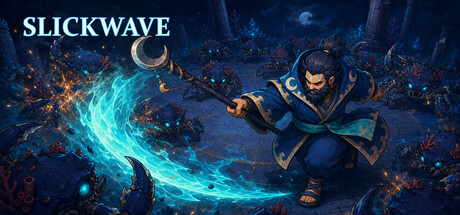 SLICKWAVE In-game content codearttext | Generative AI tools were used during development to assist with portions of the game's code, visual asset creation, localization, and marketing artwork. All included content was selected, edited, integrated, and reviewed by the developer. The game does not generate AI content during gameplay. | SLICK3R | - | Aug 19, 2026 | |
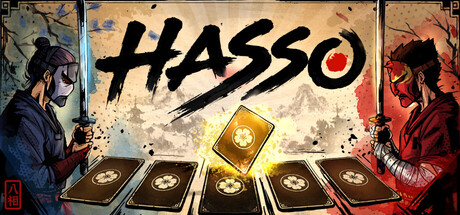 HASSO In-game content arttext | HASSO uses generative AI tools for part of its pre-produced content: the card illustrations, and the translation of the game's text into the languages it supports. All AI-generated content is reviewed and curated before it is included in the game. The user interface icons, the music and the sound effects are not AI-generated. No content is generated by AI at runtime: the player never sends prompts and never receives live AI output. | Giant Turnip Games | - | Aug 19, 2026 | |
 Casino Dealer Simulator In-game content arttext | Some of the art in this game was made with the help of generative AI. The voxel character portraits were generated from written prompts using an AI image generator, then cut out, colour-corrected, posed and animated by hand by the developer. The store page capsules and the achievement icons are composed from that same character art. Parts of the store page text, and the game's translations into its eight supported languages, were produced with AI assistance and reviewed by the developer.
No generative AI runs while you play — nothing is generated in real time. The patrons' behaviour is ordinary game AI: hand-written rules and probability tables. The music and every sound effect are not AI-generated; they are synthesised procedurally. | Umbriel Games | - | Aug 19, 2026 | |
 memory cafe Dev only codeart | AI tools were used during development in two areas. Code: an AI coding assistant helped write and refactor GDScript source; all output was reviewed and edited by the developer before being committed. UI design: interface layouts were prototyped as HTML mockups with AI assistance, then redrawn and implemented by hand as Godot scenes — no AI-produced file ships in the build.
All art and music in the game were created by people. Sound effects are generated procedurally by a hand-written synthesis script (numpy waveform synthesis, no models or samples involved). Fonts are open-licensed, human-designed typefaces. | Twiggy gaming | - | Aug 19, 2026 | |
 FOOTDICE In-game content arttextcode | Some development of FOOTDICE was assisted by generative AI tools. Game's code, portion of visual assets (svgs files), and text for marketing materials were created with AI assistance and then reviewed, edited, and finalized by the developer.
All content in the game is pre-generated — the game does not create content using AI while you play, and no player data is sent to AI services. | Collinas | - | Aug 19, 2026 | |
 Sail: Evolved Tides In-game content artcode | Some of the game's textures, models, and code were generated with the assistance of AI. | Aellora Games | - | Aug 19, 2026 | |
 午夜咖啡馆的最后半小时 In-game content art | Some character graphics, background artworks, and promotional assets in the game were created with the assistance of generative AI tools. | ZikL | - | Aug 18, 2026 | |
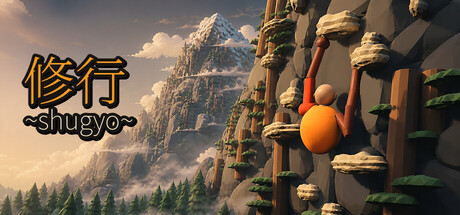 修行~shugyo~ In-game content audioarttext | Generative AI tools were used during development to create pre-generated content included in the game. Suno AI was used to create the music tracks under a paid commercial-use plan. AI-assisted tools were also used to help create some 3D and environmental assets, as well as localization text. All outputs were reviewed, edited, and integrated by the developer before release. The game does not generate AI content during gameplay and does not connect to any generative AI service at runtime. | destination_68 | - | Aug 16, 2026 | |
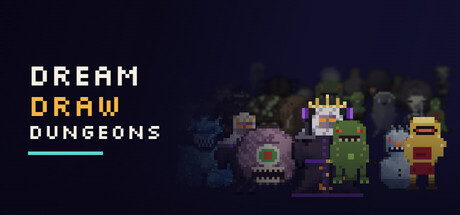 Dream Draw Dungeons In-game content artaudiocode | During development, AI was used to refine some fixed ASCII pixel-art data and portions of the code-defined sound data embedded in the game's C# source. Deterministic rendering and synthesis functions convert this fixed data into sprites and audio at runtime. Some Steam store images use renders of the same sprites.
No generative AI is used while the game is running. The game does not contact an AI service, generate AI content during play, or send player input to an AI service. | Vegoya Studio | - | Aug 16, 2026 | |
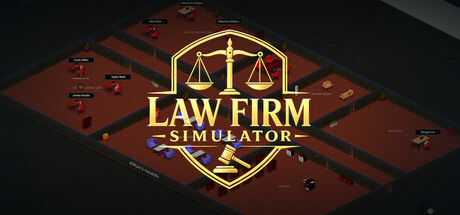 Law Firm Simulator In-game content artcode | I’m a normal guy, and making a game has been a dream of mine. I used generative AI as part of my development process, including helping with code and creating visual assets. Every asset included in the final game was personally selected, refined, placed, and directed by me to match the game’s overall vision. | dizzy | - | Aug 16, 2026 | |
 Dustium In-game content audioart | Some music, sound effects, and UI icons in this game were created with the assistance of generative AI tools during development. All AI-generated content has been directly reviewed, selected, and retouched for optimal integration. | TeamAnchor | - | Aug 16, 2026 | |
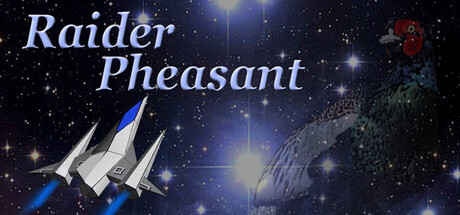 Raider Pheasant Dev only codetext | Generative AI tools were used during development to assist with programming and localization. All AI-assisted code and text were reviewed, edited, tested, and integrated by the developer. No generative AI is used while the game is running. | PolygonLove International | - | Aug 16, 2026 | |
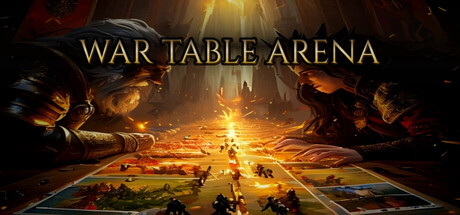 War Table Arena Store/marketing art | Artists use AI tools to assist with image generations and creating variants
Store assets use AI generated images | Rusalka Unreal Labs | - | Aug 16, 2026 | |
 舍 In-game content artaudio | The visual art in this game is primarily AI-generated. 3D models, textures, concept art, and UI art, along with the artwork used on this store page, were created with the assistance of generative AI tools, as were the game's sound effects. All AI-assisted assets were reviewed, edited, and approved by our team before use. Our trailers consist of actual in-game footage. The game does not generate any content in real time — there is no live AI generation of dialogue, voice, art, or any other content during gameplay. | Kick Rooster Game Studio | - | Aug 16, 2026 | |
 Void Walkers X64 Dev only | Development Toolchain developed by AI with human guided R&D. | Luminous Lodge | - | Aug 16, 2026 | |
 Fleshgrinder In-game content text | All artwork, character art, animation and audio in Fleshgrinder were created by human artists — the use of generative AI for art was contractually prohibited on this project. Generative AI was used to translate the game's text into its ten non-English languages, and to draft a portion of the in-game item descriptions and dialogue. No generative AI runs while you play; nothing is generated at runtime. | hainalcode | - | Aug 14, 2026 | |
 VIOLENCE DOLL バイオレンスドール In-game content art | Generative AI was used as a tool to assist with a portion of the character designs. | Mechanical Games | - | Aug 14, 2026 | |
 NODEROID Unclear art | Image Generation | yoshimochi | - | Aug 14, 2026 |


