Public Steam disclosure research25,376 disclosures tracked
Where do games disclose AI use?
Search developers’ Steam disclosures, compare classified AI use across
games, and follow recorded changes.
This index adds cross-game classifications and statistics to
statements published on individual store pages.
Groups reflect automatic analysis of public disclosures; mature records are excluded. These counts do not measure AI use across all of Steam.
Missing or unclear statements cannot establish whether a game uses AI.
This game was developed with the help of generative AI tools in the following areas.
■ Illustrations and images
2D artwork such as backgrounds, character portraits, cut-in illustrations, character creator parts, achievement icons, and store artwork was produced using image generation AI. The developer designed and directed the composition, character design, colors, and intent, then selected, retouched, cropped, and composited the generated images before including them in the game.
■ Music
The background music was produced using music generation AI. The developer designed the required mood for each scene, generated candidates, then selected and edited the tracks that are included in the game.
■ Program code
AI coding assistance tools were used for part of the implementation work.
■ Assets that do not involve AI
All sound effects and character voices are existing human-created audio assets (Soundeffect Lab, Kurage Kosho, T-Suta, DOVA-SYNDROME), used in accordance with each provider's terms of use. They are not AI generated. The font is "Zen Kaku Gothic New," provided under the SIL Open Font License.
■ Rights and legal care
All AI-generated assets were reviewed by the developer to ensure they contain no illegal content and do not infringe the rights of third parties. No generation was performed with the intent of imitating any specific real person or existing work.
We used generative AI tools during development in the following ways:
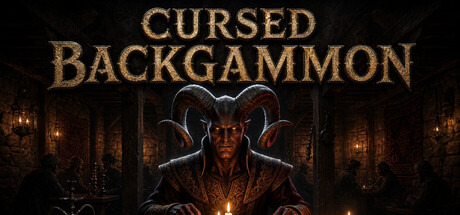
3D character models: The models for the supernatural guests (Nightmare, Goblin, Vampire, Devil), the merchant Djinn, and the trapped travelers were generated using AI tools (Meshy AI, with concept images from Google Gemini image models), then rigged, animated, retextured, lit, and integrated by hand in Unity.
Store artwork: The capsule key art was created with AI image generation tools and composed by hand.
Code: Portions of the game's source code were written with AI coding assistance and reviewed by the developer.
All AI-generated content was created by the developer using licensed tools, and all final assets were manually edited, integrated, and tested. No AI-generated content is produced live during gameplay — everything shipped in the game is pre-made and fixed.
The area background artwork in this game is based on images created with a generative AI tool. This covers 96 images across six themes; the generated images were reviewed, selected, and processed into the game's format during development. Some title logos were produced the same way and then post-processed.
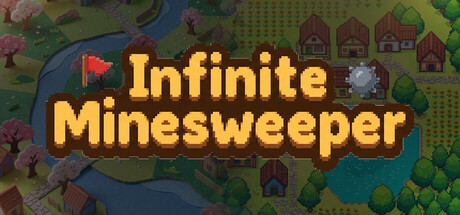
All other assets — cell graphics, clouds, sound effects, background music, planet textures, and the app icon — are generated procedurally in code and do not use AI.
No AI runs while the game is playing.
Props to you for checking this out! I used AI to help code some of the newer features and port this from my original mobile build as it saved a lot of dev time. Everything else—sounds, amateur vector art, and the remaining 85%+ of the code is completely human-crafted.
AI generation was used in the concept art for the game that is currently on display with the game screenshots. We are currently working on making the real art for the game, but wanted to provide the artstyle that we are aiming towards. The game itself, including in-game current and future art, is human made.
Generative AI tools were used during development to assist in the creation of visual and audio content. All AI-assisted content was created prior to release, reviewed and curated by the developer, and is included as part of the finished game. No generative AI is used during gameplay.
Generative AI tools were used to create and refine selected promotional artwork for the Steam store page. All resulting materials were reviewed and curated by the developer. The game does not generate AI content during gameplay or connect to external AI services.
Our App employs AI-powered image generation tools to aid in the production of visual assets and background artwork for marketing materials, including store page screenshots and preview assets, as well as for full-screen in-game interfaces such as the home screen and event pages.
During development, generative AI was used as an assistive tool to create some in-game text and translations, 2D graphics, and store images. The generated content was reviewed and modified by the developer before being included in the game. Generative AI is not used to create content while the game is running, and no player input or personal information is sent to AI services.
We used generative AI to create artwork for this store page and for promotional
materials. All generated material was reviewed and adjusted
by humans before use. No content is generated by AI during gameplay.
This game uses AI tools in the following ways:
Music: Composed using Suno.
Code: Written and debugged with AI assistance.
Art: Created with AI assistance.
All AI-assisted content was reviewed, edited, and finalized by the developer.
Some of this game's assets were created with the assistance of generative AI tools and were then reviewed, edited, and integrated by the developer. This includes: base meshes of some 3D character models, some 2D artwork such as card illustrations and icons, voice lines and sound effects created with AI voice/audio generation, and parts of the localized text. All such content was pre-generated during development — the game does not generate any content with AI at runtime.
During the development of this game, generative AI was used to assist with the creation of some art assets, sound effects, music, text translations, and development reference materials. All AI-assisted generated content was manually reviewed, edited, integrated, and approved before being included in the game. No content is generated in real time based on player input during gameplay.
Tumble's visual art (character and charm illustrations, backdrops, item sprites, and store capsule art) was generated with Google's Gemini image models and then selected, cropped, retouched, colour-matched and in many cases regenerated by hand against a fixed reference style until it fit the game. Music and sound effects were generated with Suno under a commercial licence, then cut, mixed and placed by hand.
The game's design, rules, balance, and code are not generated content. Every mechanic, number and line of player-facing text was written, tested and revised by the developer, including through automated balance simulation and four rounds of human playtesting.
No content is generated live during play. Nothing in Tumble is produced at runtime by an AI model; the game runs entirely offline with no model calls of any kind.
During the development of this game, generative AI tools were used to assist in creating some of the art materials (scenes / props / UI) and text content. All AI-generated content has been thoroughly reviewed, modified, optimized, and checked for copyright by humans to ensure the quality and compliance of the content.
Some of the artwork in ChessTan was created with the help of generative AI tools. This includes in-game graphics (unit and board art) and the store page / marketing images. All AI-generated art was reviewed, edited, and curated by the developer before use. No AI-generated content is produced live during gameplay. Music is licensed royalty-free stock (not AI-generated), and AI coding assistants were used only for development, not to generate player-facing content
The game's visual assets and language translations were created with the assistance of generative AI tools. All AI-generated content has been reviewed and edited by the developer before being included in the final game.
Generative AI was used to assist with the composition of some concept artwork, a small number of promotional video shots, and multilingual localization. All related content was reviewed, edited, and finally approved by the development team before use.
Pre-generated key art, store and marketing artwork, and two music loops were created with generative AI tools, then selected, edited, and reviewed by the developer. Gameplay rules, code, interface text, and player actions are authored and deterministic. No content is generated during gameplay, and the game does not connect to external AI services.
The game uses generative artificial intelligence on informative text messages and coding assistance. The game rules and campaign maps are crafted by a human,.
Store page texts and localization drafts were prepared with the help of AI tools, and parts of the game's source code were written with AI coding assistants — all of it reviewed, edited and tested by the developer. All art, game design and audio are human-made. The in-game opponent is a custom neural network trained by the developer through self-play (a chess-engine-style game AI, not generative AI).
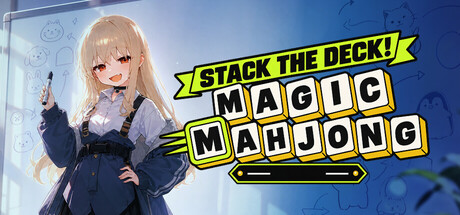
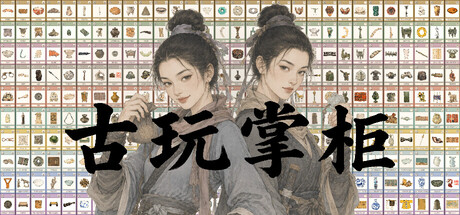
Some of this game's art and audio were created with generative AI tools, then selected, edited and assembled by the developer: the ink-wash illustrations and character portraits, part of the interface artwork, and the background music. The store page artwork and the trailer were produced the same way. Everything ships as fixed, pre-rendered assets. The game generates no content while you play and connects to no AI service. Puzzle levels are built and verified by our own deterministic mahjong solver, not by AI.
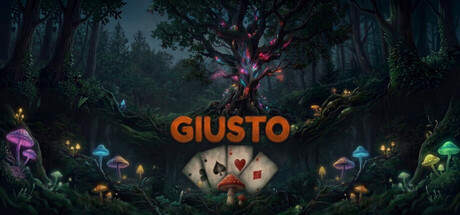
Character artwork for Giusto’s characters that represent each tier of the player’s journey began as AI-generated concept art, conceptualized, directed and reviewed by our team to match the the art direction of the game. 3D character models were generated from this concept art using Tripo AI’s image-to-3D tool, then reviewed and integrated into the game by our development team. From which, the final 3D models were designed and styled within Unreal Engine 5 to fit the feel of our game. All game design, music and other content were built directly by our team and purchased and licensed human-made asset packs.
I’m a solo developer. At this stage, generative AI is used only for some character artwork shown in the game’s trailer and promotional material. These assets are temporary and are not used in the game itself.
As a one-person studio, I’m using temporary AI-generated artwork to gauge interest in the game before committing significant time or money to producing the final character art. I plan to replace this artwork with original/non-AI assets before release and will update this disclosure when that happens.
The development of this game makes extensive use of generative AI. AI tools were used to help create the game's art and visual assets, sound and music, text and narrative, code, and localization. All AI-assisted content is reviewed by our team before release to ensure quality and appropriateness.
In early development, the game included some AI-generated graphical elements while I waited for a professional artist's work. I am now gradually integrating that work, but the process is not yet finished. AI also generated the game's English, German, and French localizations from the original Ukrainian text, and later proofread by a human.
Art direction steered asset creation, SFX, store capsule artwork and the logo were produced with generative AI assistance then hand-edited. No generative AI runs at runtime; the game generates no content live.
Generative AI tools were used during development to assist in the creation of certain game assets. For visual assets such as units and characters, the developer first created original line art manually, then used AI-assisted coloring as part of the workflow, followed by additional manual editing and refinement. For music, AI was used to generate an initial melodic idea, which was then manually edited, arranged, and refined by the developer in LMMS. All AI-assisted content is pre-generated and reviewed by the developer before being included in the game. The game does not use live-generated AI during gameplay.
The character selection screen uses some art that has been created with the assistance of AI.
The character art display on the store page has been partially created with the assistance of AI.
This game uses pre-generated images created with Google Gemini for the character illustrations (6 images) and the title screen background. Character voices were pre-generated using VOICEPEAK (AHS Co., Ltd.), a commercial-use AI voice synthesis product. The background music was composed by human musicians and licensed for use. No AI generation occurs while the game is running.
Some of the 2D artwork in this game — character portraits, monster illustrations, board tiles, backgrounds and store art — was created with the help of generative AI image tools, then reviewed, edited and assembled by the developer. All generated assets were checked before shipping. The game does not generate any content live during play: everything is pre-rendered and included in the build. Game design, rules, code, text and level layout were authored by the developer.
I’m a solo developer doing my first-ever coding project. With no prior coding experience, I relied heavily on tons of tutorials to write the code and used AI to assist when troubleshooting some bugs. I also used AI to generate some of the project's visual content and images but mainly tried to use actual human work. It's been a massive learning experience, so thanks for your time, and I hope you can enjoy my project :)
AI-based tools were used solely as a supportive aid for creating select pre-rendered in-game assets and text, with all final content thoroughly reviewed and refined by the development team. The game contains no live-generated AI content during gameplay.
This game contains AI-generated content, including images and audio.
All AI-generated content was pre-generated.
No generative AI is used during gameplay.
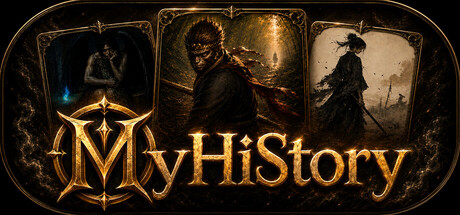
Some pre-generated artwork and audio included in MyHiStory were created with the assistance of generative AI during development. These assets were selected, reviewed, and curated by the developer before inclusion in the game. MyHiStory does not use generative AI to generate content or code while the game is running.
AI was primarily used in two sections of the game. To aid and assist with turning 2d sprites that were created into animated variations of them.
Steam store page pictures use AI to create variants of my logo. The background itself is AI the logo was designed by me and AI was used to adjust it in the photo.
1. Ensure that the game content does not include illegal or infringing material, such as violations of laws and regulations or infringement of others' intellectual property rights (e.g., plagiarism of artwork, code, etc.).
2. Consistency with Marketing Materials: The actual content of the game must align with the marketing materials, ensuring no discrepancies such as claiming an AI-generated art style or unique gameplay features in promotions that do not exist in the actual game.
This game was developed with the help of generative AI tools in the following areas.
■ Illustrations and images
2D artwork such as backgrounds, character portraits, cut-in illustrations, character creator parts, achievement icons, and store artwork was produced using image generation AI. The developer designed and directed the composition, character design, colors, and intent, then selected, retouched, cropped, and composited the generated images before including them in the game.
■ Music
The background music was produced using music generation AI. The developer designed the required mood for each scene, generated candidates, then selected and edited the tracks that are included in the game.
■ Program code
AI coding assistance tools were used for part of the implementation work.
■ Assets that do not involve AI
All sound effects and character voices are existing human-created audio assets (Soundeffect Lab, Kurage Kosho, T-Suta, DOVA-SYNDROME), used in accordance with each provider's terms of use. They are not AI generated. The font is "Zen Kaku Gothic New," provided under the SIL Open Font License.
■ Rights and legal care
All AI-generated assets were reviewed by the developer to ensure they contain no illegal content and do not infringe the rights of third parties. No generation was performed with the intent of imitating any specific real person or existing work.
We used generative AI tools during development in the following ways:
3D character models: The models for the supernatural guests (Nightmare, Goblin, Vampire, Devil), the merchant Djinn, and the trapped travelers were generated using AI tools (Meshy AI, with concept images from Google Gemini image models), then rigged, animated, retextured, lit, and integrated by hand in Unity.
Store artwork: The capsule key art was created with AI image generation tools and composed by hand.
Code: Portions of the game's source code were written with AI coding assistance and reviewed by the developer.
All AI-generated content was created by the developer using licensed tools, and all final assets were manually edited, integrated, and tested. No AI-generated content is produced live during gameplay — everything shipped in the game is pre-made and fixed.
The area background artwork in this game is based on images created with a generative AI tool. This covers 96 images across six themes; the generated images were reviewed, selected, and processed into the game's format during development. Some title logos were produced the same way and then post-processed.
All other assets — cell graphics, clouds, sound effects, background music, planet textures, and the app icon — are generated procedurally in code and do not use AI.
No AI runs while the game is playing.
Props to you for checking this out! I used AI to help code some of the newer features and port this from my original mobile build as it saved a lot of dev time. Everything else—sounds, amateur vector art, and the remaining 85%+ of the code is completely human-crafted.
AI generation was used in the concept art for the game that is currently on display with the game screenshots. We are currently working on making the real art for the game, but wanted to provide the artstyle that we are aiming towards. The game itself, including in-game current and future art, is human made.
Generative AI tools were used during development to assist in the creation of visual and audio content. All AI-assisted content was created prior to release, reviewed and curated by the developer, and is included as part of the finished game. No generative AI is used during gameplay.
Generative AI tools were used to create and refine selected promotional artwork for the Steam store page. All resulting materials were reviewed and curated by the developer. The game does not generate AI content during gameplay or connect to external AI services.
Our App employs AI-powered image generation tools to aid in the production of visual assets and background artwork for marketing materials, including store page screenshots and preview assets, as well as for full-screen in-game interfaces such as the home screen and event pages.
During development, generative AI was used as an assistive tool to create some in-game text and translations, 2D graphics, and store images. The generated content was reviewed and modified by the developer before being included in the game. Generative AI is not used to create content while the game is running, and no player input or personal information is sent to AI services.
We used generative AI to create artwork for this store page and for promotional
materials. All generated material was reviewed and adjusted
by humans before use. No content is generated by AI during gameplay.
This game uses AI tools in the following ways:
Music: Composed using Suno.
Code: Written and debugged with AI assistance.
Art: Created with AI assistance.
All AI-assisted content was reviewed, edited, and finalized by the developer.
Some of this game's assets were created with the assistance of generative AI tools and were then reviewed, edited, and integrated by the developer. This includes: base meshes of some 3D character models, some 2D artwork such as card illustrations and icons, voice lines and sound effects created with AI voice/audio generation, and parts of the localized text. All such content was pre-generated during development — the game does not generate any content with AI at runtime.
During the development of this game, generative AI was used to assist with the creation of some art assets, sound effects, music, text translations, and development reference materials. All AI-assisted generated content was manually reviewed, edited, integrated, and approved before being included in the game. No content is generated in real time based on player input during gameplay.
Tumble's visual art (character and charm illustrations, backdrops, item sprites, and store capsule art) was generated with Google's Gemini image models and then selected, cropped, retouched, colour-matched and in many cases regenerated by hand against a fixed reference style until it fit the game. Music and sound effects were generated with Suno under a commercial licence, then cut, mixed and placed by hand.
The game's design, rules, balance, and code are not generated content. Every mechanic, number and line of player-facing text was written, tested and revised by the developer, including through automated balance simulation and four rounds of human playtesting.
No content is generated live during play. Nothing in Tumble is produced at runtime by an AI model; the game runs entirely offline with no model calls of any kind.
During the development of this game, generative AI tools were used to assist in creating some of the art materials (scenes / props / UI) and text content. All AI-generated content has been thoroughly reviewed, modified, optimized, and checked for copyright by humans to ensure the quality and compliance of the content.
Some of the artwork in ChessTan was created with the help of generative AI tools. This includes in-game graphics (unit and board art) and the store page / marketing images. All AI-generated art was reviewed, edited, and curated by the developer before use. No AI-generated content is produced live during gameplay. Music is licensed royalty-free stock (not AI-generated), and AI coding assistants were used only for development, not to generate player-facing content
The game's visual assets and language translations were created with the assistance of generative AI tools. All AI-generated content has been reviewed and edited by the developer before being included in the final game.
Generative AI was used to assist with the composition of some concept artwork, a small number of promotional video shots, and multilingual localization. All related content was reviewed, edited, and finally approved by the development team before use.
Pre-generated key art, store and marketing artwork, and two music loops were created with generative AI tools, then selected, edited, and reviewed by the developer. Gameplay rules, code, interface text, and player actions are authored and deterministic. No content is generated during gameplay, and the game does not connect to external AI services.
The game uses generative artificial intelligence on informative text messages and coding assistance. The game rules and campaign maps are crafted by a human,.
Store page texts and localization drafts were prepared with the help of AI tools, and parts of the game's source code were written with AI coding assistants — all of it reviewed, edited and tested by the developer. All art, game design and audio are human-made. The in-game opponent is a custom neural network trained by the developer through self-play (a chess-engine-style game AI, not generative AI).
Some of this game's art and audio were created with generative AI tools, then selected, edited and assembled by the developer: the ink-wash illustrations and character portraits, part of the interface artwork, and the background music. The store page artwork and the trailer were produced the same way. Everything ships as fixed, pre-rendered assets. The game generates no content while you play and connects to no AI service. Puzzle levels are built and verified by our own deterministic mahjong solver, not by AI.
Character artwork for Giusto’s characters that represent each tier of the player’s journey began as AI-generated concept art, conceptualized, directed and reviewed by our team to match the the art direction of the game. 3D character models were generated from this concept art using Tripo AI’s image-to-3D tool, then reviewed and integrated into the game by our development team. From which, the final 3D models were designed and styled within Unreal Engine 5 to fit the feel of our game. All game design, music and other content were built directly by our team and purchased and licensed human-made asset packs.
I’m a solo developer. At this stage, generative AI is used only for some character artwork shown in the game’s trailer and promotional material. These assets are temporary and are not used in the game itself.
As a one-person studio, I’m using temporary AI-generated artwork to gauge interest in the game before committing significant time or money to producing the final character art. I plan to replace this artwork with original/non-AI assets before release and will update this disclosure when that happens.
The development of this game makes extensive use of generative AI. AI tools were used to help create the game's art and visual assets, sound and music, text and narrative, code, and localization. All AI-assisted content is reviewed by our team before release to ensure quality and appropriateness.
In early development, the game included some AI-generated graphical elements while I waited for a professional artist's work. I am now gradually integrating that work, but the process is not yet finished. AI also generated the game's English, German, and French localizations from the original Ukrainian text, and later proofread by a human.
Art direction steered asset creation, SFX, store capsule artwork and the logo were produced with generative AI assistance then hand-edited. No generative AI runs at runtime; the game generates no content live.
Generative AI tools were used during development to assist in the creation of certain game assets. For visual assets such as units and characters, the developer first created original line art manually, then used AI-assisted coloring as part of the workflow, followed by additional manual editing and refinement. For music, AI was used to generate an initial melodic idea, which was then manually edited, arranged, and refined by the developer in LMMS. All AI-assisted content is pre-generated and reviewed by the developer before being included in the game. The game does not use live-generated AI during gameplay.
The character selection screen uses some art that has been created with the assistance of AI.
The character art display on the store page has been partially created with the assistance of AI.
This game uses pre-generated images created with Google Gemini for the character illustrations (6 images) and the title screen background. Character voices were pre-generated using VOICEPEAK (AHS Co., Ltd.), a commercial-use AI voice synthesis product. The background music was composed by human musicians and licensed for use. No AI generation occurs while the game is running.
Some of the 2D artwork in this game — character portraits, monster illustrations, board tiles, backgrounds and store art — was created with the help of generative AI image tools, then reviewed, edited and assembled by the developer. All generated assets were checked before shipping. The game does not generate any content live during play: everything is pre-rendered and included in the build. Game design, rules, code, text and level layout were authored by the developer.
I’m a solo developer doing my first-ever coding project. With no prior coding experience, I relied heavily on tons of tutorials to write the code and used AI to assist when troubleshooting some bugs. I also used AI to generate some of the project's visual content and images but mainly tried to use actual human work. It's been a massive learning experience, so thanks for your time, and I hope you can enjoy my project :)
AI-based tools were used solely as a supportive aid for creating select pre-rendered in-game assets and text, with all final content thoroughly reviewed and refined by the development team. The game contains no live-generated AI content during gameplay.
This game contains AI-generated content, including images and audio.
All AI-generated content was pre-generated.
No generative AI is used during gameplay.
Some pre-generated artwork and audio included in MyHiStory were created with the assistance of generative AI during development. These assets were selected, reviewed, and curated by the developer before inclusion in the game. MyHiStory does not use generative AI to generate content or code while the game is running.
AI was primarily used in two sections of the game. To aid and assist with turning 2d sprites that were created into animated variations of them.
Steam store page pictures use AI to create variants of my logo. The background itself is AI the logo was designed by me and AI was used to adjust it in the photo.
1. Ensure that the game content does not include illegal or infringing material, such as violations of laws and regulations or infringement of others' intellectual property rights (e.g., plagiarism of artwork, code, etc.).
2. Consistency with Marketing Materials: The actual content of the game must align with the marketing materials, ensuring no discrepancies such as claiming an AI-generated art style or unique gameplay features in promotions that do not exist in the actual game.